
Precision Globe Valves for Critical Flow Control
When pressure drop matters and throttling accuracy determines system performance, Globe Valves deliver repeatable control across temperature extremes and demanding industrial conditions.
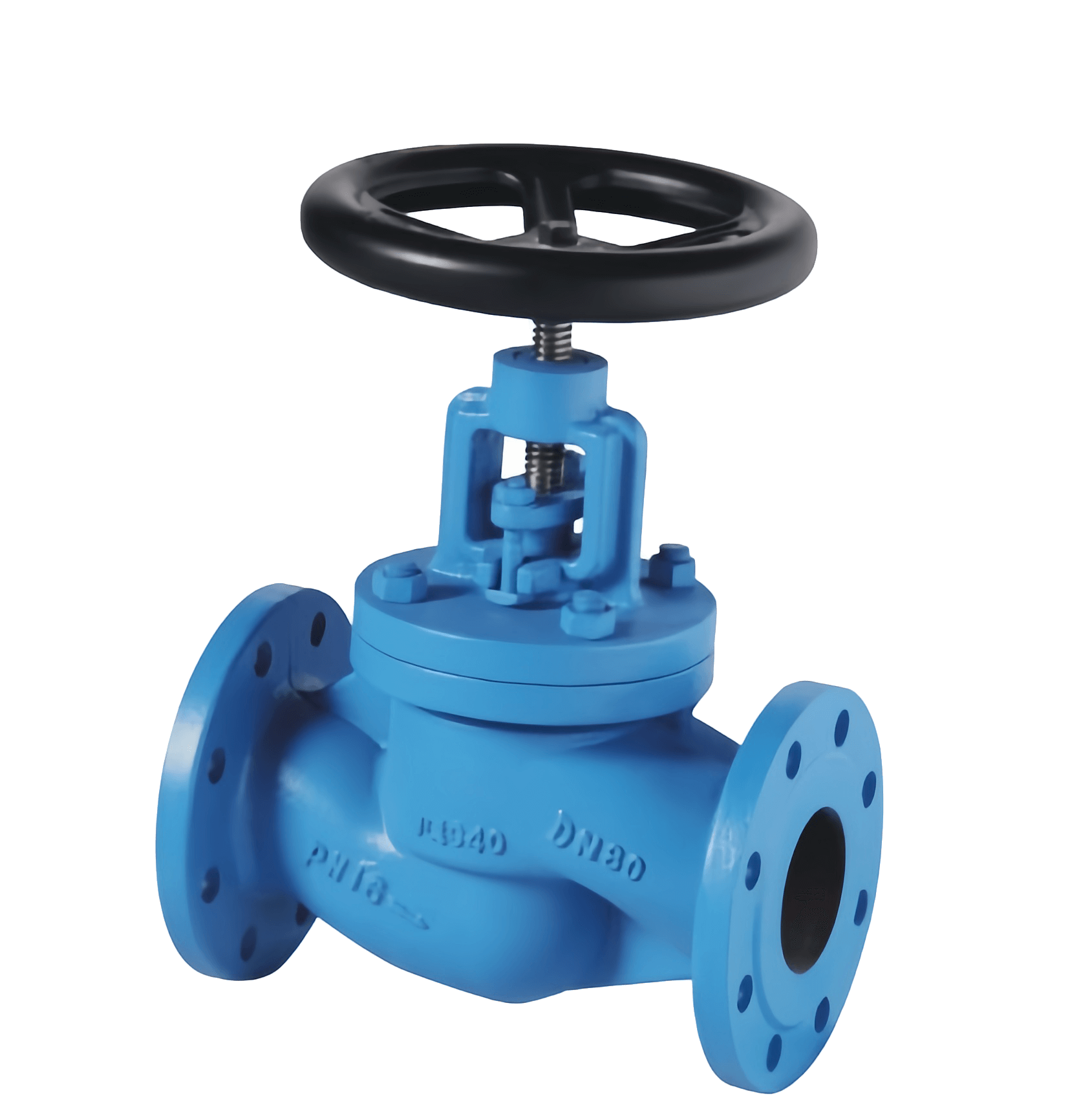
Engineering Challenges That Demand Globe Valve Solutions
Inaccurate Flow Throttling
Ball valves oscillate between too open and too closed during modulation attempts
Cavitation Damage
Butterfly valves create velocity spikes that erode seats within 6 months
Thermal Expansion Failures
Gate valves seize when temperatures fluctuate beyond 150°C differential
Pressure Drop Instability
Inconsistent pressure curves make PID tuning impossible in automated systems
Designed for applications where control precision outweighs valve cost
Globe Valve: Linear Motion Control for Precise Flow Regulation
Operating Principle
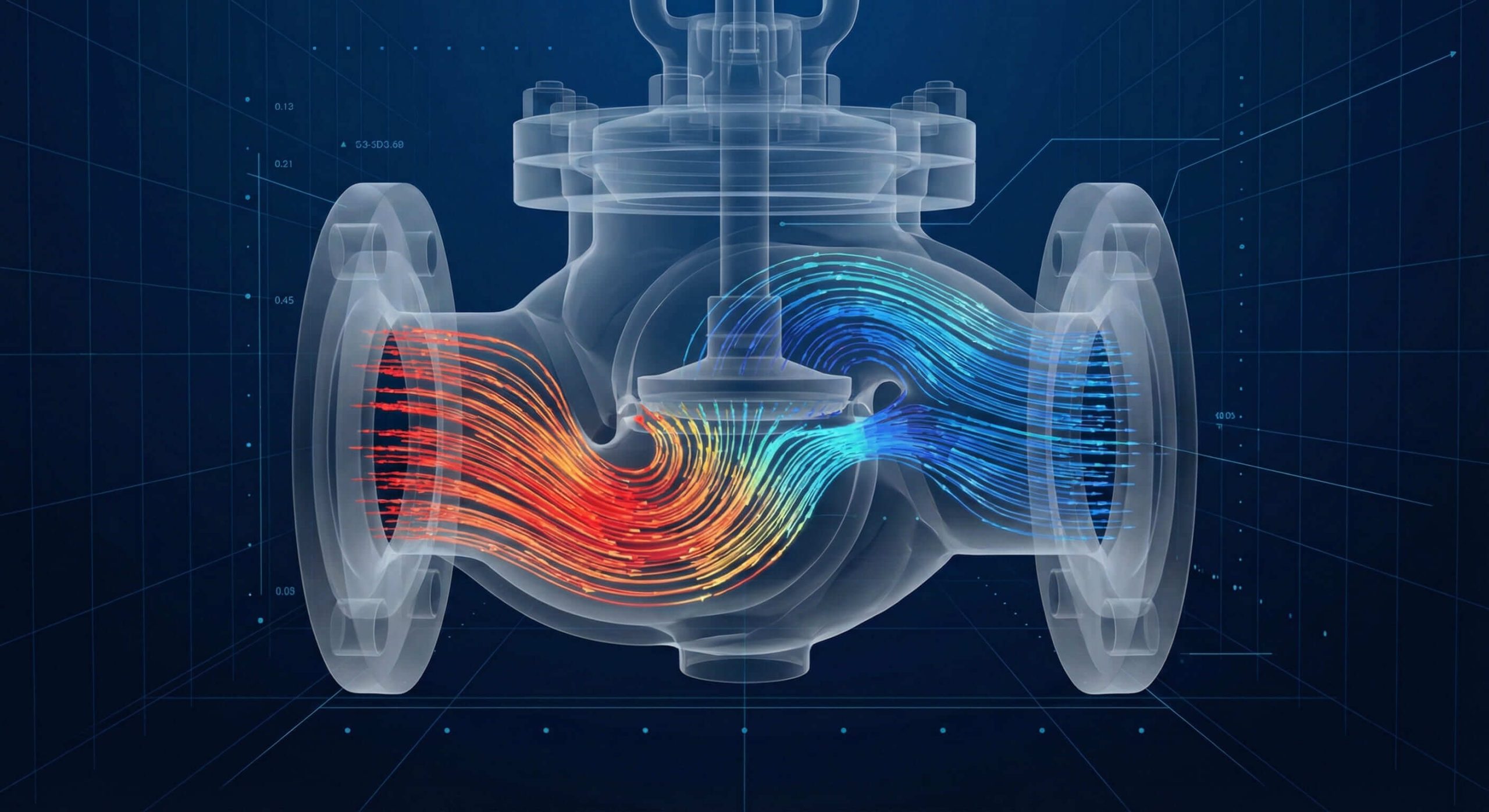
A movable disc travels perpendicular to the seat, creating a variable orifice. As the stem lifts, flow area increases proportionally. The S-shaped body redirects flow twice, dissipating velocity and converting kinetic energy into controlled pressure drop.
Why Globe Valves Excel
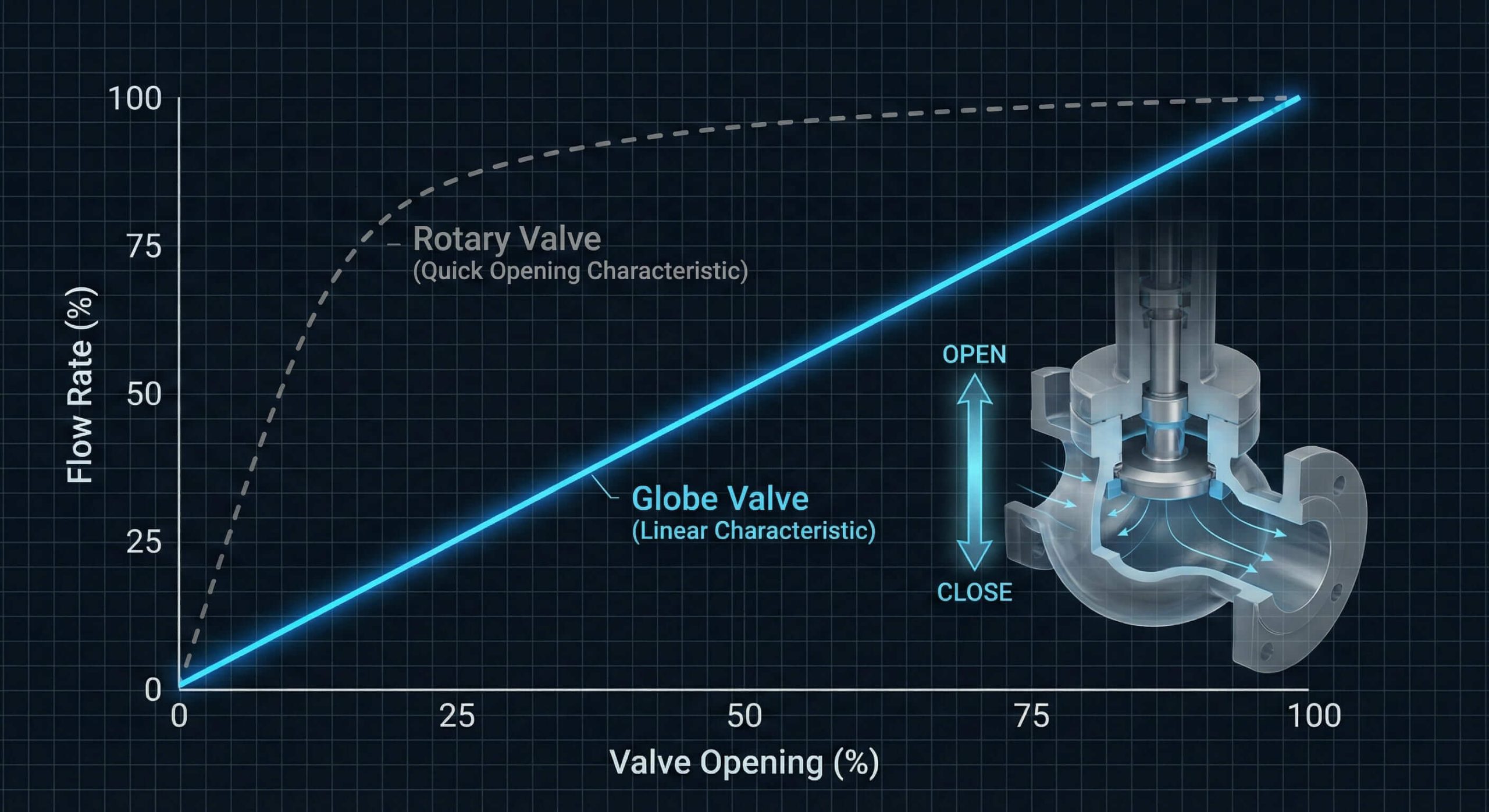
Disc position directly correlates to flow rate with predictable linearity. Unlike rotary valves where 10° of rotation might change flow by 60%, Globe Valves deliver consistent incremental control. Guided disc movement prevents chattering under partial loads.
Valve Type Comparison
Select Globe Valves when throttling frequency exceeds 20 cycles/hour or when CV variation must stay within ±3% across the operating range.
Need help determining if Globe Valves fit your system?
Where Globe Valves Are Non-Negotiable
Mission-critical applications where throttling precision determines operational success
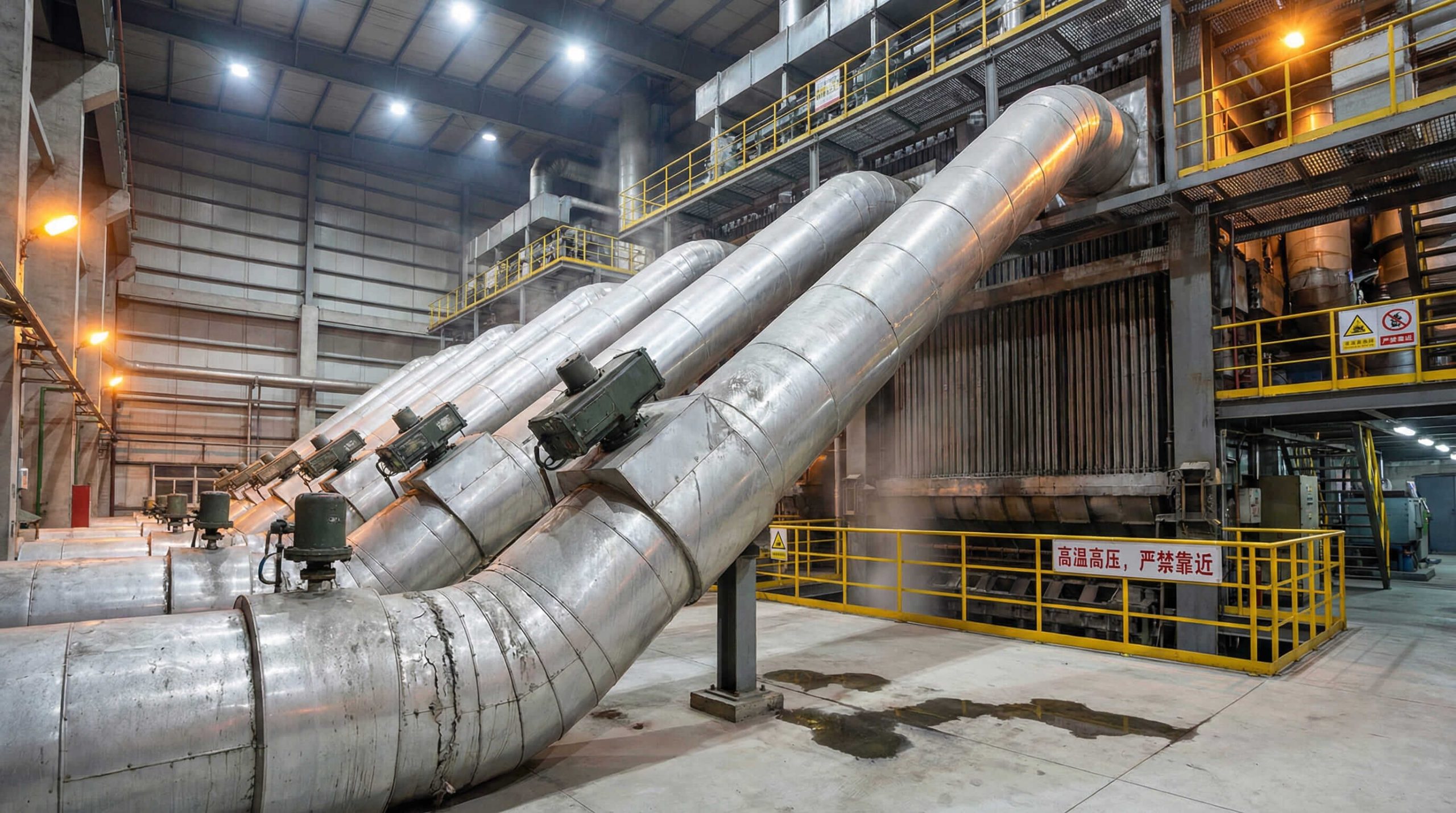
Boiler Feedwater Control
Linear flow response prevents thermal shock during load changes
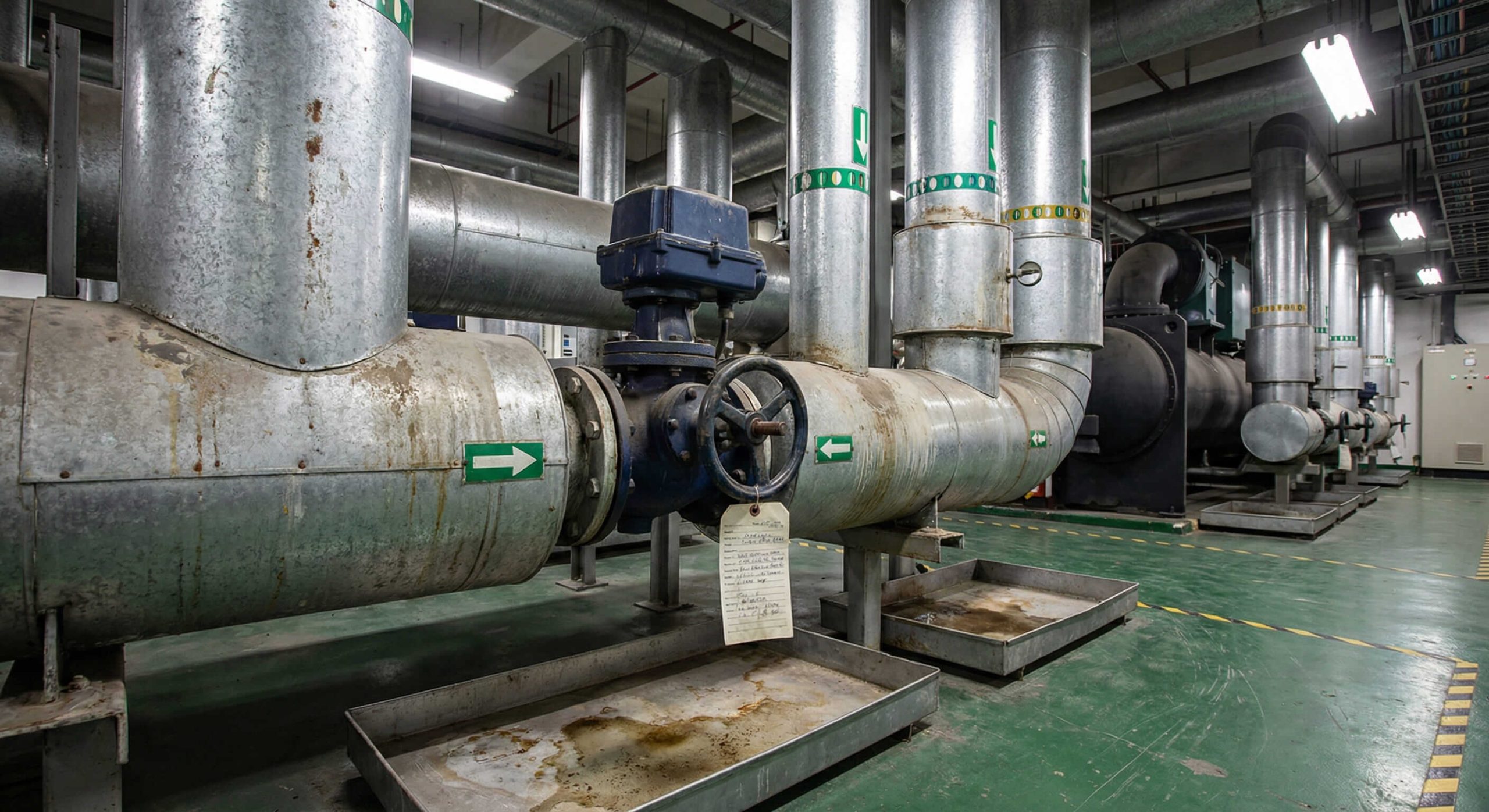
HVAC Coil Bypass
Maintains differential pressure balance across parallel cooling paths
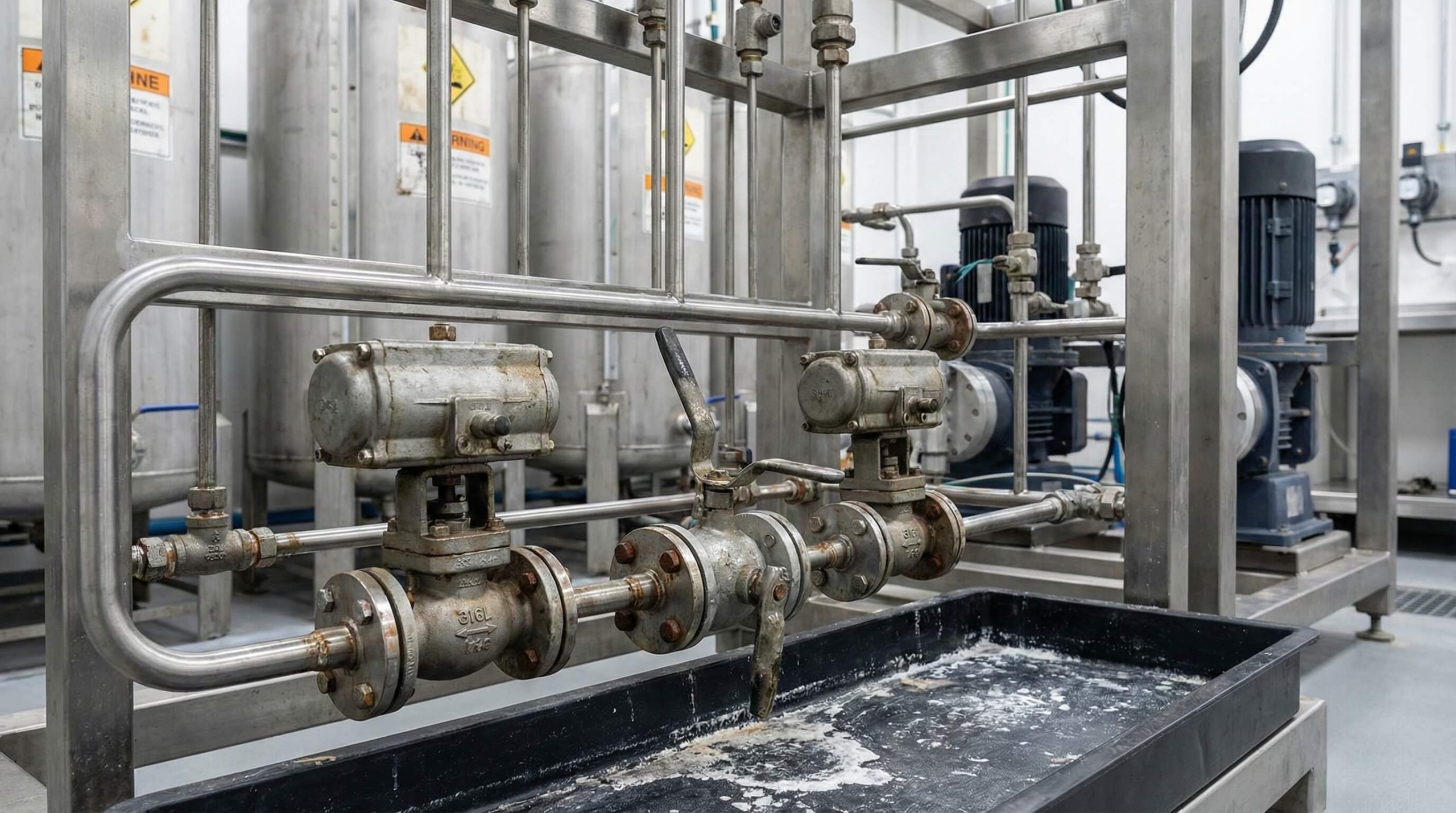
Chemical Dosing Loops
Repeatable positioning ensures additive concentration stays within ±2%
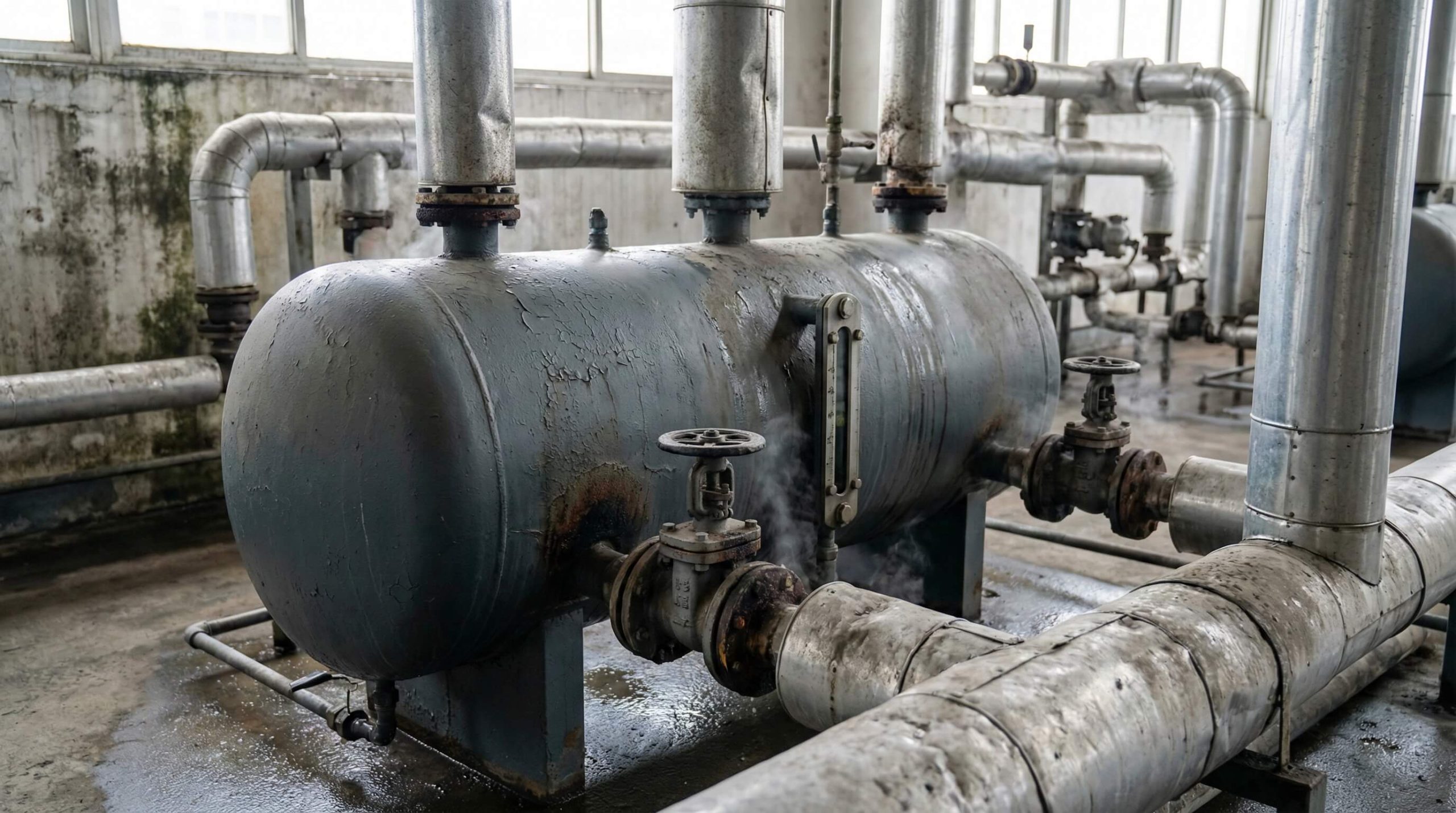
Condensate Recovery
Prevents backpressure fluctuations that cause steam trap failures
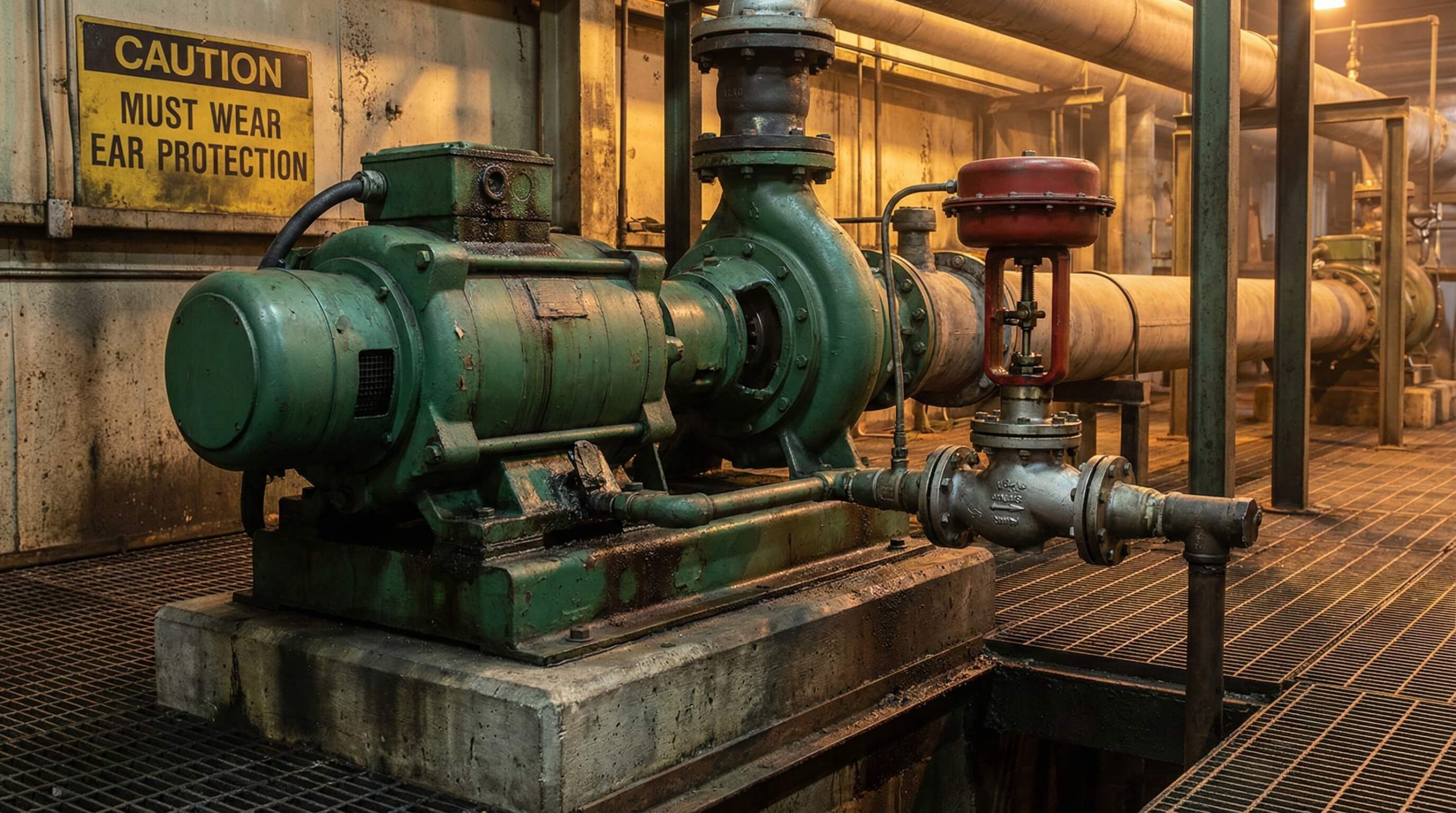
Pump Recirculation
Gradual opening prevents water hammer during minimum flow protection
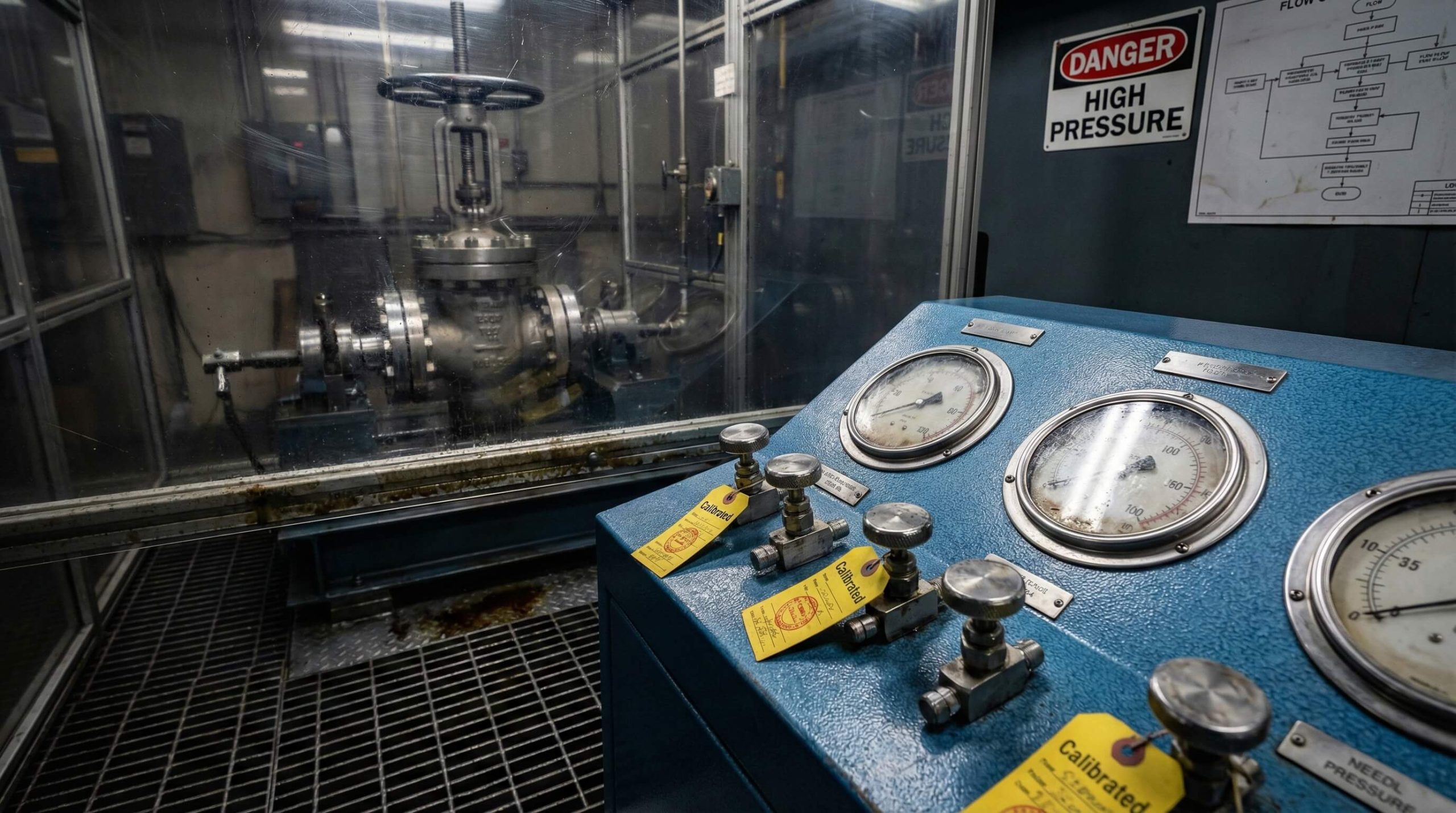
Hydraulic Test Benches
Fine-tuning capability achieves exact test pressures without overshoot
Match your process conditions to the correct valve architecture
5 Critical Selection Parameters Engineers Must Verify
Flow Coefficient (Cv)
Verify Cv at 70% travel matches your normal operating condition, not just wide-open Cv
Pressure Recovery (FL)
Globe valves have FL of 0.85-0.9; calculate choked flow limits before finalizing sizing
Seat Leakage Class
Specify ANSI Class IV (0.01% Cv) minimum for control service; Class VI for critical isolation
Packing vs. Cycle Frequency
PTFE packing suits <20 cycles/hour; graphite required for frequent modulation or 250°C+
Flow Direction
Flow-to-open reduces actuator thrust but increases seat wear; flow-to-close preferred for control
Get engineering support to validate your selections against actual operating conditions
Engineered Structure for Extended Service Life
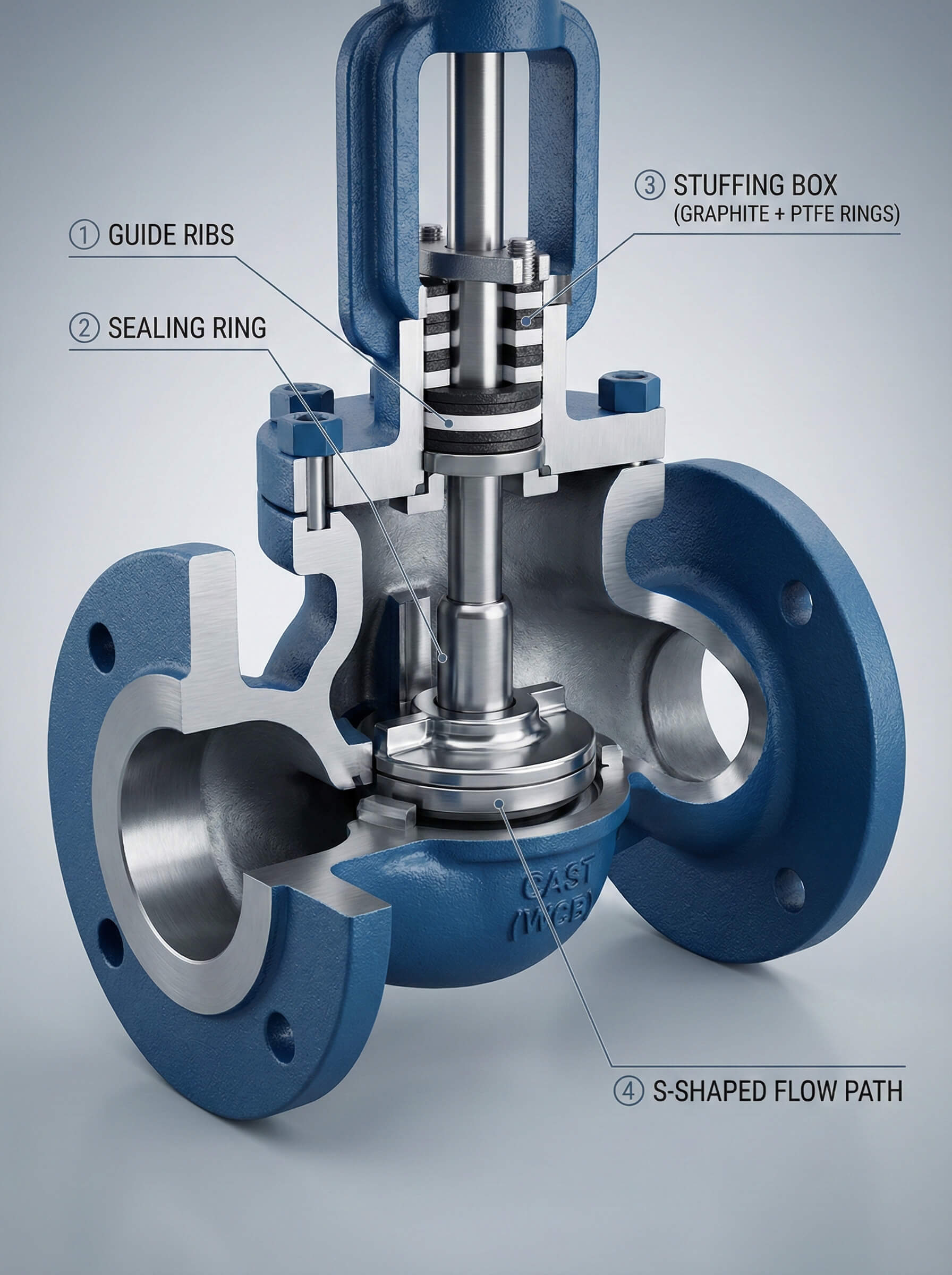
Disc Guided Design
Top and bottom guides prevent lateral movement during throttling
Hard / Soft Seat Options
Metal-to-metal for high temp; PTFE/RPTFE for bubble-tight shutoff
Low-Leakage Packing
Multi-layer graphite or PTFE reduces fugitive emissions to <50 ppm
Optimized Flow Path
S-curve geometry dissipates energy without creating turbulence zones
Request detailed assembly drawings with material specifications
Material Selection Determines Service Life
Match metallurgy to actual operating conditions, not just nameplate ratings
Ambient Water Systems
Carbon steel provides cost efficiency while 13Cr resists erosion from suspended solids
High Temperature Systems
Chrome-moly alloy maintains strength at elevated temps; Stellite prevents galling
Corrosive Media
Molybdenum in 316 resists chloride pitting; RPTFE handles chemical attack
High-Frequency Modulation
Precipitation-hardened stainless withstands repetitive impact without work hardening
Unsure which material combination suits your process chemistry?
Compliance Built Into Manufacturing, Not Added Afterwards
Design Standards
ANSI B16.34
Pressure-temperature ratings for North American markets
DIN 3356
European dimensional and material requirements
EN 13709
CE-marked valves for EU industrial installations
API 600 / 602
Oil & gas industry bolted/threaded bonnet specifications
Third-Party Certifications
CE Marking
Pressure Equipment Directive compliance for EU projects
ISO 9001:2015
Quality management system certification for consistent output
WRAS Approved
UK drinking water contact materials verification
DNV Type Approval
Marine and offshore classification society acceptance
Need certificates for customs clearance or project approval?
Manufacturing Transparency: Every Step Documented
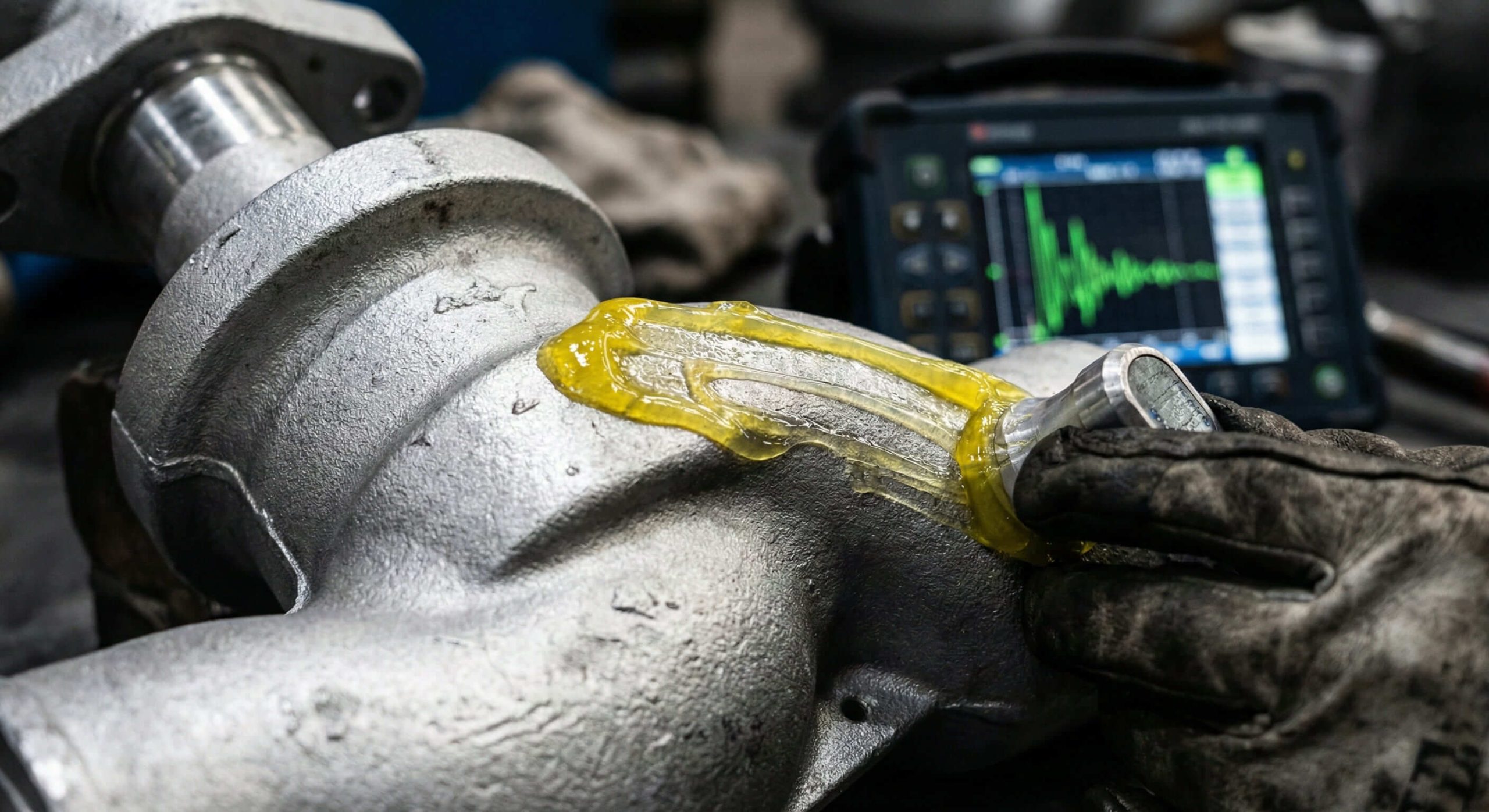
Casting
Ultrasonic testing for internal defects before machining
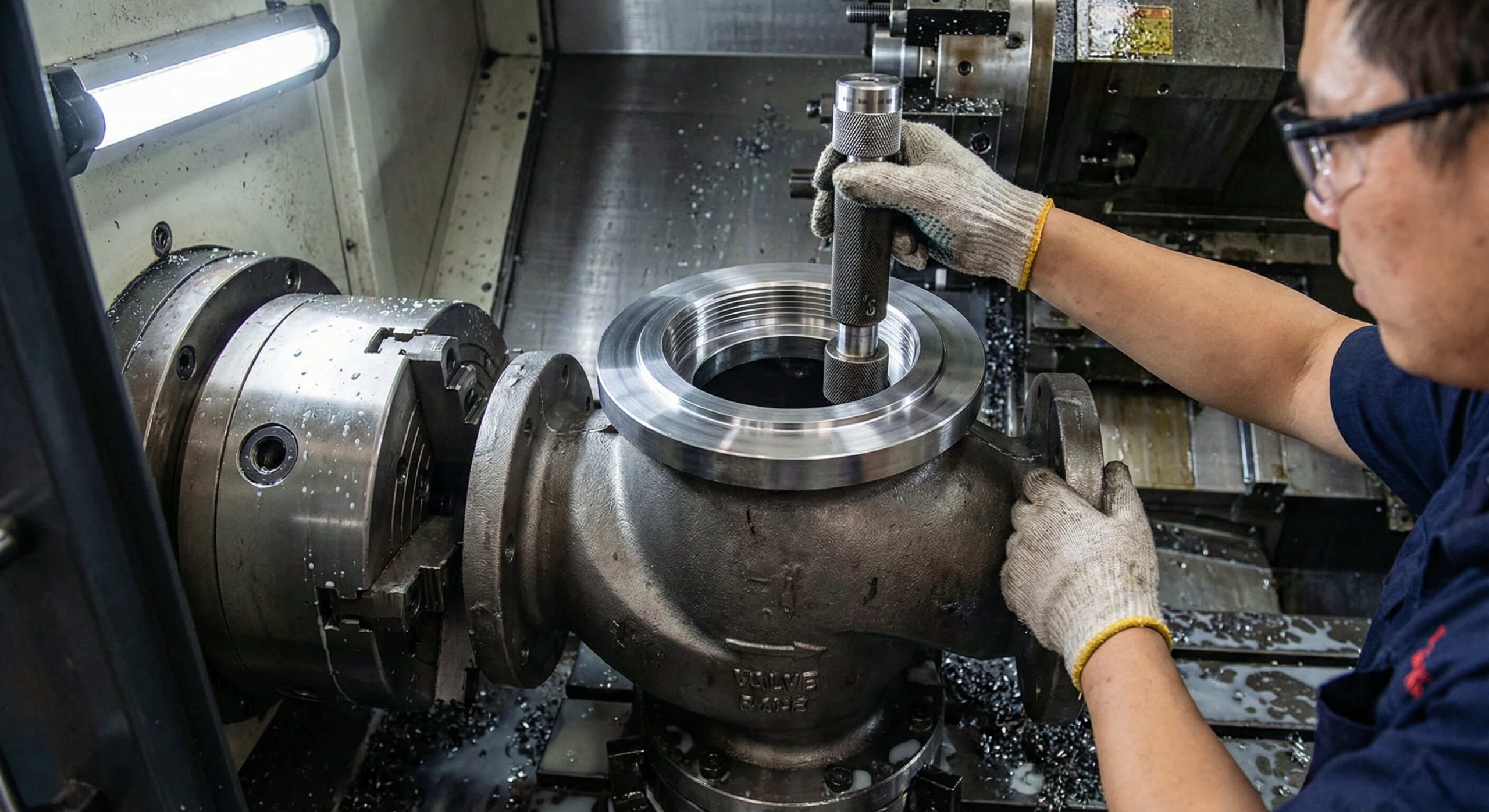
Machining
CNC tolerance verification at seat and bonnet interfaces
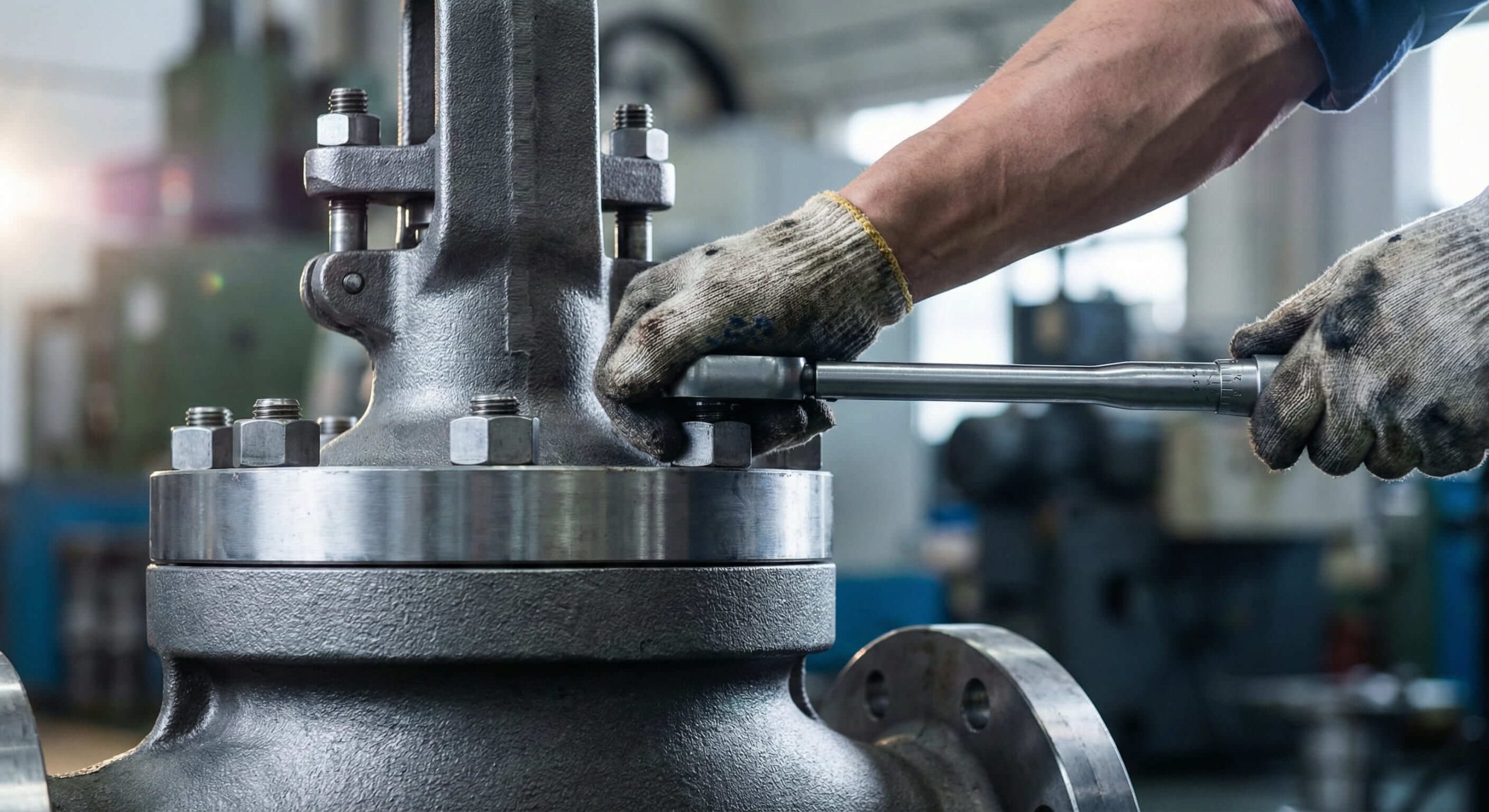
Assembly
Torque-controlled bolting per assembly specification sheets
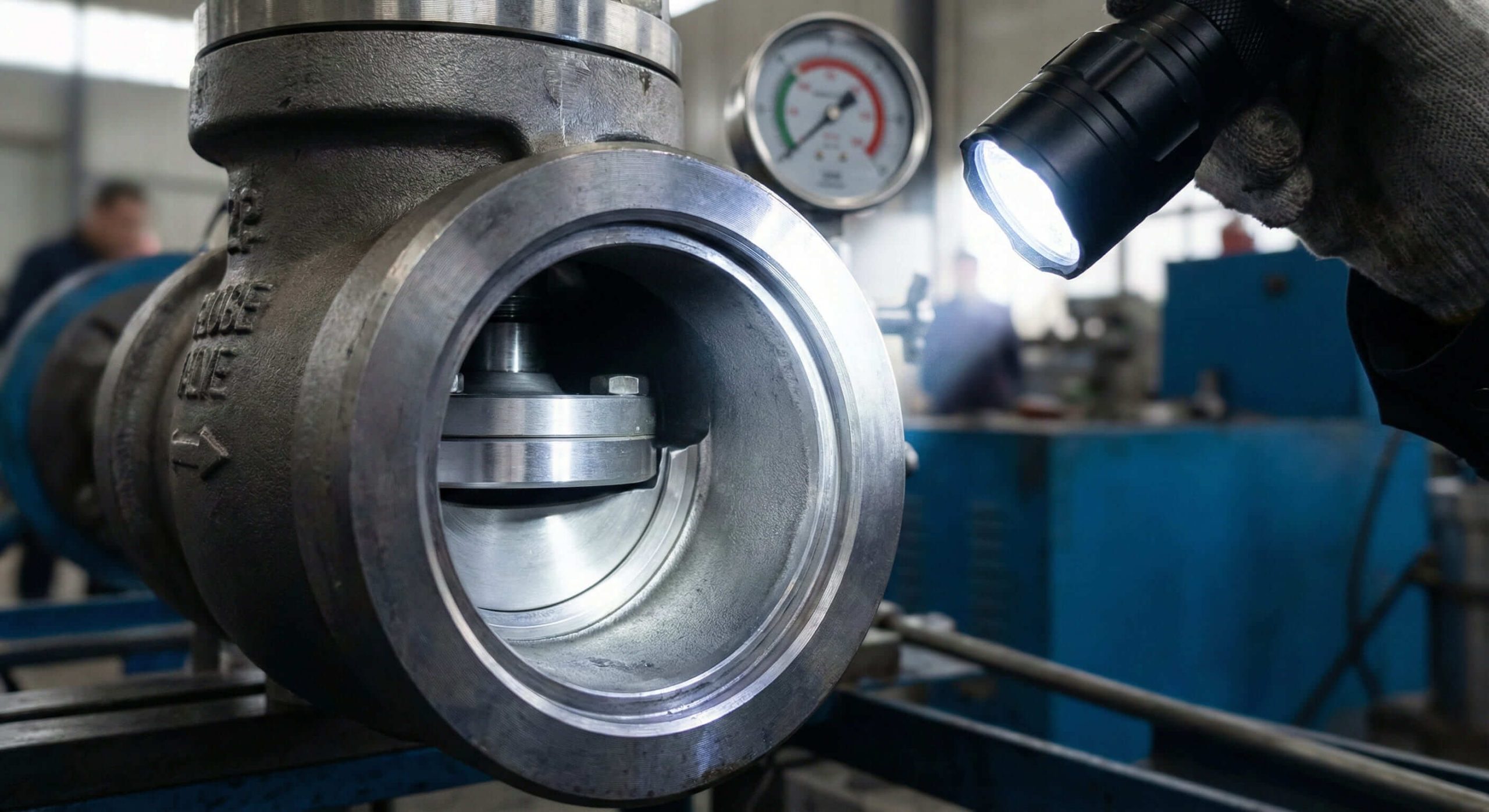
Pressure Test
Shell test at 1.5× rated pressure, seat test at 1.1× for 60 sec
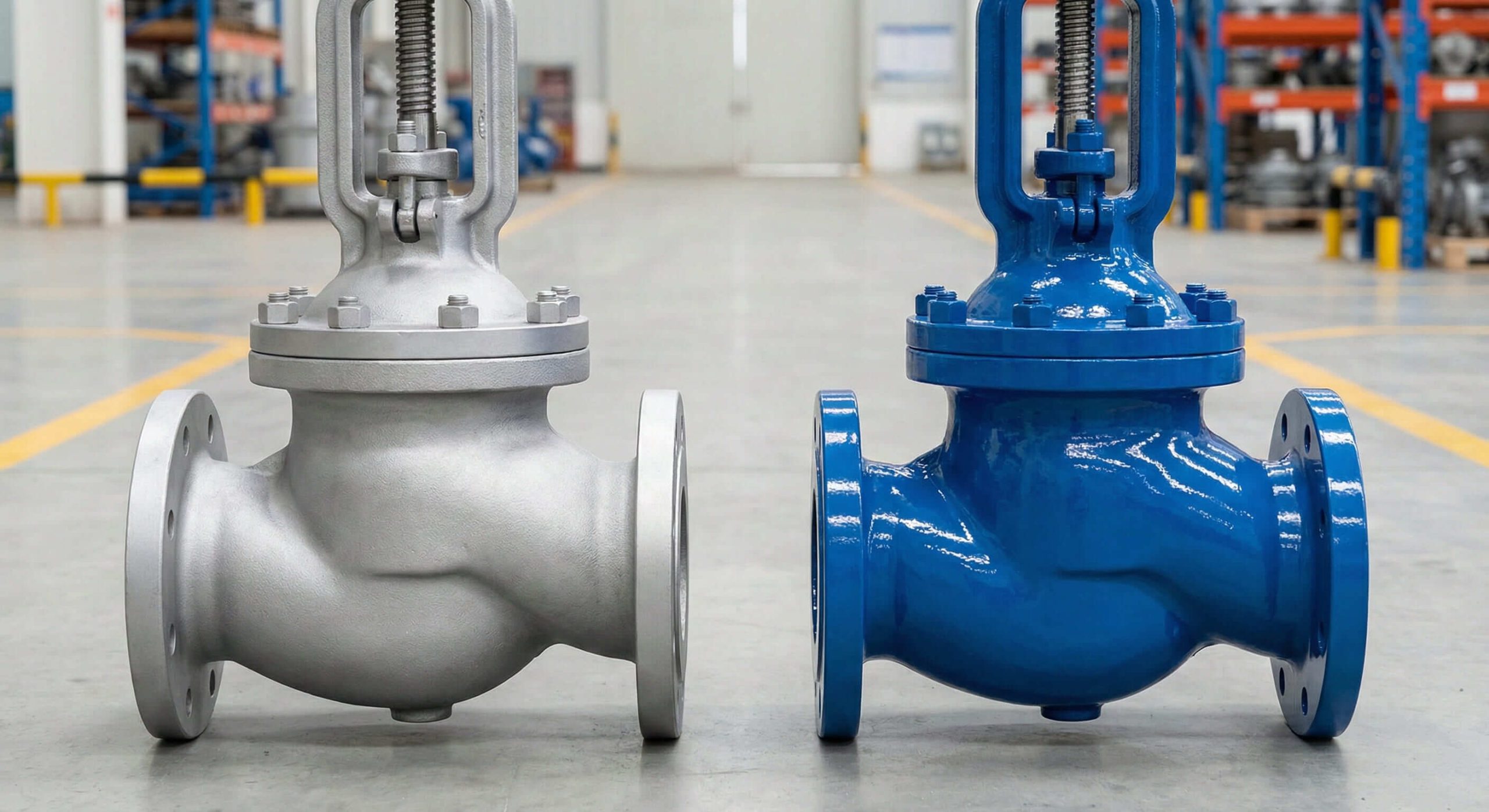
Painting
Epoxy coating after sandblasting to Sa 2.5 surface profile
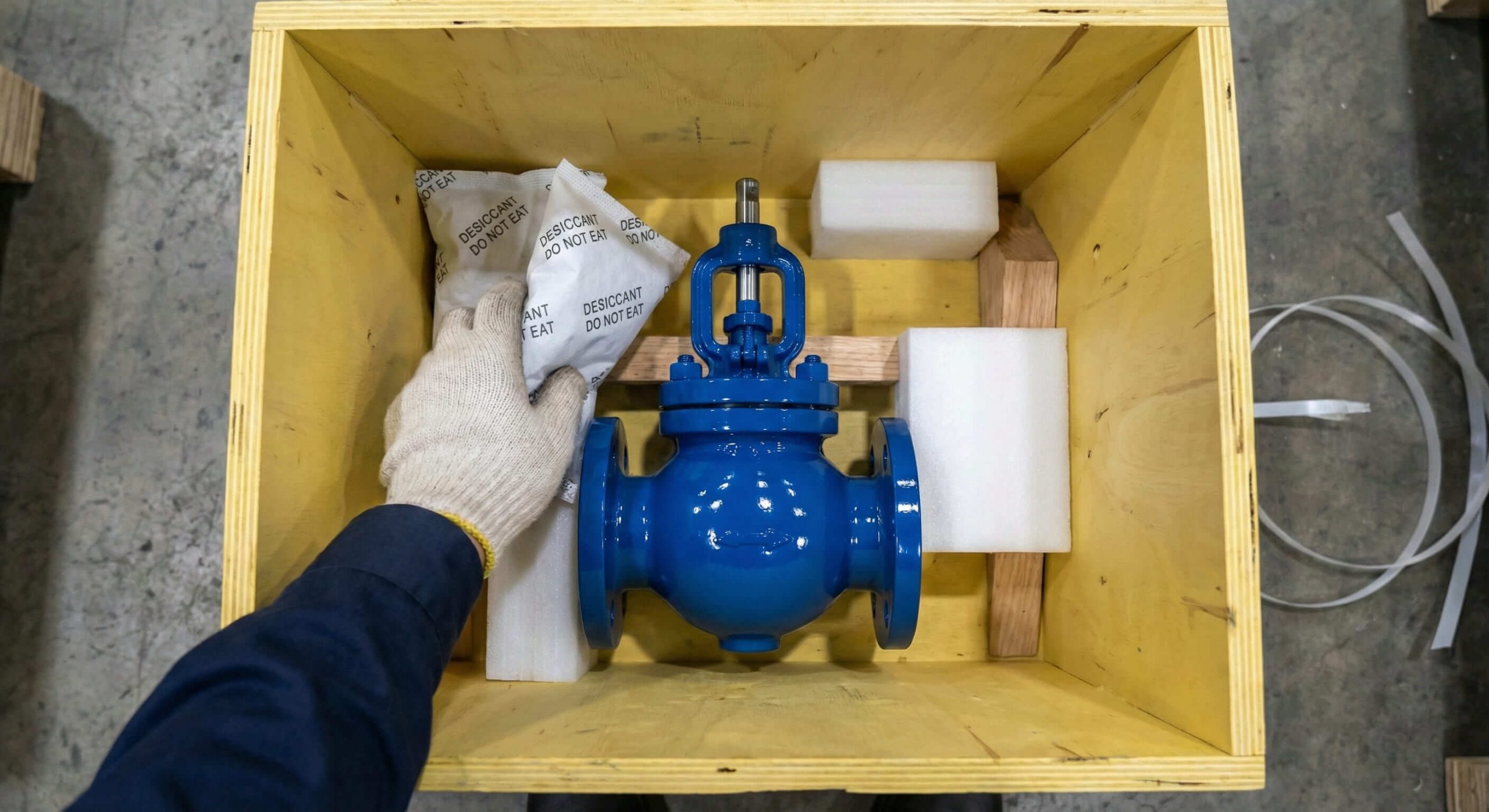
Packing
Individual plywood crates with desiccant and tamper-evident seals
100% Pressure Tested
No sampling—every valve tested to standard
Traceable Batch ID
Heat numbers linked to mill certificates
In-House QC Team
Independent inspection at each process gate
Want to see our factory processes in detail?
How We Guarantee Batch-to-Batch Consistency
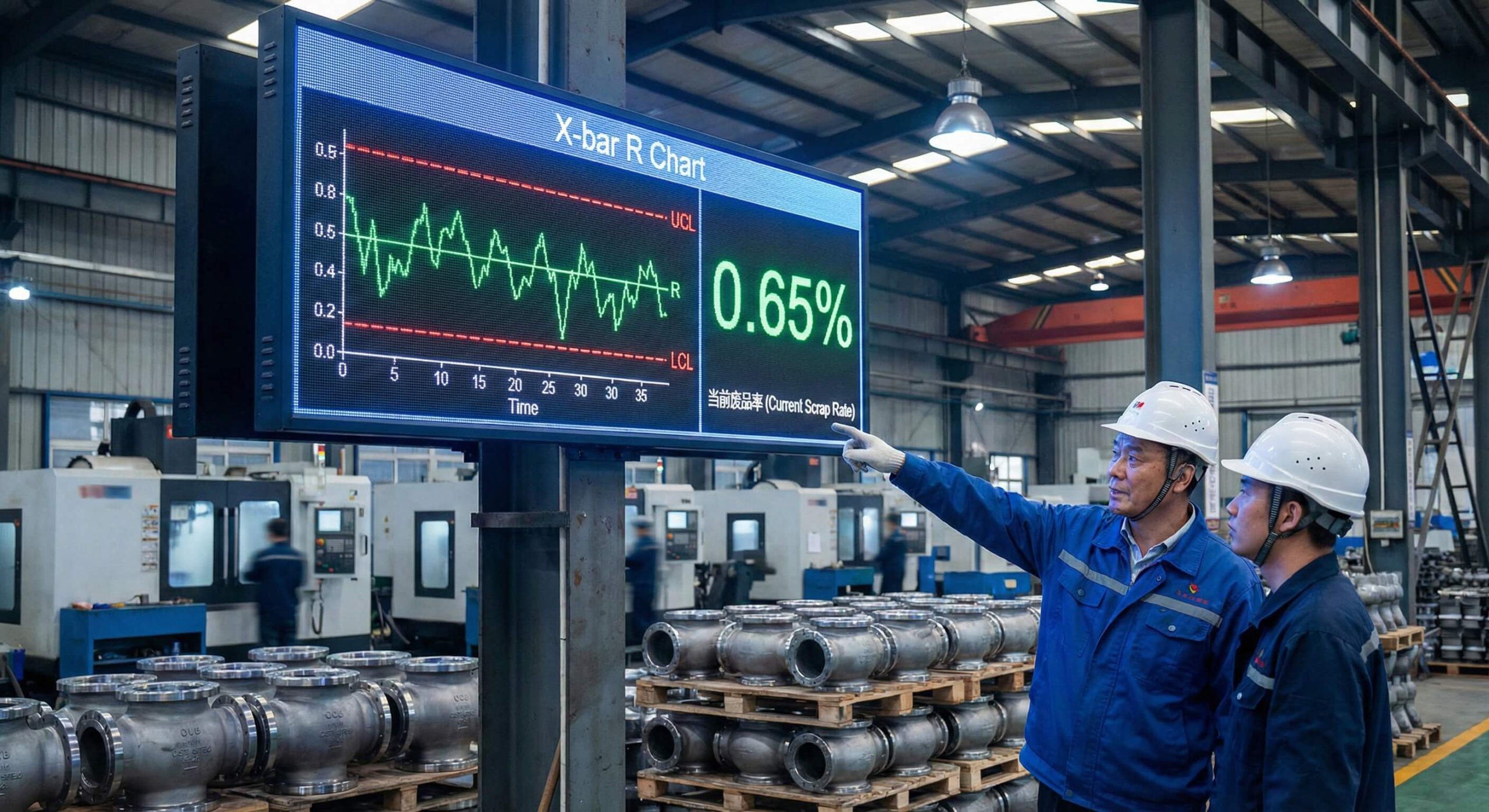
Defect Rate Tracking
Real-time SPC monitoring keeps rejection rate below 0.8% across all product lines
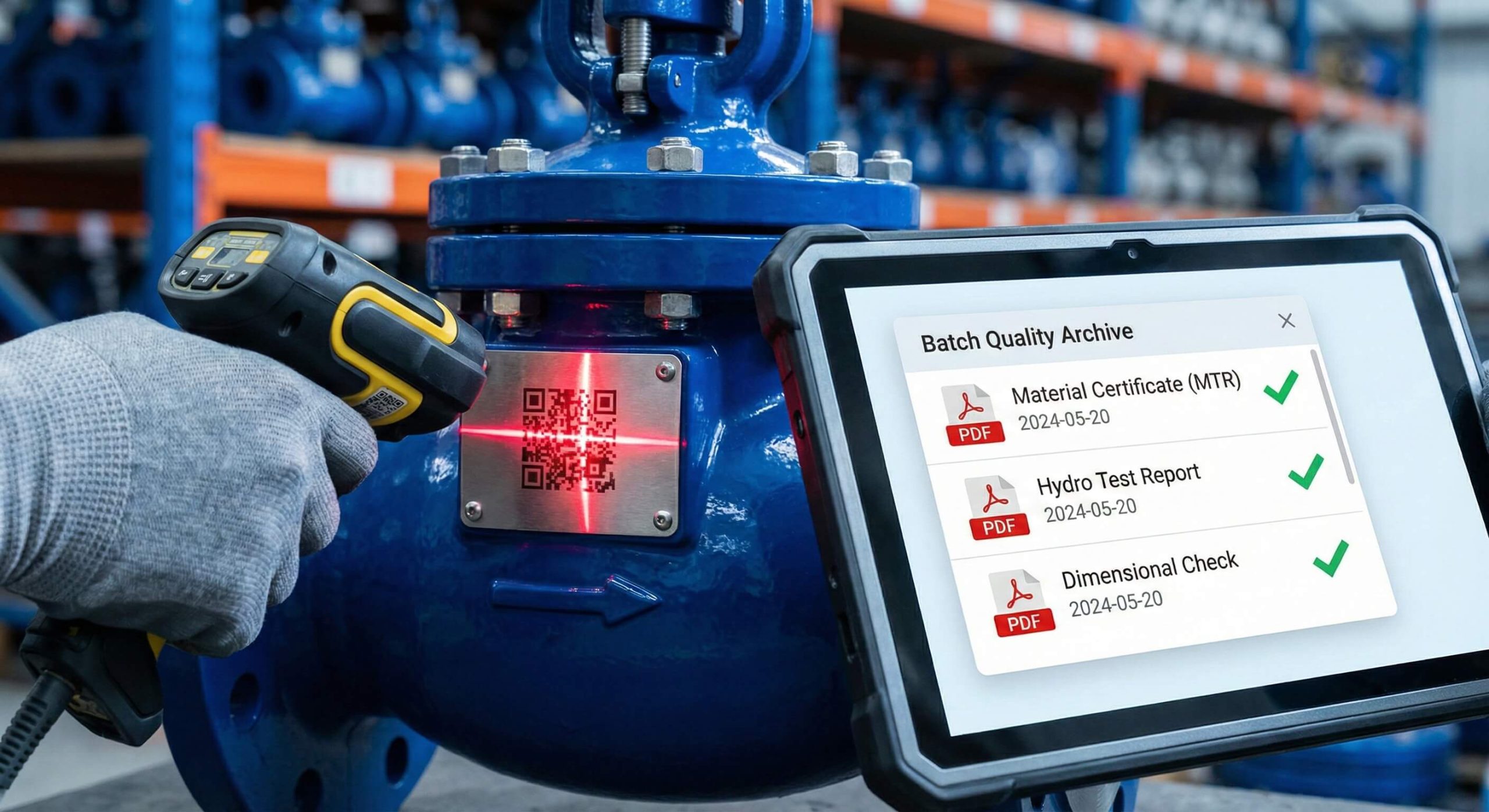
Batch Archive System
Digital records retained for 10 years with material certs, test reports, and dimensional data
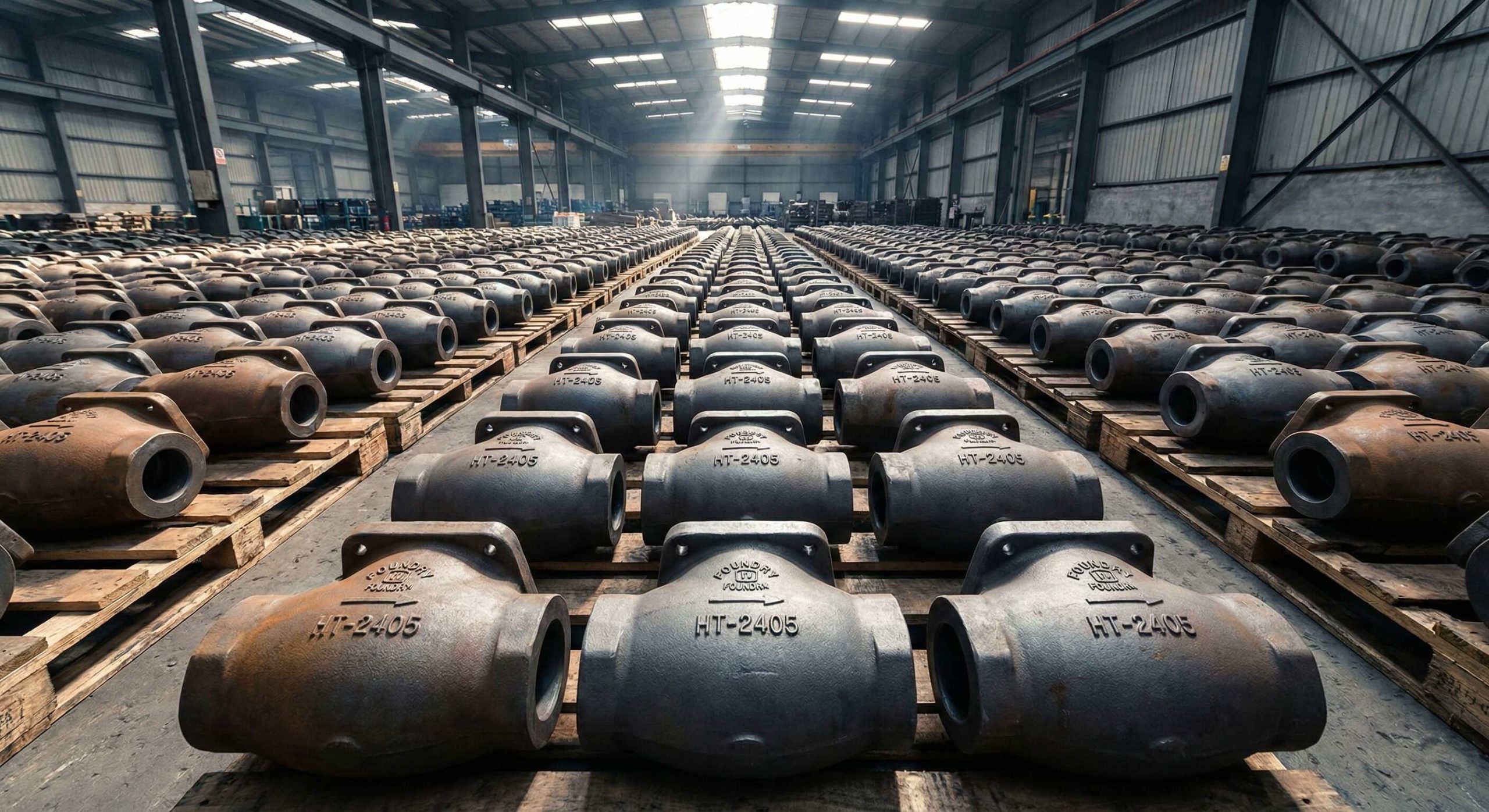
Fixed Supply Chain
Sole-source agreements with steel mills prevent material variation between production runs
Dedicated QC Team
8 full-time inspectors independent from production, each certified to Level II NDT standards
Review our quality control procedures and inspection points
Flexible Delivery Engineered for Real Project Timelines
Inquiry & Check
Technical review within 24 hours
Engineering Review
Sizing & drawing approval
Production
Lead time: 15-25 days
Testing
Pressure test & reports
Partial Delivery
Split shipments available
Final Delivery
Complete documentation
Coordinate delivery schedule with your construction milestones
Proven Performance in Real Industrial Applications
Validated solutions from actual installations, not theoretical claims
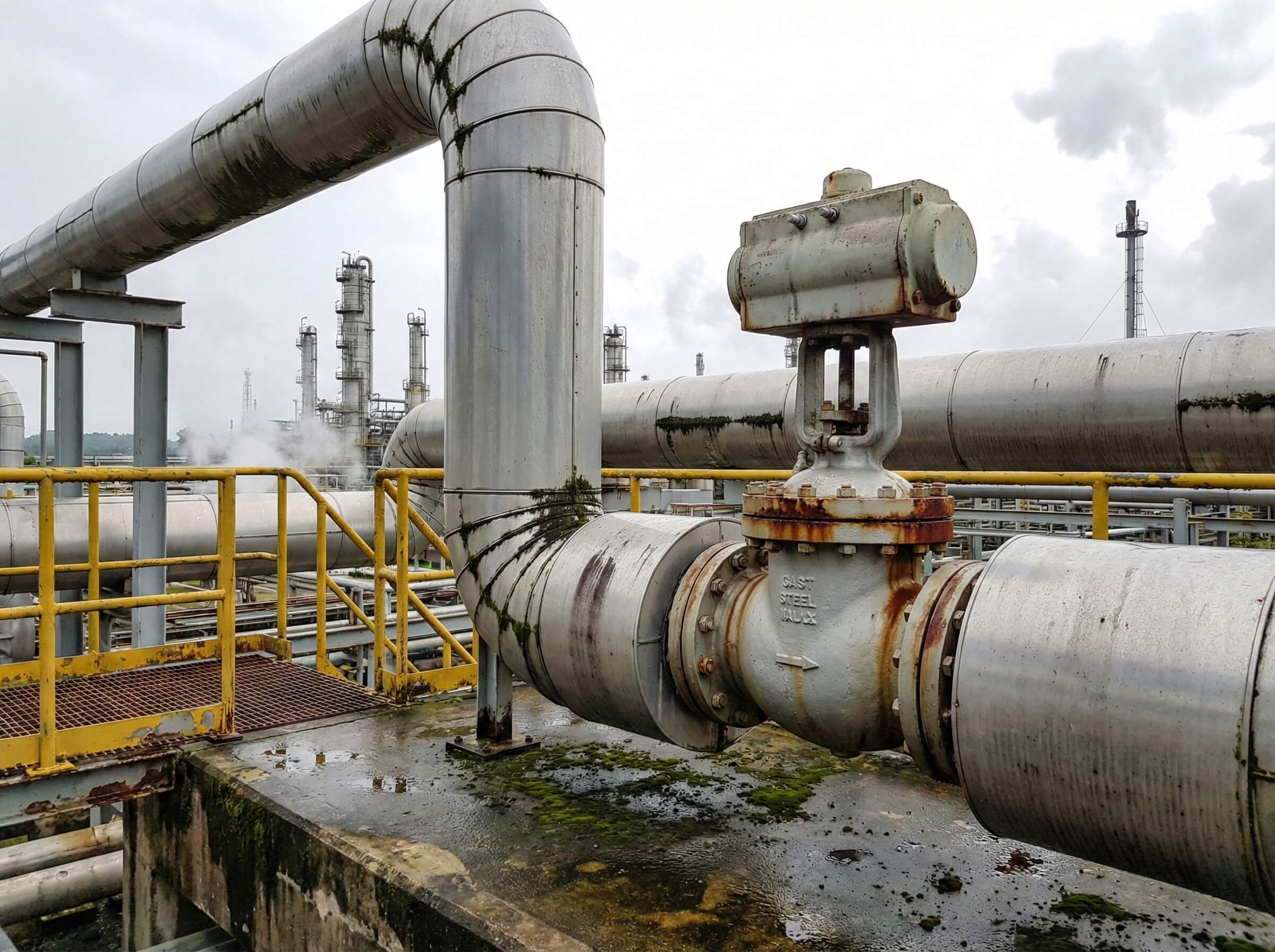
Steam Pressure Reduction Station
Refinery desuperheater application in Malaysia
Challenge
Existing ball valves couldn't maintain ±0.2 bar stability during load swings; steam temperature varied 15°C
Solution Provided
DN80 PN40 Globe Valve with linear trim, WC9 body, Stellite seat for 480°C service
Measured Result
Pressure stability improved to ±0.05 bar; 18 months zero maintenance record
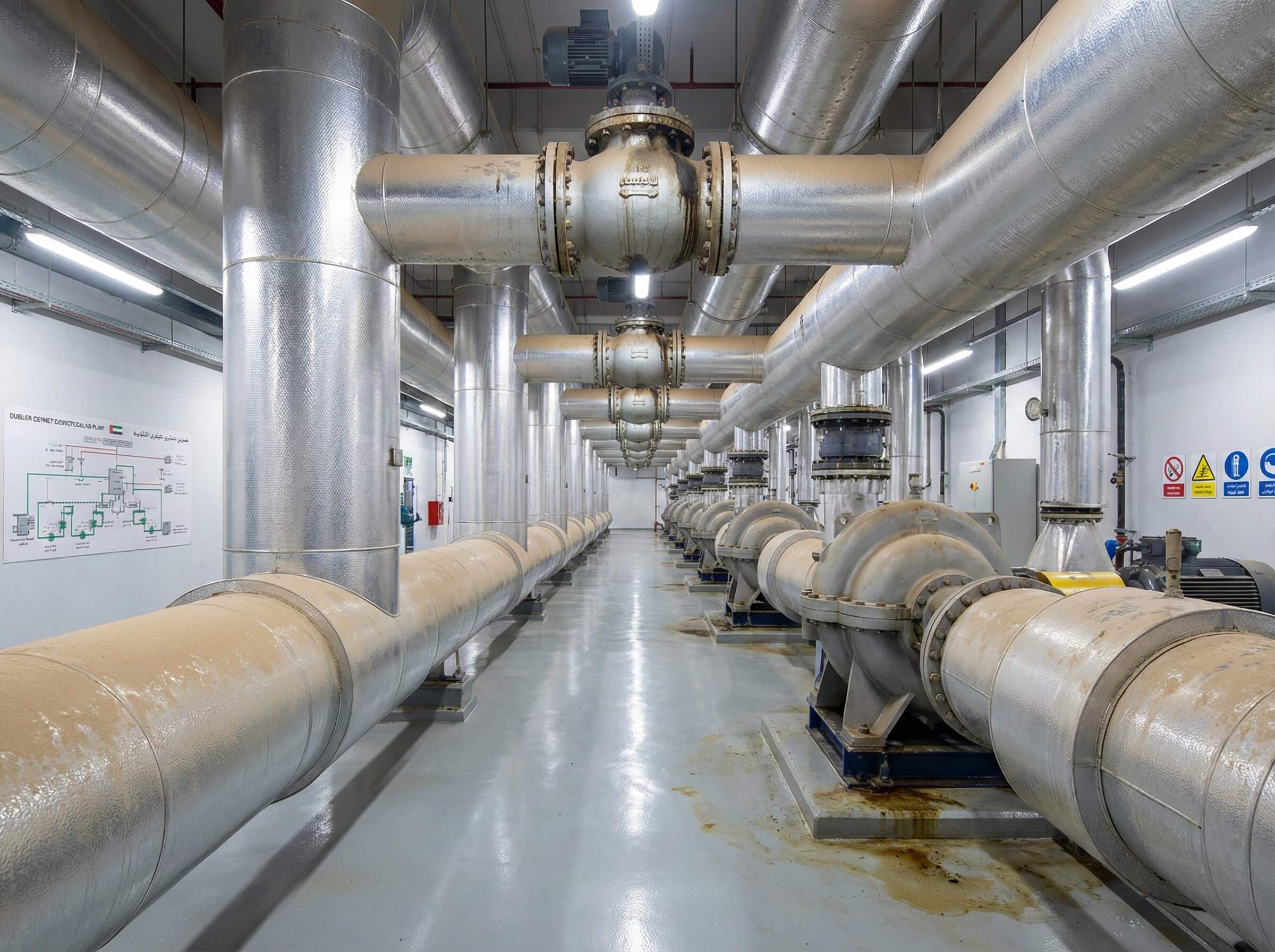
District Cooling Balancing Loop
Commercial complex secondary pump system in Dubai
Challenge
Butterfly valves created 30% flow imbalance between zones; remote floors over-cooled while lobbies under-served
Solution Provided
DN150 PN16 Globe Valves with characterized disc; CF8M body for glycol compatibility
Measured Result
Flow distribution variance reduced to <5%; energy consumption dropped 12% from reduced pump head
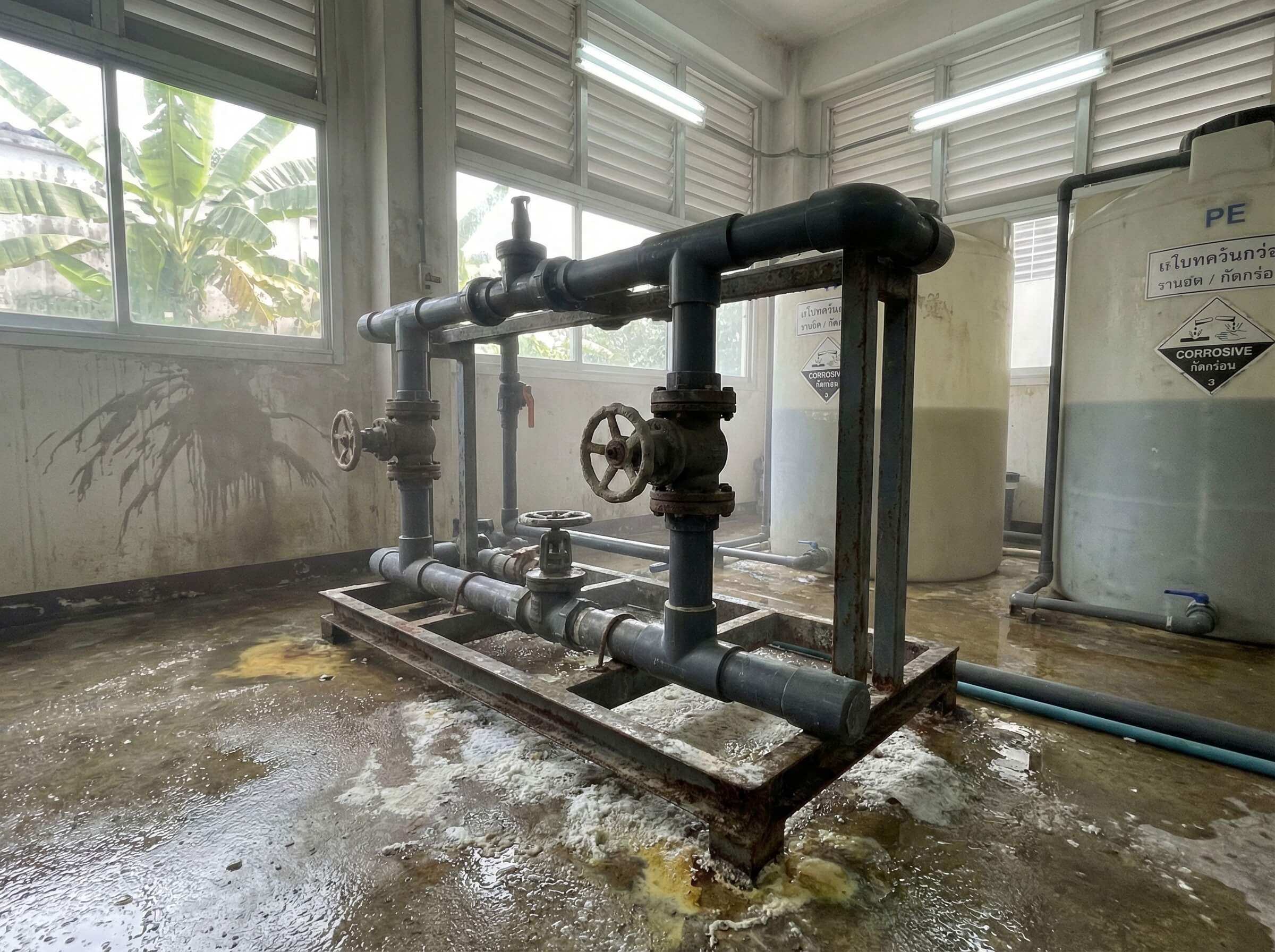
Chemical Dosing Control
Municipal water treatment plant in Thailand
Challenge
Chlorine dosing overshoots caused non-compliance with WHO limits; manual adjustment required every 2 hours
Solution Provided
DN25 PN16 Globe Valve with RPTFE seat; equal percentage trim for low-flow accuracy
Measured Result
Chlorine residual held within 0.5-0.8 ppm automatically; operator intervention eliminated
Share your application challenge for a customized engineering analysis
Why Engineering Teams Partner With RUITO
Not a Trading Company
We manufacture every valve in our own foundry—no middleman markup, no supply chain blackbox
Not Price-Only Supplier
Budget matters, but we optimize total cost of ownership through material selection and design longevity
Not Catalog-Only Support
Standard products available, but 40% of orders involve engineering modifications for specific conditions
Engineering-First Mindset
Sales discussions start with system parameters, not just order quantities—because correct sizing prevents callbacks
Experience the difference of working with a manufacturer who understands valve applications
Complete Technical Documentation Ready for Approval
All documents ready for approval—no waiting, no excuses
GA Drawing (General Arrangement)
Dimensional verification and installation planning
Material Certificate (EN 10204 3.1)
Customs clearance and quality audits
Pressure Test Report
Project commissioning approval and FAT evidence
O&M Manual (Operation & Maintenance)
Handover documentation and maintenance planning
Datasheet (English)
Technical submittal for engineering review
Request full documentation package in editable format
Engineering Support Process: From Inquiry to Delivery
Send Parameters
Provide flow rate, pressure, temperature, media type, and pipe size
Engineer Review
Calculate Cv, check velocity limits, verify pressure drop and cavitation risk
Proposal
Recommend valve size, trim type, materials, and actuation if needed
Drawing Approval
Review GA drawing and confirm flange rating, connection type
Production
Manufacturing with progress photos sent at casting, machining, and testing stages
Delivery
Shipment with complete documentation package and packing list
Start your project with a free technical consultation
Frequently Asked Questions
What is your Minimum Order Quantity (MOQ)?
What is the standard delivery lead time?
Do you provide pressure test reports?
Can you produce valves with special materials?
Do you offer OEM or private labeling?
What certifications do you hold?
How do you handle spare parts?
Do you provide installation manuals?
What is your warranty period?
Can you help with valve sizing?
What NDT testing methods are available?
What are your payment and shipping terms?
Still have questions about your specific project requirements?
Ready to Solve Your Flow Control Challenge?
Our engineering team is ready to analyze your system parameters and provide a guaranteed solution within 24 hours. Stop settling for catalog replacements—get a valve engineered for your process.