
Selecting the wrong flow control component can lead to catastrophic system leaks, unexpected pressure drops, and frequent mechanical failures that compromise your entire operation. Every hour of downtime caused by a faulty valve translates to lost revenue, while using incompatible materials in high-pressure environments creates significant safety risks for your facility. By understanding the specific butterfly valve details and engineering behind these components, you can ensure a leak-proof, efficient system that stands the test of time.
What are the main butterfly valve details for operations?
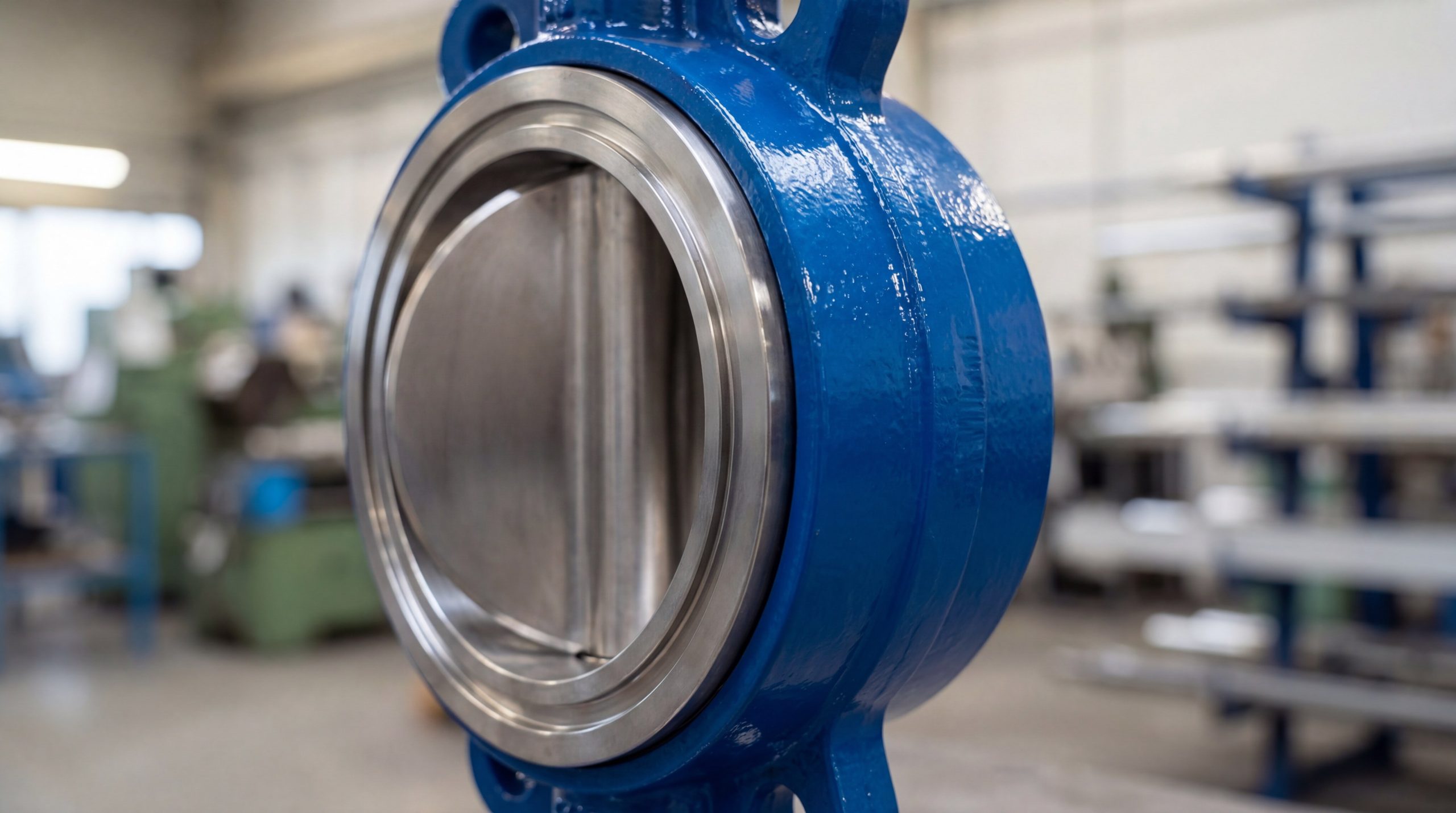
Core butterfly valve details involve a quarter-turn rotational motion where a disc rotates on a spindle to control fluid movement. This simple mechanism allows you to isolate or regulate flow with minimal mechanical complexity. You can easily adapt these valves for manual, pneumatic, or electrical actuation.
How does the internal assembly work?
The operation relies on the precise rotation of the disc to either block or allow passage through the pipe. When the disc is parallel to the flow, it is fully open, whereas a perpendicular orientation provides a tight shut-off.
But that’s not all.
- The stem transmits torque from the handle to the disc.
- The resilient seat ensures a leak-proof seal when closed.
- The body serves as the structural housing for all internals.
| Component | Function |
|---|---|
| Disc | Flow control element |
| Seat | Sealing surface |
| Stem | Torque transmission |
This arrangement minimizes the number of moving parts, significantly reducing the likelihood of mechanical failure.
Key Takeaway: Butterfly valves provide a compact, lightweight solution for efficient flow isolation and throttling.
How does a wafer butterfly valve differ in design?
The wafer design is characterized by its slim profile, allowing it to be sandwiched between pipe flanges using long bolts that span the entire valve body. You will find these butterfly valve details particularly useful in systems where space and weight are critical constraints. This design is highly economical for large-diameter applications.
Is the wafer design built for tight spaces?
A wafer body is engineered to be as thin as possible to save space in crowded industrial piping layouts. It relies on the pressure of the surrounding flanges to maintain its position and seal integrity.
Here is why it matters:
- Lower material cost due to the thin body.
- Easier handling during installation and maintenance.
- Compatible with various flange standards like ANSI and DIN.
| Feature | Advantage |
|---|---|
| Slim Profile | Space-saving installation |
| Lightweight | Reduced pipe support needs |
| Cost | Highly economical |
Wafer types are the preferred choice for HVAC and general water distribution where high-pressure isolation is not the primary concern.
Key Takeaway: Wafer valves offer the most cost-effective solution for space-limited, low-to-medium pressure systems.
Why is the lugged butterfly valve ideal for maintenance?
Lugged bodies feature threaded metal “lugs” that allow the valve to be bolted directly to each flange independently from either side. These specific butterfly valve details enable end-of-line service without disrupting the entire piping network. This structural independence is a major advantage during system upgrades.
Does the lugged design allow end-of-line service?
Using a lugged valve allows you to remove downstream piping while keeping the upstream side under pressure. The bolts thread directly into the valve body, securing it firmly to the remaining flange.
Think about this:
- Supports partial system shutdowns for repairs.
- Provides superior structural integrity in vibrating systems.
- Eliminates the need for through-bolts used in wafer types.
| Capability | Benefit |
|---|---|
| Threaded Lugs | Independent bolting |
| End-of-Line | Safe downstream removal |
| Durability | Robust flange connection |
This design prevents the valve from shifting or losing its seal when one side of the pipe is disconnected.
Key Takeaway: Lugged valves are essential for systems requiring frequent maintenance or segment-by-segment isolation.
What characterizes a double flanged butterfly valve?
A double flanged valve is engineered with raised faces on both ends, providing the most secure and traditional connection type for large pipelines. You should review these butterfly valve details when working with high-pressure municipal water or power plant systems. They are designed to suit heavy-duty industrial standards and offer exceptional longevity.
Why choose flanges for large diameters?
Double flanges provide a stable mounting surface that can handle the high torque and pressure of large-scale fluid transport. They are often used for valves exceeding DN600 where structural stability is paramount.
Here is the breakdown:
- Excellent for buried service and underground mains.
- Available in various pressure classes up to ANSI 600.
- Facilitates easy alignment with existing flanged infrastructure.
| Specification | Typical Value |
|---|---|
| Connection | Integral Dual Flanges |
| Size Range | DN50 to DN1200+ |
| Pressure | High (PN10 to PN40) |
The dual-flange configuration ensures a leak-proof seal and prevents the valve from warping under extreme mechanical stress.
Key Takeaway: Double flanged valves are the industry standard for high-reliability, large-scale utility and industrial lines.
How do zero-offset butterfly valve details impact flow?
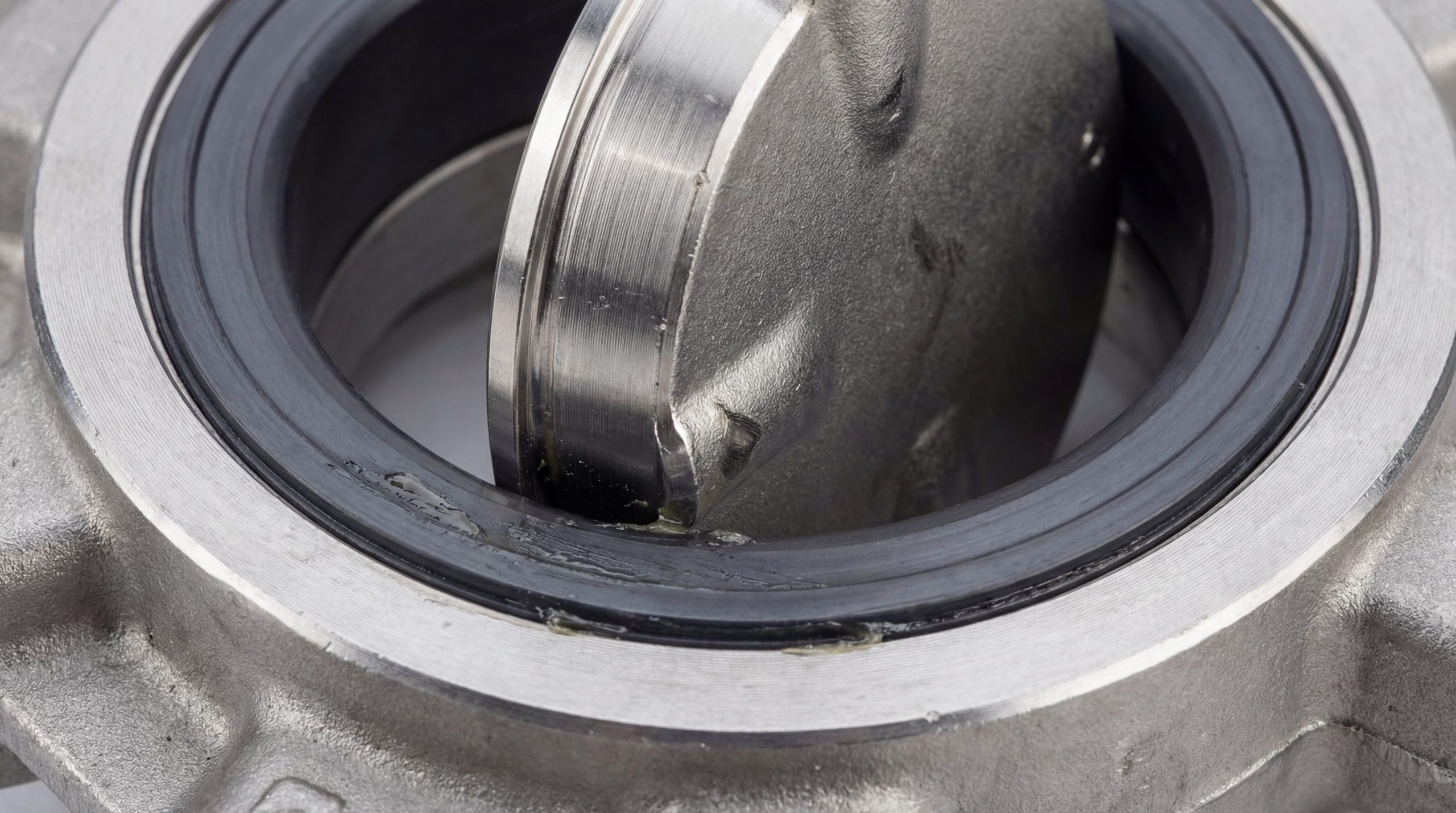
Zero-offset valves, also known as concentric valves, feature a stem that passes through the exact centerline of both the disc and the seat. These butterfly valve details are most common in resilient-seated designs used for low-pressure utilities and non-aggressive media. The simplicity of this design makes it highly reliable for basic on-off applications.
Where are concentric valves used most?
These valves are widely used in liquid and gas systems where temperatures do not exceed the limits of the elastomeric seat. Because the media does not touch the valve body, they are excellent for food processing and chemical handling.
But that’s not all.
- Full 360-degree contact between the disc and seat.
- Low manufacturing cost due to simple geometry.
- Available with various seat materials like EPDM and NBR.
| Offset Type | Sealing Method |
|---|---|
| Zero Offset | Friction-based interference |
| Media Contact | Resilient seat only |
| Application | Water, Gas, Food |
Concentric designs provide an effective seal but may experience more wear during high-cycle operation due to constant friction.
Key Takeaway: Zero-offset valves are perfect for general-purpose applications where chemical compatibility and cost are the main drivers.
What defines high-performance double offset valves?
Double offset valves are distinguished by a shaft located behind the disc centerline and slightly to one side of the pipe centerline. These butterfly valve details create a cam-like motion that reduces friction and extends seat life significantly. This design allows the valve to handle higher pressures and temperatures compared to standard concentric types.
How does the cam action improve sealing?
The eccentric motion ensures that the disc only contacts the seat during the final few degrees of closing. This minimizes wear on the sealing surface and reduces the torque required to operate the valve.
Look at why this matters:
- Suitable for high-cycle, automated applications.
- Often features a PTFE or reinforced seat for chemical resistance.
- Capable of providing Class VI shut-off.
| Performance | Result |
|---|---|
| Cam Motion | Reduced seat friction |
| Seat Life | Significantly extended |
| Pressure | Handles up to 20 Bar+ |
High-performance valves are often a lighter and more affordable alternative to a traditional globe valve in throttling services.
Key Takeaway: Double offset valves are the ideal choice for demanding industrial processes requiring long service life and high reliability.
Why are triple offset butterfly valves highly reliable?
Triple offset valves incorporate a third angular offset in the seat geometry to achieve a zero-leakage, metal-to-metal seal. These advanced butterfly valve details are essential for your high-temperature and high-pressure critical service applications. This design eliminates the need for soft, degradable seats entirely.
Can these handle extreme temperatures?
Triple offset designs excel in environments ranging from cryogenic levels up to 400°C. The metal-to-metal contact ensures that the valve remains bubble-tight even under thermal expansion.
The result is clear:
- Zero friction throughout the entire rotation.
- Fire-safe design by nature of the materials.
- Superior to a check valve for positive isolation in steam lines.
| Offset | Function |
|---|---|
| First Offset | Shaft behind disc |
| Second Offset | Shaft eccentric to pipe |
| Third Offset | Conical seat geometry |
By using a conical sealing path, the valve achieves an airtight closure that does not degrade under harsh chemical exposure.
Key Takeaway: Triple offset valves represent the pinnacle of butterfly valve engineering for hazardous and high-energy systems.
Which materials ensure optimal butterfly valve durability?
Optimal durability is achieved by matching body and seat materials like stainless steel or EPDM to the chemical nature of your media. Understanding these butterfly valve details prevents premature corrosion and catastrophic mechanical failure in the field. You must consider the pH levels, temperature, and abrasive nature of your fluid.
Should you choose stainless steel or iron?
Ductile iron is a cost-effective choice for water, but stainless steel (CF8M) is necessary for corrosive media. Your choice of disc material will also impact the valve’s resistance to high-velocity erosion.
Here is the key:
- EPDM seats are perfect for hot and cold water.
- PTFE seats provide nearly universal chemical resistance.
- Stainless steel stems offer high-strength torque transmission.
| Material | Best For |
|---|---|
| Ductile Iron | Potable water & HVAC |
| Stainless Steel | Chemicals & Marine |
| PTFE | Aggressive acids |
Correct material selection ensures that your valve can withstand the rigors of your specific industrial environment without leaking.
Key Takeaway: Matching the right materials to your media is the most critical factor in maximizing valve lifespan and performance.
How do you identify common butterfly valve failures?
Identifying failures involves monitoring for internal leakage or increased operating torque, which usually indicates seat wear or stem misalignment. Paying attention to these butterfly valve details allows you to perform proactive maintenance before a total shutdown is required. Most issues can be traced back to incorrect sizing or material incompatibility.
What causes unexpected seat leakage?
Debris in the pipeline can score the seat or disc surface, preventing a tight seal. Additionally, operating a valve beyond its pressure rating can cause the resilient seat to deform.
Don’t ignore the signs:
- Unusual noise or vibration during operation.
- Visible external leaks at the stem packing.
- Handle or actuator that becomes difficult to turn.
| Issue | Possible Cause |
|---|---|
| Internal Leak | Worn seat or debris |
| High Torque | Swollen seat or dry stem |
| External Leak | Packing failure |
Routine inspections of the disc edge and seat condition can prevent 90% of unexpected operational failures.
Key Takeaway: Proactive monitoring and debris management are essential for maintaining the operational integrity of your valve network.
What factors guide the correct valve selection process?
The correct selection process is guided by evaluating your system’s pressure, temperature, and flow velocity requirements against the valve’s technical specs. These final butterfly valve details ensure that the component you install is perfectly rated for its intended industrial duty. A miscalculated selection often leads to premature failure and safety risks.
Which operational parameters come first?
Always start by defining your maximum working pressure and the temperature range of the media. You must also consider whether the valve will be used for on-off isolation or constant throttling.
It boils down to this:
- Verify compatibility using a chemical resistance chart.
- Ensure the connection type matches your existing pipe flanges.
- Choose a gate valve instead if you need absolute full-bore flow without any disc obstruction.
| Step | Consideration |
|---|---|
| 1. Media | Chemical & Temperature |
| 2. Pressure | PN/ANSI Rating |
| 3. Purpose | Isolation vs Throttling |
Selecting the right valve from the start saves thousands in future maintenance and energy costs.
Key Takeaway: Thorough technical evaluation is the only way to ensure your valve selection provides long-term, trouble-free service.
Conclusion
Understanding the intricate details of industrial butterfly valves allows you to optimize your system for maximum efficiency and safety. We have solved the challenges of selection by exploring wafer, lugged, and flanged designs, alongside advanced offset technologies. Choosing the right valve ensures that you avoid costly downtime and maintain perfect control over your industrial fluid processes. Our vision is to provide precision-engineered solutions that empower engineers to build more reliable and sustainable infrastructure. To find the perfect fit for your next project, contact us today and let our experts guide your selection.
Frequently Asked Questions
Can I use a butterfly valve for high-precision throttling?
Generally, yes, but they are most accurate between 30 and 70 degrees of opening. For extremely precise control at low flow, a globe valve might be a better alternative.
What’s the best material for handling abrasive slurries?
Excellent durability is achieved using a ductile iron body with a high-abrasion-resistant seat material like Polyurethane. A stainless steel disc with a hardened coating can also prevent erosion.
How do I know if my valve seat needs replacement?
It is likely needed if you notice internal leakage (passing) when the valve is fully closed. Increased friction or visible tears on the resilient lining are also clear indicators of wear.
Can I install a wafer valve in end-of-line service?
No, this is unsafe because the wafer design requires a flange on both sides to maintain structural integrity. You must use a lugged or flanged valve for end-of-line applications.
How do I prevent cavitation in my butterfly valve?
Properly sizing the valve for your system’s flow velocity is the most effective prevention method. Avoid operating the valve in a nearly closed position for extended periods under high pressure.