
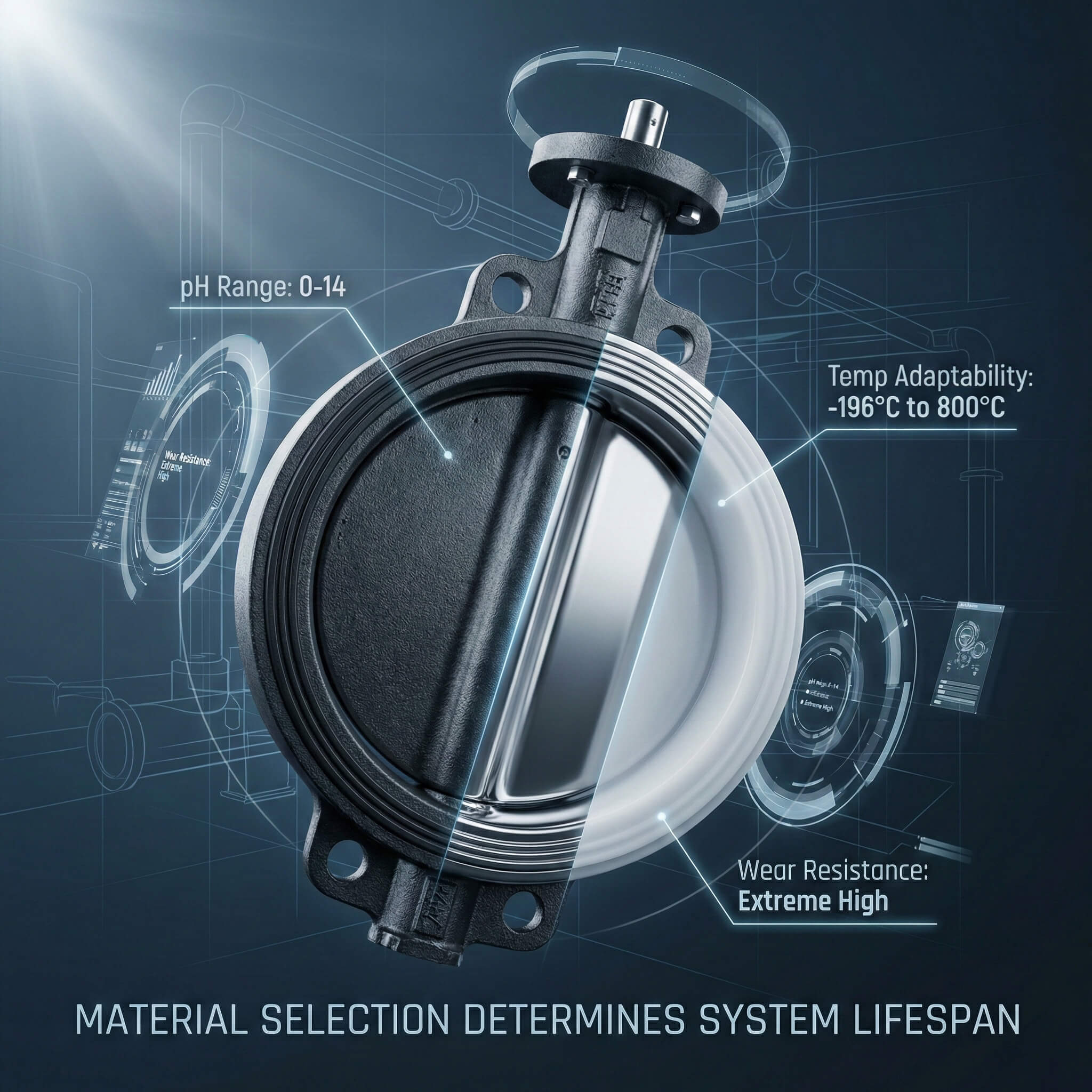
Selecting the wrong disc material for your industrial valves is a recipe for operational disaster. You may face rapid corrosion, unexpected mechanical failure, or even catastrophic environmental leaks that could have been avoided with proper technical planning. Utilizing a professional butterfly valve material selection guide allows you to match specific metallurgical properties with your unique operational realities. By following this structured approach, you eliminate the high-stakes guesswork that often plagues complex infrastructure projects and secure the longevity of your piping system.
Why follow the butterfly valve material selection guide?
Following a butterfly valve material selection guide is essential to ensure that your industrial system remains compliant with safety standards while optimizing the total cost of ownership. If you install a valve that cannot withstand the chemical pH of the medium, you are essentially setting a timer for a system failure. This professional framework helps you navigate the balance between performance and budget.
Think about it:
Without a guide, how can you be sure the alloy selected won’t succumb to crevice corrosion or thermal expansion issues? By using a technical roadmap, you protect your investment from premature degradation.
What are the critical performance metrics?
- Corrosion Resistance: This evaluates how well the disc stands up to chemical oxidation or reduction in harsh fluids.
- Tensile Strength: This determines the disc’s ability to withstand high-pressure surges without deforming or cracking.
- Thermal Expansion: You must account for material changes during extreme temperature cycles to prevent the valve from seizing.
Which industry compliance standards matter?
- AWWA Standards: These are crucial for municipal water systems and large-scale wastewater treatment facilities.
- API Specifications: These are mandatory for high-stakes petroleum and natural gas applications.
- ISO Ratings: This provides a global benchmark for material quality and standardized testing procedures.
What factors impact disc longevity?
The lifespan of a disc is dictated by its interaction with the flow medium and the velocity of the fluid moving through the pipe.
Key Takeaway: Using a structured guide prevents premature equipment failure and reduces long-term maintenance costs.
| Factor | Impact on Selection | Recommended Material |
|---|---|---|
| High Salinity | High | Aluminum Bronze |
| Potable Water | Low | Ductile Iron (Nylon Coated) |
| Abrasive Slurries | Medium | Stellite-faced Steel |
Proper factor analysis ensures the selected material matches the specific challenges of the environment.
Is ductile iron in the butterfly valve material selection guide?
Ductile iron is a foundational material in the butterfly valve material selection guide, favored globally for its balance of mechanical strength and relative affordability. This material offers significant improvements over traditional grey iron by incorporating nodular graphite to prevent crack propagation. It serves as the primary “workhorse” for many municipal and low-pressure industrial applications.
Wait, there’s more:
While ductile iron is robust, it often requires protective coatings to handle anything more aggressive than standard water. In many cases, you might compare this setup to a standard gate valve for basic isolation tasks.
What are the mechanical advantages?
- Ductility: This allows the disc to absorb shock loads and vibrations without fracturing.
- Castability: It makes it easy for us to manufacture complex disc shapes for better flow coefficients.
- Impact Resistance: Ductile iron offers superior performance in systems where water hammer is a recurring risk.
Which protective coatings are common?
- Epoxy Powder: Provides a smooth surface and basic chemical protection for non-aggressive liquids.
- Nylon 11: Offers excellent abrasion resistance for grit-laden water and dry bulk handling.
- Enameled Finishes: These are used for specialized glass-lined piping systems to ensure high purity.
What are the ductile iron application limits?
Understanding where ductile iron falls short is just as important as knowing its strengths during the design phase.
Key Takeaway: Ductile iron is the “workhorse” material for general water service but requires coatings for harsher environments.
| Limit Type | Threshold | Consequence of Exceeding |
|---|---|---|
| Temperature | 300°C | Loss of structural integrity |
| pH Level | < 4 | Rapid pitting and thinning |
| Pressure | PN25 | Risk of disc deformation |
Exceeding these limits without protective measures leads to rapid valve degradation and system downtime.
How does stainless steel fit the butterfly valve material selection guide?
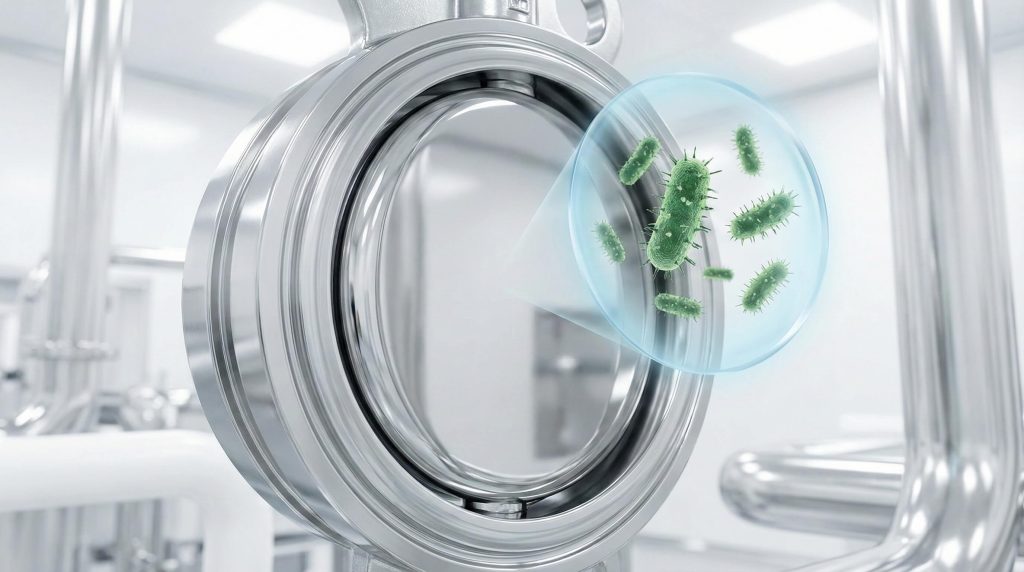
Stainless steel serves as the premium option within the butterfly valve material selection guide for high-purity and highly corrosive applications. When your process involves food, pharmaceuticals, or aggressive chemicals, stainless steel is often non-negotiable for safety. It provides a passive oxide layer that self-heals, ensuring the disc remains smooth and hygienic over years of continuous service.
Here is the deal:
Stainless steel is the gold standard for versatility because it handles a wide range of temperatures and chemical compositions. It is the preferred choice for engineers who cannot afford any risk of contamination.
How do Grade 304 and 316 differ?
- 304 Stainless: This is ideal for general food processing and mildly corrosive industrial environments.
- 316 Stainless: This grade contains Molybdenum, which provides superior resistance to chlorides and marine salts.
- Surface Finish: Mirror polishing is often applied to prevent bacterial growth in high-grade sanitary lines.
Is it resistant to oxidizing acids?
- Nitric Acid: Stainless steel performs exceptionally well in fertilizer production lines and chemical plants.
- Acetic Acid: It is a standard choice for the transport of vinegar and various organic acids.
- Wash-down Chemicals: It withstands the harsh caustic cleaners used in “clean-in-place” (CIP) cycles.
What is the stainless steel performance summary?
Stainless steel remains the most versatile choice for cross-industry applications involving aggressive media.
Key Takeaway: Stainless steel offers the highest versatility for temperature and chemical resistance in the guide.
| Grade | Best Use Case | Temperature Range |
|---|---|---|
| SS304 | Food & Beverage | -196°C to 600°C |
| SS316 | Marine/Chemical | -196°C to 800°C |
| Duplex | Desalination | -50°C to 300°C |
Selecting the correct grade of stainless steel ensures long-term resistance to both corrosion and extreme temperatures.
When does bronze enter the butterfly valve material selection guide?
Bronze, specifically aluminum bronze, is the primary choice for marine environments and seawater handling in any butterfly valve material selection guide. Its unique chemical composition creates a protective layer that resists biofouling and the attachment of sea-borne organisms. Unlike stainless steel, which can suffer from crevice corrosion in stagnant seawater, aluminum bronze thrives in these salty conditions.
Check this out:
You will often see these valves used in ship ballast systems or offshore platforms. They are frequently installed in conjunction with a check valve to manage fluid direction in marine piping.
What are the marine environment benefits?
- Anti-Fouling: Natural properties of the alloy inhibit the growth of barnacles and algae on the disc.
- Erosion Resistance: It handles high-velocity seawater without thinning or losing its structural shape.
- Cavitation Defense: This material resists micro-pitting caused by bubble collapse in turbulent marine flows.
What are its physical properties?
- High Hardness: Aluminum bronze discs are harder than standard bronze, making them highly resistant to wear.
- Thermal Conductivity: This helps dissipate heat effectively in cooling water applications for engines.
- Non-Sparking: It is safe for use in hazardous areas where explosive gases may be present.
How does the bronze suitability matrix look?
Reviewing the bronze category helps you narrow down the specific alloy needed for saltwater operations.
Key Takeaway: Aluminum bronze is indispensable for seawater applications due to its anti-biofouling and corrosion properties.
| Alloy Type | Sea Water Resistance | Relative Cost |
|---|---|---|
| Aluminum Bronze | Excellent | High |
| Phosphor Bronze | Good | Medium |
| Manganese Bronze | Moderate | Low |
Choosing aluminum bronze is a strategic decision that prioritizes long-term durability in harsh marine environments.
Why does the butterfly valve material selection guide prioritize PTFE?
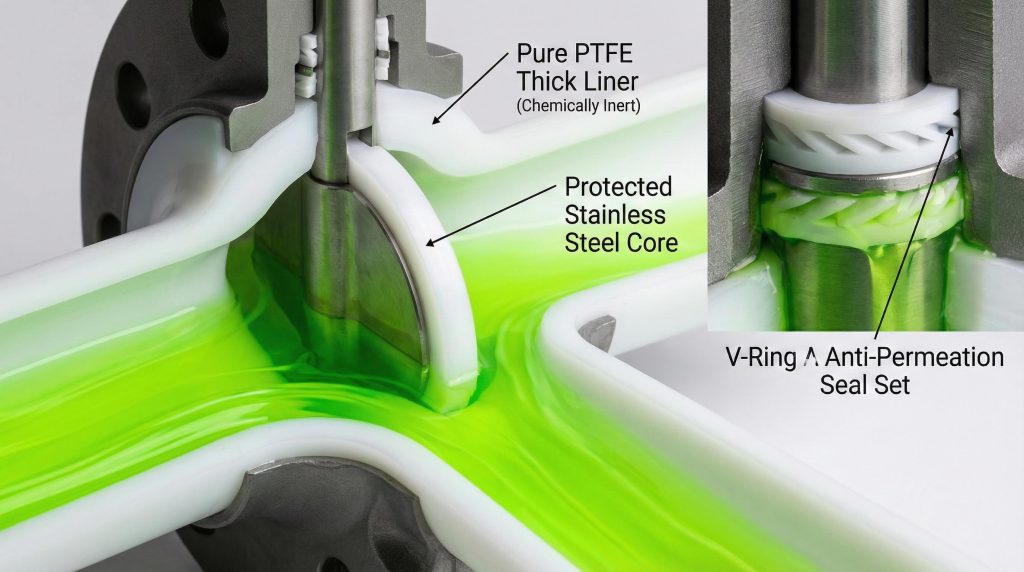
For the most aggressive chemical processing, the butterfly valve material selection guide prioritizes PTFE-lined or solid PTFE discs. When you are dealing with concentrated sulfuric acid or strong bases, metal alloys alone are often insufficient to prevent corrosion. PTFE provides an almost universal chemical inertness, ensuring that the disc material does not react with the medium and contaminate the process.
In other words:
PTFE is the ultimate shield for reactive chemistry. It allows for the safe handling of hazardous materials that would dissolve standard metal valves in a matter of days.
What is chemical inertness?
- Universal Compatibility: It is resistant to almost all known chemicals except for molten alkali metals.
- Low Friction: The “non-stick” property ensures low operating torque and prevents material buildup on the disc.
- Purity: PTFE does not leach minerals or trace chemicals into the fluid stream, protecting product quality.
How is structural reinforcement achieved?
- Encapsulated Inserts: PTFE is often molded over a stainless steel core to provide necessary structural strength.
- Wall Thickness: Heavy-duty linings are used to prevent gas permeation through the plastic layer.
- Vacuum Service: Special designs are utilized to prevent the lining from collapsing under negative pressure.
What are the PTFE application benchmarks?
PTFE is the premier solution for reactive chemistry and high-purity pharmaceutical production lines.
Key Takeaway: PTFE is the premier choice for hazardous chemical transport and high-purity pharmaceutical lines.
| Property | Value | Benefit |
|---|---|---|
| pH Range | 0 – 14 | Handles both acids and bases |
| Friction Coeff | < 0.1 | Reduces actuator size needs |
| Max Temp | 200°C | Suitable for steam cleaning |
The chemical neutrality of PTFE makes it the safest choice for transporting highly reactive industrial fluids.
Does the butterfly valve material selection guide include nylon?
Nylon 11 coating is a frequent recommendation in the butterfly valve material selection guide for urban water distribution and dry bulk handling. It provides a cost-effective alternative to expensive alloys by shielding a ductile iron core with a tough, protective polymer shell. Nylon is particularly effective because it is weather-resistant and holds up well against UV exposure in outdoor installations.
Keep reading:
Nylon is the “secret weapon” for managing abrasion. For throttling applications, it provides a much smoother flow profile than bare metal, reducing turbulence and wear.
How does it perform in abrasive media?
- Impact Damping: The polymer layer absorbs the impact of small particles in the flow without chipping.
- Low Torque: Its naturally slippery surface reduces the force needed to open and close the valve.
- Grit Resistance: It prevents the “sandblasting” effect seen in untreated metal discs in sandy water.
What is its environmental stability?
- Hygroscopic Limits: Modern Nylon 11 has extremely low water absorption, maintaining its shape and seal.
- Salt Spray Resistance: It is highly effective for coastal installations where salt air causes rapid rust.
- Standard Approval: This coating is frequently certified for potable water use by international health organizations.
How does it compare to epoxy?
Comparing coated discs helps you select the right balance between initial cost and long-term durability.
Key Takeaway: Nylon-coated discs are the ideal middle-ground for abrasion resistance and cost-efficiency in water works.
| Feature | Nylon 11 | Epoxy |
|---|---|---|
| Abrasion Resistance | High | Moderate |
| Coating Thickness | 250-400 microns | 100-200 microns |
| Flexibility | Excellent | Brittle |
Nylon 11 provides a superior protective barrier for valves exposed to abrasive particles or outdoor elements.
Can the butterfly valve material selection guide help with slurries?
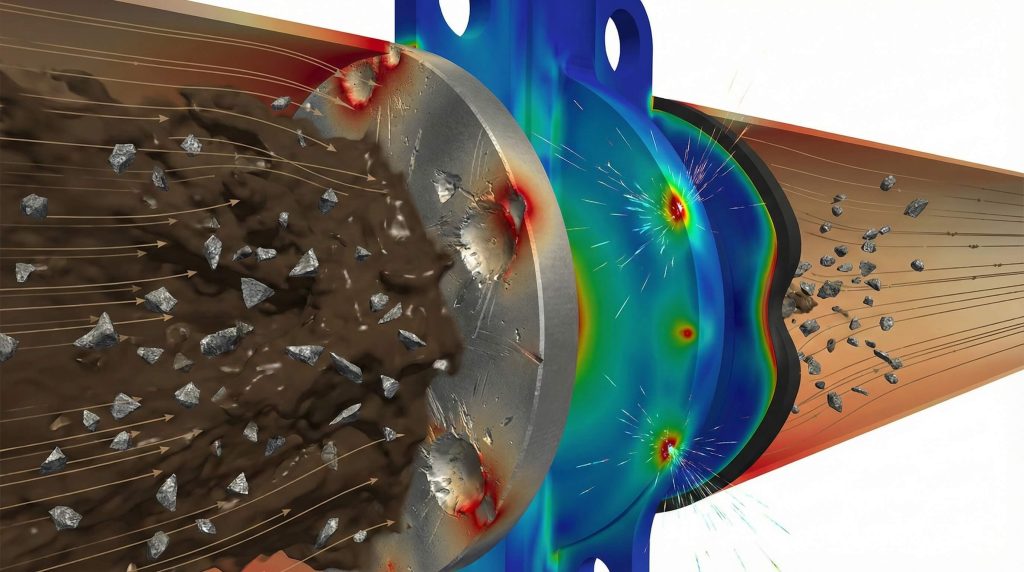
Handling slurries requires a specialized branch of the butterfly valve material selection guide focused on extreme hardness and wear resistance. Slurries contain suspended solids that act like sandpaper, quickly eroding standard valve discs if the wrong material is used. In mining or cement production, a standard disc might last only weeks without these specialized treatments.
Think about it:
You might consider a globe valve for fine control, but butterfly valves remain superior for large-bore slurry lines. Using hard-faced alloys or specialized elastomers can extend your service life from weeks to several years.
What are hard-facing techniques?
- Stellite Overlay: A cobalt-chromium alloy is welded onto the disc edge for extreme surface hardness.
- Tungsten Carbide: This is applied via thermal spray to create a ceramic-like wear surface.
- Nickel Plating: Provides a combination of corrosion resistance and moderate wear resistance for lighter slurries.
Which elastomer covered discs work best?
- Natural Rubber: This is excellent for large, sharp particles as it “bounces” them off the surface.
- Polyurethane: Superior for fine, abrasive silts and sands that would otherwise scour the metal.
- EPDM: Used when the slurry also contains chemical additives or high-temperature water.
How do I match materials to particles?
Matching the disc material to the specific particle type is essential for successful slurry management.
Key Takeaway: Slurry applications require extreme surface hardness or high-elasticity coatings to prevent erosive wear.
| Particle Type | Slurry Concentration | Recommended Disc |
|---|---|---|
| Sharp/Large | High | Natural Rubber Lined |
| Fine/Abrasive | Moderate | Polyurethane Coated |
| Hot/Corrosive | Low | Stellite-faced SS316 |
Strategic selection of hard-facing or rubber linings is the only way to prevent rapid erosion in slurry lines.
Why use carbon steel in the butterfly valve material selection guide?
Carbon steel is the preferred choice in the butterfly valve material selection guide for high-pressure and high-temperature industrial steam and oil services. It provides a significantly higher pressure-temperature rating than ductile iron, making it suitable for heavy industrial power plants. While carbon steel is incredibly strong, it is susceptible to rust and is often paired with a stainless steel trim.
Wait, there’s more:
These valves are common in high-pressure steam headers. You will often find them installed alongside a check valve to prevent dangerous backflow in high-energy piping systems.
Does it have high-temperature integrity?
- Creep Resistance: It maintains its shape even under constant stress at elevated operating temperatures.
- Weldability: This allows for easy repair or the addition of specialized hard-facing materials in the field.
- Thermal Cycling: Carbon steel handles the expansion and contraction of steam systems without cracking.
What ensures structural reliability?
- WCB Grade: This is the most common cast carbon steel used for valve bodies and discs today.
- Forged Steel: Used for smaller, high-pressure valves where casting voids cannot be risked.
- Strength-to-Weight: It offers a very high strength profile for large-diameter valves in heavy industry.
What is the carbon steel operating range?
Carbon steel is the engine of high-pressure industrial piping, providing the strength needed for critical infrastructure.
Key Takeaway: Carbon steel is the go-to material for high-pressure steam and hydrocarbon service where temperature is a factor.
| Grade | Pressure Class | Max Temp |
|---|---|---|
| ASTM A216 WCB | Class 150-600 | 425°C |
| ASTM A105 | Class 900+ | 450°C |
| LCC/LCB | Class 150-300 | -46°C (Low Temp) |
The high-temperature stability of carbon steel makes it indispensable for energy production and oil refining.
Does the butterfly valve material selection guide cover food grade?
Hygiene and non-toxicity are the primary drivers when the butterfly valve material selection guide is applied to food and beverage applications. Every material in contact with the product must be “GRAS” (Generally Recognized As Safe). In the food industry, “dead spaces” where bacteria can grow are the enemy, so disc materials must be polished to extreme smoothness.
Here is the deal:
Food-grade selection focuses on surface integrity. Materials must be able to withstand automated cleaning systems without harboring microscopic contaminants or leaching chemicals into the food.
What are the sanitary requirements?
- FDA Compliance: All polymers, coatings, and lubricants must be food-grade certified for safety.
- Polished Stainless: Usually requires a Ra 0.8 micron or better surface finish to prevent bacterial adhesion.
- EPDM/Silicone: These are the preferred seat and coating materials for beverage and dairy lines.
Are there non-contaminating coatings?
- White Epoxy: Used on the exterior and non-contact parts for a clean and professional appearance.
- PTFE/PFA: Used for acidic foods like citrus juices or tomato sauces that would corrode metal.
- Polished SS316L: The low-carbon version of 316 prevents corrosion during the welding of sanitary pipes.
What are the food grade selection criteria?
Ensuring product purity requires specific material combinations that are easy to clean and sanitize.
Key Takeaway: Food-grade selection focuses on surface smoothness and chemical stability to ensure consumer safety.
| Food Type | Potential Issue | Recommended Disc |
|---|---|---|
| Dairy | Bacterial Growth | Polished SS316 |
| Fruit Juice | Acidity | PTFE Lined |
| Dry Grain | Abrasion | Nylon Coated SS |
Using food-grade certified materials is essential for maintaining compliance with international health and safety regulations.
How to use the butterfly valve material selection guide for maintenance?
The selection process doesn’t end at installation; the butterfly valve material selection guide also dictates the maintenance and inspection frequency of the disc. Different materials have unique “wear signatures” that your technicians must be trained to recognize. For complex systems, you should check the butterfly valve in tandem with any nearby gate valve units to ensure total system integrity.
Check this out:
A stainless steel disc might show signs of pitting, while a coated ductile iron disc might show peeling or “holidays” in the coating. Regular checks prevent these minor issues from becoming system-wide failures.
What are the inspection protocols?
- Visual Check: Look for discoloration, pitting, or rounding of the disc edges which affects sealing.
- Thickness Testing: Use ultrasonic tools to ensure the disc hasn’t thinned due to erosion.
- Spark Testing: For coated discs, this checks the integrity of the polymer lining for microscopic holes.
How do I handle cleaning and care?
- Passivation: Re-treating stainless steel discs with acid to restore the protective oxide layer.
- Soft Cleaning: Ensuring that abrasive cleaners are not used on delicate nylon or PTFE coatings.
- Lubrication: Keeping the stem-to-disc connection well-lubricated to prevent seizing or high torque.
What are the lifespan expectations?
Maintenance schedules should always be based on the expected life of the material under specific loads.
Key Takeaway: Proper maintenance must be tailored to the specific material properties identified during the selection phase.
| Material | Inspection Interval | Expected Life |
|---|---|---|
| Ductile Iron | 12 Months | 5-10 Years |
| Stainless Steel | 24 Months | 15-20 Years |
| PTFE Lined | 6 Months | 3-7 Years |
Tailoring your maintenance routine to the specific material ensures you maximize the operational life of every valve.
Frequently Asked Questions
Can I use ductile iron for seawater if it’s epoxy coated?
No, it is not recommended for long-term marine use. While epoxy provides a temporary barrier, any scratch in the coating will lead to rapid galvanic corrosion of the iron core; aluminum bronze is the much safer choice.
What’s the best material for highly concentrated sulfuric acid?
Solid PTFE or PFA-lined discs are the industry standard for concentrated acids. These materials offer near-universal chemical resistance and prevent the metal core from being dissolved by the acid.
Can I replace just the disc material if my process changes?
No, usually the disc is part of a matched set with the seat and body. It is often more cost-effective and safer to replace the entire valve to ensure a bubble-tight seal and proper fit.
What’s the best material for high-pressure steam?
Cast carbon steel (WCB) or forged steel is preferred for steam applications. These materials have excellent pressure-temperature ratings and maintain their structural integrity under high energy loads.
Can I use nylon-coated discs for high-temperature oil?
No, nylon typically has a maximum operating temperature of around 100°C and can be degraded by certain hydrocarbons. For high-temperature oil service, stainless steel or carbon steel is required.
conclusion
Selecting the right valve material is a complex engineering decision that impacts both site safety and company profitability. At RUITO, we are committed to providing precision-engineered solutions that meet the most demanding international standards. To ensure your system is optimized for peak performance and longevity, contact us today for a professional consultation.