
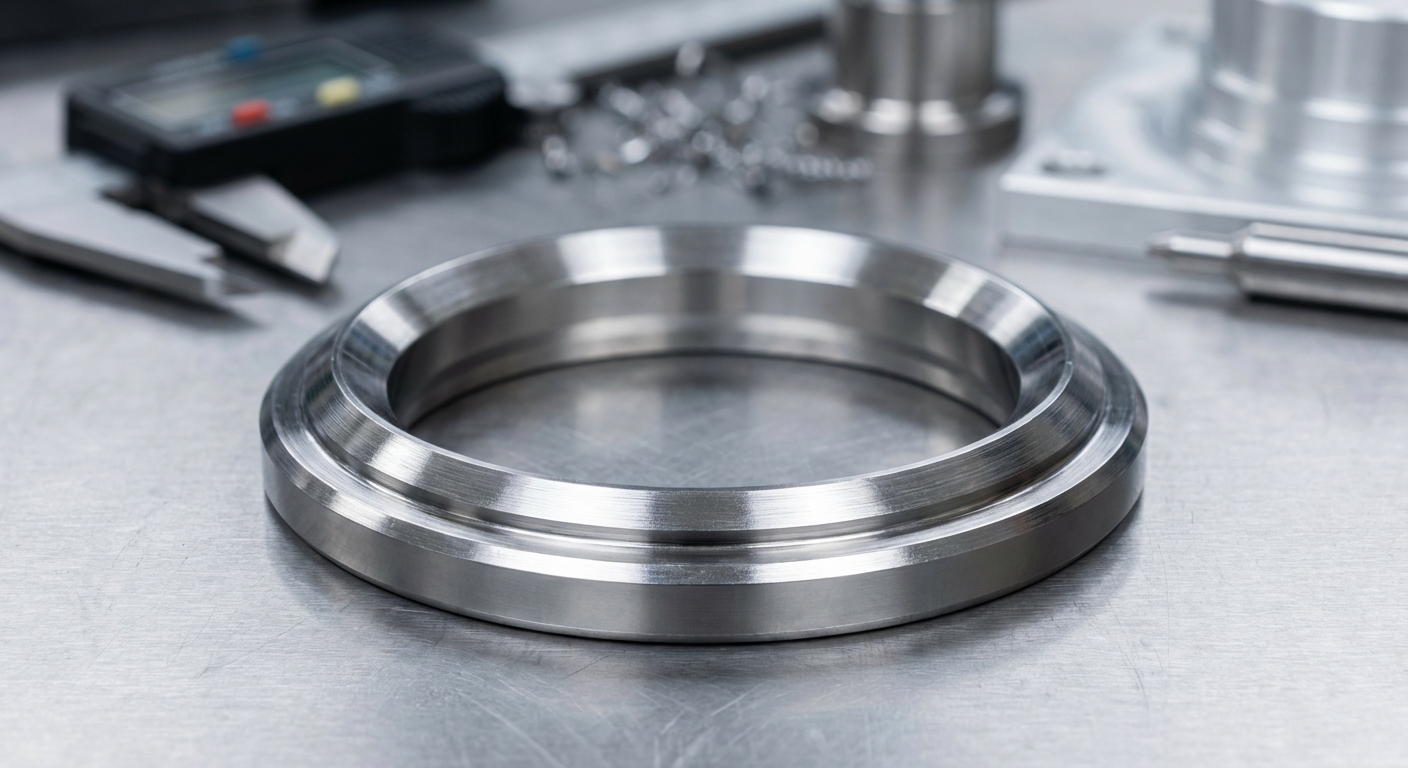
A high-performance metal seat utilizes precision-engineered line contact geometry and pressure-energized mechanisms to provide a reliable seal in environments where soft elastomers would fail. Many industrial processes rely on valves to manage extreme temperatures and abrasive media, yet standard soft-seated valves often fail prematurely under these conditions, leading to “bearing failure” and dangerous leaks. You might find your operations plagued by frequent maintenance shutdowns and escalating safety risks when traditional seals degrade. The high-performance butterfly valve metal seat provides the definitive solution by employing advanced metallurgy and spherical-to-conical geometry to maintain integrity under the most grueling pressures.
What is a butterfly valve metal seat?
A butterfly valve metal seat is a sealing component constructed from hard alloys like stainless steel or Inconel® that uses mechanical interference to stop fluid flow. Unlike soft seats that rely on material deformation, this design achieves a seal through high-force contact between two rigid surfaces.
How does line contact work?
You achieve a tighter seal when the spherical edge of the valve disc meets the conical surface of the metal seat. This specific geometry concentrates the entire closing torque into a very narrow “line,” generating immense pressure per square inch.
Think about this:
- Spherical disc edges provide a consistent sealing radius.
- Conical seat tongues guide the disc into a centered position.
- Line contact reduces the required surface area for a seal.
Here is the kicker:
Because the force is concentrated, you can achieve high-pressure shut-off without needing massive actuators or risking material collapse.
Is metal better than soft seating?
When you compare metal to soft seating, the primary advantage is survivability in extreme thermal and chemical environments. While soft seats offer “bubble-tight” shut-off at low temperatures, they cannot withstand the scouring of abrasive slurries or high-heat steam.
But wait, there is more:
- Metal seats resist erosion from high-velocity particulates.
- They maintain structural rigidity under high-pressure drops.
- You gain a longer service life in severe service applications.
Key Takeaway: Metal-to-metal sealing is defined by “line contact” force rather than surface area, allowing for high-pressure performance without the risk of elastomer degradation.
| Feature | Metal Seat | Soft Seat |
|---|---|---|
| Material | Inconel / Stainless Steel | PTFE / EPDM / NBR |
| Sealing Type | Line Contact | Surface Deformation |
| Durability | High (Severe Service) | Low (Clean Media) |
To understand the specific benefits for thermal management, we must look at how these materials react to heat.
Why use a butterfly valve metal seat for heat?
Metal seats maintain their structural integrity at temperatures exceeding 538°C (1000°F) where elastomers would simply melt or carbonize. In critical heat transfer applications, using a high-quality butterfly valve metal seat ensures that your system remains operational even during extreme thermal cycling.
Can it handle thermal expansion?
You will find that modern metal seats are designed with flexible “legs” or hydroformed profiles that allow them to expand and contract with the valve body. This flexibility prevents the valve from seizing when the process temperature spikes suddenly.
The best part?
- Flexible seat geometry absorbs the growth of the metal disc.
- Constant thrust is maintained regardless of the ambient temperature.
- You avoid the “cold flow” issues associated with plastic seals.
It gets even better:
The mechanical properties of alloys like Inconel® allow the seat to act like a spring, returning to its original shape after every thermal cycle.
Does it resist abrasive media?
High-temperature processes often involve steam or slurries that would quickly scour a soft seat into uselessness. Because metal seats are frequently hardfaced with materials like Stellite®, they can withstand the “sandblasting” effect of high-velocity particulates.
Here is the kicker:
- Hardened surfaces prevent “wire-drawing” leakage paths.
- Metal-on-metal contact “self-cleans” the seating surface.
- You reduce the frequency of seat replacements in mining or power plants.
Key Takeaway: The ability to handle thermal expansion and resist scouring makes metal seats the only viable choice for high-temperature and high-velocity industrial services.
| Heat Factor | Impact on Metal Seat | Impact on Soft Seat |
|---|---|---|
| 500°C Temp | Fully Operational | Total Failure |
| Expansion | Accommodated by Flexing | Leads to Seizure |
| Erosion | High Resistance | Rapid Degradation |
Mechanical geometry is the foundation of this heat resistance, specifically how the disc and seat interact.
How does a butterfly valve metal seat seal?
The sealing process of a butterfly valve metal seat involves the disc edge imparting a controlled thrust of approximately 600 pounds per linear inch against the seat ring. This high-load interference ensures that even minor surface imperfections are bypassed to create a fluid-tight barrier.
What is spherical disc geometry?
You rely on a disc edge that is machined into a segment of a sphere to ensure that contact is made at the exact same point throughout the closing stroke. This precision machining ensures that the “line contact” is perfectly circular and unbroken.
Think about this:
- A spherical profile reduces friction during the opening phase.
- It ensures a consistent sealing radius regardless of slight misalignments.
- You minimize the torque required to “break” the seal.
But wait, there is more:
The spherical edge is often polished to a mirror finish, reducing wear on the seat and extending the lifecycle of your valve assembly.
How does the seat flex?
The metal seat isn’t just a rigid ring; it is an engineered spring that flexes inward to grip the disc as it closes. This flexing action allows the seat to maintain constant contact pressure even if the line pressure fluctuates.
The best part?
- Hydroformed seat profiles provide “spring memory” for repeated use.
- The seat moves radially inward to tighten against the disc.
- You achieve a reliable seal at both low and high pressures.
Key Takeaway: Sealing is a dynamic process where spherical disc edges and flexible seat rings work together to maintain a high-force line contact seal.
| Sealing Component | Function | Material Property |
|---|---|---|
| Spherical Disc | Constant Sealing Point | High Hardness |
| Conical Seat | Guiding and Flexing | High Elasticity |
| Support Ring | Axial Positioning | Structural Rigidity |
Directional flow also plays a critical role in how these sealing components interact during operation.
Is the butterfly valve metal seat bi-directional?
Many modern designs for a butterfly valve metal seat are engineered for bi-directional shut-off, meaning they can hold pressure from either side of the disc. However, most manufacturers recommend a “Seat Upstream” (SUS) orientation to maximize the efficiency of the pressure-energized sealing mechanism.
What is the upstream configuration?
When you install the valve in the SUS position, the process fluid enters the seat cavity and actually pushes the seat tighter against the disc. This “pressure-assisted” sealing ensures that the higher the line pressure, the tighter the valve seals.
Here is the kicker:
- Fluid pressure acts on the back of the metal seat legs.
- The seat is forced radially inward toward the disc center.
- You get a much more reliable seal in high-pressure oil and gas lines.
Think about this:
By using the process fluid’s energy, you reduce the reliance on pure mechanical torque from the actuator.
How does downstream flow work?
If you must install the valve in the “Seat Downstream” direction, the internal support ring becomes the primary mechanism for maintaining seal integrity. The cavity design is symmetrical to ensure the seat is still directed toward the disc edge, though it may require higher torque.
But wait, there is more:
- Symmetrical cavities permit bi-directional operation in dead-end service.
- Support rings prevent the seat from being “blown out” by reverse flow.
- You maintain safety during reverse flow events or back-pressure spikes.
Key Takeaway: While bi-directional capability is common, the Seat Upstream orientation is preferred because it leverages line pressure to enhance the metal-to-metal seal.
| Flow Direction | Primary Seal Aid | Recommended Use |
|---|---|---|
| Seat Upstream | Process Fluid Pressure | Standard Operation |
| Seat Downstream | Mechanical Support Ring | Emergency / Back-flow |
| Dead-End | Specialized Cavity Design | System Isolation |
The choice of orientation is often dictated by the specific materials used in the seat construction.
Which materials make a butterfly valve metal seat?
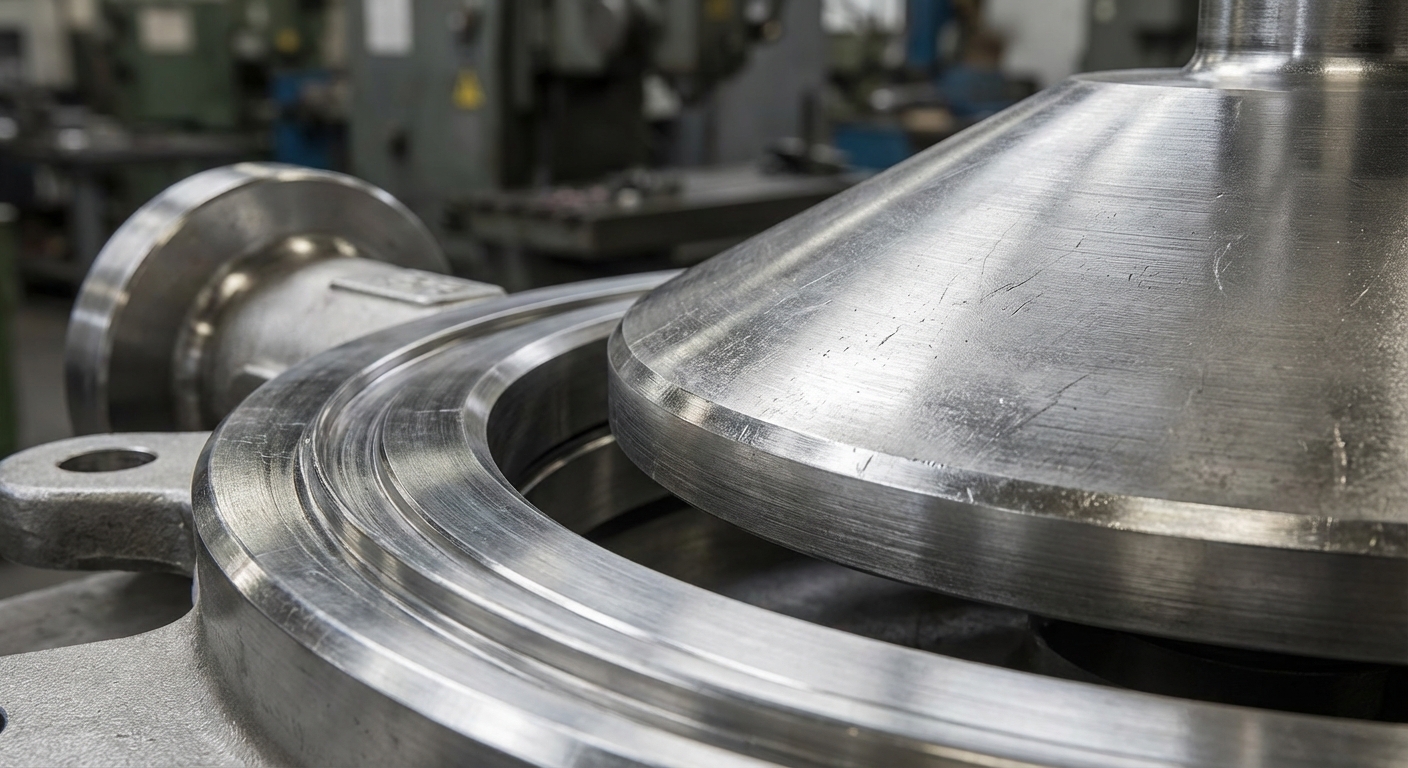
The performance of a butterfly valve metal seat is entirely dependent on the metallurgy used to balance hardness with the flexibility needed for sealing. Choosing the right alloy prevents “bearing failure” where the seat collapses under high linear thrust.
Why use Inconel or exotic alloys?
You use Inconel® 718 or similar nickel-chromium alloys because they offer exceptional “spring memory” at temperatures where stainless steel would lose its elasticity. These materials ensure that the seat returns to its original shape after the valve opens.
It gets even better:
- Inconel® maintains high strength at cryogenic and elevated temperatures.
- It provides superior resistance to oxidation and chemical corrosion.
- You can rely on these alloys for critical safety-related power generation valves.
The best part?
Exotic alloys prevent the seat from becoming “set” or permanently deformed after long periods of being closed.
Is hardfacing necessary for wear?
To protect your investment from abrasive media, you should look for seats and discs that feature Stellite® hardfacing or chrome plating. This extra layer of protection prevents the “line contact” from being scratched by sand, scale, or catalyst fines.
Think about this:
- Hardfacing increases the surface hardness to over 40 HRC.
- It significantly reduces the coefficient of friction during cycling.
- You prevent galling between the two metal surfaces.
Key Takeaway: High-performance metal seats require a balance of elastic “spring” alloys like Inconel® and hardfacing treatments to ensure long-term durability.
| Material | Temperature Limit | Key Advantage |
|---|---|---|
| 316 Stainless | 400°C | Corrosion Resistance |
| Inconel 718 | 600°C | Spring Memory / Elasticity |
| Stellite 6 | 800°C | Abrasion / Wear Resistance |
Once the materials are selected, the role of process pressure becomes the final piece of the sealing puzzle.
How does pressure aid a butterfly valve metal seat?
Process pressure is not just a challenge to be overcome; it is an active participant in how a butterfly valve metal seat functions. In high-pressure scenarios, the fluid itself energizes the seal to ensure zero-leakage performance that rivals soft seats.
What is self-energized sealing?
When you first close the valve under low pressure, the seal is “self-energized” by the mechanical interference between the oversized disc and the smaller seat. This initial 600-pound thrust is sufficient to hold back low-pressure fluids without any assistance.
Here is the kicker:
- Mechanical spring force provides the initial shut-off.
- The seat is pre-loaded during the assembly process at the factory.
- You don’t need high line pressure just to start the seal.
But wait, there is more:
This mechanical pre-load is what allows the valve to work effectively in vacuum or low-pressure gas services.
How does high pressure help?
As the line pressure increases, the fluid enters the area behind the seat and applies force to the parallel-spaced sidewalls. This force pushes the seat inward and downstream, wedging it even more tightly against the spherical disc edge.
Think about this:
- The cavity shape directs all fluid force radially toward the disc.
- Pressure-energized seals become tighter as the system stress increases.
- You reduce the risk of bypass leaks during pressure surges.
Key Takeaway: Pressure-energized designs use the system’s own energy to increase seating force, providing a more reliable seal at high pressures than mechanical torque alone.
| Pressure State | Primary Sealing Force | Mechanism |
|---|---|---|
| Low Pressure | Mechanical Interference | Pre-loaded Spring Flex |
| High Pressure | Fluid Dynamic Load | Radial Seat Compression |
| Fluctuating | Combined Forces | Dynamic Adjusting Seat |
Despite this advanced engineering, you must still monitor your valves for the inevitable signs of wear.
When to replace a butterfly valve metal seat?
Regular inspection of your butterfly valve metal seat is vital for maintaining plant safety and preventing unplanned downtime. While metal seats are durable, they are not invincible and can eventually succumb to fatigue or severe erosion.
Are there specific wear patterns?
You should check the spherical disc edge for “wire-drawing” or deep scratches that run perpendicular to the sealing line. These paths allow high-pressure fluid to “jet” through, which will quickly erode the metal seat tongue.
But wait, there is more:
- Look for pitting on the seat surface caused by chemical corrosion.
- Check for “galling” where metal has transferred from the disc to the seat.
- You might notice a “shiny” spot where the line contact has widened excessively.
It gets even better:
Catching these wear patterns early allows you to re-lap the surfaces rather than replacing the entire seat assembly.
What about leakage class drops?
If you notice that a valve previously rated for API 598 Class V is now leaking at a higher rate, it is a clear sign that the seat has lost its “spring” or has surface damage. A significant increase in the torque required to close the valve also indicates that the seat geometry is compromised.
Here is the kicker:
- Gradual leakage increases suggest surface wear.
- Sudden leakage often points to a trapped solid or “slug” damage.
- You should track leakage rates during every scheduled maintenance turn.
Key Takeaway: Replacement is necessary when the “line contact” is physically compromised or when the seat’s elastic properties no longer allow for pressure-energized sealing.
| Sign of Wear | Possible Cause | Recommendation |
|---|---|---|
| Scratches | Abrasive Particulates | Replace / Hardface Seat |
| High Torque | Galling or Seizing | Clean and Lubricate |
| Increased Leakage | Loss of Spring Memory | Replace Seat Ring |
Identifying these needs early is especially important in the sectors where metal seats are most prevalent.
Which sectors need a butterfly valve metal seat?
Industries that handle high-temperature steam, corrosive chemicals, or abrasive slurries are the primary users of the butterfly valve metal seat. For these operations, the higher initial cost of metal seating is easily offset by the drastic reduction in maintenance frequency.
Is it best for oil and gas?
You will find these valves in upstream wellhead operations and downstream refining where high-pressure hydrocarbons and steam are standard. In these environments, fire-safe performance is a legal requirement that only metal seats can reliably provide.
Think about this:
- Metal seats remain intact during a fire, preventing fuel leaks.
- They handle the abrasive sand often found in crude oil production.
- You get a valve that survives the harsh “pigging” process in pipelines.
But wait, there is more:
Inconel®-seated valves are the gold standard for offshore platforms where saltwater corrosion is as much of a threat as the process pressure.
Why use it in chemical plants?
Chemical processing often involves media that would cause soft seats to swell or dissolve. Because you can choose from various alloys, metal seats can be customized to resist specific acids or caustic bases that are incompatible with PTFE.
The best part?
- Zero-leakage performance is possible for hazardous chemicals.
- Metal seats don’t “degas” or contaminate high-purity processes.
- You can operate at much higher concentrations and temperatures.
Key Takeaway: Oil & Gas and Chemical sectors rely on metal seats for their fire-safe properties and their ability to withstand chemically aggressive and abrasive media.
| Industry | Primary Application | Why Metal? |
|---|---|---|
| Power Gen | High-Pressure Steam | Heat Resistance |
| Petrochemical | Hydrocarbon Processing | Fire Safety |
| Mining | Slurry Handling | Abrasion Resistance |
Compliance with global standards ensures that these valves perform as expected in these demanding sectors.
Does a butterfly valve metal seat meet API?
Every high-performance butterfly valve metal seat should be manufactured and tested to meet international standards like API 609 and API 598. These standards define the pressure-temperature ratings and the allowable leakage rates for different seat designs.
What is API 609 compliance?
You ensure that your valve’s wall thickness, stem diameter, and face-to-face dimensions are safe for industrial use when you specify API 609. Category B valves under this standard specifically cover the high-performance types often found with metal seats.
Here is the kicker:
- API 609 ensures interchangeability with existing piping.
- It mandates rigorous blowout-proof stem designs for safety.
- You gain confidence that the valve can handle its rated pressure.
Think about this:
Standardization allows you to source replacements from various global manufacturers like RUITO without re-engineering your system.
How are leakage rates tested?
Metal seats are typically tested under API 598 or ISO 5208, which measure how many bubbles or milliliters of fluid pass through the seal over a set time. While they may not always reach “zero leakage” (Class VI), high-performance designs often achieve Class V, which is considered bubble-tight for most industrial needs.
But wait, there is more:
- Tests are performed with both water (hydrostatic) and air (pneumatic).
- Bi-directional testing ensures the seat works in both directions.
- You receive a certified test report with every batch of valves.
Key Takeaway: API and ISO certifications provide the benchmark for safety and performance, ensuring your metal-seated valves meet the rigorous demands of global industry.
| Standard | Focus Area | Importance |
|---|---|---|
| API 609 | Design and Dimensions | Safety and Fitment |
| API 598 | Testing and Leakage | Performance Verification |
| ISO 5208 | Industrial Valve Testing | Global Compliance |
Even the best-certified valve will fail if the final installation steps are overlooked.
How to install a butterfly valve metal seat?
Proper installation is the final step in ensuring your butterfly valve metal seat delivers its full operational lifespan. Because metal seats rely on precision alignment, even a slight tilt during installation can cause uneven wear and premature leakage.
Is alignment critical for sealing?
You must ensure the valve is perfectly centered between the flanges to prevent the disc from hitting the pipe wall or the seat being pinched. Uneven pressure on the seat ring can cause it to lose its “spring” on one side, leading to a permanent leak.
It gets even better:
- Using centering bolts ensures a perfect fit every time.
- Correct flange gaskets prevent interference with the disc movement.
- You avoid the “shaving” of the seat that happens with misalignment.
The best part?
A well-aligned valve requires less torque to operate, extending the life of your actuator.
How do you calibrate actuators?
When using automated valves, you must set the “closed” limit stops so that the actuator applies just enough torque to engage the metal-on-metal seal. Excessive torque can over-compress the Inconel® seat, leading to “bearing failure” or permanent deformation.
Here is the kicker:
- Calibrate the actuator while the valve is under line pressure if possible.
- Use torque switches to prevent the motor from forcing the disc too far.
- You ensure the seat remains in its elastic flexing range.
Key Takeaway: Successful installation hinges on perfect mechanical alignment and precise actuator calibration to protect the delicate line contact of the metal seat.
| Step | Action | Benefit |
|---|---|---|
| Centering | Use Flange Bolts | Prevents Seat Pinching |
| Gasketing | Use Specified Thickness | Ensures Disc Clearance |
| Calibration | Set Closed Limit Stops | Protects Seat Elasticity |
Conclusion
Reliable fluid control starts with understanding these core principles. If you are ready to upgrade your system’s durability, contact us today to discuss your specific process requirements. Our engineering team at RUITO is dedicated to providing precision-engineered valve solutions that keep your critical industrial operations running safely and efficiently. We don’t just build valves; we build the trust that your infrastructure depends on.
Frequently Asked Questions
Can I replace a soft seat with a metal seat in the same valve body?
Generally, no. High-performance metal seats require specific internal cavity geometries and specialized support rings that are not compatible with standard soft-seat valve bodies.
What is the best material for a butterfly valve metal seat in steam service?
Inconel® 718 is the industry standard for high-pressure steam because it maintains its mechanical strength and “spring” memory at temperatures where stainless steel would soften.
How long does a metal seat typically last compared to EPDM?
In high-temperature or high-cycle abrasive applications, a metal seat can last 3 to 5 times longer than an EPDM seat, significantly reducing your total cost of ownership.
Why is “line contact” better than “surface contact” for metal seats?
Line contact concentrates the closing torque into a very small area, creating the immense pressure per square inch required to achieve a tight seal between two hard, non-deforming metal surfaces.
Will a metal seat offer a bubble-tight shutoff?
While metal seats are highly efficient and can reach API 598 Class V or VI (low leakage), they typically do not achieve the absolute “zero leakage” performance of a soft seat, though pressure-energized designs come remarkably close.