
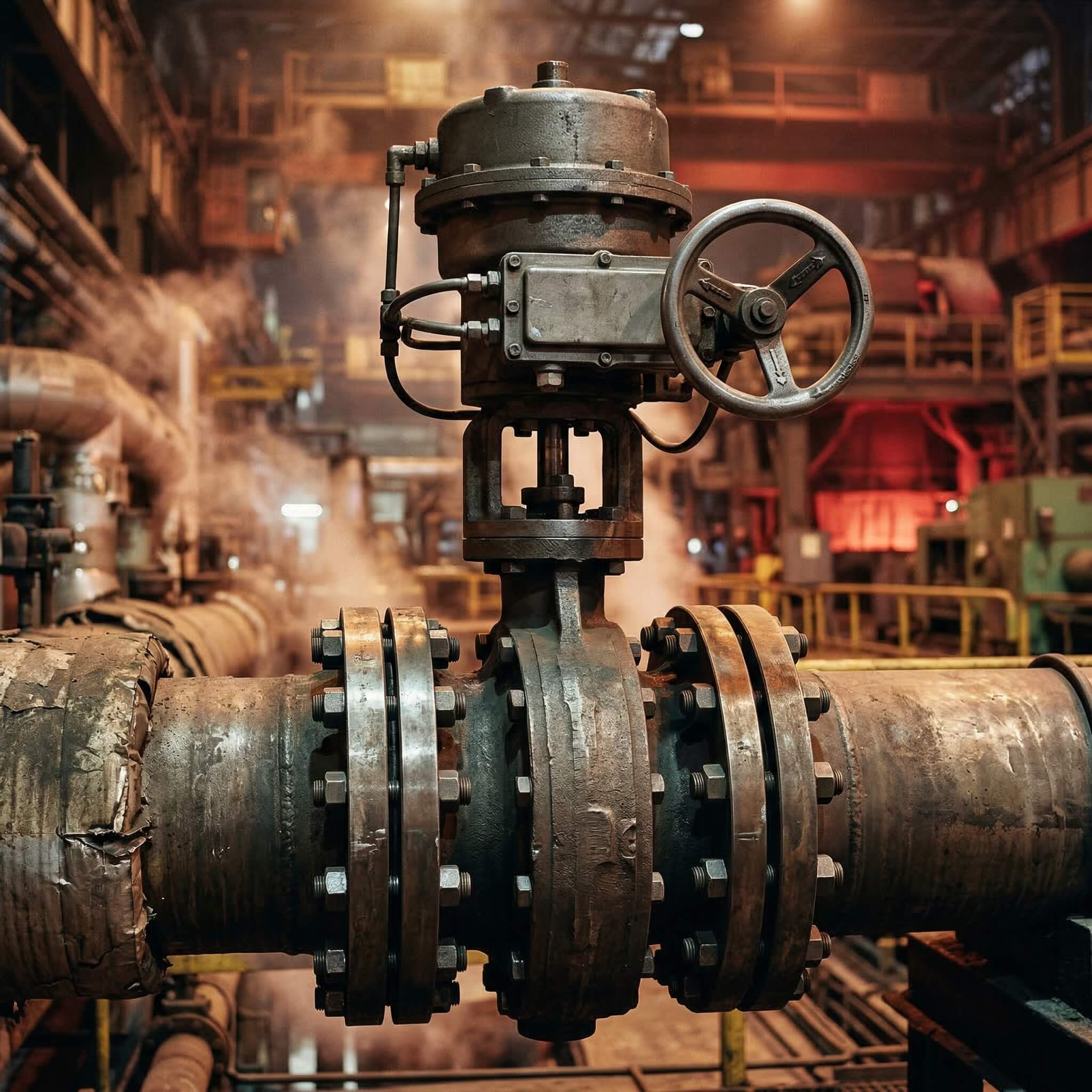
Butterfly valves are categorized into concentric, double-offset, and triple-offset types, often utilizing a robust metal seat butterfly valve design for industrial durability.
Valve failure can halt your entire production line, leading to thousands of dollars in lost revenue per hour. If your current components can’t handle the heat or grit of your process, you are constantly battling leaks and frequent repairs. You need a solution that stands up to the pressure, and our metal seat butterfly valve collection provides the uncompromising sealing performance you require for critical applications.
What makes a metal seat butterfly valve essential for harsh service?
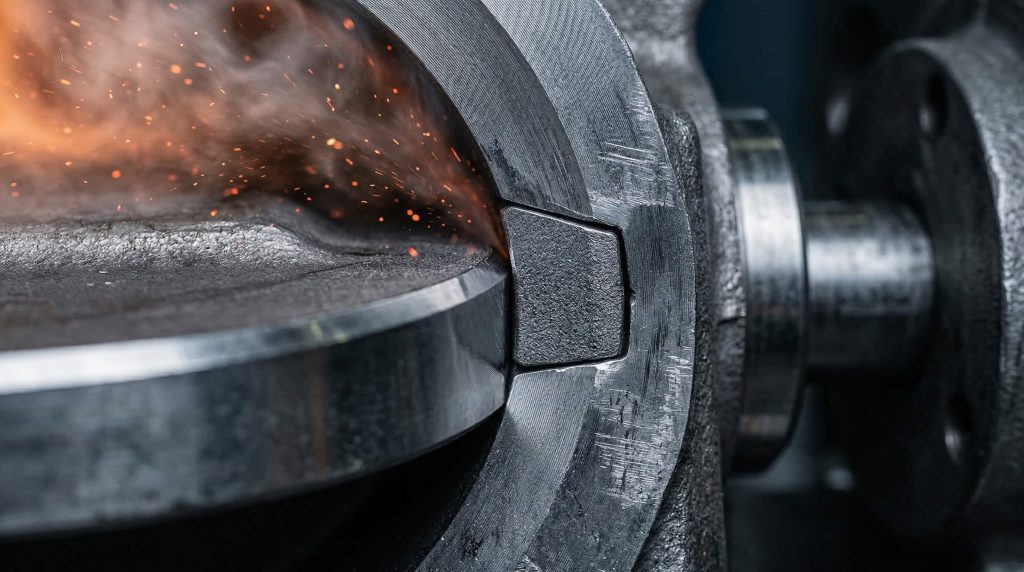
A metal seat butterfly valve is essential for harsh service because its hardened surfaces resist the erosion and thermal degradation that destroy soft-seated alternatives. You will find that these valves maintain structural integrity when exposed to abrasive slurries or extreme temperatures.
How does it handle abrasive media?
You can rely on metal-to-metal contact to prevent the “tearing” effect caused by solid particles in the flow. Because the disc and seat are made of high-strength alloys, the valve remains functional even in mining or wastewater applications.
Think about this:
- Hardened seat rings resist scratching.
- Solid discs prevent deformation under load.
- Self-cleaning action clears debris during closure.
The best part? You spend less time on emergency repairs because the internal components are designed to withstand constant bombardment from grit.
Why is thermal stability a priority?
The metallic construction allows you to operate at temperatures that would melt rubber or PTFE seals instantly. These valves use materials like stainless steel or Stellite to ensure the seal remains tight during rapid thermal cycling.
But that is not all:
- Expansion-tolerant designs prevent seizing.
- Fire-safe performance protects your facility.
- Material matching reduces torque fluctuations.
Key Takeaway: Using a metal-seated design ensures your system remains operational in conditions that would cause standard valves to fail catastrophically.
| Feature | Performance Benefit |
|---|---|
| Metal-to-Metal Seal | Resists abrasive wear and erosion |
| High-Alloy Material | Operates at temperatures up to 1500°F |
| Stellite Coating | Increases hardness for high-cycle use |
The robustness of these materials ensures a long service life in the most demanding industrial environments.
How do wafer or lug styles impact a metal seat butterfly valve?
A metal seat butterfly valve can be configured in wafer or lug body styles to provide specific mounting advantages and pressure containment capabilities. You must choose the style that matches your piping installation requirements and safety protocols.
What are wafer style advantages?
The wafer style is the most lightweight and cost-effective option for your pipeline installations. You place this valve between two pipe flanges, using long bolts to clamp the entire assembly together across the body.
Here is the deal:
- Compact design saves significant space.
- Lower initial investment costs for bulk orders.
- Easier to handle during maintenance routines.
But wait, there is more: This style is ideal for universal flow systems where bidirectional pressure is common.
When should you use a lug style?
You should choose a lug style when you need the ability to perform downstream maintenance without draining the entire system. These valves feature threaded inserts that allow you to bolt them directly to each flange independently.
Consider this:
- Allows for dead-end service capabilities.
- Provides superior structural support in high-vibration areas.
- Threaded lugs ensure a secure, leak-proof fit.
Key Takeaway: Selecting the correct body style allows you to optimize both your installation budget and your future maintenance flexibility.
| Body Style | Primary Advantage | Best Application |
|---|---|---|
| Wafer | Lowest cost and weight | General isolation in tight spaces |
| Lug | Dead-end service capability | Systems requiring downstream maintenance |
Choosing between these styles depends on whether you value initial cost savings or long-term maintenance accessibility.
Why use a double offset metal seat butterfly valve for high pressure?
A metal seat butterfly valve with a double offset design is used for high pressure because the eccentric stem placement reduces friction and allows for a tighter mechanical seal. You will notice that the disc “lifts” off the seat almost immediately upon opening, preventing wear.
How does the double eccentric design work?
The first offset is located behind the sealing face, while the second offset is to one side of the centerline. This geometry creates a cam-like motion that ensures you have a consistent 360-degree seal without dragging the disc across the seat.
It gets better:
- Reduced operating torque saves actuator costs.
- Minimized seat wear extends the valve’s life.
- High-pressure ratings up to Class 600 are possible.
Think about this: You are essentially getting the performance of a ball valve with the weight and space savings of a butterfly design.
What are the high-pressure benefits?
In high-pressure scenarios, you need a valve that won’t “blow out” or leak under intense differential stress. The double offset configuration provides the mechanical advantage required to keep the disc pressed firmly against the metal seat.
But that is not all:
- Improved throttling control at various angles.
- Higher Cv values compared to globe valves.
- Reliable sealing in steam and gas lines.
Key Takeaway: Double offset valves bridge the gap between utility-grade components and high-performance process valves, giving you reliability under pressure.
| Offset Type | Mechanism | User Benefit |
|---|---|---|
| First Offset | Stem behind the seal | Continuous 360° sealing surface |
| Second Offset | Stem off-center | Disc lifts quickly to prevent rubbing |
This dual-offset geometry is the industry standard for high-performance applications requiring metal-to-metal durability.
What are the benefits of a triple offset metal seat butterfly valve?
The triple offset metal seat butterfly valve provides a “bubble-tight” seal in extreme conditions by using a third geometric offset that eliminates all rubbing during operation. You can use these as a lightweight alternative to bulky gate valves in critical isolation points.
Why is zero-friction operation important?
The third offset involves an inclined conical sealing axis that ensures the disc only contacts the seat at the final point of closure. You will find that this completely eliminates the friction and galling that often occurs in lesser designs.
Here is why:
- Drastically reduced torque requirements.
- Ability to handle cryogenic and superheated media.
- Zero-leakage performance in hazardous systems.
The best part? You can cycle this valve thousands of times without seeing a drop in sealing efficiency.
How does it replace a gate valve?
You can save massive amounts of space and weight by replacing your old gate valves with triple offset designs. Because they are quarter-turn, they also provide you with much faster emergency shutdown speeds.
Think about this:
- 70% lighter than equivalent gate valves.
- Faster actuation for safety-critical zones.
- Lower cost of ownership over 20 years.
Key Takeaway: Triple offset technology gives you the tightest possible seal with the least amount of mechanical wear, maximizing your system’s uptime.
| Component | Triple Offset Design | Performance Impact |
|---|---|---|
| Seat Design | Stellite or hardened alloy | Resists thermal expansion and wear |
| Sealing Ring | Laminated metal and graphite | Provides zero-leakage shutoff |
| Motion | Cam-action (non-rubbing) | Extremely low torque and high cycles |
Triple offset valves are the ultimate solution for engineers who refuse to compromise on safety or reliability.
How is a concentric metal seat butterfly valve used in low pressure?
A metal seat butterfly valve with a concentric design is typically used in low-pressure, high-cycle utility applications where the media is relatively clean. You will find these most effective in water distribution or HVAC systems where a basic, reliable shutoff is needed.
What defines the concentric motion?
In a concentric design, the stem travels through the center of the disc and the center of the pipe. You will see that the disc is always in contact with the seat during its entire 90-degree travel, which is why it is best for lower pressures.
Look at the facts:
- Simple construction leads to lower costs.
- Uniform flow characteristics in both directions.
- Easy to automate with standard actuators.
But wait, there is more: This design is the most common valve type globally due to its versatility in utility service.
Where are these most effective?
You should deploy these valves in systems where the pressure remains below 150 PSI and temperatures are moderate. While metal-seated concentric valves are rarer than soft-seated ones, they are used when the media contains light abrasives that might puncture rubber.
Consider this:
- Cooling water loops in factories.
- Low-pressure air handling systems.
- Non-corrosive chemical transport.
Key Takeaway: Concentric valves offer you a cost-effective path to flow control when extreme pressure or friction is not a primary concern.
| Design Attribute | Feature | Ideal Scenario |
|---|---|---|
| Stem Alignment | Centrally located | Constant low-pressure flow |
| Manufacturing | Streamlined assembly | Budget-conscious utility projects |
Concentric designs remain the workhorse of the industry for general-purpose fluid management.
Is the metal seat butterfly valve the best choice for steam lines?
The metal seat butterfly valve is often the best choice for steam lines because it can handle high-velocity vapors and thermal expansion without losing its sealing capability. You need a valve that won’t degrade when exposed to the high temperatures of saturated or superheated steam.
How does it handle steam velocity?
Steam travels at very high speeds, which can cause “wire-drawing” or erosion on softer materials. Because you are using a metal-seated design, the hardened surfaces of the disc and seat can withstand this high-velocity impact for years.
The best part?
- Resistant to steam-induced cavitation.
- Maintains tight shutoff in high-heat cycles.
- Compact footprint fits into tight boiler rooms.
Think about this: You are protecting your steam traps and downstream equipment by ensuring a reliable, leak-free isolation.
Is it fire-safe for energy plants?
You will find that metal-seated valves are inherently fire-safe because they do not rely on flammable elastomers to maintain a seal. In the event of an external fire, your valve will continue to contain the high-pressure steam, preventing further hazards.
Here is the deal:
- Meets stringent API 607 fire-test standards.
- Prevents catastrophic system depressurization.
- Ensures operator safety during emergencies.
Key Takeaway: Metal-seated valves provide the thermal resilience and safety certifications required for modern steam and power generation facilities.
| Application | Temperature Range | Valve Suitability |
|---|---|---|
| Saturated Steam | 212°F – 400°F | Excellent reliability |
| Superheated Steam | Up to 1000°F+ | Requires Triple Offset design |
Investing in metal seats for steam applications significantly reduces your long-term maintenance and energy loss.
What makes a high-performance metal seat butterfly valve different?
A high-performance metal seat butterfly valve is distinguished by its precision machining and ability to handle Class 300 or Class 600 pressure ratings. You will notice that these valves use superior materials like Duplex stainless steel or Inconel for the most aggressive media.
What are the engineering standards?
High-performance valves are built to much tighter tolerances than standard utility valves. You can expect these units to comply with ASME B16.34 standards, ensuring they can handle the full rated pressure of your pipeline.
It gets better:
- Reinforced stems prevent twisting under load.
- Precision-ground seats ensure minimal leakage.
- Advanced coatings reduce friction and torque.
But that is not all: These valves are often tested to much higher standards, including cryogenic and high-cycle endurance tests.
How does material choice affect you?
When you choose a high-performance model, you are selecting a valve tailored to your specific chemical or thermal environment. You can specify exotic alloys that prevent pitting and stress corrosion cracking in seawater or acid service.
Consider this:
- Longer intervals between scheduled outages.
- Higher safety margins for critical processes.
- Better compatibility with automated control systems.
Key Takeaway: High-performance valves are the correct choice when your process safety and environmental compliance are on the line.
| Valve Grade | Pressure Rating | Common Materials |
|---|---|---|
| Standard | PN10 – PN16 | Ductile Iron, SS304 |
| High-Performance | Class 150 – 600 | WCB, LCC, SS316, Alloys |
Upgrading to high-performance units ensures your plant meets modern safety and efficiency benchmarks.
How do you pick seat materials for a metal seat butterfly valve?
You pick seat materials for a metal seat butterfly valve based on the temperature, corrosivity, and abrasiveness of your process fluid. You must match the hardness and chemical resistance of the metal to the specific challenges of your pipeline.
Which alloys are best for corrosion?
If you are dealing with seawater or corrosive chemicals, you should look for seats made from 316L stainless steel or Nickel alloys. You will find that these materials resist the pitting and oxidation that can lead to seal failure.
Think about this:
- 316L provides excellent general resistance.
- Monel is ideal for hydrofluoric acid service.
- Duplex steel handles high-chloride environments.
Here is why: Using the wrong metal can lead to galvanic corrosion, which will destroy your valve’s sealing surface from the inside out.
When is Stellite hardening necessary?
You should specify Stellite-faced seats when your application involves high-cycle throttling or abrasive slurries. This cobalt-based alloy is incredibly hard and prevents the “scoring” that occurs when the disc closes against grit.
But wait, there is more:
- Retains hardness even at red-heat temperatures.
- Low coefficient of friction reduces wear.
- Increases the lifespan of the valve by up to 500%.
Key Takeaway: The right material selection acts as insurance for your pipeline, preventing premature failure and unplanned downtime.
| Media Type | Recommended Seat Material | Benefit |
|---|---|---|
| Clean Steam | SS316 or SS410 | Thermal durability |
| Slurry / Grit | Stellite Overlaid | Extreme wear resistance |
| Acidic Fluids | Hastelloy or Alloy 20 | Chemical neutrality |
Careful material mapping ensures your valves outlast the equipment they are protecting.
Why is maintenance critical for a metal seat butterfly valve?
Maintenance is critical for a metal seat butterfly valve because even the strongest alloys can suffer from scale buildup or packing leaks over time. You need a regular inspection schedule to ensure the internal clearances remain within factory specifications for tight shutoff.
How do you prevent scale buildup?
In steam or hard water systems, mineral scale can accumulate on the sealing surfaces. You will find that regular cycling of the valve helps to “wipe” the seat clean and prevents the disc from seizing in one position.
Look at the facts:
- Quarterly cycling prevents mineral bonding.
- Visual inspections catch external corrosion early.
- Lubricating the actuator ensures smooth motion.
The best part? A few minutes of preventive care can save you days of downtime later.
What should you check during an outage?
During a planned plant outage, you should inspect the seat and disc for any signs of “wire-drawing” or pitting. You can also replace the stem packing to ensure that fugitive emissions are kept to a minimum, protecting your environment.
It gets better:
- Ultrasonic testing can find internal cracks.
- Pressure testing verifies the seal’s integrity.
- Adjusting the travel stops restores tight closure.
Key Takeaway: Proactive maintenance transforms a 5-year valve into a 20-year asset, significantly lowering your total cost of ownership.
| Maintenance Task | Frequency | Benefit |
|---|---|---|
| Operational Cycling | Quarterly | Prevents seizing and scale |
| Packing Adjustment | Annually | Stops fugitive emissions |
| Seat Inspection | Every 3-5 Years | Ensures zero-leakage safety |
Following a structured maintenance plan ensures your valves perform like new for decades.
Where can you buy a high-quality metal seat butterfly valve?
You can buy a high-quality metal seat butterfly valve directly from specialized manufacturers who provide full material traceability and pressure test certifications. You should look for a partner that offers engineering support to help you select the right configuration for your specific plant needs.
What certifications should you look for?
When sourcing industrial valves, you must ensure the manufacturer holds ISO 9001 and CE certifications. You will have peace of mind knowing that every valve has been hydrostatically tested to 1.5 times its working pressure.
Think about this:
- API 609 compliance for design standards.
- WRAS approval for water-related projects.
- DNV or ABS type approval for marine use.
Here is the deal: Certified quality is the only way to guarantee the safety of your personnel and your process.
Why choose a direct manufacturer?
Buying directly allows you to customize the valve’s materials, end connections, and automation packages. You will receive faster technical support and more competitive pricing than through third-party distributors.
Consider this:
- Access to CAD drawings and 3D models.
- Shorter lead times for custom orders.
- Direct engineering consultations.
Key Takeaway: Partnering with a proven manufacturer like RUITO ensures you receive precision-engineered solutions that meet global industrial standards.
| Factor | Manufacturer Direct | General Distributor |
|---|---|---|
| Technical Support | Deep engineering knowledge | General product knowledge |
| Customization | Full control over specs | Limited to stock options |
| Pricing | Factory-direct savings | Markup added for profit |
Direct sourcing provides the transparency and technical depth required for complex industrial procurement.
Summary of Solutions
We have explored how choosing the right metal seat butterfly valve solves the most common industrial pain points:
- Erosion: Hardened metal-to-metal seals stop the grit.
- Extreme Heat: All-metal construction survives temperatures up to 1500°F.
- Leaks: Triple offset geometry provides zero-leakage performance.
- Space Constraints: Compact designs replace heavy gate and globe valves.
If you are ready to eliminate downtime and secure your facility’s flow control, contact us today for a free technical consultation. Our mission is to deliver high-reliability, cost-effective fluid control solutions to global industrial systems, ensuring your operations remain efficient and safe for years to come.
Frequently Asked Questions
Can I use a metal seat butterfly valve for slurry?
Yes, because the hardened metal surfaces resist the abrasive wear that would quickly shred a soft-seated valve.
What’s the best offset type for zero leakage?
Triple offset is the best choice, as its unique geometry eliminates all rubbing and friction to create a bubble-tight seal.
How do I know if my valve is fire-safe?
Check for API 607 certification, as metal-seated valves are inherently resistant to high heat but require formal testing for safety compliance.
Can I automate a metal seat butterfly valve?
Absolutely, these valves are easily paired with pneumatic, electric, or hydraulic actuators for remote process control.
What is the life expectancy of a metal seat valve?
Typically 15 to 25 years, provided you follow a regular maintenance schedule and operate within the design’s thermal limits.