
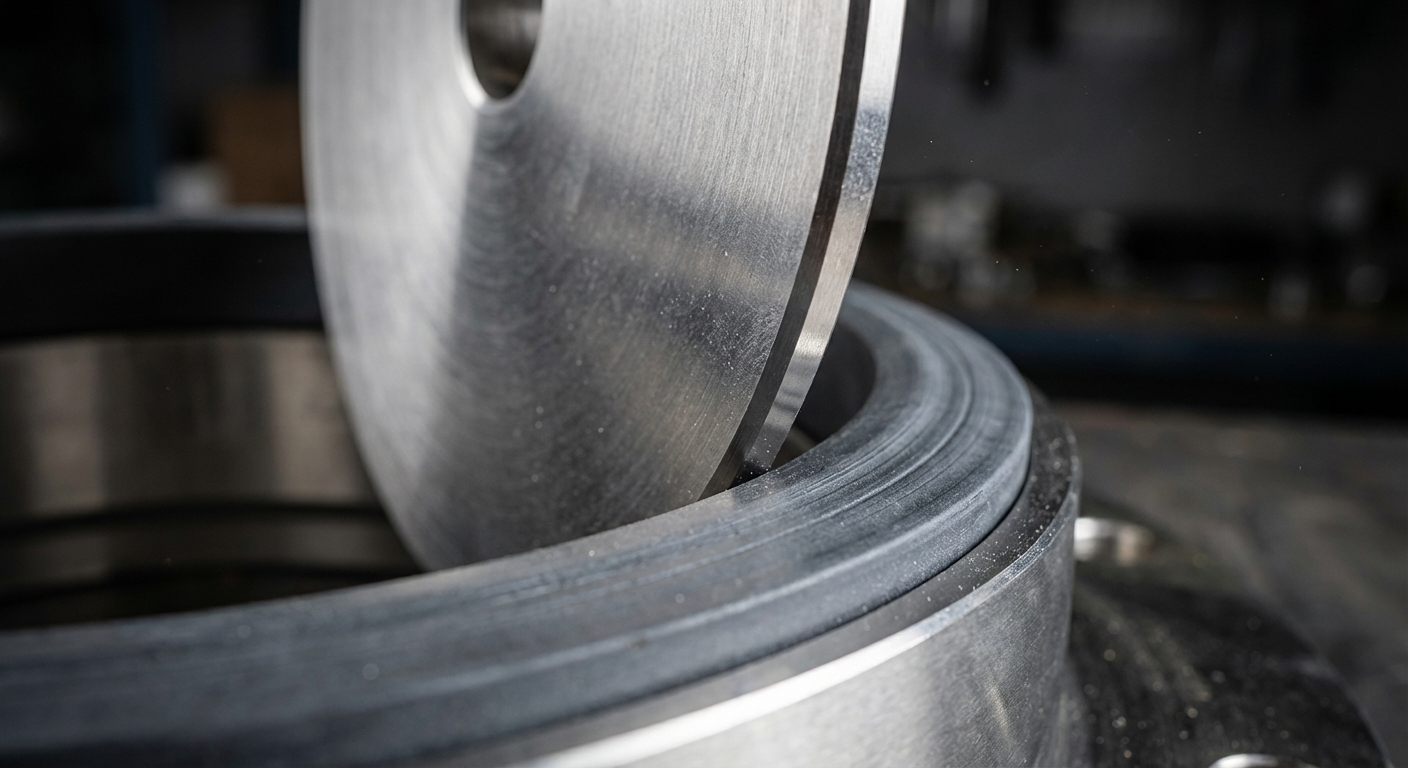
The primary difference is that a butterfly valve is designed for high-pressure fluid isolation in piping, while a damper is built for low-pressure airflow regulation in ducting. Imagine a scenario where your industrial ventilation system is struggling with inefficient pressure drops or mechanical failure because a heavy, high-pressure industrial valve was installed in a low-pressure duct. This mismatch leads to excessive energy costs and places unnecessary stress on your actuators and structural supports. To solve this, you need a specialized butterfly valve damper that provides the right balance of volumetric control and lightweight construction for air-based systems.
How does a butterfly valve damper differ from a standard valve?
A butterfly valve damper differs from a standard valve primarily in its pressure containment capabilities and intended media. When you select a butterfly valve damper, you are choosing a device optimized for gaseous flow rather than high-pressure liquids. This distinction ensures your system operates within its designed mechanical limits.
Standard valves often feature heavy castings to withstand hydraulic forces. Using them in air systems is usually an expensive over-design.
Defining functional goals
Think about it: your goal in a ducting system is usually volume regulation, not high-pressure containment.
- Regulating air volume
- Balancing system pressure
- Providing zone isolation
Distinguishing media types
Here is the deal: dampers are specifically engineered to handle air, flue gas, and particulate-heavy environments.
- Clean and dirty air
- High-temperature exhaust
- Corrosive chemical vapors
Key Takeaway: Selecting the right device based on functional goals prevents premature equipment wear.
| Feature | Butterfly Valve Damper | Standard Butterfly Valve |
|---|---|---|
| Primary Media | Air and Gas | Liquids and Steam |
| Pressure Class | Low (under 5 PSI) | High (ASME 150-600) |
| Sealing Type | Low Leakage | Bubble-tight |
Analytical Sentence: Matching the valve type to the specific media state optimizes both performance and cost.
Why use a butterfly valve damper for airflow control?
You should use a butterfly valve damper because it provides efficient regulation for large volumes of air with minimal resistance. This design allows you to manage HVAC and exhaust systems without the weight or cost of traditional high-pressure valves. It is the ideal solution for balancing complex duct networks.
Proper airflow management is critical for maintaining indoor air quality and process efficiency. Lighter components mean your actuators work more efficiently over long cycles.
Managing large air volumes
The truth is: standard industrial valves are rarely available in the massive diameters required for large-scale ventilation.
- Diameters up to 120+ inches
- Reduced friction loss
- Lightweight blade movement
Exhaust and ventilation roles
Look at it this way: a damper acts as a gatekeeper for your building’s breath.
- Smoke extraction
- Heat recovery systems
- Toxic gas venting
Key Takeaway: High-volume airflow requires the specialized, lightweight geometry of a dedicated damper.
| Application | Benefit of Damper | Issue with Standard Valve |
|---|---|---|
| HVAC Ducts | Lower weight load | Structural stress |
| Exhaust Stacks | High heat tolerance | Seal degradation |
| Ventilation | Rapid modulation | Sluggish response |
Analytical Sentence: Specialized airflow tools ensure that ventilation systems remain responsive and energy-efficient.
Is a butterfly valve damper suitable for liquid media?
No, a butterfly valve damper is generally not suitable for liquid media due to its sealing limitations and lower structural pressure ratings. When you use a butterfly valve damper for liquids, you risk significant leakage and potential catastrophic failure of the valve body. Liquid systems require the robust, heavy-walled construction of standard industrial valves.
Liquids exert hydraulic forces that thin damper blades cannot withstand. The sealing surfaces in dampers are also not designed for zero-leakage fluid service.
Understanding seal limitations
Make no mistake: a “low leakage” seal for air will leak like a sieve when faced with pressurized water.
- Metal-to-metal contact
- Non-hermetic closure
- Intentional gap designs
Comparing piping vs. ducting
Think about it: piping is a high-pressure environment, while ducting is a low-pressure transport system.
- Thick-walled pipes
- Thin-walled ducts
- Connection flange differences
Key Takeaway: Never substitute a damper for a valve in a liquid-carrying pipeline.
| Medium | Recommended Device | Primary Risk |
|---|---|---|
| Water/Oil | Standard Valve | Leakage/Bursting |
| Slurry | Specialized Valve | Clogging/Erosion |
| Air/Gas | Damper | Over-engineering |
Analytical Sentence: Respecting the boundary between gas and liquid hardware prevents hazardous system failures.
How do pressure ratings affect butterfly valve damper use?
Pressure ratings restrict a butterfly valve damper to systems that operate at significantly lower pressures than standard piping networks. You will typically find these dampers in environments where the pressure remains under 5 PSI (0.3 bar). Understanding these limits ensures you don’t install a component that might buckle under load.
Standard butterfly valves are designed to handle hundreds of pounds of pressure. Using a damper in those conditions would lead to immediate mechanical deformation.
Low-pressure duct requirements
Here is the deal: most ventilation systems operate at pressures that would barely register on an industrial piping gauge.
- HVAC static pressure
- Exhaust fan discharge
- Gravity-fed air systems
Structural integrity and safety
The bottom line is: a damper’s lighter frame is its greatest strength in a duct, but its greatest weakness in a pipe.
- Fabricated plate bodies
- Minimal wall thickness
- Lower torque requirements
Key Takeaway: Always verify that your system’s maximum operating pressure falls within the damper’s low-limit range.
| System Type | Typical Pressure | Component Choice |
|---|---|---|
| Process Piping | 150 – 600 PSI | Industrial Valve |
| Exhaust Duct | 0.5 – 2 PSI | Damper |
| HVAC System | 0.1 – 0.5 PSI | Damper |
Analytical Sentence: Operating within the correct pressure envelope is the foundation of industrial safety and reliability.
Which sealing design fits your butterfly valve damper?
The best sealing design for your butterfly valve damper depends on whether your process requires a tight shut-off or simple volumetric control. You can choose between metal seats for high-temperature durability or resilient elastomer seals for better closure performance. Identifying your leakage tolerance is the first step in this selection.
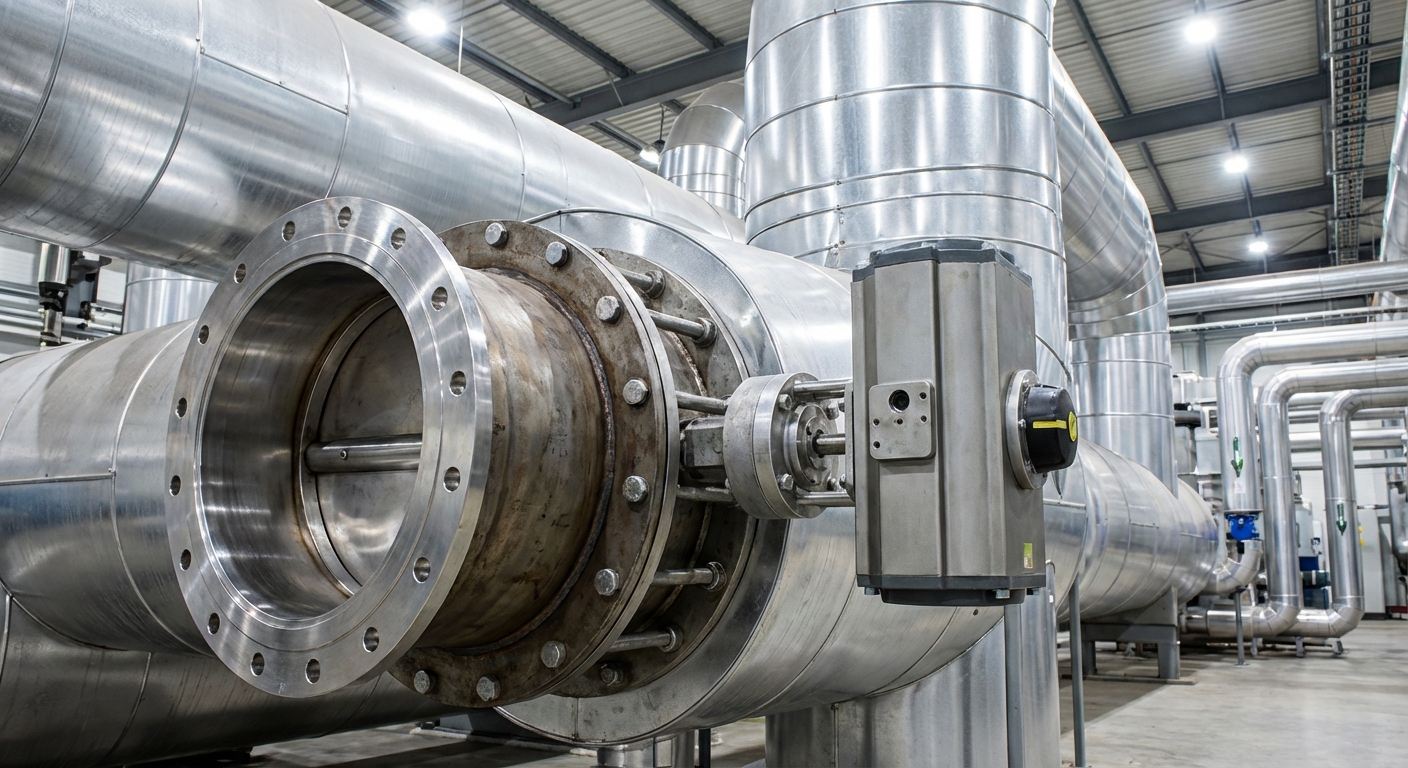
In many air applications, a 1% to 3% leakage rate is perfectly acceptable. For hazardous gases, however, you may need more sophisticated sealing arrangements.
Tight shut-off vs. low leakage
In short: not every air system needs a perfect seal to function correctly.
- Nominal leakage for air
- Specialized step-seats
- Tadpole gaskets for heat
Performance in dusty environments
Think about it: if your air is full of cement dust or fly ash, a delicate seal will fail instantly.
- Clearance-fit blades
- Self-cleaning actions
- Abrasion-resistant liners
Key Takeaway: Your choice of seal should balance the need for isolation against the presence of particulates.
| Seal Type | Best For | Temperature Limit |
|---|---|---|
| Metal-to-Metal | Dirty/Hot Air | Very High |
| EPDM/NBR | Tight Shut-off | Low/Moderate |
| Step-Seat | High Volume | Moderate |
Analytical Sentence: Tailoring the seal to the environment extends the maintenance intervals of your flow control hardware.
Is construction different for a butterfly valve damper?
Yes, the construction of a butterfly valve damper is significantly different from a valve, utilizing lighter fabricated materials rather than heavy castings. Because you are managing air at low pressures, the body and disc do not need the massive thickness found in liquid-service valves. This results in a much lower weight-to-size ratio.
Dampers are often fabricated from steel plate or aluminum to fit specific duct dimensions. This allows for custom rectangular or round shapes that match your existing infrastructure.
Wall thickness and body weight
Best of all: the lighter weight of a damper makes installation much easier for your maintenance crews.
- Fabricated steel plate
- Reduced flange thickness
- Lower structural support needs
Corrosion and abrasion resistance
As it turns out: you can customize the metallurgy of a damper more easily than a cast valve.
- Stainless steel options
- Galvanized coatings
- Specialized alloy blades
Key Takeaway: Lightweight construction allows for larger sizes and easier handling in overhead ducting.
| Material | Application | Durability |
|---|---|---|
| Carbon Steel | General HVAC | Standard |
| Stainless Steel | Corrosive Fumes | High |
| Aluminum | Lightweight Ducts | Moderate |
Analytical Sentence: Modern fabrication techniques allow dampers to be both incredibly large and surprisingly manageable.
When to install a butterfly valve damper in ducting?
You should install a butterfly valve damper in ducting whenever you need to regulate airflow in systems like baghouses, cyclones, or exhaust stacks. These devices are the standard choice for negative-pressure conveying and industrial ventilation where precision fluid control is unnecessary. They provide the most efficient way to isolate sections of a ventilation network.
Installing a heavy industrial valve in these scenarios would be a waste of resources. Dampers are designed to integrate seamlessly with the flanges used in standard ductwork.
Baghouse and cyclone systems
Here is the deal: keeping your dust collection system balanced requires constant modulation that only a damper can provide reliably.
- Inlet/Outlet isolation
- Pressure balancing
- Filter maintenance bypass
Negative-pressure conveying
Think about it: moving bulk materials with air requires consistent vacuum levels throughout the system.
- Preventing air backflow
- Controlling feed rates
- Managing system surges
Key Takeaway: Dampers are the operational backbone of any high-volume industrial air-handling system.
| System | Role of Damper | Connection Style |
|---|---|---|
| Baghouse | Dust isolation | Bolt-on Flange |
| Cyclone | Flow regulation | Wafer/Flanged |
| Stack | Emissions control | Custom Duct |
Analytical Sentence: Strategic placement of dampers ensures that air-driven processes remain stable and controllable.
Does a butterfly valve damper offer precise regulation?
While a butterfly valve damper offers excellent volumetric regulation, it generally provides less micro-precision than a dedicated control valve. You will find it highly effective for managing the overall flow of air and gas through a large duct. However, if your process requires extremely fine increments of flow adjustment, a damper might be too coarse.
The single-blade design allows for a quick response to control signals. This makes them ideal for maintaining pressure stability in dynamic HVAC environments.
Precision vs. volumetric control
The truth is: most industrial air applications prioritize moving the right volume over extreme precision.
- Broad rangeability
- Stable flow modulation
- Reliable open/close cycles
Impact on flow turbulence
Look at it this way: the thin blade of a damper minimizes the disruption to the air stream when fully open.
- Low pressure drop
- Streamlined profile
- Reduced vibration risk
Key Takeaway: Dampers excel at managing high-volume flow trends rather than minute-by-minute micro-adjustments.
| Control Type | Performance | Best Use Case |
|---|---|---|
| On/Off | Excellent | System Isolation |
| Throttling | Good | Pressure Balancing |
| Micro-Precision | Fair | Not Recommended |
Analytical Sentence: Understanding the limits of regulation helps you choose the right automation strategy for your facility.
What are the cost factors for a butterfly valve damper?
The cost of a butterfly valve damper is influenced primarily by the size, material selection, and the type of seal required. Because they are often lighter than standard valves, you will generally find them more cost-effective for large-diameter applications. However, choosing high-temperature alloys or specialized seals will naturally increase the investment.
Maintenance also plays a role in long-term costs. A simpler design often means fewer replacement parts and lower labor costs over the life of the unit.
Material selection impact
Here is the deal: moving from carbon steel to stainless steel can significantly change your budget.
- Base metal costs
- Coating requirements
- Temperature limitations
Maintenance and longevity
Think about it: a well-specified damper can last decades in an HVAC system with minimal intervention.
- Bushing and bearing life
- Seal replacement cycles
- Actuator compatibility
Key Takeaway: Balancing initial purchase price with long-term durability is the key to a successful procurement strategy.
| Cost Driver | Impact Level | Strategy |
|---|---|---|
| Size | High | Standardize diameters |
| Material | Moderate | Match to environment |
| Automation | High | Opt for simple actuators |
Analytical Sentence: Cost-effective air control relies on matching the damper’s specifications exactly to the system’s needs.
Can you automate a heavy-duty butterfly valve damper?
You can easily automate a butterfly valve damper using electric or pneumatic actuators to allow for remote operation and system integration. This automation is essential for modern industrial plants where manual adjustment is impractical or unsafe. Because these dampers require lower torque than high-pressure valves, the automation components are often more affordable.
Automation allows your system to respond instantly to changes in pressure or temperature. Most dampers can also be equipped with manual overrides for emergency situations.
Electric and pneumatic actuators
Best of all: you can integrate these dampers directly into your central building management system (BMS).
- Precise positioning
- Fail-safe configurations
- Remote feedback signals
Integration with control systems
Make no mistake: an automated damper is a smart component that helps optimize your entire facility’s energy usage.
- Automated zone control
- Demand-controlled ventilation
- Safety interlocking
Key Takeaway: Automating your dampers is the most effective way to improve system efficiency and safety.
| Actuator Type | Speed | Complexity |
|---|---|---|
| Pneumatic | Fast | Moderate |
| Electric | Moderate | High |
| Manual | Slow | Low |
Analytical Sentence: Leveraging automation transforms a simple mechanical gate into a responsive data point for your facility.
Conclusion
Through this detailed analysis, we have explored the critical differences in media, pressure, and construction that separate dampers from butterfly valves. By choosing the correct device, you ensure structural safety, minimize energy waste, and optimize the lifespan of your industrial infrastructure. Whether you are managing a massive baghouse or a simple ventilation shaft, selecting a purpose-built air control solution is the most effective way to maintain process integrity.
Contact us today to discuss your specific airflow requirements with our expert engineering team.
Engineering the future of industrial airflow through precision, durability, and a commitment to operational excellence.
FAQ
Can I use a damper in a high-pressure steam line?
No, because dampers are constructed for low-pressure air and would likely suffer mechanical failure or extreme leakage under high-pressure steam conditions.
What’s the best material for a damper in a chemical exhaust system?
Stainless steel is usually the best choice because it provides the necessary corrosion resistance to withstand acidic or caustic fumes over time.
Can I achieve zero-leakage with a butterfly valve damper?
No, most dampers are designed for “low leakage” or “nominal shut-off,” as their structural design and sealing mechanisms are optimized for volumetric control rather than hermetic isolation.
What’s the best way to prevent a damper from sticking in dusty environments?
Installing a damper with self-cleaning seats or clearance-fit blades is the best strategy, as this prevents particulate buildup from jamming the rotation of the disc.
Can I install a butterfly valve damper in a rectangular duct?
Yes, because dampers are often fabricated rather than cast, they can be custom-made in rectangular or square shapes to fit your specific duct geometry perfectly.