
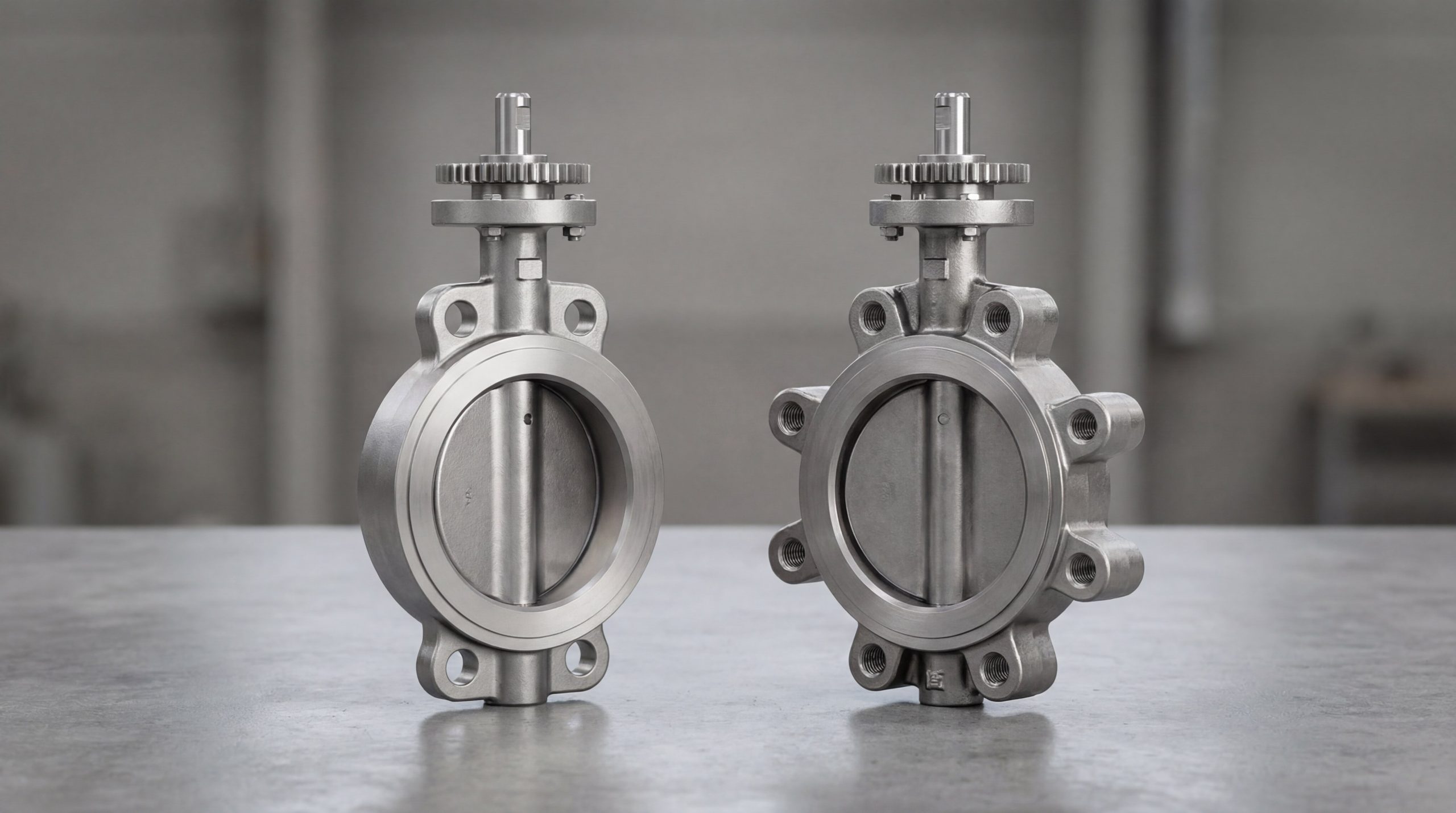
Wafer style and lug style butterfly valves are quarter-turn flow control devices designed to be mounted between flanges to stop, start, or throttle fluid movement. You likely face significant downtime and safety risks when your pipeline isolation components fail under high pressure or corrosive conditions. This instability agitates your operational budget and delays critical commissioning schedules across your entire facility. Selecting a high-performance wafer lugged butterfly valve ensures long-term reliability and zero-leakage performance in even the most demanding industrial environments.
What defines a wafer lugged butterfly valve?
A wafer lugged butterfly valve is defined by its specific body style, which determines how it connects to the piping system and manages internal pressure. These valves are essential for space-constrained environments where traditional gate valves are too heavy or bulky. You need to distinguish between the wafer body, which lacks threaded holes, and the lug body, which features them. This distinction determines whether you can perform maintenance on one side of the pipe without draining the entire system.
Defining Characteristics
Here is the deal:
The design of these valves focuses on a compact face-to-face dimension that reduces the overall weight of the piping assembly. While the wafer style is sandwiched between flanges, the lug style offers independent bolt connections for increased versatility. You will find that both styles utilize a rotating disc as the primary flow control mechanism.
Physical Construction
The construction involves a body, a central shaft, and a circular disc that matches the internal diameter of the pipe. High-quality manufacturers use precision machining to ensure the disc seats perfectly against the elastomer or metal liner.
- Body: Cast or ductile iron for strength.
- Disc: Stainless steel or bronze for corrosion resistance.
- Seat: EPDM, NBR, or PTFE for bubble-tight sealing.
- Stem: High-tensile steel for torque transmission.
Key Takeaway: Choosing the right body style determines your system’s modularity and your ability to perform downstream maintenance safely.
| Feature | Wafer Style | Lug Style |
|---|---|---|
| Connection | Sandwiched between flanges | Threaded lug inserts |
| Bolt Type | Long through-bolts | Shorter individual bolts |
| Weight | Lowest weight | Moderate weight |
The choice between these two styles should be guided by your specific maintenance protocols and pressure requirements.
How does a wafer lugged butterfly valve function?
A wafer lugged butterfly valve functions by rotating a disc 90 degrees within the pipe to either allow or obstruct the flow of media. When you turn the handle or actuator, the stem transmits this motion to the disc, which sits in the center of the flow stream. In the open position, the disc is parallel to the flow, creating minimal resistance. When closed, the disc presses against the resilient seat to form a complete seal.
The Mechanics of Flow
Here is the kicker:
The quarter-turn operation makes these valves much faster to operate than multi-turn globe or gate valves. You can easily automate this process with pneumatic or electric actuators to handle high-cycle applications. This efficiency is why they are favored in municipal water and HVAC systems.
Sealing and Throttling Action
While primarily used for on-off service, these valves can also be used for throttling by positioning the disc at intermediate angles. This allows you to regulate flow rates without needing specialized control valves in every line.
- Closed: Disc perpendicular to flow, pressed into the seat.
- Open: Disc parallel to flow, offering high Cv values.
- Throttling: Disc at 15-75 degrees to reduce flow volume.
- Actuation: Manual, pneumatic, hydraulic, or electric options.
Key Takeaway: Understanding the quarter-turn mechanics allows you to implement faster response times in your fluid control loops.
| Action | Position | Flow Result |
|---|---|---|
| Isolation | 90 Degrees | Zero Flow (Bubble-tight) |
| Full Flow | 0 Degrees | Maximum Volume |
| Regulation | 30-60 Degrees | Controlled Throttling |
Operational speed is a primary benefit, but you must ensure slow closure in high-velocity lines to prevent water hammer.
Why buy a wafer lugged butterfly valve for systems?
You should choose a wafer lugged butterfly valve because it offers a superior strength-to-weight ratio compared to almost any other valve type. Because they use less material than gate valves, they are significantly more cost-effective for large diameter pipelines. This reduction in weight also lowers the stress on your piping supports and simplifies the installation process. You can achieve high-performance sealing even in high-temperature or high-pressure chemical processes.
Economic and Spatial Benefits
The truth is:
Saving space in an industrial plant is just as important as saving money. The thin profile of these valves allows for tighter piping configurations and more efficient equipment layouts. You will also spend less on shipping and handling due to the lightweight design of the components.
Reliability in Critical Service
These valves are engineered to withstand thousands of cycles without losing their sealing integrity. When you source from a reputable manufacturer, you get the assurance of ISO-certified quality and traceable material reports.
- Durability: Resilient seats provide millions of cycles.
- Versatility: Compatible with air, water, oil, and gas.
- Standardization: Follows international face-to-face standards.
- Automation: Simple interface for all major actuator brands.
Key Takeaway: Investing in these valves reduces both your initial capital expenditure and your long-term maintenance overhead.
| Benefit | Impact on Operation | Long-term Value |
|---|---|---|
| Lightweight | Easier Installation | Lower Labor Costs |
| Compact | Smaller Footprint | Reduced Plant Costs |
| Efficient | Faster Operation | Higher Productivity |
The versatility across multiple media types makes these valves the “workhorse” of modern industrial fluid control.
Where is a wafer lugged butterfly valve installed?
A wafer lugged butterfly valve is typically installed in industrial pipelines between two pipe flanges to regulate the flow of liquids, gases, or slurries. You will find them most frequently in water treatment facilities, chemical processing plants, and marine engine rooms. They are ideal for applications where the media is relatively clean and does not contain large solids that could jam the disc. Because of their design, they must be aligned carefully with the pipe center to prevent seat damage.
Industry Applications
Bottom line?
These valves are the standard for any facility moving high volumes of fluid at low to medium pressures. From cooling water loops in power plants to fire protection systems in commercial buildings, their reliability is proven. You can trust them in environments ranging from -10°C to 200°C depending on the seal material.
Installation Best Practices
Correct installation is vital to ensure the disc does not strike the pipe wall or the flange face during operation. You must also ensure the flanges are clean and parallel before tightening the bolts.
- HVAC: Chilled water and condenser water lines.
- Water Treatment: Pump discharge and filter backwash.
- Marine: Ballast systems and seawater cooling.
- Chemical: Process water and non-aggressive acids.
Key Takeaway: Proper placement in the system ensures that the valve can be accessed for maintenance without disrupting adjacent equipment.
| Environment | Common Media | Typical Pressure |
|---|---|---|
| Power Plant | Steam / Cooling Water | PN16 – PN25 |
| Shipbuilding | Seawater / Fuel Oil | PN10 – PN16 |
| Food & Bev | Washdown Water | PN10 |
Correct alignment during the initial installation phase prevents 90% of common valve failures in the field.
Can a wafer lugged butterfly valve do dead-end?
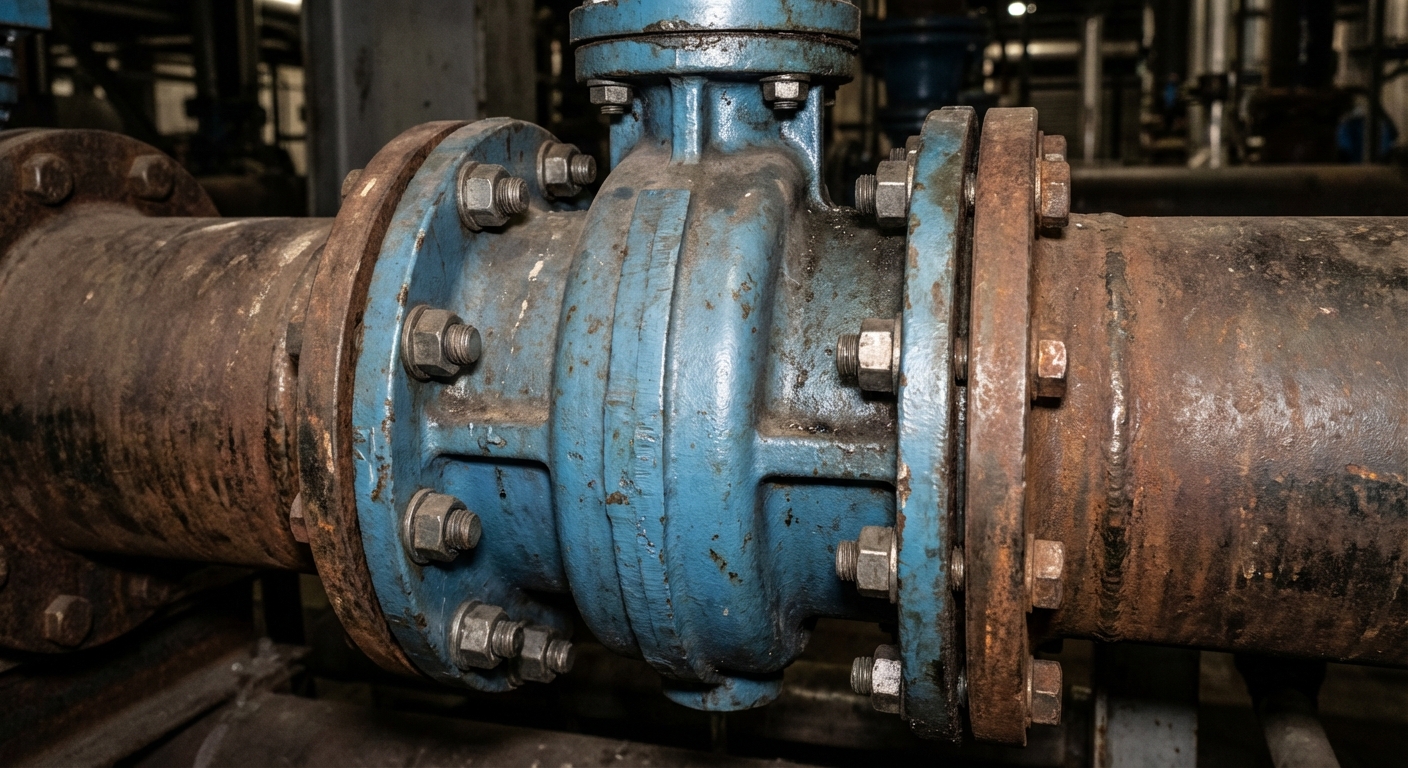
A wafer lugged butterfly valve is specifically capable of dead-end service if it is the lugged style, whereas the wafer style is generally not recommended for this application. Dead-end service occurs when the valve is installed at the end of a pipeline, allowing you to remove downstream piping while the valve remains under pressure. You must verify that the valve’s pressure rating for dead-end service matches your system’s requirements, as it is often lower than the standard rating. The threaded lugs provide the mechanical security needed to hold the valve against the flange without a downstream nut.
Lug vs. Wafer for Isolation
Check this out:
If you try to use a wafer valve for dead-end service, the lack of bolts on the downstream side will cause the valve to fall out as soon as the pipe is removed. This would lead to a catastrophic release of pressurized media. For this reason, lug style valves are mandatory for any isolation point where future piping modifications are expected.
Safety Considerations
Safety is paramount when performing maintenance at a dead-end location. You should always use a blind flange on the open side of the valve if it will remain in that state for an extended period.
- Lug Style: Safe for dead-end with proper bolt torquing.
- Wafer Style: Dangerous for dead-end; requires flanges on both sides.
- Pressure Rating: Often reduced by 50% for dead-end applications.
- Bolting: Requires high-strength studs or bolts.
Key Takeaway: Only the lugged configuration provides the structural integrity required to isolate a pressurized line for downstream work.
| Service Type | Wafer Style | Lug Style |
|---|---|---|
| Standard Flow | Excellent | Excellent |
| Isolation | Good | Superior |
| Dead-End | Prohibited | Recommended |
Always consult the manufacturer’s technical data sheet to confirm the specific dead-end pressure limit for your valve model.
What materials for a wafer lugged butterfly valve?
The materials for a wafer lugged butterfly valve are chosen based on the chemical compatibility, temperature, and pressure of the media being handled. You typically select ductile iron or carbon steel for the body to provide structural strength at a reasonable cost. For the disc, stainless steel (SS316) is the standard for corrosion resistance, though aluminum bronze is often used in seawater applications. The seat material is perhaps the most critical choice, as it dictates the temperature range and chemical resistance of the entire unit.
Selecting the Body and Disc
Better yet:
Matching the disc material to the media ensures you don’t face premature erosion or pitting. If you are handling abrasive slurries, you might choose a disc coated with Nylon or Chrome to extend the service life. Ductile iron bodies are preferred over cast iron because they offer better impact resistance and ductility.
Understanding Seal Materials
The seat acts as both the seal and the gasket for the flanges. Choosing the wrong seat material can lead to swelling, cracking, or total leakage within weeks of installation.
- EPDM: Best for water and steam up to 120°C; poor for oils.
- NBR (Buna-N): Ideal for oils, fuels, and hydraulic fluids.
- PTFE (Teflon): Excellent for aggressive chemicals and high temps.
- Viton: Superior for high-temperature chemicals and acids.
Key Takeaway: Material selection is a balancing act between initial cost and the expected lifecycle of the valve in your specific media.
| Material | Media Compatibility | Temp Range |
|---|---|---|
| SS316 Disc | General Chemicals | -20 to 200°C |
| EPDM Seat | Water / HVAC | -10 to 120°C |
| PTFE Seat | Corrosive Acids | -20 to 180°C |
A mismatch in material compatibility is the leading cause of premature seat failure in industrial process lines.
How to maintain a wafer lugged butterfly valve?
To maintain a wafer lugged butterfly valve, you must perform regular visual inspections and cycle the valve periodically to prevent the disc from “freezing” in the seat. You should check for leaks around the stem and the flange connections, which are the most common points of failure. If the valve is automated, you must also inspect the actuator and the linkage for signs of wear or misalignment. Replacing the seat and seals is the most cost-effective way to refurbish a valve that has started to leak.
Preventative Maintenance Steps
Here is the deal:
A small amount of proactive care can prevent an expensive emergency shutdown. You should document the “breaking torque” required to open the valve; an increase in this value often signals that the seat is deteriorating or debris is trapped. If the valve remains in one position for months, the elastomer can take a “set,” making it harder to seal.
Refurbishment and Repair
Most modern butterfly valves are designed with replaceable seats, meaning you don’t have to scrap the entire body if the seal fails. This modularity is a major advantage for maintenance teams.
- Cleaning: Remove scale or buildup from the disc surface.
- Lubrication: Grease the stem bushings if the design allows.
- Actuator Check: Ensure pneumatic lines are dry and leak-free.
- Bolt Torquing: Re-tighten flange bolts after initial heat cycles.
Key Takeaway: Routine cycling and torque monitoring are your best defenses against unexpected valve seizures.
| Task | Frequency | Objective |
|---|---|---|
| Visual Leak Check | Monthly | Prevent environmental damage |
| Full Cycle Test | Quarterly | Ensure mechanical mobility |
| Torque Measurement | Annually | Detect internal wear |
Consistent maintenance records are essential for predicting the remaining service life of your critical infrastructure.
What is the torque of a wafer lugged butterfly valve?
The torque of a wafer lugged butterfly valve is the amount of rotational force required to open, close, or move the disc against the friction of the seat and the pressure of the media. You need to know the specific torque values to correctly size an actuator, whether it is electric or pneumatic. Torque is influenced by the differential pressure across the valve, the lubricity of the media, and the type of seat material used. Manufacturers typically provide “seating torque” and “unseating torque” values in their technical documentation.
Factors Influencing Torque
Bottom line?
If you undersize your actuator, the valve may fail to close under full pressure, leading to safety risks. Conversely, oversizing an actuator increases your costs and can potentially damage the valve stem if a jam occurs. You must account for a safety factor—usually 20% to 30%—when selecting an automated solution.
Dynamic vs. Static Torque
Static torque is the force needed to move the disc from a standstill, while dynamic torque is the force exerted by the fluid on the disc as it moves.
- Seating Torque: Force to press the disc into the seat for a seal.
- Breakout Torque: Initial force needed to open a closed valve.
- Running Torque: Force needed to keep the disc moving.
- Safety Factor: Additional margin added for “dry” or sticky media.
Key Takeaway: Accurate torque data is the foundation of a reliable automated valve package that won’t fail during peak loads.
| Size (DN) | Torque at 10 Bar (Nm) | Torque at 16 Bar (Nm) |
|---|---|---|
| DN100 | 50 | 65 |
| DN200 | 210 | 280 |
| DN300 | 450 | 620 |
Always use the manufacturer’s specific torque charts, as materials like PTFE can significantly increase operating friction.
Which standards fit a wafer lugged butterfly valve?
The standards for a wafer lugged butterfly valve ensure that the product is interchangeable, safe, and built to a predictable quality level. You should look for valves designed according to API 609, which governs the dimensions and pressure ratings of butterfly valves. For the European market, EN 593 is the relevant standard, while the face-to-face dimensions are usually governed by ISO 5752 or MSS SP-67. Compliance with these standards guarantees that a valve from one manufacturer will fit into the space left by a valve from another.
International Quality Norms
The truth is:
Certifications like CE, PED, and ISO 9001 are not just pieces of paper; they are proof of a rigorous manufacturing process. If you are in the water industry, you might also require WRAS or NSF/ANSI 61 approval for potable water safety. Marine applications require type approvals from bodies like DNV or ABS to ensure performance in harsh sea environments.
Testing and Verification
Standard-compliant valves undergo hydrostatic and pneumatic testing at 1.5x their working pressure to ensure there are no structural defects.
- API 609: The gold standard for design and pressure.
- API 598: The standard for valve inspection and testing.
- ASME B16.5: Governs the flange dimensions for connection.
- ISO 5211: Standardizes the actuator mounting pad.
Key Takeaway: Standardized design ensures that you can source replacement parts globally without worrying about compatibility issues.
| Category | Standard Number | Focus Area |
|---|---|---|
| Design | API 609 / EN 593 | Wall thickness / Body style |
| Testing | API 598 / ISO 5208 | Leakage rates / Pressure tests |
| Mounting | ISO 5211 | Actuator interface |
Adhering to recognized standards is the only way to ensure the long-term safety and legality of your industrial installation.
How to size a wafer lugged butterfly valve correctly?
To size a wafer lugged butterfly valve correctly, you must calculate the required Flow Coefficient (Cv) based on your system’s maximum and minimum flow rates and the allowable pressure drop. You should avoid sizing the valve solely based on the pipe diameter, as this often leads to oversized valves that perform poorly during throttling. An oversized valve will have to operate very close to the closed position, which can cause erosion (wire-drawing) of the seat and disc. The goal is to select a valve that operates between 30 and 70 degrees open during normal operation.
Calculating Cv and Flow
Here is the kicker:
A valve that is too small will create a massive pressure drop, forcing your pumps to work harder and increasing energy costs. You need to balance the initial cost of the valve against the lifecycle energy consumption of the system. Most engineers use software or sizing charts to match the valve’s Cv to the application’s flow requirements.
Velocity and Cavitation
You must also check the fluid velocity; high velocities can cause cavitation, which creates noise and physical damage to the valve and downstream piping.
- Pipe Diameter: Only a starting point, not the final decider.
- Flow Rate: Measured in m³/h or GPM.
- Pressure Drop (ΔP): The loss of pressure across the valve.
- Fluid Velocity: Keep within manufacturer-recommended limits.
Key Takeaway: Precision sizing prevents mechanical wear and ensures your system operates at peak energy efficiency.
| Flow Scenario | Valve Opening | Resulting Performance |
|---|---|---|
| Oversized | 10-20% | High Wear / Poor Control |
| Correctly Sized | 50-70% | Optimal Control / Long Life |
| Undersized | 100% | High ΔP / Pump Strain |
Never assume that the pipe size is the valve size; always verify the actual flow requirements of your process.
Conclusion
Selecting the right wafer style or lug style butterfly valve is a critical decision that impacts the safety, efficiency, and maintenance cost of your entire industrial facility. By understanding the mechanical nuances, material compatibilities, and standardized requirements of a wafer lugged butterfly valve, you empower your team to build more resilient fluid control systems. Whether you are managing a municipal water network or a complex chemical refinery, the right valve ensures that your operations remain uninterrupted.
At RUITO, we specialize in providing high-reliability, precision-engineered valve solutions that meet the world’s most demanding industrial standards. We have solved the challenges of schedule delays and quality inconsistency for EPCs and OEMs worldwide for over 15 years. We believe that a valve is not just a component, but a promise of operational integrity. To discover how our ISO-certified manufacturing and 24-hour technical support can optimize your next project, contact us today.
FAQ
- Can I use a wafer style valve for end-of-line service?
No, you cannot safely use a wafer style valve for end-of-line service because it relies on the pressure from flanges on both sides to remain in place. Without the downstream flange, the bolts would lose tension and the valve would be ejected by the line pressure. - What’s the best seat material for high-temperature steam?
EPDM is generally the best choice for steam applications up to 120°C, but for higher temperatures or critical service, you should consider metal-seated or high-performance double-offset valves. Standard resilient-seated valves may degrade rapidly if exposed to continuous high-pressure steam. - How do I know if my valve is oversized?
You know a valve is oversized if it achieves your maximum required flow rate at an opening angle of less than 30 degrees. This often leads to “hunting” in automated systems and premature wear on the seating surfaces due to high-velocity flow concentrated in a small area. - Can I install a butterfly valve with the stem horizontal?
Yes, you can and often should install large butterfly valves with the stem in a horizontal position to prevent debris from settling in the bottom shaft bearing. This orientation also helps to evenly distribute the weight of the disc, reducing wear on the seat. - What is the difference between PN10 and PN16 ratings?
The difference lies in the maximum allowable working pressure, with PN10 rated for 10 bar (145 psi) and PN16 rated for 16 bar (232 psi). You must ensure your valve rating meets or exceeds the maximum possible pressure of your system, including potential surges.