
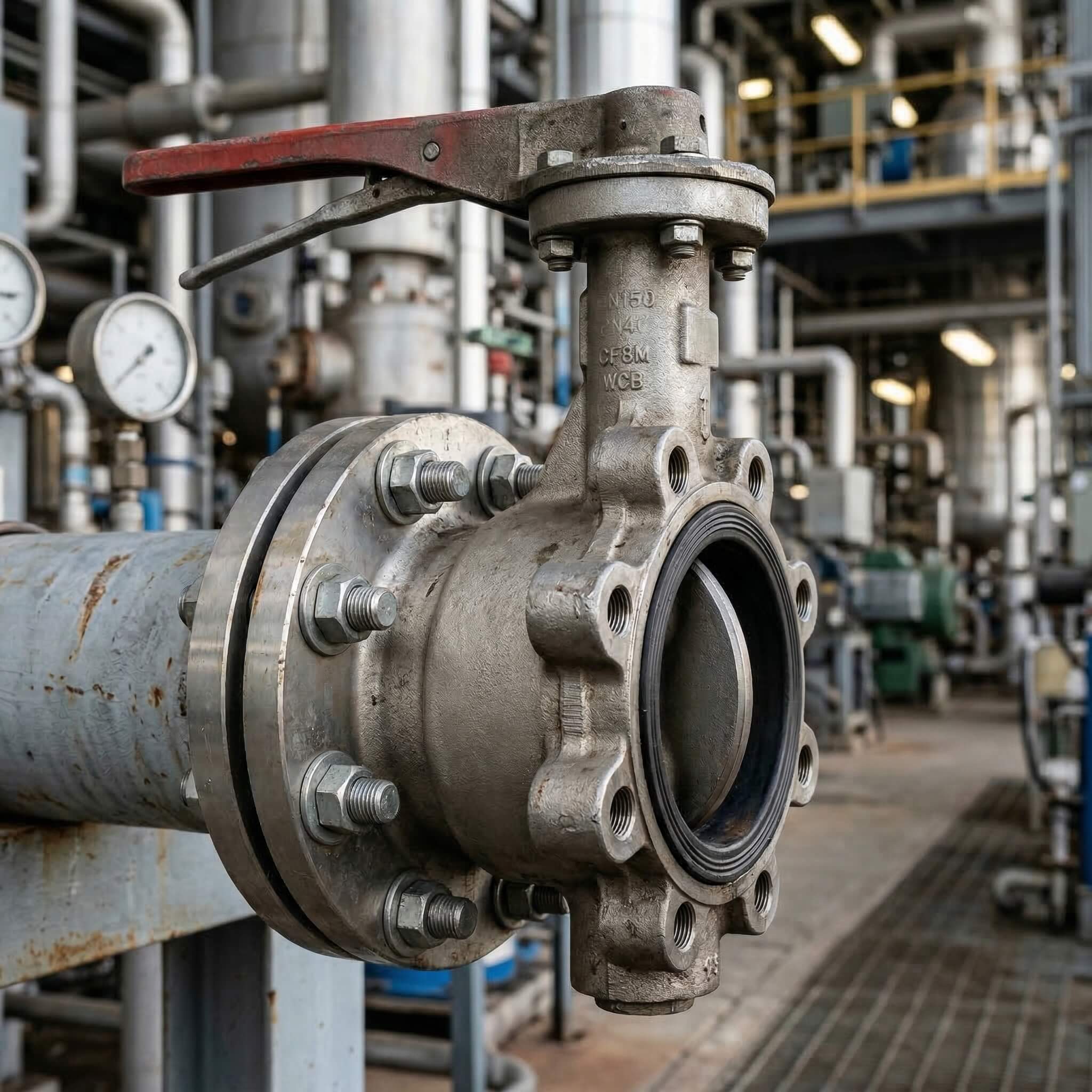
The primary difference is that a wafer valve is sandwiched between pipe flanges with long bolts, while a butterfly valve lug style features threaded inserts that allow it to be bolted directly to each flange independently. In industrial fluid control, selecting the wrong component isn’t just a minor oversight—it is a recipe for catastrophic system failure and costly downtime. Engineers often find themselves at a crossroads when choosing between configurations, knowing that a mismatch in flange compatibility can lead to persistent leaks. You can find the right industrial solutions to avoid the frustration of halting a multi-million dollar production line simply because a valve couldn’t handle dead-end service.
Why choose a butterfly valve lug style for your project?
You should choose this design when your system requires independent downstream piping removal or safe dead-end service. The butterfly valve lug style is a staple in industries where system modularity is non-negotiable. You can explore a variety of precision-engineered products that cater specifically to these demanding environments.
Which industrial sectors prefer the lug design?
Chemical processing and water treatment sectors often prefer this configuration for its reliability. These industries require frequent system reconfigurations that standard wafer valves cannot support.
- Water treatment plants.
- Chemical processing facilities.
- Marine cooling systems.
How do threaded lugs simplify pipe maintenance?
Unlike wafer types, this style features threaded inserts that allow the valve to be bolted directly to the flange. This mechanical independence is why many engineers choose a butterfly valve lug style for sections of the plant that require frequent inspections.
- Key Takeaway: Lug valves offer superior mechanical independence for modular systems.
| Industry Sector | Primary Use Case | Preferred Valve Style |
|---|---|---|
| Water Treatment | Pump Isolation | Lug |
| Chemical Processing | Tank Drainage | Lug |
| HVAC Systems | Flow Control | Wafer/Lug |
The lug design ensures that heavy industrial sectors maintain high safety standards during routine component swaps.
How does the butterfly valve lug style handle pressure?
This style handles pressure by maintaining a secure mechanical connection to the upstream flange, even if the downstream side is disconnected. The butterfly valve lug style is frequently rated for higher performance than its wafer counterparts due to its robust casing.
Does it prevent backflow in bi-directional systems?
Pressure management is where this design shines, particularly in preventing backflow. By being bolted to each flange individually, the valve maintains a tighter seal under varying pressure differentials.
- Prevents seat displacement.
- Maintains seal integrity.
- Resists pressure surges.
What are the limits for high-pressure operations?
High-pressure systems require a casing that can withstand significant mechanical stress. The butterfly valve lug style is the industry standard for PN16 and PN25 ratings where safety is the priority.
- Key Takeaway: Lug styles provide a more stable seal under fluctuating pressure loads.
| Pressure Rating | Wafer Suitability | Lug Suitability |
|---|---|---|
| Low (PN6) | Excellent | Good |
| Medium (PN16) | Good | Excellent |
| High (PN25+) | Limited | Superior |
The mechanical bolting of the lug style prevents the valve body from shifting under extreme internal force.
Is the butterfly valve lug style better for dead-end use?
The lug configuration is the only safe choice for dead-end service because its threaded lugs hold the valve body securely against the line pressure without a secondary flange. If you have questions about specific installations, you should contact a technical expert to ensure your system remains compliant. The butterfly valve lug style ensures that the valve remains in place even when the downstream pipe is removed.
Can it be disconnected without shutting down?
Yes, the defining advantage of this design is its ability to serve as a “dead-end” valve. Because it is bolted to the upstream flange, you can remove the downstream piping while the valve remains in place.
- Allows for pipe cleaning.
- Facilitates downstream repairs.
- Keeps upstream processes active.
Why is dead-end service risky for wafer valves?
Wafer valves rely on the compression from both flanges to stay in place. Using anything other than a butterfly valve lug style for dead-end service risks the valve slipping out of the line, leading to immediate depressurization.
- Key Takeaway: Only lug-style valves are safely rated for true dead-end service.
| Service Type | Wafer Valve | Lug Valve |
|---|---|---|
| Standard Flow | Compatible | Compatible |
| Isolation | Compatible | Superior |
| Dead-End | Dangerous | Recommended |
Choosing the lug style for dead-end applications is a critical safety protocol in modern engineering.
What makes a butterfly valve lug style distinct from wafer?
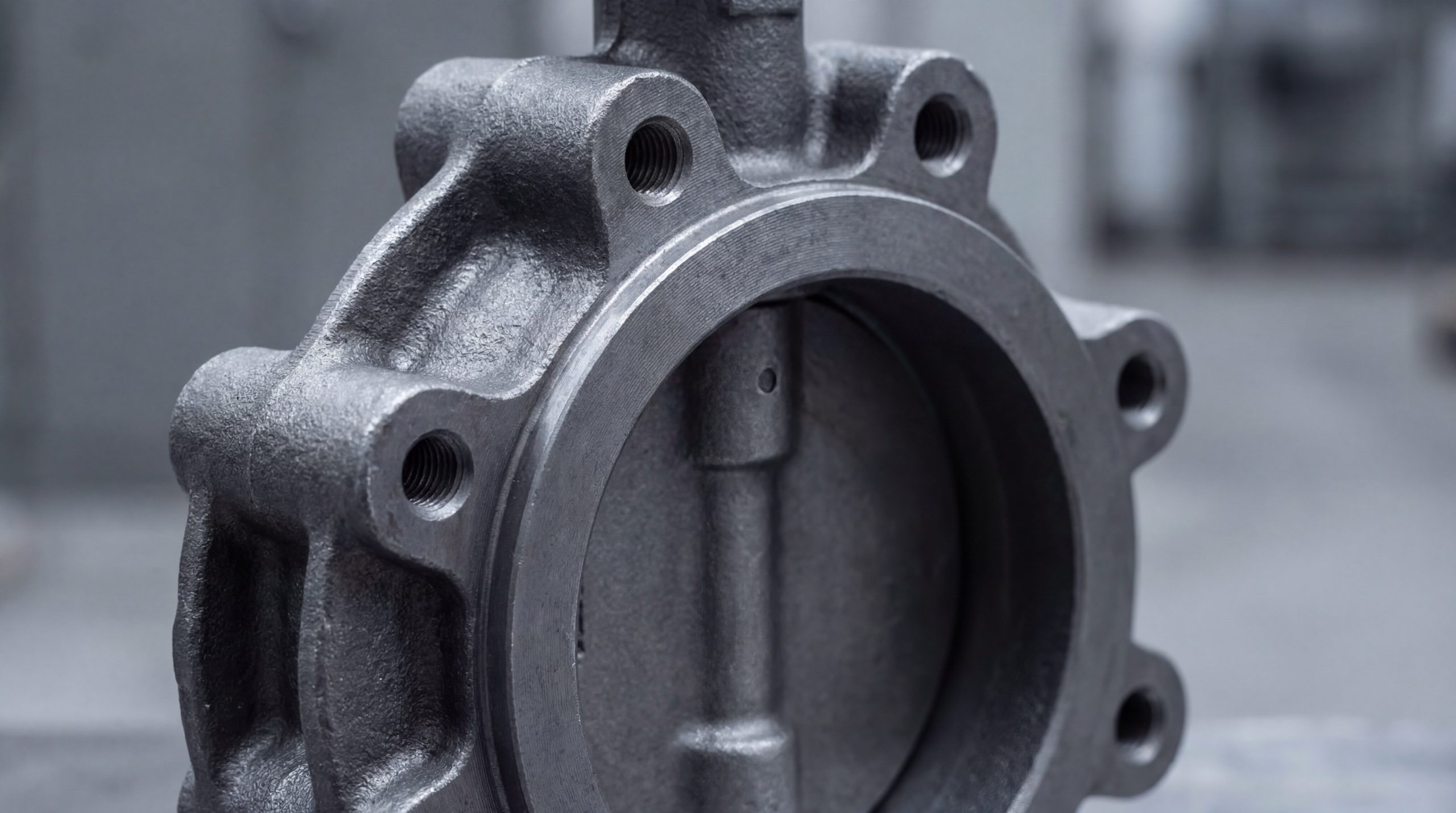
Distinctive physical features include protruding threaded “ears” that match the flange bolt pattern, providing better structural support than the slim wafer body. Visually, the butterfly valve lug style is identified by the lugs that surround the body.
How does the physical casing differ?
While a wafer valve has few or no holes, the lug style has a hole for every bolt in the flange circle. This results in a heavier, more robust casing that can be threaded directly.
- Threaded lug holes.
- Increased body mass.
- Individual bolt connections.
Which design offers better centering during setup?
The lug style is significantly easier to center during installation. Because the bolts pass through the threaded lugs, the valve is automatically aligned with the pipe’s bore.
- Key Takeaway: The lug casing ensures perfect alignment and easier installation.
| Feature | Wafer Style | Lug Style |
|---|---|---|
| Body Profile | Slim / Compact | Wide / Robust |
| Bolt Holes | 2-4 (Alignment only) | Full Circle (Threaded) |
| Alignment | Manual | Automatic |
The structural design of the lug valve reduces the risk of seat damage during the initial system startup.
Does butterfly valve lug style installation require nuts?
No, standard installation often eliminates the need for nuts because the bolts thread directly into the valve’s integrated lug holes. Using a high-performance valve of this type simplifies your assembly process. The butterfly valve lug style reduces the number of components your team needs to manage on-site.
Why are fewer components used in lug setups?
By eliminating nuts, you reduce the complexity of the toolkit required for field assembly. This speed of installation is a major benefit for large-scale infrastructure projects.
- No loose nuts.
- Shorter assembly time.
- Reduced inventory needs.
Does this reduce the risk of bolt loosening?
By threading directly into the body, the connection is often more resistant to vibration. This is a critical consideration in power generation or marine applications.
- Key Takeaway: Threaded lugs eliminate the need for nuts and improve vibration resistance.
| Component | Wafer Installation | Lug Installation |
|---|---|---|
| Bolts | Long (Pass-through) | Short (Individual) |
| Nuts | Required | Often Optional |
| Washers | Required | Required |
Eliminating nuts simplifies the mechanical joint and reduces potential points of failure in high-vibration environments.
Can a butterfly valve lug style withstand high heat?
Yes, when equipped with metal seats and high-grade alloy bodies, this style manages thermal expansion more effectively than wafer designs. The butterfly valve lug style ensures these seals remain compressed even as the pipework undergoes thermal cycles.
Are metal-seated lugs better for steam?
In high-temperature scenarios like steam lines, the metal-seated lug style is preferred. The casing’s ability to expand and contract slightly without losing its flange seal makes it more resilient.
- Handles up to 600°C.
- Resists thermal shock.
- Maintains fire-safe ratings.
Which seal materials work best for hot media?
For temperatures up to 200°C, specialized elastomers like FKM or PTFE are used. The lug design provides the necessary structural rigidity to prevent these seals from deforming under heat.
- Key Takeaway: Lug valves maintain seal integrity better during thermal cycles.
| Material | Temperature Range | Application |
|---|---|---|
| EPDM | -20°C to 120°C | Water / Low Heat |
| PTFE | -30°C to 200°C | Chemical / Steam |
| Metal Seat | Up to 600°C | Power / Refining |
The robust lug body prevents the thermal deformation that often leads to leaks in lighter wafer configurations.
Why is the butterfly valve lug style heavier than wafer?
The additional weight comes from the extra metal required to form the threaded lugs and the robust body casing necessary for high-pressure integrity. For more information on shipping weights and logistics, you can request a quote from our team. The butterfly valve lug style requires more material to ensure the threaded holes have sufficient wall thickness.
Does the extra material affect flow rate?
The extra mass does not restrict the flow because the internal diameter remains consistent with the pipe size. You get a stronger valve without sacrificing the Cv values of your system.
- Consistent bore size.
- No flow obstruction.
- High flow efficiency.
How does weight impact support requirements?
When installing a large-diameter valve, you must account for the additional weight on the pipe hangers. While heavier, the increased durability often offsets the cost of additional structural supports.
- Key Takeaway: The added weight of lug valves is a trade-off for durability and safety.
| Valve Size | Wafer Weight (kg) | Lug Weight (kg) |
|---|---|---|
| DN100 | 5.5 | 8.2 |
| DN200 | 12.0 | 19.5 |
| DN300 | 28.0 | 45.0 |
The increased weight is a direct indicator of the valve’s ability to withstand external mechanical stresses.
Will a butterfly valve lug style lower maintenance costs?
It lowers long-term costs by allowing you to isolate and repair piping sections without draining the entire system. The butterfly valve lug style significantly reduces the man-hours required for routine seal inspections.
How does it reduce total cost of ownership?
While the initial purchase price is higher, the savings are found in labor and reduced downtime. Being able to repair sections of a system without a total shutdown saves thousands in lost production.
- Lower labor hours.
- Reduced system downtime.
- Easier seal replacement.
Is batch traceability important for repairs?
Reliable manufacturers provide full test reports for every butterfly valve lug style. This traceability ensures that when a seal eventually needs replacement, you have the exact specifications.
- Key Takeaway: Lug valves facilitate faster maintenance, reducing long-term OPEX.
| Metric | Wafer Maintenance | Lug Maintenance |
|---|---|---|
| Shutdown Required | Full System | Sectional |
| Labor Time | High | Moderate |
| Tooling Needs | Standard | Specialized |
The ability to perform localized maintenance makes the lug style a more economical choice over the valve’s lifecycle.
Is butterfly valve lug style compatible with all flanges?
While highly versatile, compatibility depends on matching the specific bolt circle and thread pitch of standards like ANSI, DIN, or JIS. You can check our compatibility guide to verify fits for your specific region. The butterfly valve lug style must be machined with high precision to ensure it aligns with existing infrastructure.
Does it fit ANSI, DIN, and JIS standards?
A high-quality valve is machined to ensure it matches common flange patterns. Always verify compatibility with your specific piping standard before procurement to avoid delays.
- ANSI B16.5 compatible.
- DIN EN 1092 compliant.
- JIS B2220 options.
What happens if the bolt patterns mismatch?
A mismatch can lead to uneven torque and eventual seal failure. Choosing a design for multi-standard compatibility can solve interface risks for international projects.
- Key Takeaway: Precision machining is vital for flange standard compatibility.
| Standard | Bolt Circle (DN100) | Thread Type |
|---|---|---|
| ANSI 150# | 190.5 mm | UNC |
| DIN PN16 | 180.0 mm | Metric |
| JIS 10K | 175.0 mm | Metric |
Precise matching of threads and bolt circles is the only way to guarantee a zero-leakage connection.
Where should you source a butterfly valve lug style?
You should source these from certified manufacturers who provide comprehensive pressure testing and material traceability reports. A trustworthy supplier of the butterfly valve lug style will offer 100% testing to guarantee zero-leakage performance.
How do you verify a manufacturer’s quality?
Look for certifications such as ISO 9001 and CE (PED). Quality suppliers ensure that every casting is inspected for defects before the threading process begins.
- ISO 9001 certified.
- Pressure tested at 1.5x.
- Material certificates (MTC).
Can you get custom engineering for unique specs?
If standard sizes aren’t a fit, you can request custom dimensions ranging from DN25 to DN1200. Sourcing a butterfly valve lug style from a manufacturer with 3D modeling capabilities ensures the valve is optimized for your conditions.
- Key Takeaway: Always prioritize certified manufacturers with proven testing protocols.
| Criteria | Basic Supplier | Premium Manufacturer |
|---|---|---|
| Certification | Self-Declared | ISO / CE / DNV |
| Testing | Batch Testing | 100% Individual Testing |
| Support | Sales Only | Engineering & Technical |
Choosing a partner with full engineering support ensures your fluid control system operates at peak efficiency for decades.
Summary and Recommendation
Selecting between wafer and lug configurations is a decision that impacts the safety and efficiency of your entire plant. While wafer valves offer a lightweight and cost-effective solution for simple flow control, the butterfly valve lug style is essential for high-pressure, dead-end, or modular piping systems. Its ability to provide mechanical independence for downstream maintenance makes it a superior choice for long-term operational savings. If you are ready to upgrade your infrastructure with high-performance components, please contact us today for a technical consultation.
Frequently Asked Questions
- Can I use a wafer valve for dead-end service?
No. Wafer valves require pressure from both sides to stay secure, making them dangerous for dead-end use. - What is the best material for corrosive media?
Stainless steel. SS316L or PTFE-lined bodies are the industry standard for aggressive chemical environments. - Can I replace a lug valve with a wafer valve?
Yes. You can only do this if the application is not dead-end and you have longer bolts for the new installation. - What is the standard lead time for custom valves?
Approximately 15–25 days. Stock items typically ship within 5 days, but custom specs take longer to machine. - Are these valves certified for marine use?
Yes. You should specifically request DNV or ABS type-approved valves for saltwater and offshore environments.