
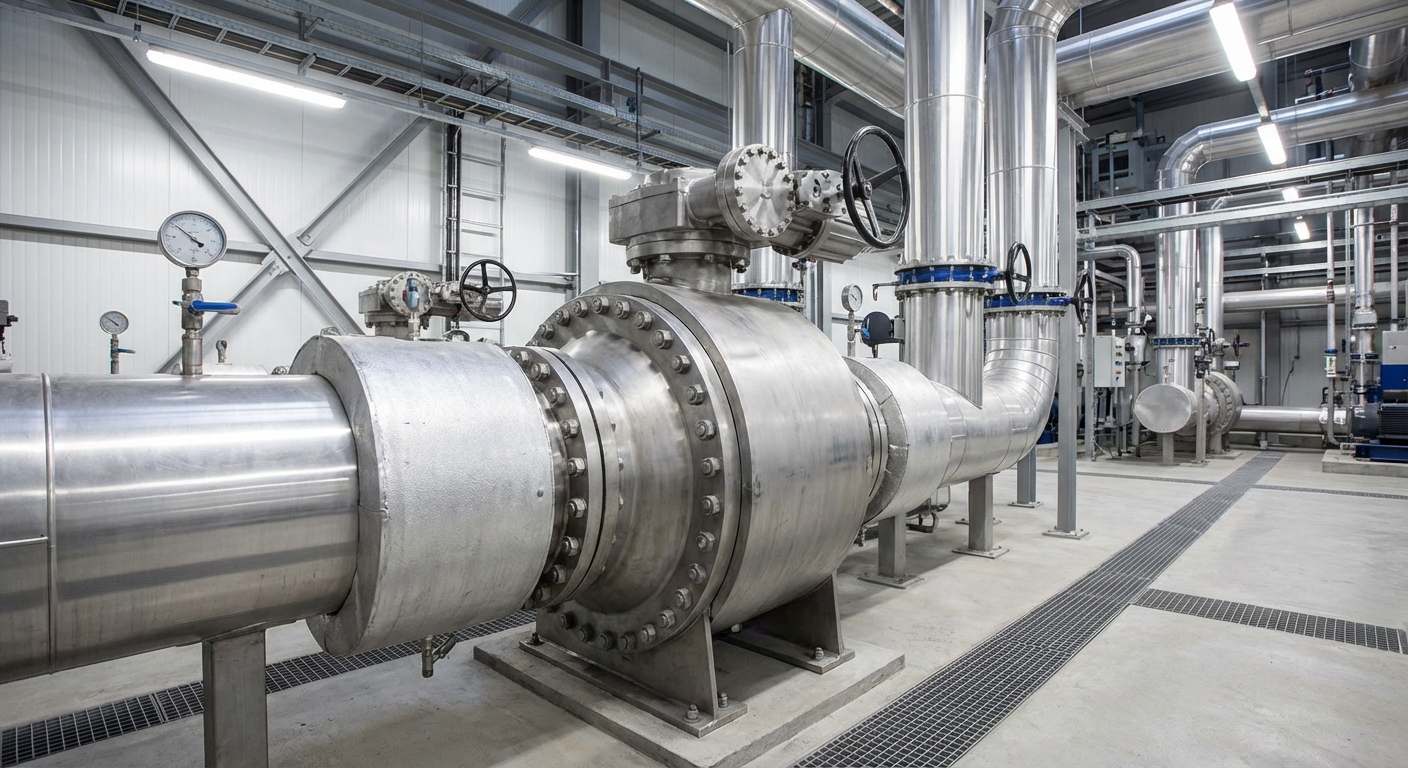
High temperature butterfly valves are precision-engineered flow control devices designed with metal-to-metal seats and heat-resistant alloys to maintain structural integrity in environments reaching up to 815°C. Unlike standard resilient-seated valves that fail when elastomers melt, these units use advanced geometry to ensure bubble-tight shutoff.
You often face the risk of catastrophic system failure when standard valves are exposed to extreme thermal loads. These failures agitate operational costs through emergency shutdowns, media loss, and potential safety hazards for your personnel. By integrating a high-performance butterfly valve high temperature solution from Ruitoflow, you secure a reliable barrier against extreme heat and pressure.
What is a butterfly valve high temperature design?
A butterfly valve high temperature design refers to a quarter-turn valve specifically constructed with non-polymeric materials to withstand severe thermal stress. These valves replace standard rubber liners with metal seats or graphite-laminated seals to prevent degradation at high temperatures. You will typically find them in applications where media exceeds the 200°C threshold of traditional resilient valves.
Defining High-Heat Valve Construction
The construction of these valves focuses on material compatibility and thermal expansion management to prevent the disc from seizing.
The best part? Engineers utilize specialized alloys that maintain their mechanical properties even when glowing cherry red in high-pressure steam lines.
- Body materials like WCB or CF8M.
- Stellite-faced metal seats for wear resistance.
- High-strength 17-4 PH stainless steel stems.
Key Takeaway: Thermal-specific construction prevents seat melting and ensures long-term operational safety.
| Component | Standard Material | High-Temp Material |
|---|---|---|
| Seat | EPDM / NBR | Stainless Steel / Stellite |
| Disc | Ductile Iron | CF8M / 316L SS |
| Body | Cast Iron | Carbon Steel / Alloy Steel |
This material comparison highlights the transition from utility-grade to industrial-strength components.
How does a butterfly valve high temperature seal?
A butterfly valve high temperature achieves a seal through the precise mechanical interference between a metal disc edge and a hardened metal seat. You must rely on this butterfly valve high temperature mechanism to stop leaks when the system pressure and heat would otherwise warp standard components. The seal is often enhanced by torque-seated designs that press the disc into the seat for a tighter finish.
Metal-to-Metal Seating Mechanics
In high-heat scenarios, the metal-to-metal contact must be perfect to achieve ISO or API leakage standards.
But there is a catch: metal seats do not have the natural “give” of rubber, requiring exact machining tolerances of ±0.1 mm.
- Torque-seated closure for tighter shutoff.
- Laminated graphite rings for high-pressure gas.
- Hardened coatings to prevent galling.
Key Takeaway: Precision machining is the foundation of effective sealing in extreme thermal environments.
| Seal Type | Max Temperature | Sealing Class |
|---|---|---|
| Metal Seat | 600°C+ | API 598 / Class V |
| Laminated Seat | 400°C – 550°C | Class VI (Zero Leakage) |
| Hardened Face | 815°C | High-Cycle Rated |
This table outlines the performance limits you can expect from different metal sealing technologies.
Which metals suit a butterfly valve high temperature?
The most common metals for a butterfly valve high temperature include carbon steel, 316 stainless steel, and specialized super-alloys. You need materials that offer high creep resistance and oxidation protection to ensure the valve body doesn’t thin or deform over decades of service. These metals are often pressure tested at 1.5x working pressure to verify their integrity before installation.
Material Integrity and Alloys
Choosing the right alloy is critical for media compatibility and resisting thermal fatigue during rapid cycling.
Here is the kicker: using a Super Duplex or Inconel disc can extend the life of your assembly by years in corrosive, hot environments.
- CF8M for general chemical resistance.
- WCB for high-temperature steam applications.
- Super Duplex for harsh marine or oil & gas duty.
Key Takeaway: Alloy selection directly dictates the valve’s lifespan and resistance to high-temperature corrosion.
| Material | Temperature Range | Application |
|---|---|---|
| WCB (Carbon Steel) | -29°C to 425°C | General Steam / Power |
| CF8M (316 SS) | -196°C to 600°C | Petrochemical / Acidic |
| Alloy Steel | Up to 815°C | Refining / Severe Duty |
This data helps you match specific industrial metals to your system’s thermal requirements.
Why choose a triple offset butterfly valve high temperature?
You should choose a triple offset butterfly valve high temperature because its unique geometry eliminates friction between the seal and seat during operation. This butterfly valve high temperature design uses three distinct eccentricities to ensure the disc only contacts the seat at the final point of closure. This reduces wear significantly, allowing the valve to maintain a high-cycle life even in the toughest conditions.
Eliminating Friction via Geometry
The triple offset design moves the stem and disc centerlines, creating a cam-like action that protects the seating surfaces.
Here is why it matters: frictionless travel means you can use smaller actuators while enjoying much lower maintenance costs over time.
- 1st Offset: Stem behind the sealing surface.
- 2nd Offset: Stem center away from disc center.
- 3rd Offset: Seat cone axis tilted from pipe axis.
Key Takeaway: Triple offset geometry is the gold standard for high-cycle performance in high-heat pipelines.
| Offset Type | Primary Benefit | Result |
|---|---|---|
| Single | Reduced seat compression | Lower operating torque |
| Double | Reduced seat contact | Improved seal life |
| Triple | Frictionless sealing | Zero leakage / High temp |
Evaluate these offsets to understand how geometric precision prevents mechanical failure.
Where is a butterfly valve high temperature applied?
A butterfly valve high temperature is applied in critical sectors like power generation, petrochemical refining, and heavy manufacturing. You will find these units controlling superheated steam in geothermal plants or managing hot flue gases in smelting operations. Because they are more compact than gate valves, they are the preferred choice for large-diameter pipelines with limited installation space.
Critical Industrial Environments
These valves thrive where high-velocity fluids and extreme heat would destroy lower-spec utility components.
Make no mistake: selecting a high-spec valve for these zones is a direct investment in your plant’s uptime and safety.
- Power plant steam isolation loops.
- Chemical cracking unit process lines.
- Marine engine exhaust and cooling systems.
Key Takeaway: High-temperature models are essential for any process involving superheated fluids or gases.
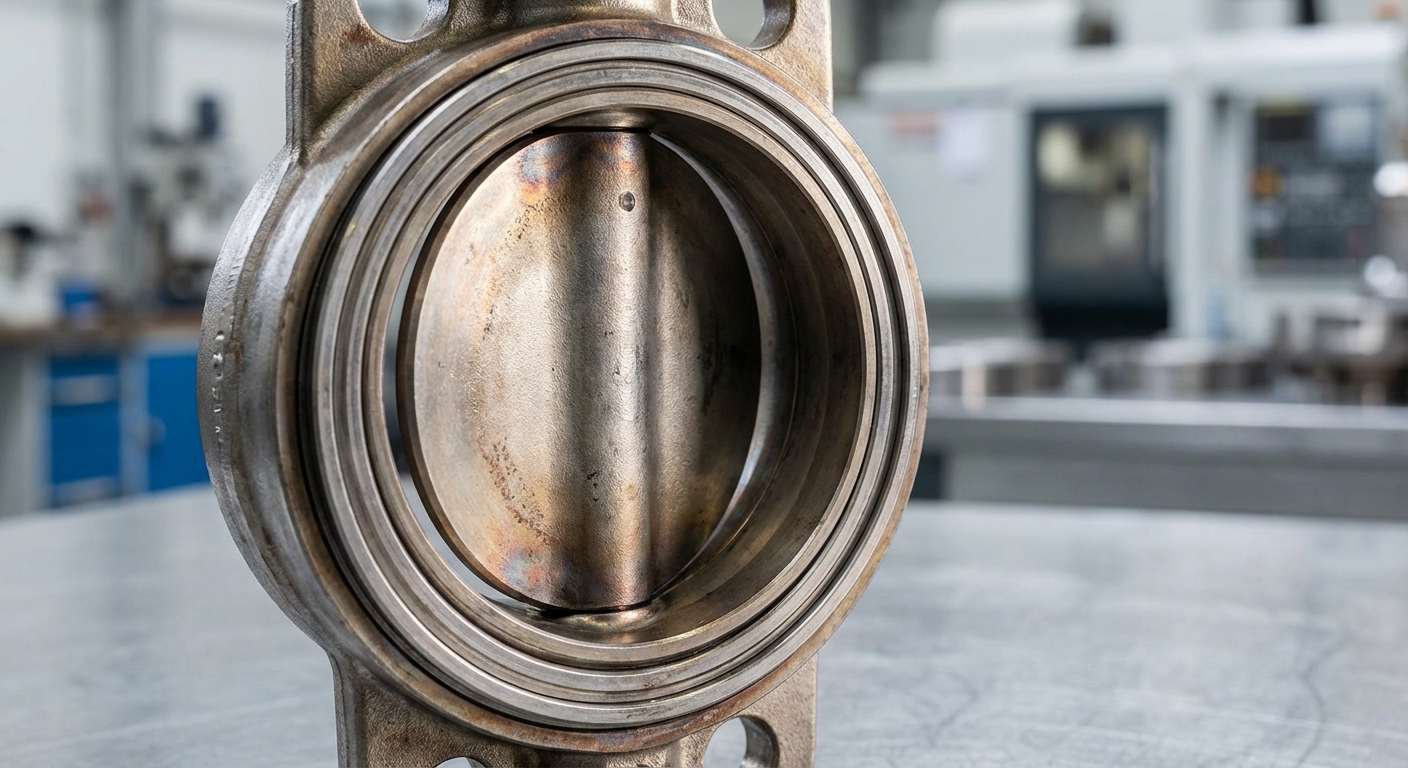
| Industry | Typical Media | Temp Requirement |
|---|---|---|
| Power Generation | Superheated Steam | 540°C |
| Petrochemical | Thermal Oil / Gas | 450°C |
| Mining/Smelting | Flue Gas / Exhaust | 700°C+ |
Review these industry benchmarks to verify if your application requires a metal-seated solution.
What parts build a butterfly valve high temperature?
The primary parts of a butterfly valve high temperature include the body, disc, stem, and seat, all forged from high-strength metals. You must ensure that the stem is designed with an anti-blowout feature to maintain safety under high pressure. These components are often paired with precision-machined actuators that can deliver the high torque required to seat metal-to-metal seals effectively.
Stem and Disc Specifications
The stem and disc are the most stressed parts of the assembly, requiring exact material matching to prevent galling.
The best part? Modern CNC machining ensures that the disc edge perfectly aligns with the seat cone for a repeatable, tight seal.
- Splined shafts for zero-backlash control.
- Blowout-proof stem designs for safety.
- Streamlined disc profiles to reduce pressure drop.
Key Takeaway: High-quality internal components ensure the valve remains functional after thousands of thermal cycles.
| Part | Vital Feature | Purpose |
|---|---|---|
| Stem | 17-4 PH Stainless | High torque resistance |
| Disc | Laminated Seal | Multi-layer shutoff |
| Body | Lug or Flanged | Secure pipe integration |
This anatomy check highlights how each component contributes to overall system reliability.
How to size a butterfly valve high temperature?
To size a butterfly valve high temperature, you must calculate both the flow coefficient (Cv) and the required operating torque at maximum heat. You should consult technical specifications to ensure the valve body can handle the thermal expansion of your specific piping system. Proper sizing prevents issues like cavitation or excessive pressure drop, which can damage downstream equipment.
Calculating Flow and Torque
Sizing requires an understanding of how temperature affects fluid density and the friction coefficient of metal seats.
Don’t overlook this: you must apply a safety factor of at least 20-30% to your actuator torque calculations to account for high-heat friction.
- Determine required Cv/Kv for the process.
- Calculate torque at maximum differential pressure.
- Check flange compatibility (ANSI/DIN/JIS).
Key Takeaway: Accurate sizing balances flow efficiency with the mechanical force needed for a tight seal.
| Size Range | Pressure Rating | Temp Limit |
|---|---|---|
| DN50 – DN600 | PN10 – PN40 | 450°C |
| DN600 – DN1200 | PN16 – PN25 | 600°C |
| Custom (to DN3000) | Per Drawing | Up to 815°C |
Use these standard ranges to begin your procurement and engineering planning.
What standards govern butterfly valve high temperature?
A butterfly valve high temperature must comply with international standards such as API 609, ASME B16.34, and ISO 10631. You should verify that your butterfly valve high temperature manufacturer provides full material traceability and pressure test reports for every batch. These standards ensure that the valve can safely contain pressure at its maximum rated temperature without structural failure.
Regulatory and Testing Compliance
Compliance with fire-safe standards like API 607 is often mandatory for valves used in flammable media pipelines.
The truth is: third-party inspections from agencies like SGS or TÜV provide the ultimate peace of mind for high-risk projects.
- API 609 for design and rating.
- API 598 for pressure testing protocols.
- ISO 9001 for manufacturing quality control.
Key Takeaway: Standardized testing ensures that every valve meets the safety expectations of global EPC contractors.
| Standard | Focus Area | Requirement |
|---|---|---|
| API 609 | Design / Face-to-Face | Dimensions & Ratings |
| ASME B16.34 | Pressure/Temp | Material integrity |
| API 607 | Fire Safety | External leakage control |
Review these regulations to ensure your procurement aligns with regional and industrial safety laws.
How to maintain a butterfly valve high temperature?
Maintaining a butterfly valve high temperature requires regular inspection of the packing glands and checking for seat erosion. You should schedule a maintenance check every six months to identify any signs of thermal fatigue or material hardening. Replacing graphite packing early can prevent atmospheric leaks that might compromise the efficiency of your entire steam or gas system.
Inspection and Packing Care
High-temperature service can cause the stem packing to compress over time, potentially leading to external leaks.
But there is a catch: you must only use lubricants and cleaning agents that are rated for the extreme heat of your process.
- Visually inspect seats for pitting.
- Adjust packing glands to stop weeping.
- Cycle the valve to ensure smooth travel.
Key Takeaway: Proactive maintenance cycles extend the operational life of high-spec valves by preventing small leaks from growing.
| Task | Frequency | Objective |
|---|---|---|
| Visual Check | Monthly | Identify external leaks |
| Packing Adjustment | 6 Months | Maintain stem seal |
| Seat Inspection | Annual Shutdown | Check for wear/erosion |
Adhering to this schedule keeps your facility running safely while minimizing unexpected downtime.
Why buy our butterfly valve high temperature?
Buying our butterfly valve high temperature ensures you receive a product backed by ISO 9001 certification and traceable quality assurance dossiers. You benefit from our ability to provide butterfly valve high temperature units that are 100% hydro-tested at 1.5x working pressure. Whether you need a standard DN300 model or a custom-engineered solution for extreme heat, our 15 years of industry experience guarantees a reliable fit.
Reliability and Traceability
We provide complete documentation packs, including material test certificates and bilingual O&M manuals for every order.
The kicker is this: we offer a 24-hour technical response guarantee to resolve any design or installation queries you might have.
- ISO 9001, CE, and DNV certified.
- Traceable MTC for every metal part.
- Fast 15-25 day lead times for custom builds.
Key Takeaway: Traceable quality and expert support are the most important factors when sourcing critical industrial hardware.
| Service Feature | Benefit to You | Result |
|---|---|---|
| 100% Testing | Guaranteed integrity | No installation leaks |
| Custom FEA | Optimized design | Longer service life |
| Rapid Support | 24-hour response | Schedule protection |
These service metrics demonstrate our commitment to delivering high-performance solutions for your most demanding projects.
Frequently Asked Questions
Can I use a standard valve for high heat?
No, because the resilient elastomers will melt, causing immediate failure. You must use a metal-seated or high-performance model designed for those specific temperatures.
What’s the best seal for extreme steam?
The triple offset design with a metal-to-metal seat is considered the industry standard for high-pressure, high-temperature steam isolation.
How long do high-temperature valves last?
With proper maintenance and triple offset geometry, these valves can reliably serve for 15 to 25 years in demanding industrial applications.
Which actuator is best for hot zones?
Pneumatic actuators are often preferred for their fail-safe capabilities, but they require thermal extensions to protect their internal seals from heat radiation.
Can these valves handle thermal shock?
Yes, high-temperature models are built with alloys that have compatible expansion coefficients, allowing them to cycle safely during rapid temperature shifts.
Solving Your Thermal Flow Challenges
When your process reaches extreme temperatures, your problem is solved by selecting a partner who understands the nuances of metal-seated technology. What we can do is provide you with precision-engineered valves that eliminate leaks and protect your operational schedule. Our brand vision is to deliver the world’s most reliable fluid control systems, ensuring that every industrial facility can operate at maximum efficiency without fear of equipment failure. For a personalized solution, please contact us today to connect with our senior engineering team.