
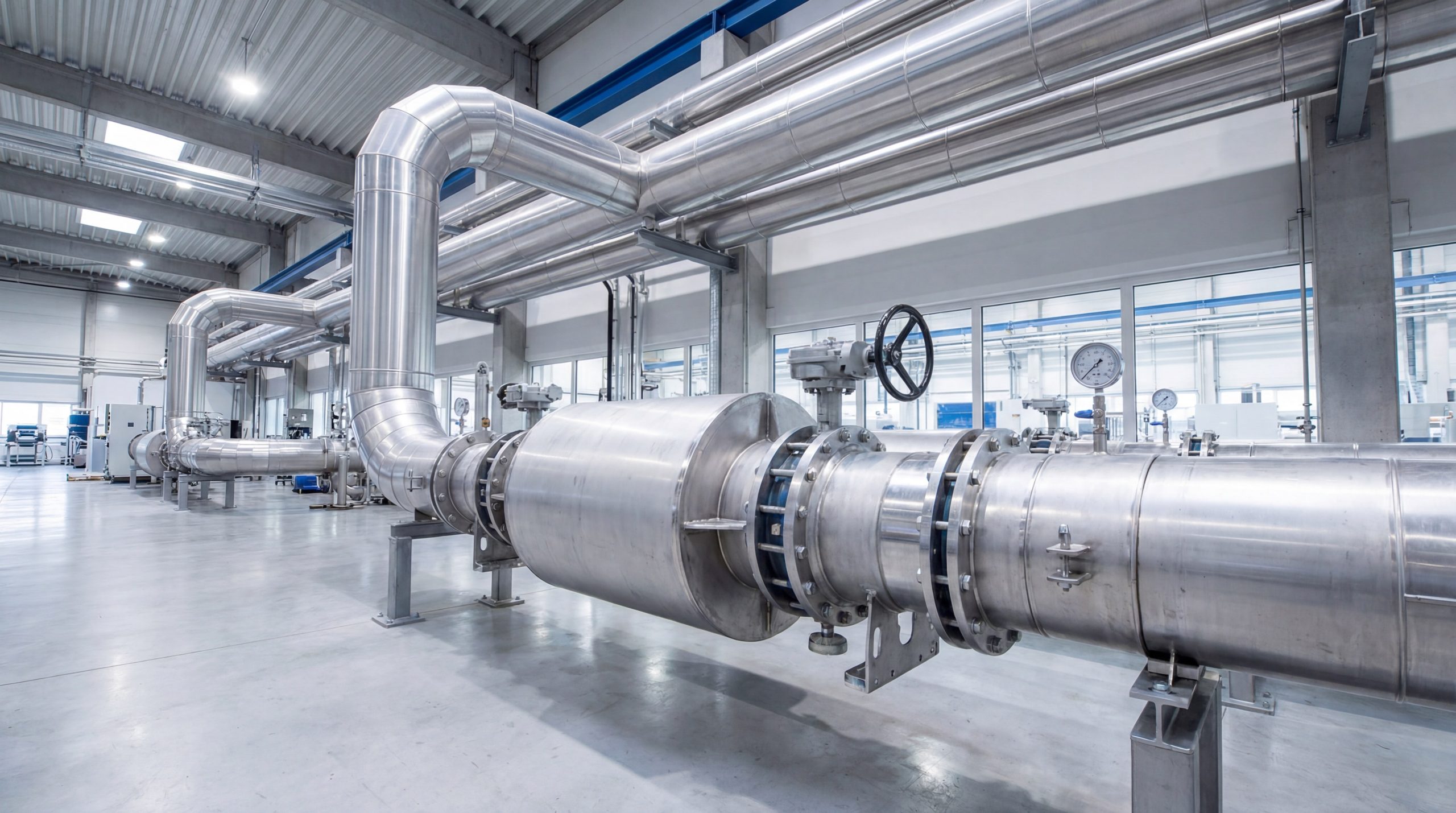
An exhaust butterfly valve regulates the flow of exhaust gases to control engine backpressure and sound levels. In high-capacity industrial systems, managing the delicate balance between gas discharge and noise suppression is often a major challenge. If you fail to regulate these flows, you risk excessive noise pollution and reduced fuel efficiency that can impact your operational bottom line. Integrating a high-performance butterfly valve muffler provides you with the precision control needed to optimize engine dynamics and maintain regulatory compliance.
What is the primary role of a butterfly valve muffler?
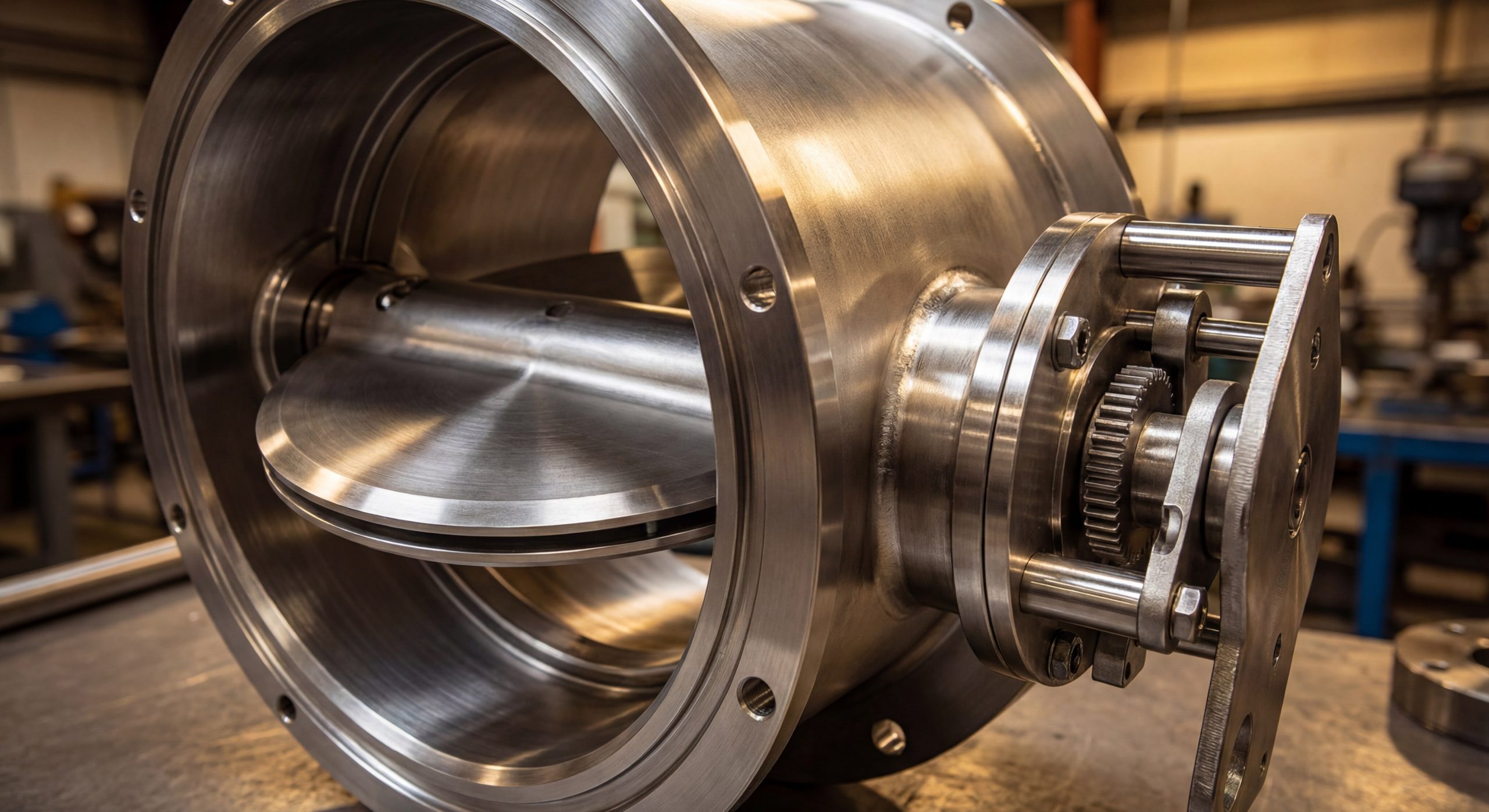
A butterfly valve muffler acts as a dynamic gatekeeper within an exhaust system, pivoting a central disc to vary the internal diameter of the gas path. This movement allows you to switch between a high-flow “open” state and a restricted “closed” state.
Here is the kicker:
The valve does not just stop gas; it shapes the entire acoustic profile of the machine. By modulating the disc angle, the system can dampen harsh frequencies before they exit the tailpipe.
How the disc manages gas flow
- Rotation: The disc turns 90 degrees to permit or block flow.
- Sealing: Precision-machined edges ensure minimal leakage when closed.
- Response: Actuators allow the valve to react to pressure changes instantly.
Key Takeaway: The primary role of this component is to provide variable control over exhaust acoustics and pressure, ensuring the system operates efficiently across all load ranges.
| Component | Function | Material Benefit |
|---|---|---|
| Rotating Disc | Regulates gas volume | High-temp durability |
| Pivot Shaft | Connects to actuator | Low-friction movement |
| Valve Body | Houses the mechanism | Corrosion resistance |
The mechanical synergy between these parts allows for precise modulation of gas velocity and sound waves.
How does a butterfly valve muffler improve torque?
A butterfly valve muffler improves torque by creating controlled backpressure at low RPMs, which increases the velocity of escaping gases. This high-velocity flow helps “scavenge” or pull fresh air into the combustion chamber more effectively.
But wait, there is more.
When you maintain higher gas velocity at low speeds, the engine does not have to work as hard to clear the cylinders. This results in a noticeable boost in low-end pulling power and overall responsiveness.
The science of exhaust scavenging
- Velocity: Faster gas movement creates a vacuum effect.
- Pressure: Controlled resistance prevents “hollow” power loss.
- Tuning: The valve matches the exhaust pulse to the engine cycle.
Key Takeaway: By utilizing a valve to optimize backpressure, you can significantly enhance an engine’s low-end torque without sacrificing high-end horsepower.
| RPM Range | Valve Position | Performance Result |
|---|---|---|
| Low (Idle-3000) | Partially Closed | Increased low-end torque |
| High (5000+) | Fully Open | Maximum peak horsepower |
Properly timed valve movements ensure that the engine operates within its most efficient power band at all times.
Can a butterfly valve muffler reduce system noise?
A butterfly valve muffler reduces noise by redirecting exhaust gases through restrictive internal baffles or sound-absorbing materials when in the closed position. This is the ideal solution for environments where decibel levels must be kept to a minimum during certain operations.
Think about it this way:
Standard mufflers are static and cannot change their sound profile. A valve-equipped system gives you the flexibility to be quiet in the city and high-performing on the open road or worksite.
Methods of sound attenuation
- Path Diversion: Forcing gas through smaller, muffled chambers.
- Frequency Filtering: Using the disc to break up low-frequency drone.
- Volume Control: Physically limiting the amount of gas hitting the atmosphere.
Key Takeaway: Sound reduction is achieved by physically altering the gas path, allowing you to meet strict noise ordinances without permanently choking engine performance.
| Operation Mode | Typical Decibel Level | Primary Benefit |
|---|---|---|
| Closed (Quiet) | 75-80 dB | Residential compliance |
| Open (Sport) | 95-105 dB | Maximum flow efficiency |
The ability to toggle between these modes makes the system versatile for both industrial and commercial applications.
Why is a butterfly valve muffler used in industrial sites?
Industrial operators utilize a butterfly valve muffler to manage high-volume gas discharge in power generation and marine environments. These systems often require check valve integration to prevent backflow while the butterfly unit manages the primary output.
The best part?
These valves are engineered to withstand the brutal temperatures and corrosive chemicals found in heavy-duty exhaust streams. They provide a level of durability that standard residential components simply cannot match.
Industrial application benefits
- Compliance: Meeting environmental EPA or local noise standards.
- Safety: Preventing pressure spikes in large-scale piping.
- Efficiency: Reducing fuel consumption in large diesel generators.
Key Takeaway: Industrial use focuses on long-term reliability and regulatory compliance, using heavy-duty materials to handle massive gas volumes.
| Industrial Sector | Typical Valve Use | Operational Priority |
|---|---|---|
| Power Plants | Backup generator exhaust | Noise and heat management |
| Marine Ships | Engine room gas discharge | Corrosion and salt resistance |
These valves ensure that large-scale operations remain efficient while protecting the surrounding environment from excessive noise.
Where should you install a butterfly valve muffler?
A butterfly valve muffler is typically installed in the mid-section of the exhaust system, often following the catalytic converter or primary resonator. This placement is strategic because it allows the gas to cool slightly before hitting the valve mechanism.
Let’s dive deeper.
If you place the valve too close to the engine, the extreme heat can damage the actuator seals. Conversely, placing it too far back reduces its effectiveness in managing the system’s overall backpressure.
Factors for strategic placement
- Thermal Management: Keeping the actuator away from direct flame paths.
- Flow Dynamics: Positioning where gas pulses are most stable.
- Accessibility: Ensuring the valve can be reached for routine maintenance.
Key Takeaway: Optimal placement in the mid-pipe ensures a balance between mechanical longevity and the most effective control over sound and pressure.
| Installation Zone | Pros | Cons |
|---|---|---|
| Near Manifold | High pressure control | Extreme heat risk |
| Mid-Section | Balanced heat and control | Requires more piping |
| Near Tailpipe | Easy access | Minimal pressure benefit |
Finding the “sweet spot” in your piping layout is essential for maximizing the lifespan of the valve’s moving parts.
Is a stainless steel butterfly valve muffler necessary?
Using a stainless steel butterfly valve muffler is highly recommended for any application involving moisture or high-temperature cycles. Stainless steel, particularly 304 or 316L grades, prevents the pivot shaft from seizing due to rust or carbon buildup.
Now, consider this:
An exhaust system is a breeding ground for corrosion. Between the high heat and the acidic condensates produced during combustion, a standard steel valve will likely fail within a single season of use.
Why material selection matters
- Heat Resistance: Stainless steel maintains its shape at 500°C+.
- Anti-Seize: Higher chromium content prevents the disc from sticking.
- Longevity: Reduces the need for frequent and costly replacements.
Key Takeaway: Stainless steel is the industry standard for exhaust valves because it offers the thermal stability and corrosion resistance required for harsh environments.
| Material Grade | Temperature Limit | Corrosion Rating |
|---|---|---|
| 304 Stainless | 800°C | High |
| 316L Stainless | 850°C | Excellent (Marine) |
| Carbon Steel | 400°C | Low (Needs coating) |
Investing in high-grade materials during the initial installation phase prevents significant downtime and maintenance costs later.
Does a pneumatic butterfly valve muffler act fast?
A butterfly valve muffler powered by a pneumatic actuator offers nearly instantaneous response times, often cycling in under 0.5 seconds. This speed is vital for industrial systems that need to dump pressure quickly to prevent engine damage.
Make no mistake:
While electric versions are popular for their simplicity, pneumatic systems provide the raw force needed to move large-diameter discs. They are the go-to choice for heavy-duty trucks and marine vessels with existing air systems.
Advantages of pneumatic power
- Speed: Faster than almost any electric motor equivalent.
- Reliability: Fewer electronic components to fail in high-heat zones.
- Torque: Capable of overcoming heavy carbon buildup on the disc.
Key Takeaway: Pneumatic actuation is the fastest and most powerful method for controlling exhaust flow in large-scale or high-performance systems.
| Actuator Type | Speed | Best Environment |
|---|---|---|
| Pneumatic | < 0.5s | Heavy Industry / Marine |
| Electric | 1.0s – 2.0s | Automotive / Light Industrial |
The rapid response of air-powered systems ensures that engine backpressure never exceeds safe operating limits during sudden load changes.
How does an electric butterfly valve muffler save fuel?
An electric butterfly valve muffler saves fuel by communicating with the Engine Control Unit (ECU) to optimize gas flow for the current load. By reducing backpressure when cruising, the engine encounters less resistance and consumes less energy.
It gets better.
Modern systems can even help the engine reach operating temperature faster. By closing the valve slightly during a cold start, you retain heat, which improves the efficiency of fuel atomization and the catalytic converter.
Efficiency gains through automation
- Load Sensing: Adjusting flow based on real-time throttle position.
- Heat Retention: Faster warm-up cycles reduce rich-fuel idling.
- Parasitic Loss: Minimizing the “pumping work” the pistons must perform.
Key Takeaway: Electric valves offer the highest level of integration, allowing for micro-adjustments that result in measurable improvements in fuel economy.
| Savings Factor | Potential Impact | Mechanism |
|---|---|---|
| Warm-up Speed | 2-3% Fuel reduction | Thermal retention |
| Highway Cruising | 1-2% Fuel reduction | Backpressure optimization |
Automated flow control removes the guesswork from operation, ensuring your system is always in its most efficient configuration.
What maintenance does a butterfly valve muffler require?
A butterfly valve muffler requires periodic inspections to ensure that carbon soot and road debris have not compromised the movement of the internal disc. Over time, the high-temperature environment can cause lubricants to dry out, leading to potential sticking.
You might be wondering:
“How often should I check it?” For most industrial systems, a quarterly inspection is sufficient to verify that the actuator and pivot points are moving freely without excessive play.
Maintenance checklist
- Cleaning: Removing soot from the disc edges with specialized solvents.
- Lubrication: Applying high-temp anti-seize to the external pivot points.
- Seal Check: Inspecting gate valve style gaskets for leaks.
Key Takeaway: Regular maintenance prevents the valve from seizing and ensures that the actuator does not burn out while trying to move a stuck disc.
| Task | Frequency | Objective |
|---|---|---|
| Visual Inspection | Monthly | Check for soot leaks |
| Pivot Lubrication | Bi-Annually | Ensure smooth rotation |
| Deep Cleaning | Annually | Remove internal carbon |
Proactive care extends the operational life of the valve and maintains the precision of your sound and pressure control.
Can you retrofit a butterfly valve muffler to any system?
You can retrofit a butterfly valve muffler to almost any existing exhaust system if you have a straight section of pipe and a reliable power source. Our engineering team at ruitoflow.com specializes in helping clients adapt these solutions to legacy industrial setups.
In a nutshell:
The process involves cutting a section of the existing exhaust and welding or bolting the valve assembly into place. You must also ensure that the actuator has a clear path for its wiring or air lines.
Retrofit requirements
- Space: A minimum of 6-10 inches of straight piping.
- Power: Access to a vacuum, electrical, or compressed air source.
- Control: A switch or ECU integration to trigger the movement.
Key Takeaway: Retrofitting is a cost-effective way to upgrade older machinery with modern noise and performance control without replacing the entire exhaust line.
| Retrofit Step | Duration | Skill Level |
|---|---|---|
| Pipe Cutting | 30 mins | Moderate (Welding) |
| Valve Mounting | 1 hour | Moderate |
| Actuator Wiring | 2 hours | Advanced (Electrical) |
With the right planning, a retrofit can be completed during standard maintenance downtime, providing immediate benefits to your operation.
Conclusion
As a leader in precision fluid control, our vision is to provide the global market with valves that transcend standard performance benchmarks. We believe that every industrial system deserves the highest level of engineering integrity to ensure safety and efficiency. To optimize your exhaust system with a custom-engineered solution, contact us today and speak with our technical experts.
Frequently Asked Questions
Can I install a butterfly valve muffler on a diesel engine?
Yes, you certainly can. These valves are widely used in the diesel industry as exhaust brakes and for noise management in large generators and commercial trucks.
What’s the best material for a high-temperature butterfly valve muffler?
316L stainless steel is generally the best choice. It offers superior resistance to both the extreme heat and the corrosive acids typically found in exhaust condensates.
Can I control the valve via a smartphone app?
Yes, many modern electric actuator kits are Bluetooth-enabled. This allows you to toggle between different sound modes or monitor valve position directly from your mobile device.
How do I know if my butterfly valve muffler is failing?
You will usually notice a distinct change in the exhaust note or a sudden drop in engine performance. If the valve is stuck closed, it will create excessive backpressure and heat.
What’s the best way to clean the internal disc?
A specialized carbon-dissolving solvent is the most effective tool. In industrial settings, running the engine at high loads can also help “burn off” accumulated soot naturally.