
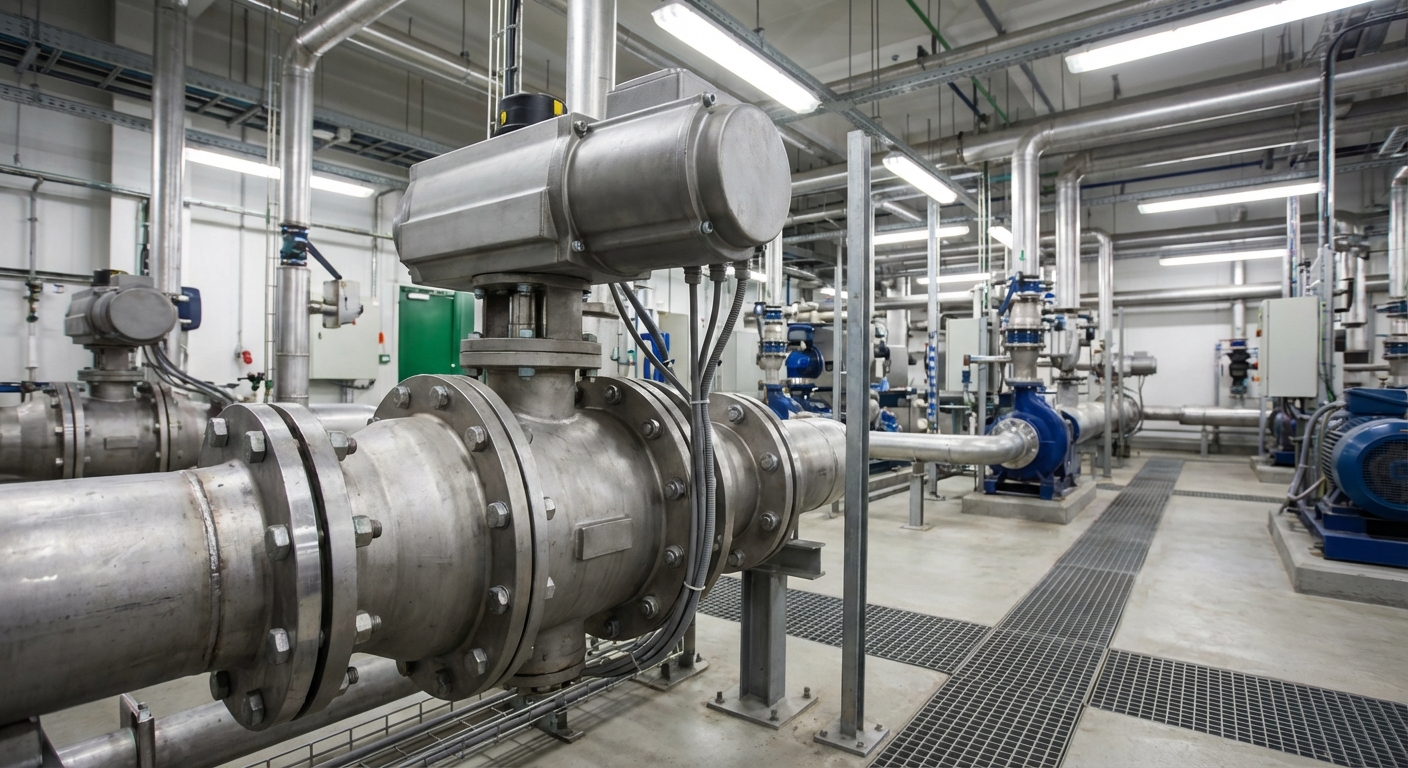
Actuated butterfly valves are automated quarter-turn components used to regulate or isolate fluid flow in industrial piping systems. Managing flow in large-scale municipal or industrial networks often requires manual intervention, leading to inconsistent pressure and high labor costs. One faulty manual adjustment can disrupt an entire production line or cause dangerous pressure spikes that compromise safety standards. Investing in a high-quality electric flanged butterfly valve streamlines operations through remote precision control and automated failsafes.
What is an electric flanged butterfly valve?
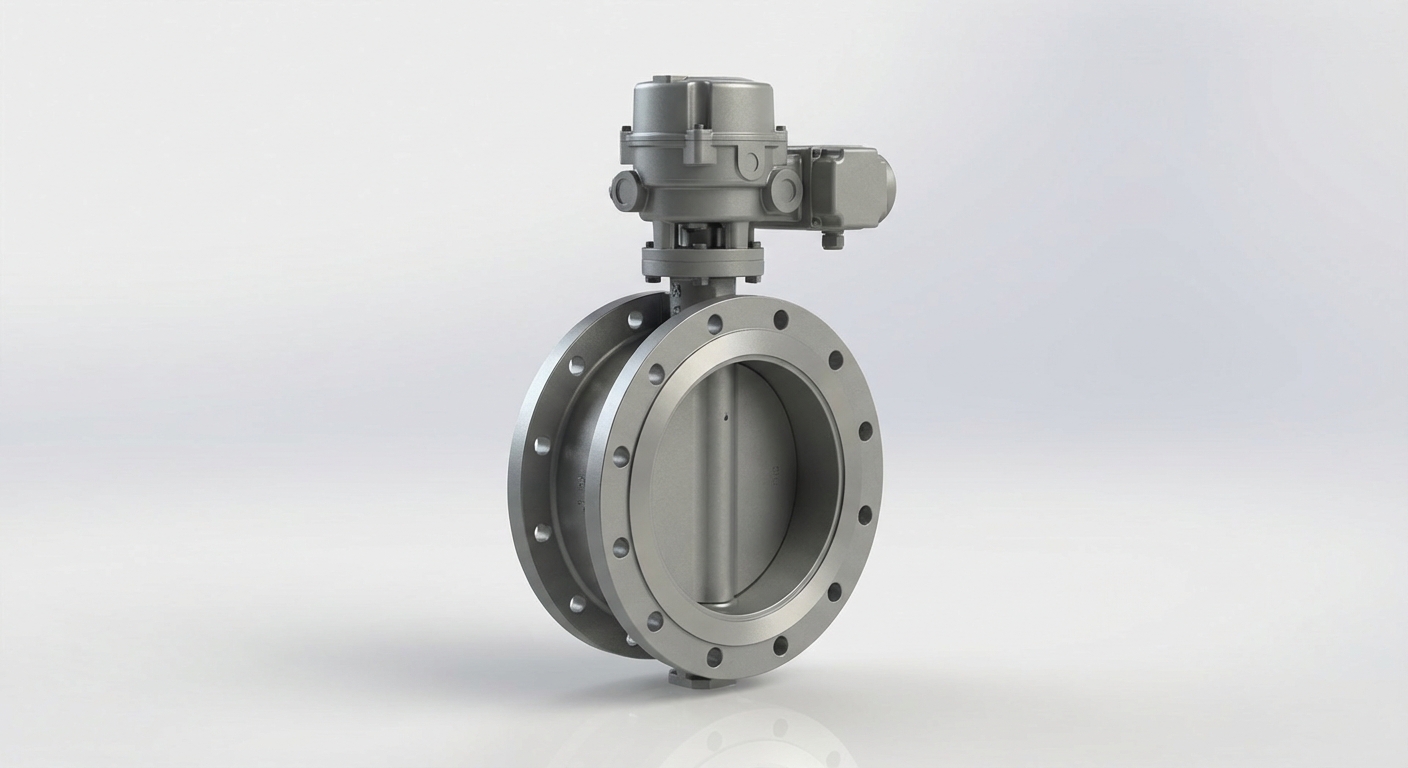
An electric flanged butterfly valve is an automated flow control device that uses a motor to rotate a disc and manage liquid or gas passage. This specific configuration integrates a flanged body design that allows for secure bolting directly to pipe flanges in heavy-duty environments. The electrical actuator mounted on top eliminates the need for manual hand-wheels, allowing for sophisticated process automation.
How does the motor work?
The motor provides the necessary torque to turn the stem and position the disc precisely. Think about it: without this automation, your team would be wasting hours on manual wheel turning.
- AC or DC power options.
- High-torque gear reduction.
- Visual position indicators.
Why choose a flanged design?
Flanged designs offer superior alignment and structural integrity for large-diameter pipelines. Here is the deal: flanging reduces the risk of leaks at the connection points by distributing pressure across the bolt circle.
- Standardized bolt patterns.
- Robust sealing surfaces.
- Easy mounting for heavy valves.
Key Takeaway: The electric flanged butterfly valve combines powerful motor-driven automation with a stable flanged connection for high-volume industrial tasks.
| Component | Function | Material Options |
|---|---|---|
| Actuator | Converts power to torque | Aluminum, Plastic, Steel |
| Flanged Body | Connection to piping | Ductile Iron, SS316, CS |
| Disc | Regulates fluid flow | Stainless Steel, Bronze |
Assess your pipeline’s physical dimensions to ensure the bolt pattern matches existing flange standards.
How does an electric flanged butterfly valve function?
This valve functions by converting electrical energy into mechanical torque to rotate a circular disc within the pipe bore. Using an electric flanged butterfly valve ensures that the disc remains in the flow stream to provide quick shut-off or precise throttling. When the motor receives a signal, the internal gearbox turns the stem exactly 90 degrees to open or close the line.
What is the quarter-turn principle?
The valve relies on a 90-degree rotation to transition from fully open to fully closed positions. Bottom line: this fast action is critical for preventing process overflows and managing rapid pressure changes.
- 0-degree closed state.
- 90-degree open state.
- Rapid cycle times.
Does it handle throttling well?
While many use these for shut-off, they are highly effective at modulating flow rates in process cooling systems. Make no mistake: the accuracy of the throttling depends entirely on the actuator’s control signal precision.
- 4-20mA modulation signals.
- Intermediate disc positioning.
- Consistent flow coefficients.
Key Takeaway: The core function relies on precise 90-degree rotation, offering both high-speed isolation and reliable modulating control.
| Action Type | Typical Speed | Application |
|---|---|---|
| On-Off | 10-30 seconds | Isolation / Safety |
| Modulating | Continuous adjustment | Temperature Control |
| Manual Override | Hand-wheel driven | Power failure recovery |
Determine if your process requires simple shut-off or active flow modulation before selecting your actuator model.
Why use an electric flanged butterfly valve in HVAC?
An electric flanged butterfly valve is ideal for HVAC systems because it provides reliable temperature control through automated balancing of chilled water. These valves are essential for maintaining climate stability in large commercial buildings or data centers. By integrating with Building Management Systems (BMS), they allow for hands-off regulation of massive water volumes.
Is energy efficiency a factor?
Automation allows for demand-based flow, significantly reducing the energy consumption of large pump systems. Let’s be honest: manual valves can’t react fast enough to temperature fluctuations to prevent energy waste.
- Optimized pump speeds.
- Reduced thermal loss.
- Lower operational overhead.
Are flanged ends better for water?
Flanged connections simplify maintenance by allowing individual valve units to be removed without dismantling long pipe runs. You see: this saves days of downtime during routine inspections in complex HVAC mechanical rooms.
- Easy gasket replacement.
- Stable vertical installation.
- Reliable high-volume handling.
Key Takeaway: Using automated flanged valves in HVAC ensures maximum energy efficiency and simplifies long-term maintenance of water loops.
| System Type | Valve Role | Primary Benefit |
|---|---|---|
| Chilled Water | Load balancing | Prevents over-cooling |
| Cooling Towers | Level control | Automated refill |
| Boiler Feed | Supply isolation | Safety and containment |
Review your BMS communication protocols to ensure the valve actuator supports your facility’s digital control network.
Where is the electric flanged butterfly valve applied?
The electric flanged butterfly valve is commonly applied in water treatment, chemical processing, and marine engineering sectors. Its versatility makes it the go-to choice for managing aggressive media or high-volume municipal water supplies. Because the design is relatively lightweight for its size, it fits into diverse industrial environments without requiring massive structural supports.
Is it used in wastewater?
These valves are frequently installed in treatment plants to manage sludge and treated effluent flow. Believe it or not: the streamlined disc resists debris buildup much better than traditional gate valves in these messy environments.
- Sludge tank isolation.
- Aeration flow control.
- Filter backwash cycles.
What about chemical plants?
In corrosive environments, the automated flanged valve provides a secondary layer of safety by removing personnel from hazardous zones. The fact is: remote operation saves lives by preventing human exposure to toxic process leaks.
- Remote dosing control.
- Emergency shutdown (ESD).
- Corrosion-resistant lining.
Key Takeaway: From municipal water to hazardous chemicals, the automated flanged valve provides the necessary durability and safety for modern infrastructure.
| Industry | Typical Size | Common Media |
|---|---|---|
| Water Treatment | DN200 – DN1200 | Raw/Potable Water |
| Marine | DN50 – DN300 | Seawater / Ballast |
| Power Gen | DN150 – DN600 | Steam / Cooling Water |
Verify the chemical compatibility of the valve seat with your specific media to prevent premature elastomeric degradation.
When to select an electric flanged butterfly valve?
You should select an electric flanged butterfly valve when your application requires frequent cycling and high-precision remote operation. Choosing this valve type ensures that your system can handle the mechanical stresses of continuous industrial duty cycles. It is the optimal choice for large pipelines where manual operation is physically demanding or time-consuming.
Does duty cycle matter?
High-frequency operations require actuators that won’t overheat during constant movement across the 90-degree range. Look at it this way: a properly rated actuator prevents premature system burnout and avoids costly production stoppages.
- 25% for light duty.
- 75-100% for continuous modulation.
- Built-in thermal protection.
Is pressure recovery important?
Butterfly valves offer excellent pressure recovery compared to globe valves, making them more efficient for low-pressure systems. Here’s the kicker: this efficiency lowers your long-term pumping costs and reduces turbulence in the line.
- Lower head loss.
- Better flow recovery.
- Energy-efficient design.
Key Takeaway: Selection should be based on the required duty cycle and the need for high flow efficiency in large-bore pipelines.
| Selection Factor | Priority | Reason |
|---|---|---|
| Operational Frequency | High | Determines motor life |
| Pressure Drop | Medium | Impact on pump cost |
| Installation Space | Low | Compact design fits easily |
Calculate the required torque for your specific line pressure to ensure the actuator has enough power to break the seal.
Can an electric flanged butterfly valve handle heat?
An electric flanged butterfly valve can handle high temperatures provided it is equipped with the correct seat materials and insulated actuators. Standard configurations often manage up to 200°C for steam and hot water applications. When temperatures exceed these limits, specialized metal-seated designs become necessary to maintain a tight seal.
What materials are used?
Stainless steel discs and EPDM or PTFE seats are common for high-heat industrial processes. Simple as that: choosing the wrong seat material leads to immediate seal failure and dangerous leaks.
- EPDM for steam (moderate).
- PTFE for chemical heat.
- SS316 for structural heat.
How is the actuator protected?
Actuators in hot environments often feature thermal separators to keep heat from reaching the internal electronics. It gets better: this simple addition can double the lifespan of your automation components by keeping them cool.
- Insulation brackets.
- Extended stems.
- High-temp motor windings.
Key Takeaway: Heat resistance is achievable through proper material selection and thermal isolation of the sensitive electrical components.
| Seat Material | Max Temp | Best For |
|---|---|---|
| EPDM | 120°C | Hot Water / HVAC |
| PTFE | 200°C | Chemicals / Low Steam |
| Metal-to-Metal | 400°C+ | High-Pressure Steam |
Consult the manufacturer’s temperature-pressure charts to ensure the valve remains within its safe operating envelope.
Is the electric flanged butterfly valve cost-effective?
The electric flanged butterfly valve is highly cost-effective due to its low initial purchase price and minimal long-term maintenance requirements. Compared to gate or ball valves of similar sizes, the butterfly design uses less material while providing equal performance. This makes it an ideal choice for budget-conscious projects that cannot compromise on automation quality.
Why is the footprint smaller?
The compact face-to-face dimensions allow these valves to be installed in tight spaces where other valves wouldn’t fit. Make no mistake: space savings often translate directly into lower installation labor costs and reduced structural steel needs.
- Reduced material weight.
- Narrow installation width.
- Lower shipping costs.
Does it reduce labor costs?
Automation eliminates the need for manual site visits to adjust flow, allowing your team to focus on high-value tasks. Let’s face it: manual labor is the most expensive part of piping maintenance in the long run.
- Remote status monitoring.
- Fewer manual inspections.
- Rapid system response.
Key Takeaway: The lower material cost and reduced labor needs make automated butterfly valves the most economical solution for large-scale flow.
| Valve Type | Relative Cost | Weight Profile |
|---|---|---|
| Butterfly | 1.0 (Baseline) | Lightweight |
| Gate | 1.5 – 2.0 | Very Heavy |
| Ball | 2.5 – 3.0 | Heavy |
Evaluate the total cost of ownership by including potential energy savings from the valve’s low pressure-drop design.
How to maintain an electric flanged butterfly valve?
Maintaining an electric flanged butterfly valve involves regular inspection of the actuator seals and ensuring the flanged bolts remain tightened to specification. Proper lubrication of the gear system is also essential for smooth operation over thousands of cycles. Most modern units are designed to be “low maintenance,” but they are not “no maintenance” components.
What are the primary wear parts?
The elastomeric seat and the stem packing are the most common items requiring replacement after several years of service. Keep in mind: proactive replacement of a seat is always cheaper than an emergency repair after a major leak.
- Resilient seat inserts.
- Stem O-rings.
- Internal bushings.
Can you test it remotely?
Modern electric actuators allow for partial stroke testing to ensure the valve isn’t stuck without fully shutting down the flow. This is huge: it guarantees reliability for emergency systems without stopping your daily production.
- Torque feedback data.
- Limit switch checks.
- Signal health monitoring.
Key Takeaway: Regular seat inspections and gear lubrication ensure the valve reaches its full 15-year operational life expectancy.
| Task | Frequency | Focus Area |
|---|---|---|
| Visual Check | Monthly | Leaks and Corrosion |
| Bolt Tightening | Annually | Flange Integrity |
| Torque Test | Quarterly | Actuator Performance |
Implement a digital maintenance log to track torque trends, which can signal a failing seat before a leak occurs.
Which standard fits an electric flanged butterfly valve?
Most electric flanged butterfly valve models are built to international standards like ISO, DIN, or ASME to ensure compatibility with global piping networks. Compliance with these standards guarantees that the flanged ends will align perfectly with your existing infrastructure regardless of the manufacturer. This interoperability is vital for EPC contractors managing international procurement.
Is ISO 5211 important?
This standard defines the mounting flange dimensions for the actuator, ensuring interchangeability between different motor brands. In a nutshell: it makes upgrading or replacing your automation system much easier in the future.
- Standardized bolt circles.
- Consistent stem drives.
- Universal motor mounts.
What about pressure ratings?
Valves are typically rated for PN10, PN16, or Class 150 depending on the specific project requirements. Don’t overlook this: a mismatched pressure rating can cause catastrophic flange failure during system testing.
- ANSI/ASME Class 150.
- DIN PN10/PN16.
- JIS 10K/20K.
Key Takeaway: Standard compliance ensures that the valve integrates seamlessly with global piping and third-party automation components.
| Standard Body | Focus | Why it Matters |
|---|---|---|
| API 609 | Design | Ensures structural safety |
| ISO 5208 | Testing | Guarantees zero leakage |
| ASME B16.5 | Flanges | Ensures bolt alignment |
Cross-reference your project’s piping spec with the valve’s certification pack to avoid compliance delays during handover.
Who needs an electric flanged butterfly valve today?
Every modern facility requiring efficient fluid management, from power plants to municipal water works, needs an electric flanged butterfly valve. Investing in these components ensures long-term operational stability and reduced risk of human error in critical flow processes. As industries move toward Industry 4.0, these automated valves serve as the physical interface for digital control systems.
Do EPC contractors benefit?
Engineering firms value the standardized documentation and predictable performance for large-scale tender projects. The bottom line: having a reliable, pre-certified valve makes project handover much smoother and reduces warranty claims.
- MTC traceability.
- 3D CAD support.
- Certified test reports.
Are plant managers the key users?
Managers use these valves to optimize their facility’s uptime and reduce emergency maintenance budgets through better process control. Truth be told: an automated plant is a profitable plant that minimizes environmental and safety risks.
- Improved process safety.
- Lower labor overhead.
- Remote control ease.
Key Takeaway: For anyone managing industrial fluid systems, automation is no longer an option—it is a requirement for competitive operation.
| User Profile | Primary Goal | Key Feature Needed |
|---|---|---|
| EPC Engineer | Compliance | Traceable documentation |
| Plant Manager | Reliability | 99.5% uptime rating |
| OEM Builder | Integration | Compact dimensions |
Evaluate your current manual valve count to determine which high-traffic areas would benefit most from immediate automation.
Frequently Asked Questions
Can I install an electric flanged butterfly valve horizontally?
Yes, but you should ideally position the stem horizontally rather than vertically to prevent sediment from settling in the bottom bearing and causing premature wear.
What’s the best actuator for high-frequency cycling?
Pneumatic actuators are often faster, but electric actuators with a 100% duty cycle motor are the best choice for high-precision, continuous electronic modulation.
How do I know if I need a triple-offset design?
If your system operates at extremely high pressures or requires bubble-tight shutoff in high-temperature steam, a triple-offset flanged valve is the necessary choice.
Can I convert a manual flanged valve to electric later?
Certainly, as long as the valve body features an ISO 5211 mounting pad, you can remove the lever and bolt on an electric actuator at any time.
What’s the best way to prevent actuator failure?
Regularly verify that the input voltage is stable and ensure that the actuator torque rating is at least 20% higher than the valve’s maximum required torque.
Secure Your Fluid Control Future
At RUITO, we specialize in precision-engineered valve solutions that eliminate operational uncertainty and drive industrial efficiency. Our ISO-certified manufacturing process ensures that every electric flanged butterfly valve we deliver meets the rigorous demands of global EPC and OEM projects. By resolving the complexities of manual flow management with high-reliability automation, we empower our partners to focus on their core operations. Our stance is clear: quality is non-negotiable, and service must be as precise as our engineering. Please contact us today to receive a technical consultation tailored to your specific project requirements.