
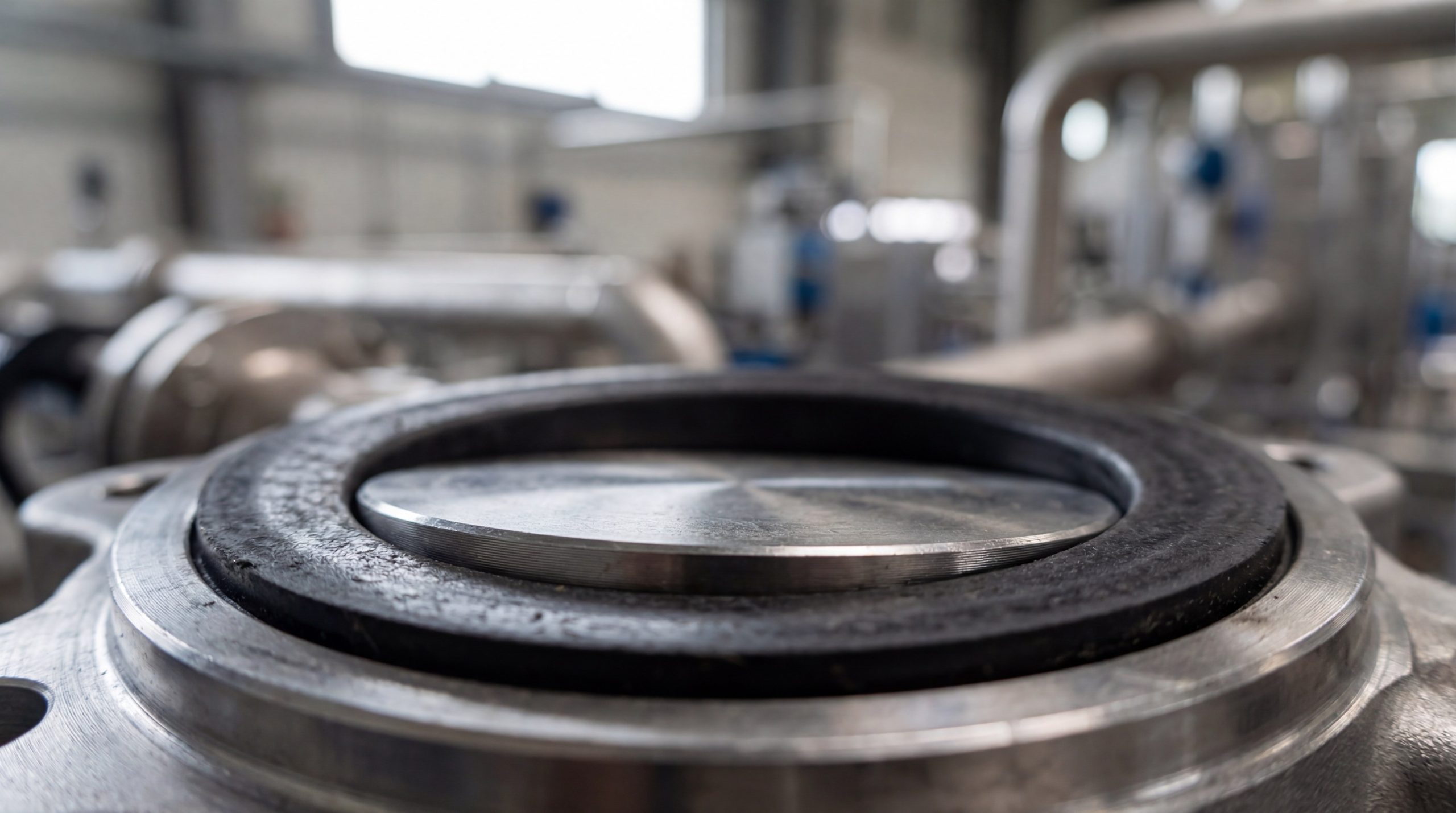
EPDM, NBR, and PTFE seat butterfly valves are precision-engineered flow control components that utilize specific elastomeric or polymer seals to ensure bubble-tight shutoff across diverse industrial media. Selecting the wrong seat material often leads to immediate seal swelling or degradation, resulting in costly leaks and unplanned system shutdowns that plague your facility’s efficiency. You might think a generic seal is sufficient, but the reality is that chemical incompatibility can dissolve a standard gasket in hours, putting your entire production schedule and worker safety at risk. Choosing a high-performance nbr seat butterfly valve from a reputable manufacturer provides the chemical resistance and mechanical durability you need to maintain a zero-leakage environment.
Why choose an nbr seat butterfly valve for oil systems?
An nbr seat butterfly valve is the optimal choice for oil-based applications because Nitrile Butadiene Rubber offers superior resistance to petroleum-based fluids and hydraulic oils. You will find that this material prevents the swelling and softening that typically destroys other elastomers when they come into contact with hydrocarbons.
Resistance to Petroleum Media
You need a seal that won’t fail when exposed to crude oil or refined fuels. NBR provides a high level of chemical stability that keeps your lines running smoothly without the risk of seal blowouts.
- Excellent resistance to mineral oils and grease.
- High durability against vegetable oils and fats.
- Maintains seal integrity in hydraulic fluid systems.
Think about it:
Without the specific molecular structure of NBR, your oil lines are essentially a ticking time bomb for leakage.
Mechanical Wear and Tear
Nitrile rubber is famous for its physical toughness and resilience. When you operate high-cycle lines, you require a seat that can withstand repeated friction without tearing or losing its shape.
- High tensile strength for industrial environments.
- Superior abrasion resistance compared to soft rubbers.
- Reliable recovery after compression cycles.
Wait, there is more:
The mechanical properties of NBR make it a favorite for compressed air systems where oil mist is present.
Key Takeaway
Selecting NBR for oily environments prevents material degradation and ensures long-term operational reliability in your fuel and lubrication systems.
| Property | Value/Rating |
|---|---|
| Media Compatibility | Petroleum, Oils, Fats |
| Abrasion Resistance | Very High |
| Resilience | Excellent |
The table demonstrates that NBR is unmatched in sectors where hydrocarbon contact is a daily operational reality.
When is an nbr seat butterfly valve preferred over EPDM?
An nbr seat butterfly valve is preferred over EPDM whenever your system contains oils, fats, or petroleum products that would cause EPDM to swell and fail rapidly. While EPDM is excellent for water and steam, it is chemically incompatible with the very hydrocarbons that NBR is designed to handle.
Water and Steam Applications
You should turn to EPDM when you are managing potable water, HVAC systems, or low-pressure steam lines. It offers better longevity in oxidizing environments and weathering than nitrile does.
- Operates effectively in hot water and steam.
- High resistance to ozone and UV exposure.
- Ideal for dilute acids and alkaline solutions.
Here is the kicker:
Using EPDM in a diesel line will cause the seat to expand so much that the valve will eventually seize.
Hydrocarbon and Fuel Processing
When your project shifts to fuel handling or industrial lubrication, you must switch back to NBR. You will notice that NBR maintains its durometer and seal shape even when submerged in fuel for years.
- Specialized for butane, propane, and fuel oils.
- Prevents leakage in refinery utility lines.
- Cost-effective for mid-range temperature oil service.
But wait, there’s more:
Choosing the wrong material between these two is the most common cause of early valve failure in municipal contracts.
Key Takeaway
Use EPDM for water and weather resistance, but always specify NBR for any application involving oils or fuels to prevent seal failure.
| Feature | EPDM | NBR |
|---|---|---|
| Oil Resistance | Poor | Excellent |
| Steam Resistance | Excellent | Poor |
| Main Use | Water/HVAC | Oils/Fuels |
This comparison highlights that these two materials are complementary rather than interchangeable in your fluid control strategy.
How does a PTFE nbr seat butterfly valve handle chemicals?
A PTFE-lined nbr seat butterfly valve handles aggressive chemicals by utilizing the near-universal chemical inertia of Polytetrafluoroethylene (Teflon). You will find this combination provides the chemical shield of PTFE with the resilient backing of NBR or EPDM to maintain constant sealing pressure.
Corrosive Fluid Control
You can safely transport strong acids, alkalis, and reactive solvents without worrying about the valve seat dissolving. PTFE is one of the few materials that remains unaffected by most industrial reagents.
- Resistant to nitric, sulfuric, and hydrochloric acids.
- Suitable for pharmaceutical-grade purity requirements.
- Zero reaction with most organic solvents.
Let’s dive in:
The white PTFE liner serves as a permanent barrier that protects the metal body and resilient backing from the media.
High Purity and Non-Stick Properties
In the food and beverage industry, you need surfaces that won’t contaminate your product. PTFE offers a non-stick surface that prevents bacterial buildup and makes cleaning your lines much easier.
- FDA-compliant for food contact applications.
- Non-contaminating surface for high-purity water.
- Extremely low friction for easier valve operation.
The best part is:
The low friction of PTFE significantly reduces the torque required from your actuators, saving you money on equipment sizing.
Key Takeaway
PTFE seats are the ultimate solution for extreme chemical resistance and high-purity applications where standard elastomers would fail.
| Attribute | PTFE Specification |
|---|---|
| Chemical Inertia | Universal (except fluorine) |
| Friction Coefficient | Extremely Low |
| Purity Level | Food/Medical Grade |
PTFE represents the pinnacle of chemical protection, ensuring your corrosive lines stay secure and contamination-free.
What pressure can an nbr seat butterfly valve withstand?
A high-quality nbr seat butterfly valve typically withstands working pressures ranging from PN10 to PN25, depending on the body design and flange standard. You must ensure your seat is properly bonded or reinforced to prevent it from displacing under high-velocity flow or pressure spikes.
Standard Industrial Ratings
You will usually find these valves rated for 150 PSI or 250 PSI in most municipal and general industrial projects. It is vital that you check the pressure-temperature curve to ensure the NBR stays within its safe operating window.
- PN10/PN16 are common for water networks.
- PN25 is available for high-pressure industrial lines.
- Tested at 1.5x working pressure for safety margins.
Here is the kicker:
RUITO valves undergo 100% hydrostatic testing to ensure they exceed these standards before they ever reach your site.
Impact of Seat Design on Pressure
The way the seat is attached to the body determines how well it handles pressure surges. You should look for vulcanized or tongue-and-groove designs that lock the NBR seat in place.
- Prevents seat movement during high-velocity flow.
- Ensures a tight seal even during pressure fluctuations.
- Reduces the risk of “seat blowout” in critical lines.
Wait, there is more:
Precision machining of the disc ensures the interference fit with the NBR seat is perfect every time.
Key Takeaway
Standard NBR seats handle up to PN25 pressure, but their reliability depends on high-quality manufacturing and rigorous hydrostatic testing.
| Pressure Class | Max Working Pressure |
|---|---|
| PN10 | 10 bar (145 PSI) |
| PN16 | 16 bar (232 PSI) |
| PN25 | 25 bar (362 PSI) |
The pressure rating you choose must align with your system’s peak surge potential to avoid catastrophic seal displacement.
Can an nbr seat butterfly valve work in HVAC?
An nbr seat butterfly valve can work in HVAC systems, but it is specifically reserved for lines that involve chilled water or oil-contaminated air. You will find that for standard heating and cooling water, EPDM is the more common industry standard due to its superior temperature range.
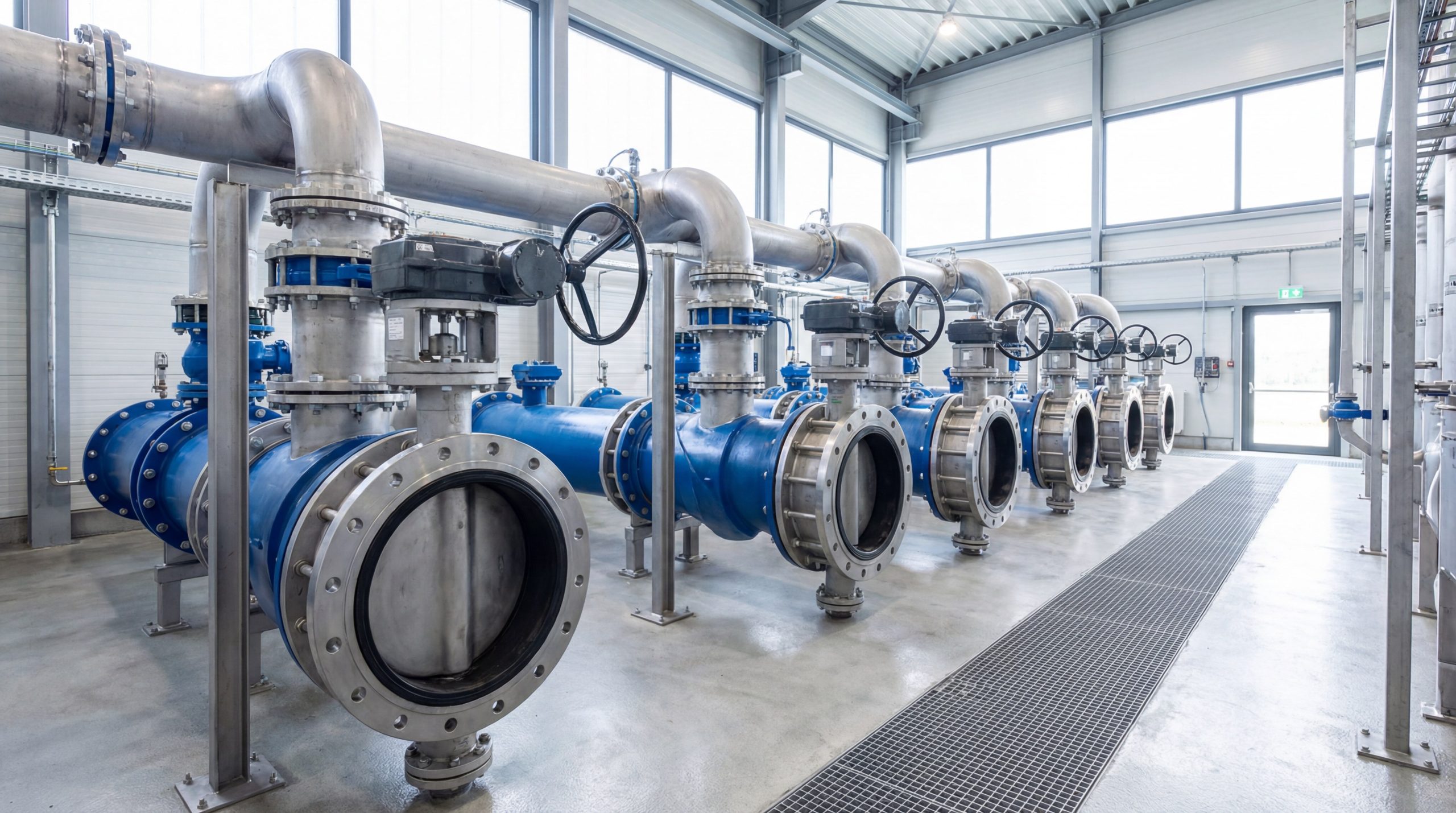
Chilled Water and Brine
In cooling applications where temperatures remain moderate, you can use NBR successfully. It handles common refrigerants and glycols without losing its elastic memory, keeping your building’s climate controlled.
- Reliable for brine and glycol mixtures.
- Maintains seal at temperatures down to -10°C.
- Effective for closed-loop cooling towers.
Think about it:
If your HVAC system uses oil-lubricated compressors, NBR is actually safer for any downstream air lines.
Limitations in Hot Water
You must be careful using NBR for high-temperature heating water above 100°C. Prolonged exposure to extreme heat can cause the nitrile to harden and crack, leading to leaks in your mechanical room.
- Best limited to temperatures under 80°C for long life.
- Not recommended for high-pressure steam heating.
- Vulnerable to ozone if installed outdoors without protection.
Let’s dive in:
For boiling water or steam, you should always verify if a PTFE or high-temp EPDM seat is available.
Key Takeaway
NBR is suitable for chilled HVAC lines and oily air, but EPDM remains the superior choice for standard hot water systems.
| Application | Recommended Seat |
|---|---|
| Chilled Water | NBR / EPDM |
| Hot Water (>90°C) | EPDM |
| Oil-Laden Air | NBR |
Choosing the right elastomer for your HVAC project ensures you won’t be dealing with costly leaks in hard-to-reach ceiling spaces.
Why is durometer vital for an nbr seat butterfly valve?
Durometer is vital for an nbr seat butterfly valve because it measures the hardness of the rubber, which directly affects the torque required to close the valve and the quality of the seal. You need a balanced durometer that is soft enough to conform to the disc but hard enough to resist erosion.
Hardness and Sealing Efficiency
If your seat is too hard, you will struggle to achieve a bubble-tight shutoff without applying excessive force. Conversely, a seat that is too soft might get shredded by the disc during high-pressure operation.
- Typical Shore A hardness ranges from 60 to 80.
- Softer seats are better for low-pressure vacuum service.
- Harder seats are required for abrasive slurry handling.
Here is the kicker:
RUITO engineers precisely calibrate seat durometer to match your specific system pressure and operating frequency.
Resistance to Compression Set
You want a material that “bounces back” after the valve has been closed for a long time. High-quality NBR with the right durometer resists permanent deformation, ensuring the valve seals every time.
- Prevents permanent “grooving” of the seat material.
- Maintains elasticity across years of operation.
- Critical for valves that remain in the closed position.
But wait, there’s more:
The durometer also influences how much friction the actuator must overcome to move the disc.
Key Takeaway
A correctly specified durometer ensures your valve seals tightly with minimal torque, extending the life of both the seat and the actuator.
| Hardness (Shore A) | Best Application |
|---|---|
| 60-65 | Low Pressure / Vacuum |
| 70-75 | Standard Industrial Flow |
| 80+ | Abrasive Slurries |
The hardness of your NBR seat is the silent factor that determines whether your valve feels smooth or clunky during operation.
Does an nbr seat butterfly valve need much maintenance?
An nbr seat butterfly valve requires very little maintenance as long as it is used within its chemical and temperature specifications. You will find that these resilient-seated valves are essentially “fit and forget” components for the majority of their service life.
Periodic Inspections
You should check for external leaks at the stem and ensure the actuator is moving freely. Because the NBR seat is the only wearing part, a simple visual check of the flow downstream can tell you if a replacement is needed.
- Check for stem packing leaks annually.
- Ensure the disc moves through its full 90-degree arc.
- Monitor for any drop in downstream pressure.
Think about it:
Most NBR valves in clean oil service can last over a decade without a single part replacement.
Replacing the Resilient Seat
When the seat finally wears out, you don’t necessarily need to buy a whole new valve. Many designs allow you to simply replace the elastomer liner, saving you a significant amount on replacement costs.
- Easily replaceable in “boot” style designs.
- Reduces waste and long-term capital expenditure.
- Requires minimal specialized tools for field repair.
Wait, there is more:
Regularly cycling the valve helps prevent the seat from bonding to the disc in stagnant systems.
Key Takeaway
NBR valves are low-maintenance by design, but simple annual checks and occasional cycling will maximize their 15-year operational life.
| Maintenance Task | Frequency |
|---|---|
| Visual Leak Check | Monthly |
| Operational Cycle | Quarterly |
| Full Seat Inspection | Every 3-5 Years |
The minimal upkeep requirements of NBR seats make them a favorite for EPC contractors looking to minimize long-term service calls.
How to install an nbr seat butterfly valve correctly?
To install an nbr seat butterfly valve correctly, you must ensure the disc is slightly open during installation to prevent the seat from being pinched or distorted by the flanges. You will find that improper alignment is the number one cause of immediate seat damage during commissioning.
Flange Alignment and Spacing
You must ensure your piping is perfectly aligned before you tighten the bolts. If you force a valve into a gap that is too small, you will crush the NBR seat, leading to a permanent leak.
- Ensure pipes are centered and parallel.
- Use the correct bolt tightening sequence (star pattern).
- Do not use additional gaskets; the NBR seat acts as the seal.
Let’s dive in:
The NBR material usually extends over the flange face, providing its own built-in gasket for the piping connection.
Disc Position During Installation
You should never install a butterfly valve with the disc in the fully closed position. Doing so causes the seat to compress against the disc, making it difficult to get a proper seal against the pipe flanges.
- Keep the disc about 10% open during bolt-up.
- Check for full disc clearance before final tightening.
- Avoid welding nearby once the valve is installed.
Here is the kicker:
Heat from nearby welding can melt or warp the NBR seat, destroying the valve before it even sees fluid.
Key Takeaway
Proper alignment and keeping the disc partially open during installation are the secrets to a leak-free start-up for any NBR valve.
| Step | Action |
|---|---|
| Alignment | Pipes must be parallel |
| Disc Position | 10% Open |
| Tightening | Star/Cross Pattern |
Following these steps guarantees that your seat remains perfectly seated and ready for thousands of leak-free cycles.
Is an nbr seat butterfly valve best for vacuum use?
An nbr seat butterfly valve is excellent for vacuum use because its resilient nature allow it to maintain a tight seal even when external pressure is higher than internal pressure. You will find that the soft NBR material conforms to the disc surface much better than metal-seated alternatives.
Sealing in Negative Pressure
You need a seat that won’t get pulled out of place when a vacuum is applied. Specifying a “vacuum rated” NBR seat ensures the rubber is securely bonded to the body so it remains stable.
- Effective for vacuum levels down to 10^-2 torr.
- Resilient seat compensates for minor disc imperfections.
- Maintains seal integrity in suction lines.
But wait, there’s more:
For high-vacuum applications, a softer NBR durometer is often used to maximize the contact area.
Air Leakage Prevention
In many industrial processes, keeping air out is just as important as keeping fluid in. NBR’s airtight properties make it a top choice for preventing atmospheric contamination in your vacuum chambers.
- Prevents oxygen ingress in sensitive processes.
- Reliable for vacuum-assisted drying systems.
- Low outgassing properties for general industrial use.
Think about it:
A butterfly valve offers a much more compact solution for vacuum lines than bulky gate valves.
Key Takeaway
For general industrial vacuum service, NBR seats provide the most cost-effective and reliable airtight seal available on the market.
| Feature | Vacuum Suitability |
|---|---|
| Seal Type | Bubble-Tight |
| Material Stability | High (when bonded) |
| Leakage Rate | Near-Zero |
The ability of NBR to maintain a seal under negative pressure makes it indispensable for suction-side pump protection and vacuum processing.
Where to buy a reliable nbr seat butterfly valve?
You should buy a reliable nbr seat butterfly valve directly from a manufacturer like RUITO that offers ISO 9001 certification and full traceability for every component. You will benefit from a supplier that provides comprehensive documentation, including material certificates and pressure test reports for your EPC requirements.
Direct Manufacturer Benefits
Buying from the source ensures you get technical support that generic distributors simply cannot provide. You can request custom seat durometers, specific body materials, and even 3D models for your engineering designs.
- Access to 24-hour technical consultation.
- Faster lead times for custom-to-spec orders.
- 100% factory pressure testing on all units.
Wait, there is more:
RUITO offers a 12-month warranty, giving you peace of mind that your investment is protected against manufacturing defects.
Global Compliance and Documentation
You need a partner that understands international standards like DIN, API, and EN. Choosing a manufacturer with CE, DNV, and WRAS approvals ensures your valves will pass any site audit or safety inspection.
- Bilingual O&M manuals provided with every batch.
- Material Test Certificates (MTC) for every lot.
- Global shipping experience to over 11 countries.
Here is the kicker:
We can start production on urgent orders within 72 hours to keep your project on schedule.
Key Takeaway
Purchasing directly from an ISO-certified manufacturer guarantees you receive a high-performance valve backed by professional engineering support and full documentation.
| Standard | Status |
|---|---|
| ISO 9001:2015 | Certified |
| Pressure Testing | 1.5x Rated |
| Warranty | 12 Months |
Working with a dedicated valve expert ensures your fluid control systems are optimized for safety, reliability, and long-term performance.
Frequently Asked Questions
Can I use an NBR seat for drinking water?
It is not recommended because NBR is not typically WRAS or NSF certified for potable water; you should use EPDM for those applications. EPDM offers the necessary approvals and longevity for municipal water systems.
What is the maximum temperature for a PTFE seat?
PTFE can handle temperatures up to 260°C (500°F) in continuous service. This makes it the premier choice for high-temperature chemical processing where rubbers would melt.
How do I know if my seat is NBR or EPDM?
NBR usually has a slightly glossy finish and a distinct rubbery smell, while EPDM is often more matte; however, you should always check the manufacturer’s marking on the seat. Professional valves will have the material code molded directly into the elastomer.
Will an NBR seat work with concentrated acids?
No, NBR will degrade quickly when exposed to strong oxidizing acids. You must specify a PTFE-lined valve for aggressive chemical service to ensure safety.
What’s the best seat material for a diesel fuel line?
NBR is the absolute best choice for diesel because it resists the hydrocarbons that would cause other materials like EPDM to fail. It maintains its shape and seal integrity even under constant fuel exposure.
Conclusion
Selecting the right EPDM, NBR, or PTFE seat for your butterfly valve is the difference between a high-performing system and a maintenance nightmare. By understanding the chemical and thermal boundaries of these materials, you can eliminate the risk of premature failure and ensure a 99.5% reliability rate for your facility. RUITO is committed to providing precision-engineered valve solutions that meet the most demanding industrial standards while offering the technical documentation and support you need to succeed. Stop letting seal failures dictate your production schedule and take control of your fluid systems with our certified valve expertise. To resolve your current flow control challenges and see how our brand can support your vision for a more efficient facility, contact us today.