
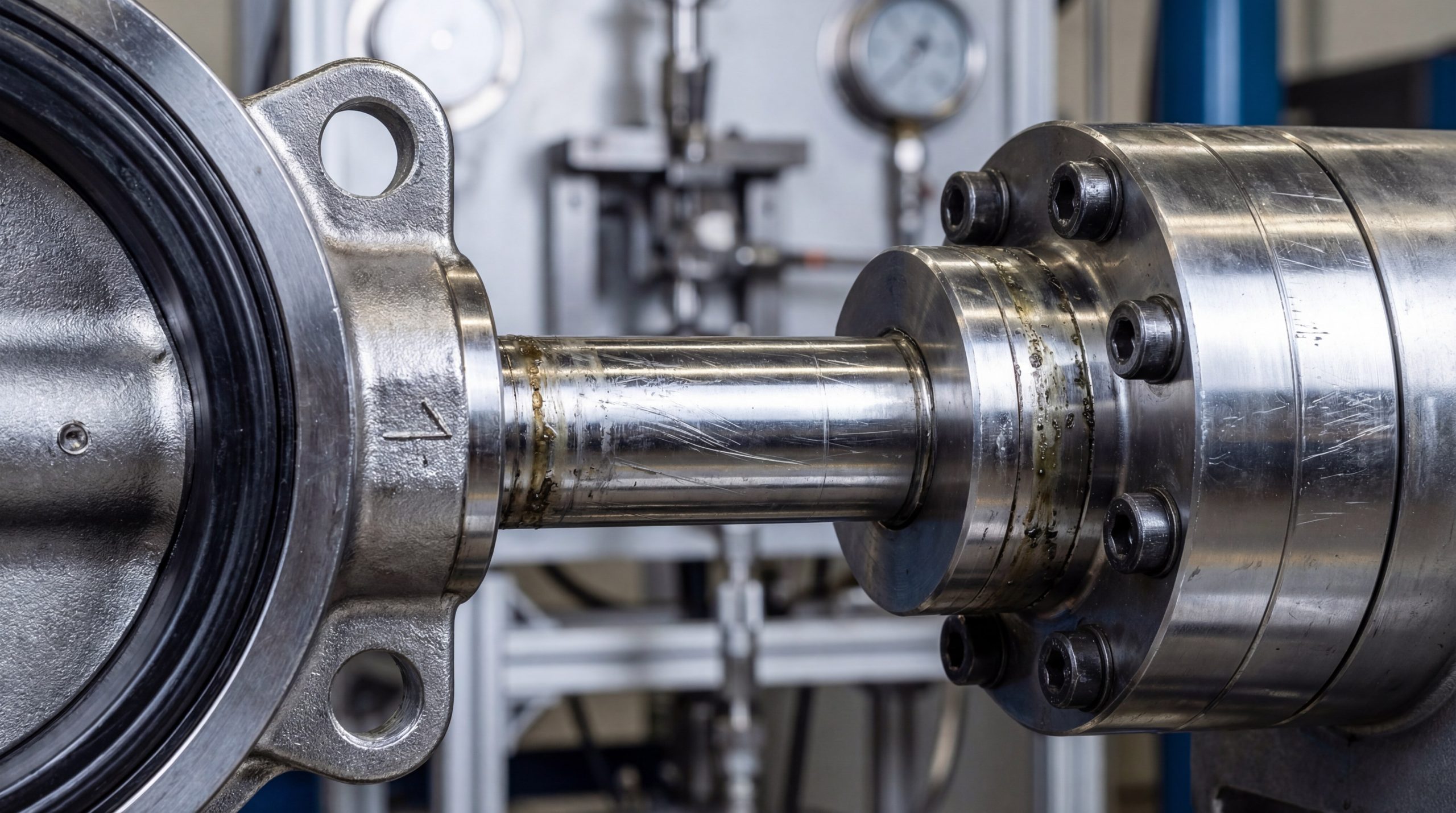
Butterfly valve torque is the rotational force required to cycle a valve disc between the open and closed positions against mechanical and fluid resistance. You face a significant risk when your actuators are under-powered or your seals are overly tight, leading to stalled production. This mechanical resistance can agitate your maintenance schedule and lead to premature component failure. By understanding butterfly valve torque, you ensure high-reliability fluid control and optimal system performance across your industrial facility.
What exactly defines butterfly valve torque anyway?
Butterfly valve torque is specifically the measure of force generated by friction between internal components like the stem, seat, and valve body. Think about it: this force is not static but changes based on the disc’s angle of rotation.
The mechanics of opening and closing forces
You see, the initial breakaway force is often the highest because you must overcome static friction. Here is the kicker: the hydrodynamic forces of the flowing media will either assist or resist the disc movement during operation.
- Breakaway torque: Initial force to start rotation.
- Run torque: Force to maintain movement.
- Seating torque: Final force to ensure a leak-proof seal.
Units of measurement for industrial valves
In the industrial sector, you typically measure these values in Newton-meters (N·m) or pound-inches (lb-in). Precise measurement ensures that your butterfly valve setup operates within design limits without overstressing the hardware.
- Metric: N·m (Newton-meters).
- Imperial: lb-in or lb-ft.
- Conversion: 1 N·m equals approximately 8.85 lb-in.
Key Takeaway: Understanding the specific components of rotational resistance allows you to select the correct mechanical drivers for your application.
| Torque Phase | Description | Criticality |
|---|---|---|
| Breakaway | Overcoming static friction | High |
| Dynamic | Resistance during flow | Medium |
| Sealing | Compression of the seat | Very High |
This breakdown illustrates the variable nature of force requirements throughout a single 90-degree operating cycle.
Why does butterfly valve torque matter for system safety?
Butterfly valve torque ensures that your seals maintain structural integrity and that the actuator can respond instantly to safety signals. If you ignore these parameters, you risk a “stuck” valve during an emergency shutdown.
Preventing catastrophic leakage and seal wear
Properly calibrated forces ensure that the disc presses against the seat with enough pressure to stop flow without shredding the elastomer. Unlike a gate valve, the butterfly design relies on precise interference for its bubble-tight seal.
- Seal Longevity: Reduces abrasive wear.
- Leak Prevention: Maintains zero-leakage performance.
- Friction Control: Prevents material transfer between disc and seat.
Ensuring consistent actuator response times
When your torque requirements are accurately mapped, your automated systems can cycle the valve within specified timeframes. Think about it: a slow response in a high-pressure line can lead to water hammer or pressure spikes.
- Safety Integrity: Meets SIL requirements for ESD valves.
- Operational Speed: Guaranteed open/close times.
- Reliability: Consistent performance in cold starts.
Key Takeaway: Torque management is a fundamental safety pillar that protects both your physical assets and your personnel.
| Safety Benefit | Mechanism | Result |
|---|---|---|
| Leak-Free Operation | Controlled seat compression | Zero emissions |
| Rapid Shutdown | Correct actuator sizing | Risk mitigation |
| System Stability | Smooth disc transition | No water hammer |
A stable torque profile is indicative of a healthy valve that will perform reliably under emergency conditions.
Which hidden factors alter butterfly valve torque requirements?
Butterfly valve torque is influenced by fluid velocity, media viscosity, and the differential pressure across the disc. You might assume the factory rating is absolute, but environmental variables constantly shift the demand.
The impact of fluid velocity and dynamic forces
As media moves past the disc, it creates a “dynamic torque” that varies with the opening angle. Here is the kicker: at certain angles, the fluid flow actually tries to slam the valve shut or force it open.
- Disc Geometry: Shapes flow patterns.
- Velocity: Higher speeds increase dynamic load.
- Flow Direction: Upstream vs. downstream orientation changes resistance.
How valve size and pressure ratings scale demand
Larger diameters and higher pressure classes exponentially increase the surface area and friction you must overcome. While a check valve might use flow to close, your butterfly valve needs a mechanical driver strong enough to fight these pressures.
- Nominal Diameter: Force scales with disc area.
- Pressure Differential: Higher ΔP increases seat friction.
- Stem Bearing Load: Increased shaft pressure raises rotational resistance.
Key Takeaway: Never rely solely on a generic catalog value; always adjust your calculations for actual site-specific flow conditions.
| Variable Factor | Effect on Torque | Action Required |
|---|---|---|
| High Velocity | Increases dynamic force | Larger actuator |
| High Pressure | Increases seat friction | Low-friction coatings |
| Slurry Media | Increases abrasive drag | Hardened seat materials |
Industrial fluid dynamics require a conservative safety margin to account for these shifting operational variables.
How can you accurately measure butterfly valve torque on-site?
Butterfly valve torque is measured using calibrated torque wrenches for manual checks or integrated electronic sensors for automated systems. You need real-world data to verify that your maintenance protocols are effective.
Using manual torque wrenches for quick audits
For small to medium valves, you can use a manual click-type or digital wrench to determine the force needed to move the lever. But wait, there’s more: you must ensure the valve is under full operating pressure to get an accurate reading.
- Tool Calibration: Ensure accuracy within ±3%.
- Procedure: Record values at 0, 45, and 90 degrees.
- Safety: Use extension bars only if the wrench is rated for them.
Deploying electronic sensors for high precision
High-precision electronic transducers mounted on the stem provide real-time data during the entire stroke. You see, this allows you to create a “torque signature” that reveals hidden issues like seat swelling or stem misalignment.
- Real-Time Data: Captures peak torque during travel.
- Diagnostics: Identifies friction spikes.
- Automation: Feeds data directly into your PLC system.
Key Takeaway: Regular field testing prevents surprises and allows you to transition from reactive to predictive maintenance.
| Testing Method | Best Use Case | Precision Level |
|---|---|---|
| Torque Wrench | Manual valves / Small batch | Basic |
| Electronic Transducer | Critical automated lines | High |
| Actuator Feedback | Integrated system monitoring | Continuous |
Consistent measurement is the only way to prove your valves are operating within their engineered safety margins.
Is there a standard for butterfly valve torque calculations?
Butterfly valve torque is calculated using a formula that combines seat friction (Ts), bearing friction (Tb), and dynamic torque (Td). You should treat these theoretical values as a baseline for your engineering designs.
Breaking down the theoretical torque formula
The total required force is generally expressed as Ta = Ts + Tb + Td. Think about it: each variable represents a different physical obstacle that your actuator must conquer.
- Ts (Seat Torque): Resistance from the seal interference.
- Tb (Bearing Torque): Friction within the shaft bushings.
- Td (Dynamic Torque): Force from the moving fluid.
Why industrial data requires safety margins
Calculated values rarely account for seal aging, scale buildup, or dry operating conditions. You typically add a 20% to 30% safety factor to ensure your ball valve or butterfly actuator never stalls.
- Safety Factor: Compensates for real-world wear.
- Seizing Risk: Protects against “stick-slip” phenomena.
- Actuator Selection: Ensures sufficient reserve power.
Key Takeaway: Theoretical formulas provide a roadmap, but safety margins provide the insurance needed for long-term reliability.
| Formula Component | Calculation Driver | Primary Influence |
|---|---|---|
| Seat Torque | Material interference | Sealing material |
| Bearing Torque | Stem load / Friction Coef | Pressure rating |
| Dynamic Torque | Flow velocity / Disc angle | Flow rate |
Engineers must balance the need for a compact actuator with the necessity of an adequate safety reserve.
How do seals significantly impact butterfly valve torque?
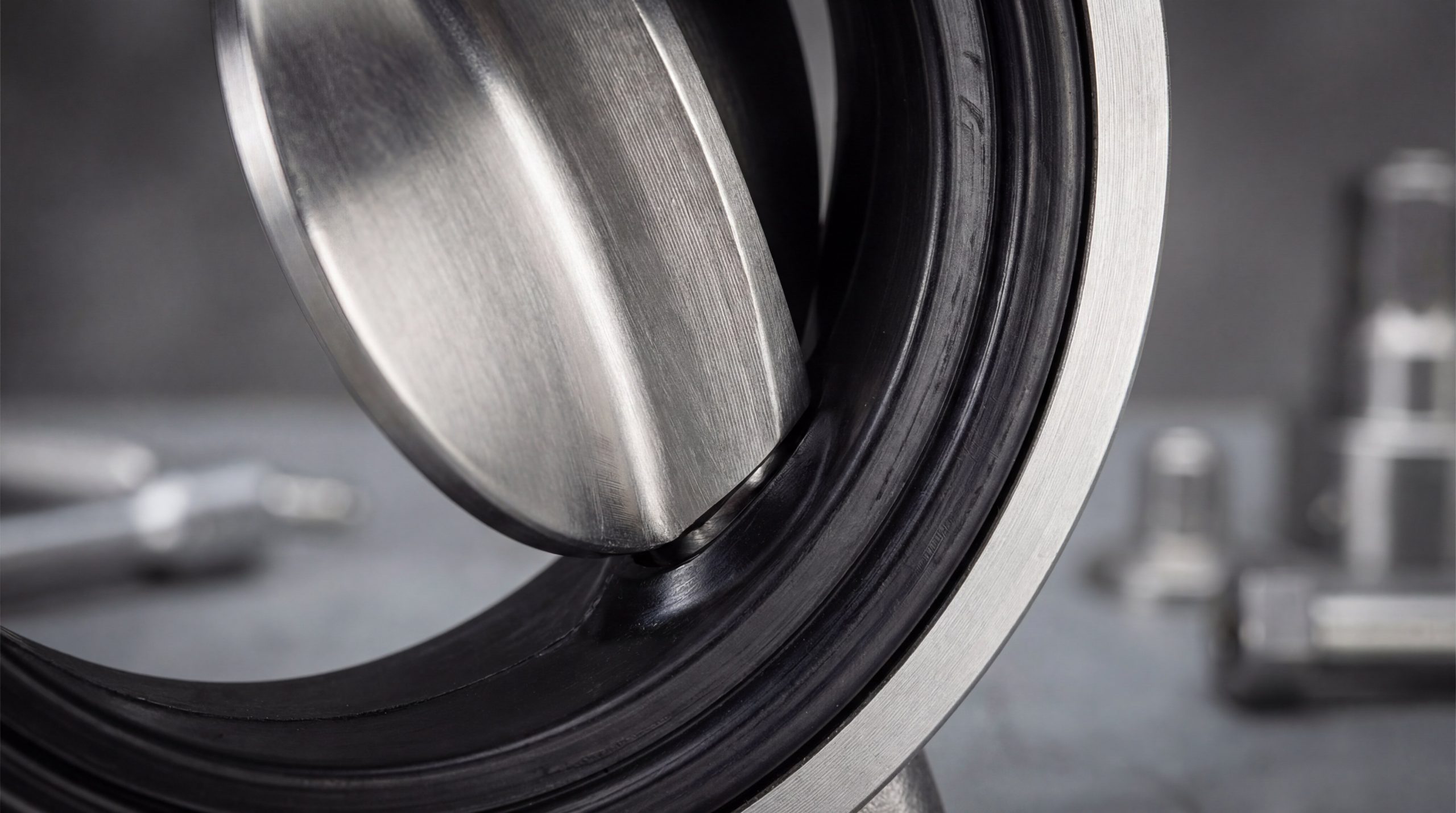
Butterfly valve torque is primarily dictated by the friction coefficient of the seat material against the metallic disc. You will find that switching from EPDM to PTFE can radically change your operating requirements.
Rubber vs. Teflon friction coefficient differences
Elastomer seats like EPDM provide excellent sealing but have a higher “grip” on the disc compared to Teflon. Here is the kicker: while Teflon is slipperier, it requires higher compression forces to achieve a bubble-tight seal.
- Rubber (EPDM/NBR): High friction, lower seating pressure.
- Teflon (PTFE): Low friction, high seating pressure.
- Metal-to-Metal: Highest friction, used for extreme heat.
Seat interference and breakaway torque challenges
You see, the amount of “squeeze” or interference between the disc and seat is what creates the seal. If the interference is too high, your breakaway torque will skyrocket, potentially damaging the valve stem.
- Interference Fit: Essential for sealing performance.
- Swelling: Media can cause seats to expand.
- Cold Flow: PTFE can deform over time, changing torque.
Key Takeaway: Matching your seat material to your torque capabilities is critical for preventing actuator failure.
| Seat Material | Friction Level | Typical Application |
|---|---|---|
| EPDM Rubber | Moderate | Water / General HVAC |
| PTFE (Teflon) | Low | Chemicals / Corrosives |
| Stainless Steel | High | High-temp steam |
The choice of seal material is a direct trade-off between chemical resistance and mechanical effort.
Does media temperature shift butterfly valve torque values?
Butterfly valve torque increases or decreases as thermal expansion alters the clearances between the disc, stem, and seat. You must account for your peak operating temperature to avoid seizing the valve.
Thermal expansion of internal valve components
As the valve heats up, the metal disc and stem expand at different rates than the polymer seat. Think about it: this expansion can tighten the interference fit, significantly raising the force required to open the valve.
- Metal Expansion: Increases disc diameter.
- Seal Softening: High heat can make rubber more “tacky.”
- Clearance Loss: Reduces space in stem bearings.
Lubrication properties of various flow media
Cold fluids often increase the viscosity of the media, creating more drag on the disc. Best of all: some fluids act as natural lubricants, while dry gases can cause the seat to stick to the disc surface.
- Wet vs. Dry: Wet torque is often 30% lower.
- Viscosity: Thick fluids increase dynamic resistance.
- Corrosion: Heat-induced oxidation raises surface friction.
Key Takeaway: Always specify your minimum and maximum operating temperatures when calculating your torque requirements.
| Temperature Effect | Impact on Torque | Mitigation |
|---|---|---|
| Extreme Heat | Thermal expansion | Increased clearances |
| Extreme Cold | Increased viscosity | High-torque actuators |
| Thermal Cycling | Fatigue / Seal wear | Flexible seat designs |
Temperature is a dynamic variable that can turn a smooth-operating valve into a mechanical bottleneck.
What role does butterfly valve torque play in actuator sizing?
Butterfly valve torque is the primary metric used to select whether you need a pneumatic, electric, or hydraulic actuator. If you under-size the driver, your valve won’t close; if you over-size it, you risk snapping the stem.
Selecting pneumatic vs. electric power sources
Pneumatic actuators provide a rapid burst of force ideal for high-torque breakaway needs. However, an electric ball valve or butterfly actuator offers more precise control for throttling applications despite slower speeds.
- Pneumatic: Cost-effective for high torque.
- Electric: Precision positioning and feedback.
- Hydraulic: Maximum force for the largest valves.
Avoiding the risks of under-sizing equipment
Under-sizing leads to partial closures and internal leakage, which can erode your valve internals via “wire-drawing.” But wait, there’s more: an over-sized actuator can apply enough force to twist the valve stem into a permanent failure.
- Stem Shear: Result of excessive actuator force.
- Stalling: Result of insufficient power.
- MAST: Maximum Allowable Stem Torque.
Key Takeaway: Proper actuator sizing requires a precise match between the valve’s torque curve and the actuator’s output torque.
| Actuator Type | Force Delivery | Best Environment |
|---|---|---|
| Double Acting | Constant | General utility |
| Spring Return | Failsafe focus | Safety critical |
| Electric Motor | Gradual / Precise | Remote / Modulating |
Sizing is an engineering balance between brute force and mechanical safety limits.
Can wrong butterfly valve torque settings cause total failure?
Butterfly valve torque errors lead to mechanical fatigue, stem deformation, and the eventual destruction of the sealing surface. You see, a valve that is too hard to turn is essentially a ticking clock for system downtime.
Stem damage and mechanical fatigue risks
When torque exceeds the Maximum Allowable Stem Torque (MAST), the shaft can undergo torsional deformation. Unlike a globe valve where the stem moves linearly, the butterfly stem must handle intense twisting stress.
- Torsional Stress: Can crack or twist the stem.
- Keyway Failure: High torque can shear the connection pins.
- Bearing Galling: Excessive friction destroys the bushings.
Component wear in high-cycle applications
In processes that require frequent cycling, even a minor torque imbalance accelerates wear on the seat. Think about it: if every cycle requires 10% more force than designed, your seal life could be cut in half.
- Seat Shredding: Disc edges cutting into the rubber.
- Hysteresis: Lag in response due to friction.
- Actuator Fatigue: Shortens the life of gears and springs.
Key Takeaway: Preventing mechanical failure starts with ensuring that torque remains within the engineered “sweet spot.”
| Failure Mode | Root Cause | Prevention |
|---|---|---|
| Stem Snap | Over-sized actuator | MAST verification |
| Seat Leakage | Insufficient sealing force | Torque audit |
| Actuator Burnout | Excessive run torque | Seat lubrication |
Mechanical failures are almost always preceded by a noticeable increase in required operating force.
Where can you find a reliable butterfly valve torque chart?
Butterfly valve torque charts are provided by manufacturers to help you cross-reference valve size, pressure rating, and seat material. You must use these tables to ensure your system design is grounded in verified data.
Interpreting PN10 and PN16 performance data
Most charts categorize values by Pressure Nominal (PN) ratings, which represent the maximum working pressure. Here is the kicker: a valve rated for PN16 will almost always require higher torque than a PN10 version due to thicker seals and higher stem loads.
- PN10: Standard utility pressure.
- PN16: Industrial process pressure.
- Scaling: Torque can double as you move up pressure classes.
Comparing wet vs. dry operating conditions
You must look for “wet” vs. “dry” torque columns in any chart. You see, dry gases like nitrogen offer zero lubrication, whereas water-based media can reduce the required effort by as much as 30%.
- Dry Torque: Higher resistance (Air, Gas, Powder).
- Wet Torque: Lower resistance (Water, Oil, Glycol).
- Media Factor: Always choose the conservative value for safety.
Key Takeaway: A torque chart is your most valuable tool for the initial selection of actuators and safety hardware.
| Valve Size (DN) | PN10 Wet (N.m) | PN16 Wet (N.m) | PN16 Dry (N.m) |
|---|---|---|---|
| DN50 | 15 | 18 | 24 |
| DN100 | 45 | 55 | 72 |
| DN200 | 180 | 210 | 280 |
Data tables provide the statistical foundation for all automated fluid control system designs.
Conclusion
Mastering butterfly valve torque is not just about moving a disc; it is about ensuring the longevity and safety of your entire fluid network. By accounting for variables like seat material, fluid velocity, and temperature, you prevent the mechanical failures that lead to costly downtime. From the initial breakaway force to the final seating pressure, every Newton-meter matters. If you need help selecting the perfect valve or calculating your specific actuator requirements, contact us today for expert technical consultation.
FAQ
What is the difference between wet and dry butterfly valve torque?
Wet torque is significantly lower because the media provides lubrication between the disc and the seat.
How often should butterfly valve torque be tested?
Quarterly audits are recommended for high-cycle applications, while annual checks suffice for general utility lines.
Does the flow direction affect the required torque?
Yes, flow typically assists the closing motion but adds resistance during the opening phase depending on the disc offset.
What is “breakaway torque”?
Concise judgment: It is the peak initial force required to overcome static friction when a valve has been closed for an extended period.
Can I use a gate valve actuator on a butterfly valve?
No, because gate valves require multi-turn linear force while butterfly valves require a specific 90-degree quarter-turn rotational profile.