
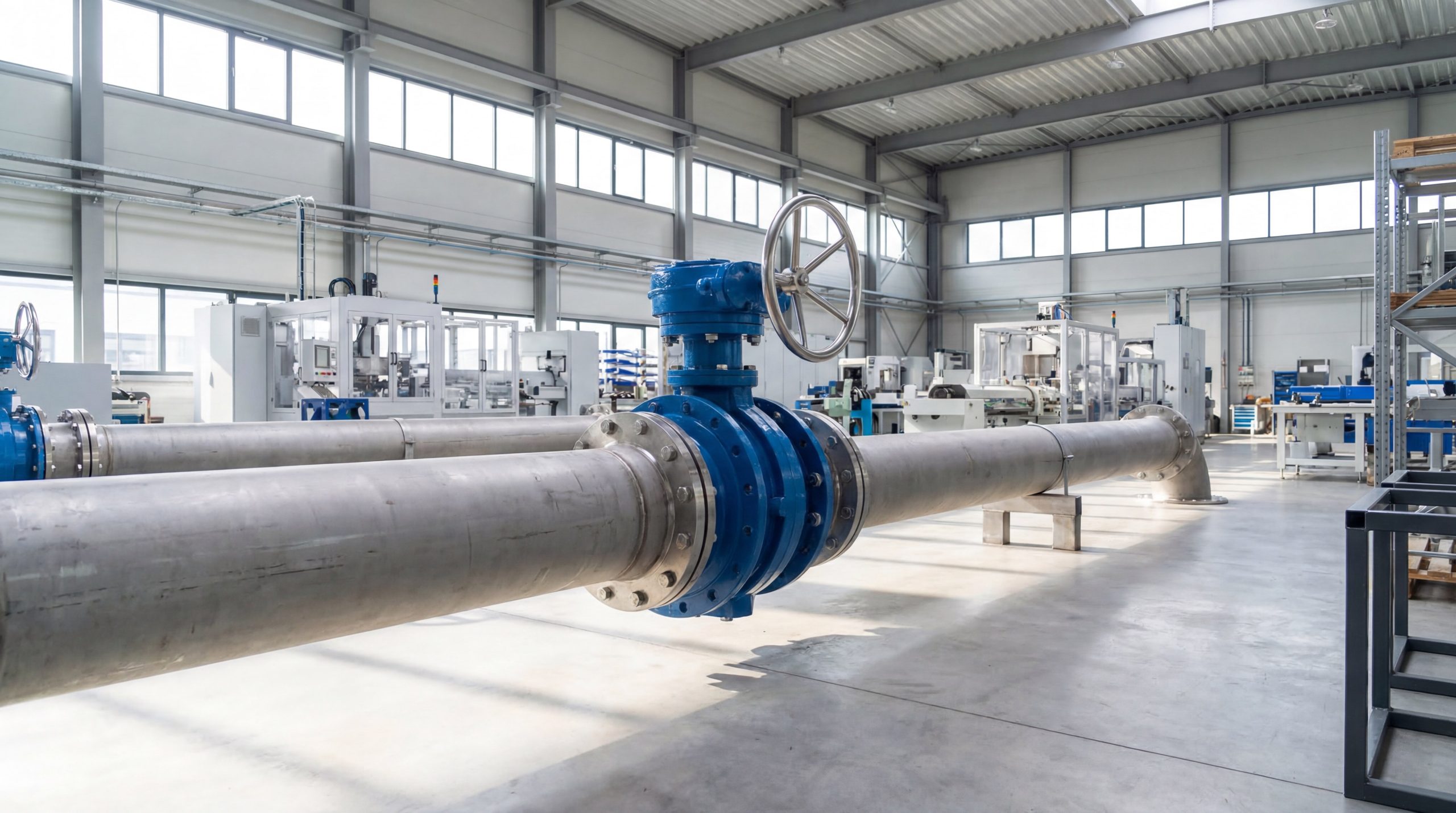
The advantages, components, and application of butterfly valves center on their high-efficiency quarter-turn design, which provides rapid flow control and significant space savings in industrial systems. You may find that traditional gate valves create operational bottlenecks due to their heavy mass and slow response times. These legacy components often require excessive installation space and involve complex maintenance routines that increase your total capital expenditure.
If you ignore these inefficiencies, you risk structural stress on your piping and potential leakage from slow-acting mechanisms. Inefficient flow regulation leads to rising energy costs and difficult access in confined industrial environments. Butterfly valve applications offer a modern solution by balancing cost-effectiveness with precision through a lightweight, compact architecture.
What defines the core butterfly valve applications?
The Quarter-Turn Rotational Mechanism
The fundamental characteristic of these systems is a 90-degree rotational motion that allows for rapid starting and stopping of fluid flow. This mechanism utilizes a disc mounted on a rotating shaft that sits at a right angle to the flow when fully open. Because the disc remains in the flow path, you can achieve both on-off service and throttling with minimal torque requirements.
Think of it this way:
- Motion Type: Quarter-turn rotational.
- Primary Function: On-off and throttling.
- Standard Sizes: DN50 to DN3000.
- Typical Pressure: PN10 to PN40.
But that is not all. The simplicity of this design ensures that you can operate large-scale valves much faster than multi-turn alternatives. This speed is vital for emergency shut-off scenarios where every second counts.
Key Takeaway: The quarter-turn design is the primary driver of efficiency, enabling fast actuation and versatile flow control in high-volume systems.
| Feature | Specification | Impact |
|---|---|---|
| Actuation Angle | 90 Degrees | Faster cycle times |
| Control Mode | Linear/Throttling | High versatility |
| Weight Profile | Low Mass | Reduced structural load |
The structural simplicity of the rotational mechanism allows for a massive reduction in operational downtime during high-cycle industrial processes.
Which components drive butterfly valve applications?
Disc and Stem Structural Roles
The disc, stem, and resilient seat are the primary components that drive butterfly valve applications in modern fluid systems. The disc serves as the flow control element, functioning with a precision similar to high-quality plug valves. You will find that the stem connects the actuator to the disc, often utilizing a split-stem design to isolate the media from the mechanical components.
The best part?
- Body: Typically Ductile Iron or Stainless Steel.
- Disc: High-grade SS316L or coated Ductile Iron.
- Stem: Hardened Stainless Steel for torque resistance.
- Seat: EPDM, NBR, or PTFE for tight sealing.
The resilient seat is critical for achieving zero-leakage performance through an interference fit. This configuration ensures that even under fluctuating pressures, your system remains secure and tight.
Key Takeaway: High-performance components like the resilient seat and isolated stem ensure long-term reliability and leak-free operation.
| Component | Common Materials | Function |
|---|---|---|
| Disc | SS304/316L | Primary flow obstruction |
| Stem | 410 Stainless Steel | Torque transmission |
| Seat | EPDM/Viton | Sealing and shutoff |
The selection of high-grade alloys for the disc and stem directly correlates to the valve’s ability to withstand corrosive environments.
How do body designs impact butterfly valve applications?
Lug vs. Wafer Body Configurations
The physical integration of the valve is determined by whether you choose a Wafer or Lug body style for your pipeline. The Wafer type is the most economical choice, designed to be clamped between two pipe flanges using long bolts. In contrast, the Lug type features protruding metal holes that match the flange pattern, allowing for the downstream piping to be disconnected.
Let’s look closer:
- Wafer Body: Minimal footprint and lower initial cost.
- Lug Body: Allows for dead-end service and easier maintenance.
- Flange Standards: Compliant with DIN, ANSI, or JIS.
- Installation: Requires precise alignment between flanges.
You should choose the Lug design if you anticipate the need for frequent downstream maintenance. This allows the valve to remain in place while you service other parts of the system.
Key Takeaway: Body design selection is a strategic decision that affects both your initial installation costs and long-term maintenance accessibility.
| Body Type | Best Use Case | Installation Method |
|---|---|---|
| Wafer | Space-constrained layouts | Clamped between flanges |
| Lug | Dead-end/Maintenance service | Bolted directly to flanges |
While Wafer designs offer significant cost savings, the Lug design provides superior operational flexibility for complex municipal networks.
Why choose these for high-flow butterfly valve applications?
Rapid Opening and Closing Efficiency
Operational speed and minimal material requirements are the reasons you should choose butterfly valve applications for high-flow industrial systems. A simple 90-degree rotation provides full closure, making these valves significantly faster than globe or gate alternatives. This rapid response is critical for protecting downstream equipment from pressure surges or overflows.
It gets even better:
- Opening Time: Up to 75% faster than globe valves.
- Weight: 60-80% lighter than traditional gate valves.
- Material: Slim profile uses substantially less metal.
- Support: Reduced need for heavy-duty pipe frameworks.
The “slim” profile of these valves means they use substantially less material than other types. This translates directly into lower procurement costs and easier logistics for your installation team.
Key Takeaway: The combination of rapid actuation and lightweight construction makes these valves the most cost-effective solution for large-diameter piping.
| Metric | Advantage | Comparison |
|---|---|---|
| Weight | 70% Reduction | vs. Gate Valves |
| Face-to-Face | 40% Shorter | vs. Globe Valves |
| Torque | Lower | vs. High-pressure Ball Valves |
Reducing the total weight of the piping assembly allows for significant savings on the construction of structural supports and hangers.
What are the benefits of butterfly valve applications?
Compactness and Space Optimization
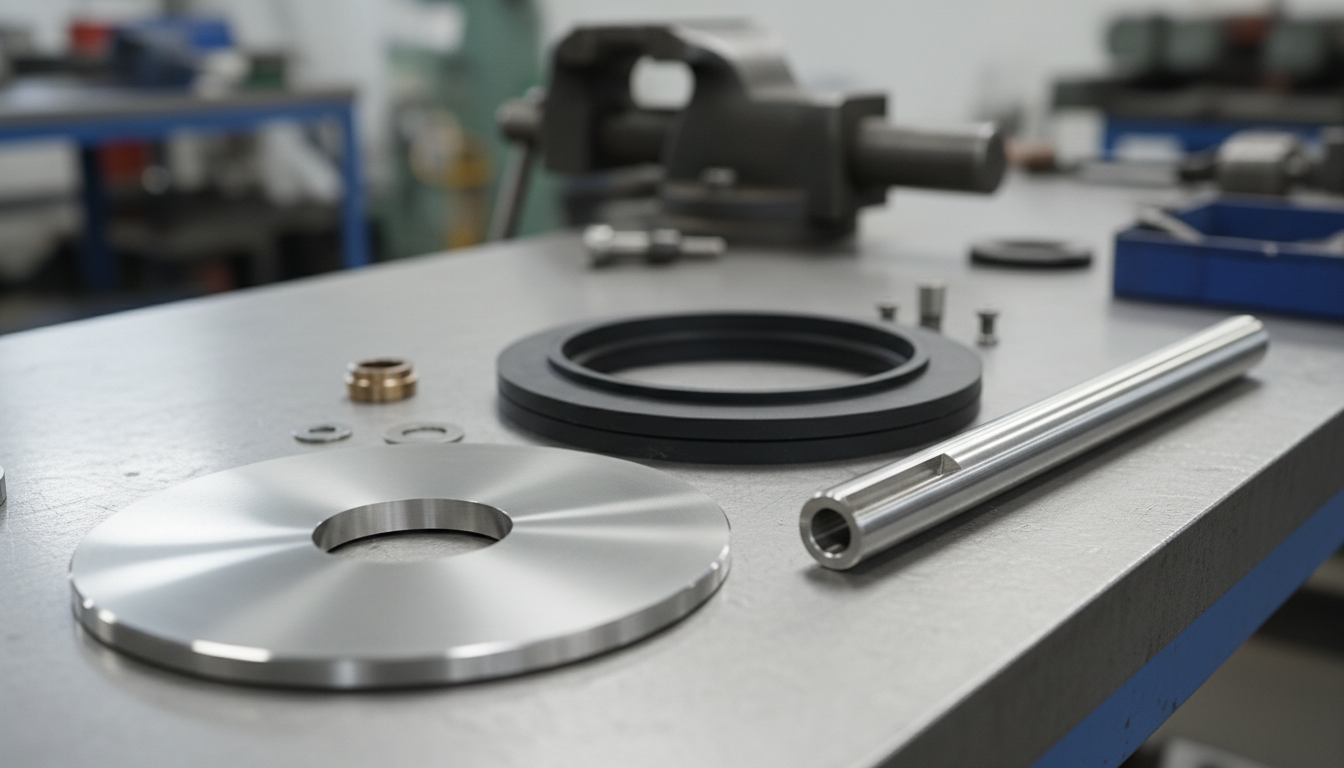
The primary benefits include space optimization and reduced maintenance requirements in modern process plants. In modular “skid” mounting scenarios, the compact dimensions of these valves allow you to install them in tight clusters. You will find that this prevents the obstructions often caused by rising stems or large bonnets.
Here is the deal:
- Space: Minimal footprint for modular designs.
- Longevity: Fewer moving parts reduce mechanical wear.
- Cost: Lower lifecycle expense through reliability.
- Access: Easier to inspect in confined areas.
Simplicity in design leads to higher reliability over thousands of cycles. With fewer internal parts to service, your direct operating costs and man-hours for inspections are greatly reduced.
Key Takeaway: Compactness is not just about size; it is a strategic advantage that simplifies plant layout and reduces long-term maintenance labor.
| Benefit Category | Impact | Strategic Value |
|---|---|---|
| Layout | Higher density | Reduced facility footprint |
| Reliability | Longer service life | Lower replacement frequency |
| Operations | Low torque | Reduced actuator costs |
The reduced mechanical complexity of the internal assembly ensures a higher mean time between failures compared to more intricate valve types.
How do butterfly valve applications compare to gate valves?
Weight and Installation Advantages
When comparing these systems, the weight differential and operational speed often make butterfly valve applications the superior choice for your project. Gate valves require multiple turns to lift the gate entirely out of the flow path, which is time-consuming. You can achieve full capacity with a single quarter-turn using a butterfly design.
Consider this comparison:
- Portability: Easier to handle without heavy rigging.
- Safety: Reduced risk of workplace injuries during setup.
- Shaft Design: Shorter shafts eliminate clearance issues.
- Throttling: Far superior control compared to gate valves.
Furthermore, butterfly valves offer good throttling capabilities that gate valves simply cannot match. This allows you to regulate flow rates precisely rather than just providing on-off service.
Key Takeaway: The transition from gate valves to butterfly valves typically results in faster operation, easier installation, and more precise flow regulation.
| Factor | Butterfly Valve | Gate Valve |
|---|---|---|
| Actuation | 90° Turn | Multi-turn |
| Space | Low Profile | High Profile |
| Maintenance | Simple | Complex |
The 90-degree actuation cycle significantly reduces the wear on automated actuators, leading to a longer lifespan for your control systems.
Are butterfly valve applications suitable for slurries?
Handling Viscous Media and Sludge
These valves perform exceptionally well in large-volume water and slurry applications where abrasive media is present. Because the disc is always in the flow stream, it can be engineered to resist the wear caused by sludges. The “wiping” action of the disc against the resilient seat helps clear away particulate matter.
Make no mistake:
- Clean Water: Excellent performance rating.
- Compressed Air: High reliability for gas flow.
- Thick Slurries: Good performance with reinforced seats.
- Vacuum: Excellent sealing for low-pressure systems.
The ability to handle solids makes them the industry standard for wastewater treatment and mining operations. You should select reinforced seat materials like Viton or PTFE for the most aggressive slurry environments.
Key Takeaway: The inherent wiping action of the disc design makes these valves uniquely suited for handling media with high solids content.
| Media Type | Performance | Recommended Seat |
|---|---|---|
| Wastewater | Excellent | EPDM |
| Chemicals | Superior | PTFE |
| Abrasive Slurry | High | Polyurethane/Reinforced |
Choosing the correct seat elastomer is the single most important factor in ensuring the valve can withstand abrasive particulate matter.
Can actuators optimize butterfly valve applications?
Efficient Flow with Automated Systems
Integrating hydraulic or pneumatic actuators allows you to optimize butterfly valve applications for high-precision industrial automation. Hydraulic actuators provide the high torque necessary for large-diameter valves while offering smooth, modulated control. This reduces human error and allows your team to monitor system pressure from a remote control room.
Here is the truth:
- Manual: Best for small sizes and infrequent use.
- Pneumatic: Ideal for high-speed on/off cycles.
- Electric: Perfect for precise modulation in remote areas.
- Hydraulic: Necessary for high-torque safety systems.
Automation adds complexity, so you must understand how to maintain these assemblies for long-term reliability. Using an ISO 5211 mounting pad allows for the direct installation of actuators without custom brackets.
Key Takeaway: Automation transforms a simple mechanical valve into a precision instrument capable of maintaining constant system pressure with zero manual intervention.
| Actuator Type | Control Level | Best Use |
|---|---|---|
| Pneumatic | High Speed | Plant air systems |
| Electric | High Precision | HVAC modulation |
| Hydraulic | High Torque | Heavy industrial/Safety |
The shift toward remote monitoring ensures that any deviation in flow performance can be corrected instantly through the automated control loop.
What industries rely on butterfly valve applications?
Water Treatment and Power Generation
The most common use of these valves is in municipal water systems and power generation facilities where high volumes are managed. Their ability to handle massive flow rates cost-effectively makes them the standard for cooling towers and filtration systems. In the marine sector, you will find them used extensively for ballast and bilge systems due to their corrosion resistance.
The industries include:
- Municipal Water: Filtration and distribution networks.
- HVAC: Chilled water and boiler systems.
- Marine: Saltwater ballast and offshore platforms.
- Power Gen: Condenser cooling and steam service.
In the oil and gas sector, high-performance designs with double or triple offset discs are used for hydrocarbons. These specialized valves provide the tight shutoff and fire-safe performance mandatory for hazardous environments.
Key Takeaway: From city water to nuclear power, the versatility and scale of these valves make them indispensable across all major infrastructure sectors.
| Industry | Primary Usage | Standard Requirements |
|---|---|---|
| Municipal | Distribution | WRAS/Potable approved |
| Power Gen | Cooling water | High reliability/DNV |
| Oil & Gas | Hydrocarbons | API 609/Fire-safe |
The broad adoption across diverse industries proves that the design can be adapted to meet both low-pressure municipal and high-pressure industrial standards.
How to maintain safety in butterfly valve applications?
Pressure Testing and International Certification
Safety in critical butterfly valve applications is guaranteed through rigorous testing protocols and material certifications. You should ensure that every valve is subjected to hydrostatic pressure tests at 1.5 times the rated working pressure. This prevents catastrophic failures when the valve is operating in high-pressure or hazardous industrial environments.
Check these standards:
- API 609: Governs design and dimensions.
- ISO 5208: Defines leakage testing standards.
- EN 12266: Industrial valve testing protocols.
- ISO 9001: Quality management in manufacturing.
Using lot-traceable materials certified to international standards like CE or DNV adds an extra layer of security. This documentation ensures that your procurement meets the strict compliance requirements of modern engineering projects.
Key Takeaway: Rigorous pressure testing and adherence to global standards are non-negotiable requirements for ensuring operational safety and system integrity.
| Standard | Relevance | Goal |
|---|---|---|
| ISO 9001 | Quality System | Consistency |
| CE/PED | Safety Directive | Pressure compliance |
| DNV | Marine/Offshore | Harsh environment safety |
Ensuring that every batch of valves arrives with full MTC and test reports is the most effective way to de-risk your project’s supply chain.
Frequently Asked Questions
Can I use butterfly valves for high-pressure steam?
Yes, but you must select high-performance triple-offset designs with metal seats. Standard resilient-seated valves are limited by the temperature thresholds of elastomer materials.
Can I install a butterfly valve in a vertical pipeline?
Yes, these valves are versatile and can be installed in any orientation. For media with high sediment, a horizontal stem orientation is preferred to prevent debris from settling in the seal.
Can I replace a gate valve with a butterfly valve?
In most cases, yes. However, because the butterfly valve has a much shorter face-to-face dimension, you may need a pipe spool or spacer to fill the gap.
What’s the best angle for throttling applications?
The best control is typically achieved between 30 and 70 degrees of opening. Operating at very small angles below 20 degrees can lead to high-velocity erosion of the seat.
Can I automate existing manual butterfly valves?
Yes, most modern valves feature an ISO 5211 mounting pad. This allows you to install pneumatic or electric actuators directly onto the valve without custom engineering.
Conclusion
Optimizing your fluid control system requires moving away from heavy, slow-acting legacy valves that create maintenance bottlenecks. By implementing butterfly valves, you resolve the problems of excessive installation space and slow response times. Our vision at RUITO is to deliver high-reliability, precision-engineered valve solutions that ensure your industrial operations remain efficient and safe. To enhance your system’s performance and reduce operational costs, contact us today for a technical consultation.