
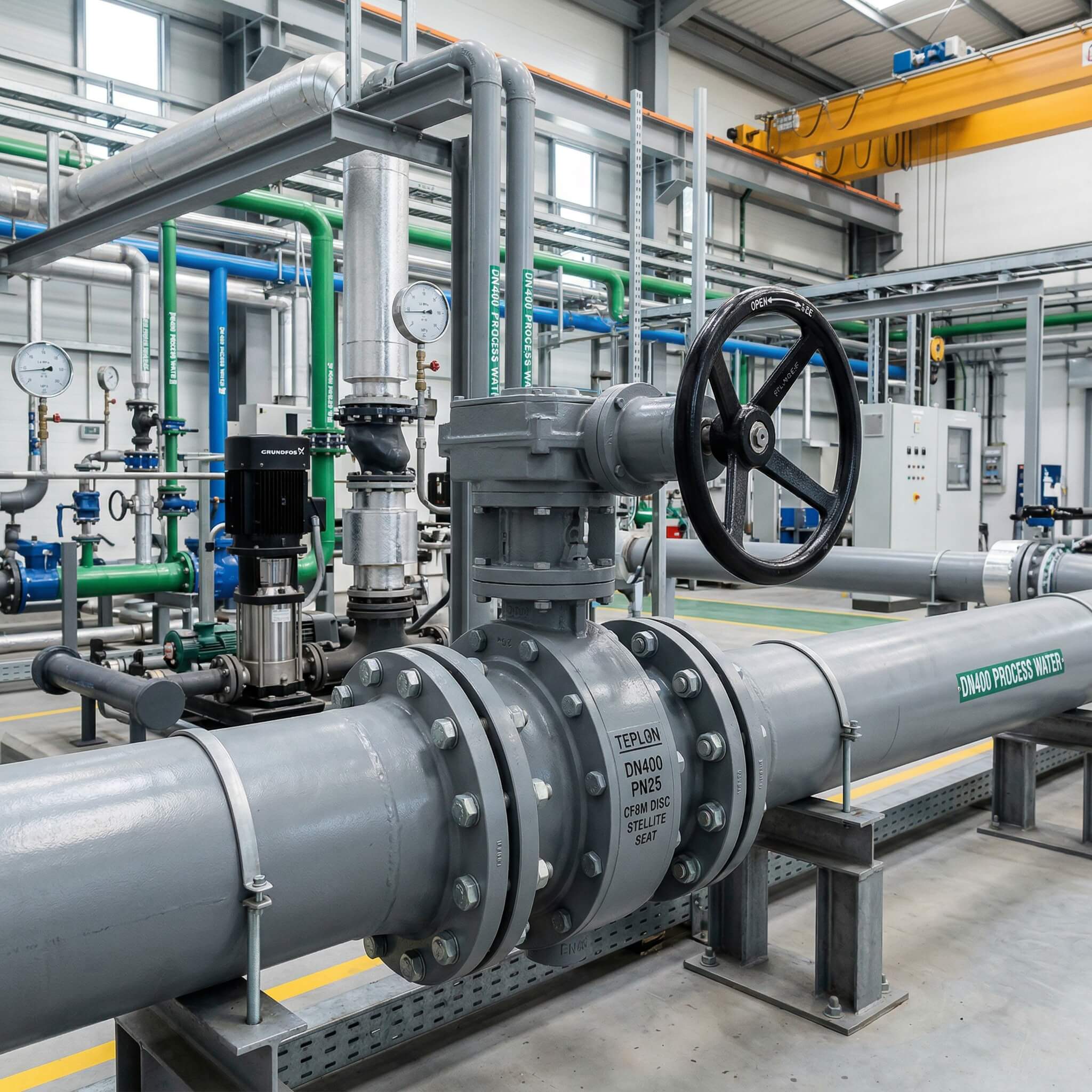
Butterfly valves offer significant advantages including compact design, low cost, and rapid operation across various industrial sectors. You often face the challenge of managing high-volume flow in systems where space is limited and budgets are tight. Traditional gate or globe valves can be prohibitively heavy and slow, leading to increased installation costs and potential process lag. To optimize your flow control, understanding specialized butterfly valve usage is the most effective solution for achieving efficiency without sacrificing reliability.
What defines standard butterfly valve usage?
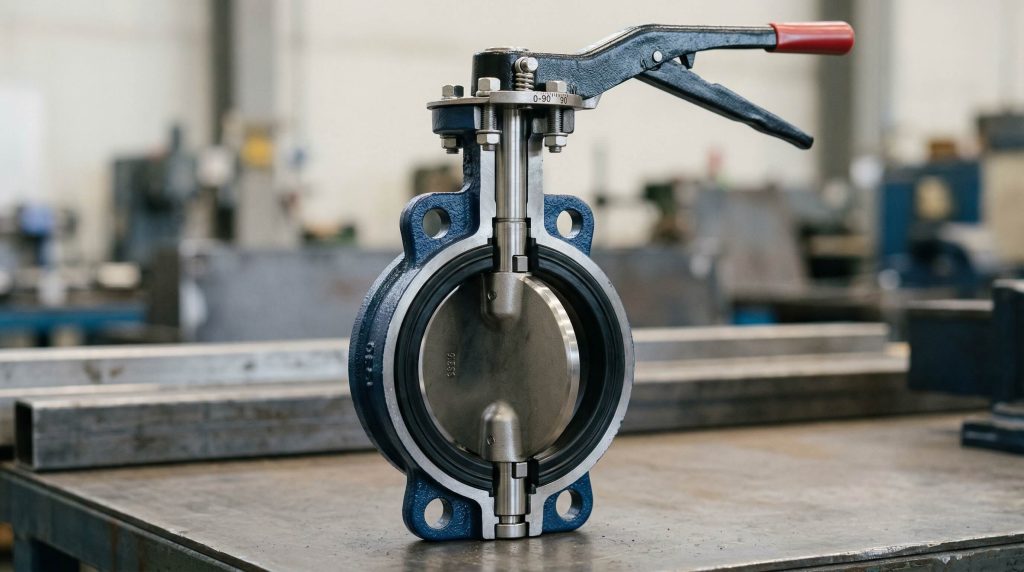
Standard butterfly valve usage involves using a rotating disc to start, stop, or regulate flow within a piping system. This mechanism is primarily characterized by its quarter-turn action and minimalist structural profile. You will find these valves performing exceptionally well in both basic on-off services and moderate throttling applications.
What is a quarter-turn rotational valve?
The “quarter-turn” designation refers to the 90-degree rotation required to move the valve from a fully closed to a fully open position. This mechanism allows you to achieve rapid actuation, which is vital in emergency shut-down scenarios.
Think about this:
- Speed is the primary benefit here.
- You save time during manual operation.
- Automated systems respond faster to signals.
- Wear on the actuator is often reduced.
How does the disc facilitate flow control?
The disc is the primary functional element that sits directly in the center of your pipe. When you rotate it, the disc either blocks the entire passage or sits parallel to the flow.
Here is the deal: even when fully open, the disc remains within the flow stream. This causes a slight pressure drop compared to full-bore valves, but the trade-off in speed is usually worth it.
Key Takeaway
Butterfly valves provide efficient, rapid-response flow control through a simple 90-degree rotation, balancing operational speed with mechanical simplicity.
| Feature | Description |
|---|---|
| Motion Type | Quarter-turn rotational |
| Function | Stop, start, and regulate flow |
| Primary Advantage | Fast actuation and lightweight |
The table above illustrates how the core mechanics of the valve define its primary role as a fast-acting flow regulator.
Which components support butterfly valve usage?
The efficiency of butterfly valve usage stems from a minimalist design consisting of four primary mechanical components that work in unison. You rely on the synergy between the body, disc, stem, and seat to maintain system integrity under pressure. Each part is engineered to minimize friction while maximizing the tightness of the seal.
How does the body design affect installation?
The body is designed to fit securely between two pipe flanges in your system. You generally choose between two main styles depending on your maintenance needs.
- Wafer Style: Designed to be clamped between flanges using long bolts.
- Lug Style: Features protruding bolt holes for independent bolting to each flange.
- Double Flanged: Used for larger diameters or specific pressure ratings.
Why is the stem design critical for sealing?
The stem connects your external actuator to the internal disc. Expert engineering often utilizes a “split-stem” or one-piece design to ensure high torque transmission. This protection ensures that the corrosive media in your pipes does not compromise the external mechanism.
Key Takeaway
The synergy between the body, disc, stem, and seat determines the valve’s overall pressure rating and chemical compatibility.
| Component | Primary Function | Common Materials |
|---|---|---|
| Body | Structural housing | Ductile Iron, Carbon Steel |
| Disc | Flow obstruction | Stainless Steel, Bronze |
| Stem | Torque transmission | 410/316 Stainless Steel |
| Seat | Internal sealing | EPDM, NBR, PTFE |
These components form the backbone of the valve’s performance, ensuring it survives harsh industrial environments.
How does operation impact butterfly valve usage?
The operational mechanics of butterfly valve usage vary depending on the size of the valve and the required precision of your flow control. Manual and automated options offer you different levels of torque and speed. You must match the actuation method to the specific demands of your process line.
When is a gearbox necessary for operation?
For larger valve sizes, the force required to overcome fluid pressure is often too great for a simple lever. You should use a gearbox to reduce manual effort when the valve diameter exceeds certain limits.
The reality is:
- Handwheels provide much higher torque.
- They allow for more precise throttling.
- They prevent “water hammer” by slowing down closure.
- They are safer for high-pressure applications.
How does disc orientation improve flow?
Modern designs often feature eccentric or high-performance offsets that you can utilize. These designs allow the disc to “lift” off the seat immediately upon opening. This reduces friction and extends the life of your sealing materials significantly.
Key Takeaway
Selecting between lever-operated and gear-operated butterfly valves depends entirely on the line pressure and the physical size of your installation.
| Actuation Type | Best For | Benefit |
|---|---|---|
| Lever Handle | Small diameters (< DN200) | Instantaneous 90-degree action |
| Gearbox | Large diameters (> DN250) | High torque and precision control |
Choosing the right actuation method ensures that your operators can control flow safely and accurately.
What are the main benefits of butterfly valve usage?
The widespread adoption of butterfly valve usage is driven by economic and physical advantages over traditional gate and ball valves. You will see immediate improvements in your project budget and installation timeline. These valves are the go-to choice for modern engineering projects focusing on efficiency.
Why are these valves considered cost-effective?
Because the design is inherently compact, these valves require significantly less raw material to manufacture. You benefit from a lower initial purchase price, especially as your pipe diameters increase.
- Reduced metal usage lowers costs.
- Smaller footprints mean cheaper shipping.
- Less maintenance reduces long-term expenses.
- Quick installation saves on labor hours.
How does the fast-acting design save time?
The 90-degree rotation is the fastest way for you to achieve full shut-off. In large-scale industrial plants, saving seconds during a flow transition can prevent equipment damage. This rapid response is a critical safety feature in many of your systems.
Key Takeaway
Lower material costs and rapid actuation make butterfly valves the most economical choice for large-scale liquid and gas management.
| Advantage | Impact on Project |
|---|---|
| Low Weight | Easier installation and less pipe support |
| Small Face-to-Face | Fits in tight piping configurations |
| Low Maintenance | Fewer moving parts than gate valves |
The advantages outlined above demonstrate why these valves are essential for cost-sensitive and high-performance engineering.
Why is space saved by butterfly valve usage?
In your modern plant design, space is a premium commodity that you must manage carefully. The compact nature of butterfly valve usage allows for high-density piping layouts. You can fit these valves into gaps where a gate valve simply would not fit.
How do face-to-face dimensions compare?
The “face-to-face” dimension refers to the thickness of the valve in your line. A butterfly valve is essentially a thin disc within a narrow ring.
Consider this:
- They are much thinner than ball valves.
- They require minimal overhead clearance.
- They allow for tighter pipe clustering.
- They reduce the total length of your pipe runs.
Why does weight reduction matter for piping?
Heavier valves require you to install additional hangers, anchors, and structural support. By choosing a lightweight butterfly design, you reduce the overall structural load on your piping system. This leads to further cost savings in your infrastructure development.
Key Takeaway
The compact geometry of butterfly valves minimizes the physical footprint and the structural requirements of your industrial fluid systems.
| Valve Type | Relative Thickness | Relative Weight |
|---|---|---|
| Butterfly | Very Low | Light |
| Gate | High | Heavy |
| Ball | Medium | Medium-Heavy |
Space and weight efficiency directly translate to simpler system designs and lower structural costs for your facility.
Which sectors rely on butterfly valve usage?
The versatility of the design allows butterfly valve usage to function effectively across a diverse range of media. You can find them handling everything from clean water to abrasive slurries. Their adaptability makes them a universal tool in your engineering toolkit.
Are they suitable for water treatment?
Yes, they are the industry standard for your high-volume water applications. Their ability to handle large flow rates with minimal maintenance is perfect for municipal facilities.
- Used in potable water distribution.
- Essential for wastewater treatment plants.
- Common in desalination facilities.
- Ideal for irrigation control.
How do they perform in HVAC systems?
In cooling water and air conditioning services, these valves provide the throttling you need. They help you balance temperatures across large commercial buildings efficiently. You can rely on them for consistent performance in chilled water circulation.
Key Takeaway
From fire protection to cooling water, butterfly valves are the “workhorse” of your utility and process water systems.
| Industry | Typical Application |
|---|---|
| Municipal | Wastewater and potable water distribution |
| HVAC | Chilled water circulation and air handling |
| Manufacturing | Compressed air and utility gas lines |
The broad applicability across industries proves the reliability and versatility of this valve design in various conditions.
Can slurries be managed by butterfly valve usage?
One common question you might have regarding butterfly valve usage is their performance in “dirty” media. While primarily used for clean liquids, specialized designs can handle more difficult environments. You just need to ensure your material selection matches the abrasiveness of the fluid.
How do they handle vacuum service?
Butterfly valves are exceptionally good at maintaining seals under vacuum conditions in your plant. The tight interference fit between the disc and the resilient seat prevents air ingress. This is critical when you are working in chemical or food processing sectors.
Think about the following:
- Tight seals prevent contamination.
- Resilient seats conform to the disc perfectly.
- They maintain integrity under negative pressure.
- They are easier to seal than gate valves.
What are the challenges with abrasive media?
In slurry applications, your disc is constantly exposed to particles in the fluid. To extend service life, you should use hardened disc coatings or abrasion-resistant seat materials. This prevents the “pitting” that can occur with standard components.
Key Takeaway
While primarily designed for clean flow, specialized material selections allow butterfly valves to excel in vacuum and slurry environments.
| Service Type | Performance Level | Recommendation |
|---|---|---|
| Vacuum | Excellent | Use high-quality resilient seats |
| Slurry | Good (with mods) | Use hardened discs and reinforced liners |
| High Temp | Moderate | Use “Triple Offset” designs |
With the right modifications, you can apply butterfly valves to challenging media that would typically require more expensive equipment.
How does gate valve vs butterfly valve usage differ?
Many engineers face a choice between these two valve types when designing a system. While both stop flow, their mechanical execution and suitability vary significantly for your needs. You must weigh the speed of operation against the specific pressure requirements of your line.
Why is the installation process easier?
Butterfly valves are significantly lighter and have shorter shafts than gate valves. This means they require less overhead clearance for you to maneuver them into place.
- Fewer technicians are needed for install.
- No heavy lifting equipment is required for small sizes.
- They fit into narrower spaces between flanges.
- Maintenance can be performed in situ more easily.
Which valve offers faster shut-off?
The answer is clear: the butterfly valve. A gate valve requires you to perform multiple turns of a stem to move the gate. In contrast, you achieve the same result with a single 90-degree turn of a butterfly disc.
Key Takeaway
Butterfly valves outperform gate valves in speed, weight, and space, making them the superior choice for most modern process applications.
| Criteria | Butterfly Valve | Gate Valve |
|---|---|---|
| Opening Speed | Fast (Quarter-turn) | Slow (Multi-turn) |
| Size/Weight | Compact/Light | Bulky/Heavy |
| Access Space | Low Requirement | High Requirement |
Comparing these two highlights why the butterfly valve is increasingly favored in modern industrial piping layouts.
Which materials optimize butterfly valve usage?
Material compatibility is the most critical factor in butterfly valve usage to ensure the valve does not fail. You must conduct a “Deep Inquiry” into the chemical nature of your media. Using the wrong material can lead to premature corrosion and system leaks.
When is stainless steel required for the disc?
In corrosive environments, such as chemical processing or marine applications, you should use 316 stainless steel. This prevents pitting and erosion that would destroy a standard ductile iron disc.
Check these options:
- SS316: Best for general corrosion resistance.
- Bronze: Ideal for seawater applications.
- PTFE Coated: Excellent for aggressive acids.
- Hastelloy: Used for extreme chemical stress.
What seat materials are best for oils?
Standard EPDM seats will swell and fail if you expose them to oils or hydrocarbons. You must choose NBR (Nitrile) seats to provide the necessary resistance. This ensures your seal remains intact even when handling petroleum-based products.
Key Takeaway
Correct material selection for the disc and seat is the essential step that determines the long-term reliability of your valve.
| Media Type | Disc Material | Seat/Liner Material |
|---|---|---|
| Potable Water | SS304 or Epoxy Coated | EPDM (WRAS Approved) |
| Oils/Fuels | Stainless Steel | NBR (Nitrile) |
| Chemicals | PTFE Coated or SS316 | PTFE or Viton |
The analysis shows that tailoring materials to your media is the only way to guarantee a long service life.
What standards regulate butterfly valve usage?
To ensure safety and interchangeability, these valves must be manufactured according to rigorous international standards. You need to verify compliance to guarantee that the valve will fit your existing flanges. Standards also provide you with peace of mind regarding pressure safety limits.
What is the API 598 testing standard?
API 598 defines the pressure testing requirements for valve leakage that you should look for. Every industrial-grade valve must undergo a hydrostatic test at 1.5 times its working pressure.
Here is the point:
- It ensures structural integrity under load.
- It verifies that the seat is leak-proof.
- It checks the stem seals for failure.
- It provides a documented safety margin.
How do DIN and ANSI standards differ?
These standards dictate the flange dimensions and “face-to-face” lengths of the valves you buy. ANSI is common in North America, while DIN/EN is the standard for European projects. You must ensure the valve matches your pipe flange standard to avoid a catastrophic leak.
Key Takeaway
Compliance with international standards like API, DIN, and ISO is the only way to guarantee the safety of a valve in high-pressure environments.
| Standard | Focus Area |
|---|---|
| API 609 | Design and dimensions |
| API 598 | Inspection and pressure testing |
| ISO 9001 | Quality management system |
Adhering to these regulatory frameworks ensures that your valves are safe, reliable, and compatible with global infrastructure.
FAQ
Can I use a butterfly valve for high-pressure steam?
Yes, but only if you select a triple-offset metal-seated design. Standard resilient seats will melt or degrade rapidly under the extreme temperatures of steam service.
What’s the best way to prevent water hammer?
The best way is to use a gear-operated actuator rather than a lever. This forces you to close the valve slowly, which prevents the sudden pressure surges that cause water hammer.
How do I know if my seat material is failing?
You will notice increased operating torque or visible leakage downstream when the valve is closed. Swelling or cracking of the elastomer is a clear sign that your media is incompatible with the seat.
Can I install a butterfly valve in any orientation?
Yes, you can install them horizontally or vertically. However, for media with suspended solids, you should install the stem horizontally to prevent sediment from settling in the bottom bearing.
What’s the best way to maintain a butterfly valve?
The best way is to regularly cycle the valve and inspect the seat for wear. Keeping the stem lubricated and checking the actuator alignment will significantly extend the life of the unit.
Conclusion
Butterfly valves represent the pinnacle of efficient fluid control, offering a unique combination of lightweight design, rapid operation, and cost-effectiveness. By carefully considering the components, material compatibility, and the specific requirements of your industrial application, you can significantly reduce maintenance costs and improve system reliability. For more information on selecting the right valve for your specific project needs, please contact us today for a technical consultation.
Ready to upgrade your flow control system? Get a quote on our high-performance valve range now.
At Ruito, we bridge the gap between heavy-duty engineering and cost-effective fluid management.