
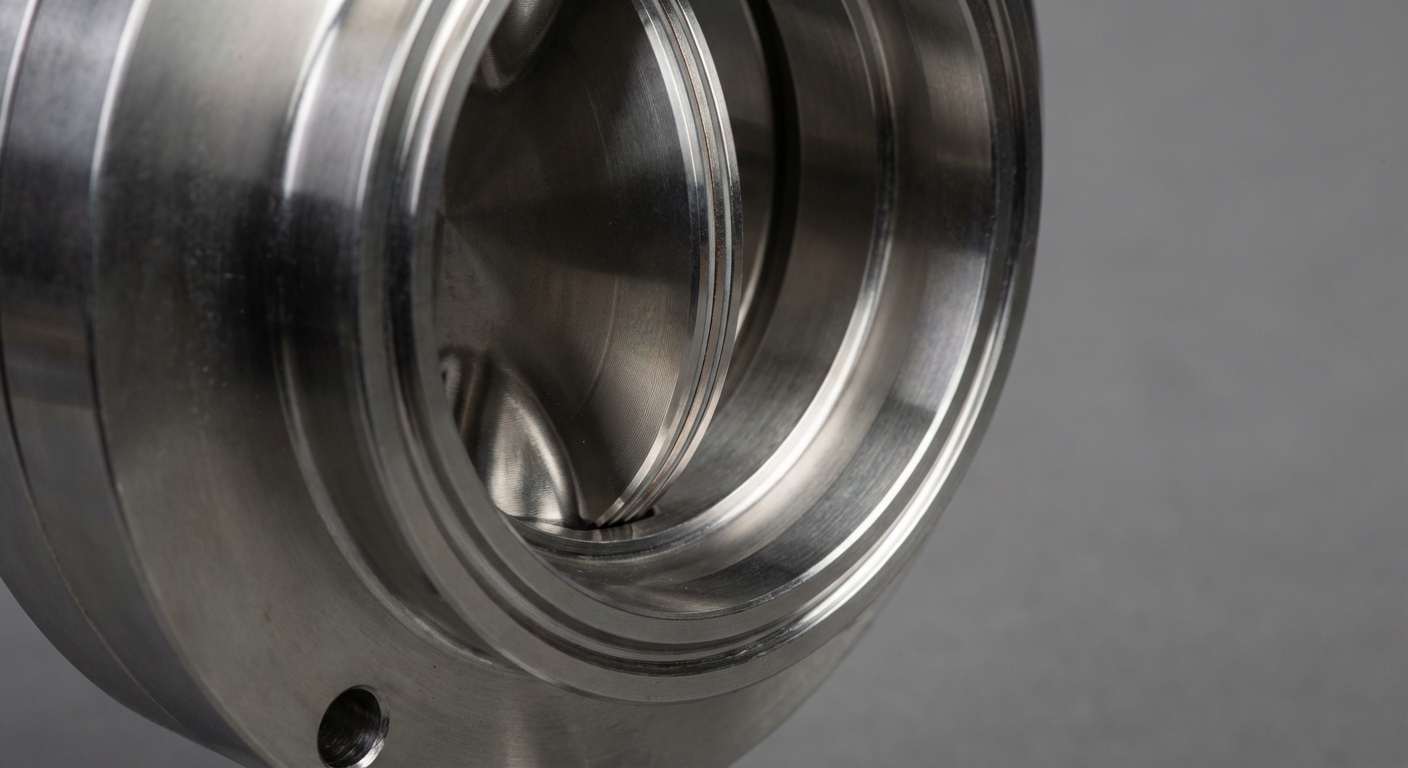
The basics of butterfly valve application involve using a quarter-turn rotational disc to effectively isolate or regulate the flow of media within a pipeline. Selecting the wrong valve for an industrial pipeline often leads to catastrophic leaks, frequent maintenance shutdowns, and compromised safety protocols. Many engineers struggle with the vast array of valve types, frequently choosing over-engineered or unsuitable options that drive up costs and fail prematurely under high-pressure conditions. Mastering the foundational elements of butterfly valve application in industry ensures you select the right components for flow control and longevity, optimizing your system’s performance from day one.
1. What defines butterfly valve application in industry?
A primary definition of butterfly valve application in industry centers on the use of a compact, lightweight mechanism for stopping or starting fluid flow. This quarter-turn motion valve has surged in popularity because it offers a space-saving alternative to bulkier gate and globe valves. You will find that its design is particularly efficient for handling large volumes of water or air.
The Quarter-Turn Mechanism
Check this out: the core efficiency of this valve lies in its disc mounted on a rotating shaft. When you turn the disc 90 degrees, it either completely blocks the path or allows full flow. This rapid operation is essential for safety and efficiency.
- Fast actuation for emergency shutdowns.
- Simple design reducing mechanical failure points.
- Low pressure drop across the valve.
| Feature | Description |
|---|---|
| Operation | 90-degree rotation |
| Space | Minimal face-to-face dimension |
| Weight | Significant reduction vs Gate valves |
The mechanical simplicity of these units allows you to achieve faster cycle times compared to multi-turn alternatives.
Key Takeaway
The primary driver for this technology is the balance between high-speed operation and a small physical footprint, ensuring your facility remains compact and responsive.
2. Why choose butterfly valve application in industry for cost savings?
The decision to implement butterfly valve application in industry is frequently driven by the need for cost-effective scaling in municipal and industrial networks. Because these valves require less raw material to manufacture, they are significantly more affordable than other types, especially in large diameters. You can save substantial project budget by opting for these lightweight designs without sacrificing performance.
Economic Scaling and Material Efficiency
Here is the deal: when your project requires pipe sizes above DN300, the weight of a gate valve becomes a logistical burden. Butterfly designs use a fraction of the metal, which lowers both the initial purchase price and shipping costs. This makes them the standard for large-scale water distribution.
- Lower initial procurement costs for large sizes.
- Reduced structural support requirements due to low weight.
- Simplified installation processes.
| Metric | Butterfly Valve | Gate Valve |
|---|---|---|
| Material Usage | Low | High |
| Installation Time | Short | Long |
| Total Cost | Budget-friendly | Premium |
The reduction in material weight directly translates to lower labor costs during the installation phase of your project.
Key Takeaway
Utilizing these valves allows you to maximize your budget for large-scale infrastructure while maintaining high-quality flow control standards.
3. Which designs optimize butterfly valve application in industry?
Optimizing butterfly valve application in industry requires choosing between concentric, double-offset, and triple-offset designs based on your specific pressure needs. The design of the disc and stem determines the temperature limits and sealing capabilities the valve can handle safely. You must evaluate your media type to ensure the design can withstand the operational stresses of your environment.
High-Performance Offset Designs
Think about it: while concentric valves work for low pressure, offset designs are necessary for high-performance sealing. Double-offset valves move the stem away from the center to reduce seat friction during operation. This extends the service life of your equipment significantly.
- Concentric: Best for water and HVAC.
- Double-Offset: Ideal for chemical and oil systems.
- Triple-Offset: Critical for high-heat steam.
| Design Type | Sealing Capability | Pressure Rating |
|---|---|---|
| Concentric | Resilient / Soft | Low to Medium |
| Double-Offset | High-performance | Medium to High |
| Triple-Offset | Bubble-tight / Metal | Very High |
Selecting the correct offset design prevents premature wear on the valve seat, saving you from frequent replacement cycles.
Key Takeaway
By matching the valve design to your specific pressure and temperature requirements, you ensure the longevity and reliability of your fluid control system.
4. How do components impact butterfly valve application in industry?
The internal components like the disc, stem, and seat are the fundamental elements that drive butterfly valve application in industry reliability. These parts must be constructed from materials that resist corrosion and mechanical stress from the flowing media. You should pay close attention to the body style, such as wafer or lug, to ensure it matches your piping interface.
Disc and Stem Resilience
In essence: the disc is the primary barrier that manages the force of the fluid. High-quality stainless steel or ductile iron discs are preferred for their ability to resist pitting and erosion over time. The stem acts as the bridge between your actuator and the flow control.
- Body Materials: Cast Iron, Carbon Steel, or Stainless.
- Sealing Elements: EPDM, NBR, or Metal.
- Body Styles: Wafer for cost; Lug for isolation.
| Component | Common Materials | Function |
|---|---|---|
| Disc | SS304 / SS316 | Blocks flow path |
| Stem | 410 Stainless Steel | Transmits torque |
| Seat | PTFE / EPDM | Creates seal |
Choosing compatible materials for these components prevents galvanic corrosion and ensures the valve remains functional for its entire service life.
Key Takeaway
Understanding the synergy between internal materials allows you to customize your valves to handle hazardous or aggressive fluids without risk of failure.
5. Where is butterfly valve application in industry most critical?
Specific sectors like municipal water and chemical processing rely heavily on butterfly valve application in industry to maintain safety and throughput. These industries require valves that can handle massive volumes with minimal pressure loss. You will find these valves in everything from cooling towers to complex chemical reactors due to their versatility.
Municipal and Chemical Processing
The reality is: water treatment plants use these valves as the standard for regulating massive intake lines. In chemical environments, using PTFE-lined butterfly valves allows for the safe handling of aggressive media. This flexibility makes them indispensable for modern infrastructure.
- Water Treatment: Large volume regulation.
- Chemical Plants: Corrosive fluid isolation.
- HVAC Systems: Temperature control in buildings.
| Industry | Primary Use | Requirement |
|---|---|---|
| Water | Volume Regulation | Low Pressure Drop |
| Chemical | Toxic Media Handling | Corrosion Resistance |
| Power | Cooling Systems | Rapid Actuation |
The wide range of available linings and coatings ensures that these valves can be adapted to almost any industrial fluid scenario you encounter.
Key Takeaway
Targeted application in these critical sectors helps you maintain environmental compliance and operational efficiency through superior fluid isolation.
6. Can seat materials limit butterfly valve application in industry?
Choosing the wrong seat material is the most common cause of failure in butterfly valve application in industry. The “seat” is the material the disc presses against to form a seal, and it must be compatible with the media temperature. You must decide between resilient elastomeric seats for water or metal seats for extreme heat.

Elastomeric versus Metal Seats
It gets better: resilient-seated valves use rubber-like materials like EPDM which are fantastic for water treatment. However, if you are dealing with high-heat steam, these soft seals will melt instantly. For those extreme scenarios, you need a metal-to-metal seat found in triple-offset designs.
- EPDM: Best for standard water and steam.
- NBR: Preferred for oil and fuels.
- PTFE: The standard for corrosive acids.
| Seat Material | Temperature Range | Best For… |
|---|---|---|
| EPDM | -20°C to 120°C | Potable Water |
| NBR | -10°C to 80°C | Petroleum Products |
| Metal Seat | Up to 500°C+ | High-Temp Process |
Properly matching seat material to the chemical and thermal profile of your fluid prevents expensive leaks and hazardous spills.
Key Takeaway
Correct seat selection ensures that your valves maintain a bubble-tight shut-off throughout their operational life, protecting your equipment and staff.
7. How does pressure affect butterfly valve application in industry?
Pressure ratings, often expressed as PN or Class, define the safety limits for any butterfly valve application in industry. Most standard industrial scenarios operate within the PN10 to PN25 range, but heavy-duty processes may require much more. You must also account for cavitation, which occurs when pressure drops too low during throttling.
Managing High Pressure and Cavitation
Believe it or not: when you use a butterfly valve to throttle flow, the fluid velocity increases significantly. This can create vapor bubbles that collapse and damage the disc, a process known as cavitation. Selecting a valve with the correct pressure rating prevents the body from deforming under these loads.
- PN10/16: Standard municipal pressure.
- PN25/40: Heavy industrial standards.
- Throttling Range: Best between 30 and 70 degrees.
| Rating | PSI Equivalent | Application |
|---|---|---|
| PN10 | ~145 PSI | Low pressure water |
| PN16 | ~232 PSI | Standard utilities |
| PN40 | ~580 PSI | High-pressure process |
Understanding these limits helps you avoid structural failures that could lead to system-wide downtime or safety incidents in your plant.
Key Takeaway
Monitoring pressure and flow coefficients ensures your valves operate within their safety envelope, extending the life of your entire piping network.
8. Does automation improve butterfly valve application in industry?
Modern facilities rarely rely on manual operation, making automation a vital part of butterfly valve application in industry. Actuators allow you to control flow precisely from a central command center without manual intervention. You can choose from pneumatic, electric, or hydraulic actuators depending on your site’s available energy sources.
Actuator Integration and Safety
Bottom line: the ability to close a valve in less than a second makes automated butterfly valves perfect for emergency shut-off systems. Pneumatic actuators are often preferred for their fail-safe capabilities, ensuring the valve closes even if power is lost. This level of control is essential for preventing spills or explosions.
- Pneumatic: Fast acting and air-powered.
- Electric: High precision for modulation.
- Hydraulic: Massive torque for the largest valves.
| Actuator Type | Speed | Best Environment |
|---|---|---|
| Pneumatic | High | Explosive/Hazardous |
| Electric | Medium | Clean/Remote |
| Hydraulic | Variable | Large Scale/Subsea |
Automating your flow control reduces human error and allows for data logging and performance monitoring across your entire facility.
Key Takeaway
Integration with automation systems provides you with the precision and safety required to manage modern, complex industrial processes with ease.
9. Which standards govern butterfly valve application in industry?
To ensure safety and interchangeability, butterfly valve application in industry must comply with global standards like API 609 and ISO 5208. These regulations define everything from the thickness of the valve body to the methods used for pressure testing. You must verify that your suppliers meet these benchmarks to ensure your valves fit standard flanges.
Compliance and Global Compatibility
More importantly: following these standards ensures that a valve from one manufacturer will fit the piping designed by another. API 609 is the gold standard for design, while ISO standards govern the leakage classes during testing. This compliance is your guarantee of quality and safety.
- API 609: Dimensions and design standards.
- EN 593: European industrial valve norms.
- ISO 5208: Pressure and leak testing procedures.
| Standard | Focus Area | Impact on You |
|---|---|---|
| API 609 | Design/Dimensions | Ease of Installation |
| ISO 5208 | Leakage Testing | Performance Guarantee |
| ASME B16.34 | Pressure/Temp | Safety Margin |
Strict adherence to these international codes protects your operation from the risks associated with non-standard or sub-par components.
Key Takeaway
Standardized valves give you the peace of mind that your infrastructure is built to the highest global safety and performance specifications.
10. How to maintain butterfly valve application in industry efficiency?
Maintaining the efficiency of butterfly valve application in industry requires regular inspections and proper sizing from the start. You should calculate the Flow Coefficient (Cv) to ensure the valve doesn’t create an unnecessary pressure drop. You will also benefit from selecting self-lapping designs that maintain their seal through repeated use.
Sizing and Routine Inspection
To top it off: don’t just match the pipe size to the valve size. A valve that is too large will never operate at its ideal angle, while one too small will restrict flow and increase energy costs. Annual inspections for seal wear and actuator calibration are the best ways to prevent unexpected failures.
- Calculate Cv to match flow requirements.
- Inspect seals for chemical degradation yearly.
- Verify actuator torque exceeds valve torque by 20%.
| Task | Frequency | Benefit |
|---|---|---|
| Cv Check | Initial Design | Optimized Flow |
| Seal Check | Annual | Leak Prevention |
| Torque Check | Bi-annual | Smooth Operation |
Proactive maintenance and correct initial sizing reduce your total cost of ownership by preventing emergency repairs and energy waste.
Key Takeaway
A structured maintenance approach ensures your system remains at peak efficiency, saving you time, money, and operational headaches over the long term.
Conclusion
Mastering the basics of butterfly valve application in industry is the key to building resilient, efficient, and cost-effective fluid systems. By understanding how to recap solved problems like leakage and high maintenance through better offset designs and material selection, you can take control of your infrastructure’s performance. Our team provides the precision-engineered solutions you need to solve complex flow challenges while staying within budget. We stand as a dedicated partner in your industrial success, offering the documentation and technical support required for global project handover. Please contact us today to receive a technical consultation and optimize your system for the future.
FAQ
Can I use a butterfly valve for high-pressure steam?
Yes, but you must use a triple-offset design with a metal-to-metal seat. Standard resilient seats will fail under the intense heat and pressure of a steam line.
What’s the best seal material for corrosive chemicals?
PTFE (Teflon) is generally considered the best choice. It offers unmatched chemical resistance and can handle a wide range of aggressive media without degrading.
Can I install a butterfly valve in any orientation?
You can install them vertically or horizontally, but it is best to keep the stem horizontal. This prevents sediment from settling in the bottom bearing, which could cause the valve to seize.
What’s the best way to prevent disc cavitation?
Ensure the valve is properly sized for your specific flow rate. You should also avoid operating the valve at an opening angle of less than 30 degrees for long periods.
Can I automate an existing manual butterfly valve?
Yes, most modern valves include an ISO 5211 mounting pad. This standardized feature allows you to easily bolt on a pneumatic or electric actuator at any time.