
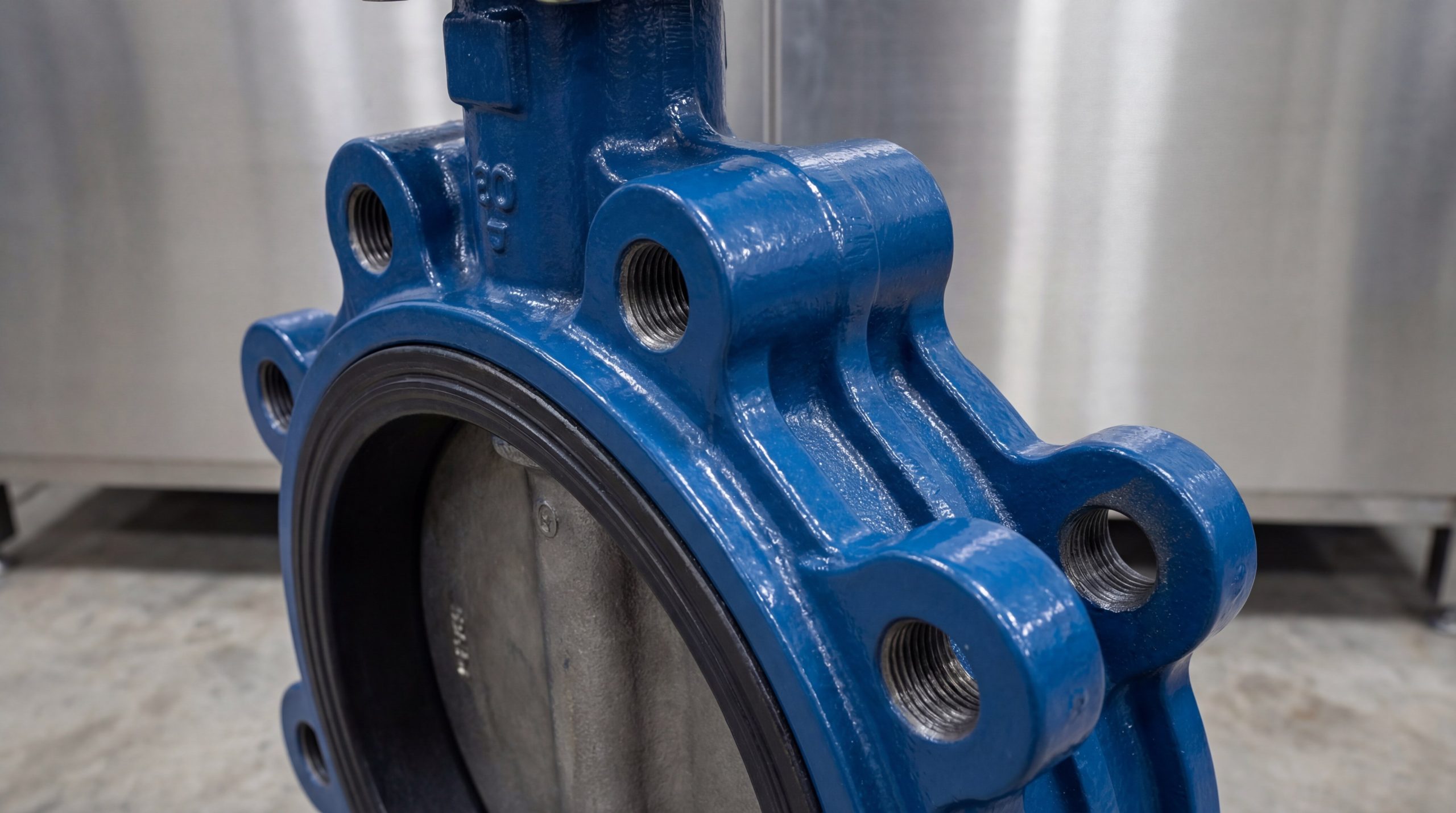
Selecting the correct butterfly valve disc material involves analyzing the chemical compatibility, temperature, and pressure requirements of your specific industrial media. Imagine a scenario where your production line suddenly grinds to a halt due to a minor leak that rapidly escalates into a full system failure. This nightmare is often the result of an overlooked butterfly valve material specification, causing internal erosion that eats away at your profits. By choosing high-quality materials from the start, you can eliminate these risks and ensure your facility operates at peak efficiency for years to come.
Why is Material Selection Critical?
Material selection is critical because it dictates the structural integrity, corrosion resistance, and overall service life of the valve within a piping system. If you ignore the butterfly valve material specification, you risk mechanical fatigue that can lead to catastrophic hardware failure. This foundational choice impacts not just the valve itself, but the safety of your entire operational environment.
Does material affect safety?
Using the wrong metal can cause a valve to burst or seize under pressure, creating a dangerous workplace hazard. You must ensure that every component can handle the physical stresses of your specific pipeline configuration.
Look:
- High-strength materials prevent body deformation.
- Proper alloys resist internal cracking.
- Safety certifications depend on material purity.
But that’s not all—the right choice also saves you from frequent, expensive replacement cycles.
Key Takeaway: Correct material selection is your first line of defense against system failure and unplanned maintenance costs.
| Selection Factor | Primary Impact | Recommended Action |
|---|---|---|
| Mechanical Strength | Prevents deformation | Match material to system stress |
| Corrosion Resistance | Extends service life | Analyze fluid chemistry first |
A precise material choice ensures that the valve remains a reliable asset rather than a ticking liability in your facility.
How Does Fluid Type Affect Choice?
The chemical composition and state of the fluid determine whether the valve disc will remain inert or suffer from rapid chemical degradation. When reviewing your butterfly valve material specification, you must prioritize media compatibility to avoid contamination. Different fluids, from potable water to aggressive acids, require distinct metallurgical properties to maintain a tight seal.
Is water compatibility important?
Standard water applications might seem simple, but pH levels and mineral content can still cause pitting in lower-grade metals. You should select materials that resist scaling and oxidation to maintain high flow rates.
Here is why:
- Ductile iron is cost-effective for clean water.
- Stainless steel prevents rust in treated systems.
- Epoxy coatings add a layer of protection.
Think about it: even “clean” water can be destructive over several years of continuous operation.
Key Takeaway: You must match the disc alloy to the fluid’s pH and abrasive nature to prevent premature thinning of the valve walls.
| Fluid Type | Suggested Material | Key Benefit |
|---|---|---|
| Clean Water | Ductile Iron / SS304 | Cost-effective durability |
| Slurries | Hardened Alloys | High abrasion resistance |
Matching the disc to the media chemistry is the most effective way to guarantee long-term fluid control success.
What Temperature Factors Matter?
Temperature affects the expansion, contraction, and mechanical strength of the metals and elastomers used in your valve. Your butterfly valve material specification must account for both the maximum operating temperature and potential thermal shocks. If you exceed a material’s thermal rating, the disc may warp or become brittle, leading to a loss of sealing capabilities.
Are high-temperature limits fixed?
Metals like carbon steel lose tensile strength as heat increases, which can cause the valve to fail under load. You need to verify that your selected material maintains its hardness at the top end of your process range.
The best part?
- Carbon steel thrives in steam applications.
- Special alloys prevent high-heat oxidation.
- Thermal stability ensures consistent torque.
Look: using a material beyond its limit is the fastest way to ruin a high-performance valve.
Key Takeaway: Always verify that your disc material retains its mechanical properties at your system’s peak thermal levels.
| Temp Range | Best Disc Material | Common Use |
|---|---|---|
| High Heat (>400°F) | Carbon Steel / Alloys | Steam and Power |
| Cryogenic | 316 Stainless Steel | LNG and Liquid Oxygen |
Thermal analysis prevents the unexpected warping that leads to expensive leakage and energy loss in industrial systems.
How Do Pressure Ratings Influence Materials?
Pressure ratings dictate the necessary thickness and tensile strength of the materials defined in your butterfly valve material specification. High-pressure systems exert massive force on the disc, requiring materials that can resist bending or “dishing” during operation. Without sufficient strength, the disc may not seat properly, causing bypass leakage that disrupts your entire process.
Does pressure impact disc thickness?
Yes, higher pressure classes require a more robust disc profile to handle the differential force when the valve is closed. You should check the pressure-temperature charts for every material to ensure compliance with safety standards.
Here is why:
- High tensile strength prevents disc failure.
- Thicker discs reduce mechanical deflection.
- Forged materials offer superior density.
But wait, there’s more: the pressure rating also influences the type of seat material you can safely use.
Key Takeaway: Aligning your material strength with the system’s maximum surge pressure is vital for maintaining a zero-leakage seal.
| Pressure Class | Required Property | Preferred Material |
|---|---|---|
| Class 150 | Standard Strength | Ductile Iron / SS316 |
| Class 300+ | High Tensile Strength | Carbon Steel / Duplex |
A robust pressure-rated material ensures the valve remains functional even during the most demanding fluid surges and cycles.
Which Body Materials are Most Reliable?
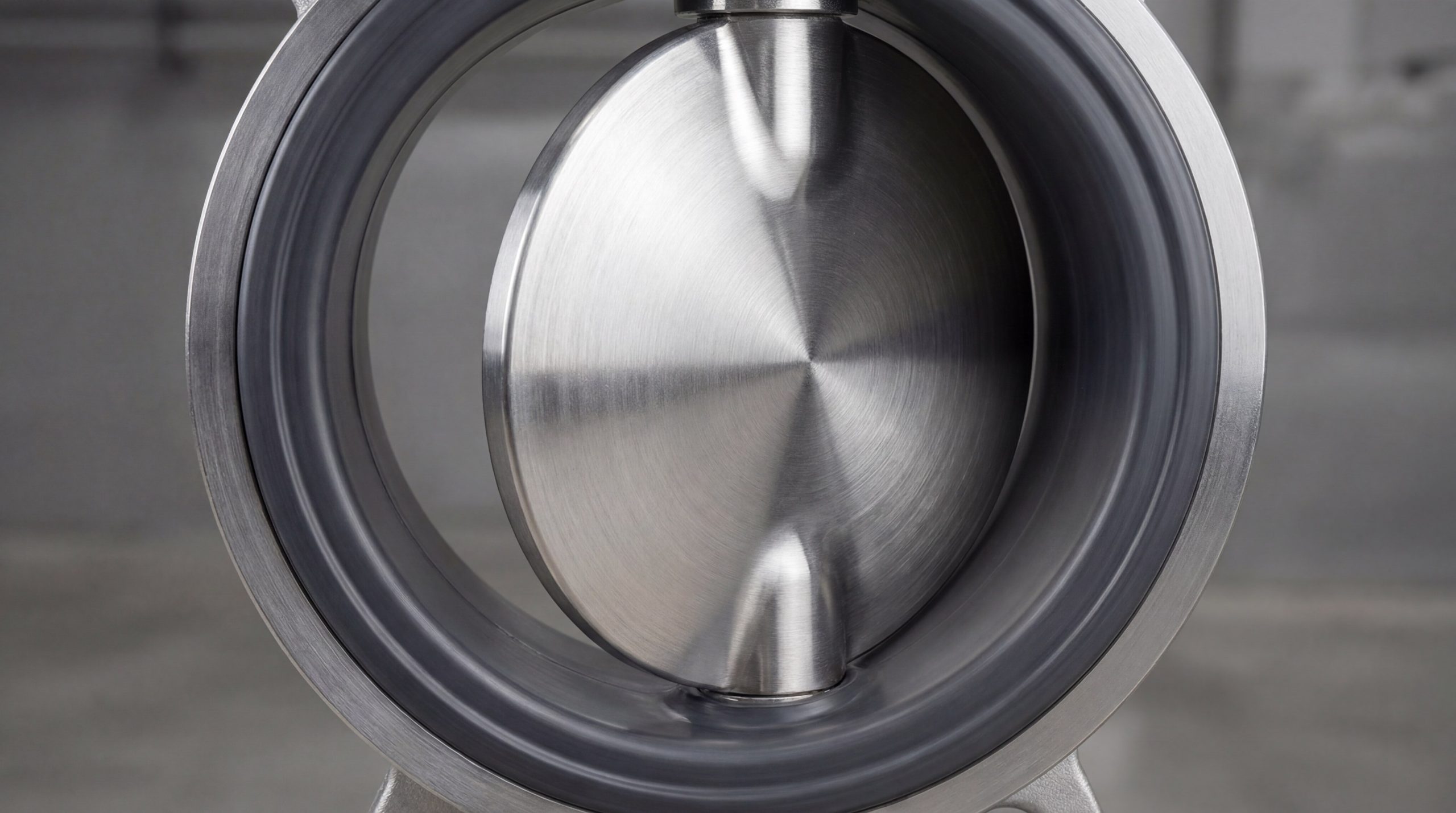
The valve body serves as the primary pressure vessel, making its reliability the foundation of the entire butterfly valve material specification. You will find that cast iron and ductile iron are the workhorses of the industry, but high-pressure tasks often demand carbon steel. Selecting a reliable body material ensures that the valve can be safely bolted into the pipeline without fear of cracking.
Is ductile iron better than cast iron?
Ductile iron is generally preferred because it offers higher impact resistance and won’t shatter if the pipeline experiences a sudden shock. You should choose this material for any application where mechanical stress or vibration is expected.
Look:
- Higher yield strength than gray iron.
- Better flexibility under pressure surges.
- Excellent cost-to-performance ratio.
The best part? It bridges the gap between basic iron and expensive steel for most utility applications.
Key Takeaway: Prioritizing ductile iron over standard cast iron provides a significant safety margin for pressurized industrial lines.
| Body Material | Strength | Cost Level |
|---|---|---|
| Cast Iron | Low to Moderate | Economy |
| Ductile Iron | High | Mid-Range |
Reliable body materials prevent external leaks and ensure the valve stays securely connected to your facility’s critical piping.
When Should You Use Stainless Steel?
You should utilize stainless steel when your butterfly valve material specification calls for high corrosion resistance and sanitary conditions. This material contains chromium, which forms a protective oxide layer that heals itself when exposed to oxygen. In industries like food processing or chemical manufacturing, stainless steel is non-negotiable for maintaining product purity and valve longevity.
Why choose Grade 316?
Grade 316 contains molybdenum, which makes it significantly more resistant to chlorides and salt spray than standard 304. You will find it essential for marine environments or chemical plants handling aggressive solvents.
Here is why:
- Prevents pitting in saltwater.
- Maintains a smooth, easy-to-clean surface.
- Resists a wider range of industrial acids.
But that’s not all—its durability means you’ll spend less time on maintenance and more time on production.
Key Takeaway: Stainless steel is the ultimate choice for environments where rust and chemical attack are constant threats.
| Stainless Grade | Primary Benefit | Ideal Environment |
|---|---|---|
| SS304 | General Corrosion Resistance | Food / Beverage |
| SS316 | Enhanced Chemical Resistance | Marine / Chemical |
The self-healing properties of stainless steel ensure that your valves remain operational even in the harshest chemical atmospheres.
Why Choose Ductile or Carbon Steel?
Ductile and carbon steel are chosen for their exceptional balance of high tensile strength and affordability in the butterfly valve material specification. Carbon steel is particularly valued in heavy industry because it can be easily welded and modified to fit complex piping layouts. These materials are the standard for high-pressure oil, gas, and steam lines where failure is not an option.
Is carbon steel for steam?
Carbon steel is the preferred choice for steam because it retains its structural integrity at high temperatures better than iron. You can rely on its toughness to handle the thermal cycling common in power generation and heating systems.
Look:
- Excellent weldability for custom setups.
- High resistance to mechanical fatigue.
- Broad availability in various pressure classes.
Think about it: most of the world’s energy infrastructure relies on the proven durability of carbon steel valves.
Key Takeaway: Use ductile iron for cost-effective utility lines and carbon steel for your most demanding high-pressure thermal tasks.
| Steel Type | Temperature Limit | Best Application |
|---|---|---|
| Ductile Iron | Up to 450°F | Water and HVAC |
| Carbon Steel | Up to 800°F+ | Oil, Gas, and Steam |
Selecting these heavy-duty steels guarantees that your high-pressure systems remain safe and productive throughout their entire lifecycle.
What are the Best Sealing Materials?
Sealing materials are the “soft” components in the butterfly valve material specification that ensure a bubble-tight shut-off. You must choose between elastomers like EPDM or polymers like PTFE depending on the fluid’s temperature and chemical makeup. A mismatched seal will swell or degrade, leading to immediate leakage and potential valve seizure.
Can EPDM handle steam?
EPDM is excellent for water and low-pressure steam, but it will fail instantly if it comes into contact with oils or hydrocarbons. You must verify that your fluid won’t dissolve the elastomer you’ve selected for the seat.
Here is why:
- PTFE offers near-universal chemical resistance.
- NBR (Buna-N) is the standard for oil services.
- Viton handles high-heat chemical environments.
Look: the seal is often the first part to fail, so choosing the right one is your most important maintenance decision.
Key Takeaway: Your choice of seat material directly determines the valve’s sealing reliability and chemical compatibility limits.
| Seal Material | Temperature Range | Media Compatibility |
|---|---|---|
| EPDM | -20°F to 250°F | Water, Alkalis, Steam |
| PTFE | -50°F to 400°F | Acids, Corrosives, Solvents |
The right sealing material prevents expensive leaks and ensures the valve operates smoothly over thousands of cycles.
How to Handle Corrosive Media?
Handling corrosive media requires a butterfly valve material specification that includes specialized linings or exotic alloys to protect the metal components. If you are dealing with concentrated acids, a standard stainless steel disc may not be enough to prevent rapid erosion. In these cases, PTFE or PFA linings provide a total barrier between the aggressive fluid and the valve’s structural body.
Are exotic alloys necessary?
For extreme conditions like hot sulfuric acid or seawater, materials like Hastelloy or Titanium are often the only sustainable choices. You should consider these “exotics” when the cost of frequent downtime outweighs the high initial investment in material.
Look:
- Hastelloy resists high-heat acidic corrosion.
- Titanium is immune to saltwater pitting.
- Linings provide the best chemical isolation.
But wait, there’s more: a lined valve often offers the chemical resistance of exotic metals at a lower price point.
Key Takeaway: Protection against corrosion is a long-term investment that prevents catastrophic system failure and environmental hazards.
| Protective Method | Application | Material Used |
|---|---|---|
| Lined Valves | Highly Aggressive Acids | PTFE / PFA |
| Exotic Alloys | Extreme Temperatures | Hastelloy / Monel |
Advanced protection strategies ensure that even the most aggressive industrial fluids are handled with total safety and control.
How to Ensure Long-Term Performance?
Long-term performance is ensured through rigorous verification of the butterfly valve material specification and scheduled maintenance routines. You should always request Mill Test Reports (MTRs) to confirm that the materials delivered match the engineering requirements of your system. Periodic inspections allow you to catch signs of wear before they turn into expensive emergency repairs.
Is documentation required?
Having the original material certificates allows you to troubleshoot failures and ensure that replacement parts meet the same high standards. You must maintain a clear record of every valve’s material history to simplify your facility’s asset management.
Here is why:
- MTRs prove chemical composition accuracy.
- Documentation aids in safety audits.
- It ensures consistency across different batches.
The best part? Knowing exactly what’s inside your pipes gives you peace of mind during high-stress operations.
Key Takeaway: Proper documentation and regular inspections are the final steps in securing the longevity of your valve investment.
| Maintenance Step | Frequency | Goal |
|---|---|---|
| MTR Verification | At Purchase | Ensure material compliance |
| Visual Inspection | Bi-Annually | Check for surface corrosion |
Following a strict material verification process guarantees that your fluid control system remains a reliable part of your infrastructure.
Frequently Asked Questions
Can I use EPDM for petroleum-based fluids?
No, you should never use EPDM with oils or petroleum because the material will swell and lose its sealing properties. Instead, NBR (Buna-N) or Viton is the industry-standard choice for any hydrocarbon-based application.
What’s the best disc material for general water service?
Ductile iron with a stainless steel disc is generally the best choice for standard water systems. This combination offers excellent structural strength and prevents the disc from rusting, all while remaining highly cost-effective for most budgets.
How do I know if I need a PTFE-lined valve?
You know you need a lined valve if you are handling highly aggressive chemicals like concentrated acids or alkalis that would eat through standard stainless steel. These linings provide a complete chemical barrier, protecting the valve body from internal corrosion.
Can I weld carbon steel valves directly into my pipeline?
Yes, carbon steel is highly weldable, making it a favorite for high-pressure systems where a permanent, leak-proof connection is required. However, you must ensure proper heat treatment and welding procedures are followed to maintain the material’s integrity.
What’s the best material for seawater applications?
Aluminum bronze or SS316 are the most common choices for seawater, as they provide high resistance to chloride pitting. For even harsher conditions, exotic materials like Titanium or Duplex stainless steel offer the longest possible service life.
Optimize Your System Today
Selecting the right butterfly valve disc material is not just a technicality—it is a strategic decision that protects your personnel, your equipment, and your bottom line. At Ruito Flow, we are committed to delivering precision-engineered valves that withstand the most punishing industrial environments. Our focus is on providing high-performance solutions that simplify your operations and maximize your uptime.
Contact us today to consult with our engineering experts on your next project. Let us help you select the perfect material specification to ensure your system’s long-term success.