
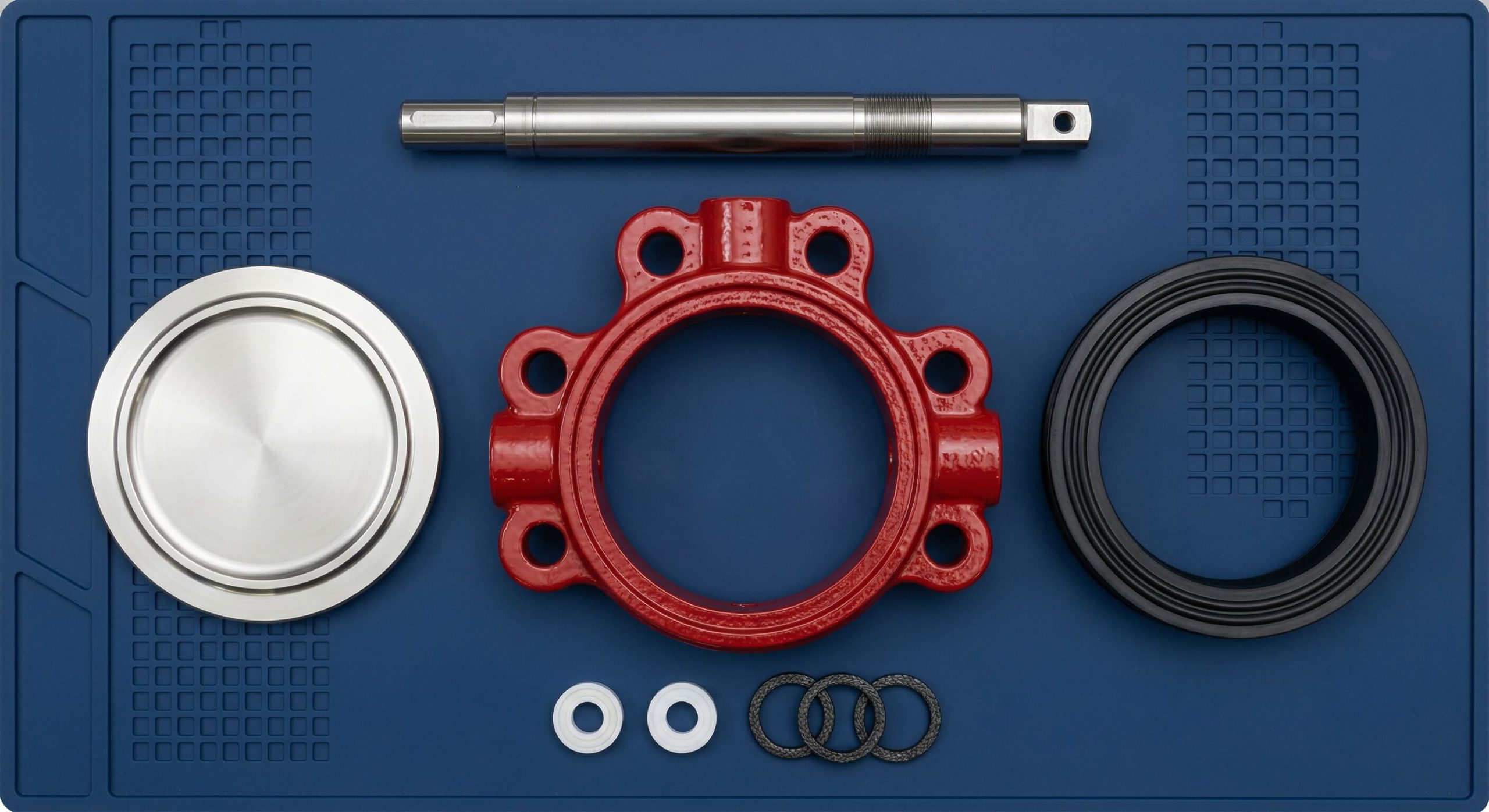
The parts of a butterfly valve consist of the body, disk, stem, seat, and actuator which work together to regulate fluid flow. Operational failures in industrial pipelines often stem from a lack of technical knowledge regarding these specific components. Think about it: a single worn-out seal or a misaligned shaft can lead to catastrophic system downtime and skyrocketing repair costs. To prevent these expensive disruptions, you must master the various parts of butterfly valve to ensure your facility maintains peak efficiency and safety standards.
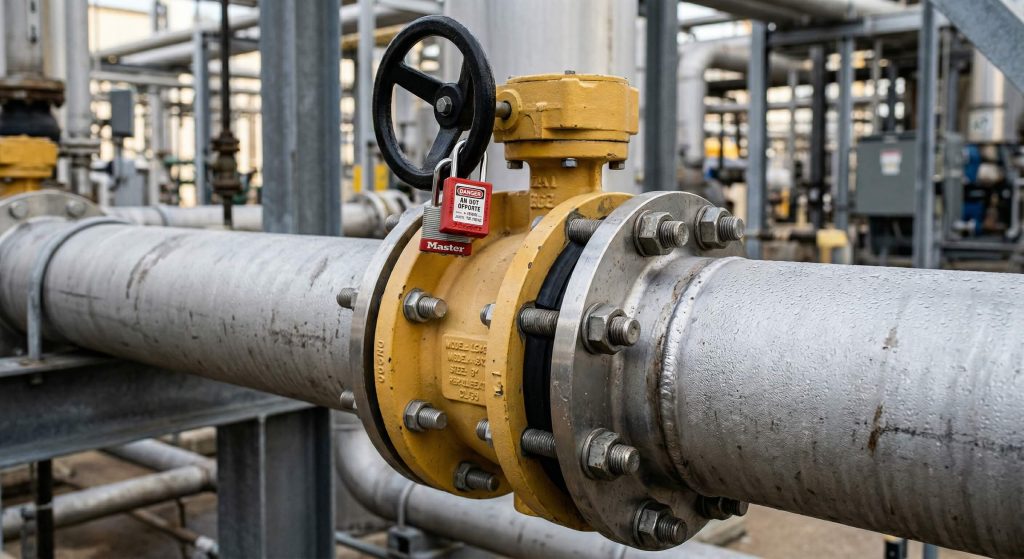
What are the main parts of butterfly valve?
The primary parts of butterfly valve are the valve body, the rotating disk, the stem shaft, and the sealing seat. These four components form the core assembly required for quarter-turn rotary motion and flow isolation.
Identifying Core Components
You will find that while designs vary, these four elements remain the foundation of every unit. Here is the deal: without a perfectly machined disk or a resilient seat, the valve cannot achieve a bubble-tight shutoff.
- Body: The outer shell that holds everything together.
- Disk: The movable part that stops the flow.
- Stem: The rod that connects the handle to the disk.
- Seat: The liner that creates the seal.
The best part? Knowing these names helps you communicate effectively with procurement teams.
Key Takeaway: The synergy between the body, disk, stem, and seat determines the valve’s pressure rating and seal integrity.
| Component | Primary Role | Service Impact |
|---|---|---|
| Body | Structural Frame | High |
| Disk | Flow Control | Critical |
| Seat | Leak Prevention | Critical |
| Stem | Torque Transfer | High |
This table outlines the essential building blocks found in any standard industrial butterfly assembly.
How does the body among parts of butterfly valve work?
The body is the main structural component among the parts of butterfly valve, acting as the pressure boundary and providing the connection points for your piping system. It houses all internal elements and ensures they remain aligned under high-pressure conditions.
Body Design Varieties
When you select a valve, the body style dictates how you will install it between your pipe flanges. Believe it or not, choosing the wrong body type can make maintenance nearly impossible without shutting down your entire line.
- Wafer Type: Slides between flanges for a compact fit.
- Lug Type: Uses threaded inserts for independent bolting.
- Flanged Type: Features integral flanges for heavy-duty use.
Think about it: the body is the “skeleton” that protects your internal investment from external stress.
Key Takeaway: Selecting the correct body style—wafer, lug, or flanged—is vital for your specific installation and maintenance requirements.
| Body Style | Connection Method | Maintenance Advantage |
|---|---|---|
| Wafer | Thru-bolts | Lightweight and low cost |
| Lug | Threaded bolts | Supports dead-end service |
| Flanged | Nut and bolt | Highest structural strength |
Understanding these body variations ensures you choose the most cost-effective and functional housing for your media.
Why is the disk vital in parts of butterfly valve?
The disk is the flow closure member in the parts of butterfly valve and is responsible for physically blocking or allowing the media to pass through the pipeline. Its movement is the “butterfly” action that gives the valve its name.
Disk Geometry and Sealing
You need to understand that the disk’s shape and its alignment with the stem change how it interacts with the seat. The best part? Modern eccentric designs reduce friction, which means your valve lasts much longer in high-cycle applications.
- Concentric Disk: The stem passes through the center.
- Double Offset: The stem is moved back and to the side.
- Triple Offset: Features a unique cam-like sealing action.
Here is the deal: the smoother the disk surface, the less torque you need to operate the valve.
Key Takeaway: The disk design—whether concentric or offset—directly affects the valve’s torque requirements and the longevity of the seat.
| Disk Type | Sealing Mechanism | Best Use Case |
|---|---|---|
| Concentric | Interference fit | Low pressure water/air |
| Double Offset | Friction reduction | Chemicals and steam |
| Triple Offset | Non-rubbing seal | Critical high-temp service |
A disk’s material and geometry are the most influential factors in the valve’s overall flow coefficient and efficiency.
What role does the stem play in parts of butterfly valve?
The stem is the shaft that transmits the mechanical torque from your actuator directly to the disk among the parts of butterfly valve. It serves as the primary link that converts your manual or automated input into flow-regulating movement.
Stem Construction and Safety
If you look closely at a high-quality valve, you will notice the stem is often designed to be “blowout-proof” for your safety. Think about it: if the stem fails under pressure, it could become a dangerous projectile if not properly secured.
- One-Piece Stem: Offers maximum strength for high-torque needs.
- Split Stem: Provides a cleaner flow path with less turbulence.
- Dry Stem: Isolated from the media to prevent corrosion.
The best part? A dry stem design allows you to use standard materials even in corrosive environments.
Key Takeaway: Stems must be robust enough to handle the “breakaway torque” required to open the valve after long periods of closure.
| Stem Design | Strength Level | Flow Efficiency |
|---|---|---|
| One-Piece | Very High | Moderate |
| Two-Piece | Moderate | High |
Selecting the right stem ensures that the force you apply is effectively translated into precise disk positioning.
Which seat is best for parts of butterfly valve?
The seat is the replaceable liner among the parts of butterfly valve that provides the seal between the disk edge and the valve body. Choosing the right material here is what prevents internal leakage in your system.
Selecting Resilient vs. Metal Seats
You must match the seat material to the temperature and chemical properties of your fluid. Here is the deal: using EPDM in a petroleum line will cause the seat to swell and fail in just hours.
- EPDM: Great for water and general utilities.
- PTFE: The gold standard for aggressive chemicals.
- Viton: Preferred for high-temperature oil and gas.
- Metal: Necessary for extreme heat and abrasive slurries.
Think about it: the seat is the most common wear part, so choose one that is easy to replace.
Key Takeaway: The chemical compatibility of your seat material is the single most important factor in preventing valve failure.
| Seat Material | Temperature Range | Media Compatibility |
|---|---|---|
| EPDM | -20°C to 120°C | Water, Glycol, Air |
| PTFE | -20°C to 200°C | Acids, Strong Chemicals |
| Metal | Up to 500°C+ | Steam, Slurries |
A correctly specified seat ensures your valve remains leak-free throughout its entire operational lifecycle.
How do actuators move parts of butterfly valve?
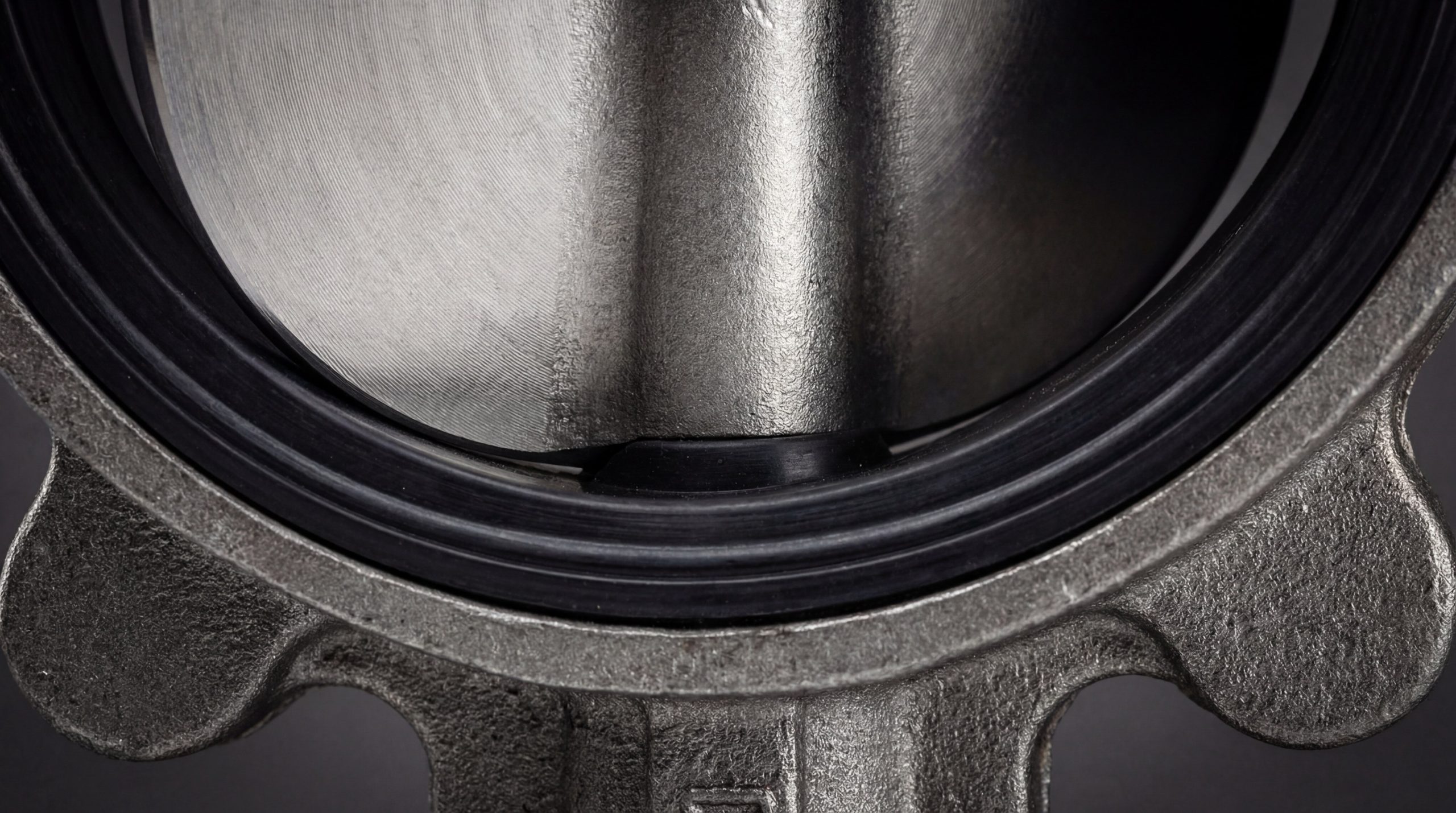
Actuators are the external parts of butterfly valve that provide the physical force needed to rotate the stem and disk. They allow you to control the valve either manually by hand or automatically through a control system.
Manual vs. Automated Control
The best part? You can easily swap a manual handle for a pneumatic actuator if your project requirements change later. Think about it: automation reduces the need for manual labor and allows for precise throttling from a remote control room.
- Lever Handle: Quick on/off for small diameter valves.
- Gearbox: Provides mechanical advantage for large valves.
- Pneumatic Actuator: Uses air pressure for rapid, reliable action.
- Electric Actuator: Ideal for precise positioning in HVAC systems.
Here is the deal: larger valves always require a gearbox to prevent “water hammer” during fast closure.
Key Takeaway: Your choice of actuator should be based on the valve size, the frequency of operation, and your site’s power availability.
| Actuator Type | Power Source | Best Application |
|---|---|---|
| Lever | Manual | DN50 – DN150 valves |
| Gearbox | Manual | Large DN200+ valves |
| Pneumatic | Compressed Air | High-cycle industrial |
Matching the actuator torque to the valve’s requirements is essential for smooth and reliable flow regulation.
What secondary parts of butterfly valve exist?
Beyond the main four components, several secondary parts of butterfly valve ensure the unit operates smoothly and stays leak-free at the stem exit. These small elements are often overlooked, yet they are vital for long-term mechanical health.
Bearings and Packing Glands
You should know that the bearings support the stem and keep the disk perfectly centered. Think about it: if your bearings wear out, the disk will tilt, causing the seat to wear unevenly and leak.
- Upper/Lower Bearings: Reduce friction during every turn.
- Packing: Prevents media from leaking out around the stem.
- Gaskets: Seal the connection between the valve and the pipe.
- Bushings: Protect the body from stem-induced wear.
The best part? High-quality PTFE bearings require zero lubrication for the life of the valve.
Key Takeaway: Secondary parts like bearings and packing are critical for preventing external leaks and maintaining disk alignment.
| Part Name | Material Type | Function |
|---|---|---|
| Bearings | PTFE / Bronze | Friction Reduction |
| Packing | Graphite / PTFE | Stem Sealing |
| Bushing | Stainless Steel | Alignment Support |
Regularly inspecting these secondary parts can extend the life of your valve by years and prevent messy external leaks.
How do body styles affect parts of butterfly valve?
The body style of the parts of butterfly valve determines how the unit is supported by the surrounding pipeline and how much stress it can handle. Your installation environment will dictate whether a wafer or lug design is the superior choice.
Installation Trade-offs
Here is the deal: a wafer valve is cheaper and lighter, but it cannot support the weight of the pipe if you remove the downstream flange. You will find that for critical maintenance areas, the extra cost of a lug body is a smart investment.
- Wafer Style: Lightest and most economical for general use.
- Lug Style: Allows you to work on one side of the pipe while the other is pressurized.
- Flanged Style: The most rugged choice for very large diameter systems.
Think about it: the body style is about more than just bolts; it is about your system’s flexibility.
Key Takeaway: Choose a lug body if you need “dead-end service” capability for future pipeline maintenance.
| Feature | Wafer | Lug |
|---|---|---|
| Installation Cost | Lowest | Moderate |
| Dead-end Service | No | Yes |
| Weight | Light | Medium |
Selecting the right body configuration at the start of a project prevents major headaches during future repairs or system upgrades.
Which materials suit parts of butterfly valve?
Selecting the right materials for the parts of butterfly valve is the difference between a valve that lasts a decade and one that fails in a month. Corrosion and erosion are your primary enemies in industrial fluid control.
Metals and Coatings
You have many options, from basic iron to exotic alloys like Monel or Duplex steel. The best part? Nylon or epoxy coatings can give a low-cost iron disk the chemical resistance of much more expensive metals.
- Ductile Iron: Strong and cost-effective for water.
- Stainless Steel: Excellent for hygiene and corrosion resistance.
- Aluminum Bronze: The preferred choice for seawater applications.
- Specialty Coatings: Protect disks from abrasive slurries.
Think about it: the disk and seat are in constant contact with the media, so they deserve the highest material priority.
Key Takeaway: Always request material test reports (MTC) to verify that your valve components meet international ASTM or EN standards.
| Component | Standard Material | Premium Option |
|---|---|---|
| Body | Ductile Iron | SS316 Stainless |
| Disk | Nylon Coated DI | Aluminum Bronze |
| Stem | SS410 Steel | Monel / Duplex |
Proper material selection ensures your components can withstand the specific chemical and thermal stresses of your process media.
How to maintain the parts of butterfly valve?
Maintaining the parts of butterfly valve involves regular inspection of the seat for wear and the stem for smooth rotation. A proactive approach is always better than reacting to a sudden flood in your plant.
Troubleshooting Common Issues
If you notice the valve is getting harder to turn, the best part is that you can often fix it with a simple cleaning. However, if you see a leak at the stem, you should tighten the packing gland immediately to stop the flow.
- Internal Leakage: Usually means the seat is torn or the disk is chipped.
- External Leakage: Indicates the stem packing or O-rings need replacement.
- Stiff Operation: Likely due to debris in the seat or corroded bearings.
Think about it: cycling the valve at least once a month prevents the disk from “freezing” into the seat.
Key Takeaway: A regular maintenance schedule focusing on the seat and stem packing will prevent 90% of common valve failures.
| Issue | Likely Part Failure | Corrective Action |
|---|---|---|
| Won’t close tight | Seat / Disk Damage | Replace seat or disk |
| Leak at handle | Stem Packing | Tighten or replace packing |
| Noisy flow | Disk Alignment | Check stem and bearings |
By following these maintenance guidelines, you ensure your industrial valves provide reliable service for their entire intended lifespan.
Problem Solved
Understanding every component name is the first step toward a leak-free facility. Our technical expertise at RUITO ensures that you receive precision-engineered valves that eliminate downtime and reduce maintenance costs. We stand behind every part we manufacture, providing the reliability that global industrial and municipal systems depend on. For expert guidance on selecting the perfect components for your project, contact us today and let our engineering team optimize your flow control system.
Frequently Asked Questions
Can I replace the seat of a butterfly valve without replacing the whole unit?
Yes, in resilient-seated valves, the seat is a replaceable liner that can be swapped if it becomes worn or damaged. However, you must remove the valve from the pipeline to perform this maintenance.
What’s the best material for a butterfly valve used in seawater applications?
Aluminum Bronze is the best material for the disk and Stainless Steel or Duplex for the stem when handling seawater. These materials provide superior resistance to salt-induced corrosion and pitting.
How do I know if I need a wafer or a lug style body?
Choose a wafer body if you want to save on cost and weight in a standard line. Select a lug body if you need to perform maintenance on one side of the pipe without draining the entire system.
How do I know if my valve stem is blowout-proof?
You should check the technical datasheet or the physical design for a shoulder or a retaining ring that prevents the stem from being ejected under pressure. Most modern industrial valves include this safety feature by default.
Can I convert a manual butterfly valve to an automated one?
Yes, most valves feature an ISO 5211 mounting pad that allows you to easily remove the manual handle and bolt on a pneumatic or electric actuator. This makes system upgrades very straightforward.