
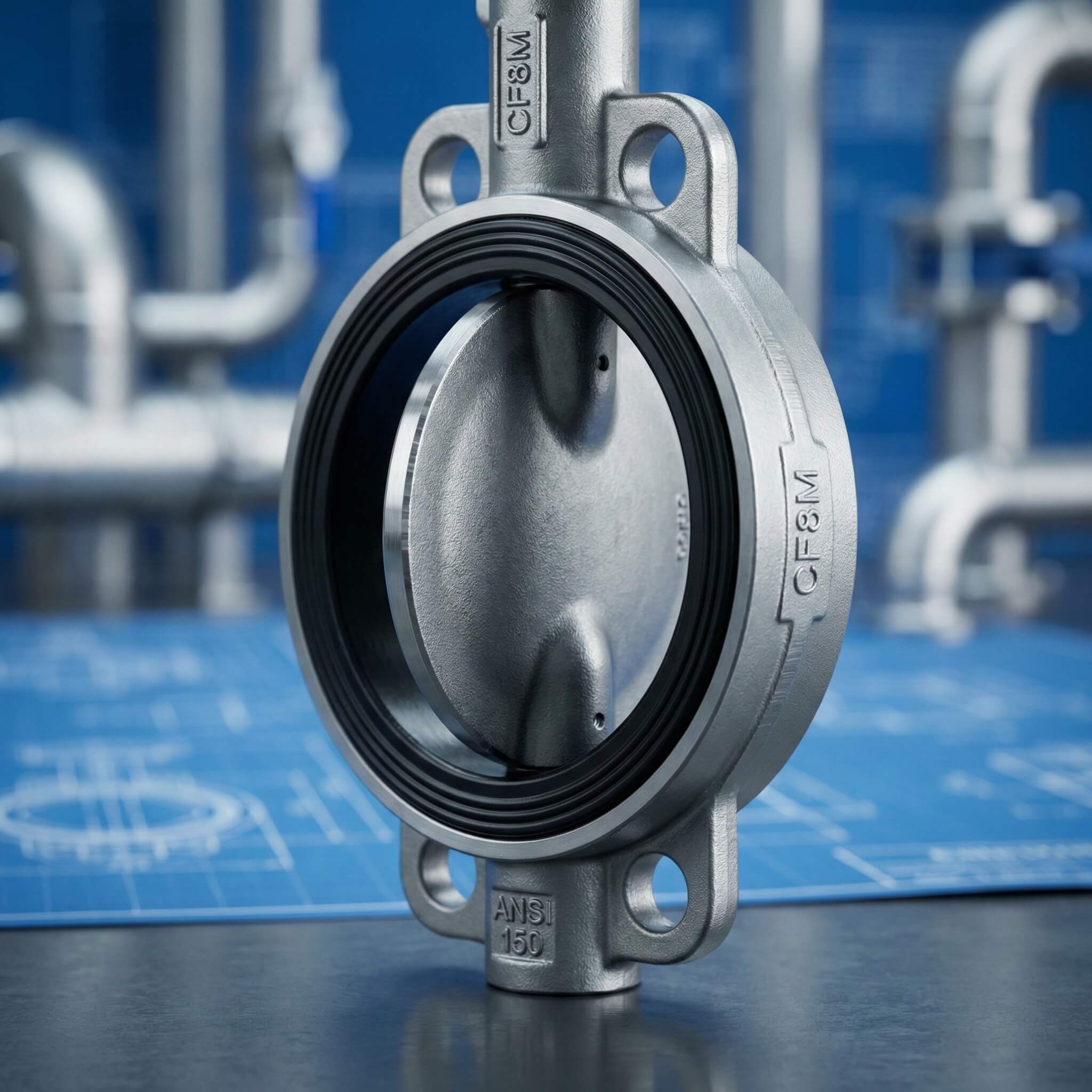
Choosing the wrong disc material often leads to catastrophic system failures, unexpected maintenance shutdowns, and skyrocketing operational costs. When a disc corrodes or deforms under pressure, it doesn’t just stop the flow—it risks the safety of your entire facility and the integrity of your media. By understanding the specific technical requirements of your application, you can select a material that ensures longevity and peak performance.
Why is Selecting the Right Butterfly Valve Disc Material Critical?
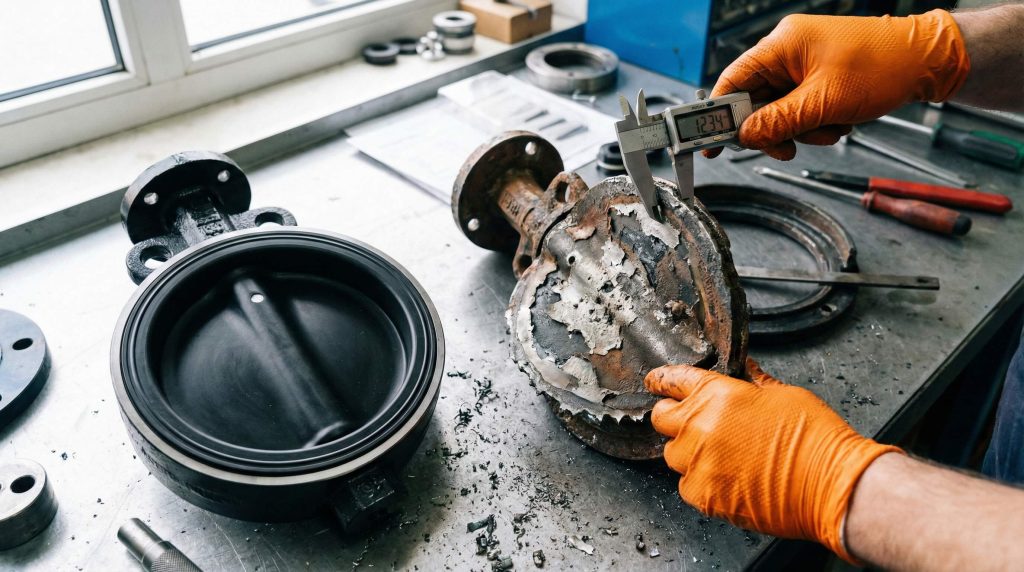
The performance of your entire piping system often hinges on your choice of butterfly valve disc material. As the “heart” of the valve, the disc remains in constant contact with the media, bearing the brunt of pressure and chemical reactions.
How Does Material Impact Service Life?
Choosing a durable butterfly valve disc material prevents thinning of the disc wall in acidic or alkaline media. This selection also resists the “sandblasting” effect of high-velocity particulates that cause erosion.
- Corrosion Resistance: Essential for chemical stability.
- Erosion Protection: Guards against abrasive wear.
- Structural Integrity: Prevents warping under high differential pressure.
Does Material Influence Torque and Actuation?
Why does this matter? Lighter materials, such as aluminum bronze, significantly reduce the torque required for opening and closing. Smoother surfaces also reduce seat wear, lowering long-term energy consumption for your automated systems.
| Metric | Importance | Primary Consideration |
|---|---|---|
| Durability | High | Media Chemistry |
| Efficiency | Medium | Surface Finish/Friction |
| Safety | Critical | Pressure/Temp Ratings |
Key Takeaway: Material selection dictates the total cost of ownership by balancing initial investment against maintenance frequency.
How Does Ductile Iron Perform as a Butterfly Valve Disc Material?
Ductile iron is widely considered the “workhorse” of the industry for general-purpose applications. When you use this butterfly valve disc material, you are opting for a robust solution that balances strength with cost-effectiveness.
Mechanical Strength and Versatility
Ductile iron offers high tensile strength, which is superior to standard cast iron. This allows you to handle higher pressure ratings and provides better resistance to “water hammer” events.
- Impact Resistance: Absorbs pressure surges effectively.
- Cost-Efficiency: Ideal for HVAC and general water systems.
- Availability: Standardized for most industrial piping needs.
What are the Limitations in Corrosive Media?
Here is the deal: raw ductile iron will rust if exposed to oxygenated water or harsh chemicals. To survive in municipal or industrial lines, this material usually requires specialized coatings like Nylon or EPDM.
| Feature | Performance | Best For |
|---|---|---|
| Corrosion Resistance | Low (uncoated) | Potable Water |
| Strength | High | HVAC Systems |
| Cost | Low | General Industry |
Key Takeaway: Ductile iron is best suited for non-corrosive, moderate-pressure systems where cost-effectiveness is your priority.
When Should You Choose Stainless Steel as Your Butterfly Valve Disc Material?
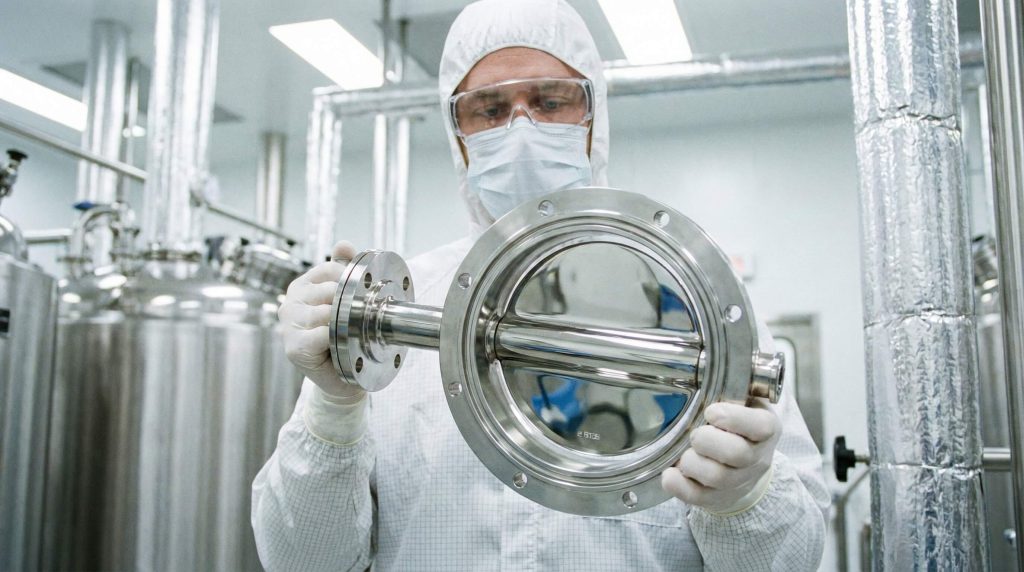
Stainless steel is the premier upgrade when your media becomes aggressive or purity is paramount. This butterfly valve disc material is standard in food processing and pharmaceutical sectors.
Comparing Grade 304 and 316
Grade 304 provides excellent corrosion resistance for mild chemicals and food products. However, Grade 316 contains Molybdenum, which offers you superior resistance to chlorides and pitting.
- SS304: Best for general food and beverage applications.
- SS316: Essential for chemical processing and wastewater.
- Hygienic Standards: Resists bacterial growth naturally.
Temperature and Pressure Resilience
Think about this: stainless steel remains capable of operating from cryogenic temperatures up to 550°C. Its high ductility ensures the disc maintains its shape under extreme stress without becoming brittle over time.
| Grade | Chloride Resistance | Relative Cost | Application |
|---|---|---|---|
| SS304 | Moderate | Medium | Food/Beverage |
| SS316 | High | High | Chemical/Waste |
Key Takeaway: Use Stainless Steel whenever your media contains mild acids or requires food-grade sanitary standards.
Is Aluminum Bronze the Best Butterfly Valve Disc Material for Marine Use?
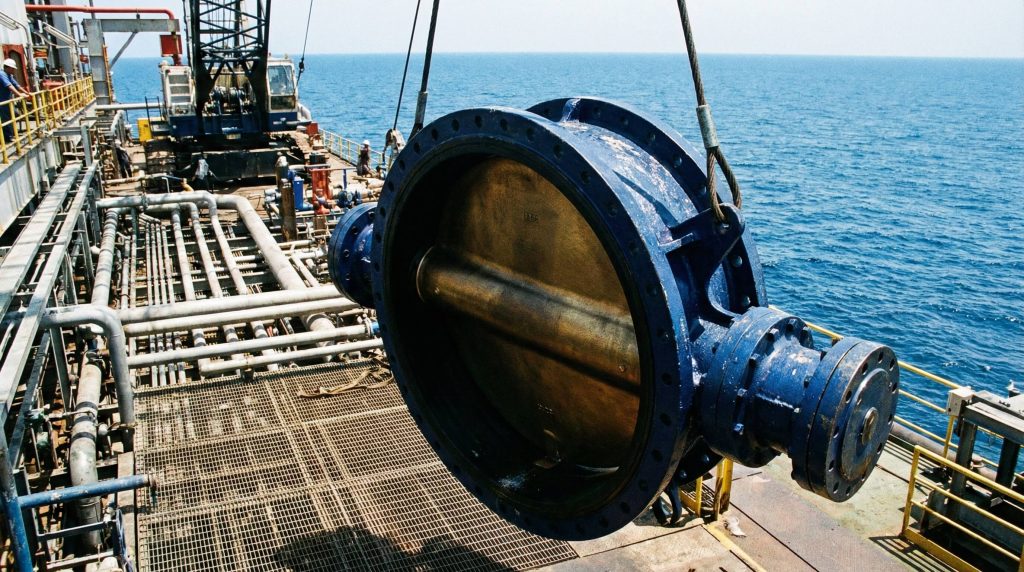
For seawater applications, few materials can compete with the unique properties of aluminum bronze. Choosing this butterfly valve disc material ensures your system resists the harsh, saline environment found offshore.
Seawater Corrosion Resistance
Aluminum bronze contains natural copper, which prevents the growth of barnacles and algae. It also forms a tough, self-healing oxide film that resists the corrosive nature of salt water and cavitation.
- Biofouling Resistance: Keeps the disc clear of marine growth.
- Oxide Layer: Protects the metal from salt-induced decay.
- High Velocity: Performs well in desalination and cooling pumps.
Why is Non-Sparking Important?
Safety is a top priority in hazardous environments where explosive gases may be present. This material is non-sparking, making it a safer choice for oil and gas applications compared to ferrous metals.
| Property | Advantage | Industrial Use |
|---|---|---|
| Saline Stability | Highest | Marine/Offshore |
| Spark Resistance | Safety | Oil & Gas |
| Weight | Balanced | Large Diameter Valves |
Key Takeaway: Aluminum Bronze is the gold standard for offshore platforms, desalination plants, and ship ballast systems.
What Advantages Does Duplex Steel Offer as a Butterfly Valve Disc Material?
When standard stainless steel fails under extreme conditions, duplex alloys provide a rugged alternative. This butterfly valve disc material offers nearly double the yield strength of austenitic steels.
Superior Strength-to-Weight Ratio
Duplex steel is virtually immune to stress corrosion cracking, a common issue in high-stress chloride environments. You can achieve higher pressure ratings without the bulk of traditional materials.
- Longevity: Reduces the need for frequent valve replacements.
- Erosion Resistance: Handles slurries and abrasive media with ease.
- Stress Resistance: Ideal for high-pressure chemical processing.
Cost-Benefit in Extreme Applications
Why does this matter? While the initial cost is higher, the extended service life in aggressive environments reduces your total maintenance spend. It handles high-chloride media significantly better than 300-series steels.
| Material | Yield Strength | Pitting Resistance | Cost |
|---|---|---|---|
| Duplex 2205 | Very High | Excellent | Premium |
| SS316 | Moderate | Good | Standard |
Key Takeaway: Opt for Duplex steel in high-pressure, high-chloride chemical environments where downtime is not an option.
Is Carbon Steel the Right Butterfly Valve Disc Material for High Pressure?
Carbon steel is the preferred choice for high-temperature and high-pressure steam or oil applications. As a butterfly valve disc material, it maintains mechanical integrity where other metals might fail.
Thermal and Structural Stability
Carbon steel offers high fracture toughness, making it suitable for ASME Class 150, 300, and 600 piping. It remains stable in high-temperature steam systems that would warp ductile iron.
- Heat Resistance: Maintains integrity up to 400°C.
- Toughness: Essential for high-pressure power generation.
- Standardization: Widely used in the petrochemical sector.
What are the Essential Protection Requirements?
Here’s the deal: carbon steel is susceptible to atmospheric corrosion. You must ensure the disc has an internal lining or an external epoxy coating to prevent rusting in humid or chemical environments.
| Factor | Rating | Note |
|---|---|---|
| Temp Range | Excellent | Up to 400°C+ |
| Pressure | High | ASME Class Rated |
| Corrosion | Poor | Requires Lining |
Key Takeaway: Best for high-pressure power generation and petrochemical applications where temperature is a primary concern.
How Do PTFE Coatings Enhance Your Butterfly Valve Disc Material?
In highly acidic environments, a butterfly valve disc material featuring a PTFE lining acts as an impenetrable shield. This coating ensures that the underlying metal never makes contact with corrosive fluids.
Total Chemical Inertness
PTFE is impervious to nearly all chemicals, including sulfuric and hydrochloric acids. This non-stick surface prevents the buildup of sticky media, which can otherwise increase your operating torque.
- Acid Resistance: pH 0-14 compatibility.
- Smooth Operation: Low friction extends valve life.
- Purity: Prevents metal contamination in ultra-pure systems.
Does Coating Reduce Friction?
Why does this matter? The lower friction coefficient between the disc and seat allows for a smoother seal. This flexible lining ensures a bubble-tight shutoff even if the disc has minor imperfections.
| Coating Type | Chemical Range | Temp Limit | Key Benefit |
|---|---|---|---|
| PTFE | pH 0-14 | 200°C | Chemical Inertness |
| EPDM | Water/Air | 120°C | Low Cost |
Key Takeaway: PTFE is essential for chemical processing and ultra-pure water systems where metal contamination is strictly prohibited.
What Criteria Determine the Best Butterfly Valve Disc Material?
Engineering a reliable system requires you to look beyond just the price tag of the butterfly valve disc material. You must match the material to the most extreme conditions your system will encounter.
Media Characterization and State
You need to identify if your fluid is acidic, basic, or neutral. Furthermore, determine if the media is a gas, liquid, or a slurry containing abrasive solids that could wear down the disc.
- Chemistry: Check for corrosive potential.
- Velocity: High speeds require harder materials.
- Purity: Food and pharma require stainless steel.
Operating Environment Factors
High-cycle valves require harder materials to prevent edge wear over thousands of operations. Additionally, high differential pressures require discs with higher mechanical stiffness to prevent fluttering and leakage.
| Criteria | Questions to Ask | Action |
|---|---|---|
| Media | Is it corrosive? | Choose Alloy/Coating |
| Velocity | Is it abrasive? | Choose High Hardness |
| Safety | Is it flammable? | Choose Non-Sparking |
Key Takeaway: Match the disc material to the most extreme conditions your system will face, not just the average operating state.
How Does Temperature Impact Butterfly Valve Disc Material Integrity?
Temperature is a silent killer of your butterfly valve disc material. Metals expand and contract at different rates, which can compromise the seal of your valve during thermal cycles.
Thermal Expansion and Sealing Issues
A disc that seals perfectly at room temperature might leak at 200°C due to material expansion. Furthermore, metals can lose their hardness at elevated temperatures, leading to rapid erosion and failure.
- Expansion: Can lead to seizing or leakage.
- Softening: Reduces the life of the sealing edge.
- Stress: Increases the risk of fatigue cracking.
What are the Cryogenic Considerations?
Standard carbon steel can shatter like glass in cryogenic services below -50°C. For these applications, you must use stainless steel or specific nickel alloys that remain ductile at ultra-low temperatures.
| Temp Range | Suitable Material | Avoid |
|---|---|---|
| Cryogenic | SS316L / Monel | Carbon Steel |
| High Heat | Carbon Steel / Hastelloy | Ductile Iron |
Key Takeaway: Always verify that your chosen disc material’s pressure rating is derated appropriately for your operating temperature.
How Can You Extend the Life of Your Butterfly Valve Disc Material?
Even the best butterfly valve disc material requires a proactive maintenance strategy to reach its full service life. Regular care prevents minor wear from turning into a system-wide failure.
Inspection and Cleaning Protocols
You should perform visual checks for pitting on the disc edge, which is a precursor to leakage. Periodically flushing your system helps remove settled solids that can grind against the disc surface.
- Visual Checks: Identify erosion early.
- Flushing: Prevents abrasive buildup.
- Cycle Tests: Ensures the disc moves freely.
Which Protective Measures are Best?
Worn seats cause the disc to over-travel, which puts unnecessary stress on the material. Ensure the valve stem and disc interface are properly lubricated to prevent binding and reduce the torque required.
| Task | Frequency | Purpose |
|---|---|---|
| Leak Test | Annual | Verify Sealing |
| Visual Inspection | Bi-Annual | Check for Erosion |
| Cycle Test | Monthly | Prevent Seizing |
Key Takeaway: Regular inspection and prompt seat replacement can double the lifespan of an expensive alloy disc.
Conclusion
Selecting the optimal butterfly valve disc material is an engineering decision that balances chemical compatibility, mechanical strength, and cost. Whether you are handling municipal water with coated ductile iron or aggressive seawater with aluminum bronze, the right choice ensures safety and efficiency. If you are unsure which material fits your specific application, contact us today for a professional consultation and a tailored solution.
FAQ
Can I use Ductile Iron discs for seawater?
No, raw ductile iron will corrode rapidly in seawater. Even with coatings, any small scratch would lead to rapid failure. Use Aluminum Bronze or Duplex Steel for marine applications.
How do I know if I need SS316 vs SS304?
If your media contains chlorides or if you are in a coastal environment, SS316 is necessary. For general food-grade water or mild indoor use, SS304 is sufficient.
Can butterfly valve disc material be customized for high-temperature steam?
Yes. For high-pressure steam, we typically recommend Carbon Steel or high-performance Stainless Steel. These are often paired with a metal-seated design to handle thermal stress.
Is a coated disc as durable as a solid alloy disc?
A coated disc is excellent for abrasion but lacks the inherent structural “safety net” of a solid alloy. If the coating is breached, the underlying metal is vulnerable to corrosion.
How does disc material impact actuator sizing?
Heavy materials or those with high surface friction increase the torque required. Selecting a lighter or smoother material can allow for a smaller, more cost-effective actuator.