
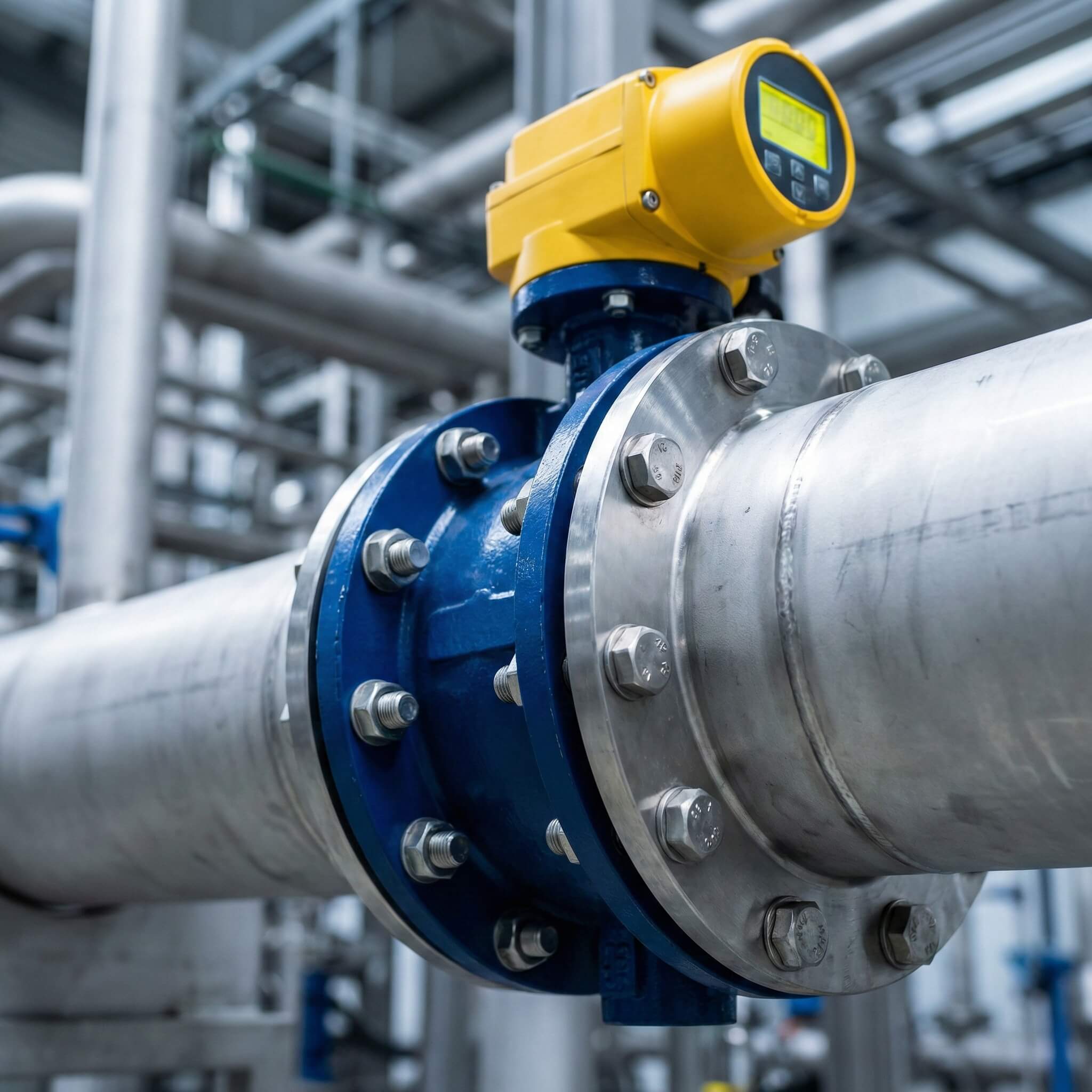
Butterfly valves offer significant advantages like lightweight construction and rapid actuation, utilizing a disk-based component system for diverse industrial applications.
Many industrial flow control systems currently struggle with bulky hardware, slow response times, and significant pressure drops that drain energy efficiency. When you use traditional gate or globe valves in large-bore pipelines, you often face astronomical installation costs, restricted maintenance access, and frequent downtime. Fortunately, modern uses of butterfly valve technology provide a streamlined, quarter-turn solution for stopping, starting, and regulating flow in any environment.
What are the primary industrial uses of butterfly valve?
The primary industrial uses of butterfly valve include water distribution, chemical processing, and HVAC systems where quick isolation is necessary. These valves are designed to handle high-volume liquid and gas flows with minimal resistance.
Think about it:
If your system requires rapid shut-off, the quarter-turn mechanism is your best friend.
Is flow regulation achievable?
You can use these valves for precise throttling by adjusting the disk between zero and 90 degrees. They are particularly effective in large-scale pipelines where other valve types would be too heavy.
Can they handle slurries?
You will find that butterfly valves excel in handling fluids with suspended solids because of their streamlined design. This makes them ideal for cooling water and fire protection systems.
- Fire protection networks
- Cooling water systems
- Large-bore liquid transport
Key Takeaway: The versatile uses of butterfly valve systems allow for both isolation and regulation in high-flow environments.
| Industry | Typical Application | Flow Media |
|---|---|---|
| Water Treatment | Pump Stations | Potable/Raw Water |
| HVAC | Chillers/Boilers | Water/Glycol |
| Process Industry | Chemical Transfer | Acids/Slurries |
Industrial versatility is the hallmark of this technology across global sectors.
How do components affect the performance and uses of butterfly valve?
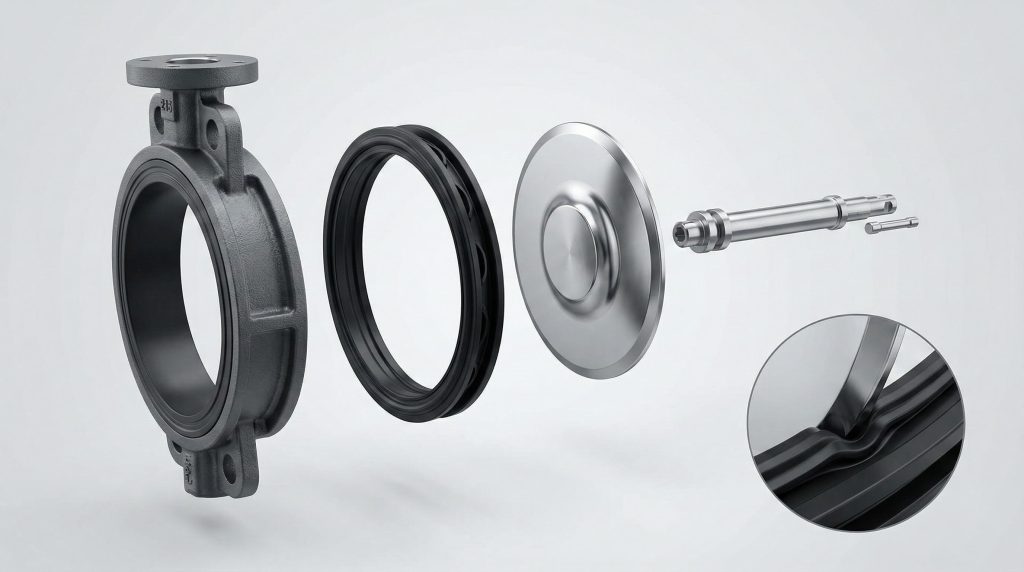
Component engineering dictates the uses of butterfly valve by determining the pressure limits and chemical compatibility of the entire assembly. Every part, from the disk to the seat, must work in harmony to ensure a bubble-tight seal.
But here is the kicker:
The materials you choose for the internal components will decide if your valve lasts one year or ten.
What is the role of the disk?
The disk acts as the primary flow obstruction, rotating to allow or block the media. You should choose an aerodynamic disk design to reduce turbulence and pressure drop during operation.
Why does the seat matter?
The interference fit between the disk edge and the resilient seat provides the necessary seal. You can select different seat materials to handle extreme temperatures or corrosive chemicals.
- Ductile Iron bodies for strength
- Stainless Steel disks for corrosion resistance
- EPDM seats for water applications
Key Takeaway: Material selection for components directly dictates the temperature and pressure limits for specific uses of butterfly valve units.
| Component | Material Options | Role in Performance |
|---|---|---|
| Body | Ductile Iron/WCB | Structural Integrity |
| Disk | SS316/Al-Bronze | Flow Regulation |
| Seat | EPDM/PTFE/Viton | Sealing Efficiency |
Precision component matching ensures long-term operational success in harsh conditions.
Why are cost-saving advantages central to uses of butterfly valve?
Cost-saving advantages drive the uses of butterfly valve because these units require significantly less raw material than gate or globe alternatives. Their lighter weight translates directly into lower shipping and installation expenses.
Believe it or not:
A butterfly valve can be up to 70% lighter than a gate valve of the same size.
Are installation costs lower?
You will save on labor costs because these valves are easier to handle and install in the field. They require fewer structural supports, which simplifies your entire piping layout.
How does actuation affect cost?
Lower operating torque requirements mean you can use smaller, less expensive pneumatic or electric actuators. This reduces your initial capital expenditure on automation.
- Lower shipping costs
- Reduced structural supports
- Cheaper automation options
Key Takeaway: The economic uses of butterfly valve designs make them the preferred choice for budget-conscious large-bore projects.
| Feature | Butterfly Valve | Gate Valve | Cost Impact |
|---|---|---|---|
| Weight | Light | Heavy | Lower Support Costs |
| Installation | Fast | Slow | Reduced Labor |
| Actuator Size | Small | Large | Lower Capex |
Economic efficiency remains a primary driver for adopting butterfly technology in modern plants.
Does space efficiency influence the uses of butterfly valve?
Space efficiency expands the uses of butterfly valve in tight industrial layouts where traditional valves simply cannot fit. Their compact face-to-face dimensions allow for high-density piping configurations.
Think about it:
In a cramped mechanical room, every centimeter of space saved is a victory for your maintenance team.
How narrow are these valves?
You can install these valves in narrow galleries because their body thickness is much smaller than the pipe diameter. This wafer-style design is a game-changer for modern plant architecture.
Is weight a factor for elevated pipes?
You will notice that the lightweight nature of these valves reduces the stress on elevated piping systems. This allows you to use lighter pipe hangers and minimizes the risk of structural failure.
- Wafer-style thin profiles
- Reduced vertical load
- Simplified gallery layouts
Key Takeaway: Compact geometry is one of the most significant advantages for the uses of butterfly valve technology in modern plant designs.
| Size (DN) | Butterfly Length (mm) | Gate Valve Length (mm) | Space Saved |
|---|---|---|---|
| DN100 | ~52mm | ~229mm | ~77% |
| DN300 | ~78mm | ~356mm | ~78% |
Space optimization allows for more complex and efficient system designs in smaller footprints.
What are the design types for specialized uses of butterfly valve?
Specialized uses of butterfly valve are made possible through concentric, double eccentric, and triple eccentric designs that handle various pressures. Each design offers a different level of sealing performance and durability.
The real secret is:
Matching the eccentricity of the valve to your specific pressure requirements is vital.
What is a concentric design?
You typically use concentric or resilient-seated valves for low-pressure water and HVAC applications. The disk rotates around a center axis, making it a cost-effective choice for general services.
When should you use triple offset?
You need a triple eccentric design for zero-leakage performance in high-temperature steam or oil and gas. These metal-to-metal seats provide incredible durability under extreme conditions.
- Concentric for water
- Double offset for chemicals
- Triple offset for steam
Key Takeaway: Selecting the correct offset design is vital for the specialized uses of butterfly valve hardware in critical infrastructure.
| Design Type | Seat Type | Pressure Rating | Primary Use |
|---|---|---|---|
| Concentric | Soft (EPDM) | PN10 – PN16 | Water/HVAC |
| Double Off. | Soft/High-Perf | Up to PN25 | Process/Chemical |
| Triple Off. | Metal Seat | Up to PN40 | Steam/Oil & Gas |
Design specialization ensures that even the most demanding industrial environments remain safely controlled.
Do seat materials determine environmental uses of butterfly valve?
Seat material selection defines the environmental uses of butterfly valve by ensuring the seal can withstand specific temperatures and corrosive media. Choosing the wrong material can lead to premature seal failure and system leaks.
But here is the kicker:
A simple seat upgrade can turn a standard water valve into a chemical-resistant powerhouse.
Are elastomeric seats better?
You will find that EPDM and NBR are excellent for water and oil-based applications respectively. These materials provide a flexible, tight seal that is perfect for low-to-medium temperature ranges.
What about corrosive chemicals?
You should opt for PTFE or Viton seats when dealing with acids or high-temperature solvents. These polymers offer superior chemical resistance and maintain their integrity in harsh environments.
- EPDM for potable water
- NBR for fuel and oil
- PTFE for corrosive acids
Key Takeaway: Compatibility between the media and seat material is the foundation for the reliable uses of butterfly valve assets.
| Material | Temp Range | Media Suitability |
|---|---|---|
| EPDM | -20°C to +120°C | Water, Glycol, Air |
| NBR | -10°C to +80°C | Oils, Fuels |
| PTFE | -20°C to +200°C | Acids, Solvents |
Proper material science application prevents environmental contamination and extends the valve’s service life.
Why is maintenance critical for long-term uses of butterfly valve?
Consistent maintenance ensures the long-term uses of butterfly valve by preventing seal degradation and ensuring the disk moves freely. Because these valves have fewer moving parts, maintenance is generally straightforward.
Think about it:
An ounce of prevention is worth a pound of cure when it comes to industrial downtime.
Is part replacement easy?
You can replace the seat and seals in the field without needing specialized heavy machinery. This simplicity reduces the time your system is offline during scheduled maintenance outages.
What should you monitor?
You should regularly inspect the disk for erosion and the seat for any signs of tearing or deformation. Keeping the stem lubricated will also ensure that your actuator doesn’t have to work overtime.
- Annual seat inspections
- Bi-annual stem lubrication
- Quarterly actuator checks
Key Takeaway: Minimal moving parts facilitate the simplified uses of butterfly valve maintenance protocols.
| Component | Action | Frequency |
|---|---|---|
| Seat | Inspect for wear/tears | Annually |
| Stem | Lubricate (if required) | Bi-annually |
| Actuator | Check stroke alignment | Quarterly |
Proactive maintenance schedules significantly reduce the total cost of ownership over the valve’s life.
How do they compare to gate valves for uses of butterfly valve?
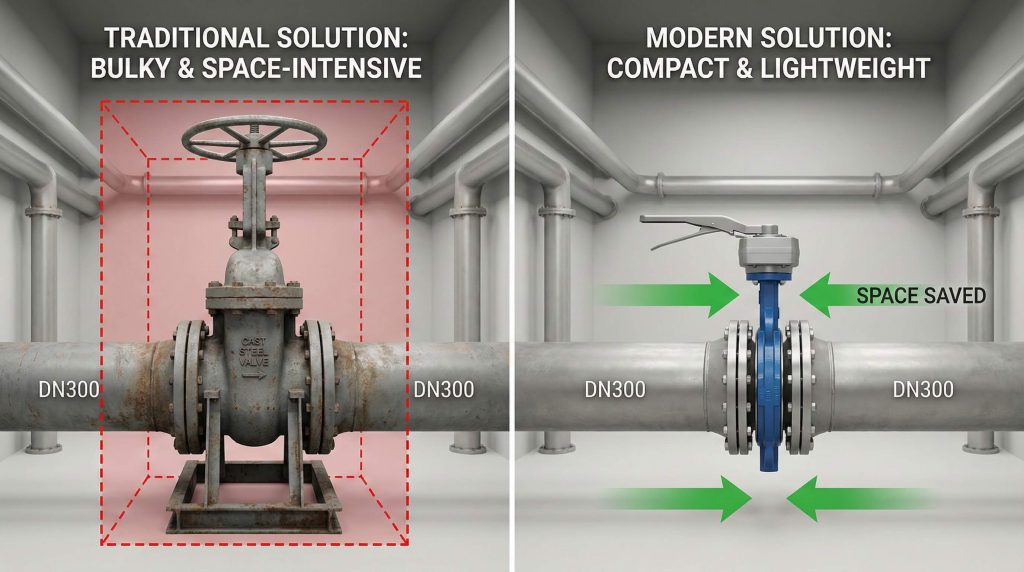
Comparing these to gate valves highlights why the uses of butterfly valve are preferred for rapid actuation and reduced weight. While gate valves offer a clear flow path, they are often too slow and bulky for modern needs.
But here is the kicker:
A gate valve requires multiple turns to open, whereas a butterfly valve needs only one quick flick.
Which is faster to operate?
You will experience much faster response times with a butterfly valve’s quarter-turn mechanism. This speed is critical in emergency shut-off scenarios where every second counts.
Is the flow path different?
You should be aware that the disk remains in the flow path even when fully open. While this creates a slight pressure drop, the throttling capability far outweighs this minor drawback in most applications.
- Quarter-turn vs. multi-turn
- Compact vs. bulky
- Throttling vs. on/off only
Key Takeaway: While gate valves offer a clear flow path, the operational advantages often favor the uses of butterfly valve solutions.
| Feature | Butterfly Valve | Gate Valve | Winner |
|---|---|---|---|
| Opening Speed | Fast (Quarter-turn) | Slow (Multi-turn) | Butterfly |
| Space Needed | Minimal | Significant | Butterfly |
| Flow Path | Obstruction (Disk) | Clear (Open) | Gate |
The operational efficiency of the quarter-turn design makes it the superior choice for automated systems.
What are the specific water treatment uses of butterfly valve?
Water treatment uses of butterfly valve focus on high-volume filtration, desalination, and municipal distribution systems requiring hygiene compliance. These valves must meet strict standards like ISO 9001 and WRAS.
Believe it or not:
Some of the largest butterfly valves in the world manage the drinking water for entire cities.
Is desalination a challenge?
You can use materials like Duplex Steel and Aluminum Bronze to resist the corrosive effects of salt water. These specialized alloys ensure that desalination plants run smoothly for decades.
How is potable water handled?
You must ensure your valves use food-grade EPDM seats to maintain the purity of drinking water. These valves are designed to prevent contamination while providing reliable flow control.
- Desalination brine handling
- Municipal water filtration
- Potable water distribution
Key Takeaway: The scalability and material diversity support the critical uses of butterfly valve units in global water security.
| Application | Media | Required Certification |
|---|---|---|
| Desalination | Brine/Sea Water | DNV / ABS Marine |
| Filtration | Raw Water | ISO 9001 |
| Distribution | Potable Water | WRAS / ACS |
Ensuring water quality through certified valve technology is a cornerstone of modern public infrastructure.
Can automation improve the industrial uses of butterfly valve?

High-performance automation enhances the uses of butterfly valve by allowing remote monitoring and precision flow modulation via SCADA systems. Automation eliminates the need for manual intervention in dangerous or remote locations.
Think about it:
Why send a technician into a remote field when you can toggle a valve from your phone?
What are the benefits of pneumatic actuation?
You will get extremely fast cycling speeds when you pair a butterfly valve with a pneumatic actuator. This is ideal for high-cycle applications like manufacturing lines or automated treatment plants.
Is fail-safe operation possible?
You can install spring-return actuators that automatically close the valve if power or air pressure is lost. This fail-safe feature protects your equipment and personnel from accidental overflows.
- Remote SCADA integration
- Spring-return safety
- Precise modulation control
Key Takeaway: Automation maximizes the efficiency and safety of industrial uses of butterfly valve installations.
| Actuator Type | Speed | Best For |
|---|---|---|
| Pneumatic | Very Fast | High-cycle apps |
| Electric | Precise | Remote/Solar power |
| Manual Gear | Slow | Large Bore / Low Frequency |
Integrating smart automation turns a simple mechanical valve into an intelligent component of a modern plant.
FAQ
- Can I use a butterfly valve for high-pressure steam?
Yes, but you must specifically utilize a triple-offset design with a metal seat to handle the extreme temperatures and ensure a tight seal. - What’s the best way to choose between Wafer and Lug bodies?
Choose the Wafer style for general cost savings if the valve is sandwiched between flanges, but use the Lug style if you need to disconnect downstream piping while the valve remains in place. - How do I prevent disk flutter in my system?
Avoid installing an oversized valve and try not to operate it in the nearly-closed position, specifically between 5 and 15 degrees of opening. - Are butterfly valves suitable for throttling?
Yes, they are excellent for throttling applications, particularly when operated within the 30 to 70-degree range where flow control is most linear. - How do I install a butterfly valve correctly?
While they work in many positions, you should ideally install them with the stem horizontal to prevent sediment from building up in the bottom bearing.
Conclusion
Butterfly valves represent a pinnacle of efficient valve design, balancing weight, cost, and performance across diverse industrial sectors. By understanding the specific requirements of your media and pressure environment, you can optimize your system’s reliability and lifespan. Our mission is to provide precision-engineered flow control that empowers your operations to reach new levels of efficiency. If you are ready to upgrade your infrastructure with high-performance hardware, contact us today for a consultation.