
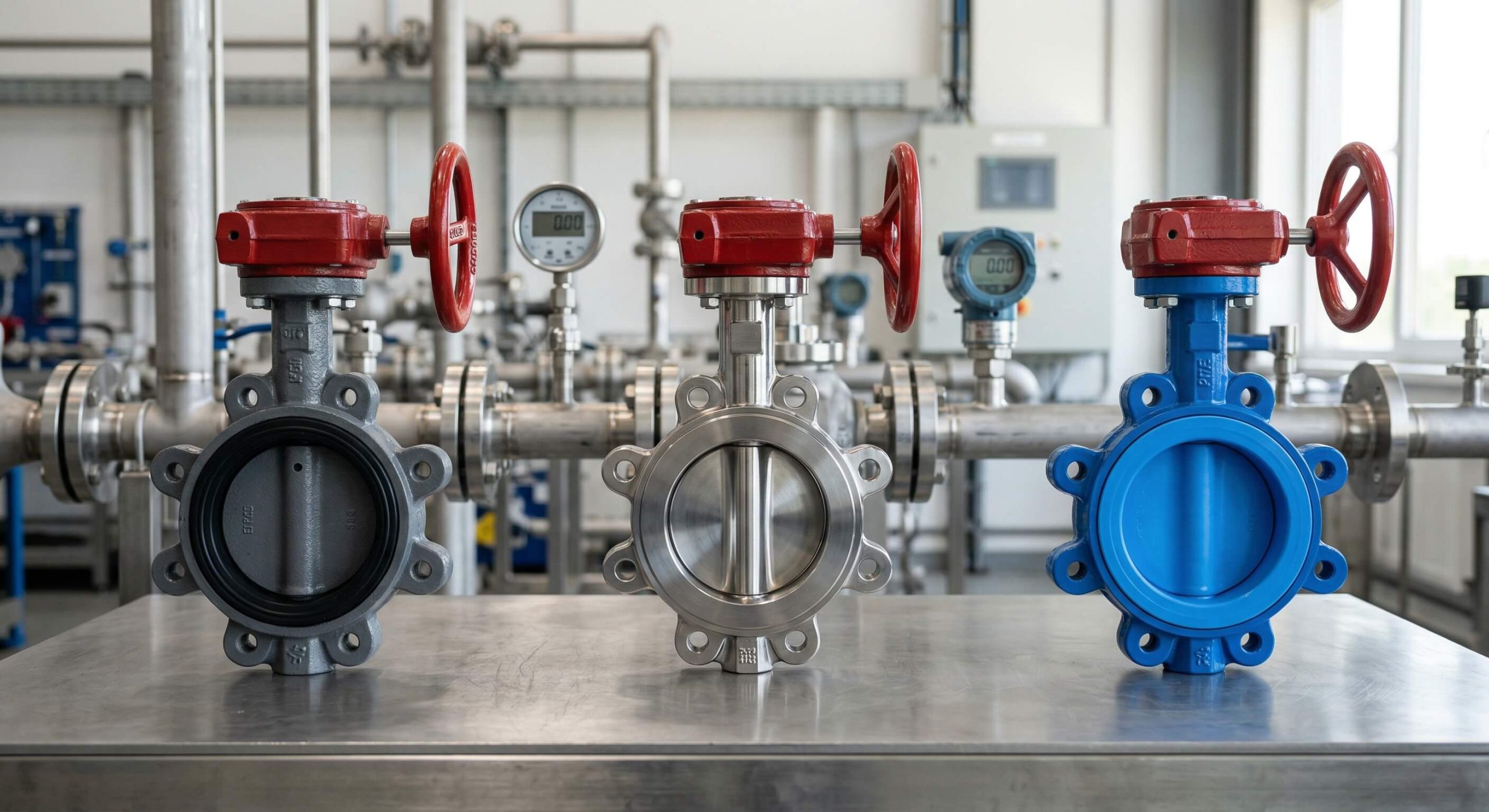
Choosing the correct disc material requires analyzing precise fluid types against specific alloy capabilities. Plant managers often experience sudden leaks due poorly matched alloys. Ruined batches cost thousands. We offer a proper method evaluating every butterfly valve material.
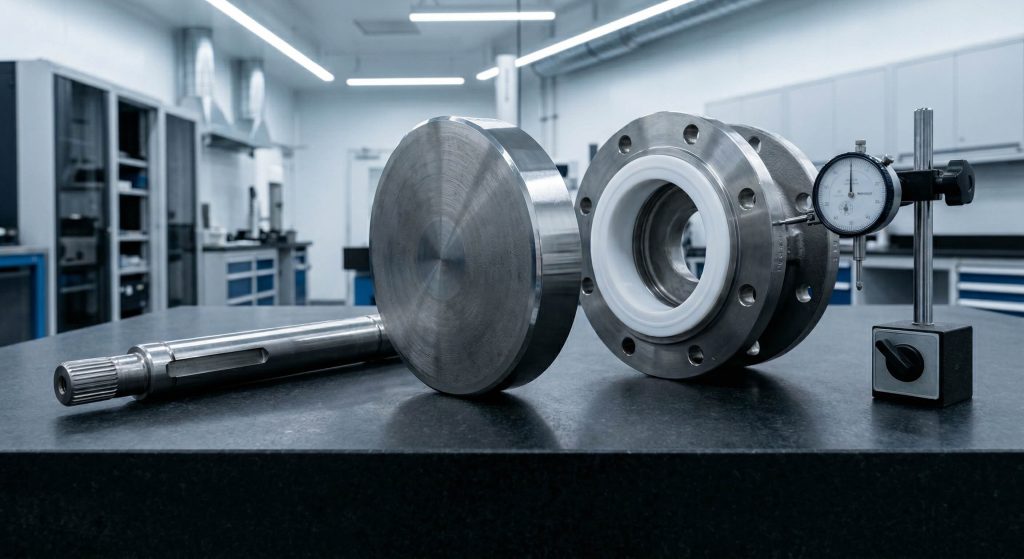
What is the best butterfly valve material for you?
Stainless steel ranks highest among choices because of superior durability. Your specific environment determines exactly which butterfly valve material works perfectly. Operators require reliable components enduring rigorous daily use. Evaluating chemical compatibility remains an absolute priority. Engineers design robust pipelines avoiding weak structural elements actively. Selecting proper alloys prevents catastrophic mechanical failures happening unexpectedly.
Which industrial options stand out?
Here is the catch: many metals fail under stress. Iron provides heavy-duty strength while bronze prevents marine degradation. Modern facilities demand highly specialized alloys handling complex flow requirements. Finding perfect matches requires analyzing exact fluid properties meticulously.
- Cast iron handles standard water applications.
- Duplex steel resists severe chloride pitting.
- Teflon coatings protect against harsh acids.
Finding application-specific choices
Matching your exact media prevents premature wear. You must consider flow velocity alongside fluid composition. High-speed flows erode soft polymers causing severe internal damage. Thicker discs withstand aggressive hydraulic forces during continuous operation.
Can structural integrity dictate choices?
Heavy media requires incredibly strong metallic seating surfaces. Weak discs bend easily causing dangerous downstream contamination issues.
Key Takeaway: Correctly identifying environmental demands guarantees proper component selection.
| Feature | Cast Iron | Stainless Steel |
|---|---|---|
| Durability | Medium | High |
| Cost | Low | High |
This data proves stainless steel provides unmatched longevity despite higher initial costs.
How does temperature affect butterfly valve material?
Extreme heat warps polymers rapidly. Choosing a resilient butterfly valve material prevents thermal degradation completely. You must account for maximum operational heat levels. System integrity relies on stable metallurgical properties. Fluctuating temperatures expand metallic parts causing severe mechanical binding. Proper clearance calculations prevent functional lockups during extreme heating.
Handling high-heat resistance needs
You might be wondering: what withstands steam? Metallic seats handle temperatures exceeding 400 degrees Celsius efficiently. Refineries utilize specialized alloys operating perfectly under intense thermal stress. Replacing standard seals prevents dangerous operational blowouts effectively.
- Graphite seals perform beautifully under intense heat.
- Inconel alloys maintain structural integrity easily.
- Standard rubber melts instantly during severe spikes.
What about cryogenic performance limits?
Sub-zero operations demand specialized alloys preventing brittle fractures. Engineers specify austenitic stainless steels during liquid nitrogen handling. Cold environments freeze standard elastomers causing immediate cracking. Specialized cryogenic extensions keep actuators functioning smoothly despite freezing conditions.
Managing rapid thermal fluctuations
Sudden temperature changes cause severe thermal shock damage. Flexible graphite liners absorb rapid expansion forces perfectly.
Key Takeaway: Thermal extremes require specialized alloys preventing catastrophic mechanical failures.
| Rating | PTFE | Inconel |
|---|---|---|
| Max Temp | 200 C | 1000 C |
| Min Temp | -20 C | -200 C |
Reviewing these limits shows Inconel outperforming standard plastics across broad thermal spectrums.
Which butterfly valve material resists corrosion?
Hastelloy provides ultimate protection against aggressive corrosive attacks. Selecting an appropriate butterfly valve material stops dangerous chemical leaks. Industrial plants face constant threats from acidic degradation. Using correct resistant alloys saves massive replacement expenses. Chemical engineers evaluate microscopic pitting risks preventing slow unseen leaks. Protecting personnel requires specifying highly unreactive internal pipeline surfaces.
Dealing with harsh chemicals
Look at this: acids destroy regular steel quickly. Chemical processors demand robust non-reactive surfaces. Utilizing specialized polymers prevents internal walls dissolving unexpectedly. Proper material selection prevents toxic spills ruining local environments.
- Titanium survives highly concentrated chlorine environments.
- PVC works well for low-pressure acidic flows.
- Alloy 20 stops sulfuric acid damage.
Beating marine environment challenges
Saltwater eats unprotected metal rapidly. Bronze components offer excellent natural resistance against oceanic pitting. Offshore platforms utilize specialized alloys surviving constant saline exposure. Preventing rust buildup keeps critical safety valves operating flawlessly.
Can galvanic corrosion ruin systems?
Mixing dissimilar metals causes severe electrical degradation underwater. Isolating flanges completely stops destructive ionic transfers.
Key Takeaway: Deploying highly specialized alloys neutralizes aggressive corrosive threats effectively.
| Alloy | Chemical Defense | Saltwater Defense |
|---|---|---|
| Bronze | Poor | Excellent |
| Titanium | Excellent | Excellent |
These figures demonstrate titanium offering superior universal defense against varied corrosive media.
Why does pressure dictate butterfly valve material?
High force requires immense structural tensile strength. Choosing a weak butterfly valve material causes dangerous system blowouts. You must calculate peak operational loads accurately. Engineers prioritize safety margins above all other metrics. Pressurized gas lines require exceptionally rigid internal barrier mechanisms. Selecting thicker metal profiles stops structural bending under extreme loads.
Managing high-pressure lines
Let me explain: thin discs bend under strain. Heavy-duty cast carbon steel resists immense physical deformation. Industrial pumping stations generate massive hydraulic forces continually. Reinforced internal structures handle these intense physical loads easily.
- Thickened discs handle sudden pressure surges.
- Reinforced stems prevent torsional snapping.
- Metal seats hold tight against massive force.
Vacuum system requirements
Negative pressure systems demand perfect sealing surfaces preventing air ingress. Elastomer liners create flawless barriers maintaining absolute vacuum conditions. Any microscopic scratch ruins negative pressure containment instantly. Highly polished surfaces guarantee perfectly tight elastomeric seal engagements.
Dealing with sudden pressure spikes
Water hammer effects destroy brittle cast components immediately. Forged steel bodies absorb massive sudden hydraulic impacts perfectly.
Key Takeaway: Matching component strength against maximum system pressure guarantees operational safety.
| Component | Standard Load | Heavy Load |
|---|---|---|
| Disc Thickness | Normal | Reinforced |
| Seat Type | Soft | Metal |
Analyzing structural choices reveals metal seating excelling during extreme pressurized operations.
Can butterfly valve material impact wear resistance?
Abrasive media destroys soft polymers almost immediately. A hardened butterfly valve material withstands constant scraping forces easily. Slurry lines carry sharp particles causing severe internal damage. Installing wear-resistant coatings extends component life significantly. Mining operations depend upon incredibly tough internal pipe components. Choosing correct hardening treatments prevents sudden catastrophic mechanical washouts.
Handling abrasive media
Think about it: sand acts like sandpaper inside pipes. Stellite overlays protect critical sealing edges perfectly. Mineral processing plants require extraordinarily tough internal flow controls. Specifying correct hardened alloys keeps abrasive slurries flowing safely.
- Ceramic linings deflect sharp particulate strikes.
- Hardened steel resists continuous friction wear.
- Polyurethane absorbs impact energy from solid rocks.
Extending operational lifespan
Routine replacements drain maintenance budgets rapidly. Investing in durable surfaces reduces long-term operational downtime. Factory managers demand components surviving continuous heavy industrial usage. Superior materials provide years of reliable service despite harsh conditions.
Are specialized coatings worth investing?
Applying tungsten carbide drastically improves surface hardness ratings. These premium treatments prevent expensive emergency shutdown events.
Key Takeaway: Hardened surfaces prevent premature degradation caused by abrasive flowing media.
| Coating | Abrasion Defense | Flexibility |
|---|---|---|
| Ceramic | High | Low |
| Polyurethane | Medium | High |
Evaluating surface options highlights ceramic linings providing ultimate defense against abrasive particles.
Is cost a factor for butterfly valve material?
Budgetary limits often dictate initial component selections. However, a cheap butterfly valve material causes expensive future failures. You need balancing upfront expenses against long-term reliability. Smart engineers calculate total lifecycle costs accurately. Procurement departments frequently underestimate hidden maintenance expenses severely. Spending slightly more initially saves vast sums regarding future repairs.
Balancing budget and performance
Truth be told: premium alloys demand higher initial investments. Standard ductile iron provides excellent value for benign applications. Municipal water facilities utilize affordable iron components extensively. Analyzing exact environmental needs prevents overspending on unnecessary exotic metals.
- Ductile iron suits low-budget municipal projects.
- Super duplex commands premium market prices.
- Standard EPDM seats offer economical sealing.
Long-term value considerations
Frequent maintenance costs exceed initial purchase savings quickly. Durable alloys pay dividends through decades of uninterrupted service. Industrial plant managers understand true value requires extreme reliability. High-quality parts prevent devastating production line halts effectively.
Can cheap parts cause bankruptcy?
Unexpected plant shutdowns destroy annual corporate profit margins. Investing wisely prevents catastrophic financial losses happening randomly.
Key Takeaway: Analyzing total lifecycle expenses reveals premium alloys offering better long-term financial value.
| Material Class | Initial Expense | Lifespan |
|---|---|---|
| Basic Iron | Low | Short |
| Exotic Alloy | High | Very Long |
This comparison confirms investing upfront yields substantial savings regarding future replacement costs.
How do standards guide your butterfly valve material?
Regulatory bodies dictate specific composition limits rigidly. Complying with industry regulations ensures your butterfly valve material meets legal requirements. You risk massive fines ignoring established safety protocols. Engineers verify certifications before authorizing any installation. International commerce requires strictly standardized manufacturing procedures globally. Government inspectors demand verifiable proof confirming safe component chemistry.
Meeting compliance regulations
Here is what matters: safety codes prevent catastrophic accidents. API standards govern petrochemical component manufacturing strictly. Oil refineries face intense scrutiny regarding equipment integrity. Certified parts guarantee safe operations protecting workers effectively.
- API 609 dictates dimensional design parameters.
- ASME codes govern pressure vessel integrity.
- ISO certifications ensure global manufacturing consistency.
Food grade material requirements
Sanitary processes require non-toxic FDA-approved components. Polished stainless surfaces prevent harmful bacterial accumulation effectively. Dairy plants sanitize pipes using highly aggressive cleaning chemicals. Properly certified alloys withstand these caustic washdowns perfectly.
Does international certification matter?
Exporting machinery requires adhering towards strict foreign regulations. Utilizing globally recognized standards simplifies international business transactions.
Key Takeaway: Strict adherence regarding industrial standards prevents legal liabilities while ensuring public safety.
| Standard | Industry Focus | Key Requirement |
|---|---|---|
| API 609 | Oil & Gas | Fire Safety |
| FDA | Food & Beverage | Non-Toxic |
Following appropriate guidelines guarantees your chosen components pass all mandatory facility inspections.
What role does fluid play in butterfly valve material?
Fluid viscosity and chemical makeup dictate alloy compatibility directly. Choosing an incompatible butterfly valve material guarantees rapid mechanical failure. Media properties change drastically under varying flow conditions. You must analyze specific gravity carefully. Thick sludges require totally different internal shapes than thin gases. Analyzing physical fluid dynamics ensures optimal system performance.
Liquid versus gas applications
Make no mistake: gases leak easier than liquids. Bubble-tight sealing demands specialized resilient elastomeric liners. Compressed air systems lose massive efficiency through microscopic scratches. Perfectly smooth rubber seats trap volatile gases safely.
- Natural gas requires zero-leakage nitrile rubber.
- Water flows smoothly past standard iron discs.
- Steam needs hardened metallic seating surfaces.
Viscous fluid handling
Thick syrups create massive drag against internal mechanisms. Smooth polished discs reduce friction helping heavy media flow freely. Sugar processing plants demand non-stick internal piping surfaces. Teflon coatings stop sticky substances adhering onto critical parts.
Controlling high-velocity flows
Fast-moving liquids erode internal surfaces through severe cavitation. Designing proper disc aerodynamics minimizes destructive fluid turbulence.
Key Takeaway: Understanding specific media characteristics allows engineers designing highly efficient flow control systems.
| Media Type | Recommended Seat | Leakage Tolerance |
|---|---|---|
| Gas | Soft Rubber | Zero |
| Heavy Slurry | Metal | Low |
Matching media profiles against seating choices prevents costly operational leaks happening unexpectedly.
Are there eco-friendly butterfly valve material types?
Recyclable metals reduce overall industrial carbon footprints. Manufacturers increasingly prioritize sustainable butterfly valve material sourcing. Green initiatives demand environmentally conscious manufacturing practices. You can build reliable systems using responsibly sourced alloys. Modern industrial consumers demand ethical production supply chains. Utilizing recycled steel lessens negative global environmental impacts.
Sustainable manufacturing trends
Keep this in mind: modern factories minimize hazardous waste. Electric arc furnaces produce steel using less fossil fuel. Forward-thinking companies install highly efficient electric melting equipment. These upgrades drastically lower dangerous atmospheric factory emissions.
- Scrap metal forms new durable industrial components.
- Water-based coatings replace toxic chemical paints.
- Energy-efficient machining lowers total carbon emissions.
Recyclability and environmental impact
End-of-life disposal matters greatly for green certifications. Stainless steel components offer complete recyclability after operational retirement. Scrapyards effortlessly melt old parts forming brand new alloys. This infinite lifecycle preserves scarce natural earthly resources.
Can green choices improve efficiency?
Lighter composite plastics require less energy moving fluids. Reduced weight lowers overall system pumping costs significantly.
Key Takeaway: Selecting highly recyclable metals supports global environmental sustainability goals effectively.
| Metal | Recyclability | Mining Impact |
|---|---|---|
| Steel | 100% | High |
| Brass | 100% | Medium |
Reviewing sustainability metrics shows standard metals providing excellent long-term recycling potential.
How to maintain your chosen butterfly valve material?
Regular cleaning prevents harmful debris buildup completely. Maintaining a correct butterfly valve material extends operational longevity drastically. Neglected components suffer from accelerated mechanical degradation. You should establish strict scheduled maintenance routines. Preventative care identifies minor issues before catastrophic failures occur. Trained technicians spot microscopic stress fractures during routine checks.
Routine inspection protocols
The bottom line: catching wear early saves money. Technicians use ultrasonic testers measuring internal wall thickness. Digital tracking software manages complex facility maintenance schedules. Proper documentation prevents accidental skipped equipment inspections.
- Visual checks identify external rust spots instantly.
- Acoustic sensors detect hidden internal fluid leaks.
- Torque testing ensures actuators function smoothly.
Preventing premature failure
Applying proper lubrication keeps moving parts functioning perfectly. Replacing worn seals immediately prevents catastrophic sudden line bursts. Proactive replacement schedules guarantee zero unexpected factory downtime. Well-maintained equipment operates safely past anticipated lifespans.
Upgrading older system components
Retrofitting modern alloys improves legacy machinery performance instantly. Swapping obsolete iron parts boosts overall factory safety.
Key Takeaway: Implementing rigorous preventative care protocols guarantees maximum lifespan from installed components.
| Action | Frequency | Primary Benefit |
|---|---|---|
| Visual Check | Monthly | Spots Leaks |
| Seal Replace | Annually | Prevents Blowouts |
Adhering closely towards scheduled maintenance schedules maximizes your overall industrial component investment.
Summary and Next Steps
Choosing correct industrial components determines plant success directly. We deliver superior engineering solutions preventing costly downtime. Finding an exact alloy match guarantees smooth operations. Reach out and contact us today for expert engineering guidance. We build lasting partnerships prioritizing reliable fluid control.
FAQ
Q1: Can I use standard iron for acidic fluids?
No, regular iron corrodes rapidly. You must select highly resistant alloys protecting against chemical degradation.
Q2: What’s the best option handling extreme heat?
Inconel provides unmatched thermal stability. Metallic seats outlast standard rubber components during severe temperature spikes.
Q3: How do I know if my seal failed?
Acoustic sensors detect hidden internal leaks easily. Visual inspections also reveal external fluid drips quickly.
Q4: Does disc thickness affect overall flow rates?
Yes, thicker profiles create slight flow resistance. Engineers calculate these minor pressure drops precisely.
Q5: Can I repair a damaged ceramic coating?
No, damaged ceramic requires complete component replacement. Small cracks spread quickly causing total protective failure.