
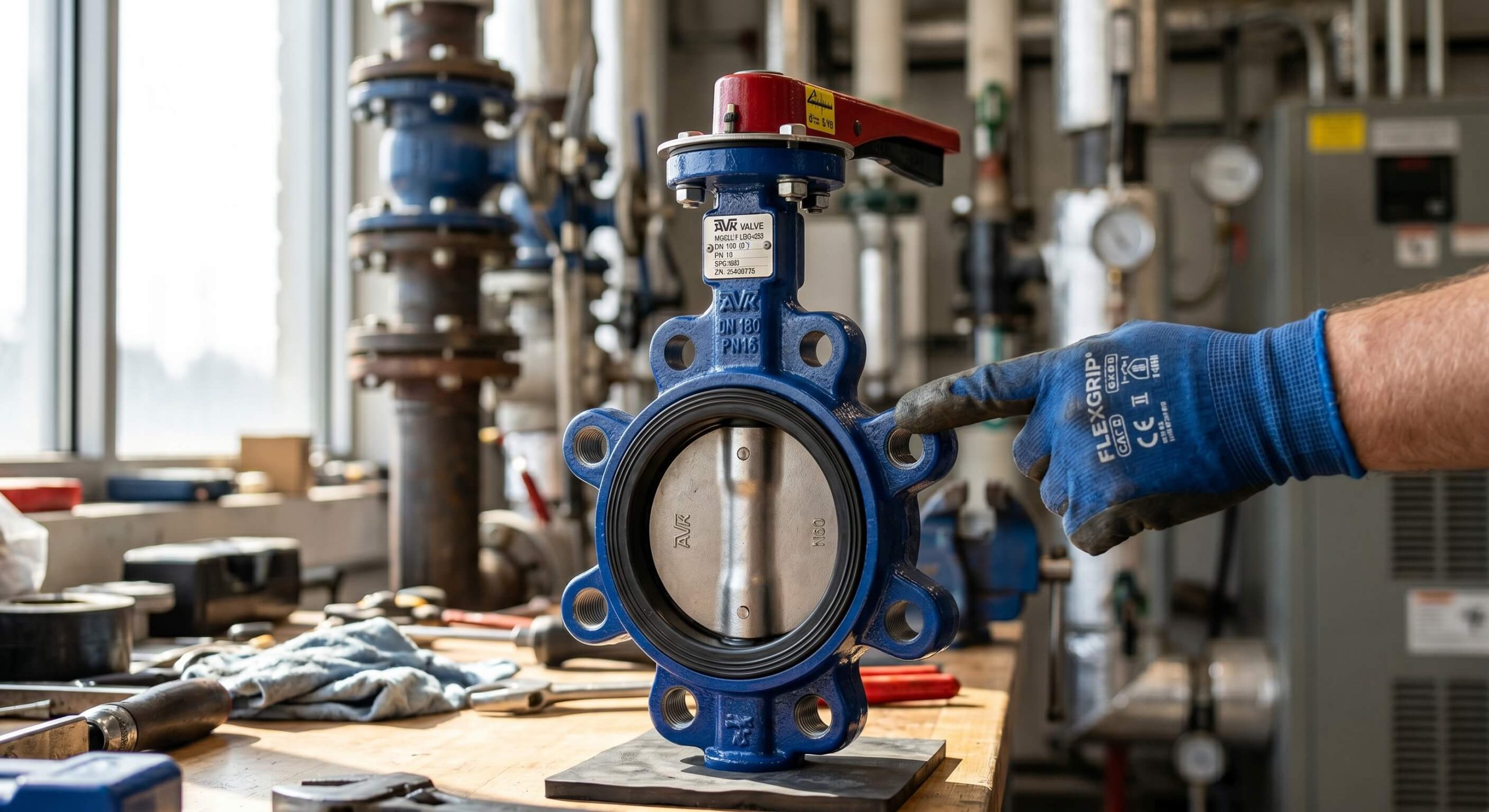
Semi lug and fully lugged valves differ mainly by their mounting bolt hole designs. Pipe leaks cause major headaches for facility managers everywhere. Wasted fluids mean lost money, ruined equipment, and dangerous working conditions. Here lies an easy fix for your piping problems. Implementing a reliable semi lug butterfly valve stops leaks effectively. We know you need dependable flow control solutions.
What Exactly Is a Semi Lug Butterfly Valve?
A semi lug butterfly valve is a quarter-turn isolation device having only partially threaded mounting holes. These specific valves fit perfectly between two pipe flanges. Engineers frequently specify them for lighter duty applications. Their design uses fewer materials than fully lugged alternatives.
How Does This Valve Body Function?
You might be wondering, how does this component actually perform under pressure? Fluid flows past a central disc when turned parallel with your pipeline. Turning that disc perpendicular stops all medium movement instantly.
- Four partially threaded lugs align with pipe flanges.
- Bolts secure everything tightly together.
- Elastomer seats prevent internal leakage.
Where Are These Valves Typically Found?
Here’s the deal: many industries rely on these specific flow control mechanisms daily. Water treatment plants utilize them heavily for basic isolation tasks. HVAC systems also employ these components for managing chilled water circulation.
Key Takeaway: You save initial purchasing costs while gaining reliable isolation capabilities when utilizing this specific valve type.
| Feature | Semi Lug Design | Fully Lugged Design |
|---|---|---|
| Mounting Holes | Partially threaded | Fully threaded |
| Application | Mid-pipe isolation | Dead-end service |
| Material Usage | Lower | Higher |
Data shown above highlights primary structural variances between both valve configurations.
How Does a Fully Lugged Valve Compare to a Semi Lug Butterfly Valve?
A fully lugged unit contains fully threaded holes, unlike a semi lug butterfly valve. You can bolt a fully lugged body directly onto one pipe end safely. This capability allows downstream piping removal without depressurizing your entire upstream system. Such functionality proves invaluable during emergency maintenance situations.
Can I Use Both Types Interchangeably?
The short answer is no, you cannot always swap these components freely. High-pressure environments demand secure connections that only fully threaded lugs provide.
- Fully threaded designs resist pipeline tension better.
- Partially threaded units cost less initially.
- Dead-end service requires full lug configurations.
Which Option Provides Better Longevity?
Consider this fact: durability depends entirely upon proper application matching. Heavy-duty industrial processes destroy lightweight components rapidly. You must evaluate system requirements carefully before purchasing any flow control devices.
Key Takeaway: Choosing correct lug styles ensures worker safety and prevents catastrophic pipeline failures during routine maintenance.
| Characteristic | Fully Threaded Lugs | Partial Lugs |
|---|---|---|
| Maintenance Safety | High | Low |
| System Depressurization | Not required | Required |
| Initial Cost | Higher | Lower |
Evaluating these safety parameters helps engineers make informed procurement decisions.
What Are the Structural Differences of a Semi Lug Butterfly Valve?
A semi lug butterfly valve utilizes fewer threaded inserts than its heavy-duty counterpart. Manufacturers place only two or four mounting loops on these lighter bodies. Fully lugged units feature threaded inserts completely surrounding their perimeter. This complete circle provides maximum structural integrity against internal pressures.
Why Do Manufacturers Offer Both Designs?
Truth be told, material costs drive many engineering decisions today. Producing heavy-duty components requires more cast iron or stainless steel.
- Lighter bodies reduce shipping expenses significantly.
- Installation takes less physical effort.
- Manufacturing uses fewer raw materials.
Does Weight Impact Performance?
Let’s look closer at how mass affects daily operations. Heavier units withstand greater mechanical stress from misaligned piping. Lighter models operate perfectly fine within properly supported, low-pressure networks.
Key Takeaway: Understanding physical differences allows you to optimize project budgets without sacrificing system safety.
| Structural Element | Light Duty Model | Heavy Duty Model |
|---|---|---|
| Insert Count | 4 (typical) | 8 or more |
| Perimeter | Partially covered | Fully surrounded |
| Overall Mass | Lower | Considerably higher |
Weight variations directly correlate with maximum allowable working pressures across different fluid networks.
When Should You Install a Semi Lug Butterfly Valve in Your Pipeline?
Install a semi lug butterfly valve when your project requires basic mid-line isolation. These units perform exceptionally well in low-pressure water distribution networks. HVAC contractors often choose them for managing cooling tower return lines. Avoid using them anywhere near pipeline terminations or dead-ends.
What Industries Benefit Most?
You might find this surprising: agriculture relies heavily on these affordable components. Irrigation systems operate at lower pressures, making lightweight valves perfectly suitable.
- Commercial plumbing networks use them frequently.
- Aquaculture facilities prefer their cost-effectiveness.
- Light manufacturing plants install them routinely.
Are They Good for Corrosive Fluids?
Think about this: chemical resistance depends on seat materials, not lug styles. You can order these bodies lined with PTFE for aggressive chemicals. Always verify elastomer compatibility before installation.
Key Takeaway: Strategic placement inside low-pressure applications maximizes your return on investment while ensuring reliable operation.
| Industry | Typical Application | Suitability |
|---|---|---|
| Agriculture | Irrigation control | Excellent |
| Chemical | Aggressive media | Requires PTFE |
| Power | High-pressure steam | Poor |
Matching valve specifications against industry demands prevents premature equipment failure.
Why Avoid a Semi Lug Butterfly Valve in High-Pressure Systems?
High-pressure environments easily overwhelm a semi lug butterfly valve due to insufficient mounting points. Intense fluid force pushing against a closed disc creates massive mechanical stress. Partially threaded bodies lack sufficient flange connection strength for extreme conditions. Catastrophic blowouts occur if engineers misapply lightweight components here.
How Much Pressure Can They Handle?
Here’s the kicker: most standard models only handle up to 150 PSI. Exceeding rated limitations risks sudden mechanical failure.
- Always check manufacturer specifications.
- Consider surge pressures during pump startups.
- Verify temperature impacts on pressure ratings.
What Happens During a Failure?
We have all seen what happens when high-pressure lines rupture unexpectedly. Fluids spray everywhere, endangering personnel and halting production lines entirely. Your facility faces massive cleanup bills plus expensive downtime.
Key Takeaway: Never compromise safety by installing lightweight components within highly pressurized industrial environments.
| Pressure Rating | Suitable Valve Type | Risk Level |
|---|---|---|
| < 150 PSI | Light Duty | Low |
| 150 – 300 PSI | Heavy Duty | Medium |
| > 300 PSI | High Performance | High |
Selecting appropriate pressure classes guarantees long-term operational stability.
How Do Installations Differ for a Semi Lug Butterfly Valve?
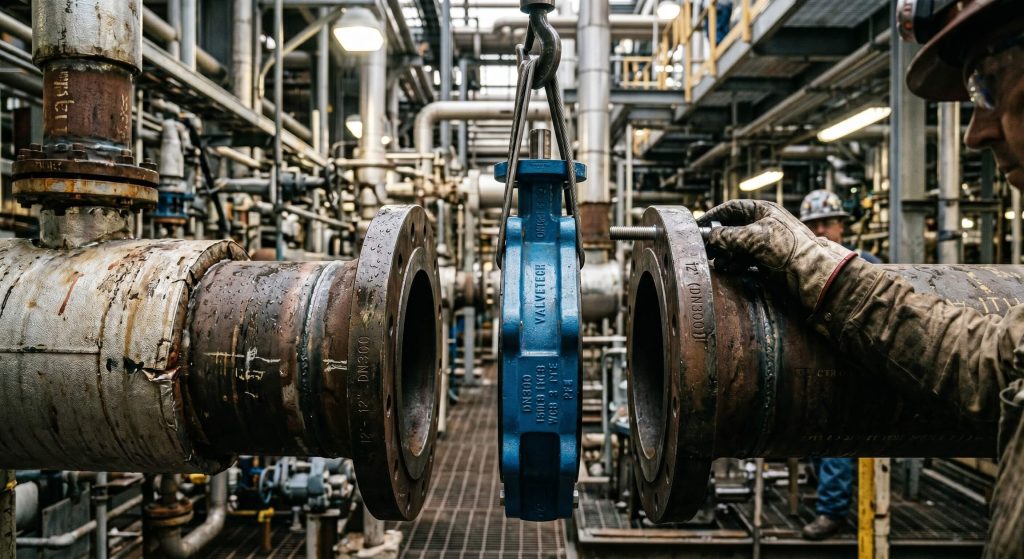
Installing a semi lug butterfly valve requires aligning flanges perfectly before tightening bolts. You must secure both upstream and downstream pipes simultaneously. Fully lugged units permit bolting one side completely before attaching opposing pipes. This sequential assembly capability simplifies complex piping installations considerably.
What Tools Do You Need?
Let me explain: basic hand tools suffice for most standard installations. Technicians simply need appropriately sized wrenches and torque multipliers.
- Torque wrenches ensure even pressure distribution.
- Flange spreaders help align tricky connections.
- Lifting straps support heavier metal bodies.
Can One Person Complete the Job?
Believe it or not, smaller sizes allow solo installations easily. Larger diameters definitely require multiple technicians for safe handling. Proper lifting equipment prevents workplace injuries during heavy lifting phases.
Key Takeaway: Proper installation techniques extend equipment lifespan significantly and prevent annoying perimeter leaks.
| Installation Step | Partial Lug Method | Full Lug Method |
|---|---|---|
| Flange Alignment | Simultaneous | Sequential |
| Labor Required | Sometimes higher | Generally lower |
| Bolting Process | Slower | Faster |
Adhering to correct installation procedures minimizes future maintenance headaches.
What Are the Cost Impacts of Choosing a Semi Lug Butterfly Valve?
Purchasing a semi lug butterfly valve saves companies considerable money upfront compared to heavy-duty alternatives. Manufacturing these units consumes significantly less raw material overall. Reduced weight also lowers shipping fees for large bulk orders. However, improper application might cause expensive system failures later.
Are Long-Term Costs Higher?
This is where things get interesting: maintenance expenses often dictate true lifecycle costs. Replacing failed lightweight components frequently negates any initial purchasing savings.
- Frequent replacements increase labor expenditures.
- Unexpected downtime costs factories thousands hourly.
- Stocking multiple replacement parts ties up capital.
How Do You Maximize Value?
The secret is simple: match your component precisely against system demands. Over-engineering wastes money, while under-engineering guarantees premature failures. Consult experienced flow control specialists before making final procurement decisions.
Key Takeaway: Smart procurement strategies balance initial purchase prices against expected long-term operational costs.
| Cost Factor | Lightweight Model | Heavyweight Model |
|---|---|---|
| Initial Purchase | Lower | Higher |
| Shipping Fees | Lower | Higher |
| Repair Frequency | Potentially high | Generally low |
Lifecycle cost analysis reveals true economic impacts beyond simple purchase prices.
How Does Maintenance Compare for a Semi Lug Butterfly Valve?
Servicing a semi lug butterfly valve demands complete system depressurization before any removal begins. You cannot safely unbolt one side while upstream pressure remains active. Fully lugged designs securely hold upstream pressure while technicians remove downstream piping. This major difference impacts plant downtime during routine maintenance schedules.
How Often Should You Inspect Them?
As a rule of thumb, perform visual inspections quarterly on all flow control devices. Look closely for minor weeping around flange connections.
- Check elastomer seats for obvious wear.
- Verify actuator operation remains smooth.
- Tighten loose bolts periodically.
Can You Replace Seats In-Line?
Sadly, no. You must completely remove these specific valves for seat replacement procedures. This requirement extends total maintenance duration considerably. Consider carrying pre-assembled spare units for faster changeouts.
Key Takeaway: Factoring maintenance downtime into your component selection process prevents unpleasant surprises during plant shutdowns.
| Maintenance Task | Partial Lugs | Full Lugs |
|---|---|---|
| Line Depressurization | Mandatory | Optional |
| Downstream Removal | Unsafe | Safe |
| Seat Replacement | Off-line only | Off-line only |
Careful maintenance planning reduces unexpected production interruptions.
Can a Semi Lug Butterfly Valve Be Used Safely for Dead-End Service?
Never use a semi lug butterfly valve for dead-end service applications. Lacking fully threaded mounting holes compromises its ability to hold pressure from just one side. The unit will literally blow off your pipe end under pressure. Always specify fully lugged bodies for any terminal pipeline locations.
What Constitutes Dead-End Service?
Simply put, dead-end service means operating with downstream piping completely removed. Facilities do this frequently during equipment cleanouts or expansions.
- Tank isolation valves experience this condition.
- Pump discharge lines often terminate temporarily.
- Maintenance bleeds require terminal isolation capabilities.
Are There Workarounds?
Don’t risk it. Attempting temporary fixes using blanking flanges behind lightweight bodies remains incredibly dangerous. Invest correctly upfront instead of risking catastrophic accidents later. Safety must remain every facility manager’s top priority.
Key Takeaway: Strict adherence to dead-end service limitations protects your workforce from severe fluid injection injuries.
| Application Type | Approved Valve Design | Risk of Blowout |
|---|---|---|
| Mid-Line Isolation | Both Types | Very Low |
| Terminal End | Full Lugs Only | Low |
| Terminal End | Partial Lugs | Extremely High |
Following strict application guidelines ensures maximum facility safety at all times.
How to Choose Between a Fully Lugged and Semi Lug Butterfly Valve?
Choosing your ideal semi lug butterfly valve requires evaluating maximum system pressures accurately. Review your planned maintenance procedures regarding downstream pipe removal needs. Assess your available budget while considering long-term reliability requirements. A thorough engineering review prevents costly misapplications.
What Information Do Suppliers Need?
Keep this in mind: accurate data guarantees receiving correct equipment. Provide suppliers with complete operating parameters.
- Specify exact fluid media types.
- List maximum operating temperatures.
- Detail expected flow velocities.
Should You Upgrade to Fully Lugged?
If you have any doubts, upgrading offers cheap insurance against future problems. The slight price increase provides significant peace of mind. Robust components handle unexpected system surges much better than lighter alternatives.
Key Takeaway: Partnering with knowledgeable suppliers simplifies complex valve selection processes immensely.
| Decision Factor | Choose Light Duty | Choose Heavy Duty |
|---|---|---|
| Budget Constraints | Yes | No |
| Dead End Required | No | Yes |
| System Pressure | Low | High |
Proper component selection directly influences your entire operation’s overall efficiency.
Conclusion
We resolved your confusion regarding various valve lug designs today. We supply high-quality industrial components designed specifically for your demanding applications. Please contact us today for expert sizing assistance. Ruito Flow remains committed to delivering exceptional fluid control solutions globally.
FAQ
Q1: Can I use a lightweight body for high-pressure applications?
No. Lightweight bodies lack sufficient structural strength. High pressures easily warp or break partially threaded mounting holes, causing severe leaks.
Q2: What’s the best way to install these flow control devices?
Simultaneous flange alignment works best. You must secure both upstream and downstream pipes concurrently for proper seating.
Q3: How do I know if dead-end service is required?
Check your maintenance schedule. If technicians must remove downstream piping while keeping upstream lines pressurized, you require dead-end capabilities.
Q4: Can I repair elastomeric seats while in operation?
No. Complete removal remains mandatory for seat repairs. Both flange connections must be unbolted fully before accessing internal components.
Q5: What’s the best material for corrosive chemical environments?
PTFE lining offers superior protection. Standard elastomeric seats degrade rapidly when exposed to aggressive industrial chemicals.