
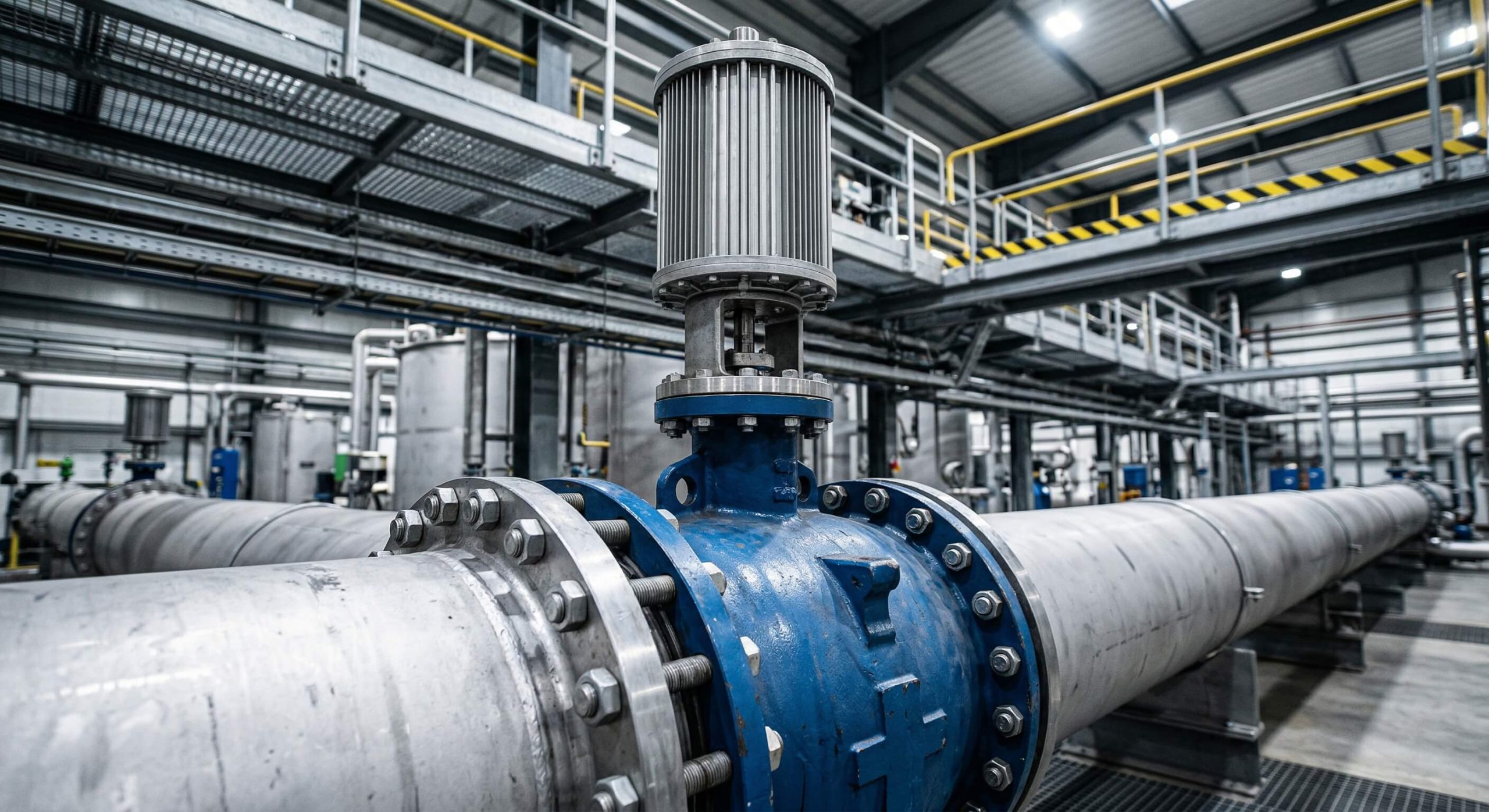
A bidirectional butterfly valve acts as an industrial quarter-turn mechanism built for sealing fluid flow from both sides. Picture a high-pressure piping system where unexpected backflow causes catastrophic pipe failure. Unidirectional units simply cannot withstand pressure from the opposite direction. Upgrading to a dual-direction model solves this exact issue permanently. You get reliable sealing regardless of which way the media travels.
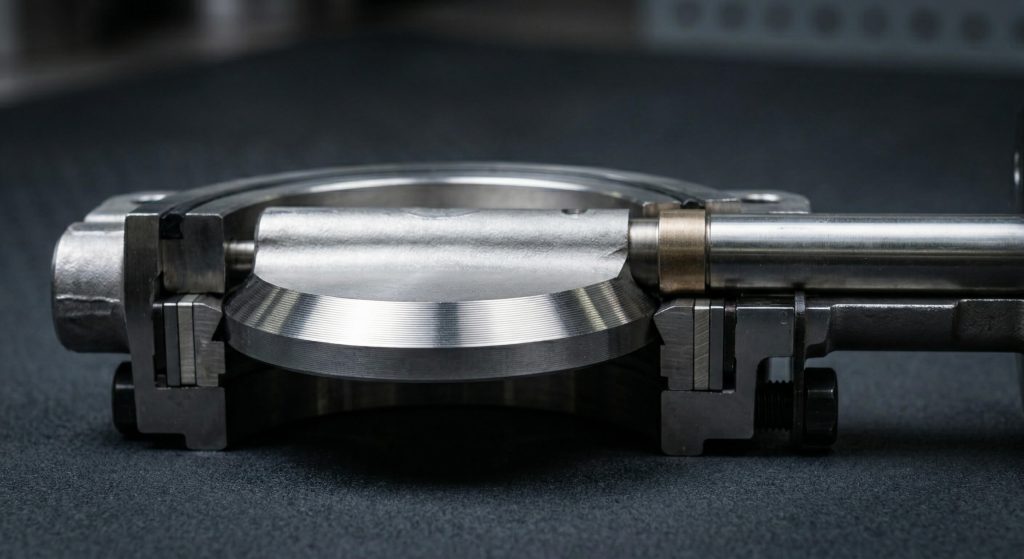
What is a bidirectional butterfly valve?
A bidirectional butterfly valve is a robust quarter-turn flow controller designed for sealing media in two directions. Equipment damage happens frequently when unexpected reverse flow hits standard unidirectional mechanisms. Those standard units fail completely under reverse pressure loads. A bidirectional butterfly valve solves this issue by maintaining a tight shutoff regardless of media orientation.
Core Design Features
Here’s the kicker: standard units handle stress from just one side. Our versatile two-way design manages complex industrial piping networks easily.
- Double offset or triple offset geometry.
- Resilient or metal seat configurations.
- Symmetrical disc profile for balanced operation.
How does it manage fluid?
Operating this mechanism takes minimal torque while delivering maximum reliability. Operators like you gain peace of mind knowing the line remains secure.
Key Takeaway: Using a dual-direction model protects your entire piping network from sudden backflow events.
| Feature | Description | Plant Benefit |
|---|---|---|
| Flow Control | Two-way fluid isolation | Operating flexibility |
| Seating | Bubble-tight physical shutoff | Prevents costly leaks |
This table outlines primary attributes making two-way isolation highly effective for industrial plants.
How does a bidirectional butterfly valve work?
A bidirectional butterfly valve works by rotating a central disc 90 degrees to block or allow fluid movement. Turning the handle or actuator aligns the disc parallel with the flow path for open operation. Rotating it back pushes the disc firmly against the seat for a complete seal. This bidirectional butterfly valve maintains contact pressure against the seat from either upstream or downstream.
Flow Mechanics Explained
What’s the real story? The sealing mechanism dynamically adjusts based on system pressure direction. Fluid pressure actually assists in pushing the disc tighter against the sealing ring.
- Upstream pressure forces the disc inward.
- Downstream pressure applies counter-force.
- The offset stem design reduces friction.
Valve Actuation Process
Actuators give you precise control over the exact disc position during operation. You can automate these units using electric or pneumatic controls for remote management.
Key Takeaway: Understanding the rotating mechanics helps you optimize automated flow control across your facility.
| Component | Function | Advantage |
|---|---|---|
| Actuator | Drives disc rotation | Enables remote operation |
| Stem | Connects actuator and disc | Transfers torque efficiently |
This chart highlights how mechanical components work together for smooth flow management.
Why choose a bidirectional butterfly valve?
You should choose a bidirectional butterfly valve because it offers unmatched versatility in fluctuating piping environments. Facility managers often struggle with replacing multiple single-direction valves due to changing system requirements. Installing a bidirectional butterfly valve eliminates the need for redundant hardware. This choice reduces installation costs while preventing catastrophic failures during reverse flow conditions.
Operational Flexibility
Think about it: simplifying your pipeline layout saves both time and money. One two-way component does the job of multiple standard units.
- Reduces total hardware footprint.
- Simplifies maintenance schedules.
- Lowers overall inventory costs.
Cost Reduction Benefits
Fewer components mean you spend less money on spare parts and labor over time. You will notice significant savings during your annual maintenance reviews.
Key Takeaway: Choosing two-way isolation devices directly improves your bottom line through reduced hardware dependency.
| Benefit Area | Traditional Model | Two-Way Model |
|---|---|---|
| Installation | Requires strict orientation | Install in any direction |
| Inventory | High spare part counts | Reduced spare parts |
This comparison shows the distinct financial advantages of upgrading your fluid management hardware.
What parts make a bidirectional butterfly valve?
A bidirectional butterfly valve consists of a robust body, a central disc, a stem, and a specialized seat. The body provides structural integrity to withstand high pipe stresses. Inside, the bidirectional butterfly valve relies on the disc to act as the primary physical barrier. The stem connects the disc to the external actuator for precise turning.
The Valve Body and Disc
You might be wondering: what makes these specific parts so resilient? Manufacturers engineer them using high-strength alloys to endure harsh conditions.
- Wafer or lug body styles.
- Corrosion-resistant disc materials.
- Heavy-duty retaining rings.
Advanced Seating Mechanisms
The seat forms the most critical sealing interface within the entire assembly. You must select seats that match your specific media temperatures and chemical properties.
Key Takeaway: Knowing the internal components allows you to make better purchasing decisions for your plant.
| Part Name | Primary Material | Main Function |
|---|---|---|
| Body | Carbon Steel / Iron | Provides structural housing |
| Seat | PTFE / Metal | Forms the tight seal |
This breakdown clarifies the purpose of each internal component within the assembly.
How does a bidirectional butterfly valve seal?
A bidirectional butterfly valve seals by wedging its disc tightly against a flexible or rigid internal ring. Backpressure from the downstream side often causes standard seats to detach or leak. The bidirectional butterfly valve combats this by anchoring the seat firmly into the body. This mechanical retention stops the seat from blowing out under reverse pressure.
High-Pressure Sealing Tactics
Ready for the good part? The physical offset of the stem actually improves the sealing grip. The disc cams into the seat smoothly without causing excessive wear.
- Triple offset eliminates rubbing.
- Mechanical retainers secure the seat.
- Torque-seating provides extra force.
Preventing Costly Leaks
A tight shutoff keeps dangerous chemicals safely contained within your piping network. You avoid expensive cleanup fees and regulatory fines by preventing fugitive emissions.
Key Takeaway: Advanced seating technology protects your facility from dangerous and expensive chemical spills.
| Sealing Type | Best Use Case | Performance Trait |
|---|---|---|
| Resilient | Low-temp water | Bubble-tight shutoff |
| Metal-to-Metal | High-temp steam | Resists thermal shock |
This table guides you toward the proper seating option based on your operating media.
Where is the bidirectional butterfly valve used?
The bidirectional butterfly valve is heavily used in municipal water distribution, chemical processing, and power generation facilities. Engineers face massive challenges when routing complex piping networks through limited spaces. A bidirectional butterfly valve fits perfectly into these tight areas while handling multi-directional flow. You will find them installed in critical pump isolation and bypass lines.
Water Treatment Plants
This is where it gets interesting… municipal plants require reliable backflow prevention to keep drinking water safe. These components isolate massive pumps during routine servicing without leaking.
- Municipal pump stations.
- Desalination intake lines.
- Wastewater discharge pipes.
Oil and Gas Pipelines
Petrochemical facilities rely on these robust units to control volatile hydrocarbon mixtures safely. You can trust their durability even when managing abrasive or corrosive crude oil.
Key Takeaway: Diverse industries trust two-way isolation technology to solve complex fluid routing problems.
| Industry | Typical Application | Media Handled |
|---|---|---|
| Water Treatment | Pump isolation | Raw water |
| Oil & Gas | Tank farm routing | Hydrocarbons |
This data illustrates the broad industrial applicability of two-way fluid controllers.
Which bidirectional butterfly valve material is right?
The right bidirectional butterfly valve material depends entirely on your system temperature, pressure, and fluid corrosiveness. Selecting the wrong metal causes rapid deterioration and sudden catastrophic failure. You must match the bidirectional butterfly valve construction to the specific chemical makeup of your process. Stainless steel works perfectly for corrosive media, while carbon steel handles standard industrial applications well.
Stainless Steel Options
Here is the kicker: upgrading to premium alloys extends equipment lifespan dramatically. Stainless options resist oxidation and chemical attack better than standard iron.
- 316 Stainless for chemicals.
- Duplex for seawater applications.
- Hastelloy for severe acids.
Cast Iron versus Alloy
Standard cast iron provides a budget-friendly option for non-corrosive water networks. You should only upgrade to expensive alloys when your media demands it.
Key Takeaway: Proper material selection prevents premature equipment failure and saves your maintenance budget.
| Material | Cost Profile | Corrosion Resistance |
|---|---|---|
| Cast Iron | Low | Minimal |
| 316 Stainless | Medium | Excellent |
This matrix helps you balance material costs against necessary performance requirements.
How to maintain a bidirectional butterfly valve?
You maintain a bidirectional butterfly valve by performing regular visual inspections, lubricating the stem, and checking actuator alignment. Neglecting maintenance leads to stiff operation and eventual leakage. The bidirectional butterfly valve requires clean seating surfaces to function correctly. Scheduling quarterly checks keeps your system running smoothly and prevents unexpected downtime.
Routine Inspection Steps
Consider this fact: proactive maintenance prevents most sudden mechanical failures. A simple visual check takes minutes but saves thousands of dollars.
- Inspect the stem for corrosion.
- Verify actuator torque settings.
- Check flange bolts for tightness.
Troubleshooting Common Issues
If you notice minor leaks, tightening the packing gland often solves the problem instantly. You should always keep replacement seat rings in your facility stockroom.
Key Takeaway: Implementing a strict maintenance schedule maximizes the operational lifespan of your flow control hardware.
| Maintenance Task | Frequency | Expected Result |
|---|---|---|
| Visual Check | Monthly | Spots external leaks |
| Seat Replacement | Every 3-5 years | Restores tight shutoff |
This schedule provides a baseline for keeping your equipment in perfect working condition.
Can a bidirectional butterfly valve handle pressure?
Yes, a bidirectional butterfly valve easily handles extreme high-pressure environments when engineered with a triple offset design. Standard rubber-seated models struggle when line pressure exceeds typical municipal limits. Upgrading to a high-performance bidirectional butterfly valve provides robust metal-to-metal seating capable of withstanding intense force. These specific models handle ANSI Class 600 ratings without breaking a sweat.
Pressure Rating Limits
But wait, there’s more: the physical thickness of the disc dictates the maximum allowable stress. Heavy-duty models feature reinforced stems to prevent bending under load.
- Class 150 for standard utility.
- Class 300 for heavy industrial.
- Class 600 for severe service.
Managing Unexpected Surges
Water hammer creates violent shockwaves that destroy weak piping components instantly. Robust two-way units absorb these sudden impacts without losing their internal seal.
Key Takeaway: Matching the component’s pressure class to your system parameters guarantees safe daily operation.
| ANSI Class | Max Pressure (approx) | Typical Use |
|---|---|---|
| 150 | 285 psi | Standard Water |
| 300 | 740 psi | Petrochemical |
This chart details the standard pressure limits for heavy-duty industrial applications.
How does a bidirectional butterfly valve compare?
A bidirectional butterfly valve compares highly favorably against gate or globe models by offering faster operation and a lighter footprint. Heavy gate units take forever to close during a plant emergency. The bidirectional butterfly valve shuts off flow completely with just a quick quarter-turn. This rapid response time makes them superior for emergency isolation scenarios.
Bidirectional versus Unidirectional
The best part? You never have to worry about installing this unit backward by mistake. Its symmetrical sealing capability forgives minor installation errors completely.
- Two-way models seal both sides.
- One-way models leak if reversed.
- Two-way models offer better ROI.
Making the Right Choice
Review your plant schematics carefully before purchasing new isolation hardware. If there is any chance of reverse flow, always specify the dual-direction option.
Key Takeaway: Choosing the dual-direction design future-proofs your piping network against unexpected operational changes.
| Valve Type | Speed of Operation | Reverse Flow Handling |
|---|---|---|
| Gate | Very Slow | Yes |
| Bidirectional Butterfly | Very Fast | Yes |
This final comparison proves why quarter-turn mechanisms dominate modern industrial plant designs.
Conclusion
This guide clearly answers how two-way isolation hardware functions across complex industrial systems. You now have the knowledge to select components that manage backflow safely and reliably. We deliver high-performance flow control equipment built specifically for your exact operational requirements. Please contact us today to discuss your next project. Ruito Flow engineers are building a safer industrial future through precision manufacturing.
FAQ
Q1: Can I install a bidirectional unit in either direction?
Yes, you can install it facing either way. The symmetrical sealing design actively holds pressure from both the upstream and downstream directions without leaking.
Q2: What’s the best material for highly corrosive chemical applications?
Stainless steel is the absolute best choice for corrosive media. Alloys like 316L resist chemical degradation significantly better than standard carbon steel or cast iron.
Q3: How do I know if my system requires a two-way model?
You need one if your piping network experiences pressure reversals or fluid backflow. Unidirectional models will fail and leak under these specific fluctuating conditions.
Q4: Can I use these units for precise flow throttling?
Yes, you can use them for moderate throttling tasks. However, they perform best as primary on-off isolation devices rather than highly exact control mechanisms.
Q5: What’s the best way to prevent sudden seat leaks?
Regular maintenance is the most effective prevention method. Inspecting the stem and replacing worn seat rings every few years keeps the seal tight.