
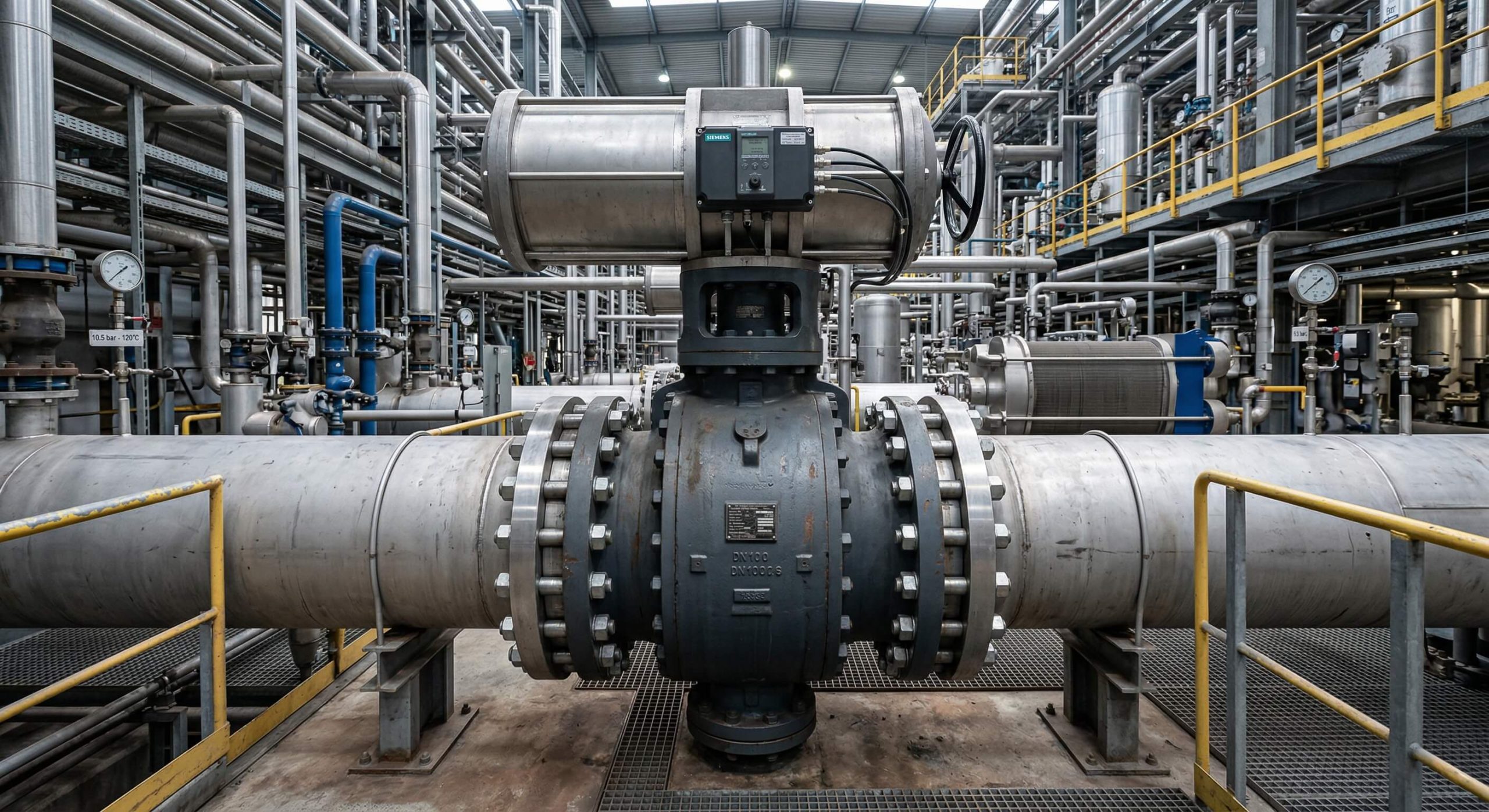
The main function of butterfly valve is to precisely regulate, isolate, or start the flow of fluids within an industrial pipeline using a rotating disc mechanism. Imagine you are managing a high-volume water treatment plant, and a sudden surge threatens to damage sensitive downstream equipment. Uncontrolled flow can lead to costly downtime, burst pipes, and severe safety hazards. Utilizing the correct function of butterfly valve gives you immediate, reliable flow control to prevent these disasters. This mechanism guarantees system stability, offering an easy way to protect your infrastructure.
What is the primary function of butterfly valve?
The primary function of butterfly valve is to act as a quarter-turn flow control device that regulates or isolates fluid movement. You can rely on this mechanism to achieve quick shut-off capabilities in massive pipeline systems. This straightforward operation guarantees that your operations remain safe under multiple conditions. Ultimately, understanding this basic principle helps you select the right equipment for your facility.
How does the internal disc operate?
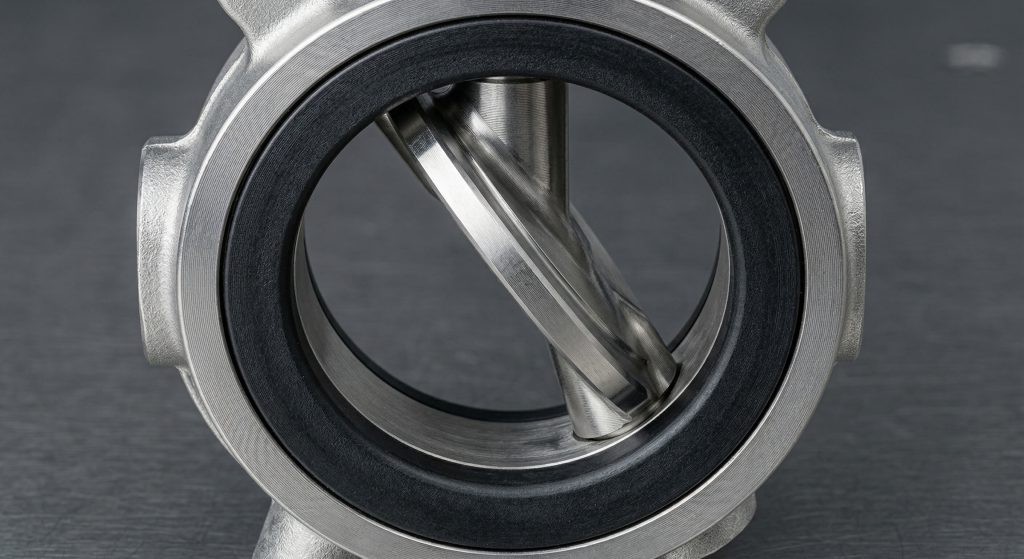
Here’s the deal: the central disc rotates exactly 90 degrees to fully open or close the passage. When the valve is fully open, the disc aligns parallel to the fluid, offering minimal resistance.
- You get unobstructed flow with a minimal pressure drop.
- It provides a tight, leak-proof seal when turned perpendicular.
- The actuator can hold the disc at intermediate angles for throttling.
Why choose this over other valves?
Unlike gate or globe valves, this device offers a highly compact footprint that saves installation space. This lightweight design translates into lower structural support costs and easier maintenance for your team.
Key Takeaway: You save significant space and capital investment by utilizing this compact, quarter-turn design for basic flow regulation.
| Feature | Butterfly Valve | Gate Valve | Globe Valve |
|---|---|---|---|
| Operation | Quarter-turn | Linear | Linear |
| Footprint | Compact | Large | Moderate |
| Best For | Quick isolation | Full flow | Precise throttling |
This comparison shows why quarter-turn designs dominate space-constrained industrial environments.
How does the function of butterfly valve work?
The function of butterfly valve works by transmitting rotational force from an external actuator to an internal disc via a central stem. When you turn the handle or activate the pneumatic actuator, the stem pivots the disc inside the pipe. This simple mechanical action directly controls how much fluid passes through the system. You will find this working principle highly reliable across different media types.
What are the main components?
You might be wondering: what exactly makes up this reliable device? The assembly relies on a few critical parts working in perfect harmony to secure your pipeline.
- The robust body fits between standard pipe flanges.
- A durable elastomer or metal seat creates a tight seal.
- The central stem connects the exterior actuator to the disc.
How is the flow modulated?
Turning the disc partially creates a variable restriction that modulates the fluid velocity and volume. This proportional control allows your automated systems to fine-tune the pipeline output continuously.
Key Takeaway: You can easily automate flow modulation and achieve stable process conditions thanks to the direct relationship between disc angle and fluid volume.
| Disc Angle | Flow Status | Pressure Drop |
|---|---|---|
| 0 Degrees | Fully Closed | Maximum |
| 45 Degrees | Throttled | Moderate |
| 90 Degrees | Fully Open | Minimal |
Understanding these operational angles helps you program your automated control loops effectively.
What applications rely on the function of butterfly valve?
Countless industrial applications rely on the function of butterfly valve for dependable fluid isolation and volume regulation. You will commonly see these units installed in water distribution networks, chemical processing plants, and food manufacturing facilities. Their versatile nature allows them to handle liquids, gases, and even slurries with equal efficiency. This adaptability makes them a universal solution for your engineering challenges.
Where are they used in water treatment?
This is where it gets interesting: municipal water systems depend heavily on these units for large-scale isolation. They handle massive volumes of water without creating excessive turbulence or pressure loss.
- Isolating pumping stations during maintenance routines.
- Regulating distribution lines to balance city-wide water pressure.
- Controlling the intake of raw water from reservoirs.
Can they handle food and beverages?
Yes, sanitary versions are designed specifically to meet strict hygiene standards in the food and beverage sector. They feature polished stainless steel surfaces and food-grade seats to prevent contamination.
Key Takeaway: You can maintain strict sanitary conditions and streamline cleaning processes by deploying hygienic quarter-turn valves in your food production lines.
| Industry | Common Media | Valve Body Material |
|---|---|---|
| Water Treatment | Clean Water | Ductile Iron |
| Chemical | Corrosive Acids | PTFE Lined |
| Food & Beverage | Edible Liquids | Stainless Steel |
Selecting the right material for your specific industry application guarantees long-term operational safety.
Why is the function of butterfly valve necessary in HVAC?
The function of butterfly valve is necessary in HVAC systems because it provides precise control over massive volumes of chilled and heated water. You need these devices to balance the thermal loads across large commercial buildings and industrial campuses. Their quick response time helps maintain stable indoor climates while limiting overall energy consumption. Without them, your climate control systems would struggle to maintain efficiency.
How do they balance thermal loads?
What’s the real story? These units are strategically placed in chiller headers and cooling tower bypass lines. Adjusting the flow of water guarantees that each zone receives the exact amount of cooling required.
- They isolate individual chillers during low-demand periods.
- They modulate water flow to air handling units.
- They manage condenser water circulation effectively.
Do they reduce energy costs?
Absolutely, their low pressure drop design means your circulation pumps do not have to work as hard to move water. This reduction in pumping energy translates directly into lower monthly utility bills for your facility.
Key Takeaway: You will significantly reduce your HVAC operational expenses and improve system longevity by minimizing pipeline pressure drops.
| HVAC Component | Valve Role | Impact on Efficiency |
|---|---|---|
| Chiller Unit | Isolation | Prevents standby energy loss |
| Cooling Tower | Bypass Control | Balances water temperature |
| Air Handler | Flow Modulation | Balances regional thermal loads |
Strategic placement within HVAC infrastructure is the key to maximizing your building’s energy performance.
Can the function of butterfly valve handle high pressure?
Yes, the advanced function of butterfly valve can easily handle high-pressure environments when using high-performance or triple-offset designs. You can deploy these specialized models in demanding applications where standard rubber-lined units would quickly fail. They utilize metallic seats and unique geometries to withstand extreme mechanical stress. This guarantees that your high-pressure pipelines remain secure and leak-free.
What is a double-offset design?
Here is the critical part: a double-offset configuration moves the stem away from the center of the disc and the pipe centerline. This geometry reduces the friction between the disc and the seat during operation.
- Significantly extends the lifespan of the valve seat.
- Allows the unit to handle higher system pressures safely.
- Provides a tighter seal under demanding industrial conditions.
When do you need triple-offset?
Triple-offset models add a third geometric angle, meaning that the disc only contacts the seat at the moment of closure. This completely eliminates rubbing, making it ideal for high-pressure, high-temperature, and abrasive media.
Key Takeaway: You protect your most demanding and dangerous pipelines from catastrophic leaks by investing in triple-offset technology for extreme conditions.
| Valve Design | Pressure Rating | Typical Seat Material |
|---|---|---|
| Concentric | Low to Moderate | Elastomer (EPDM, NBR) |
| Double-Offset | Moderate to High | PTFE / Polymer |
| Triple-Offset | Extremely High | Solid Metal |
Upgrading your design type directly correlates with your system’s ability to safely manage extreme pressures.
What limits the function of butterfly valve in systems?
The function of butterfly valve is primarily limited by its internal disc, which always remains in the flow path even when fully open. You must recognize that this obstruction can interfere with pipeline pigging operations or create turbulence. Standard concentric models struggle to maintain tight seals against highly abrasive or viscous media. Recognizing these limitations helps you avoid costly misapplications in your plant.
Why is cavitation a concern?
But here’s the catch: when used for heavy throttling, the pressure drop across the disc can cause the fluid to vaporize and implode. This phenomenon, known as cavitation, will rapidly erode the internal metal components.
- Severe vibration can damage surrounding pipe infrastructure.
- Erosion compromises the integrity of the sealing surfaces.
- Loud noise levels can violate workplace safety regulations.
Can they handle thick slurries?
While they can manage mild slurries, heavy or sticky fluids can build up around the disc and stem area. This accumulation prevents the disc from seating properly, leading to inevitable leaks and operational failures.
Key Takeaway: You should evaluate alternative valve types if your process involves frequent pipeline pigging or highly viscous, solid-heavy media.
| Limitation Factor | Potential Consequence | Recommended Action |
|---|---|---|
| High Throttling | Cavitation and erosion | Use globe or control valves |
| Thick Slurries | Material buildup and leaks | Switch to pinch or knife gate valves |
| Pipeline Pigging | Blocked cleaning tools | Install full-port ball valves |
Identifying these operational boundaries early in the design phase prevents long-term maintenance headaches.
How do specs affect the function of butterfly valve?
Proper sizing and specifications directly dictate how well the function of butterfly valve performs in your specific pipeline system. You must carefully match the valve’s pressure class, temperature rating, and flow coefficient (Cv) to your operational parameters. An undersized unit will choke your flow, while an oversized one will fail to modulate accurately. Precision in engineering specifications guarantees perfect fluid control.
Why does the Cv value matter?
Think about it like this: the flow coefficient (Cv) measures the volume of water that can pass through the valve with a one psi pressure drop. A mismatched Cv value will completely destabilize your automated control loops.
- Oversized Cv leads to sudden, jerky flow changes.
- Undersized Cv restricts maximum system output.
- Proper Cv guarantees smooth, proportional fluid modulation.
How do temperature ratings impact performance?
Exceeding the specified temperature limits will melt or degrade elastomeric seats, instantly causing catastrophic leakage. Extremely cold temperatures can make certain sealing materials brittle and prone to shattering under pressure.
Key Takeaway: You secure your pipeline’s integrity and process efficiency by rigorously calculating flow dynamics and thermal extremes before procurement.
| Specification | Primary Impact | Failure Risk |
|---|---|---|
| Flow Coefficient (Cv) | Throttling accuracy | Poor process control |
| Pressure Class | Structural integrity | Body rupture |
| Temperature Range | Seat durability | Severe leakage |
Meticulous attention to these engineering specifications guarantees seamless integration into your existing infrastructure.
Which materials improve the function of butterfly valve?
The materials used in construction significantly improve the function of butterfly valve by providing resistance against corrosion, abrasion, and extreme heat. You can customize the body, disc, and seat components to perfectly match the aggressiveness of your process media. Utilizing stainless steel or exotic alloys prevents premature degradation in harsh chemical environments. Material science is your best defense against unexpected equipment failure.
What are the best seat materials?
Let’s face it: the seat is the most vulnerable part of your installation. Choosing the right elastomer or polymer is critical for maintaining a bubble-tight shut-off over thousands of cycles.
- EPDM is excellent for water and HVAC applications.
- Viton handles oils, fuels, and high-temperature chemicals.
- PTFE offers unparalleled resistance to highly corrosive acids.
When should you use metallic discs?
While coated ductile iron discs work for benign fluids, you should upgrade to stainless steel, aluminum bronze, or duplex alloys for demanding scenarios. These metals resist pitting and wear when exposed to seawater or abrasive particles.
Key Takeaway: You drastically reduce your long-term maintenance costs and prevent unplanned shutdowns by tailoring component materials to your exact fluid chemistry.
| Component | Standard Material | High-Performance Material |
|---|---|---|
| Body | Cast Iron | Super Duplex Stainless Steel |
| Disc | Ductile Iron | Hastelloy / Titanium |
| Seat | NBR / Buna-N | Solid Metal / PTFE |
Upgrading base materials transforms a standard commercial product into a rugged, industrial-grade asset.
How does IoT upgrade the function of butterfly valve?
The integration of IoT technology drastically upgrades the function of butterfly valve by transforming it into a smart, data-gathering node within your network. You can monitor the real-time position, health, and operational metrics of your flow control devices directly from your control room. This connectivity allows you to transition from reactive repairs to a proactive, predictive maintenance strategy. Digitalization increases both your operational uptime and plant safety.
What data can smart actuators provide?
Here’s the best part: modern smart actuators continuously stream vital diagnostic information to your supervisory systems. This transparency removes the guesswork from pipeline management and equipment troubleshooting.
- Real-time disc position and deviation alerts.
- Historical torque trending to identify seat wear.
- Cycle counts to schedule preventive maintenance.
How does this prevent downtime?
Analyzing torque trends helps you detect a failing seat or a sticking stem weeks before an actual failure occurs. You can then schedule targeted repairs during planned outages rather than suffering through emergency shutdowns.
Key Takeaway: You gain total visibility over your pipeline health and eliminate costly surprise failures by adopting connected, smart actuation technologies.
| IoT Feature | Data Monitored | Operational Benefit |
|---|---|---|
| Position Feedback | Exact disc angle | Precise flow verification |
| Torque Profiling | Actuation force required | Predictive wear detection |
| Cycle Counting | Total open/close operations | Optimized maintenance scheduling |
Utilizing real-time analytics represents the future of efficient, safe industrial fluid management.
How to maintain the correct function of butterfly valve?
To maintain the correct function of butterfly valve, you must implement a rigorous, scheduled inspection and lubrication routine. You should regularly check for signs of external leakage around the stem packing and listen for abnormal noises during actuation. Catching minor wear and tear early prevents small issues from escalating into major system breaches. Consistent maintenance is the absolute key to extending the lifecycle of your assets.
What should be in your inspection checklist?
Now, let’s get practical: a standardized checklist guarantees that your maintenance team never misses a warning sign during their rounds. Visual and auditory checks are highly effective for early fault detection.
- Inspect the stem packing for any fluid seepage.
- Verify that the actuator operates smoothly without binding.
- Check the flange bolts for proper torque and corrosion.
When is it time for a rebuild?
If tightening the stem packing does not stop a leak, or if the valve fails to hold pressure when closed, a rebuild is necessary. You can often restore full functionality by simply replacing the elastomer seat and stem seals.
Key Takeaway: You protect your capital investments and guarantee plant safety by strictly adhering to manufacturer-recommended maintenance intervals.
| Maintenance Task | Frequency | Target Component |
|---|---|---|
| Visual Inspection | Monthly | Stem packing and flanges |
| Actuator Testing | Quarterly | Pneumatic/Electric drive |
| Seat Replacement | Every 3-5 Years | Internal elastomer seal |
A proactive maintenance schedule dramatically lowers your total cost of ownership over the equipment’s lifespan.
Conclusion
To conclude, mastering the many operational aspects of these quarter-turn devices allows you to eliminate unexpected leaks, reduce energy costs, and maintain precise fluid control across your facility. Recognizing that managing complex pipeline engineering is challenging, we provide the durable, high-performance flow control solutions your projects demand. As a committed leader in industrial fluid dynamics, our goal is to empower your operations with unmatched reliability and efficiency. If you are ready to upgrade your pipeline performance, please contact us today to discuss your specific engineering requirements.
FAQ
Q1: Can I use this device for precise flow throttling?
Yes, you can use it for throttling. Holding the internal disc at intermediate angles effectively modulates the fluid velocity and volume, though it is best suited for moderate rather than extreme pressure drops.
Q2: How do I know if a triple-offset design is necessary?
You know it is necessary if your system involves extreme high temperatures, high pressures, or highly abrasive media. The specialized geometry prevents friction during operation, securing a solid metal-to-metal seal without rapidly degrading.
Q3: What’s the best way to prevent cavitation in my pipeline?
The best way is to verify the valve is properly sized and not used for severe pressure reduction. Over-throttling causes the fluid pressure to drop below its vapor limit, meaning that maintaining an appropriate flow coefficient (Cv) is required.
Q4: Can I install these units in space-constrained areas?
Yes, they are exceptionally well-suited for tight spaces. Their compact, wafer-style or lug-style body design requires significantly less installation length compared to bulky gate or globe alternatives.
Q5: How do I know if the internal seat needs replacement?
You will know it needs replacement if the valve fails to provide a bubble-tight seal when fully closed. Continuous leakage or visible degradation of the elastomer indicates that the seat has worn out and must be swapped.