
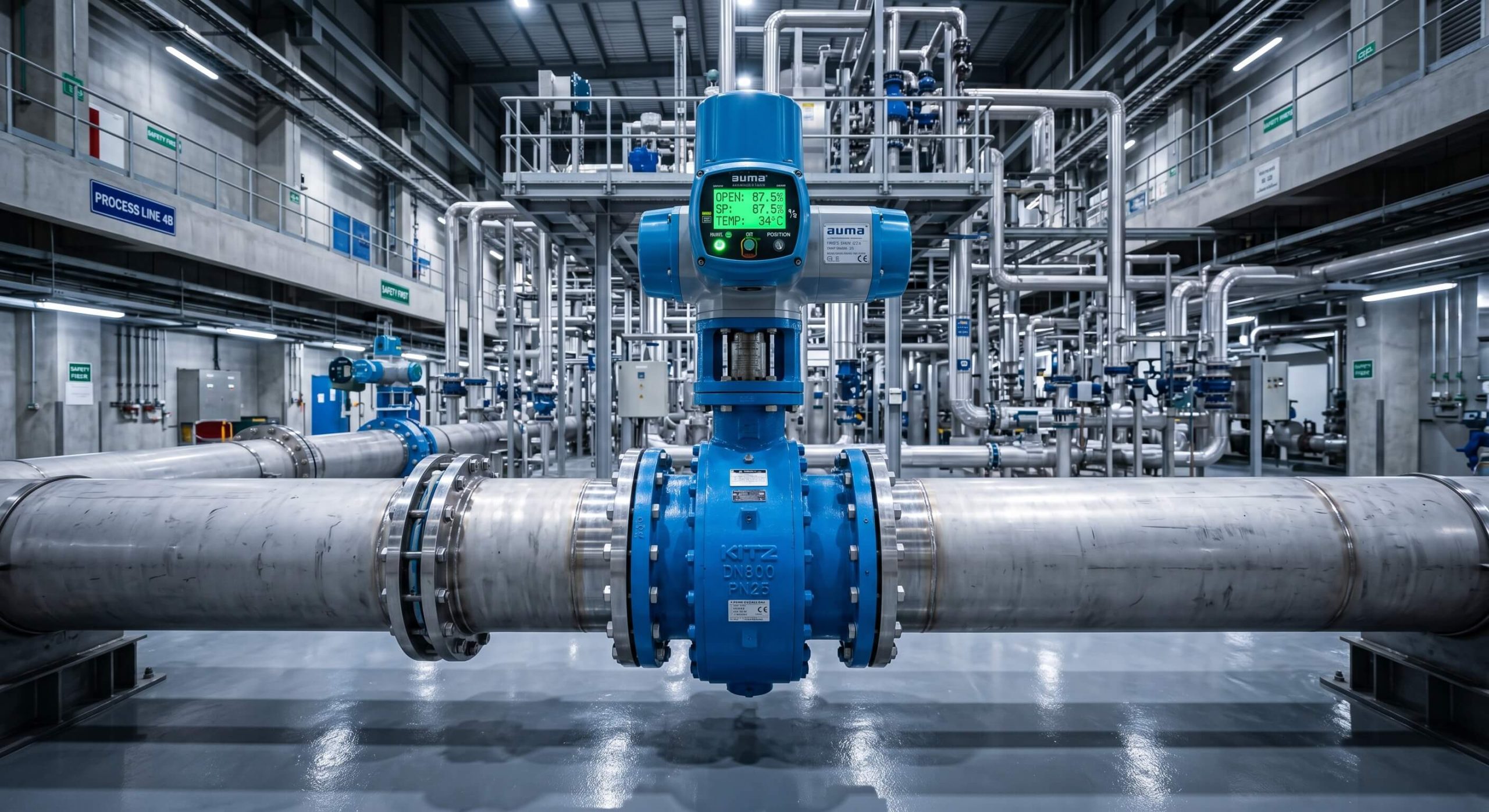
Yes, these devices provide reliable regulation when applied within their specific operational limits. Imagine a scenario where a facility halts completely because a single component failed unexpectedly. Downtime drains thousands of dollars from your budget every passing minute. We offer a simple method for picking the right equipment. Proper butterfly valve flow control guarantees stable operations and prevents costly interruptions.
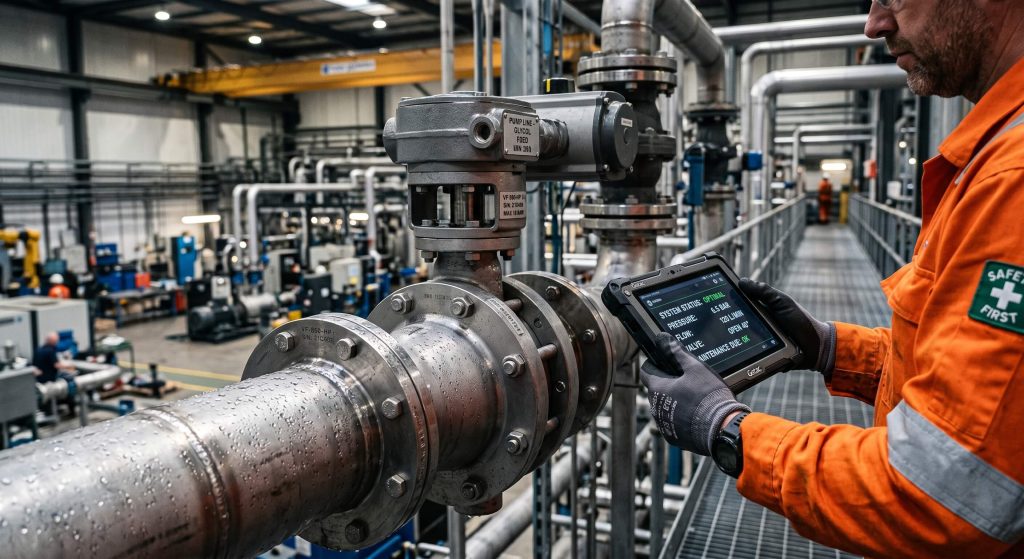
Are Butterfly Valves An Economical Choice For Control?
Yes, they provide cost-effective regulation for many industrial processes. Budget considerations often dictate component selection for large piping networks. Balancing capital expenses against operational needs demands careful planning. Implementing butterfly valve flow control offers massive savings over heavier alternatives.
Comparing Costs With Globe Valves
Globe types require massive bodies and complex internal casting. These heavy designs inflate material costs greatly during manufacturing. Shipping and installation expenses multiply because of added weight. You save capital by choosing lightweight rotary disk mechanisms.
- Reduced material usage lowers initial purchase price.
- Compact face-to-face dimensions save valuable plant space.
- Lighter weight makes installation faster and cheaper.
Resilient Seated Vs High Performance
Basic elastomer seats handle standard water applications perfectly. These models represent the lowest price tier available today. High-temperature processes demand specialized metal or engineered polymer sealing. Upgrading materials increases cost but guarantees better reliability.
What Makes Them Budget Friendly?
Here’s the deal: Simplicity drives their economic advantage across industries. Fewer moving parts mean lower maintenance requirements long term. Rotary motion limits wear compared to linear stem movement.
Key Takeaway: Your procurement strategy should favor simple rotary designs for standard processes.
| Component Type | Initial Cost | Maintenance Frequency | Weight Profile |
|---|---|---|---|
| Globe Style | High | Medium | Heavy |
| Resilient Disk | Low | Low | Light |
| High Performance | Medium | Low | Medium |
This data proves that rotary designs require less capital investment upfront.
How Do You Gain Maximum Control With Butterfly Valves?
You achieve optimum regulation by adding precise positioning instrumentation. Relying on basic actuators alone leaves room for huge error. Modern facilities demand tight parameter management for process stability. Upgrading your butterfly valve flow control system requires careful accessory selection.
Adding Positioners For Precision
Smart positioners receive electronic signals from your main controller. These devices adjust air pressure sent toward pneumatic actuators continuously. They constantly compare requested positions against actual disk angles. This feedback loop eliminates deadband and reduces hysteresis completely.
- Digital signals allow remote monitoring of disk angles.
- Continuous adjustments prevent sudden pressure spikes downstream.
- Automated calibration saves hours during initial setup.
Why Flow Characteristics Matter?
Rotary disks create non-linear changes in fluid passage volume. A ten degree movement produces different results depending on current position. What’s the real story? You must characterize your output signal electronically. This software adjustment makes rotary movement mimic linear behavior.
Optimizing Your Operating Conditions
High pressure drops create severe turbulence near internal components. Velocity must stay below manufacturer recommendations for continuous duty.
Key Takeaway: Your instrumentation only works effectively when process conditions remain moderate.
| Accessory Added | Accuracy Impact | Cost Increase | Setup Time |
|---|---|---|---|
| None (Bare Shaft) | Poor | None | Fast |
| Basic Actuator | Fair | Low | Moderate |
| Smart Positioner | Excellent | High | Moderate |
Adding smart positioners dramatically improves complete system accuracy and responsiveness.
What Are The Limitations Of Using Them For Control?
Their physical design restricts application in highly critical throttling scenarios. Fluid dynamics around a rotating disk create inherent turbulence. These devices struggle with extreme pressure drops and tight shutoff demands. Understanding the boundaries of butterfly valve flow control prevents catastrophic system failures.
Dealing With Non Linear Flow
The relationship between disk angle and passing fluid changes constantly. This geometry makes fine adjustments difficult near fully open states. Operators often restrict movement between twenty and seventy degrees.
- Restricted operating angles limit total capacity.
- Sudden volume changes occur near the closed position.
- Advanced software must compensate for these physical traits.
Temperature And Velocity Thresholds
Extreme heat degrades resilient elastomer components very quickly. Fast moving liquids cause severe vibration across metal disk surfaces.
When Should You Avoid Them?
You might be wondering: Certain processes simply require different mechanical solutions. Mixing precise amounts of food flavoring demands extreme accuracy.
Key Takeaway: Never select rotary devices when your process demands absolute precision.
| Limitation Type | Affected Process | Alternative Option |
|---|---|---|
| Extreme Precision | Chemical Mixing | Globe Type |
| Very High Temp | Steam Lines | High Performance |
| Severe Cavitation | High Pressure Drop | Specialized Trim |
Understanding these limitations guides engineers toward better component selection strategies.
Can I Use Butterfly Valves For Precise Mixing Jobs?
No, extreme precision applications typically require different mechanical solutions. Small disk movements create large volume changes that disrupt delicate chemical balances. Standard process plants use rotary devices for broad parameter management instead. Implementing appropriate butterfly valve flow control requires matching equipment capabilities with process demands.
Challenges In Paint And Food Mixing
Creating specific color shades demands exact pigment addition rates. Food production requires strict adherence for flavor consistency across batches. Rotary mechanisms simply cannot maintain the required micro-adjustments consistently.
- Large deadbands make tiny position changes impossible.
- Hysteresis causes unpredictable fluid delivery rates.
- Friction along seals prevents smooth angular rotation.
Meeting Strict Accuracy Demands
Engineers select linear globe mechanisms for processes requiring one percent accuracy. These devices feature specially characterized trims for exact fluid metering. Ready for the good part? You save money by reserving expensive linear devices only for critical loops.
Finding The Right Process Fit
Evaluate your required tolerance before purchasing any piping component. Broad temperature regulation loops accept rotary devices without any issues.
Key Takeaway: Match your hardware directly against your required system tolerance levels.
| Application Type | Required Accuracy | Recommended Device |
|---|---|---|
| Chemical Dosing | Extreme (1%) | Globe Mechanism |
| Water Cooling | Moderate (5%) | Rotary Disk |
| Tank Level | Broad (10%) | Rotary Disk |
Aligning your hardware choices with tolerance requirements prevents wasted capital investment.
Do Pressure Drops Impact Valve Performance Heavily?
Yes, fluid pressure differences directly dictate mechanical behavior and longevity. Forcing liquids through narrow openings accelerates velocity tremendously. High velocities generate destructive forces capable of destroying internal parts. Proper butterfly valve flow control relies on keeping pressure differentials within safe boundaries.
Calculating Expected Pressure Loss
Engineers must determine upstream and downstream values during normal operation. This differential dictates the sizing coefficient required for your application. Incorrect calculations lead directly toward undersized or oversized equipment choices.
- Undersized components create permanent flow restrictions.
- Oversized components operate too close to closed positions.
- Accurate sizing prevents premature mechanical failure.
Designing Systems Around The Disc
The central shaft and disk present a constant obstruction. This obstruction causes permanent head loss even when fully open. This is where it gets interesting… You must account for this permanent loss when sizing main pumps.
How Does Flow Recovery Work Here?
Rotary designs feature high recovery rates compared to other styles. Pressure rebuilds quickly after passing through the narrow restriction.
Key Takeaway: High recovery rates make rotary designs susceptible to cavitation under high pressure drops.
| Variable Name | Impact On Sizing | Measurement Method |
|---|---|---|
| Inlet Pressure | High | Gauge Reading |
| Outlet Pressure | High | Gauge Reading |
| Specific Gravity | Moderate | Lab Analysis |
Accurate pressure readings form the foundation of proper equipment selection.
What Role Does Piping Geometry Play In Valve Control?
Pipe layouts strongly influence fluid behavior as it approaches internal mechanisms. Elbows and tees create turbulent currents that disrupt steady liquid movement. Unpredictable currents cause erratic disk vibration and poor regulation capabilities. Reliable butterfly valve flow control requires straight pipe sections for smooth operation.
Upstream And Downstream Clearance
Manufacturers publish strict guidelines regarding required straight pipe lengths. Ten pipe diameters upstream represents a common minimum requirement. Six diameters downstream allows turbulent currents enough space to settle.
- Straight sections promote uniform velocity profiles.
- Calm liquids reduce wear on sealing surfaces.
- Proper spacing improves signal feedback accuracy.
Avoiding Turbulence Near The Disc
Installing a regulating device directly after a pump discharge guarantees failure. The chaotic fluid energy will batter the disk relentlessly. Let’s break that down: You must provide physical distance for chaotic energy to dissipate.
Best Practices For Installation
Always mount the shaft horizontally in horizontal pipe runs. This orientation prevents sediment from accumulating inside lower bearings.
Key Takeaway: Your installation layout determines long-term success more than the device itself.
| Component Location | Upstream Requirement | Downstream Requirement |
|---|---|---|
| After Pump | 10 Diameters | 6 Diameters |
| After Elbow | 6 Diameters | 4 Diameters |
| Straight Run | 5 Diameters | 3 Diameters |
Following spacing guidelines prevents mechanical damage from turbulent fluid forces.
Are There Risks Of Cavitation In Control Applications?
Yes, specific liquid conditions trigger violent vapor bubble formation. Pressure dropping below vapor pressure causes liquids to boil instantly. These bubbles collapse violently when pressure recovers downstream. Safeguarding your butterfly valve flow control system requires identifying these dangerous pressure zones.
Identifying Cavitation Triggers
High pressure drops across narrow openings accelerate liquid speeds rapidly. Fast moving liquids experience corresponding drops in static pressure. When this static pressure hits the boiling point, damage begins.
- Loud popping noises indicate bubble collapse.
- Severe vibration shakes attached piping structures.
- Pitted metal surfaces appear during maintenance inspections.
Damage Caused By High Velocities
Collapsing bubbles generate microscopic shockwaves against metal surfaces. These shockwaves tear tiny pieces of material away over time. Consider this fact: Left unchecked, this phenomenon will destroy a solid steel disk within months.
Mitigation Strategies For Your Setup
Lowering the pressure differential eliminates the root cause entirely. Installing two regulating devices in series splits the pressure drop safely.
Key Takeaway: Never ignore loud noises coming from your piping network.
| Condition | Risk Level | Primary Symptom |
|---|---|---|
| Low Velocity | Safe | Quiet Operation |
| Medium Velocity | Moderate | Mild Vibration |
| Extreme Velocity | Severe | Popping Noise |
Recognizing the auditory signs of bubble collapse prevents catastrophic equipment failure.
How Does Seat Material Affect Throttling Capabilities?
Your choice of sealing compound dictates temperature limits and chemical resistance. Standard elastomers handle water perfectly but degrade against harsh solvents. Metal seats withstand extreme heat but struggle achieving bubble-tight shutoff. Effective butterfly valve flow control requires matching materials against specific media characteristics.
Metal Vs Soft Seating Options
EPDM rubber provides excellent sealing for basic municipal water networks. Polytetrafluoroethylene offers superior chemical resistance for corrosive acid lines. High temperatures require stainless steel or specialized alloy sealing mechanisms.
- Elastomers provide zero leakage at moderate temperatures.
- Plastics resist aggressive chemical attacks effectively.
- Metals endure extreme heat and abrasive particles.
Handling Abrasive Media Effectively
Sand and grit destroy soft rubber seals very rapidly. Hardened metal trims resist scratching from passing solid particles. Here is the kicker: You must trade perfect shutoff for durability when handling slurries.
Selecting For Longevity And Control
Calculate your maximum operating temperature before reviewing material compatibility charts. Select compounds rated well above your expected daily parameters.
Key Takeaway: Material selection directly determines maintenance frequency and total lifecycle costs.
| Seat Material | Max Temperature | Chemical Resistance |
|---|---|---|
| EPDM Rubber | 250 Fahrenheit | Fair |
| PTFE Plastic | 400 Fahrenheit | Excellent |
| 316 Stainless | 1000 Fahrenheit | Good |
Matching seat compounds to your media guarantees longer service intervals.
Can Actuators Improve Their Control Valve Function?
Yes, adding automated movement mechanisms transforms basic hardware into intelligent systems. Manual handwheels lack the speed required for dynamic process adjustments. Automated mechanisms respond instantly to electronic signals from main plant computers. Upgrading your butterfly valve flow control network boosts plant efficiency dramatically.
Pneumatic Vs Electric Actuation
Compressed air provides fast and reliable power for rotary movement. Spring return designs offer safe fail positions during power outages. Electric motors offer precise positioning without requiring compressed air infrastructure.
- Air systems react quickly to sudden changes.
- Electric units provide excellent positioning accuracy.
- Hydraulic setups handle massive torque requirements easily.
Matching Torque Requirements
Fluid passing across a disk generates aerodynamic dynamic torque. The seating mechanism creates additional friction torque during movement. Now look at this: Your power unit must overcome both forces simultaneously under maximum load.
Why Upgrading Automation Works?
Removing human error improves batch consistency across production shifts. Computers monitor variables continuously without experiencing fatigue or distraction.
Key Takeaway: Automation turns simple mechanical parts into active participants in process optimization.
| Power Source | Speed | Initial Cost | Fail Safe Option |
|---|---|---|---|
| Pneumatic | Fast | Moderate | Spring Return |
| Electric | Slow | High | Battery Backup |
| Hydraulic | Fast | Very High | Accumulator |
Selecting the correct power source depends heavily on available plant infrastructure.
What Maintenance Routine Guarantees Reliable Control?
Regular inspections prevent minor wear from becoming major system failures. Moving parts degrade naturally through constant friction and fluid exposure. Identifying worn components early saves thousands in emergency repair costs. Consistent monitoring keeps your butterfly valve flow control equipment operating smoothly year round.
Inspecting Seals And Disc Wear
Schedule physical inspections during planned facility shutdown periods. Look for scoring marks on the metal disk edge. Check rubber seats for cracks, swelling, or missing chunks.
- Replace elastomers showing signs of chemical degradation.
- Polish minor scratches off metal sealing surfaces.
- Verify shaft alignment remains perfectly straight.
Monitoring Vibration And Noise
Operators should walk the plant floor listening for unusual sounds. Sudden changes in operating noise indicate internal mechanical issues. But there’s a catch… You need baseline measurements to identify problematic deviations accurately.
Creating A Long Term Service Plan
Document every repair action in a centralized maintenance database. Track which components fail most frequently across your facility.
Key Takeaway: Proactive part replacement prevents sudden production halts entirely.
| Inspection Task | Frequency | Skill Level Required |
|---|---|---|
| Visual Check | Weekly | Basic Operator |
| Noise Monitoring | Monthly | Basic Operator |
| Internal Teardown | Annually | Trained Technician |
Sticking to a strict inspection schedule extends equipment life dramatically.
Summary And Next Steps
Implementing these strategies resolves erratic process regulation and minimizes unexpected downtime. We provide customized hardware configurations tailored specifically for your rigorous plant conditions. Our team engineers solutions designed for maximum reliability and safety. Connect with our experts to improve your network, and contact us today to discuss your exact specifications.
FAQ
Q1: Can I use a resilient seated design for high temperatures?
No, extreme heat melts standard elastomers rapidly. High temperatures demand metal-to-metal seating mechanisms designed specifically for thermal expansion.
Q2: What’s the best way to handle non-linear flow?
Characterizing your positioner signal solves this issue. Advanced digital software adjusts the output curve, making the rotary movement mimic linear behavior.
Q3: How do I know if my system needs a positioner?
Poor accuracy indicates a strong need for better instrumentation. If your process variables fluctuate wildly, a smart positioner provides the required stability.
Q4: Can I throttle below 20 percent open?
No, operating near the closed position causes severe turbulence. This restriction creates high velocities that damage internal components quickly.
Q5: What’s the best alternative for extreme precision?
Globe mechanisms offer the highest level of accuracy available. Their linear stem movement and specialized internal trims meter fluid precisely.