
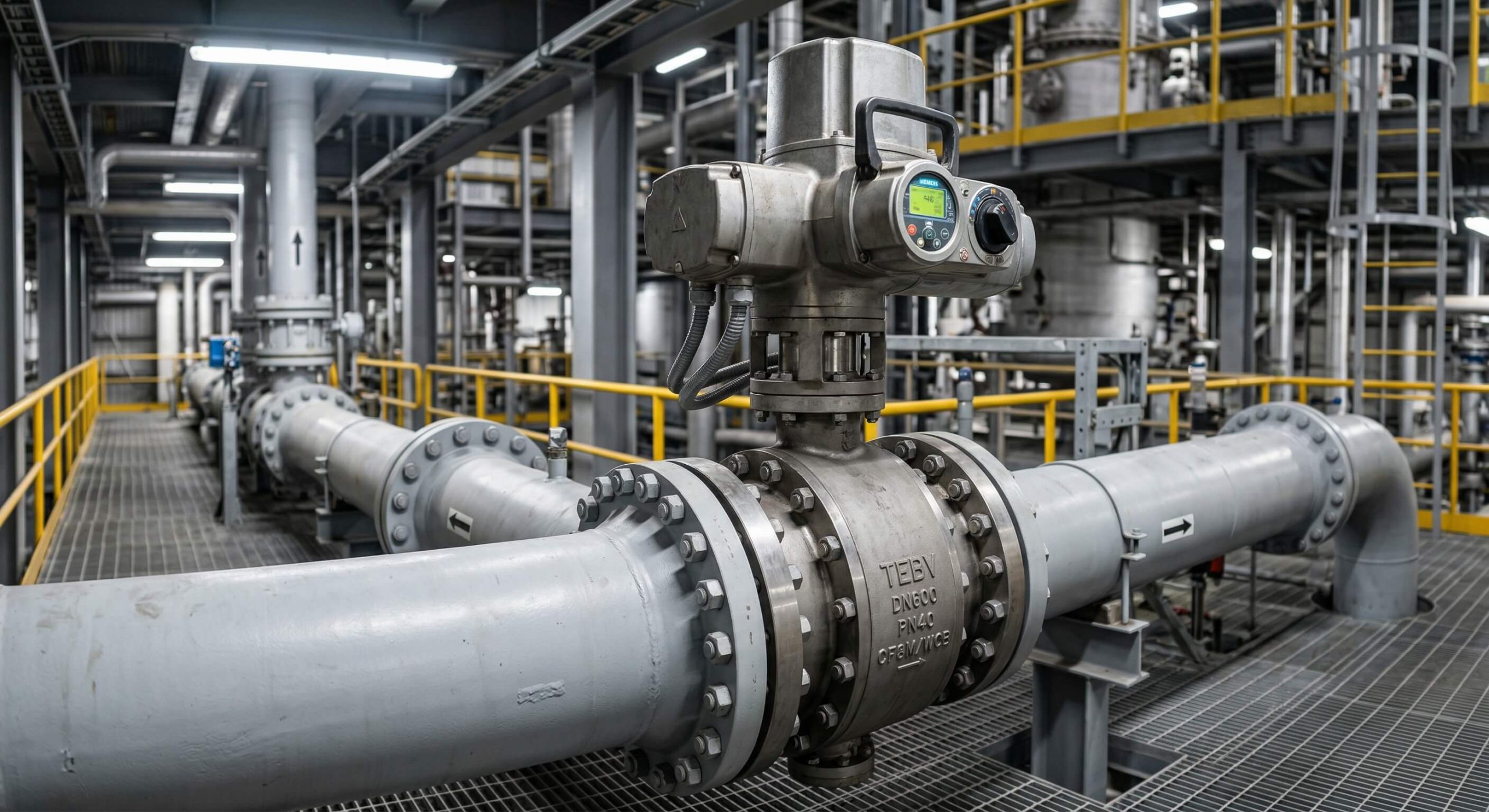
Yes, you can use butterfly valves for throttling as long as the design is specifically selected to handle the pressure drops and velocities of your system. You likely struggle with maintaining precise flow control when using standard hardware that isn’t built for modulation. This leads to seat erosion and vibration that can eventually compromise your entire pipeline’s integrity. By implementing a professional butterfly valve throttling strategy with high-performance components, you ensure long-term reliability and efficient fluid management.
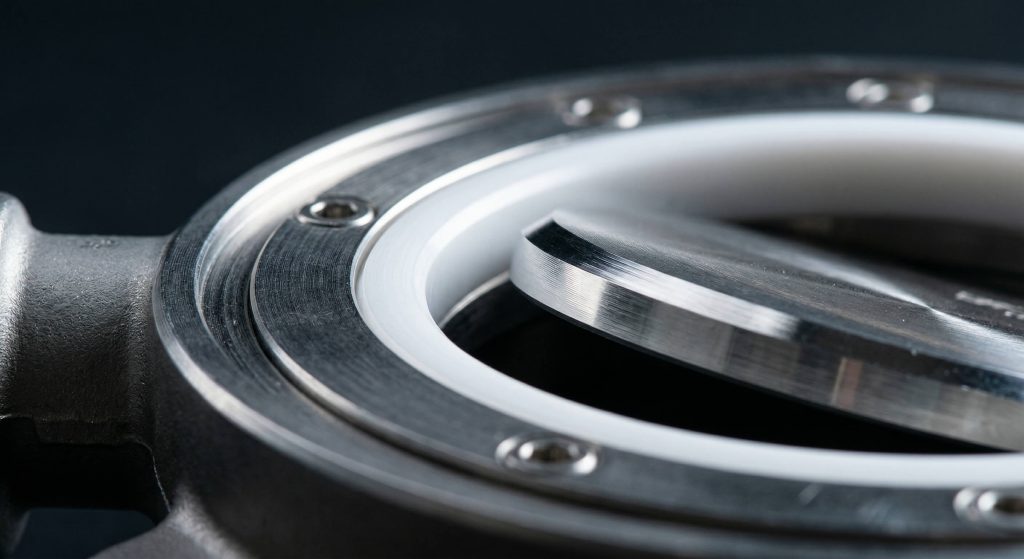
How does a butterfly valve function in throttling?
A butterfly valve functions in throttling by rotating its internal disc to create a variable opening that regulates fluid flow. This butterfly valve throttling process relies on the disc position to dictate the flow coefficient and pressure drop across the valve. You can modulate flow rates effectively across a wide range of industrial media using this mechanism.
Understanding the disc rotation mechanics
The disc must be positioned at specific increments to achieve the desired flow regulation. You typically operate the valve between 30 and 70 degrees for the best linear control.
Think about it.
- 0-30 degrees: High risk of seat wear and restricted flow.
- 30-70 degrees: Optimal range for precise modulation.
- 70-90 degrees: Near-maximum flow with minimal resistance.
Managing pressure drops across the plate
Pressure drops occur as the fluid passes through the narrow opening created by the partially closed disc. You must ensure the shaft and disc assembly can withstand the dynamic torque generated by these differentials.
Here is the kicker:
- Dynamic Torque: The force exerted by moving fluid on the disc.
- Pressure Differential: The difference in pressure between upstream and downstream.
- Flow Velocity: The speed of the media through the valve orifice.
Key Takeaway: Butterfly valves provide effective throttling when operated within the middle range of their rotation to avoid seat impingement.
| Feature | Throttling Impact | Requirement |
|---|---|---|
| Disc Angle | Determines Flow Volume | 30-70 Degrees |
| Shaft Torque | Resists Fluid Pressure | High Strength |
| Flow Coefficient | Dictates Capacity | Precise Sizing |
Professional guidance suggests using gear operators for larger valves to maintain stable disc positioning during high-pressure throttling events.
Why is the valve design critical for control?
The design is critical because it determines how the disc interacts with the seat and the fluid during the butterfly valve throttling process. Standard designs often fail because the disc remains in constant contact with the seat, causing rapid wear. You need a design that minimizes friction while providing a stable flow path.
Comparing zero offset vs high performance
Zero offset valves are generally suited for simple on/off service rather than continuous modulation. High-performance designs utilize an offset shaft that lifts the disc away from the seat immediately upon opening.
Believe it or not:
- Zero Offset: Constant seat contact during rotation.
- Double Offset: Disc lifts off the seat to reduce friction.
- Triple Offset: Cam-like action for bubble-tight shutoff and precision.
Evaluating seat durability under stress
The seat must be able to withstand the high-velocity fluid that characterizes a throttling application. Resilient seats like EPDM or PTFE are common, but they require a design that prevents “seat blowout” during partial closure.
The reality is:
- Seat Material: Matches the media temperature and chemistry.
- Support Ring: Holds the seat in place under high pressure.
- Disc Edge: Polished to minimize turbulence and wear.
Key Takeaway: High-performance offset designs are mandatory for throttling to prevent seat deformation and ensure repeatable accuracy over time.
| Design Type | Control Accuracy | Maintenance Need |
|---|---|---|
| Zero Offset | Low | High |
| Double Offset | High | Medium |
| Triple Offset | Excellent | Low |
For critical control loops, always specify a double or triple offset valve to minimize the torque required for fine adjustments.
What are the risks of cavitation during throttling?
The risks of cavitation during butterfly valve throttling include severe pitting of the metal surfaces and excessive noise. Cavitation occurs when the local pressure drops below the vapor pressure of the liquid, forming bubbles that collapse violently. This can damage both your butterfly valve and downstream check valve components.
Identifying high velocity damage patterns
Cavitation often presents as a distinct “gravel-like” noise within your piping system during operation. You will see small craters appearing on the disc edge and the internal body walls if the condition persists.
Wait, there’s more:
- Surface Pitting: Destroys the sealing surfaces.
- Vibration: Loosens fasteners and damages actuators.
- Noise: Creates a hazardous working environment for staff.
Mitigation strategies for pressure drops
You can mitigate cavitation by ensuring the pressure drop across the valve does not exceed the manufacturer’s recommended limits. Installing multiple valves in series or using anti-cavitation trims can also protect your system.
Check this out:
- Staged Pressure Drops: Reduces the intensity of bubble formation.
- Proper Sizing: Keeps the valve operating in its safe zone.
- Material Hardening: Uses specialized coatings to resist pitting.
Key Takeaway: Monitoring pressure differentials is essential to prevent cavitation from destroying your valve components during high-velocity throttling.
| Risk Factor | Symptom | Long-term Result |
|---|---|---|
| High Velocity | Pitting | Leaking Seals |
| Pressure Drop | Noise | Mechanical Failure |
| Turbulence | Vibration | Joint Fatigue |
If you hear a loud rattling noise during throttling, you must immediately adjust the valve position to exit the cavitation zone.
Can double eccentric valves handle flow regulation?
Double eccentric valves can handle flow regulation exceptionally well due to their unique camming action. This design ensures that butterfly valve throttling is smooth and that the disc only contacts the seat in the final few degrees of closure. You benefit from significantly lower operating torque and extended seal life in your most demanding applications.
Benefits of the offset shaft design
The offset design reduces the friction that typically plagues standard valves during modulation. This allows you to use smaller actuators while maintaining precise control over the fluid flow.
It’s a game changer:
- Reduced Torque: Lowers the energy required for actuation.
- Cam Action: Protects the seat from constant abrasion.
- Tight Sealing: Ensures zero leakage when the valve is fully closed.
Stability under hydrodynamic loads
Double eccentric valves are engineered to remain stable even when subjected to high hydrodynamic forces. The robust shaft and disc assembly prevent “fluttering” which can lead to inconsistent flow rates and mechanical wear.
Don’t miss this:
- Taper Pins: Secure the disc to the shaft for zero backlash.
- Bearing Support: Provides stability for the rotating assembly.
- Thrust Washers: Maintain proper axial alignment under pressure.
Key Takeaway: Double eccentric valves offer the most cost-effective balance of durability and control for industrial throttling needs.
| Benefit | Impact on Operation | System Value |
|---|---|---|
| Lower Friction | Longer Component Life | Reduced Opex |
| Camming Action | Precision Control | Better Yield |
| Robust Build | Higher Pressure Handling | Increased Safety |
Using a double eccentric valve for throttling allows for a much wider range of control without the risk of seat tearing found in concentric designs.
How does seat material affect throttling performance?
Seat material affects performance by determining the temperature and chemical resistance of the butterfly valve throttling setup. While resilient seats provide the best shutoff, they can be prone to erosion if the flow velocity is too high. Metal seats offer superior durability for abrasive or high-temperature media but may not provide bubble-tight sealing.
Resilience vs metal seated options
Resilient seats like EPDM or NBR are excellent for clean water systems where a tight seal is paramount. Metal seats are preferred for steam or slurry applications where the material must resist physical wear.
You should know:
- EPDM/NBR: Flexible and cost-effective for water.
- PTFE/Teflon: Superior chemical resistance for processing.
- Stainless Steel: High-temperature stability and erosion resistance.
Impact of velocity on seal integrity
High fluid velocity can cause soft seats to “cold flow” or pull out of their retaining grooves during throttling. You must choose a seat design that is mechanically locked into the valve body to prevent failure.
Think about it:
- Locked-in Seat: Prevents blowout at high velocities.
- Seat Compression: Ensures a seal at low pressure.
- Erosion Resistance: Vital for handling abrasive particles.
Key Takeaway: Matching the seat material to your specific fluid velocity and chemistry is vital for consistent throttling success.
| Material | Temp Range | Best Use Case |
|---|---|---|
| EPDM | -20°C to 120°C | Potable Water |
| PTFE | -20°C to 200°C | Chemical Processing |
| Metal Seat | -50°C to 500°C | Steam & Slurries |
Selecting the wrong seat material for your throttling application can lead to a total system shutdown within weeks of installation.
What size ranges work best for throttling?
Size ranges from DN50 up to DN1200 work best for butterfly valve throttling in most industrial contexts. Larger valves are capable of handling immense flow volumes but require sophisticated gearboxes to manage the torque. You must size your valve based on the required flow coefficient (Cv) rather than the pipe diameter to ensure accuracy.
Standardizing DN50 to DN1200 applications
Small to medium-sized valves are common in HVAC and general process lines where space is limited. Large-diameter valves are used in municipal water treatment and power generation for bulk flow regulation.
Here is the deal:
- DN50-DN300: Ideal for precise process control.
- DN350-DN600: Common in water distribution networks.
- DN700-DN1200: Used for main line flow management.
Balancing size with control precision
If you select a valve that is too large, the disc will operate nearly closed, leading to poor control and increased wear. An undersized valve will create a significant pressure drop and limit your system’s maximum capacity.
Think of it this way:
- Oversized: Causes “hunting” and seat erosion.
- Undersized: Limits maximum flow and wastes energy.
- Right-sized: Operates in the 30-70 degree sweet spot.
Key Takeaway: Always size your throttling valve based on the flow curve to ensure it operates within its most stable mechanical range.
| Valve Size | Typical Flow | Pressure Class |
|---|---|---|
| DN100 | 500 m³/h | PN16 |
| DN300 | 4,500 m³/h | PN16 |
| DN600 | 18,000 m³/h | PN25 |
For high-volume municipal systems, DN600 and larger valves should always include heavy-duty worm gear operators for safety.
Should you choose a globe valve instead?
You should choose a globe valve if your application requires extremely high precision for butterfly valve throttling over a very narrow range. While globe valves offer a more linear flow characteristic, they are significantly more expensive and occupy more space. For most high-volume industrial water and gas systems, a high-performance butterfly valve is the more practical choice.
Evaluating Cv values for precision
Globe valves provide exceptional control for low-flow applications where minute adjustments are critical. However, they have a much lower flow capacity for their size compared to the high-Cv globe valve alternatives or butterfly options.
Look at the facts:
- Globe Valve: High precision, high pressure drop.
- Butterfly Valve: High capacity, low cost, compact.
- Control Scope: Determines which architecture fits your budget.
Space and weight considerations
Butterfly valves are a fraction of the weight of globe valves, making them easier to install in overhead piping or tight spaces. This reduces the need for expensive pipe supports and specialized lifting equipment at your facility.
The bottom line:
- Weight: Butterfly valves are up to 70% lighter.
- Face-to-Face: Short length saves valuable installation space.
- Total Cost: Lower initial investment and maintenance.
Key Takeaway: Use globe valves for low-flow precision and butterfly valves for high-volume throttling where space and cost are priorities.
| Feature | Butterfly Valve | Globe Valve |
|---|---|---|
| Relative Cost | Low | Very High |
| Flow Capacity | Very High | Moderate |
| Precision | Good | Excellent |
If your system handles bulk water flow, the butterfly valve remains the industry standard for reliable, cost-effective modulation.
How do actuators improve throttling accuracy?
Actuators improve accuracy by providing consistent and repeatable disc positioning for butterfly valve throttling. Using electric or pneumatic actuators with digital positioners allows you to integrate your valves into automated SCADA systems. This eliminates the human error associated with manual handwheels and ensures your process stays within tight parameters.
Integrating smart control systems
Smart actuators can receive 4-20mA signals to adjust the valve position in real-time based on sensor feedback. This is essential for maintaining pressure or flow setpoints in automated industrial plants.
Check this out:
- Electric Actuators: Provide precise 1% positioning accuracy.
- Pneumatic Actuators: Offer rapid response for safety shutdowns.
- Digital Positioners: Self-calibrate to maintain peak performance.
Modulating duty cycle requirements
For continuous throttling, you must select an actuator rated for “modulating duty” to prevent overheating. These units are designed for high-cycle starts per hour, ensuring they don’t fail under the constant demands of process control.
The secret is:
- Duty Cycle: The percentage of time the motor can run.
- Starts per Hour: A measure of the actuator’s mechanical durability.
- Feedback Loop: Ensures the valve is in the commanded position.
Key Takeaway: Modulating actuators with 4-20mA control are required for any automated system to ensure real-time throttling accuracy.
| Actuator Type | Power Source | Control Precision |
|---|---|---|
| Electric | AC/DC Power | High |
| Pneumatic | Compressed Air | Moderate |
| Hydraulic | Pressurized Fluid | Very High |
Using a digital positioner can improve your valve’s response time by up to 50% compared to traditional analog controls.
What industries benefit from this configuration?
Many B2B sectors benefit from butterfly valve throttling configurations to maintain operational efficiency and safety. From municipal water treatment to chemical processing, these valves provide a versatile solution for managing fluid dynamics. You can find these systems in power plants, marine vessels, and mining operations worldwide.
Water treatment and chemical processing roles
In water treatment, you use these valves to balance flow between filters and sedimentation tanks. Chemical plants rely on them to regulate the flow of cooling water to reactors, ensuring temperature stability for sensitive reactions.
Think about it:
- Municipal Water: Controls tank levels and distribution pressure.
- Chemical Plants: Manages cooling loops and utility lines.
- Marine: Regulates ballast water and engine cooling systems.
Energy and mining sector applications
Power plants use butterfly valves to throttle cooling water from towers to condensers. In the mining industry, they are often used in slurry lines where high flow rates and abrasive media must be managed daily.
Wait, there’s more:
- Power Generation: Essential for thermal efficiency management.
- Mining: Handles abrasive process water and tailings.
- HVAC: Balances chilled water flow in large buildings.
Key Takeaway: Industrial facilities can reduce their total cost of ownership by 20% by optimizing their butterfly valve throttling setups.
| Industry | Primary Use Case | Main Benefit |
|---|---|---|
| Municipal | Flow Balancing | Stable Supply |
| Chemical | Process Cooling | Safe Reactions |
| Marine | Ballast Control | Ship Stability |
Reliable throttling configurations allow these industries to operate at peak capacity without the fear of sudden component failure.
How do you select the right throttling valve?
You select the right valve by evaluating your system’s flow requirements, pressure limits, and media characteristics for butterfly valve throttling. You must work with an ISO-certified manufacturer to ensure the product meets international standards like API 609 or EN 593. Always request technical documentation, including flow curves and torque charts, before finalizing your purchase.
Final checklist for system optimization
A thorough selection process involves calculating the required Cv for both your minimum and maximum flow conditions. You should also verify that the valve’s material of construction is compatible with your specific process fluid.
Don’t forget:
- Calculate Cv: Ensure the valve is properly sized for your flow.
- Verify Pressure: Confirm the valve meets the system’s rating.
- Check Materials: Match the body and seat to the media.
Technical documentation and certification
Always insist on full traceability and testing reports for every valve you source for throttling service. This documentation proves the valve has been pressure tested at 1.5x its working pressure to ensure safety.
Here is the kicker:
- MTC Reports: Material traceability for all metallic parts.
- Hydro-Tests: Confirms body and seat integrity.
- ISO/CE Certs: Proof of compliance with global standards.
Key Takeaway: Technical data and certified testing are your best insurance policies against valve failure in a throttling application.
| Selection Step | Action | Outcome |
|---|---|---|
| Flow Analysis | Calculate Cv | Proper Sizing |
| Material Match | Consult Charts | Chemical Safety |
| Certification | Check ISO/CE | Guaranteed Quality |
Consulting with an experienced engineer during the selection phase can prevent costly mistakes that lead to system downtime.
Conclusion
Successfully implementing flow regulation requires high-performance hardware and a deep understanding of fluid dynamics. By choosing the right butterfly valves for your throttling needs, you balance technical reliability with financial efficiency. Our team is dedicated to providing precision-engineered valves that meet the most demanding industrial standards. To ensure your system operates at peak performance, contact us today for a free technical consultation and a personalized quote.
Frequently Asked Questions
Can I use a standard wafer butterfly valve for throttling?
While possible, it is not recommended for high-pressure systems because the constant friction will quickly destroy the seat and cause leaks.
What is the best angle for butterfly valve throttling?
The most stable and linear control is typically achieved when the disc is positioned between 30 and 70 degrees open.
Can I throttle abrasive slurries with a butterfly valve?
Yes, but you must use a metal-seated valve or a specialized hardened coating to prevent the disc and body from eroding.
What is the best way to prevent cavitation in my system?
The best way is to ensure your valve is correctly sized so that the pressure drop does not exceed the vapor pressure of the liquid.
Can I automate a throttling butterfly valve for SCADA?
Absolutely; using a modulating electric or pneumatic actuator with a digital positioner allows for seamless integration into any control network.