
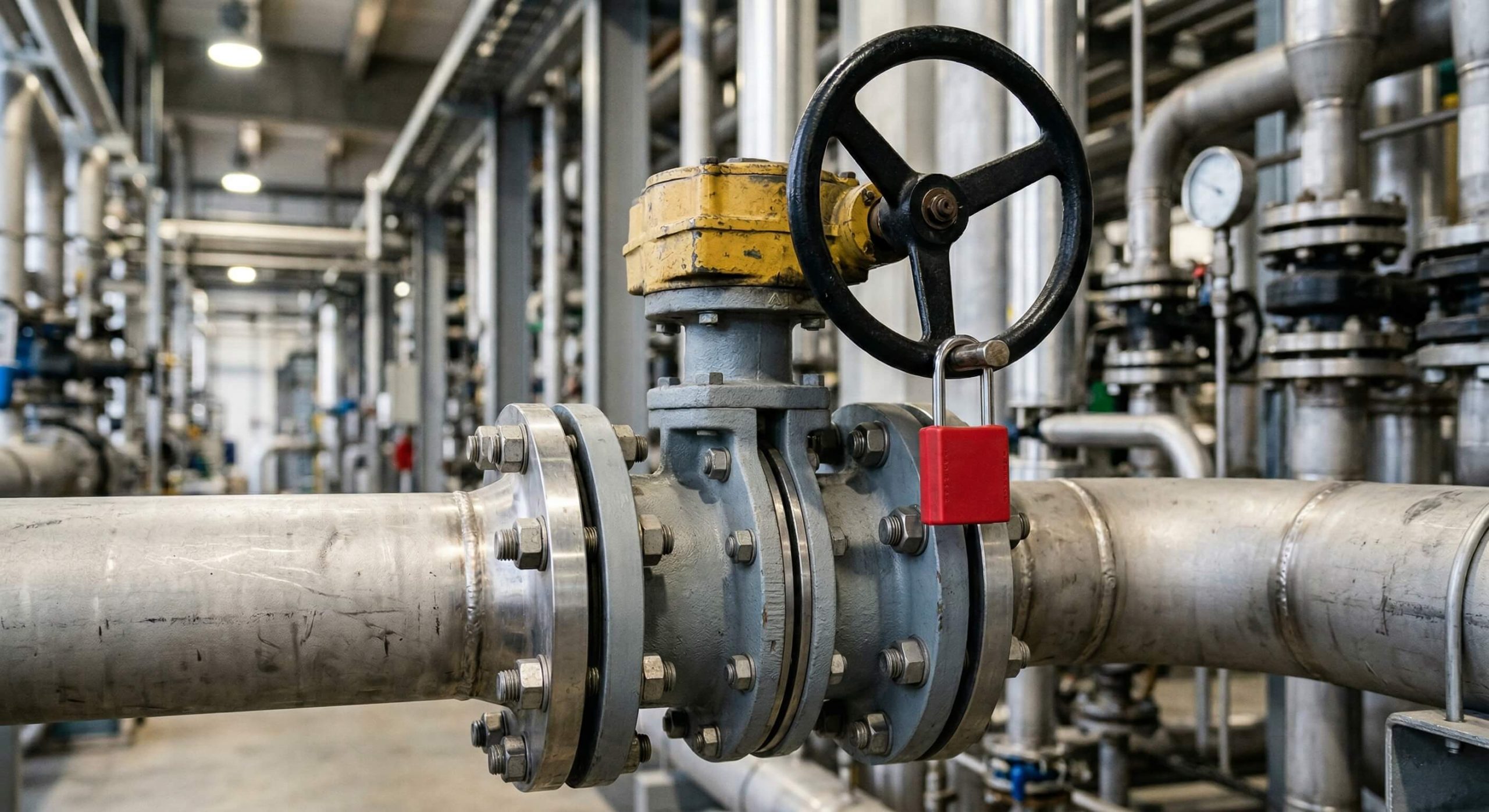
The best choice between a booted or molded seat depends entirely on your specific system pressure. It becomes incredibly frustrating when a new seat butterfly valve fails weeks later due solely on chemical degradation. That sudden leak shuts down production lines entirely. We evaluate your application parameters carefully for selecting an exact elastomeric design that holds tight permanently.
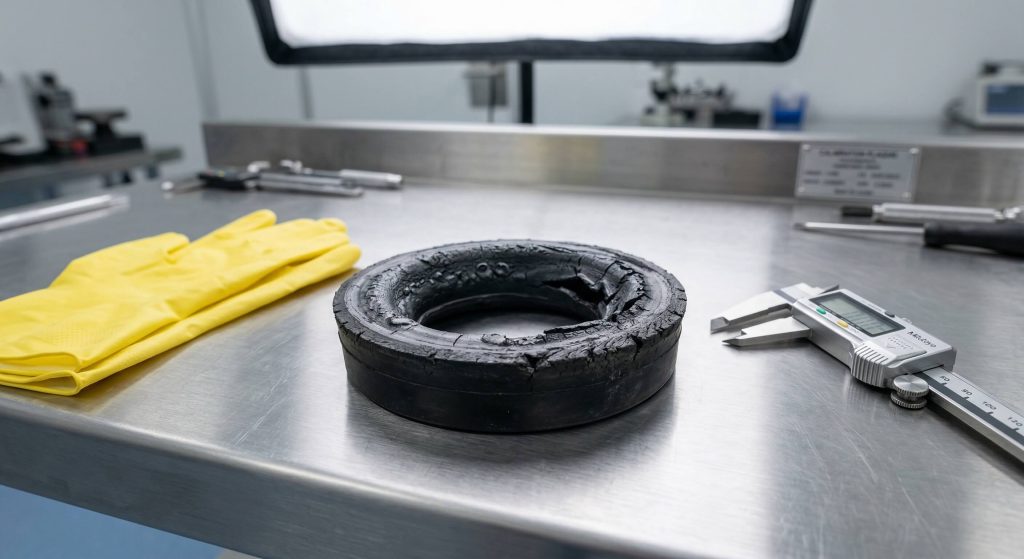
Which Seat Butterfly Valve Type Wins?
The superior seat butterfly valve type perfectly matches your system’s vacuum and media demands. A standard seat butterfly valve comes in three main elastomer configurations like booted and molded styles. Each design offers specific advantages for different industrial applications. Picking one right prevents premature wear entirely.
What are primary structural differences?
Let’s cut right down. The main differences lie in how rubber attaches onto metal bodies.
- Booted seats slip into metal housings easily.
- Molded models bond directly against steel.
- Cartridge types use a rigid backing ring. These structural variations dictate how well valves handle harsh conditions.
How do you evaluate options?
You need clear visibility regarding line pressure and maintenance budgets. Molded designs cost more upfront but last longer under harsh setups. Key Takeaway: Matching physical construction with flow conditions minimizes replacement frequency significantly.
| Feature | Booted | Molded | Cartridge |
|---|---|---|---|
| Attachment | Slip-in | Bonded | Rigid |
| Cost | Lower | Higher | Moderate |
This comparison indicates higher upfront costs often correlate with more robust bonded designs.
What Defines a Booted Seat Butterfly Valve?
A booted seat butterfly valve features an elastomer liner that slips into metal bodies without permanent bonding. This seat butterfly valve design relies heavily on compression between pipe flanges holding rubber securely. It offers a very cost-effective solution for general utility applications. You will often see them handling standard water lines.
Why use a slip-in design?
You might be wondering. They are cheap during manufacturing while remaining relatively simple for low-demand environments.
- Excellent performance treating basic water service.
- Requires less initial investment overall.
- Readily available from most regional suppliers. However they do have limitations under high-stress situations.
What are main drawbacks here?
Booted styles struggle against high vacuum conditions or excessive line velocity. Lack of bonding means rubber distorts away from metal casings easily. Key Takeaway: Booted designs work well handling basic applications but run high failure risks across demanding environments.
| Condition | Booted Performance | Failure Risk |
|---|---|---|
| Low Pressure | Excellent | Low |
| High Vacuum | Poor | High |
These parameters clearly show slip-in liners belong strictly within low-stress piping systems.
Why Select a Molded Seat Butterfly Valve?
You select a molded seat butterfly valve when your application involves high vacuum or rapid velocity line conditions. By permanently bonding elastomer against metal walls this seat butterfly valve prevents rubber from shifting completely. This creates an incredibly rigid and reliable seal. Such bonding processes make them vastly superior during tough industrial jobs.
How does molding help performance?
Here is the deal. Bonding rubber directly onto metal eliminates air pockets completely.
- Stops the liner from folding over.
- Resists distortion under heavy pressure drops.
- Maintains tighter seals against moving discs. This structural integrity keeps your process running smoothly.
Are extra costs justified here?
Yes because reduced downtime along with extended lifespans easily justify higher initial purchase prices. You spend far less time tearing down pipes for repairs. Key Takeaway: Investing toward bonded molded designs pays off rapidly by eliminating blowout failures during high-stress applications.
| Application Stress | Molded Capability | ROI Impact |
|---|---|---|
| High Velocity | Superior | Excellent |
| Extreme Vacuum | Superior | Excellent |
Data suggests bonded elastomers deliver massive return on investment dealing with aggressive flow conditions.
How Does a Cartridge Seat Butterfly Valve Work?
A cartridge seat butterfly valve works by encasing elastomer inside a rigid backing ring usually made from phenolic resin. This rigid seat butterfly valve insert then slides securely inside main valve bodies. It provides stability similar toward molded designs while allowing easier replacement. It strikes a perfect balance between strength and maintenance flexibility.
What makes cartridge designs unique?
Listen closely here. Hard backing rings prevent rubber shifting while remaining completely removable parts.
- Offers excellent high pressure resistance.
- Allows convenient field repair processes.
- Eliminates replacing entire valve bodies. You get robust performance without throwing away good metal housing.
When should you install them?
Use this style when needing reliable performance but anticipating eventual wear from abrasive media. It gives maintenance teams an easier repair path overall. Key Takeaway: The cartridge configuration blends high-pressure stability alongside convenient field replaceability perfectly.
| Valve Style | Stability | Replaceability |
|---|---|---|
| Molded | Very High | Cannot replace |
| Cartridge | High | Field Replaceable |
This comparison highlights how cartridge options offer unique compromises between durability and repairability.
Which Seat Butterfly Valve Excels in Vacuums?
A molded seat butterfly valve excels during vacuum applications because bonded rubber cannot collapse inward. Any standard slip-in seat butterfly valve will pull away when exposed under strong negative pressure. Chemical bonds in molded designs hold elastomers firmly against metal walls. This prevents catastrophic internal line blockages.
Why do standard liners fail?
The truth hits hard. Negative pressure constantly pulls everything inward forcefully.
- Slip-in rubber stretches then tears.
- Moving discs catch loose internal rubber.
- Entire seals disintegrate rapidly. Bonding rubber remains the only way counteracting these physical forces.
Are cartridge types okay here?
Cartridge styles handle mild vacuums well due mainly toward their rigid backing rings. However true high-vacuum systems always demand fully bonded molded styles. Key Takeaway: Never use slip-in designs for vacuum lines because bonded elastomers prevent internal collapse entirely.
| Vacuum Level | Booted | Cartridge | Molded |
|---|---|---|---|
| Mild | Fails | Acceptable | Optimal |
| High | Fails | Fails | Optimal |
Reviewing these limits reveals fully bonded construction guarantees safety dealing with extreme negative pressure scenarios.
Can a Seat Butterfly Valve Resist Chemicals?
Yes any seat butterfly valve can resist chemicals if you select correct elastomer compounds like PTFE. Physical design matters less than actual materials handling corrosive media inside your seat butterfly valve. You must match rubber types perfectly against chemical concentrations. Selecting wrong materials guarantees rapid deterioration.
How do you match materials?
Think about it carefully. You must know exactly what flows through pipes.
- Use EPDM treating water and mild bases.
- Use Nitrile treating oil-based fluids.
- Use PTFE treating highly aggressive solvents. Consulting chemical compatibility charts prevents catastrophic industrial leaks.
Does seat design play roles?
While material remains paramount cartridge designs often work best allowing quick liner swaps. This helps if chemical concentrations change suddenly. Key Takeaway: Chemical resistance relies entirely upon elastomer selection though replaceable cartridge designs offer helpful flexibility.
| Media Type | Recommended Material | Resistance Level |
|---|---|---|
| Water | EPDM | High |
| Oils | Nitrile | High |
Proper material matching remains the single biggest factor preventing chemical degradation within piping networks.
How Does Temperature Affect a Seat Butterfly Valve?
Extreme temperatures cause elastomers inside a seat butterfly valve to harden or melt causing total seal failure. Every seat butterfly valve has strict thermal limits dictated primarily by rubber composition. High heat accelerates aging while freezing cold makes rubber too brittle. Monitoring your process temperatures prevents these thermal breakdowns.
What happens during temperature spikes?
It boils down fast. Rubber loses physical properties when pushed beyond rated limits.
- Standard EPDM fails above 250 degrees.
- High heat causes seats sticking closed.
- Cold causes seats shrinking causing leaks. Always verify maximum operating temperatures before permanent installation.
How to prevent thermal failure?
Select high-temperature materials like Viton if your system runs extremely hot. You can also insulate lines minimizing dangerous temperature fluctuations. Key Takeaway: Respecting thermal boundaries of selected elastomers guarantees your valve maintains tight seals continually.
| Elastomer | Min Temp | Max Temp |
|---|---|---|
| EPDM | -30 F | 250 F |
| Viton | -15 F | 400 F |
Operating within specified thermal windows dramatically extends operational lifespans for all rubber components.
What Dictates Seat Butterfly Valve Lifespans?
The average lifespan for a seat butterfly valve ranges from one up through ten years depending on cycle frequency. A well-specified seat butterfly valve handling clean water applications will last over a decade easily. Conversely an incorrect valve handling abrasive slurry lines might survive only several months. Regular actuation prevents internal rubber from taking permanent sets.
What factors shorten overall lifespans?
Let me be clear. Abrasive materials physically wear away rubber during every open cycle.
- High concentrations involving suspended solids.
- Leaving valves partially open causes wear.
- Frequent pressure hammering destroys seals. Addressing these system issues extends hardware life significantly.
How can you maximize longevity?
Choose molded designs treating high-cycle applications preventing structural fatigue. Implement routine inspection schedules catching minor wear early. Key Takeaway: Proper initial specification alongside routine operational checks remain best methods maximizing equipment lifespans.
| Factor | Impact on Lifespan | Mitigation Strategy |
|---|---|---|
| Abrasives | Severe reduction | Cartridge design |
| Throttling | Moderate reduction | Isolation use only |
Identifying and mitigating specific wear factors guarantees hardware delivers maximum value over service life.
How to Repair a Leaking Seat Butterfly Valve?
You repair leaking seat butterfly valve components by isolating lines and replacing internal elastomer liners. If using booted models you simply slide old rubber out pushing new pieces inside. Molded seat butterfly valve designs cannot be repaired onsite requiring complete unit replacement. Always inspect disc edges checking for damage during rebuilds.
Can you fix it installed?
Truth be told now. Inline repairs are virtually impossible safely.
- You must relieve all line pressure.
- You must remove outer flange bolts.
- You must extract valves from piping. Attempting fixes under active pressure remains extremely dangerous.
When is replacement better overall?
If metal bodies show severe corrosion then new liners will not seal properly. Buy completely new units instead. Key Takeaway: Rebuilding saves money treating cartridge styles but severe metal damage always necessitates full unit replacements.
| Valve Type | Repair Strategy | Field Repairable? |
|---|---|---|
| Booted | Replace liner | Yes |
| Molded | Replace full unit | No |
This table demonstrates how bonded designs require full replacement changing maintenance inventory approaches entirely.
How to Finalize Seat Butterfly Valve Picks?
You finalize your seat butterfly valve pick by cross-referencing system pressure alongside maintenance budgets. Selecting the perfect seat butterfly valve requires looking closely at how piping networks operate under maximum loads. Never base decisions solely upon initial purchase prices. Cheaper valves often lead directly toward massive repair bills later.
What is the final checklist?
Here is the bottom line. Do not order anything before verifying operational parameters completely.
- Confirm maximum internal flow velocity.
- Check carefully for negative pressure scenarios.
- Verify precise chemical compatibility charts. Skipping these steps leads inevitably toward rapid operational failures.
Why consult engineering specialists first?
Experienced fluid control specialists easily spot potential issues you might miss. They recommend exact elastomer compounds matching structural designs perfectly. Key Takeaway: Taking meticulous data-driven approaches toward component selection prevents costly downtime keeping facilities safe.
| Parameter | Check Requirement | Consequence of Ignoring |
|---|---|---|
| Vacuum | Mandatory | Liner blowout |
| Chemical | Mandatory | Rapid degradation |
Verifying these boundaries acts as your final defense stopping catastrophic system failures.
Final Thoughts on Valve Selection
Finalizing your system components requires careful attention tracking pressure and structural design. We resolved common confusion around slip-in or bonded liners so you stop dealing with blowouts. We provide engineered flow control solutions designed specifically preventing failure during aggressive manufacturing environments. Our firm builds long-lasting industrial infrastructure keeping operations running without interruption; contact us today for optimizing your pipeline.
FAQ
Can I use a molded liner for high vacuum systems?
Yes, it is the best option. Bonding rubber directly against metal bodies prevents liners collapsing inward under negative pressure.
Can I replace a molded liner in the field?
No, you cannot. Rubber remains permanently bonded against metal housing meaning you must replace entire units when wear occurs.
How do I know if I need a cartridge design?
You need it when demanding high-pressure stability alongside field repair capabilities. Rigid backing provides strength while remaining fully removable.
Can I use a booted liner for abrasive slurries?
No, it is highly discouraged. Abrasive materials quickly distort loose slip-in rubber causing rapid leaks and structural failure.
What’s the best way to handle temperature spikes?
Matching elastomer materials against thermal loads works best. Using high-heat compounds like Viton prevents seals from melting or degrading.