
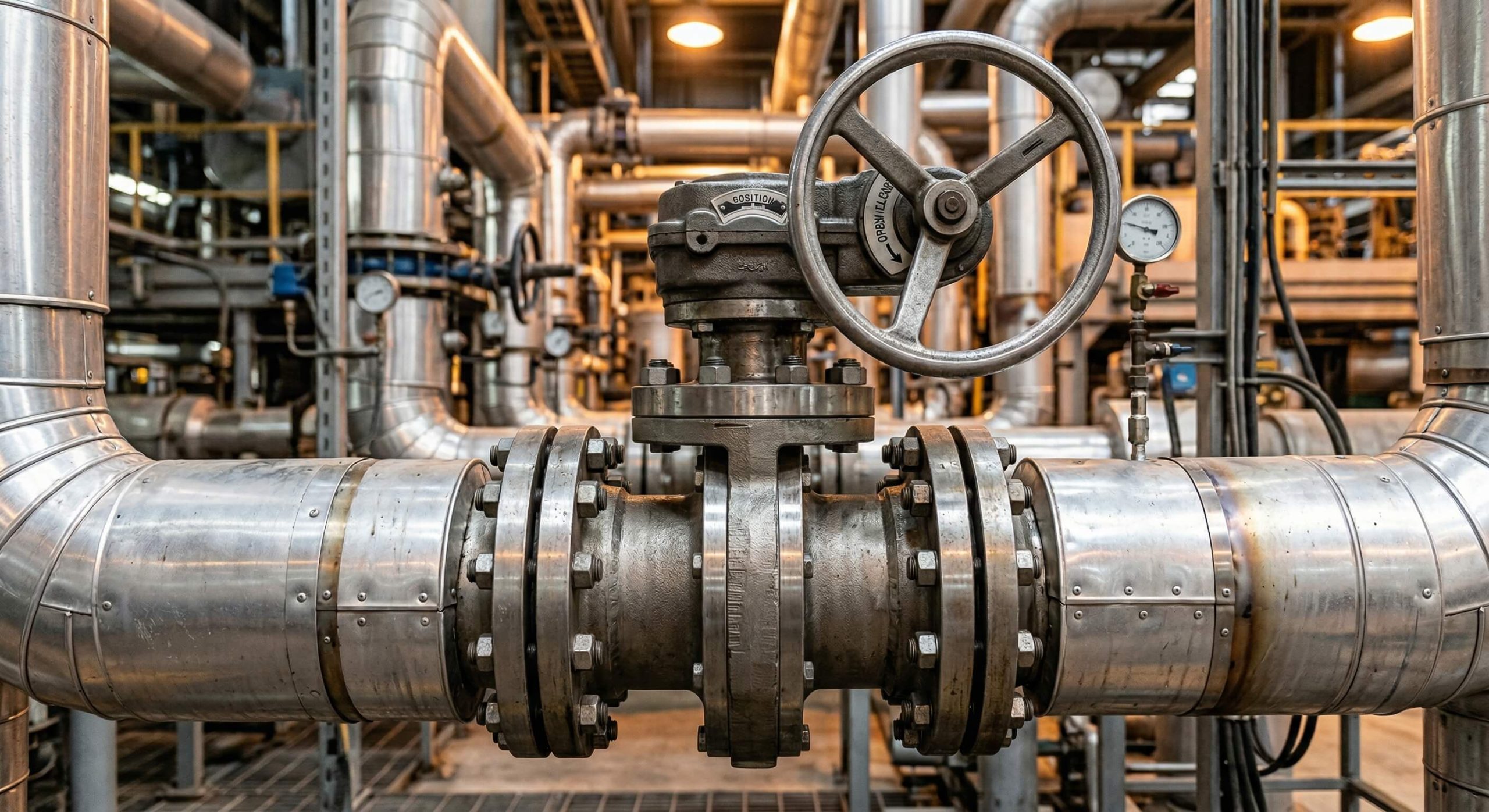
You need general units for low-pressure environments while high-performance options handle extreme heat. Operating vapor systems frequently causes severe wear on standard piping equipment. Unplanned downtime ruins production schedules and shrinks profit margins. Installing a heavy-duty butterfly valve for steam service prevents catastrophic failures and guarantees smooth operations. We supply reliable fluid control components designed for demanding industrial environments.
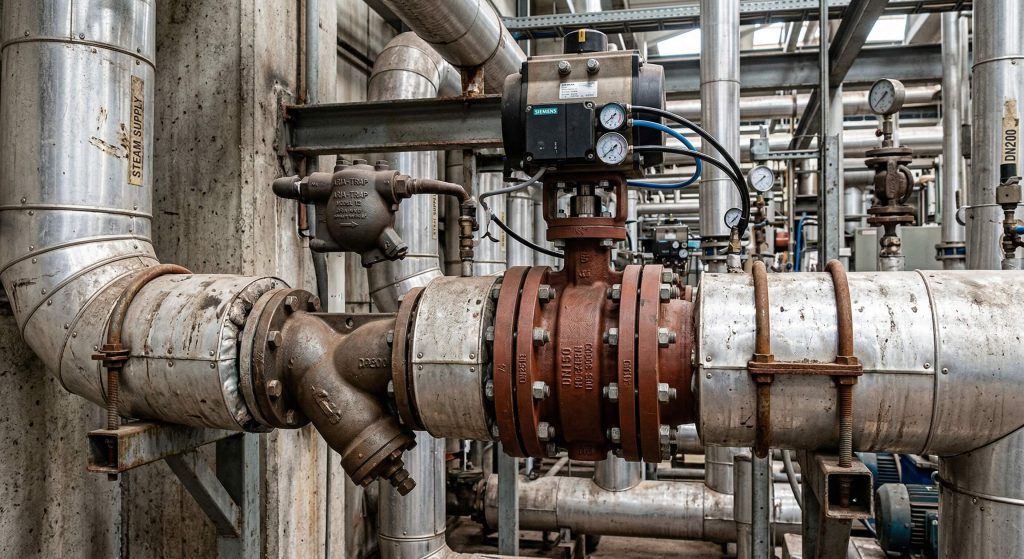
What is a butterfly valve for steam service?
A butterfly valve for steam service acts as a quarter-turn isolation device regulating high-temperature vapor. Plant managers often struggle with leaking vapor lines causing wasted energy. Implementing a specialized shutoff component fixes this problem quickly. You secure process safety while lowering utility expenses immediately.
How do quarter-turn mechanisms function?
Turning an external handle rotates an internal metal disc. This motion blocks or permits fluid passage within pipes. You gain precise throttling capabilities through simple manual adjustments.
- Compact designs require minimal piping space.
- Rotary motion enables fast actuation speeds.
- Fewer moving parts mean reduced maintenance needs.
Why choose these over gate models?
Gate designs often suffer from slow operation and bulky profiles. Here is the deal: quarter-turn options provide rapid closure in tight spaces. You save valuable installation area while improving response times. Upgrading your infrastructure brings long-term reliability.
Key Takeaway: Selecting specialized control components guarantees rapid shutoff and minimizes costly vapor leaks within your facility.
| Feature | Quarter-Turn | Gate Design |
|---|---|---|
| Speed | Fast | Slow |
| Space | Minimal | Large |
| Weight | Light | Heavy |
Comparing operational features reveals that quarter-turn options heavily outperform traditional gate designs regarding installation efficiency.
Why use a high performance butterfly valve for steam service?
Heavy-duty designs manage extreme temperatures that destroy standard rubber-seated components. Standard options degrade rapidly when exposed continuously toward superheated vapor. Upgrading toward a high-performance butterfly valve for steam service provides a metallic sealing mechanism. This robust construction resists thermal expansion during harsh operating cycles.
What makes double offset designs superior?
Double offset geometry moves rotational friction away from sealing surfaces. You might be wondering: why does this matter so much? Less friction means dramatically reduced wear over thousands of cycles.
- Offset shafts clear seats quickly upon opening.
- Reduced rubbing extends total component lifespan.
- Tighter shutoff prevents hazardous vapor leaks.
How do temperature ratings compare?
Elastomer seats typically fail around 250 degrees Fahrenheit. Metal-seated variants comfortably handle applications exceeding 900 degrees.
Key Takeaway: Upgrading toward robust metallic designs protects your facility against dangerous blowouts and expensive process interruptions.
| Seat Type | Max Temp (F) | Durability |
|---|---|---|
| Elastomer | 250 | Low |
| PTFE | 400 | Medium |
| Solid Metal | 900+ | High |
Reviewing temperature limits proves metal seats outperform elastomer alternatives under severe thermal stress.
How to size a butterfly valve for steam service?
Calculating correct flow coefficients guarantees precise vapor velocity across your piping. Oversized components cause poor throttling control and excessive seat wear. A properly sized butterfly valve for steam service keeps system pressure stable during demand fluctuations. Matching pipe diameter does not automatically equal correct component sizing.
Why calculate correct flow coefficients?
The flow coefficient dictates how much fluid passes at specific pressures. What happens next? An inaccurate calculation leads toward immediate system inefficiency.
- Low capacity creates unwanted pressure drops.
- High capacity reduces fine throttling accuracy.
- Accurate calculations balance flow and resistance.
Can velocity cause internal damage?
High-velocity vapor acts like an abrasive against internal metal components. Keeping speeds below recommended thresholds prevents rapid internal degradation.
Key Takeaway: Precise flow calculations prevent premature wear while maintaining stable vapor delivery across all industrial processes.
| Condition | Velocity | Consequence |
|---|---|---|
| Oversized | Low | Poor Control |
| Correct | Ideal | Stable Flow |
| Undersized | High | Erosion |
Examining sizing outcomes shows accurate dimensioning prevents both operational instability and physical component damage.
What seat fits your butterfly valve for steam service?
Selecting metallic seating prevents catastrophic failures caused by extreme heat exposure. Soft seats melt quickly when subjected continuously toward superheated vapors. You must specify a resilient butterfly valve for steam service featuring laminated metallic seals.
Are laminated seats better?
Laminated configurations blend graphite layers between solid steel rings. Ready for the good part? This hybrid approach provides zero leakage alongside extreme thermal resistance.
- Graphite handles thermal expansion effortlessly.
- Steel rings provide rigid mechanical support.
- Combined materials create bubble-tight shutoff.
When do polymer seats fail?
Polytetrafluoroethylene breaks down rapidly above 400 degrees Fahrenheit. Saturated vapor systems easily exceed these basic polymer temperature limits.
Key Takeaway: Implementing laminated metal-graphite seals guarantees reliable isolation within high-temperature environments where polymers inevitably melt.
| Material | Max Temp (F) | Quality |
|---|---|---|
| EPDM | 250 | Good |
| PTFE | 400 | Fair |
| Laminated | 900+ | Best |
Analyzing material limits confirms laminated configurations deliver superior isolation performance during severe thermal applications.
How does pressure affect a butterfly valve for steam service?
Higher system pressures demand thicker bodies and stronger internal retaining shafts. Flimsy standard-duty units rupture dangerously under intense industrial pressure spikes. Upgrading your butterfly valve for steam service adds reinforced pressure-containing boundaries.
Why consider ANSI class ratings?
American National Standards Institute classifications dictate safe operating boundaries. This is where things get interesting: exceeding class limits voids warranties and invites disaster.
- Class 150 handles standard utility applications.
- Class 300 supports medium industrial loads.
- Class 600 manages severe powerplant conditions.
Can pressure drops cause flashing?
Sudden pressure reductions force hot condensate into an expanding vapor state. This violent phase change erodes metallic internals surprisingly quickly.
Key Takeaway: Specifying proper structural ratings protects workers from hazardous blowouts while minimizing destructive internal flashing events.
| Class | Strength | Application |
|---|---|---|
| 150 | Standard | Utility |
| 300 | Heavy | Process |
| 600 | Extreme | Powerplant |
Comparing structural classes reveals higher ratings provide necessary safety margins during intense plant operations.
When to repair a butterfly valve for steam service?
You should schedule repairs whenever visible vapor escapes the exterior packing gland. Ignoring small leaks wastes expensive thermal energy and degrades surrounding equipment. A failing butterfly valve for steam service requires immediate attention before suffering complete breakdown.
How to spot early failure signs?
Unexplained puddles near pipe joints indicate early packing deterioration. The truth is: catching minor leaks early saves thousands in replacement costs.
- Hissing sounds suggest internal seat damage.
- Stiff handles indicate bent rotational shafts.
- Visible rust points toward external packing leaks.
Should you repair or replace?
Small packing leaks only require simple gland tightening procedures. Severe seat erosion demands complete unit replacement rather than temporary patches.
Key Takeaway: Conducting routine inspections catches minor issues before they escalate into dangerous total system failures.
| Symptom | Cause | Action |
|---|---|---|
| Hissing | Wear | Replace |
| Stiff | Damage | Replace |
| Leak | Packing | Tighten |
Categorizing common symptoms helps maintenance teams decide between performing quick adjustments versus ordering complete replacements.
What materials suit a butterfly valve for steam service?
Carbon steel and stainless alloys provide unmatched strength during severe operations. Brittle cast iron cracks easily under intense thermal shock conditions. Selecting a robust butterfly valve for steam service constructed from forged steel prevents sudden body fractures.
Are stainless alloys always required?
Carbon steel performs admirably across most dry saturated vapor systems. However, do not ignore this: corrosive condensate requires full stainless construction.
- Carbon steel offers excellent cost efficiency.
- Stainless alloys resist aggressive internal rust.
- Alloy 20 handles highly acidic condensate returns.
What about internal disc hardening?
The disc faces maximum fluid velocity and requires premium hardening treatments. Hard-faced stainless discs resist erosion far better than untreated alternatives.
Key Takeaway: Matching body metallurgy toward specific fluid conditions prevents premature corrosion and guarantees long-term structural integrity.
| Material | Resistance | Cost Level |
|---|---|---|
| Cast Iron | Poor | Low |
| Carbon | Fair | Medium |
| Stainless | Excellent | High |
Evaluating metal properties demonstrates stainless alloys provide maximum longevity against harsh internal condensate environments.
How to install a butterfly valve for steam service?
Proper installation requires aligning internal discs perfectly parallel toward fluid flow. Incorrect orientation causes turbulent eddies that destroy internal seating surfaces. Positioning your butterfly valve for steam service correctly minimizes damaging cavitation effects.
Does flow direction matter?
High-performance designs feature a preferred high-pressure sealing side. Here is a pro tip: mounting against recommended flow arrows reduces sealing capability.
- Check manufacturer arrows before bolting flanges.
- Keep discs slightly open during pipe welding.
- Torque flange bolts using alternating cross patterns.
How to handle thermal expansion?
Pipes lengthen substantially when carrying high-temperature industrial vapors. Flexible expansion joints near the unit absorb dangerous mechanical stresses.
Key Takeaway: Following strict alignment protocols prevents uneven seat wear and guards against stress fractures during system heat-up.
| Step | Purpose | Risk |
|---|---|---|
| Arrows | Sealing | Leaks |
| Torque | Pressure | Cracks |
| Joints | Stress | Rupture |
Detailing installation steps proves rigorous mounting procedures directly prevent mechanical failures during initial plant startup.
What is the lifespan of a butterfly valve for steam service?
Premium metallic units easily last beyond ten years under normal conditions. Continuous throttling of abrasive wet vapor reduces operational longevity heavily. Maintaining a butterfly valve for steam service requires periodic packing adjustments.
How does cycle frequency impact life?
Opening and closing hundreds of times daily wears down moving parts. Consider this fact: automated control units degrade faster than manual isolation units.
- High cycles wear out shaft bearings.
- Constant throttling erodes disc edges.
- Infrequent use allows mineral scale buildup.
Can wet vapor cause premature death?
Water droplets traveling at high speeds act like microscopic bullets. Installing effective moisture separators upstream protects fragile internal sealing components.
Key Takeaway: Removing suspended moisture from your piping network drastically extends the operational lifetime of all control equipment.
| Factor | Impact | Strategy |
|---|---|---|
| Cycles | Wear | Bearings |
| Vapor | Erosion | Separators |
| Scale | Seizing | Cycling |
Assessing wear factors highlights how removing system moisture drastically improves long-term equipment survival rates.
How to test a butterfly valve for steam service?
Hydrostatic pressure tests verify body integrity before active plant installation. Skipping pre-installation checks risks introducing hidden manufacturing defects into live processes. A reliable butterfly valve for steam service undergoes rigorous factory seat leak testing.
What does seat testing involve?
Technicians pressurize one side while measuring escaped fluid on the opposite face. The bottom line is: zero leakage classifies the unit as bubble-tight.
- API 598 defines acceptable leakage rates.
- Air tests detect microscopic seat imperfections.
- Water tests confirm overall shell strength.
Why perform actuator torque tests?
Measuring required turning force guarantees automated actuators possess sufficient power margins. Stiff operation indicates misaligned internal shafts requiring immediate correction.
Key Takeaway: Rigorous diagnostic procedures identify mechanical flaws before deployment keeping facility personnel safe from unexpected blowouts.
| Test | Objective | Standard |
|---|---|---|
| Shell | Integrity | API 598 |
| Seat | Sealing | ANSI 70-2 |
| Torque | Actuator | Maker |
Reviewing diagnostic methods confirms factory testing procedures completely validate structural integrity prior toward field deployment.
Securing Your Industrial Operations
Upgrading your fluid control network resolves persistent leakage issues and eliminates frustrating production delays. We deliver robust components engineered specifically for harsh thermal applications empowering your facility toward peak performance. When you demand uncompromising quality reach out and contact us today.
FAQ
Q1: Can I use a rubber-lined unit for high-heat vapor?
No, you cannot. Elastomer linings melt rapidly above 250 degrees Fahrenheit causing catastrophic blowouts during thermal spikes.
Q2: What’s the best seat material for severe thermal applications?
Laminated metal-graphite serves best. This hybrid construction handles extreme temperatures while maintaining bubble-tight isolation capabilities.
Q3: How do I know if my packing gland requires tightening?
You will hear hissing sounds or see moisture around the shaft. Catching these early warning signs prevents larger structural failures.
Q4: Can I install these units in any direction?
No, orientation matters greatly. High-performance models feature a preferred high-pressure side requiring alignment with system flow arrows.
Q5: What’s the best way to prevent internal erosion?
Installing moisture separators upstream proves highly effective. Removing wet droplets stops high-velocity water from destroying fragile metal seating surfaces.