
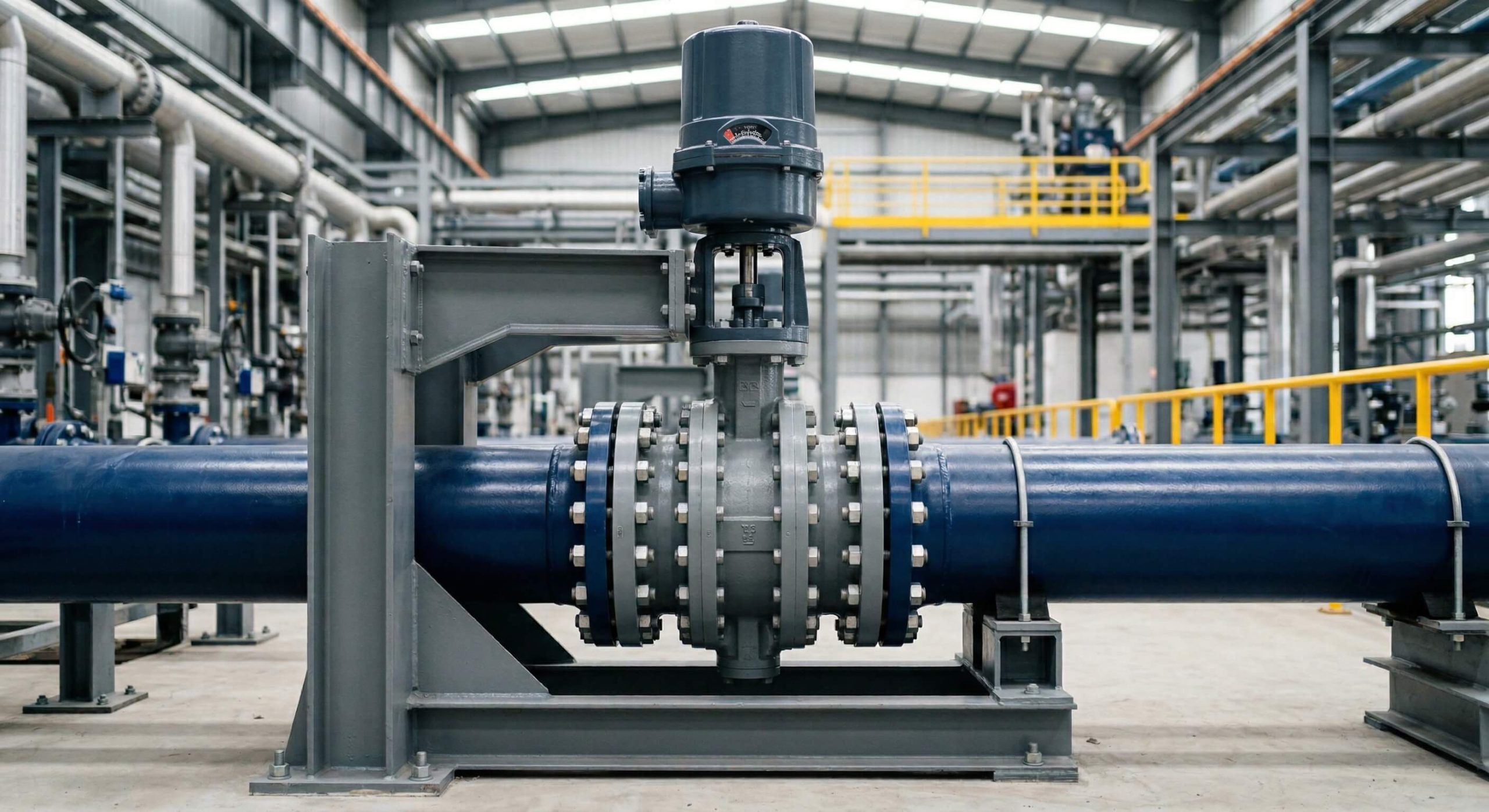
Deciding between a short or long pattern butterfly valve requires matching face-to-face dimensions against your specific internal pipe lining thickness. Dealing with frequent pipeline leaks creates major headaches during daily operation. Unplanned downtime costs facilities thousands daily when poorly fitted equipment fails suddenly. Upgrading hardware selections prevents costly mechanical failures entirely. Selecting a high-quality long pattern butterfly valve guarantees seamless fluid control for complex systems.
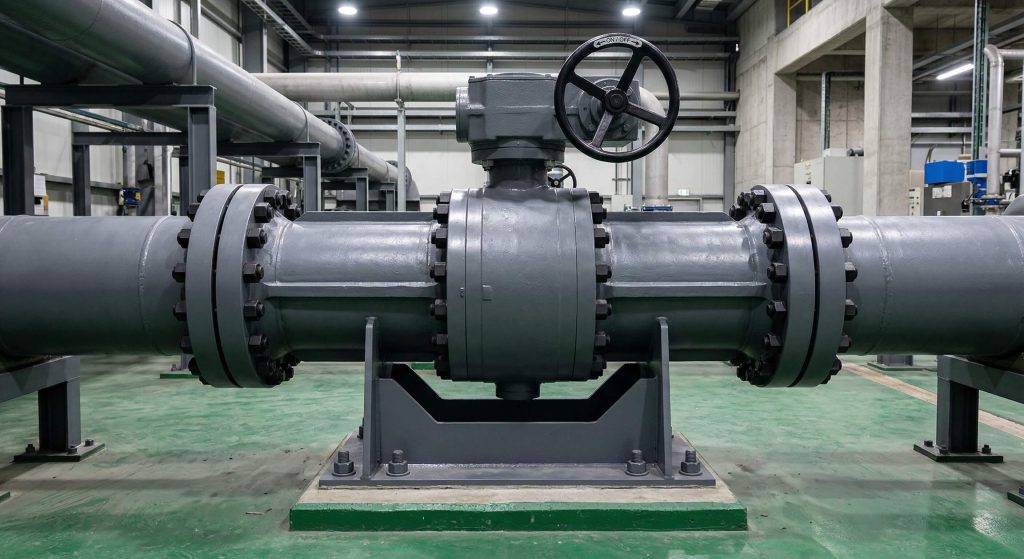
Long vs Short Pattern Butterfly Valve: All You Must Know
What Is A Long Pattern Butterfly Valve Exactly?
A long pattern butterfly valve represents a specialized flow control device featuring an extended face-to-face dimension across its main body. This specific long pattern butterfly valve design allows extra mechanical clearance inside your industrial pipe system during routine fluid transport operations. Operators gain much better internal disc movement capabilities without accidentally hitting any adjacent metal flanges or sensitive equipment. Choosing this elongated structure prevents catastrophic mechanical interference issues when dealing with thick protective pipe linings routinely.
How Does Its Core Design Function?
Here is the deal: extending face-to-face lengths solves chronic clearance issues easily for plant managers globally. You get remarkably smoother fluid transitions across multiple complex industrial setups while avoiding unnecessary operational turbulence completely. This extra internal breathing room accommodates protective internal coatings flawlessly without risking costly mechanical binding during closure sequences.
- Features elongated structural cast bodies accommodating thicker protective pipeline linings safely
- Prevents internal disc interference against nearby pipe connections during rapid actuation
- Handles highly corrosive fluid transport tasks utilizing robust internal barrier materials
Key Takeaway: Integrating extra length guarantees safe internal disc operation while simultaneously protecting nearby piping components from unintended mechanical damage.
| Feature Category | Structural Description | Operational Benefit |
|---|---|---|
| Face-to-Face | Extended overall dimension | Clears adjacent pipe linings |
| Internal Disc | Centered pivot mechanism | Reduces rotational friction |
| Outer Body | Robust metal casting | Handles high systemic stress |
This structural table confirms elongated designs minimize mechanical interference risks noticeably during high-volume liquid processing.
What Defines A Short vs Long Pattern Butterfly Valve?
The primary difference involves that face-to-face measurement determining total installation footprint requirements. Your long pattern butterfly valve takes up more longitudinal space than shorter alternatives available on the market. Shorter versions save room but might cause internal disc collisions indoors if pipes contain thick linings. Comparing both dimensions directly helps engineers prevent disastrous mechanical layout mistakes before construction begins.
Which Option Fits Your Specific Pipeline?
What’s the real story? Space limitations dictate equipment choices frequently across demanding industrial environments. Choosing wisely prevents catastrophic system failures later when processing hazardous chemical liquids daily.
- Short patterns fit tight spaces lacking thick internal protective pipe coatings
- Longer patterns accommodate fully lined pipes carrying aggressive chemical compounds
- Extended versions handle demanding flows requiring larger internal operating clearances
Key Takeaway: Match valve dimensions directly with your available pipe spacing for peak mechanical results.
| Attribute | Short Pattern | Long Version |
|---|---|---|
| Space Requirement | Minimal footprint | Extended footprint |
| Disc Clearance | Tight rotation | Spacious rotation |
| Ideal Usage | Standard clear lines | Heavily lined piping |
Data shows extended designs provide superior clearance for specialized fluid transport systems reliably.
Why Does Length Matter For A Long Pattern Butterfly Valve?
Length matters because it dictates whether moving internal parts function without obstruction. Using a long pattern butterfly valve guarantees internal discs swing fully open. Restricted swinging causes severe pressure drops across your entire pumping network. Proper physical sizing eliminates destructive turbulence near connection points entirely.
Can Dimensions Alter Flow Dynamics?
Ready for the good part? Proper sizing eliminates turbulence near connection points entirely for peak efficiency. You will notice better operational stability immediately after installing correct sizes.
- Reduces fluid turbulence near sensitive flange connection points
- Prevents internal seal damage caused by restrictive mechanical binding
- Maintains steady systemic pressure during continuous heavy industrial operations
Key Takeaway: Correct face-to-face dimensions preserve peak fluid velocities while preventing long-term hardware damage.
| Flow Factor | Dimensional Impact | System Result |
|---|---|---|
| Turbulence | Decreased internal swirling | Smoother fluid flow |
| Pressure Drop | Minimized flow restriction | Pumping efficiency rises |
| Seal Wear | Reduced physical friction | Longer component lifespan |
Dimensional accuracy directly correlates with reduced mechanical wear during daily liquid transport operations.
Where Should You Use A Long Pattern Butterfly Valve?
Heavy industries utilizing lined pipes benefit most from these extended physical dimensions. Every long pattern butterfly valve thrives within water treatment or chemical processing plants. They handle corrosive liquids safely by accommodating thick protective linings easily. These robust devices survive harsh environments where standard equipment degrades rapidly.
Are They Suitable For Harsh Environments?
This is where it gets interesting: aggressive chemicals require robust protective coatings internally. Those coatings demand extra clearance provided uniquely by extended metal bodies.
- Water desalination facilities requiring extreme saltwater corrosion resistance
- Chemical manufacturing plants processing highly acidic fluid mixtures
- Power generation stations managing high-temperature steam transport networks
Key Takeaway: Select extended designs when dealing with heavily lined pipes or aggressive media.
| Application | Media Type | Primary Requirement |
|---|---|---|
| Desalination | Salty water | Maximum corrosion resistance |
| Chemical | Acidic compounds | Thick protective linings |
| Power Plant | Heated steam | Extreme physical durability |
Industrial applications rely heavily on extended clearances for safely managing hazardous fluids continuously.
How Do Dimensions Affect A Long Pattern Butterfly Valve?
Larger dimensions naturally increase overall equipment weight and structural bulk. Installing any long pattern butterfly valve requires robust pipe supports nearby. Thicker flanges withstand higher mechanical stresses during daily industrial operation. Planning support brackets carefully before beginning construction prevents structural sagging.
Will Added Weight Complicate Pipeline Design?
Let’s dig deeper: heavier components need proper structural engineering forethought always. You must plan support brackets carefully before beginning any physical construction.
- Increases total pipeline weight requiring upgraded metal support brackets
- Demands stronger structural frames around complex piping intersection zones
- Requires careful physical handling utilizing cranes during installation phases
Key Takeaway: Always calculate additional structural loads when integrating extended valves into existing pipelines.
| Dimension Factor | Structural Consequence | Engineering Mitigation |
|---|---|---|
| Total Weight | Higher physical load | Add metal supports |
| Physical Bulk | More space needed | Plan layout carefully |
| Handling Needs | Difficult manual lifting | Use mechanical cranes |
Proper load calculations prevent structural sagging around heavy fluid control nodes effectively.
Are Costs Higher For A Long Pattern Butterfly Valve?
Initial costs run higher due towards increased material usage during manufacturing. Purchasing a long pattern butterfly valve requires a slightly larger upfront budget. However, reduced mechanical wear balances total lifecycle expenses favorably over time. Spending more upfront prevents costly emergency replacements later.
Does Higher Cost Equal Better Value?
But here’s the kicker: spending more upfront prevents costly emergency replacements later. You save money by avoiding unexpected operational downtime completely.
- Higher initial purchasing price reflects extra raw material usage
- Lower long-term maintenance costs offset higher initial capital investments
- Fewer replacement parts needed throughout its entire operational lifespan
Key Takeaway: Investing in durable extended designs yields excellent financial savings over time.
| Cost Type | Short Version | Extended Version |
|---|---|---|
| Upfront Price | Lower initial cost | Higher initial cost |
| Maintenance Need | Frequent physical checks | Rare mechanical servicing |
| Lifecycle Value | Moderate return | Excellent long-term return |
Financial metrics indicate extended designs offer superior long-term return on industrial investments.
How To Maintain A Long Pattern Butterfly Valve Safely?
Safe maintenance requires completely depressurizing pipelines before unbolting any metal flanges. Your long pattern butterfly valve needs regular seal inspections for peak performance. Lubricating moving parts regularly prevents premature mechanical binding entirely. Establishing strict periodic inspection protocols guarantees safe daily functionality.
What Are Routine Service Requirements?
You might be wondering: routine checks take very little time if scheduled properly. You should establish strict periodic inspection protocols immediately upon installation.
- Check internal seals for hidden leaks during routine monthly sweeps
- Inspect metal disc edges for physical wear or chemical degradation
- Verify pneumatic actuator alignment remains perfectly centered during operation
Key Takeaway: Consistent visual inspections keep your fluid control systems running smoothly for years.
| Maintenance Task | Recommended Frequency | Primary Purpose |
|---|---|---|
| Seal Inspection | Monthly schedule | Prevent toxic leaks |
| Disc Evaluation | Bi-annual schedule | Monitor physical wear |
| Actuator Testing | Quarterly schedule | Verify smooth operation |
Scheduled maintenance routines drastically reduce unexpected mechanical failures across industrial facilities.
Can A Long Pattern Butterfly Valve Improve Flow Efficiency?
Unobstructed internal pathways maintain steady fluid velocities without causing restrictive bottlenecks. A properly sized long pattern butterfly valve guarantees maximum throughput capacity continually. Smoother internal transitions mean pumps work less hard moving heavy liquids. Streamlined interior spaces minimize destructive eddies forming around metal discs.
How Does Internal Geometry Help?
The truth is: streamlined interior spaces minimize destructive eddies forming around discs. You achieve better energy efficiency across your entire pumping network effortlessly.
- Reduces main pump energy consumption by minimizing flow resistance
- Maintains laminar fluid movement across complex piping intersection points
- Lowers systemic friction losses during high-velocity liquid transport tasks
Key Takeaway: Streamlined internal geometries reduce energy costs by lowering total pumping demands.
| Efficiency Metric | Impact Area | System Result |
|---|---|---|
| Internal Geometry | Fluid travel path | Less internal turbulence |
| Pumping Energy | Motor workload | Lower electricity costs |
| Fluid Velocity | Transport rate | Steady volume output |
Optimizing internal flow paths directly improves complete systemic energy efficiency remarkably.
How Do You Install A Long Pattern Butterfly Valve?
Installation involves aligning heavy flanges perfectly while inserting necessary sealing gaskets. Every long pattern butterfly valve demands precise bolt tightening sequences always. Uneven torque application causes immediate flange damage or toxic fluid leaks. Rushing flange alignment guarantees frustrating leaks upon initial system startup.
What Are Common Installation Pitfalls?
Listen to this: rushing flange alignment guarantees frustrating leaks upon startup. You must use calibrated torque wrenches for every single metal bolt.
- Clean all mating flange surfaces perfectly before attempting physical alignment
- Align heavy pipes perfectly before tightening any connecting metal bolts
- Tighten connecting bolts utilizing strict alternating star pattern sequences
Key Takeaway: Meticulous installation practices guarantee leak-free operation from day one.
| Installation Step | Required Action | Consequence of Failure |
|---|---|---|
| Surface Prep | Clean metal faces | Hidden fluid leaks |
| Pipe Alignment | Center main valve | Severe mechanical stress |
| Bolt Tightening | Star pattern torque | Uneven flange pressure |
Strict adherence towards proper bolting techniques eliminates most early-stage operational failures entirely.
How To Select The Best Long Pattern Butterfly Valve?
Selecting involves matching material specifications directly against your transported chemical media. Your chosen long pattern butterfly valve must handle expected pressure ratings flawlessly. Temperature extremes also dictate which internal seat materials work best structurally. Consulting engineering specifications thoroughly prevents buying incompatible hardware.
Which Specifications Matter Most?
Truth be told: ignoring temperature ratings melts internal seals almost instantly. You should consult engineering specifications thoroughly before buying anything blindly.
- Verify maximum working pressures match your required system output levels
- Check chemical media compatibility charts preventing rapid internal material corrosion
- Confirm ambient temperature ranges suit your chosen internal rubber seals
Key Takeaway: Rigorous specification matching prevents premature component degradation under harsh operating conditions.
| Technical Spec | Engineering Purpose | Example Material Choice |
|---|---|---|
| Base Material | Prevents chemical corrosion | Stainless Steel body |
| Pressure Class | Dictates wall thickness | Class 150 rating |
| Temp Rating | Determines seal type | Heat resistant PTFE |
Careful material selection guarantees maximum longevity even under extreme environmental pressures continuously.
Final Thoughts On Valve Selection
Understanding structural dimension differences empowers engineers building resilient fluid networks safely. Proper equipment selection solves chronic leak issues permanently while boosting longevity. We design robust mechanical solutions handling your toughest industrial fluid challenges easily. Please contact us today for professional guidance regarding complete pipe system upgrades. Our commitment remains delivering flawless performance everywhere liquids flow under pressure.
FAQ
Q1: Can I use it for high pressure?
Yes, absolutely. Extended designs feature thicker outer bodies capable of handling high systemic pressures safely without risking unexpected mechanical ruptures.
Q2: What’s the best material for these?
Stainless steel works best. It offers superior corrosion resistance against harsh chemicals or treated water during continuous industrial processing tasks.
Q3: How do I know if I need a long pattern?
Check your existing pipe lining. If your pipeline features thick protective internal coatings, extended mechanical clearances become absolutely necessary.
Q4: Will this fit standard flanges?
Yes, they certainly do. Manufacturers design them specifically matching standard industrial flange bolt patterns perfectly for seamless mechanical integration.
Q5: Are replacements easy to source?
Very easy indeed. Most major industrial suppliers stock standard extended dimensions due towards their consistently high industry demand globally.