
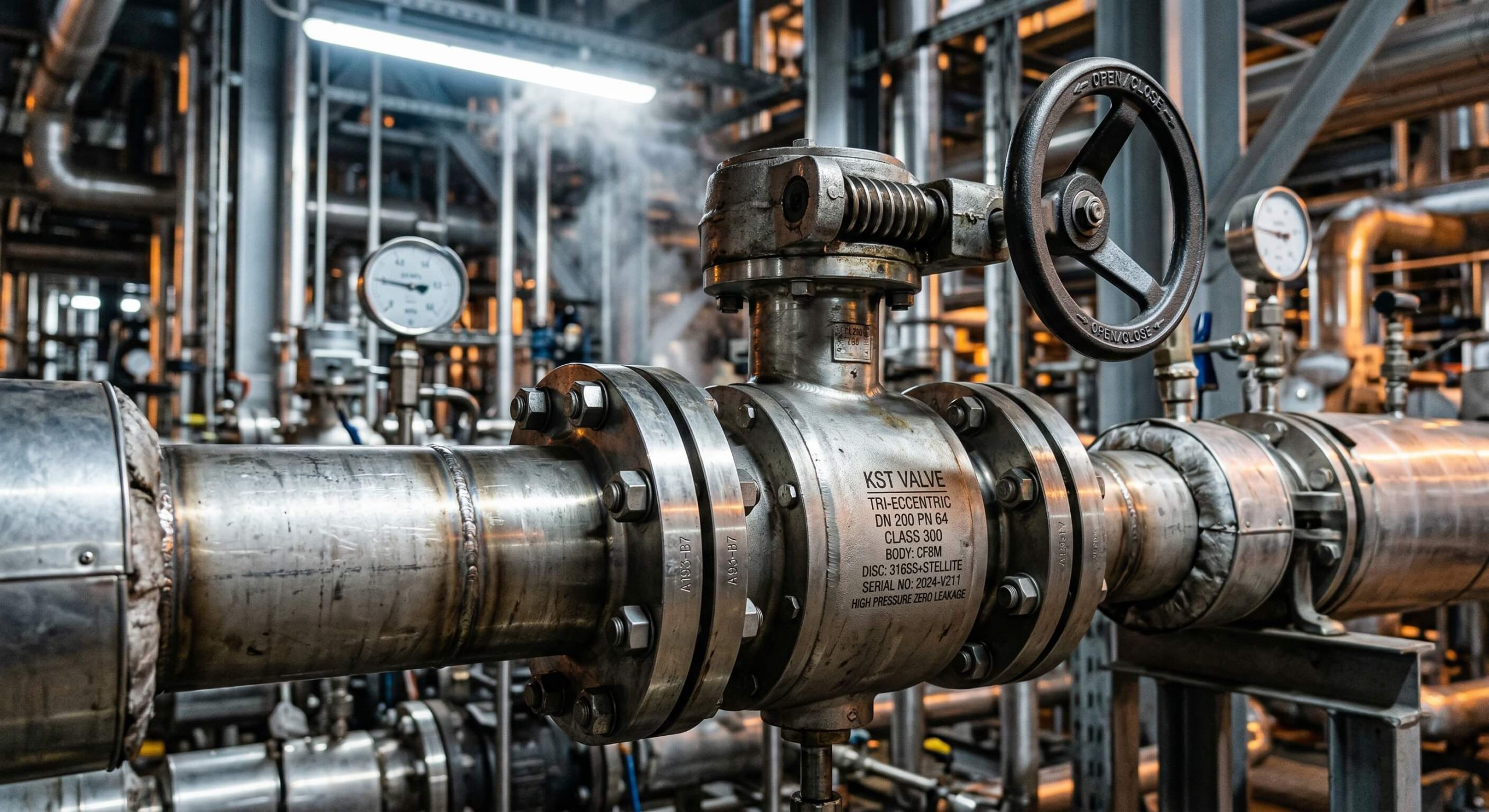
A triple offset butterfly valve animation works by visually demonstrating how three geometric eccentricities eliminate mechanical friction. Industrial plants face severe fluid leaks during extreme pressure operations daily. These unexpected failures cause costly downtime and compromise strict safety protocols. Visualizing these mechanics reveals a perfect zero-leakage sealing solution.
How Does Triple Offset Butterfly Valve Animation Explain Function?
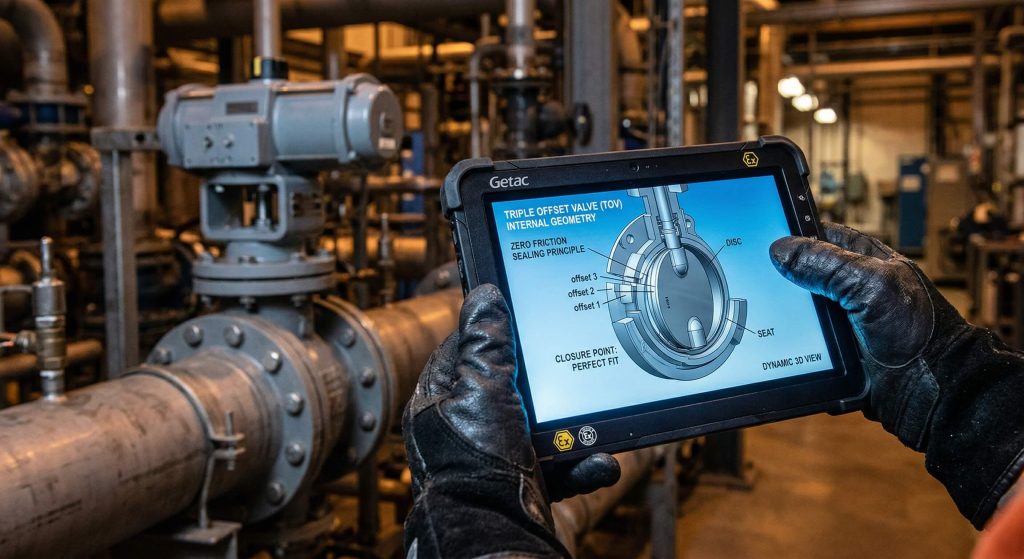
Visualizing a triple offset butterfly valve animation breaks down its unique rotating mechanics immediately. Three distinct eccentricities prevent physical rubbing during regular valve operation. You get zero friction seating with this specific engineering design. Watching moving parts clarifies exactly why these devices perform perfectly.
What Are Three Offsets?
Offsets involve shaft placement and angled seat cone profiles. Here’s the deal:
- One offset shifts a shaft behind flat sealing surfaces.
- Another offset moves that shaft aside from pipe centerlines.
- A final offset creates perfectly angled conical seating profiles. These geometric changes stop sliding wear during opening cycles.
Why Do They Matter?
These design choices eliminate wear over long industrial lifespans. You might be wondering: why avoid rubbing? Minimal contact means extended component durability for field operators.
Key Takeaway: Understanding these eccentric angles helps engineers select reliable equipment.
| Feature | Description | Benefit |
|---|---|---|
| Offset 1 | Shaft behind seal | Continuous sealing line |
| Offset 2 | Shaft off-center | Camming action |
| Offset 3 | Conical profile | Frictionless seating |
This table shows how geometric positioning prevents mechanical wear.
What Causes Zero Friction in Triple Offset Butterfly Valve Animation?
A triple offset butterfly valve animation shows components engaging only at closure. A moving disc swings freely until its final seating position. This motion eliminates galling between metal surfaces almost entirely. Operators rely on this action for achieving tight seals.
How Does Conical Seating Work?
Machined angles create perfect alignment upon final metal contact. Look at this:
- A disc edge acts like a machined metal cone.
- A body seat matches that specific cone angle exactly.
- Applied torque provides necessary final mechanical sealing force. These matched angles prevent interference until total closure happens.
Can It Stop Leaks?
Metal-to-metal contact provides tight shut-off capabilities under high pressure. What’s the real story? Hardened materials handle harsh chemicals safely without degrading quickly.
Key Takeaway: Zero friction designs reduce maintenance frequency across industrial pipelines.
| Aspect | Conventional | Triple Eccentric |
|---|---|---|
| Seating | Rubbing | Non-rubbing |
| Wear | High | Low |
| Shut-off | Variable | Tight |
Comparing traditional designs against eccentric models reveals superior longevity.
Why Use Triple Offset Butterfly Valve Animation for Sealing?
Engineers use a triple offset butterfly valve animation for proving its bubble-tight shut-off. Visuals demonstrate how torque forces create impenetrable mechanical barriers. Liquid cannot bypass closed metallic seal rings under pressure. Facilities prefer this technology for managing hazardous chemical fluids.
Are Laminated Seals Better?
Laminated rings combine flexible graphite and rigid stainless steel. Ready for the good part?
- Graphite absorbs minor surface imperfections easily.
- Steel layers provide rigid structural integrity continuously.
- Rings compress slightly upon closure for tighter seals. This composite structure outperforms solid metal rings in testing.
How Reliable Are They?
These composite rings outlast traditional rubber components very significantly. Think about that: rubber degrades quickly under high heat. Metal withstands severe environments easily for decades of use.
Key Takeaway: Choosing laminated seal structures guarantees superior leak prevention.
| Material | Temperature Limit | Durability |
|---|---|---|
| Rubber | Low | Poor |
| Solid Metal | High | Good |
| Laminated | Very High | Excellent |
Laminated rings offer maximum resilience against extreme industrial temperatures.
Can Triple Offset Butterfly Valve Animation Show High Heat Use?
Yes, a triple offset butterfly valve animation depicts high-temperature endurance effectively. Thermal expansion does not jam these specific internal mechanical parts. Engineers rely on them for controlling hot thermal fluids. Metal components handle extreme thermal shocks without warping permanently.
Managing Thermal Expansion?
Solid metal expands predictably when exposed toward extreme temperatures. This is where it gets interesting:
- Engineered clearances accommodate natural metal growth safely.
- Conical geometry prevents parts from getting stuck together.
- Graphite layers handle sudden thermal shocks very well. These engineered tolerances prevent operational failures during heat cycles.
Which Industries Benefit?
Oil refineries require heat-resistant fluid controls for daily operations. Truth be told: standard valves fail under similar stress. Modern facilities demand reliable performance during continuous thermal processing.
Key Takeaway: High heat resilience keeps continuous operations running for refineries.
| Industry | Typical Temperature | Valve Choice |
|---|---|---|
| Water | Low | Rubber Lined |
| Chemical | Medium | Teflon Lined |
| Refinery | High | Triple Eccentric |
Selecting high-performance designs prevents failure within demanding thermal applications.
How Triple Offset Butterfly Valve Animation Details The Seat?
A triple offset butterfly valve animation reveals integral body seats clearly. Stellite overlays often harden these critical metallic contact points. This tough coating protects against severe abrasive fluid damage. Operators appreciate how hardened surfaces extend overall equipment lifespan.
What Is Stellite Overlay?
Stellite represents a tough cobalt-chromium alloy mixture used industrially. Wait, there’s more:
- It resists cavitation erosion perfectly under heavy flow.
- Wear resistance increases dramatically after proper welding application.
- Welders apply it directly onto cast valve bodies. This specialized alloy prevents premature degradation of seating surfaces.
Why Harden The Seat?
Fast-moving particulate matter destroys soft metal surfaces very quickly. Here’s the kicker… hardened seats survive abrasive flows longer. Protecting a primary seal saves money on replacement parts.
Key Takeaway: Integral hardened seats prevent premature equipment failure dramatically.
| Seat Type | Hardness | Best Application |
|---|---|---|
| Stainless | Standard | Clean Fluids |
| Stellite | Very High | Abrasive Fluids |
| Lined | Low | Corrosive Acids |
Stellite overlays provide unmatched durability against aggressive abrasive media.
Does Triple Offset Butterfly Valve Animation Prove Low Torque?
Actually, a triple offset butterfly valve animation proves torque seating requirements. Unlike position-seated valves, these require rotational force for sealing. Actuators must push internal components together firmly against pressure. This physical wedge effect creates a truly perfect seal.
Torque Versus Position?
Standard position-seated devices rely on exact disc placement alone. Consider this:
- Torque seating uses physical force for tight closures.
- High system pressure requires more closing motor torque.
- Normal wear doesn’t compromise tight seals over time. Applying continuous force guarantees zero leakage across a pipeline.
Sizing Actuators Correctly?
Engineers calculate required forces before selecting any motorized actuator. But watch out: undersized motors will fail completely under pressure. Accurate torque calculations prevent costly automated system failures entirely.
Key Takeaway: Proper torque calculations guarantee reliable automated pipeline closures.
| Seating Concept | Force Type | Leakage Risk |
|---|---|---|
| Position | Placement | Moderate |
| Torque | Wedging | Zero |
| Floating | Line Pressure | Low |
Torque-seated mechanisms deliver superior performance for tight fluid shut-off.
Where Is Triple Offset Butterfly Valve Animation Best Applied?
You see a triple offset butterfly valve animation applied best in harsh sectors. Petrochemical plants demand zero-leakage control mechanisms for daily safety. Steam distribution networks also utilize them extensively for reliability. These robust designs handle severe operating conditions without failing.
Steam And Power Generation?
High-pressure steam requires durable metal-seated isolation devices for safety. Let’s face it:
- Hot steam destroys standard rubber components extremely fast.
- Forged metal handles sudden pressure drops quite safely.
- Fast acting controls prevent catastrophic accidents during emergencies. Power generation relies heavily upon these dependable sealing technologies.
Chemical Processing Plants?
Corrosive media flows constantly through complex chemical processing pipelines. What’s the bottom line? Specialized stainless steel handles aggressive acids well. Facility managers trust these devices for containing dangerous chemicals.
Key Takeaway: Harsh environments necessitate advanced mechanical sealing technologies for safety.
| Sector | Primary Challenge | Solution Benefit |
|---|---|---|
| Power | High Steam Heat | Metal Seats |
| Chemical | Corrosion | Alloy Bodies |
| Oil & Gas | High Pressure | Torque Sealing |
Deploying eccentric valves solves complex challenges across harsh industries.
What Materials Feature in Triple Offset Butterfly Valve Animation?
Carbon steel and stainless steel dominate any triple offset butterfly valve animation. Duplex alloys handle highly corrosive offshore marine applications perfectly. Material selection depends entirely on specific internal fluid properties. Engineers specify custom alloys for handling unique chemical demands.
Common Casting Materials?
Foundries pour various metallic alloys for manufacturing robust bodies. Here’s a quick rundown:
- WCB carbon steel suits general non-corrosive industrial uses.
- CF8M stainless steel handles mild corrosive media effectively.
- Exotic Inconel works for extreme thermal processing environments. Selecting an appropriate alloy extends operational longevity very significantly.
Selecting The Right Metal?
Process conditions dictate which alloy performs best long-term everywhere. Make no mistake: wrong materials corrode rapidly under stress. Analyzing fluid chemistry prevents selecting inappropriate casting materials entirely.
Key Takeaway: Matching body materials with process fluids prevents catastrophic corrosion.
| Material | Cost | Corrosion Resistance |
|---|---|---|
| Carbon Steel | Low | Poor |
| Stainless | Medium | Good |
| Duplex | High | Excellent |
Selecting superior alloys minimizes long-term maintenance costs for facilities.
Can Triple Offset Butterfly Valve Animation Highlight Maintenance?
Viewing a triple offset butterfly valve animation highlights simple maintenance procedures visually. You can replace laminated seal rings on-site very easily. This eliminates returning heavy equipment off-site for routine repairs. Maintenance crews appreciate these simple field replacement design features.
Replacing Seal Rings?
Skilled technicians unbolt retaining rings for replacing damaged seals. Keep reading:
- Remove old laminated rings carefully from a disc.
- Clean all metal seating surfaces thoroughly before reassembly.
- Install new rings and tighten bolts down evenly. Following these steps restores factory tight shut-off performance quickly.
Routine Inspection Steps?
Regular equipment checks prevent unexpected operational shutdowns entirely for facilities. It gets better: visual inspections catch minor mechanical issues early. Preventative maintenance keeps industrial processes flowing without costly interruptions.
Key Takeaway: Field-replaceable components reduce overall plant downtime significantly.
| Task | Frequency | Skill Level |
|---|---|---|
| Visual Check | Monthly | Low |
| Leak Test | Annually | Medium |
| Seal Replace | As Needed | High |
Scheduled maintenance routines maximize operational efficiency across large plants.
Why Trust Triple Offset Butterfly Valve Animation for Safety?
A triple offset butterfly valve animation proves inherent fire-safe design features. Metallic internal components will not melt during intense facility fires. This maintains critical pipeline isolation during dangerous catastrophic emergencies. Plant safety managers require these certified designs for protection.
Fire-Safe Certification?
International industrial standards require rigorous testing for fire safety. Here is the truth:
- Standard API 607 dictates strict fire testing protocols.
- Valves must hold internal pressure while actively burning.
- Post-fire fluid leakage remains strictly limited by rules. Passing these tests proves ultimate reliability under extreme conditions.
Blowout-Proof Shafts?
Internal retaining mechanisms prevent shafts from flying outward dangerously. This means: high internal pressure cannot expel solid stems. Protecting nearby personnel remains paramount during high-pressure system operations.
Key Takeaway: Certified fire-safe designs protect personnel during catastrophic events.
| Standard | Focus Area | Requirement |
|---|---|---|
| API 607 | Fire Safety | Burn Testing |
| API 609 | Dimensions | Face-to-Face |
| ISO 5211 | Actuation | Mounting Pads |
Complying with strict international standards guarantees safe operational performance.
Conclusion
These advanced mechanisms provide robust isolation for critical industrial pipelines. A contact us today message connects you with reliable fluid control solutions. We deliver precision-engineered valves keeping your operations running securely. Safety and efficiency drive our manufacturing excellence forward daily.
FAQ Section
Q1: Can I use these valves for abrasive fluids?
Yes, you certainly can. Hardened stellite seats handle fast-moving particulate matter without sustaining severe damage.
Q2: What’s the best actuator for torque seating?
Electric or pneumatic gear actuators perform best. They provide enough rotational force for wedging metal seals tightly.
Q3: How do I know if my process needs this?
Check your system temperature and pressure requirements. High heat or zero-leakage demands usually require triple eccentric designs.
Q4: Can I replace laminated seals myself?
Yes, field replacement is highly possible. Technicians remove retaining rings for swapping damaged seals right on-site.
Q5: What’s the best material for seawater applications?
Duplex stainless steel works phenomenally well. It resists harsh chloride corrosion better than standard carbon steel.