
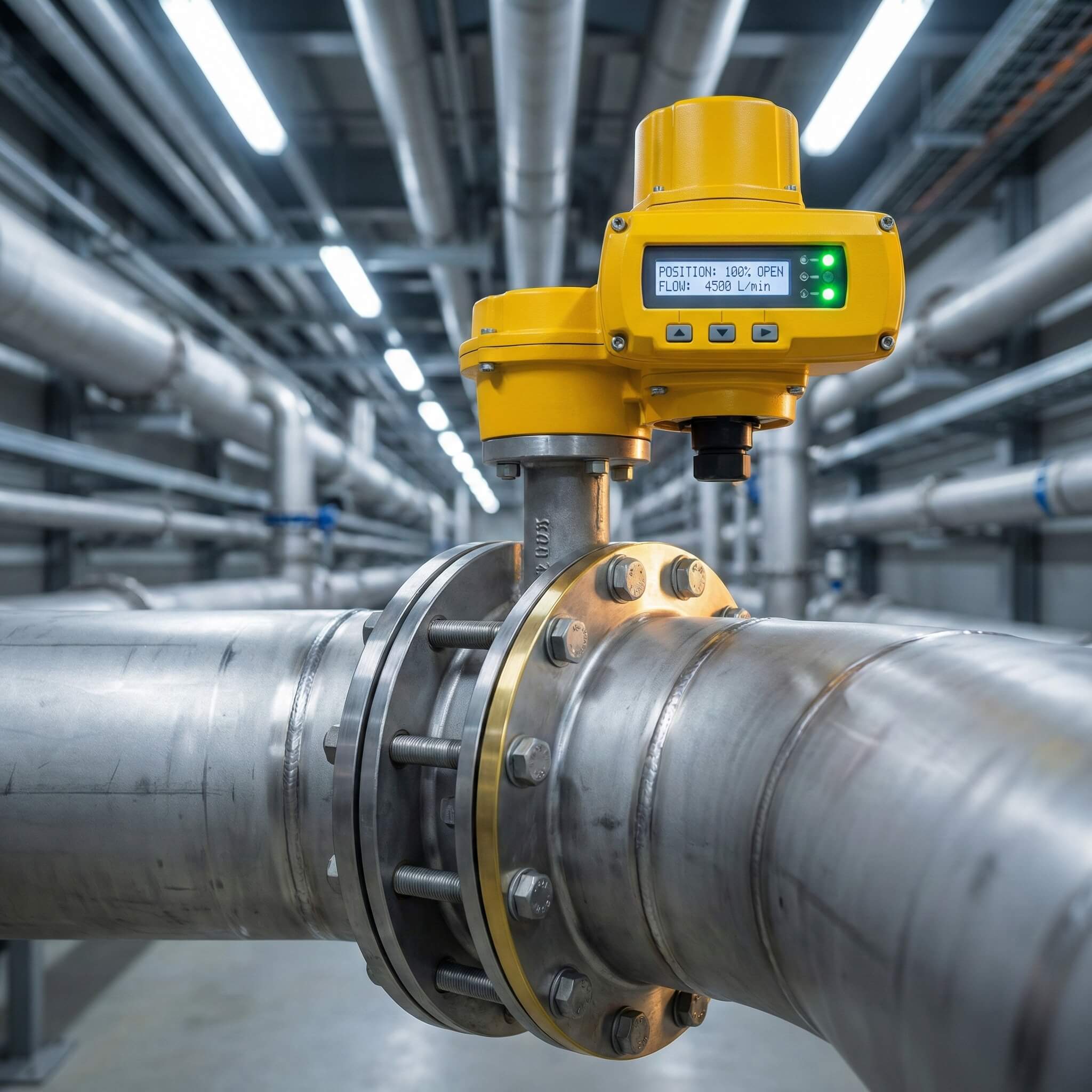
A butterfly valve is a quarter-turn rotational motion valve used to stop, regulate, and start fluid flow within a piping system. You may frequently encounter problems with heavy, expensive valves that cause significant pressure drops and are difficult to maintain. This agitates your operational budget and risks system downtime due to slow actuation speeds. Fortunately, understanding what is the use of butterfly valve provides you with a compact, cost-effective, and highly efficient solution for modern engineering challenges.
Why Is the Use of Butterfly Valves So Essential?
Determining what is the use of butterfly valve is essential for engineers who need to manage high-flow pipelines with minimal spatial requirements. These valves are essential because they provide rapid isolation while weighing significantly less than traditional gate valves. You will find them indispensable in scenarios where weight and footprint are primary constraints.
Is it primarily for shut-off?
The primary role of this valve is to provide quick and reliable shut-off in large-diameter pipes. Because the disc only needs to rotate 90 degrees, you can isolate sections of your system in seconds.
Here is the deal:
Butterfly valves are often preferred for their:
- Fast actuation speeds
- Lightweight construction
- Lower cost in larger sizes
- Simple maintenance routines
Where is it used in water supply?
In water collection and transmission, these valves dominate due to their ability to handle massive volumes of water. You will see them installed in pumping stations and treatment plants where space is at a premium.
| Feature | Role in Flow Control |
|---|---|
| Isolation | Rapidly stops flow in large pipes |
| Throttling | Provides basic regulation capabilities |
| Space Saving | Fits into narrow flange gaps |
The summary table above illustrates how the compact design serves multiple critical roles in municipal infrastructure.
Key Takeaway: Butterfly valves provide a high-efficiency solution for flow isolation, especially in large-diameter piping where weight and footprint must be minimized.
Which Components Define the Use of Butterfly Valves?
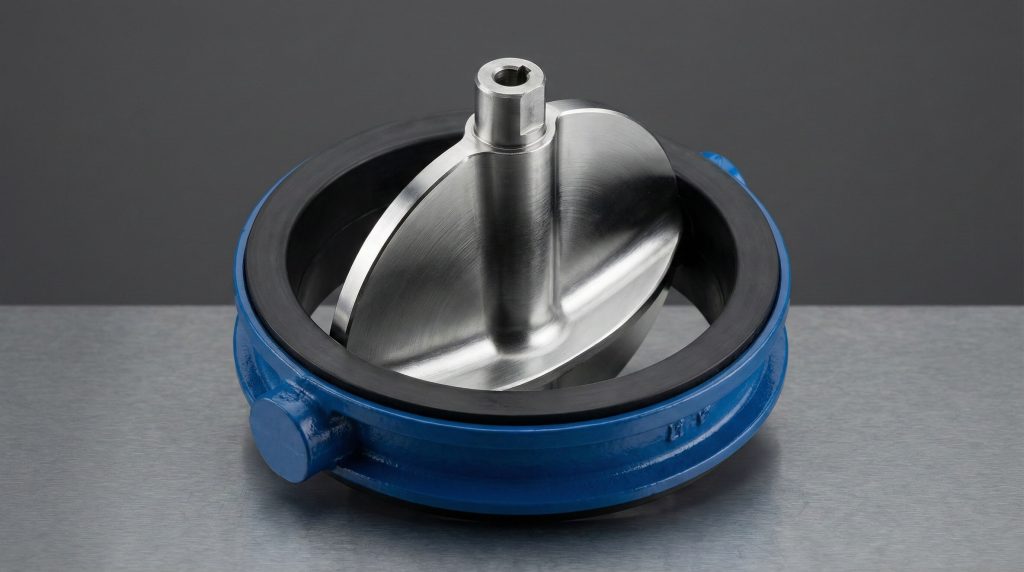
Understanding what is the use of butterfly valve requires you to first examine the specific components that allow it to seal under pressure. The synergy of the body, disc, and stem determines how well the valve will perform in your specific environment. Every part must be precision-engineered to ensure the longevity of the entire assembly.
What is the role of the valve body?
The body acts as the outer shell and is designed to fit securely between two pipe flanges. It maintains the structural integrity of the valve while housing the internal seating and disc.
Let’s dive deeper:
The body typically comes in several configurations:
- Wafer style for sandwiching between flanges
- Lug style for independent downstream piping
- Flanged style for heavy-duty applications
How does the disc function as a gate?
The disc is the component that actually blocks or allows the flow based on its orientation to the media. You can choose from various materials to prevent corrosion or erosion depending on what you are transporting.
Why is the stem critical for torque?
The stem connects the external actuator to the internal disc, transmitting the force required to open or close the valve. It must be strong enough to withstand the operating torque without twisting or shearing.
| Component | Primary Function |
|---|---|
| Valve Body | Houses internals and connects to pipes |
| Disc | Acts as the flow control element |
| Stem | Transmits rotational force to the disc |
The component breakdown in the table shows how mechanical force is translated into fluid control within the pipeline.
Key Takeaway: The synergy between the disc, seat, and stem determines the valve’s sealing reliability and lifespan; understanding these parts is vital for correct maintenance.
How Does the Quarter-Turn Use of Butterfly Valves Work?
Learning what is the use of butterfly valve mechanisms explains how the disc rotates 90 degrees to achieve a full open or closed state. This “quarter-turn” action is what makes the valve so much faster than multi-turn gate valves. You gain the advantage of immediate response times in critical emergency shut-off situations.
How does the disc orientation change?
When you turn the valve to the open position, the disc rotates so that its edge faces the flow. In the closed position, the flat face of the disc is perpendicular to the flow, sealing against the valve seat.
It gets better:
The rotation process follows a specific logic:
- 0°: Fully closed and sealed
- 1° to 89°: Variable flow/throttling zone
- 90°: Fully open with minimal resistance
Is flow regulation actually recommended?
While you can use these valves for throttling, they are primarily designed as isolation devices. Using them in a partially open state for long periods can lead to disc “chatter” or uneven wear on the seat.
| Position | Flow Status | Disc Alignment |
|---|---|---|
| 0 Degrees | Full Shut-off | Perpendicular to flow |
| 45 Degrees | Partial Flow | Diagonal to flow |
| 90 Degrees | Full Flow | Parallel to flow |
The operational table highlights how the disc alignment directly correlates to the volume of media moving through the pipe.
Key Takeaway: The fast 90° actuation provides immediate response, though careful consideration is needed if attempting to use the valve for non-isolation purposes.
Which Actuation Methods Optimize Use of Butterfly Valves?
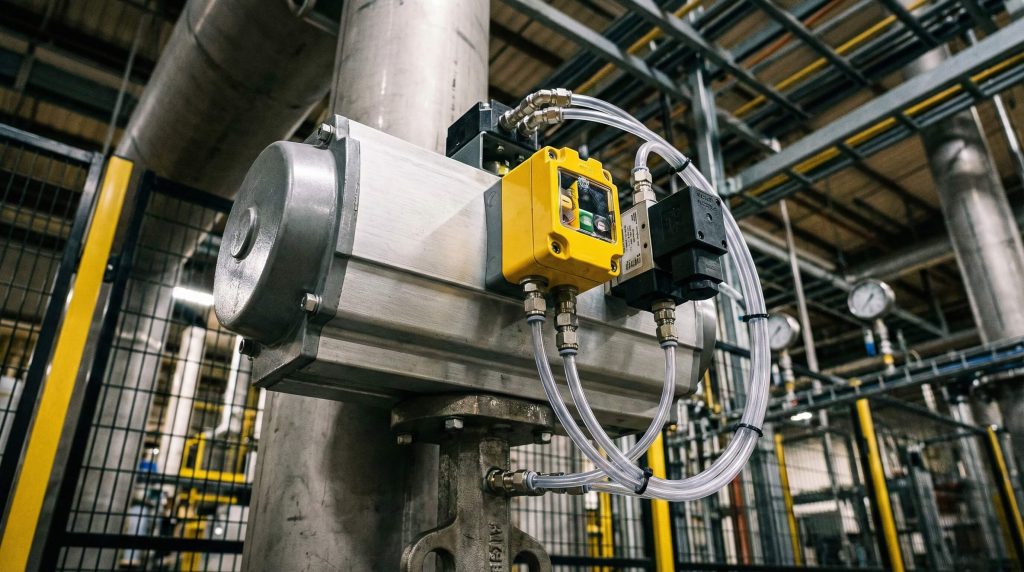
When considering what is the use of butterfly valve in automation, you must choose the right actuator to drive the stem. Manual, pneumatic, and electric actuators each offer different benefits depending on your speed and precision needs. Selecting the wrong method can lead to inefficient control or premature mechanical failure.
When should you use electric actuators?
Electric actuators are your best choice when you need precise positioning and integration with a central control system. They allow you to manage flow rates remotely using digital or analog signals.
Think about this:
Electric actuation provides several benefits:
- Precise 4-20mA control
- Easy integration with SCADA
- Low noise during operation
- No need for air compressors
Are pneumatic systems better for precision?
Pneumatic actuators are widely used because they offer rapid cycle times and fail-safe options like spring-return. You will find these most effective in industrial plants where compressed air is readily available.
What about manual handwheels and gears?
For smaller valves or locations without power, a simple lever or gearbox handwheel is the most reliable option. These provide significant mechanical advantage, allowing you to operate large valves with minimal physical effort.
| Actuator Type | Best For | Main Advantage |
|---|---|---|
| Electric | Automation | High precision control |
| Pneumatic | Rapid Cycling | Fast response and safety |
| Manual | Local Control | Low cost and reliability |
This comparison table demonstrates that your choice of actuator should be driven by the specific operational goals of your facility.
Key Takeaway: Actuation choice depends on the required torque and precision; butterfly valves generally require lower-cost actuators than equivalent gate valves.
Why Is the Use of Butterfly Valves Better Than Other Designs?
Analyzing what is the use of butterfly valve highlights why it is often a superior choice compared to a Ball Valve or gate valve. The most significant benefit you will notice is the reduction in both initial purchase cost and installation labor. Because the design is so streamlined, it requires far less material to manufacture than other valve types.
Are they truly more lightweight and compact?
Yes, a butterfly valve is much thinner than a gate valve of the same diameter. This allows you to install it in tight spaces where other valves simply would not fit.
But wait, there’s more:
Compared to other designs, butterfly valves offer:
- Reduced structural support needs
- Smaller face-to-face dimensions
- Lower shipping costs due to weight
- Faster installation for technicians
How do they reduce maintenance costs?
The simple design features fewer moving parts, which naturally leads to a lower risk of mechanical failure. You can often replace the seats or seals without having to replace the entire valve body, saving you time and money.
| Metric | Butterfly Valve | Gate Valve |
|---|---|---|
| Weight | Low | High |
| Installation | Fast | Slow |
| Cost (DN >200) | Economical | Expensive |
The comparative data in the table confirms that for large-scale systems, the butterfly design provides the best return on investment.
Key Takeaway: For dimensions over DN 200, butterfly valves offer significant savings in material, labor, and maintenance.
What Connection Types Support Use of Butterfly Valves?
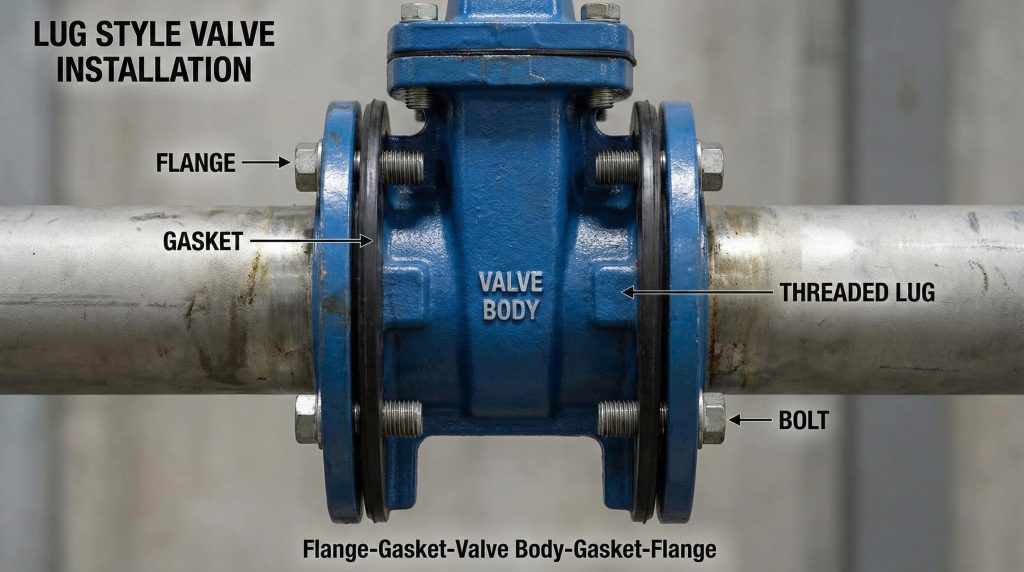
Determining what is the use of butterfly valve in your piping layout requires a firm understanding of connection styles. You must choose between Lug vs Wafer or flanged designs based on your pressure requirements and maintenance needs. The connection type dictates how the valve is physically secured between your pipes.
What are the differences between wafer and lug?
Wafer valves are designed to be sandwiched between two pipe flanges using long bolts that span the entire valve. Lug valves have threaded inserts that allow you to bolt them to one flange independently, which is useful for dead-end service.
The bottom line is:
Your connection choice affects:
- Ease of system maintenance
- Ability to isolate downstream
- Pressure rating limits
- Overall installation time
Why are flanged connections used for large sizes?
In very large water transmission lines, double-flanged butterfly valves are the standard. They provide the highest level of stability and are designed to withstand the immense pressures found in municipal water networks.
| Type | Ideal Environment | Bolt Configuration |
|---|---|---|
| Wafer | Compact spaces | Through-bolts |
| Lug | Dead-end service | Individual bolts |
| Flange | High-pressure water | Double-sided bolts |
As shown in the table, selecting the connection is not just about fitment but also about the functional requirements of the pipe run.
Key Takeaway: Selecting the right connection type is critical for ensuring the valve can handle the specific pressure and piping standards of your system.
How Does Eccentricity Improve the Use of Butterfly Valves?
The evolution of what is the use of butterfly valve has led to eccentric designs that minimize friction and wear. Unlike a standard concentric valve where the stem passes through the center of the disc, eccentric valves use offsets. You benefit from this technology through a longer-lasting seal and lower operating torque.
What is the double eccentric design?
In a double eccentric valve, the stem is offset from the center of the seat and the center of the pipe. This causes the disc to “lift” off the seat almost immediately upon opening, reducing friction.
The truth is:
Eccentric designs solve several issues:
- Reduced seat wear
- Improved sealing at high pressure
- Lower torque for actuators
- Better performance with high temps
How does triple offset achieve zero leakage?
Triple offset valves add a third geometric offset in the sealing surface, creating a cone-shaped seal. This allows for a “metal-to-metal” contact that provides bubble-tight shut-off even in extreme temperatures and pressures.
| Design | Sealing Type | Application Level |
|---|---|---|
| Concentric | Resilient Seat | Low Pressure |
| Double Offset | High Performance | Medium Pressure |
| Triple Offset | Zero Leakage | High Pressure/Temp |
The table summarizes how increasing the complexity of the offset allows you to use these valves in much harsher environments.
Key Takeaway: Offset designs significantly extend the life of the internal seals by minimizing friction during the opening and closing cycles.
Does Sealing Impact the Use of Butterfly Valves?
To optimize what is the use of butterfly valve in your facility, you must match the sealing material to the media you are moving. The seal, or seat, is the part that prevents leaks when the valve is closed. You need to consider chemical compatibility, temperature, and whether the media is abrasive.
Soft-seated vs. metal-seated: which wins?
Soft-seated valves use elastomers like EPDM or NBR to create a tight seal in water and air applications. Metal-seated valves are required if you are dealing with abrasive slurries or temperatures that would melt rubber.
Now consider this:
Common sealing materials include:
- EPDM for general water use
- PTFE for chemical resistance
- NBR for oil and gas
- Stainless steel for high heat
When is EPDM preferred over PTFE?
EPDM is excellent for water treatment and HVAC because it is resilient and cost-effective. However, if you are moving aggressive chemicals, PTFE is necessary because it won’t break down when exposed to corrosive substances.
| Seat Material | Temperature Range | Media Compatibility |
|---|---|---|
| EPDM | -20°C to 120°C | Water, Steam |
| PTFE | -30°C to 200°C | Acids, Chemicals |
| Metal | Up to 600°C | Slurries, High Heat |
This material table acts as a quick reference for matching your valve internals to the fluids in your system.
Key Takeaway: The choice of sealing material is the primary factor in determining the valve’s chemical compatibility and temperature rating.
Where Is the Use of Butterfly Valves Most Effective?
The practical what is the use of butterfly valve is best seen in industries that require the movement of massive fluid volumes. Because butterfly valves are so versatile, they have become the standard for both municipal and industrial infrastructure. You will likely see them in everything from your local water utility to large-scale manufacturing plants.
Why are they standard in water treatment?
In water treatment, these valves manage raw water intake, filtration processes, and chemical dosing. Their ability to resist corrosion while providing reliable shut-off makes them a favorite for engineers in this sector.
You might be wondering:
Where else can you find them?
- Seawater desalination plants
- HVAC cooling towers
- Fire protection systems
- Agricultural irrigation
How do they perform in HVAC systems?
In HVAC, they are used to control the flow of chilled or hot water through massive climate control networks. Their compact size allows them to be tucked away in mechanical rooms where space is extremely limited.
| Industry | Typical Process | Required Specification |
|---|---|---|
| Municipal | Water Distribution | WRAS/NSF Certified |
| HVAC | Chilled Water | Low Pressure Drop |
| Industrial | Chemical Processing | Corrosion Resistant |
The industry matrix above shows how the valve’s specifications change to meet the unique demands of different sectors.
Key Takeaway: Due to their versatility, butterfly valves are the go-to solution for high-flow, low-pressure applications across municipal and industrial sectors.
How to Configure the Proper Use of Butterfly Valves?
Finalizing what is the use of butterfly valve for your project requires careful attention to sizing and international standards. You cannot simply pick a valve based on the pipe size; you must consider the flow velocity and pressure drop. Ensuring that your configuration meets global standards like API or ISO is vital for safety and compatibility.
Which standards must be followed?
You should look for valves that adhere to standards such as API 609, EN 593, or ISO 5752. These ensure that the face-to-face dimensions and pressure testing procedures meet rigorous industry safety requirements.
Keep this in mind:
Your selection checklist should include:
- Maximum operating pressure
- Temperature extremes
- Flow rate (Cv values)
- Pipeline flange standards
How to determine the correct size (DN)?
The nominal diameter (DN) of the valve should ideally match the pipe, but you must check the flow velocity to avoid cavitation. A valve that is too small will cause high pressure drops, while one that is too large may be inefficient for throttling.
| Step | Action | Objective |
|---|---|---|
| 1 | Check Media | Select seat material |
| 2 | Calculate Cv | Determine valve size |
| 3 | Verify Standard | Ensure flange match |
This selection checklist provides a logical path to ensure the valve you order will perform as expected in the field.
Key Takeaway: Successful selection requires balancing technical standards with the specific physical demands of the media being transported.
Conclusion
Butterfly valves represent the pinnacle of efficient flow control for large-diameter systems. By balancing weight, cost, and speed, they provide a reliable solution for complex water and industrial networks. Whether you need a simple wafer design for a small plant or a triple-offset valve for high-pressure steam, these components offer unparalleled versatility. For a detailed consultation or to receive a custom quote for your specific project, you can contact us today to explore our full range of precision-engineered valves.
FAQ
Can I use a butterfly valve for high-pressure gas?
While possible with triple-offset designs, standard butterfly valves are typically optimized for liquid media; specific certifications (like API 609) are required for gas.
What is the typical lifespan of a double eccentric valve?
With proper maintenance and correct material selection, these valves often last 15–20 years in standard water service environments.
How does a butterfly valve compare to a ball valve in price?
In sizes larger than DN 100, butterfly valves are significantly more affordable due to their lower material usage and simpler body construction.
Is it possible to replace the seat without replacing the whole valve?
Yes, many resilient-seated designs allow for the replacement of the liner or sealing ring, which can often be done on-site.
What causes a butterfly valve to leak?
Common causes include seat erosion from abrasive media, “scuffing” due to incorrect disc alignment, or exceeding the rated pressure and temperature limits of the material.
A butterfly valve is a quarter-turn rotational motion valve used to stop, regulate, and start fluid flow within a piping system. You may frequently encounter problems with heavy, expensive valves that cause significant pressure drops and are difficult to maintain. This agitates your operational budget and risks system downtime due to slow actuation speeds. Fortunately, understanding what is the use of butterfly valve provides you with a compact, cost-effective, and highly efficient solution for modern engineering challenges.
Why Is the Use of Butterfly Valves So Essential?
Determining what is the use of butterfly valve is essential for engineers who need to manage high-flow pipelines with minimal spatial requirements. These valves are essential because they provide rapid isolation while weighing significantly less than traditional gate valves. You will find them indispensable in scenarios where weight and footprint are primary constraints.
Is it primarily for shut-off?
The primary role of this valve is to provide quick and reliable shut-off in large-diameter pipes. Because the disc only needs to rotate 90 degrees, you can isolate sections of your system in seconds.
Here is the deal:
Butterfly valves are often preferred for their:
- Fast actuation speeds
- Lightweight construction
- Lower cost in larger sizes
- Simple maintenance routines
Where is it used in water supply?
In water collection and transmission, these valves dominate due to their ability to handle massive volumes of water. You will see them installed in pumping stations and treatment plants where space is at a premium.
| Feature | Role in Flow Control |
|---|---|
| Isolation | Rapidly stops flow in large pipes |
| Throttling | Provides basic regulation capabilities |
| Space Saving | Fits into narrow flange gaps |
The summary table above illustrates how the compact design serves multiple critical roles in municipal infrastructure.
Key Takeaway: Butterfly valves provide a high-efficiency solution for flow isolation, especially in large-diameter piping where weight and footprint must be minimized.
Which Components Define the Use of Butterfly Valves?
Understanding what is the use of butterfly valve requires you to first examine the specific components that allow it to seal under pressure. The synergy of the body, disc, and stem determines how well the valve will perform in your specific environment. Every part must be precision-engineered to ensure the longevity of the entire assembly.
What is the role of the valve body?
The body acts as the outer shell and is designed to fit securely between two pipe flanges. It maintains the structural integrity of the valve while housing the internal seating and disc.
Let’s dive deeper:
The body typically comes in several configurations:
- Wafer style for sandwiching between flanges
- Lug style for independent downstream piping
- Flanged style for heavy-duty applications
How does the disc function as a gate?
The disc is the component that actually blocks or allows the flow based on its orientation to the media. You can choose from various materials to prevent corrosion or erosion depending on what you are transporting.
Why is the stem critical for torque?
The stem connects the external actuator to the internal disc, transmitting the force required to open or close the valve. It must be strong enough to withstand the operating torque without twisting or shearing.
| Component | Primary Function |
|---|---|
| Valve Body | Houses internals and connects to pipes |
| Disc | Acts as the flow control element |
| Stem | Transmits rotational force to the disc |
The component breakdown in the table shows how mechanical force is translated into fluid control within the pipeline.
Key Takeaway: The synergy between the disc, seat, and stem determines the valve’s sealing reliability and lifespan; understanding these parts is vital for correct maintenance.
How Does the Quarter-Turn Use of Butterfly Valves Work?
Learning what is the use of butterfly valve mechanisms explains how the disc rotates 90 degrees to achieve a full open or closed state. This “quarter-turn” action is what makes the valve so much faster than multi-turn gate valves. You gain the advantage of immediate response times in critical emergency shut-off situations.
How does the disc orientation change?
When you turn the valve to the open position, the disc rotates so that its edge faces the flow. In the closed position, the flat face of the disc is perpendicular to the flow, sealing against the valve seat.
It gets better:
The rotation process follows a specific logic:
- 0°: Fully closed and sealed
- 1° to 89°: Variable flow/throttling zone
- 90°: Fully open with minimal resistance
Is flow regulation actually recommended?
While you can use these valves for throttling, they are primarily designed as isolation devices. Using them in a partially open state for long periods can lead to disc “chatter” or uneven wear on the seat.
| Position | Flow Status | Disc Alignment |
|---|---|---|
| 0 Degrees | Full Shut-off | Perpendicular to flow |
| 45 Degrees | Partial Flow | Diagonal to flow |
| 90 Degrees | Full Flow | Parallel to flow |
The operational table highlights how the disc alignment directly correlates to the volume of media moving through the pipe.
Key Takeaway: The fast 90° actuation provides immediate response, though careful consideration is needed if attempting to use the valve for non-isolation purposes.
Which Actuation Methods Optimize Use of Butterfly Valves?
When considering what is the use of butterfly valve in automation, you must choose the right actuator to drive the stem. Manual, pneumatic, and electric actuators each offer different benefits depending on your speed and precision needs. Selecting the wrong method can lead to inefficient control or premature mechanical failure.
When should you use electric actuators?
Electric actuators are your best choice when you need precise positioning and integration with a central control system. They allow you to manage flow rates remotely using digital or analog signals.
Think about this:
Electric actuation provides several benefits:
- Precise 4-20mA control
- Easy integration with SCADA
- Low noise during operation
- No need for air compressors
Are pneumatic systems better for precision?
Pneumatic actuators are widely used because they offer rapid cycle times and fail-safe options like spring-return. You will find these most effective in industrial plants where compressed air is readily available.
What about manual handwheels and gears?
For smaller valves or locations without power, a simple lever or gearbox handwheel is the most reliable option. These provide significant mechanical advantage, allowing you to operate large valves with minimal physical effort.
| Actuator Type | Best For | Main Advantage |
|---|---|---|
| Electric | Automation | High precision control |
| Pneumatic | Rapid Cycling | Fast response and safety |
| Manual | Local Control | Low cost and reliability |
This comparison table demonstrates that your choice of actuator should be driven by the specific operational goals of your facility.
Key Takeaway: Actuation choice depends on the required torque and precision; butterfly valves generally require lower-cost actuators than equivalent gate valves.
Why Is the Use of Butterfly Valves Better Than Other Designs?
Analyzing what is the use of butterfly valve highlights why it is often a superior choice compared to a Ball Valve or gate valve. The most significant benefit you will notice is the reduction in both initial purchase cost and installation labor. Because the design is so streamlined, it requires far less material to manufacture than other valve types.
Are they truly more lightweight and compact?
Yes, a butterfly valve is much thinner than a gate valve of the same diameter. This allows you to install it in tight spaces where other valves simply would not fit.
But wait, there’s more:
Compared to other designs, butterfly valves offer:
- Reduced structural support needs
- Smaller face-to-face dimensions
- Lower shipping costs due to weight
- Faster installation for technicians
How do they reduce maintenance costs?
The simple design features fewer moving parts, which naturally leads to a lower risk of mechanical failure. You can often replace the seats or seals without having to replace the entire valve body, saving you time and money.
| Metric | Butterfly Valve | Gate Valve |
|---|---|---|
| Weight | Low | High |
| Installation | Fast | Slow |
| Cost (DN >200) | Economical | Expensive |
The comparative data in the table confirms that for large-scale systems, the butterfly design provides the best return on investment.
Key Takeaway: For dimensions over DN 200, butterfly valves offer significant savings in material, labor, and maintenance.
What Connection Types Support Use of Butterfly Valves?
Determining what is the use of butterfly valve in your piping layout requires a firm understanding of connection styles. You must choose between Lug vs Wafer or flanged designs based on your pressure requirements and maintenance needs. The connection type dictates how the valve is physically secured between your pipes.
What are the differences between wafer and lug?
Wafer valves are designed to be sandwiched between two pipe flanges using long bolts that span the entire valve. Lug valves have threaded inserts that allow you to bolt them to one flange independently, which is useful for dead-end service.
The bottom line is:
Your connection choice affects:
- Ease of system maintenance
- Ability to isolate downstream
- Pressure rating limits
- Overall installation time
Why are flanged connections used for large sizes?
In very large water transmission lines, double-flanged butterfly valves are the standard. They provide the highest level of stability and are designed to withstand the immense pressures found in municipal water networks.
| Type | Ideal Environment | Bolt Configuration |
|---|---|---|
| Wafer | Compact spaces | Through-bolts |
| Lug | Dead-end service | Individual bolts |
| Flange | High-pressure water | Double-sided bolts |
As shown in the table, selecting the connection is not just about fitment but also about the functional requirements of the pipe run.
Key Takeaway: Selecting the right connection type is critical for ensuring the valve can handle the specific pressure and piping standards of your system.
How Does Eccentricity Improve the Use of Butterfly Valves?
The evolution of what is the use of butterfly valve has led to eccentric designs that minimize friction and wear. Unlike a standard concentric valve where the stem passes through the center of the disc, eccentric valves use offsets. You benefit from this technology through a longer-lasting seal and lower operating torque.
What is the double eccentric design?
In a double eccentric valve, the stem is offset from the center of the seat and the center of the pipe. This causes the disc to “lift” off the seat almost immediately upon opening, reducing friction.
The truth is:
Eccentric designs solve several issues:
- Reduced seat wear
- Improved sealing at high pressure
- Lower torque for actuators
- Better performance with high temps
How does triple offset achieve zero leakage?
Triple offset valves add a third geometric offset in the sealing surface, creating a cone-shaped seal. This allows for a “metal-to-metal” contact that provides bubble-tight shut-off even in extreme temperatures and pressures.
| Design | Sealing Type | Application Level |
|---|---|---|
| Concentric | Resilient Seat | Low Pressure |
| Double Offset | High Performance | Medium Pressure |
| Triple Offset | Zero Leakage | High Pressure/Temp |
The table summarizes how increasing the complexity of the offset allows you to use these valves in much harsher environments.
Key Takeaway: Offset designs significantly extend the life of the internal seals by minimizing friction during the opening and closing cycles.
Does Sealing Impact the Use of Butterfly Valves?
To optimize what is the use of butterfly valve in your facility, you must match the sealing material to the media you are moving. The seal, or seat, is the part that prevents leaks when the valve is closed. You need to consider chemical compatibility, temperature, and whether the media is abrasive.
Soft-seated vs. metal-seated: which wins?
Soft-seated valves use elastomers like EPDM or NBR to create a tight seal in water and air applications. Metal-seated valves are required if you are dealing with abrasive slurries or temperatures that would melt rubber.
Now consider this:
Common sealing materials include:
- EPDM for general water use
- PTFE for chemical resistance
- NBR for oil and gas
- Stainless steel for high heat
When is EPDM preferred over PTFE?
EPDM is excellent for water treatment and HVAC because it is resilient and cost-effective. However, if you are moving aggressive chemicals, PTFE is necessary because it won’t break down when exposed to corrosive substances.
| Seat Material | Temperature Range | Media Compatibility |
|---|---|---|
| EPDM | -20°C to 120°C | Water, Steam |
| PTFE | -30°C to 200°C | Acids, Chemicals |
| Metal | Up to 600°C | Slurries, High Heat |
This material table acts as a quick reference for matching your valve internals to the fluids in your system.
Key Takeaway: The choice of sealing material is the primary factor in determining the valve’s chemical compatibility and temperature rating.
Where Is the Use of Butterfly Valves Most Effective?
The practical what is the use of butterfly valve is best seen in industries that require the movement of massive fluid volumes. Because butterfly valves are so versatile, they have become the standard for both municipal and industrial infrastructure. You will likely see them in everything from your local water utility to large-scale manufacturing plants.
Why are they standard in water treatment?
In water treatment, these valves manage raw water intake, filtration processes, and chemical dosing. Their ability to resist corrosion while providing reliable shut-off makes them a favorite for engineers in this sector.
You might be wondering:
Where else can you find them?
- Seawater desalination plants
- HVAC cooling towers
- Fire protection systems
- Agricultural irrigation
How do they perform in HVAC systems?
In HVAC, they are used to control the flow of chilled or hot water through massive climate control networks. Their compact size allows them to be tucked away in mechanical rooms where space is extremely limited.
| Industry | Typical Process | Required Specification |
|---|---|---|
| Municipal | Water Distribution | WRAS/NSF Certified |
| HVAC | Chilled Water | Low Pressure Drop |
| Industrial | Chemical Processing | Corrosion Resistant |
The industry matrix above shows how the valve’s specifications change to meet the unique demands of different sectors.
Key Takeaway: Due to their versatility, butterfly valves are the go-to solution for high-flow, low-pressure applications across municipal and industrial sectors.
How to Configure the Proper Use of Butterfly Valves?
Finalizing what is the use of butterfly valve for your project requires careful attention to sizing and international standards. You cannot simply pick a valve based on the pipe size; you must consider the flow velocity and pressure drop. Ensuring that your configuration meets global standards like API or ISO is vital for safety and compatibility.
Which standards must be followed?
You should look for valves that adhere to standards such as API 609, EN 593, or ISO 5752. These ensure that the face-to-face dimensions and pressure testing procedures meet rigorous industry safety requirements.
Keep this in mind:
Your selection checklist should include:
- Maximum operating pressure
- Temperature extremes
- Flow rate (Cv values)
- Pipeline flange standards
How to determine the correct size (DN)?
The nominal diameter (DN) of the valve should ideally match the pipe, but you must check the flow velocity to avoid cavitation. A valve that is too small will cause high pressure drops, while one that is too large may be inefficient for throttling.
| Step | Action | Objective |
|---|---|---|
| 1 | Check Media | Select seat material |
| 2 | Calculate Cv | Determine valve size |
| 3 | Verify Standard | Ensure flange match |
This selection checklist provides a logical path to ensure the valve you order will perform as expected in the field.
Key Takeaway: Successful selection requires balancing technical standards with the specific physical demands of the media being transported.
Conclusion
Butterfly valves represent the pinnacle of efficient flow control for large-diameter systems. By balancing weight, cost, and speed, they provide a reliable solution for complex water and industrial networks. Whether you need a simple wafer design for a small plant or a triple-offset valve for high-pressure steam, these components offer unparalleled versatility. For a detailed consultation or to receive a custom quote for your specific project, you can contact us today to explore our full range of precision-engineered valves.
FAQ
Can I use a butterfly valve for high-pressure gas?
While possible with triple-offset designs, standard butterfly valves are typically optimized for liquid media; specific certifications (like API 609) are required for gas.
What is the typical lifespan of a double eccentric valve?
With proper maintenance and correct material selection, these valves often last 15–20 years in standard water service environments.
How does a butterfly valve compare to a ball valve in price?
In sizes larger than DN 100, butterfly valves are significantly more affordable due to their lower material usage and simpler body construction.
Is it possible to replace the seat without replacing the whole valve?
Yes, many resilient-seated designs allow for the replacement of the liner or sealing ring, which can often be done on-site.
What causes a butterfly valve to leak?
Common causes include seat erosion from abrasive media, “scuffing” due to incorrect disc alignment, or exceeding the rated pressure and temperature limits of the material.