
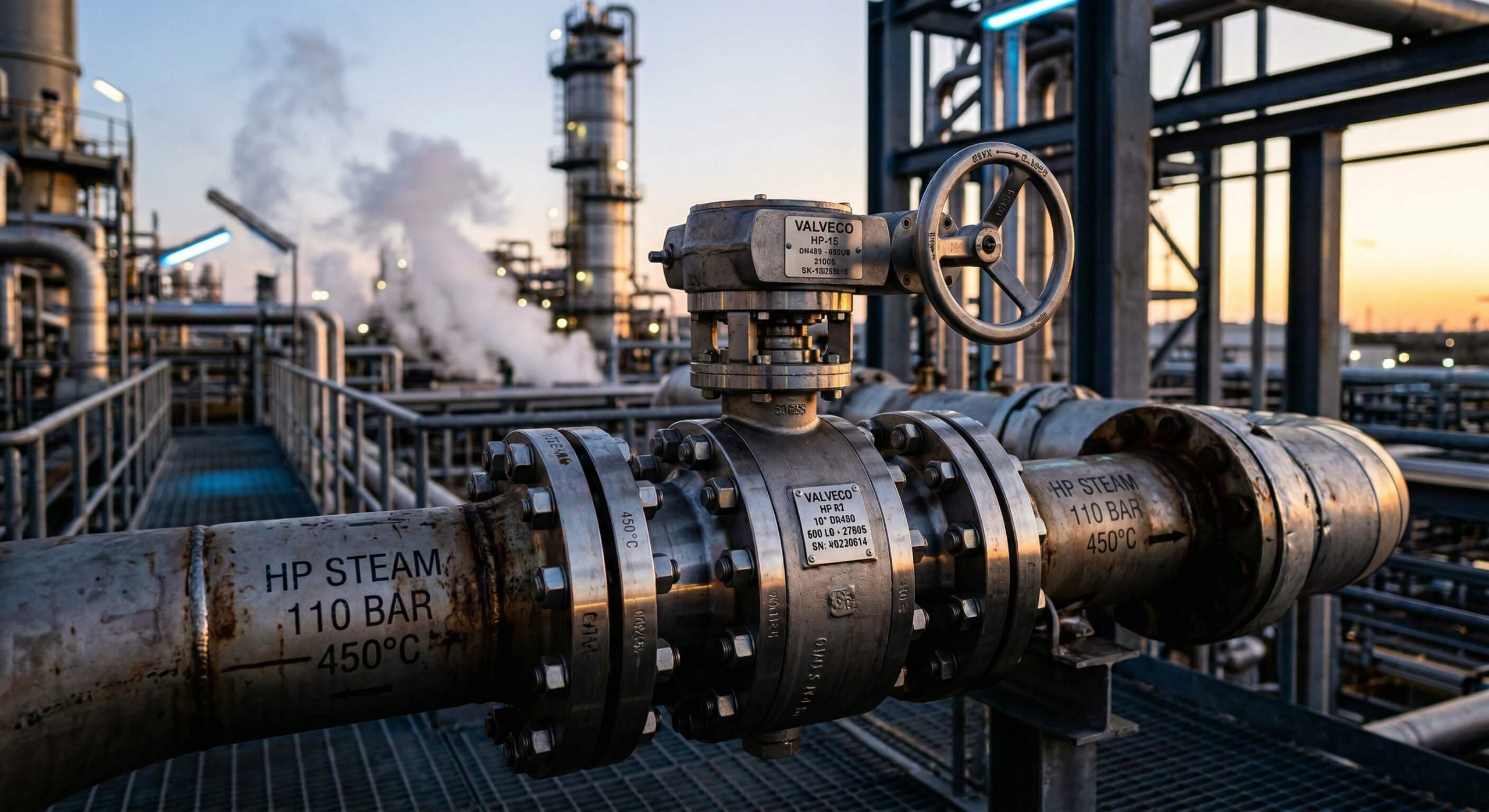
This offset valve works by utilizing three distinct geometric shifts for eliminating friction between sealing components, ensuring bubble-tight shutoffs even under extreme conditions. Industrial fluid systems constantly face threats from high-pressure leaks and rapid seal degradation. When standard equipment fails prematurely, operations grind completely, costing facilities thousands during unplanned downtime. Fortunately, implementing a precise triple eccentric butterfly valve design offers permanent fixes against these extreme flow control challenges. Our reliable solutions guarantee long-term performance without a constant maintenance headache.
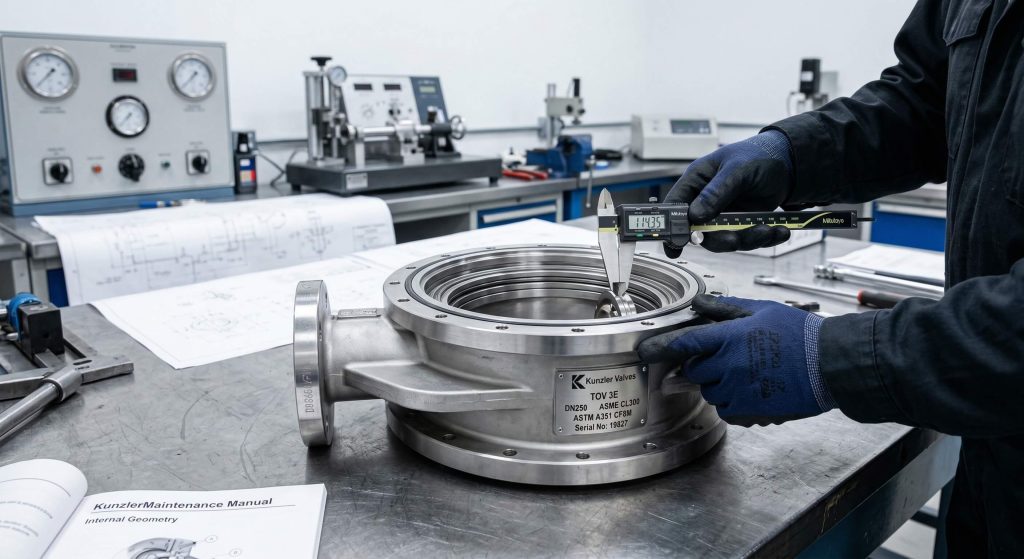
1. What is a triple eccentric butterfly valve design?
A triple eccentric butterfly valve design operates as a specialized quarter-turn isolation device using three distinct geometric shifts for achieving zero leakage.
How does its structure differ?
Standard models rely on rubber seats that drag and wear out quickly. This advanced configuration introduces unique metal-to-metal seating arrangements preventing direct rubbing during operation. You get a rugged piece of equipment engineered specifically for critical applications. Here is a deal…
- Eliminates friction between seat and disc.
- Withstands aggressive chemical media.
- Operates smoothly under high torque.
Why the specific geometry?
Intricate geometry ensures that disc contact only happens at a final moment of closure. Mechanical precision drastically extends lifespan for sealing elements. What’s a real story? A metal seat can flex slightly for accommodating temperature fluctuations.
Key Takeaway: Upgrading your precise architecture minimizes mechanical wear and maximizes system operational uptime.
| Feature | Description | Benefit |
|---|---|---|
| Metal Seat | Flexible sealing ring | High heat tolerance |
| Quarter-Turn | 90-degree action | Fast shutoff |
| Compact Body | Narrow face-to-face | Space saving |
Compact and frictionless nature of this equipment provides superior longevity over traditional friction-based alternatives.
2. How does a triple eccentric butterfly valve design work?
A triple eccentric butterfly valve design works by rotating an angled disc into a matching conical seat, creating perfect mechanical wedges without sliding contact.
What happens during operation?
When you turn a manual actuator, a central shaft spins your disc smoothly through fluid streams. Unique angles mean sealing surfaces remain separated until a final degree of movement. Ready for some good news? This completely prevents galling and scratching that typically destroy standard valves.
Does a disc shape matter?
An asymmetrical profile fits perfectly into a machined body seat. As it closes, applied torque forces components together, creating tight mechanical seals. You can rely on this mechanism for consistent bi-directional shutoff.
- Provides consistent torque application.
- Prevents media from bypassing seals.
- Resists pressure spikes effectively.
Key Takeaway: Unique frictionless rotation ensures your process lines remain securely isolated without ongoing component degradation.
| Action | Mechanism | Result |
|---|---|---|
| Opening | Disc lifts instantly | Zero friction |
| Turning | Smooth rotation | Low torque |
| Closing | Wedging effect | Tight seal |
Immediate separation of sealing components upon opening drastically reduces actuator strain.
3. What are 3 offsets in a triple eccentric butterfly valve design?
Three offsets in a triple eccentric butterfly valve design include a shaft shift from centerline, another shift from pipe center, and an asymmetrical seating cone angle.
What represents an initial shift?
An initial alteration moves your stem slightly behind a seating plane. This simple change allows a disc continuous sealing contact without a shaft penetrating your seat. This is where things get interesting… You completely avoid leak paths common in concentric models.
How do other shifts function?
Number two places a shaft off-center from your pipe vertical axis. This modification creates a cam effect for lifting a disc quickly. A final modification involves machining a seat into an angled, conical profile. This cone shape guarantees uniform wedging action.
- Initial offset places a shaft behind seats.
- Next offset places a shaft off pipe centers.
- Final offset creates a conical seat angle.
Key Takeaway: Understanding these geometric modifications helps you appreciate why this equipment achieves such reliable shutoff capabilities.
| Offset | Location | Function |
|---|---|---|
| Offset 1 | Behind seat plane | Unbroken seal |
| Offset 2 | Off pipe center | Cam lifting effect |
| Offset 3 | Conical angle | Frictionless closure |
Combining precise geometric shifts entirely removes mechanical dragging from your equation.
4. Why choose a triple eccentric butterfly valve design over others?
Choosing a triple eccentric butterfly valve design provides superior high-temperature resistance and zero leakage performance compared against standard rubber-lined units.
Does it outperform standard models?
Traditional units rely on soft elastomers that melt or deform under extreme heat. Metal seating in this advanced configuration handles severe thermal stress without losing shape. But here’s a kicker… You also save significant space because face-to-face dimensions remain very compact.
Are long-term benefits clear?
Maintenance teams spend less time repairing damaged seals when you install rugged equipment. Frictionless mechanics mean components simply do not wear out quickly. Reliability directly translates into lower operating costs for your facility.
- Saves installation space in tight piping layouts.
- Requires far less torque for operation.
- Resists thermal shock during rapid temperature changes.
Key Takeaway: Upgrading your mechanical configuration protects facility budgets by drastically reducing unplanned maintenance costs.
| Valve Type | Seal Material | Heat Tolerance |
|---|---|---|
| Standard | Rubber | Low |
| Double | PTFE | Medium |
| Triple | Metal | High |
Metal seating clearly outpaces soft-seated alternatives when dealing with severe thermal demands.
5. Where is a triple eccentric butterfly valve design best applied?
A triple eccentric butterfly valve design works best applied in severe service environments like oil refineries, power generation plants, and chemical processing facilities.
Can it handle harsh chemicals?
Chemical plants deal with highly corrosive media that rapidly degrade standard equipment. Stainless steel construction and rigid seating handle aggressive solvents effortlessly. You might be wondering… This configuration also manages abrasive slurries without getting jammed.
Does it work inside power plants?
Steam lines in power generation facilities operate at incredibly high pressures. Specific architecture manages intense forces from superheated steam while maintaining strict bubble-tight seals. Operators rely on immediate shutoff capabilities for keeping plants safe.
- Isolates superheated steam lines safely.
- Controls flow in volatile petroleum refineries.
- Manages aggressive chemicals without rapid decay.
Key Takeaway: Deploying this equipment inside severe service lines protects infrastructure from unexpected leaks.
| Industry | Media | Benefit |
|---|---|---|
| Oil Refining | Hydrocarbons | Fire-safe seal |
| Power Plant | Superheated Steam | Pressure handling |
| Chemical | Solvents | Corrosion resistance |
Severe industrial environments demand rigorous structural integrity that specific architecture provides.
6. Is a triple eccentric butterfly valve design good for high heat?
A triple eccentric butterfly valve design excels in high heat because all-metal construction prevents melting seen in standard elastomer seats.
How does metal seating help?
Soft rubber components turn brittle or melt entirely when temperatures spike. Metal seats utilize laminated layers of stainless steel and graphite, creating a resilient, heat-proof barrier. What’s a real story? Laminated structures compress slightly, creating perfect mechanical wedges.
Can it survive thermal shock?
Sudden temperature drops cause standard components great stress, leading toward cracks. Precise machining allows safe expansion and contraction during rapid thermal changes. You will not face sudden catastrophic failures during unexpected plant temperature swings.
- Sustains performance over 400 degrees Celsius.
- Prevents seal melting during fire emergencies.
- Absorbs sudden thermal expansion safely.
Key Takeaway: Equipping high-temperature lines with advanced technology keeps operations running smoothly without fear of seal failure.
| Component | Material | Max Temp |
|---|---|---|
| Disc | Stainless Steel | High |
| Seat | Metal/Graphite | High |
| Packing | Graphite | High |
Utilizing laminated metal materials creates a barrier perfectly suited for extreme thermal environments.
7. What materials suit a triple eccentric butterfly valve design?
Best materials for a triple eccentric butterfly valve design include carbon steel, stainless steel, and specialized alloys like Duplex or Monel.
Are standard metals enough?
Carbon steel works perfectly for general water and low-corrosion environments. Stainless steel offers better resistance against rusting and chemical attacks in demanding facilities. Ready for a good part? You can customize body and internal components separately, balancing cost against performance.
When are exotic alloys needed?
Offshore oil platforms require extreme corrosion protection. Materials like Hastelloy prevent rapid degradation when exposed directly toward saltwater or pure acids. Investing in premium alloys significantly extends your installation lifespan.
- Carbon steel suits standard industrial fluids.
- Stainless steel resists moderate chemical attacks.
- Exotic alloys handle offshore saltwater environments.
Key Takeaway: Selecting correct metallic compositions dictates long-term reliability and safety of flow control systems.
| Material | Application | Cost Level |
|---|---|---|
| Carbon Steel | General utility | Low |
| Stainless Steel | Chemical processing | Medium |
| Duplex Alloy | Offshore marine | High |
Matching metal composition against specific media prevents premature wear and costly system replacements.
8. How do you size a triple eccentric butterfly valve design correctly?
You size a triple eccentric butterfly valve design correctly by matching nominal pipe sizes and calculating expected pressure drops across units.
Why does precise sizing matter?
An undersized unit forces fluid through a tiny gap, creating excessive velocity and noise. Oversized units fail at providing accurate throttling control and cost more money upfront. Here is a deal… You must calculate flow coefficients carefully, striking perfect balances.
What factors influence calculations?
Engineers look at fluid specific gravity, maximum flow rates, and inlet pressures. You also need verification that rotating discs have enough clearance for swinging open inside surrounding pipes. Failing internal clearance checks leads directly toward mechanical jamming.
- Match exact flange dimensions.
- Verify required flow coefficients.
- Confirm internal pipe clearance for discs.
Key Takeaway: Applying rigorous mathematical sizing calculations keeps fluid velocity safe and prevents destructive mechanical vibration.
| Metric | Purpose | Consequence of Error |
|---|---|---|
| Pipe Size | Flange matching | Installation failure |
| Flow Rate | Velocity control | Cavitation damage |
| Clearance | Disc swinging | Mechanical jamming |
Accurate dimensional planning eliminates risks of violent flow disruption and physical component interference.
9. How do you maintain a triple eccentric butterfly valve design safely?
To maintain a triple eccentric butterfly valve design safely, you must regularly inspect packing glands for leaks and lubricate external actuator linkages.
What should you inspect monthly?
Visual inspections of stem areas reveal tiny packing leaks before they become hazardous. Operators should cycle units fully open and closed, preventing internal parts from seizing. This is where things get interesting… Frictionless mechanics mean you rarely need replacing main seats.
How do you handle repairs?
Before opening casings, completely depressurize lines and drain all hazardous fluids. You can usually swap out laminated sealing rings without removing entire bodies from pipelines. A modular repair approach drastically reduces time your plant spends offline.
- Check stem packing for minor leaks.
- Cycle actuators preventing seizing.
- Depressurize fully before performing repairs.
Key Takeaway: A consistent proactive maintenance schedule protects workers and keeps equipment functioning perfectly.
| Task | Frequency | Focus Area |
|---|---|---|
| Visual Check | Monthly | Stem packing |
| Actuation | Quarterly | Linkage movement |
| Seal Replace | As needed | Laminated ring |
Following structured inspection routines drastically lowers chances of sudden and dangerous blowouts.
10. Can a triple eccentric butterfly valve design stop severe leaks?
A triple eccentric butterfly valve design can completely stop severe leaks because wedging actions create bi-directional, bubble-tight seals.
How does torque seating work?
Unlike standard units relying on disc position, this configuration relies on twisting forces from actuators. An actuator rams metal discs into cone-shaped seats. What’s a real story? Continuous pressure creates impenetrable barriers against volatile liquids and gases.
Does it work in both directions?
Many older models only hold pressure securely from one side of a pipe. Advanced architecture features rigid laminated rings stopping fluid no matter which way currents flow. You get true bi-directional isolation for ultimate system safety.
- Utilizes actuator torque for tight sealing.
- Blocks high-pressure gases effectively.
- Secures flow from either direction safely.
Key Takeaway: Trusting robust torque-seated mechanisms gives absolute confidence when isolating critical sections of facilities.
| Feature | Mechanism | Result |
|---|---|---|
| Torque Seating | Actuator force | Zero leaks |
| Bi-directional | Rigid seat ring | Two-way block |
| Metal Seal | Hardened barrier | Blowout proof |
Reliance on mechanical torque rather than soft friction guarantees complete stops against hazardous media.
Conclusion
This guide explained how precise mechanical offsets eliminate friction and stop severe leaks in extreme industrial environments. We provide robust, zero-leakage flow control solutions tailored specifically toward your exact piping requirements. Quality engineering stands as a foundation for reliable infrastructure. Please contact us today for upgrading your facility safely.
FAQ
Q1: Can I use this valve for throttling applications?
Yes, you can. Rigid mechanical construction and precise quarter-turn action allow stable flow modulation without excessive vibration or rapid component wear.
Q2: What represents a best way for determining correct size?
A best way relies on calculating your specific flow rate and pressure drop. Matching flow coefficients accurately prevents hazardous fluid velocity and internal damage.
Q3: How do I know if seats are wearing out?
You will notice minor pressure drops or fluid bypassing closed discs. Routine visual inspections of downstream pressure gauges quickly reveal any seal degradation.
Q4: Can I install it in an existing pipeline easily?
Yes, it fits easily. Narrow face-to-face dimensions allow workers easy installation between standard pipe flanges without requiring massive system modifications.
Q5: What represents a best material for high-temperature steam?
Stainless steel combined with laminated graphite seats provides greatest safety. This specific combination resists thermal deformation and maintains tight mechanical wedges under intense heat.