
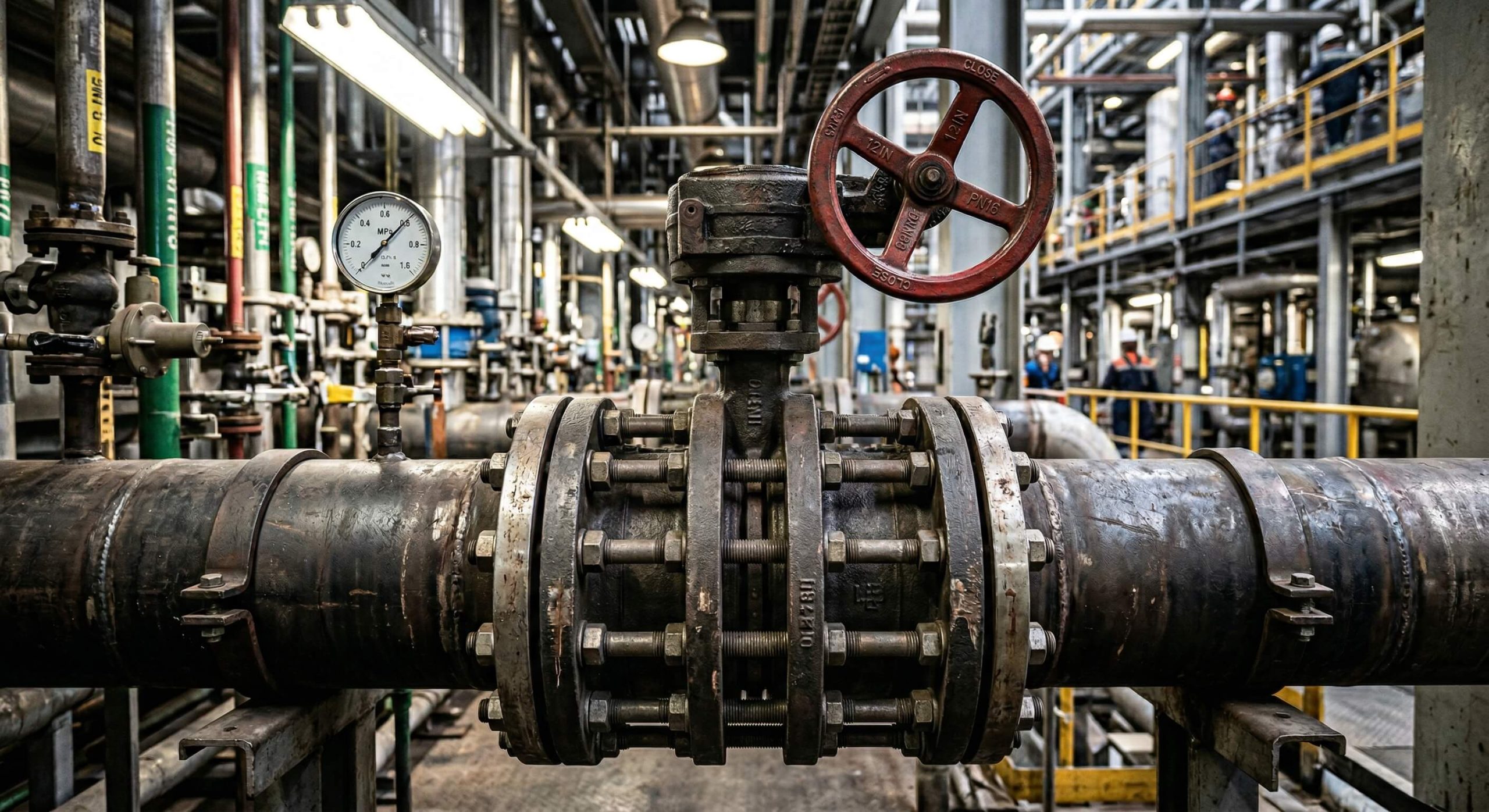
A primary difference between a wafer model and a flanged type butterfly valve rests on how each connects within your piping system. You face unexpected factory shutdowns when mismatched components leak under high pressure. Constant mechanical failures drain your annual maintenance budget quickly. We deliver precise industrial guidance helping you select parts that eliminate leaks entirely.
What Defines a Wafer vs Flanged Type Butterfly Valve?
A wafer model clamps between pipe sections while a flanged type butterfly valve bolts directly onto your pipeline face. This structural difference dictates how each unit performs under stress.
How Do Basic Structures Differ?
You notice physical bulk varies immediately. A wafer style remains thin and relies on surrounding pipe pressure for stability. Heavier models feature built-in bolting plates that securely attach onto your system. Here is a deal: identifying a correct model saves hours of installation time.
- Wafer units have no protruding bolting plates.
- Flanged units feature sturdy integrated bolting rims.
- A wafer profile remains much thinner.
Key Takeaway: Identifying physical bolting rims helps you select a correct structural match for your pipeline.
| Feature | Wafer Style | Flanged Style |
|---|---|---|
| Bolting Plates | None | Integrated |
| Profile Thickness | Thin | Thick |
| Connection | Clamped | Bolted directly |
This structural comparison shows how integrated rims provide a more secure fit.
How Does Structure Differ in a Flanged Type Butterfly Valve?
A structure of a flanged type butterfly valve incorporates thick rims on both ends for direct bolting. This added material makes a unit much heavier and longer than clamped alternatives.
What Are Specific Structural Elements?
You can see physical differences when looking at outside edges. A unit uses heavy-duty metal casting for creating strong attachment points. What is a real story? Extra metal provides unmatched stability in industrial settings.
- Solid cast rims resist twisting forces.
- Thicker walls handle abrasive materials better.
- Bolt holes align precisely with standard pipe layouts.
Key Takeaway: Heavy-duty cast rims give your system necessary structural integrity needed for demanding environments.
| Structural Component | Wafer Profile | Flanged Profile |
|---|---|---|
| Edge Design | Smooth/Lugged | Heavy cast rims |
| Material Volume | Low | High |
| Alignment | Requires care | Pre-aligned holes |
Higher material volume clearly indicates greater resistance against mechanical stress.
Is Installation Harder for a Flanged Type Butterfly Valve?
Installing a flanged type butterfly valve takes more effort due mostly from increased size and weight. Mechanics must align heavy units and secure bolts on both ends individually.
Does Weight Affect Setup Processes?
You must plan for extra lifting equipment during setup. Bulky frames require multiple technicians working together for safe maneuvering. Truth be told: taking extra time upfront prevents dangerous leaks later.
- Proper alignment prevents uneven gasket wear.
- Individual bolts allow isolated section repairs.
- Lifting gear prevents workplace injuries.
Key Takeaway: Planning for heavier lifting and precise alignment guarantees a leak-free setup.
| Installation Factor | Clamped Model | Bolted Model |
|---|---|---|
| Lifting Gear | Seldom needed | Often required |
| Bolt tightening | One pass | Two separate passes |
| Labor Time | Lower | Higher |
Requiring two separate bolting passes increases overall labor time significantly.
How Does Pressure Affect a Flanged Type Butterfly Valve?
High pressure pushes against an internal disc, and a flanged type butterfly valve handles this force by distributing stress across its robust bolted connection. Thick casing prevents deformation under intense flow rates.
Can It Withstand High-Pressure Spikes?
You can rely on this robust design for aggressive fluid transfer. Secure bolted ends keep a seal intact even when system pressure fluctuates wildly. Listen carefully: a secure seal means zero hazardous material spills.
- Withstands pressure ratings far above standard clamped models.
- Prevents gasket blowout during sudden surges.
- Maintains structural shape under continuous high-flow stress.
Key Takeaway: A bolted design gives your system necessary durability needed for surviving extreme pressure spikes.
| Pressure Variable | Thin Profile | Thick Profile |
|---|---|---|
| Maximum Rating | Low | High |
| Surge Resistance | Poor | Excellent |
| Deformation Risk | Moderate | Very Low |
Excellent surge resistance makes thicker profiles safer choices for volatile systems.
Are Sealing Mechanisms Superior in a Flanged Type Butterfly Valve?
Sealing mechanisms in a flanged type butterfly valve perform remarkably well under heavy loads. A heavy-duty gasket creates an impenetrable barrier against leaking fluids. You can trust this tight seal during demanding daily operations. This specific construction effectively prevents hazardous chemical spills completely.
What Makes This Seal So Reliable?
Heavy bolting pressure compresses that internal gasket evenly across its entire surface area. You get consistent performance because mechanics tighten each side independently. Look at this: precise tightening stops catastrophic failures entirely.
- Independent bolting zones allow precise torque application.
- Thick rubber rings resist degradation from harsh chemicals.
- Full face contact guarantees zero bypass leakage.
Key Takeaway: Precise torque application gives your pipeline an unmatched level of safety against leaks.
| Sealing Element | Clamped Unit | Bolted Unit |
|---|---|---|
| Compression | Shared | Independent |
| Gasket Type | Thin | Full face |
| Leak Risk | Moderate | Low |
Independent compression zones drastically reduce potential leak points across industrial setups.
What Are Maintenance Needs for a Flanged Type Butterfly Valve?
Maintaining a flanged type butterfly valve requires specific tools and planned downtime schedules. Mechanics must loosen several heavy bolts before removing any internal components. You need a dedicated team for these routine service checks. Proper planning keeps your factory running smoothly without unexpected mechanical delays.
How Do You Perform Routine Checks?
Workers inspect that external casing for rust or physical damage regularly. You check individual nuts for proper torque levels during monthly walk-throughs. Here is a fact: regular inspections save thousands of dollars annually.
- Visual checks identify surface corrosion quickly.
- Torque wrenches verify proper bolt tension reliably.
- Lubricating moving parts extends operational lifespan.
Key Takeaway: Routine visual checks and proper lubrication keep your equipment functioning perfectly for years.
| Maintenance Task | Frequency | Skill Level |
|---|---|---|
| Visual Inspection | Monthly | Basic |
| Torque Check | Quarterly | Intermediate |
| Gasket Replacement | Annually | Advanced |
Quarterly torque checks successfully prevent gradual loosening caused by constant pipe vibrations.
Is a Flanged Type Butterfly Valve Cost-Effective for Projects?
Purchasing a flanged type butterfly valve requires a higher initial financial investment. Extra metal used in manufacturing drives up that base purchase price. You must budget for these robust units during early planning stages. Long-term durability offsets this higher upfront expense over several years.
Do Long-Term Savings Outweigh Initial Costs?
You spend less money on replacement parts because robust designs resist wear. A longer operational life means fewer production halts for your business. Truth be told: avoiding one major shutdown covers your initial investment entirely.
- Fewer replacements reduce long-term procurement spending.
- Minimal leakage prevents expensive environmental cleanup fines.
- Reduced downtime maximizes daily factory production output.
Key Takeaway: Investing in durable equipment reduces your total operational costs significantly over time.
| Cost Factor | Thin Unit | Thick Unit |
|---|---|---|
| Initial Price | Lower | Higher |
| Replacement Rate | Frequent | Rare |
| Maintenance Cost | Moderate | Low |
Rare replacement rates make heavier units much more economical over ten-year spans.
How Does Space Impact a Flanged Type Butterfly Valve Choice?
Installing a flanged type butterfly valve demands significant physical room inside your facility. Bulky outer rims take up considerable axial space along any pipeline. You must measure available clearances carefully before ordering these massive components. Tight mechanical rooms might require alternative piping layouts entirely.
Can You Install It in Tight Areas?
You cannot easily fit these bulky items into cramped basement utility spaces. Engineers often redesign pipe routes just accommodating their larger physical footprint. Check this out: proper spatial planning prevents disastrous installation delays completely.
- Bulky rims require wider clearance around pipes.
- Long bolts need extra room for wrench access.
- Maintenance teams need space for lifting equipment.
Key Takeaway: Measuring your available utility room space guarantees a smooth mechanical installation process.
| Space Requirement | Clamped Design | Bolted Design |
|---|---|---|
| Axial Length | Very short | Long |
| Wrench Clearance | Minimal | Extensive |
| Lifting Space | Not needed | Mandatory |
Extensive wrench clearance requirements force engineers planning wide pathways around industrial piping.
Where Are Flanged Type Butterfly Valve Applications Most Common?
Engineers place a flanged type butterfly valve inside heavy industrial plants primarily. Water treatment facilities rely on them for massive volume fluid control. You will find them working constantly inside large chemical processing plants. These harsh environments demand equipment that never fails under extreme stress.
Which Industries Rely on Them Heavily?
Petrochemical refineries use these robust items for hazardous liquid transfers daily. You also see them regulating cooling water inside massive power generation stations. What is a real story? Extreme industrial applications require extremely tough mechanical components.
- Power plants use them for cooling towers.
- Refineries handle volatile chemicals safely with them.
- Municipal water stations regulate main supply lines.
Key Takeaway: Selecting heavy-duty components keeps massive municipal and industrial systems operating flawlessly.
| Industry | Application | Stress Level |
|---|---|---|
| Water Treatment | Main supply | Moderate |
| Power Generation | Cooling systems | High |
| Petrochemical | Chemical transfer | Extreme |
Extreme stress levels in petrochemical plants justify buying the most robust mechanical parts available.
How to Select a Right Flanged Type Butterfly Valve for You?
Choosing a correct flanged type butterfly valve requires analyzing your specific system demands. You must calculate maximum flow rates and peak operating temperatures accurately. An incorrect choice leads directly toward catastrophic mechanical failures. Consulting an experienced fluid control engineer guarantees a perfect product match.
What Specifications Matter Most?
You should verify that selected metals match your flowing fluid chemistry. A mismatched material corrodes quickly and ruins internal rubber seals completely. Here is a deal: matching materials correctly prevents rapid system degradation.
- Material compatibility stops chemical corrosion completely.
- Temperature ratings prevent rubber seals from melting.
- Pressure limits stop catastrophic metal casing fractures.
Key Takeaway: Analyzing system specifications carefully guarantees you purchase safe mechanical components.
| Specification | Importance | Consequence of Error |
|---|---|---|
| Material Type | High | Rapid corrosion |
| Temp Rating | Critical | Seal failure |
| Pressure Limit | Critical | Complete fracture |
Critical temperature ratings determine whether rubber seals survive boiling industrial fluids safely.
Conclusion
This article clearly outlined mechanical differences separating wafer designs from heavy-duty bolted models. Your factory needs reliable fluid control components that stop hazardous leaks completely. We supply durable industrial products designed for extreme high-pressure manufacturing environments. For premium fluid control solutions protecting your facility, contact us today.
FAQ
Q1: Can I use a wafer style instead of a heavier bolted unit?
Yes, you can substitute it for low-pressure applications. A thinner model works perfectly when your pipeline faces minimal mechanical stress.
Q2: What is a best way for cleaning these heavy components?
A best method involves routine chemical flushing. Removing internal buildup regularly prevents rubber gaskets from deteriorating prematurely.
Q3: How do I know if my system pressure remains too high?
You will see visible leaks around a bolting rim. Fluid escaping from metal joints indicates that an internal seal has failed completely.
Q4: Can I install this heavy component by myself?
No, you absolutely need a mechanical lifting team. A cast metal frame weighs too much for one person maneuvering safely.
Q5: What is a best material for handling corrosive chemicals?
Stainless steel offers amazing chemical resistance against harsh acids. This hardened metal stops acidic fluids from eating through outer casings.