
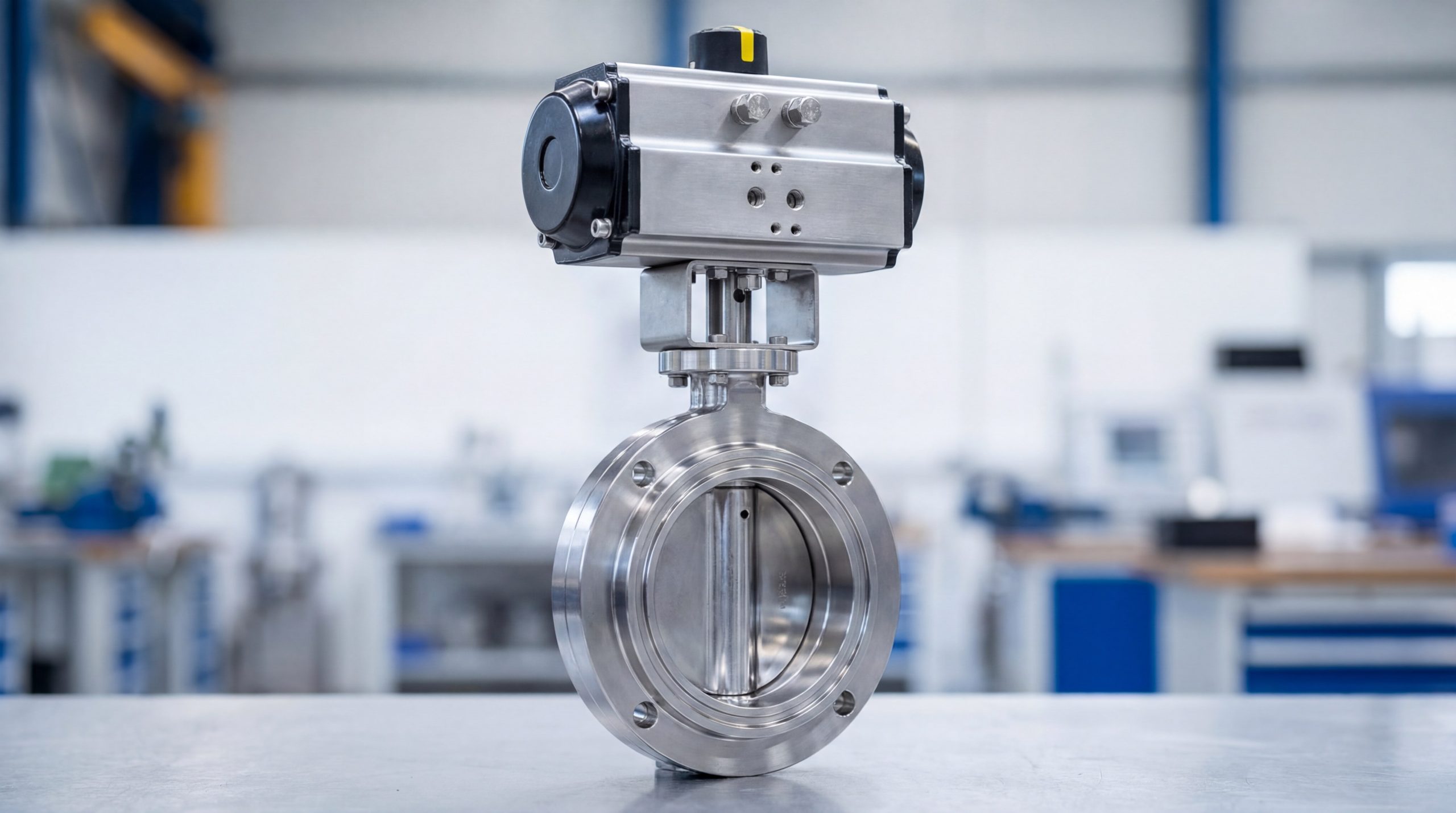
A pnuematic butterfly valve is an automated industrial component designed to regulate or isolate the flow of liquid or gas using a rotating disc and a compressed air actuator. Managing high-pressure pipelines with manual hardware often introduces significant latency and human error, which can compromise system safety. Without rapid intervention, minor pressure fluctuations can escalate into costly hardware failures and extensive downtime. By integrating a precision-engineered pnuematic butterfly valve into your infrastructure, you ensure high-speed actuation and reliable fail-safe performance to keep operations profitable.
What is a pnuematic butterfly valve exactly?
A pnuematic butterfly valve is a quarter-turn rotary valve that utilizes a circular disc to control fluid flow via an air-powered actuator. This mechanism allows for rapid opening and closing, typically within seconds, which is essential for modern automated processing plants. The compact design ensures that these valves take up minimal space compared to traditional gate or globe valves.
Core Mechanical Components
The primary components of this assembly include the actuator, shaft, disc, and seal rings. The pneumatic actuator converts air pressure into torque, which turns the shaft and positions the disc within the pipeline.
You might be wondering:
- Actuator: The power source using compressed air.
- Disc: The circular plate that rotates to block or allow flow.
- Seat: The lining that provides a bubble-tight seal.
Here is the deal: without high-quality seal rings, even the best actuator cannot prevent leaks in high-pressure systems.
| Component | Function | Material Options |
|---|---|---|
| Actuator | Converts air to motion | Aluminum, Stainless Steel |
| Disc | Regulates fluid flow | Ductile Iron, SS316, Duplex |
| Seat | Prevents leakage | EPDM, NBR, PTFE, Metal |
The synergy between the actuator torque and seat friction determines the overall reliability of the valve assembly.
Key Takeaway: A precision-engineered pnuematic butterfly valve offers a compact and high-speed solution for automated flow regulation across various industrial environments.
How does a pnuematic butterfly valve operate?
A pnuematic butterfly valve operates by receiving a compressed air signal that triggers a piston or diaphragm to rotate the internal disc 90 degrees. When the air pressure is applied, the actuator forces the shaft to turn, moving the disc from a position perpendicular to the flow to one that is parallel. This simple mechanical action provides an efficient way to manage large volumes of media with minimal energy consumption.
The Role of Compressed Air
Compressed air serves as the lifeblood of the actuation process, providing the necessary force to overcome the friction of the seat. The quality of this air supply is vital, as moisture or debris can damage the internal seals of the actuator over time.
Think about this:
- Double Acting: Uses air to both open and close the valve.
- Spring Return: Uses air to open and a mechanical spring to close (fail-safe).
- Solenoid Control: Manages the air distribution via electrical signals.
It gets even better when you realize that spring-return models provide an automatic safety shutoff during power or air failures.
| Operation Mode | Air Usage | Safety Level |
|---|---|---|
| Double Acting | High (Both ways) | Standard |
| Spring Return | Moderate (One way) | High (Fail-Safe) |
Standardized 90-degree rotation allows these valves to cycle much faster than multi-turn alternatives like globe valves.
Key Takeaway: The operational efficiency of a pnuematic butterfly valve relies on the consistent delivery of clean compressed air to achieve rapid, repeatable cycling.
Which pnuematic butterfly valve type is best?
Choosing the best pnuematic butterfly valve depends entirely on your specific pipeline connection requirements and pressure levels. Wafer designs are typically preferred for general-purpose applications due to their lightweight nature, while lug designs offer more flexibility for end-of-line service. For high-pressure or high-temperature environments, double or triple offset designs provide the necessary durability to prevent seat wear.
Wafer vs Lug Designs
Wafer valves are clamped between two pipe flanges, making them cost-effective and easy to install in tight spaces. Conversely, lug valves feature threaded inserts that allow them to be bolted directly to a single flange, facilitating downstream maintenance.
But that’s not all:
- Wafer: Lightweight, lower cost, fits between flanges.
- Lug: Enables downstream piping removal, more robust.
- Triple Offset: Zero-leakage for critical high-pressure steam.
The truth is, selecting the wrong body type can lead to significant installation headaches and increased maintenance costs.
| Design Type | Best For | Installation Complexity |
|---|---|---|
| Wafer | Budget-conscious systems | Low |
| Lug | Maintenance-heavy lines | Moderate |
| Triple Offset | Extreme conditions | High |
High-performance offsets significantly reduce the torque required by minimizing contact between the disc and the seat during rotation.
Key Takeaway: Selecting the correct pnuematic butterfly valve body and offset design ensures long-term seat integrity and system versatility.
Why install a pnuematic butterfly valve today?
You should install a pnuematic butterfly valve today to significantly reduce manual labor costs and improve the overall safety of your fluid systems. Automation eliminates the risk of human error during critical flow adjustments, ensuring that your process remains within optimized parameters. Furthermore, the rapid response time of pneumatic actuators can prevent catastrophic pressure surges that lead to pipe bursts.
Automation and Labor Savings
Modern industrial facilities cannot afford the delays associated with manual valve operation. A pnuematic butterfly valve allows a single operator to manage hundreds of flow points from a centralized control room, maximizing throughput.
Let’s dig deeper:
- Remote Control: Manage flows from a distance safely.
- Precision: Achieve exact flow percentages with positioners.
- Reliability: Rated for thousands of cycles with minimal wear.
Believe it or not, the ROI on these valves is often realized within the first year through energy and labor savings.
| Benefit | Impact | ROI Timeline |
|---|---|---|
| Labor Reduction | High | < 12 Months |
| Safety Enhancement | Critical | Immediate |
| Energy Efficiency | Moderate | Ongoing |
Integrating these valves into your SCADA system provides real-time data on valve position and system health.
Key Takeaway: The primary drivers for installing a pnuematic butterfly valve are enhanced process safety, reduced operational costs, and superior flow precision.
Where is a pnuematic butterfly valve utilized?
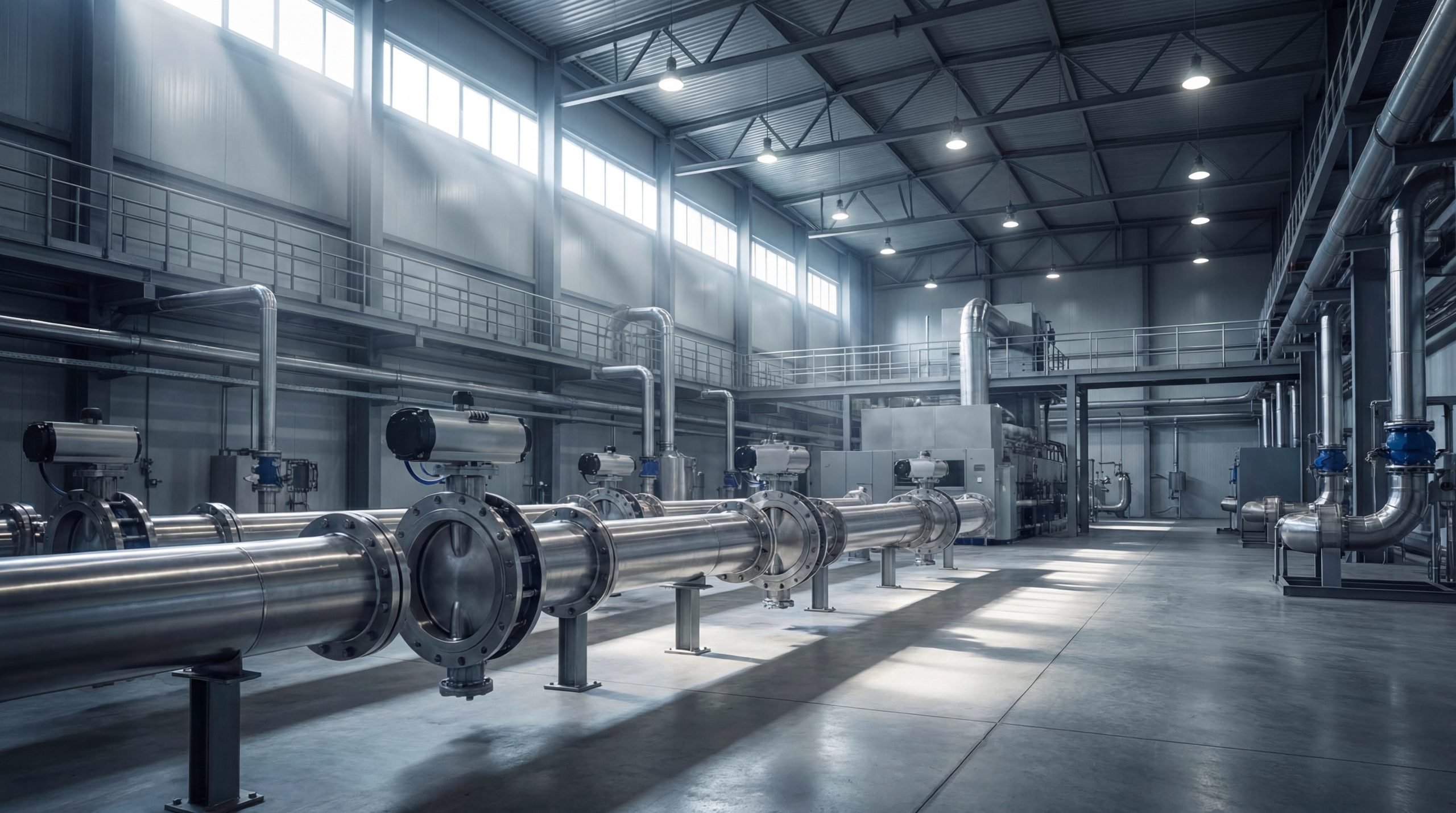
A pnuematic butterfly valve is utilized in sectors ranging from wastewater treatment to chemical processing and HVAC systems. Because these valves handle slurries and viscous fluids effectively, they are a staple in the mining and pulp industries. Their ability to operate in explosive or hazardous environments makes them a safer alternative to electric valves in oil and gas refineries.
Chemical and HVAC Systems
In chemical processing, specialized seat materials like PTFE ensure that the pnuematic butterfly valve remains resistant to corrosive media. For HVAC applications, these valves provide the balancing required to maintain climate control in large commercial buildings.
Here is the kicker:
- Water Treatment: Large DN sizes manage municipal flow.
- HVAC: Accurate balancing reduces pump energy waste.
- Marine: Resists saltwater corrosion with the right alloys.
It’s clear that the versatility of the pnuematic butterfly valve makes it indispensable in modern infrastructure.
| Industry | Primary Media | Key Requirement |
|---|---|---|
| Water Treatment | Potable Water | Zero-Leakage |
| Chemical | Corrosive Acids | PTFE Seats |
| HVAC | Chilled Water | Low Pressure Loss |
The strength-to-weight ratio of these valves allows for easier installation in elevated or complex piping networks.
Key Takeaway: From municipal water to complex chemical refineries, the pnuematic butterfly valve is the go-to solution for high-volume, automated fluid management.
Is a pnuematic butterfly valve better than others?
A pnuematic butterfly valve is often better than gate or ball valves due to its superior weight-to-performance ratio and lower acquisition cost in larger sizes. While a ball valve might offer a tighter seal for small-bore applications, the butterfly design is far more efficient for pipes exceeding 4 inches. The quarter-turn nature also means less wear on the stem seals compared to the multi-turn movement of globe valves.
Comparing Performance Metrics
When evaluating flow control options, the pnuematic butterfly valve consistently ranks high for low maintenance and ease of automation. It offers a much smaller footprint, which is critical for modular process skids and tight mechanical rooms.
Think about this:
- Vs Gate Valve: Faster speed and lighter weight.
- Vs Ball Valve: More cost-effective for large diameters.
- Vs Globe Valve: Lower pressure drop across the line.
You might be surprised to find that a DN300 butterfly valve weighs up to 70% less than a comparable gate valve.
| Feature | Butterfly Valve | Gate Valve | Ball Valve |
|---|---|---|---|
| Weight | Lightweight | Very Heavy | Moderate |
| Speed | < 2 Seconds | > 30 Seconds | < 2 Seconds |
| Cost (Large) | Low | High | Very High |
The reduced torque requirement of the butterfly design allows for smaller, more energy-efficient pneumatic actuators.
Key Takeaway: For large-scale industrial piping, the pnuematic butterfly valve provides the best balance of cost, speed, and spatial efficiency.
How to size your pnuematic butterfly valve?
To size your pnuematic butterfly valve correctly, you must calculate the required Flow Coefficient (Cv) based on the maximum flow rate and allowable pressure drop. Selecting a valve that is too large can lead to “hunting” and poor control, while an undersized valve creates excessive turbulence and energy loss. You must also account for the media’s viscosity and temperature, as these factors influence the torque required for actuation.
Evaluating Pressure Ratings
Pressure ratings, such as PN10 or PN16, define the maximum structural load the valve can handle safely. Ensuring that your pnuematic butterfly valve matches the flange rating of your existing piping is critical for a leak-free installation.
The bottom line is:
- Flow Rate: Must match the system’s operational peak.
- Pressure Drop: Keep it minimal to save pump energy.
- Pipe Size: Match the valve bore to the internal pipe diameter.
Make no mistake: an incorrectly sized valve is the leading cause of premature seat failure and actuator burnout.
| Sizing Step | Required Data | Tool/Standard |
|---|---|---|
| Cv Calculation | Flow & Pressure | Sizing Software |
| Flange Match | Bolt Pattern | ISO 7005-1 |
| Material Match | Media Temp/pH | Material Charts |
Accurate sizing ensures the disc operates within the “sweet spot” of its control range, typically between 20 and 70 degrees open.
Key Takeaway: Professional sizing of a pnuematic butterfly valve prevents process instability and extends the lifecycle of both the seat and the actuator.
Does a pnuematic butterfly valve need high torque?
A pnuematic butterfly valve requires specific torque levels to overcome the “breakout” friction created when the disc first moves away from the seat. While the torque requirement for a butterfly valve is 30-70% lower than a gate valve, it still depends heavily on the seat material and the differential pressure. Using a pneumatic actuator with a 20-30% safety margin is a standard engineering practice to ensure reliable operation under all conditions.
Friction and Air Supply
Friction is most intense at the point of sealing, where the disc is compressed into the resilient seat. As the valve opens, the torque requirement drops significantly until the disc reaches the fully open position.
Here is the deal:
- Breakout Torque: The highest force needed to open.
- Running Torque: The force needed during the turn.
- Seating Torque: The force needed to close tightly.
It gets even better: using low-friction materials like PTFE or lubricated EPDM can significantly reduce the size of the actuator you need.
| Seat Material | Friction Level | Torque Impact |
|---|---|---|
| EPDM | Moderate | Standard |
| PTFE | Low | Reduced |
| Metal-to-Metal | High | Increased |
If your air supply pressure drops below the design specification, the actuator may fail to provide the necessary torque to seal the valve.
Key Takeaway: Sizing the pneumatic actuator with an appropriate safety factor is essential to overcome the breakout torque of the pnuematic butterfly valve.
How to service a pnuematic butterfly valve safely?
Servicing a pnuematic butterfly valve safely requires following strict Lockout-Tagout (LOTO) procedures to ensure the air supply is disconnected and pressure is bled. Regular maintenance usually involves inspecting the seal rings for wear and checking the actuator for air leaks or sluggish movement. Replacing worn seats and O-rings at scheduled intervals prevents unscheduled shutdowns and maintains the “bubble-tight” shutoff capability of the system.
Maintaining Seal Integrity
The seal ring is the most common wear part in a pnuematic butterfly valve due to the constant friction from the disc. Signs of failure include visible leakage, increased torque requirements, or an inability to hold a consistent flow rate.
Keep this in mind:
- Visual Checks: Look for air bubbles at actuator ports.
- Cycle Testing: Ensure the disc moves smoothly without jerking.
- Lubrication: Keep the actuator’s internal pistons greased.
The reality is that five minutes of inspection can save five hours of emergency repairs later.
| Task | Frequency | Objective |
|---|---|---|
| Leak Check | Monthly | Prevent Air Waste |
| Seat Inspection | Annually | Ensure Tight Shutoff |
| Stem Lube | Semi-Annually | Reduce Friction |
Using high-quality, traceable spare parts ensures that the valve retains its original pressure and temperature ratings after service.
Key Takeaway: Proactive maintenance and the use of certified replacement parts are the keys to the long-term reliability of any pnuematic butterfly valve.
Where to buy a pnuematic butterfly valve online?
When you look to buy a pnuematic butterfly valve online, you should prioritize manufacturers with a proven track record in global export and rigorous quality testing. A reliable supplier should offer comprehensive documentation, including hydrostatic test reports and material certifications. Purchasing directly from a factory often provides better customization options and more competitive pricing for large-scale industrial projects.
Ruitoflow Custom Solutions
Ruitoflow offers over 15 years of expertise in manufacturing high-reliability valves with 99.5% reliability rates. Every pnuematic butterfly valve undergoes 100% hydrostatic testing at 1.5x the working pressure to ensure safety in the field.
You might be wondering:
- Certifications: Does it meet ISO 9001 or CE standards?
- Warranty: Is there a 12-month performance guarantee?
- Customization: Can they provide custom disc coatings?
The answer is yes; choosing a partner that provides 3D modeling and FEA analysis ensures the valve fits your specific pipeline perfectly.
| Buyer Criterion | Ruitoflow Standard | Industry Average |
|---|---|---|
| Testing | 100% Hydro/Pneumatic | Batch Testing |
| Reliability | 99.5% | 95.0% |
| Lead Time | Accelerated | Standard |
With traceable QA documentation and fast global delivery, sourcing your flow control hardware becomes a seamless process.
Key Takeaway: Buying a pnuematic butterfly valve from a certified manufacturer like Ruitoflow guarantees technical support and long-term hardware durability.
Conclusion
The pnuematic butterfly valve remains one of the most effective tools in modern industrial automation, offering unmatched speed and reliability. Our vision at Ruitoflow is to empower engineers with flow control solutions that exceed safety standards while driving operational efficiency. Whether you are managing a water treatment plant or a complex chemical refinery, our team is ready to provide the custom engineering your project demands. To optimize your pipeline with precision-tested hardware, contact us today for a professional consultation.
Frequently Asked Questions
Can I use a pnuematic butterfly valve for steam?
Yes, but you must use a triple-offset design with metal seats. Standard resilient seats will melt or degrade under high-temperature steam conditions.
What’s the best way to prevent air leaks in the actuator?
Install a high-quality air filter and dryer in your supply line. Debris and moisture are the primary causes of O-ring failure within pneumatic actuators.
Can I manually override a pneumatic actuator?
Yes, most high-quality pnuematic butterfly valve assemblies include a manual declutchable gearbox. This allows for operation during a total air supply failure.
How fast does a pnuematic butterfly valve close?
Typically, these valves close in under 2 seconds. The exact speed can be adjusted using flow control silencers or quick-exhaust valves.
What is the life expectancy of the seat?
In clean water systems, a seat can last for over 50,000 cycles. For abrasive slurries, this lifespan is shorter and requires more frequent inspection.