
The flow coefficient (Cv) is a critical imperial measurement defined as the volume of 60°F water, in US gallons, that flows through a valve per minute with a 1 psi pressure drop. Many industrial engineers face systemic inefficiencies or premature component failure because they treat valve sizing as a guessing game rather than a calculation. When the loss coefficient for butterfly valve is ignored, you aren’t just losing pressure; you are sacrificing equipment lifespan and operational revenue. By mastering the Cv value and its non-linear nature, you can optimize your piping system for peak performance and long-term reliability.
Is Your Valve Flow Coefficient Sized Correctly?
Correct sizing ensures your fluid system operates within its designed hydraulic parameters without incurring excessive energy loss or mechanical fatigue. If you fail to account for the specific loss coefficient for butterfly valve units in your line, the resulting turbulence can lead to severe vibration. You must verify that the chosen Cv aligns with your peak flow requirements to maintain system stability.
Defining the Cv Measurement Benchmark
Think about this:
Standardizing flow capacity allows engineers to compare different valve brands and styles on a level playing field. You rely on these numbers to predict how the valve will behave under various pressure conditions.
- US Gallons per Minute (GPM)
- 60° Fahrenheit Water Temperature
- 1 PSI Pressure Differential
Key Takeaway: Understanding the baseline Cv allows you to calculate the precise flow capacity required for your specific industrial application.
| Variable | Definition | Unit |
|---|---|---|
| Cv | Flow Coefficient | GPM |
| ΔP | Pressure Drop | PSI |
| Q | Flow Rate | GPM |
Analysis: The mathematical relationship between flow and pressure drop is the foundation of all efficient hydraulic designs.
What Does the Butterfly Valve Cv Value Reveal?
The Cv value indicates the relative efficiency of a valve’s internal flow path compared to a standard straight section of pipe. Evaluating the loss coefficient for butterfly valve helps you determine if a specific valve body will restrict your process flow. High Cv values typically suggest a streamlined design with minimal internal obstructions.
Imperial vs. Metric Flow Data Standards
You see:
While the Cv is an imperial measure, many international projects require conversion to the metric Kv value for compliance. Understanding both allows you to communicate effectively with global manufacturers and engineering teams.
- Cv (Imperial GPM)
- Kv (Metric m³/h)
- Conversion Factor: 1.156
- Fluid Specific Gravity
Key Takeaway: Mastering the conversion between Cv and Kv ensures that your technical specifications remain accurate across international project boundaries.
| Standard | Measure | Fluid Media |
|---|---|---|
| Cv | US GPM @ 1 PSI | Water @ 60°F |
| Kv | m³/h @ 1 bar | Water @ 5-30°C |
Analysis: Consistency in measurement standards prevents the common error of mixing metric and imperial flow capacities.
How Does Opening Angle Change Your Flow Math?
Flow capacity increases exponentially rather than linearly as the valve disc moves from a closed position toward a fully open state. Calculating the loss coefficient for butterfly valve components at partial angles is necessary for any system requiring throttling or control. You cannot simply assume that a 45-degree opening provides exactly half of the total flow capacity.
Tracking the 0° to 90° Capacity Curve
Here is the kicker:
Most butterfly valves exhibit an “equal percentage” flow characteristic, meaning small changes in the angle produce large changes in flow at higher openings. You must consult manufacturer charts to map this curve accurately for your automation software.
- 10°: Minimal flow/Sealing zone
- 30°-70°: Optimal control range
- 90°: Maximum flow capacity
Key Takeaway: Operating within the 30° to 70° range provides the most stable control and prevents the erratic flow behavior found at extreme angles.
| Opening Angle | Flow Characteristic | Risk Level |
|---|---|---|
| 10° – 20° | High Velocity | High Cavitation |
| 30° – 70° | Linear Throttling | Low Risk |
| 80° – 90° | Full Bore Flow | Minimal Drop |
Analysis: The non-linear nature of the disc movement requires sophisticated actuator calibration for precise flow management.
Why Should You Avoid Linear Flow Assumptions?
Linear assumptions lead to catastrophic sizing errors because butterfly valves naturally exhibit equal-percentage characteristics that change based on disc position. Relying on a simplified loss coefficient for butterfly valve calculation can result in an undersized valve that chokes your entire system. You must use the actual characteristic data provided by the manufacturer to ensure operational safety.
The Non-Linear Progression Trap
Wait, there’s more:
When you plot the Cv against the opening angle, the resulting curve shows that flow resistance drops sharply after the first 30 degrees. Extrapolating data points without the full curve leads to inaccurate pressure drop predictions and potential pump overloads.
- Exponential flow growth
- Variable drag coefficients
- Torque demand fluctuations
- Dynamic pressure changes
Key Takeaway: Utilizing the manufacturer’s full Cv curve is the only way to guarantee that your control valves will perform as expected during throttling.
| Step | Sizing Action | Purpose |
|---|---|---|
| 1 | Identify Max Flow | Determine Peak Cv |
| 2 | Check 60° Cv | Verify Throttling Range |
| 3 | Apply Safety Factor | Account for Transients |
Analysis: Avoiding linear simplifications protects your hardware from the stresses of unexpected pressure spikes and flow surges.
Are You Using Flow Tables the Right Way?
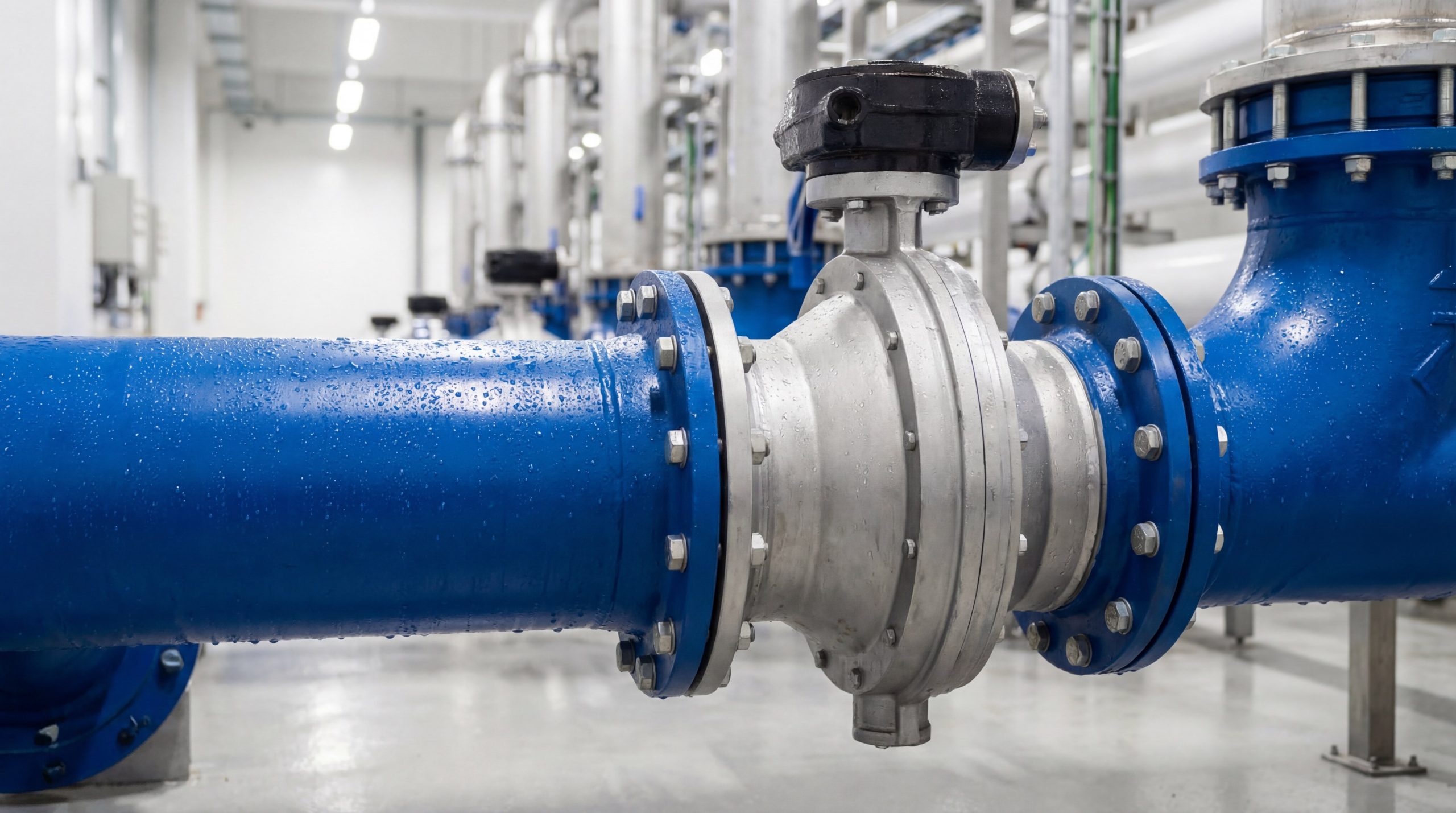
Proper table usage requires matching the specific manufacturer’s test data to your exact valve diameter, body style, and disc material. The loss coefficient for butterfly valve tables serves as a reference guide to help you select the most efficient model for your piping layout. You should never assume that Cv values are identical across different valve brands or series.
Reading the Standard Cv Tables
It gets better:
By cross-referencing your required flow rate with a standard sizing table, you can quickly identify whether a wafer or lug valve fits your design. This initial check prevents you from ordering expensive hardware that is ultimately incompatible with your pump capacity.
- Match Nominal Diameter
- Verify Opening Degrees
- Compare Body Styles
- Check Disc Thickness
Key Takeaway: Systematic table analysis allows you to narrow down your hardware choices before performing deep hydraulic simulations.
| Valve Size (Inch) | Cv @ 90° (Full Open) | Application Type |
|---|---|---|
| 2″ | 135 | Small Batch |
| 6″ | 1,579 | Municipal Water |
| 12″ | 8,250 | Industrial Process |
Analysis: Scaling your valve size according to standardized Cv tables ensures your system remains balanced and cost-effective.
Does Your Pressure Drop Match Design Specs?
Accurate pressure drop calculations require integrating the Cv value with the fluid’s specific gravity and the actual flow rate in your system. If the loss coefficient for butterfly valve deviates from your design specs, you may experience reduced flow at the end of the line. You must use the standard pressure drop formula to verify that your pumps can overcome the valve’s resistance.
Calculating Actual Head Loss Factors
Consider this:
Energy efficiency in your plant is directly tied to how much pressure is lost as fluid passes through each component in the network. A valve with an optimized Cv minimizes this loss, reducing the electrical load on your pumping stations and lower operating costs.
- Specific Gravity (SG)
- Flow Rate (Q)
- Pressure Drop (ΔP)
- Discharge Coefficient
Key Takeaway: Calculating head loss with precision allows you to select pumps that are sized for efficiency rather than raw power.
| Component | Impact on ΔP | Priority |
|---|---|---|
| Valve Body | High | Primary |
| Disc Profile | Medium | Secondary |
| Seat Friction | Low | Tertiary |
Analysis: Integrating precise Cv data into your head loss formulas is essential for maintaining the hydraulic integrity of the project.
Which Valve Body Maximizes Your Capacity?
High-performance flanged and triple-offset bodies typically offer superior flow paths compared to standard concentric wafer types in high-volume applications. The loss coefficient for butterfly valve designs varies significantly between a thin wafer profile and a heavy-duty lugged body. You need to choose a body style that provides the mechanical strength required without creating unnecessary flow restriction.
Wafer vs. Lug Flow Profiles
Simply put:
Wafer valves are often preferred for their compact nature and lower cost, but they may offer slightly different flow characteristics than flanged models. You should evaluate the internal diameter of the valve body to ensure it matches your piping schedule exactly.
- Compact Wafer Design
- Robust Lugged Body
- Double-Flanged Options
- Triple-Offset Geometry
Key Takeaway: Selecting the right body style involves balancing the need for structural support with the requirement for maximum flow capacity.
| Body Style | Pros | Cons |
|---|---|---|
| Wafer | Lightweight/Cheap | Limited Bolting |
| Lug | Bi-directional/Safe | Heavier |
| Flanged | High Pressure | Expensive |
Analysis: Choosing the correct body style ensures your installation meets safety standards without sacrificing fluid throughput.
Can Flow Sizing Prevent Costly Cavitation?
Sizing for a specific Cv range prevents the local pressure from dropping below the liquid’s vapor pressure, which causes damaging bubble formation. Monitoring the loss coefficient for butterfly valve at high velocities helps you identify zones where cavitation is most likely to occur. You can protect your equipment by ensuring the valve never operates in a choked flow condition.
Identifying the Vapor Threshold Risks
Make no mistake:
Cavitation doesn’t just make noise; it physically eats away at the metal of the disc and seat, leading to total valve failure. By maintaining a high Cv through proper sizing, you keep the fluid velocity within safe limits to prevent these destructive forces.
- Vapor Pressure (Pv)
- Inlet Pressure (P1)
- Pressure Recovery (Fl)
- Velocity Limits
Key Takeaway: Proactive cavitation analysis during the sizing phase saves thousands of dollars in emergency repairs and unplanned downtime.
| Risk Zone | Flow Condition | Action Required |
|---|---|---|
| Green | Sub-critical Flow | No Change |
| Yellow | Incipient Cavitation | Monitor Wear |
| Red | Choked Flow | Resize Valve |
Analysis: Controlling cavitation through Cv management is the most effective way to extend the service life of your industrial valves.
How Does Disk Friction Impact Your Efficiency?
Surface roughness on the valve disc increases drag, which directly lowers the effective Cv and raises the overall pressure drop in the system. The loss coefficient for butterfly valve components is highly sensitive to the finish of the wetted parts during high-velocity operations. You can improve your system’s efficiency by selecting discs with polished or coated surfaces that facilitate smoother fluid transition.
Surface Finish and Flow Drag Effects
The truth is:
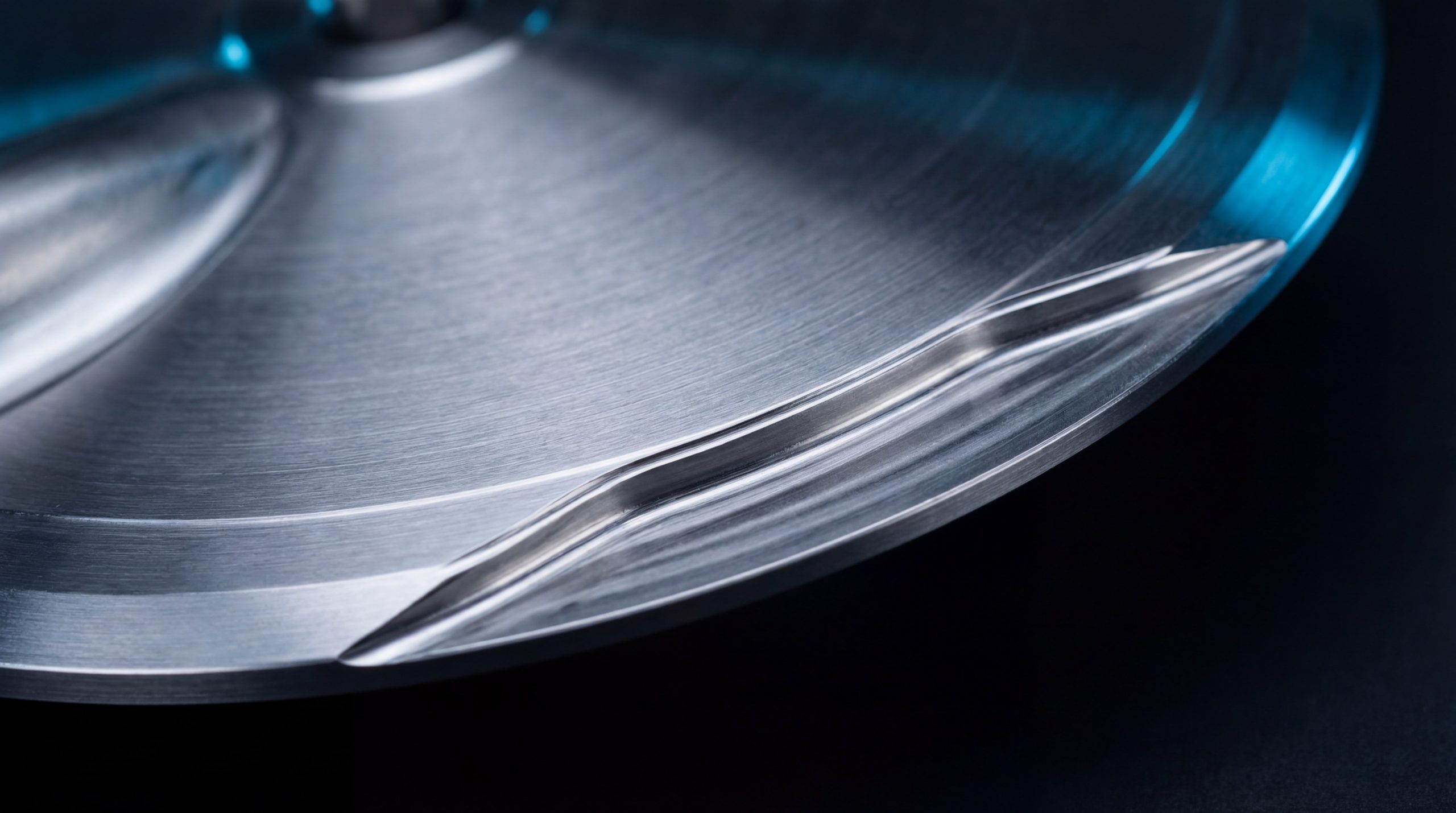
A rough cast iron disc creates significantly more turbulence than a precision-machined stainless steel disc, even if the nominal size is identical. High-performance coatings can further reduce friction, allowing you to achieve a higher Cv in a smaller valve footprint.
- Machined Polish
- Epoxy Coatings
- PTFE Linings
- Stainless Steel Grades
Key Takeaway: Investing in superior surface finishes pays for itself through reduced energy consumption and improved flow stability over time.
| Material | Friction Factor | Efficiency |
|---|---|---|
| Polished SS | Low | High |
| Coated Ductile Iron | Medium | Medium |
| Unlined Cast Iron | High | Low |
Analysis: Minimizing surface friction is a subtle but powerful method for boosting the total flow capacity of your installation.
Are Your Flow Calculations Meeting Standards?
Compliance with API 609 ensures your flow data remains consistent with international safety benchmarks and performance expectations. When you check the loss coefficient for butterfly valve data against industry standards, you guarantee that your project meets all regulatory requirements. You must verify that your supplier provides certified Cv tables that have been verified through rigorous laboratory testing.
API 609 Compliance and Testing Guide
Now:
Standardization prevents manufacturers from inflating their flow numbers to appear more competitive, protecting you from purchasing underperforming equipment. Using certified data is the only way to ensure your hydraulic models reflect reality once the system is commissioned.
- API 609 Certification
- ANSI/ISA Testing
- Body Pressure Ratings
- Quality Control Logs
Key Takeaway: Adhering to recognized standards provides the legal and technical assurance necessary for high-stakes industrial projects.
| Standard | Focus Area | Requirement |
|---|---|---|
| API 609 | Design & Testing | Certification |
| ANSI B16.34 | Pressure/Temp | Compliance |
| ISO 5752 | Face-to-Face | Compatibility |
Analysis: Standard compliance is the bridge between theoretical engineering and reliable, real-world industrial performance.
Summary of Industrial Flow Solutions
Technical precision in valve selection is the definitive boundary between a fluid system that merely functions and one that thrives. By accurately calculating the Cv value and understanding its non-linear relationship with opening angles, you solve the problems of energy waste, mechanical stress, and cavitation damage. At RuiToFlow, we believe that precision engineering isn’t optional; it is the core of industrial progress. We provide the data-backed insights and high-performance hardware necessary to keep your fluid systems running with surgical accuracy and maximum efficiency.
Ready to optimize your industrial flow? Our engineering team is project-ready to provide certified, reliable solutions tailored to your specific pressure and flow requirements. contact us today for expert guidance on your next installation.
FAQ
Can I use Cv to predict the loss coefficient for butterfly valve?
Yes, the K-factor (loss coefficient) is mathematically derived from the Cv and the valve’s internal diameter to calculate head loss.
What’s the best way to handle non-linear flow in throttling apps?
Always refer to the manufacturer’s Cv curve for angles between 30° and 70°, as this is the most stable range for control.
How do I know if my flow velocity is too high for a wafer valve?
If your calculated pressure drop exceeds system limits or noise levels rise significantly, your valve is likely undersized for the velocity.
Can I extrapolate Cv values for intermediate sizes?
No, because flow characteristics change based on the disc-to-pipe diameter ratio; always use size-specific tables from the manufacturer.
What’s the best body style for minimizing flow resistance?
High-performance triple-offset valves or double-flanged designs typically offer the most streamlined flow paths for high-volume systems.