
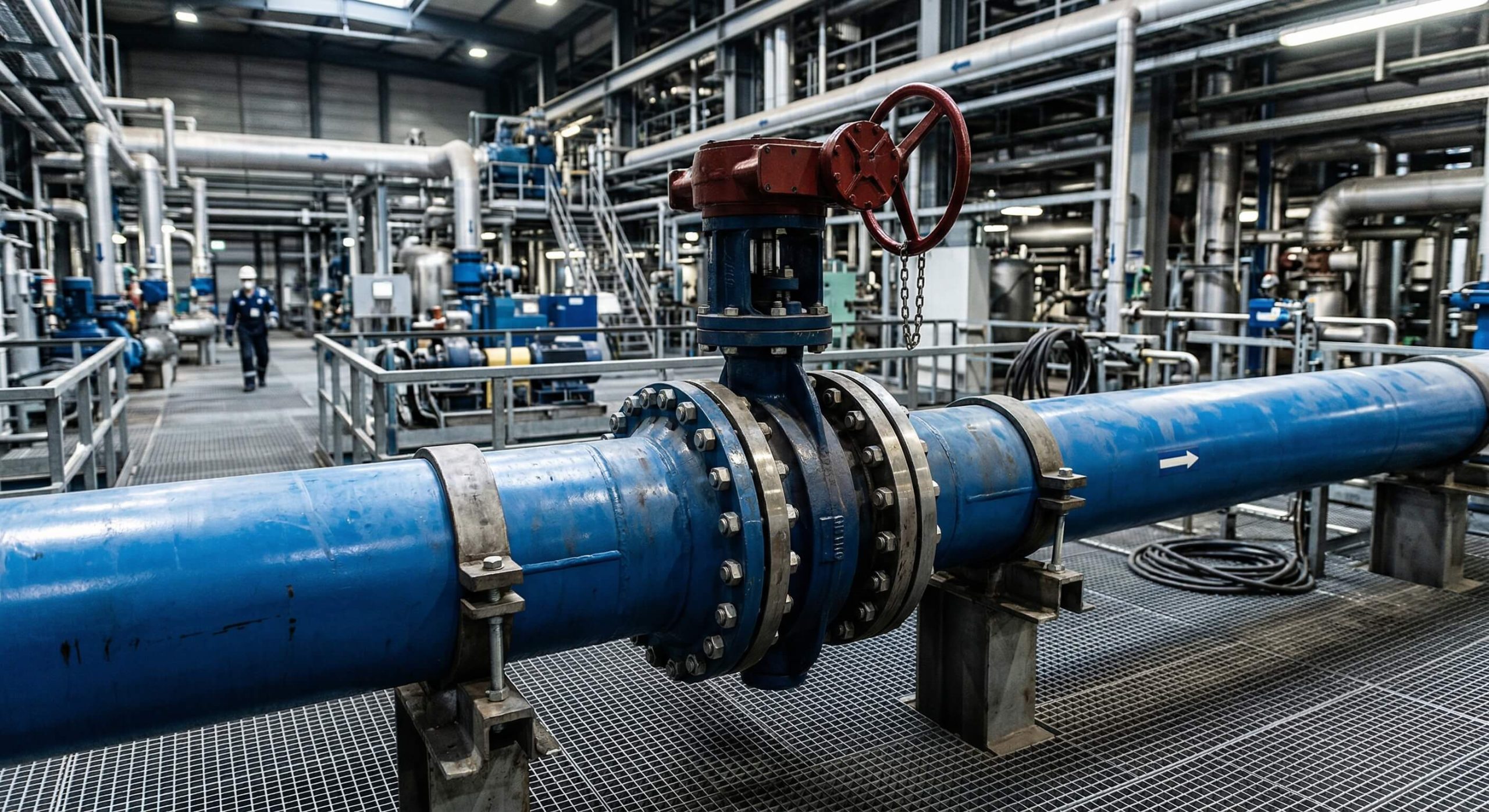
A manufacturer-specified orientation provides maximum sealing performance and significantly minimizes wear during daily industrial operation. Installing valves backwards undoubtedly causes severe pipeline leaks across connected processing facilities. Fluid spills create massive safety hazards and astronomical financial losses surprisingly quickly. Identifying correct butterfly valve direction of flow completely solves specific leakage issues entirely. We offer exceptionally reliable systems preventing costly industrial accidents completely. Trust our extensively proven manufacturing expertise regarding your next major facility upgrade.
What is butterfly valve direction of flow?
It physically represents fluid paths strictly intended through complex piping networks. Finding proper butterfly valve direction of flow actively prevents unwanted mechanical stress tearing internal rubber seals. Many specialized components function noticeably better facing upstream fluid pressures directly. Engineers meticulously design these robust tools handling specific directional loads incredibly effectively.
Identifying Fluid Paths
Here is a deal: clear visual markings usually guide tricky installation processes perfectly.
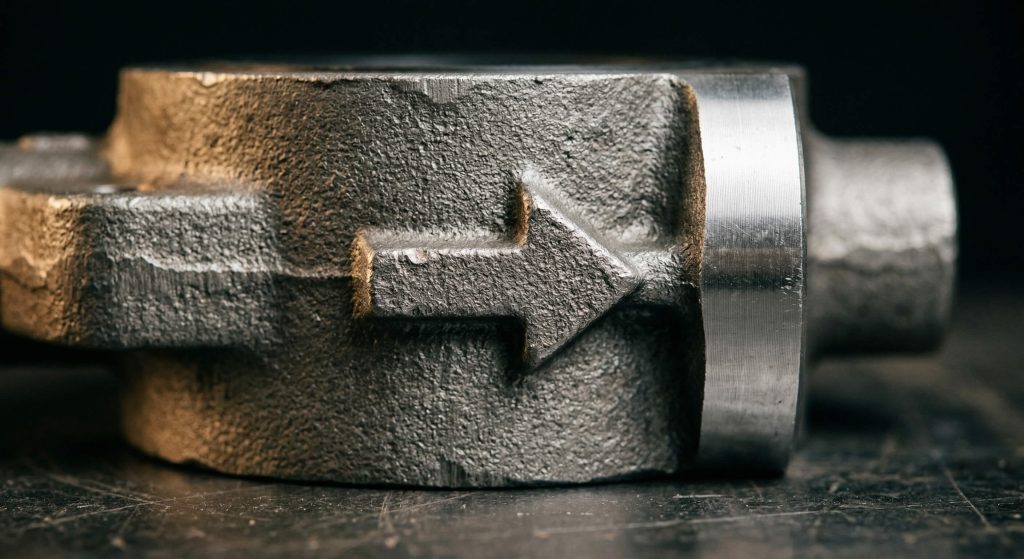
- Distinct arrows cast firmly on metal bodies indicate intended fluid paths.
- Comprehensive instruction manuals contain highly specific alignment diagrams illustrating proper fits.
- Technical specification sheets deliberately list mandatory orientation requirements protecting warranty claims. You must carefully read every single label prior installing heavy metal flanges.
Key Takeaway
Following clearly marked pathways guarantees your system operates exceptionally smoothly without unexpected structural failures. Aligning critical components correctly extends overall hardware lifespan significantly across demanding industrial settings.
| Feature | Upstream | Downstream |
|---|---|---|
| Pressure Load | High | Low |
| Sealing Force | Maximum | Minimum |
| Wear Rate | Normal | Accelerated |
Proper component orientation minimizes mechanical wear while seamlessly sustaining high pressure loads effectively.
Why does butterfly valve direction of flow matter?
Orientation dictates exactly how well internal seals hold back intense fluid pressure. Reversing butterfly valve direction of flow violently forces seals against weak structural points. High pressure then pushes fluid past compromised barriers incredibly easily. Continual mechanical stress eventually causes total structural failure within expensive main pipelines.
What happens inside?
You might be wondering: what physically occurs during harmful reverse operations?
- Discs press heavily against unsupported rubber seat areas continuously.
- Metal shafts bend awkwardly under improper fluid force vectors.
- Actuators struggle fiercely against dramatically increased frictional resistance. These harsh physical reactions degrade your sensitive equipment far faster than normal.
Key Takeaway
Matching fluid paths with engineered designs protects your entire piping infrastructure flawlessly. You save massive replacement costs maintaining proper physical orientations throughout your facilities.
| Issue | Correct Path | Reversed Path |
|---|---|---|
| Leakage Risk | Very Low | Extremely High |
| Shaft Stress | Minimal | Severe |
| Maintenance | Scheduled | Emergency |
Operating within intended design parameters drastically reduces emergency maintenance and severe leakage risks.
How can we check butterfly valve direction of flow?
Inspect outer body castings closely looking for embossed arrows pointing downstream. Verifying your butterfly valve direction of flow requires detailed visual inspection before final mounting. Some specialized models feature identification tags wired directly near manual handwheels. Technicians should always cross-reference part numbers alongside official engineering schematics.
How do we inspect?
Check this out: simple verification steps prevent disastrous assembly mistakes completely.
- Clean accumulated dirt off metal casings thoroughly using industrial solvents.
- Search specifically for stamped arrows near connecting metal flanges.
- Review digital PDF manuals accurately matching exact hardware models. Confirming small details early keeps massive projects moving smoothly without expensive rework.
Key Takeaway
Taking five minutes inspecting hardware saves days fixing catastrophic industrial pipeline leaks. You build significantly safer facilities prioritizing simple visual checks daily.
| Method | Speed | Accuracy |
|---|---|---|
| Visual Arrow | Fast | High |
| Manual Review | Slow | Perfect |
| Tag Reading | Medium | High |
Combining routine visual checks with thorough manual reviews guarantees perfect installation accuracy.
Can butterfly valve direction of flow be reversed?
Certain heavy-duty bi-directional models allow fluid movement from either side safely. However, standard uni-directional butterfly valve direction of flow definitively cannot change. Pushing fluid backwards through uni-directional models destroys soft rubber seats instantly. Always consult detailed factory specifications before altering established system fluid paths.
Which designs handle reverses?
Let’s get real: not all mechanical components handle two-way traffic successfully.
- Symmetric internal seals handle pressure equally from both pipe sides.
- Heavy-duty retaining pins secure discs against wildly alternating forces.
- Specialized seat rings resist excessive wear during varied daily operations. You need highly specific engineered parts handling alternating pipeline streams properly.
Key Takeaway
Upgrading toward robust bi-directional units grants you significantly greater system design flexibility. You avoid critical directional errors entirely using symmetric hardware options.
| Valve Type | Upstream Flow | Downstream Flow |
|---|---|---|
| Bi-Directional | Safe | Safe |
| Uni-Directional | Safe | Unsafe |
| Check Valve | Safe | Blocked |
Selecting premium bi-directional designs provides maximum safety across rapidly alternating fluid operations.
Does concentric butterfly valve direction of flow vary?
Most basic concentric models handle fluid moving from either side equally. Their completely symmetric design makes butterfly valve direction of flow notably less strict. Central stem placement allows uniform sealing directly against thick rubber seats. These versatile units provide exceptionally excellent service handling basic water applications.
Why choose concentric?
Truth be told: structural simplicity makes concentric designs incredibly popular everywhere.
- Metal discs sit directly centered within main pipe bores perfectly.
- Rubber seats provide uniform friction all around outer sealing edges.
- Low-pressure utility systems benefit greatly utilizing this straightforward mechanical approach. You save substantial money choosing concentric styles handling basic plumbing needs.
Key Takeaway
Using standard concentric units simplifies your facility installation process significantly. You worry far less about orientation mistakes dealing with symmetric internal parts.
| Feature | Concentric | Eccentric |
|---|---|---|
| Stem Position | Centered | Offset |
| Flow Path | Bi-directional | Usually Uni-directional |
| Cost | Lower | Higher |
Centered internal stem positions create highly versatile components handling flows from any side.
Is eccentric butterfly valve direction of flow specific?
Yes, double and triple offset models strictly require specific installation orientations. Their highly asymmetrical design strictly forces specific butterfly valve direction of flow. High-pressure lines push heavy discs tighter against metal seats correctly. Backward pressure aggressively pushes discs away from intended sealing surfaces.
How do offsets help?
Listen carefully here: specialized offsets solve high-wear problems brilliantly.
- Double offsets significantly reduce rubbing during repetitive open cycles.
- Triple offsets brilliantly eliminate friction entirely until final closure stages.
- Hardened metal seats handle extreme industrial temperatures exceptionally effectively. You absolutely need eccentric models facing harsh chemical and hot steam lines.
Key Takeaway
Installing advanced eccentric hardware correctly provides truly unmatched performance under extreme conditions. You gain vastly superior leak protection mastering complex directional installation requirements.
| Offset Type | Friction | Best Application |
|---|---|---|
| Zero | High | Low Pressure Water |
| Double | Medium | Harsh Chemicals |
| Triple | Zero | High Temp Steam |
Advanced triple offset mechanisms eliminate friction completely while demanding exceptionally strict orientation compliance.
How does pressure affect butterfly valve direction of flow?
Higher system pressures demand stricter adherence regarding correct internal mechanical orientation. Ignoring butterfly valve direction of flow under extreme high pressure guarantees catastrophic failure. Fluid force properly assists sealing only when facing intended engineering ways. Reversed high pressure forcefully blows out thick rubber seats instantly.
What changes under pressure?
Wait, there is more: intense pressure alters everything inside metal pipelines.
- Strong upstream force pushes heavy discs firmly into sealing seats.
- Unintended downstream force tears fragile seals away from metal housings.
- Sudden hydraulic surges destroy improperly aligned internal mechanical components. You must strictly respect system pressure limits during every installation phase.
Key Takeaway
Aligning internal components with correct flow paths utilizes fluid pressure as sealing assistance. You cleverly harness natural physics creating noticeably tighter seals across complex networks.
| Pressure Level | Sealing Force | Failure Risk |
|---|---|---|
| Low | Adequate | Moderate |
| Medium | Strong | High |
| High | Maximum | Certain |
Handling maximum fluid pressures requires absolute technical perfection regarding directional component installation.
What errors ruin butterfly valve direction of flow?
Ignoring clearly cast arrows ranks among extremely frequent mechanical installation mistakes. Failing reading butterfly valve direction of flow destroys expensive equipment quickly. Welding connecting flanges incorrectly forces awkward component angles permanently later. Rushing carelessly through complex assembly procedures creates dangerous industrial working environments.
What goes wrong?
Do not miss this: simple human errors cause incredibly massive headaches.
- Reading engineering drawings upside down flips entire processing systems completely.
- Installing manual handles facing wrong directions confuses future facility operators.
- Using entirely incompatible gaskets firmly blocks internal metal disc movement. You actively prevent mechanical disasters double-checking every single pipe flange connection.
Key Takeaway
Creating highly strict verification checklists saves your entire team from unbelievably costly errors. You steadily build outstanding professional reputation delivering completely flawless pipeline assemblies every time.
| Error Type | Consequence | Prevention |
|---|---|---|
| Ignored Arrow | Seal Blowout | Visual Check |
| Bad Welds | Binding Discs | Careful Alignment |
| Wrong Gaskets | Blocked Flow | Spec Review |
Implementing strict verification protocols eliminates incredibly common errors causing catastrophic system failures.
Who checks your butterfly valve direction of flow?
Quality assurance inspectors must personally confirm every single component physical orientation. They strictly verify butterfly valve direction of flow before formally authorizing system pressurization. Senior project engineers also carefully sign off final schematic compliance documents. Proper management oversight thoroughly prevents inexperienced technicians making extremely critical mechanical mistakes.
Who takes charge?
Here is a catch: proper technical oversight requires highly dedicated personnel.
- Trained inspectors walk entire facility lines checking cast directional arrows.
- Mechanical engineers run careful low-pressure tests finding minor hidden leaks.
- Facility managers thoroughly review sign-off sheets actively verifying employee accountability. You actively protect massive corporate investments deploying highly rigorous inspection teams daily.
Key Takeaway
Mandating strict independent inspections completely stops orientation mistakes reaching active production phases. You sleep much better knowing multiple trusted experts verified complex mechanical systems.
| Role | Responsibility | Action |
|---|---|---|
| Technician | Installation | Bolt Flanges |
| Inspector | Verification | Check Arrows |
| Engineer | Testing | Pressure Run |
Deploying dedicated oversight roles guarantees incredibly safe pressurization sequences across all processing facilities.
How to test butterfly valve direction of flow safely?
Conduct initial cautious hydrostatic tests using extremely low fluid pressures initially. This highly methodical approach confirms butterfly valve direction of flow safely. Ramping internal pressure up slowly reveals small leaks without causing sudden explosive damage. Never casually use volatile compressed air during initial pipeline integrity testing procedures.
What are testing steps?
Ready for good parts? Rigorous testing properly validates your hard engineering work.
- Fill interconnected systems slowly bleeding off trapped dangerous air completely.
- Monitor bolted joints using highly specialized liquid leak detection fluids.
- Increase water pressure incrementally recording precise analog gauge readings. You confidently validate perfect industrial installations completing thoroughly rigorous safety checks.
Key Takeaway
Gradual controlled hydrostatic testing reveals hidden directional flaws before highly hazardous fluids enter systems. You actively protect facility personnel following heavily established mechanical testing guidelines strictly.
| Test Phase | Pressure Level | Goal |
|---|---|---|
| Phase 1 | 10% | Find major leaks |
| Phase 2 | 50% | Seat settling |
| Phase 3 | 100% | Final verification |
Executing incremental pressure testing effectively exposes dangerous orientation flaws without endangering nearby facility personnel.
Wrapping Up Your Installation Guide
Directing harsh industrial fluids accurately dramatically prevents catastrophic system failures across complex networks. We eagerly solve highly complex pipeline challenges supplying phenomenally reliable directional components. We carefully build heavy-duty hardware handling incredibly extreme pressures seamlessly. Reach out and contact us today regarding your upcoming massive facility expansion projects. Advancing incredibly safe global fluid control strictly remains our primary dedicated engineering mission.
FAQ
Q1: Can I install these specific mechanical components backwards safely? Absolutely not. Reversing intended fluid pathways causes incredibly severe internal seal damage extremely quickly.
Q2: What’s the best way identifying highly correct physical orientations? Look closely for cast arrows. Reputable manufacturers stamp highly clear indicators directly onto solid metal bodies.
Q3: How do I know if my system requires bi-directional units? Review varying internal pressure loads. Alternating upstream fluid forces strictly demand completely symmetric mechanical sealing mechanisms.
Q4: Can I modify uni-directional parts handling bi-directional flows? Never attempt doing this. Internal structural designs cannot physically handle entirely un-engineered physical stress modifications safely.
Q5: What’s the best procedure handling a discovered reversed installation? Depressurize compromised pipeline lines immediately. Carefully flip heavy components around before safely continuing daily facility operations.