
Reliable Fluid Control for Harsh Offshore Environments
Engineered for FPSO, Drilling Platforms, and Marine Systems where failure is not an option.
Combat relentless salt spray, extreme high pressure, and critical space constraints with precision-engineered valves designed for the most demanding marine environments.
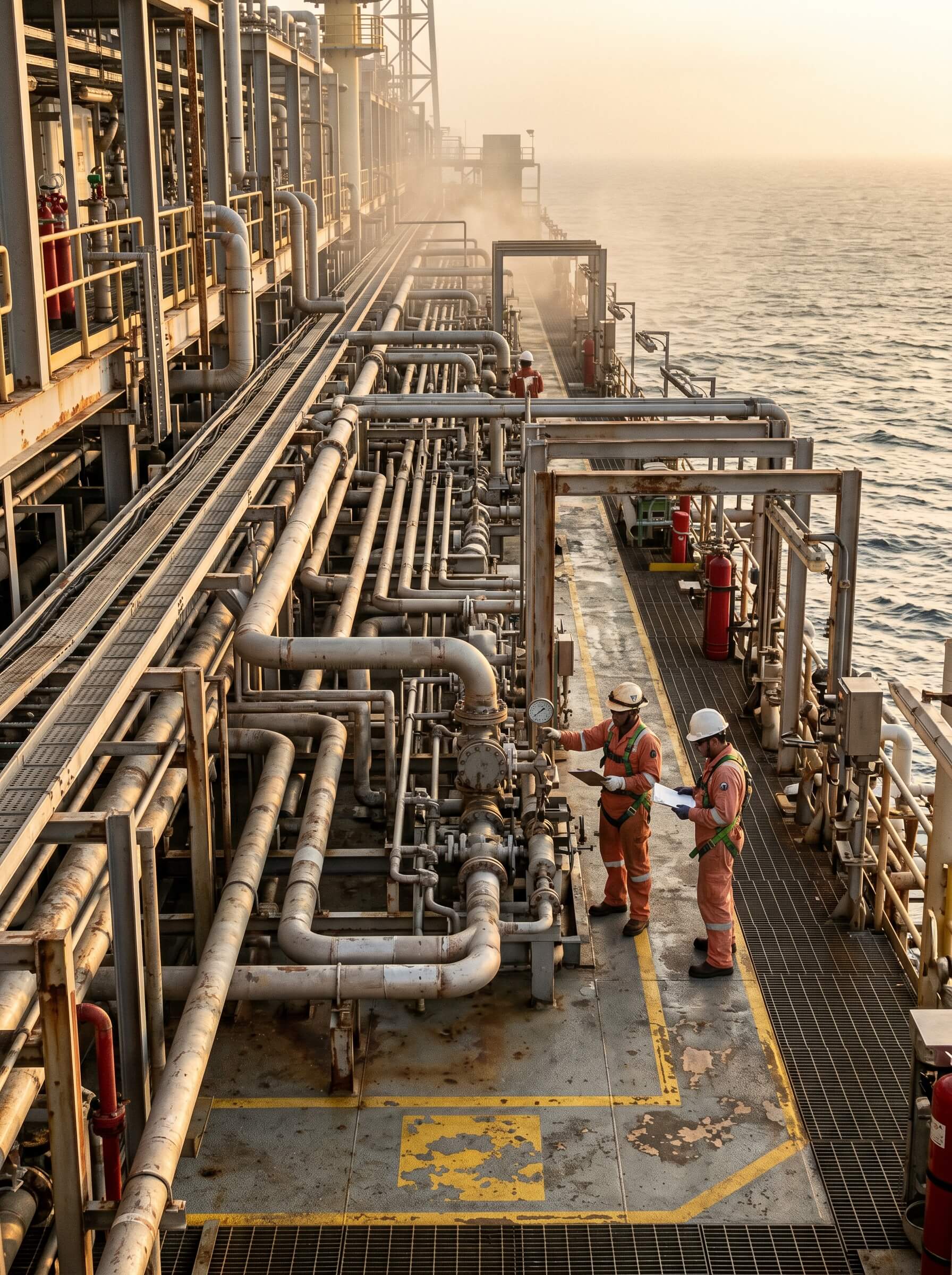
Are frequent valve failures compromising your offshore system's safety?
Common pain points that lead to costly downtime and maintenance in marine environments.
Severe Corrosion
Saltwater and harsh atmospheric conditions rapidly degrade standard valve materials, leading to structural integrity loss.
Internal Leakage
Seal degradation under high pressure and temperature fluctuations causes media bypass, compromising system efficiency.
Water Hammer & Backflow
Sudden pressure surges in long pipeline runs damage valve internals and adjacent piping systems.
Valve Seizing/Stalling
Actuator failure or stem jamming due to inadequate torque margins or marine growth interference.
System Clogging
Particulate accumulation and scaling within the valve body restricting flow capacity and altering cv values.
Documentation Non-compliance
Lack of required certifications (API, ABS, DNV) delaying project approvals and commissioning phases.
Strategic Analysis of Root Causes Behind Offshore Valve Failures
Transitioning from surface-level symptoms to engineering-grade solutions.
Material-Media Mismatch
Selecting standard stainless steels (e.g., 304/316) for high-chloride environments invariably leads to pitting and crevice corrosion. Root cause often traces back to inadequate galvanic compatibility analysis during initial specification.
Improper Sealing/Valve Selection
Deploying soft-seated valves in applications with abrasive particulates or specifying valves with incorrect flow coefficients (Cv) causes premature seal wear, cavitation, and actuator stalling due to under-calculated torque requirements.
Documentation & Standard Gaps
Failure to align product specifications with stringent maritime classifications (e.g., API 609, ABS, DNV) results in non-compliance during inspections. This is often caused by fragmented procurement processes lacking technical oversight.
Critical Fluid Management Topologies: Ensuring Operational Continuity
Engineered infrastructure ensuring continuous operational stability across primary vessel and rig superstructures, mitigating environmental volatility through precise control architectures.
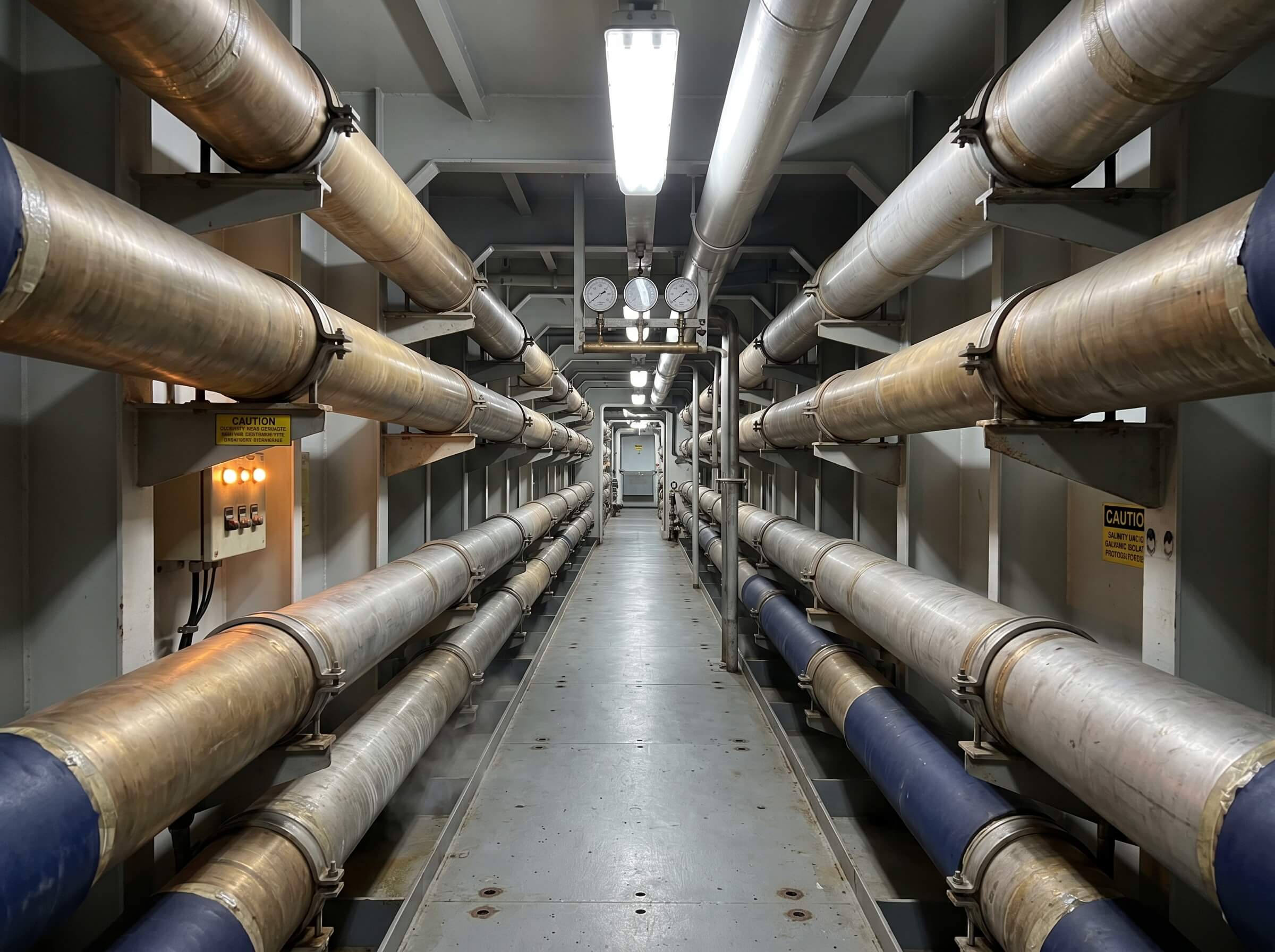
High-Flow Seawater Cooling Networks Deliver Thermal Stability
Deploying corrosion-resistant alloys to guarantee continuous thermal regulation of central propulsion and auxiliary power generation units under extreme, prolonged salinity exposure.
Thermal Balancing
Maintaining optimal operational temperatures across engine blocks.
Flow Regulation
Precision throttling of vast seawater volumes per minute.
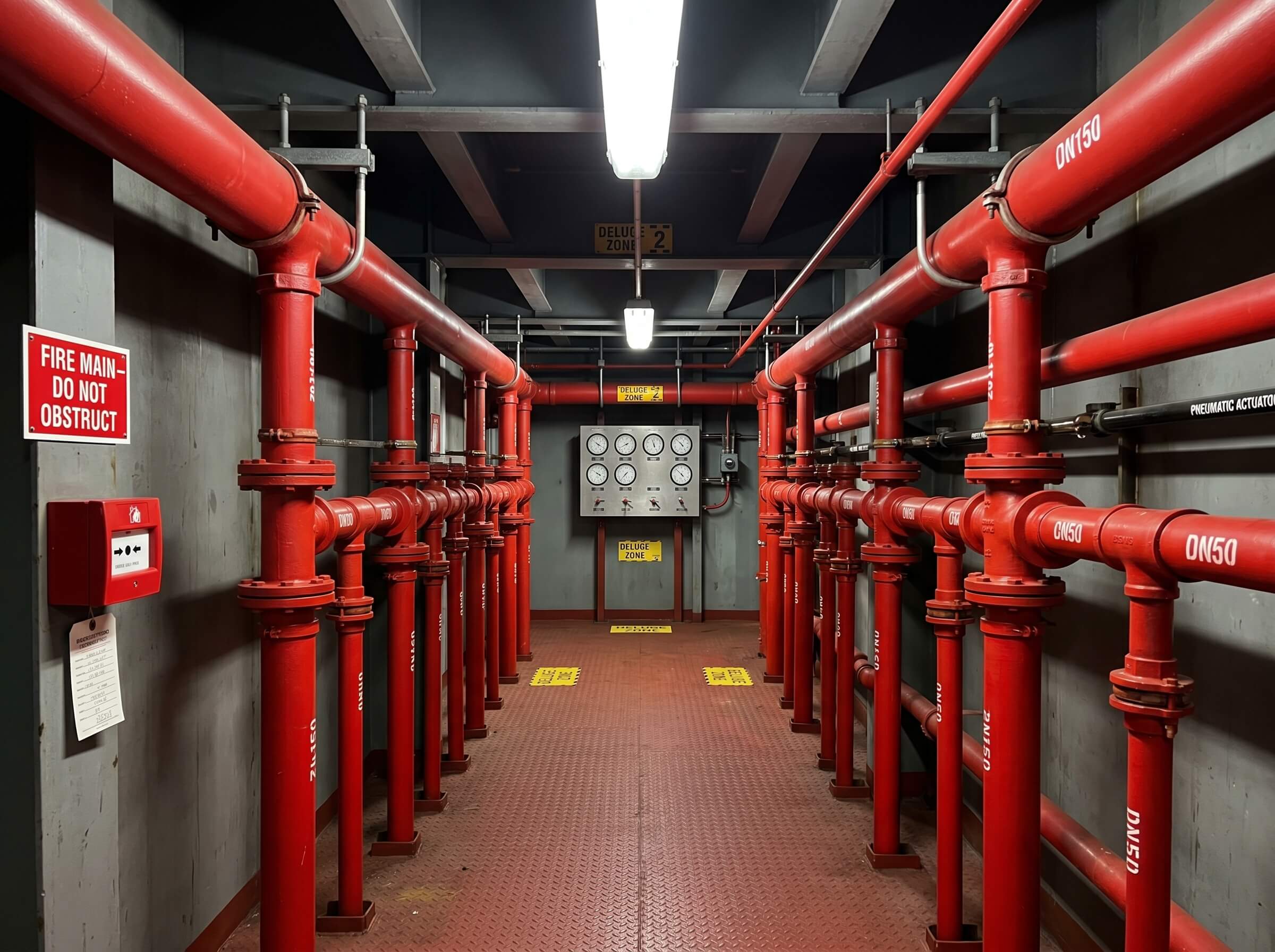
Critical Fire Suppression Matrices Ensure Rapid Containment
Fail-safe fluid routing architectures engineered for instantaneous high-pressure water deluge, ensuring immediate hazard containment and total compliance with strict SOLAS regulations.
Instant Activation
Sub-second pneumatic actuation upon heat detection.
Pressure Retention
Maintaining static line pressure for immediate deployment.
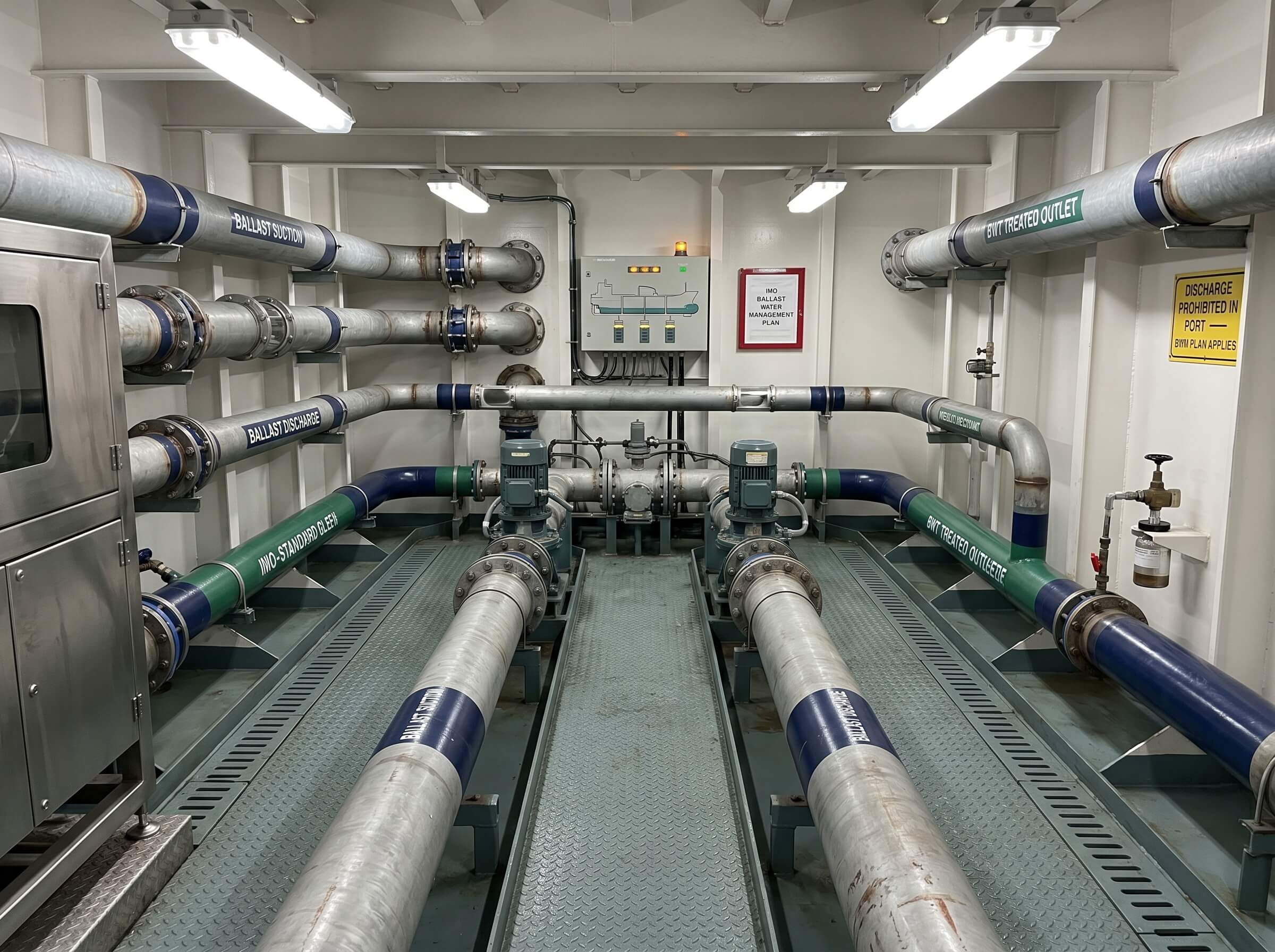
Automated Ballast Water Management Provides Structural Equilibrium
High-capacity fluid transfer systems designed for precise vessel draft stabilization, integrating seamlessly with UV or chemical treatment modules to meet global ecological standards.
Draft Stabilization
Continuous adjustment for structural load balancing.
Eco-Compliance
Supporting strict IMO ballast discharge regulations.
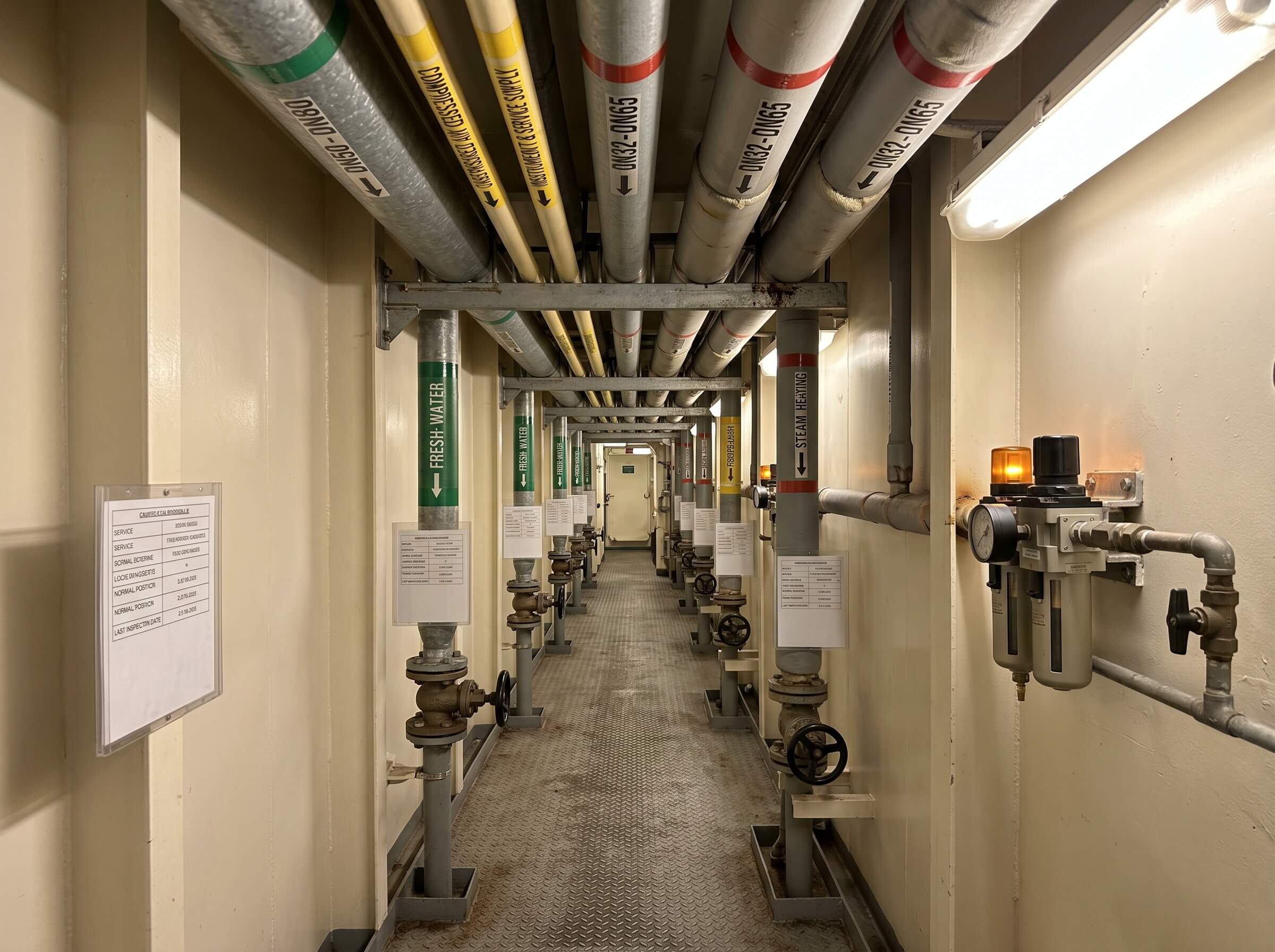
General Utility Distribution Ensures Daily Operability
Robust and adaptable piping networks supplying essential fresh water, compressed air, and low-pressure steam across the vessel, ensuring continuous habitability and operational support.
Versatile Routing
Flexible distribution pathways for multi-fluid handling.
Accessibility
Designed for ease of maintenance and rapid component replacement.
Explore our full catalog of engineered fluid control solutions tailored for demanding offshore environments.
Engineering Deficiencies vs. Optimized Paradigms
Analyzing common catastrophic failures in harsh offshore environments and presenting our scientifically engineered counter-measures to guarantee extended operational lifespans.
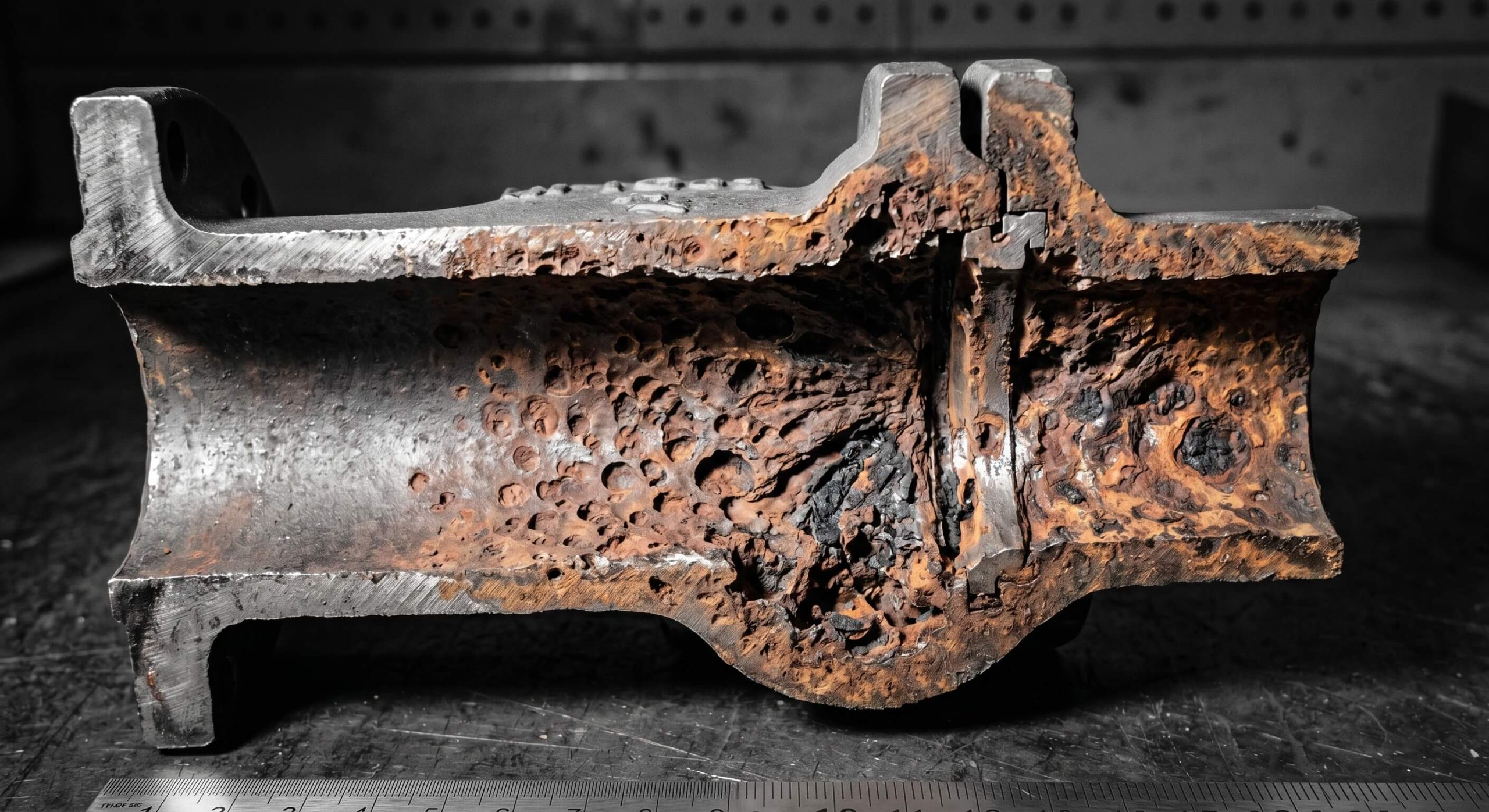
Aggressive Galvanic Corrosion
Standard carbon steel or lower-grade alloys rapidly degrade in high-salinity environments, leading to catastrophic pressure loss and structural blowout.
- Incorrect material selection for fluid salinity.
- Lack of protective internal epoxy coating.
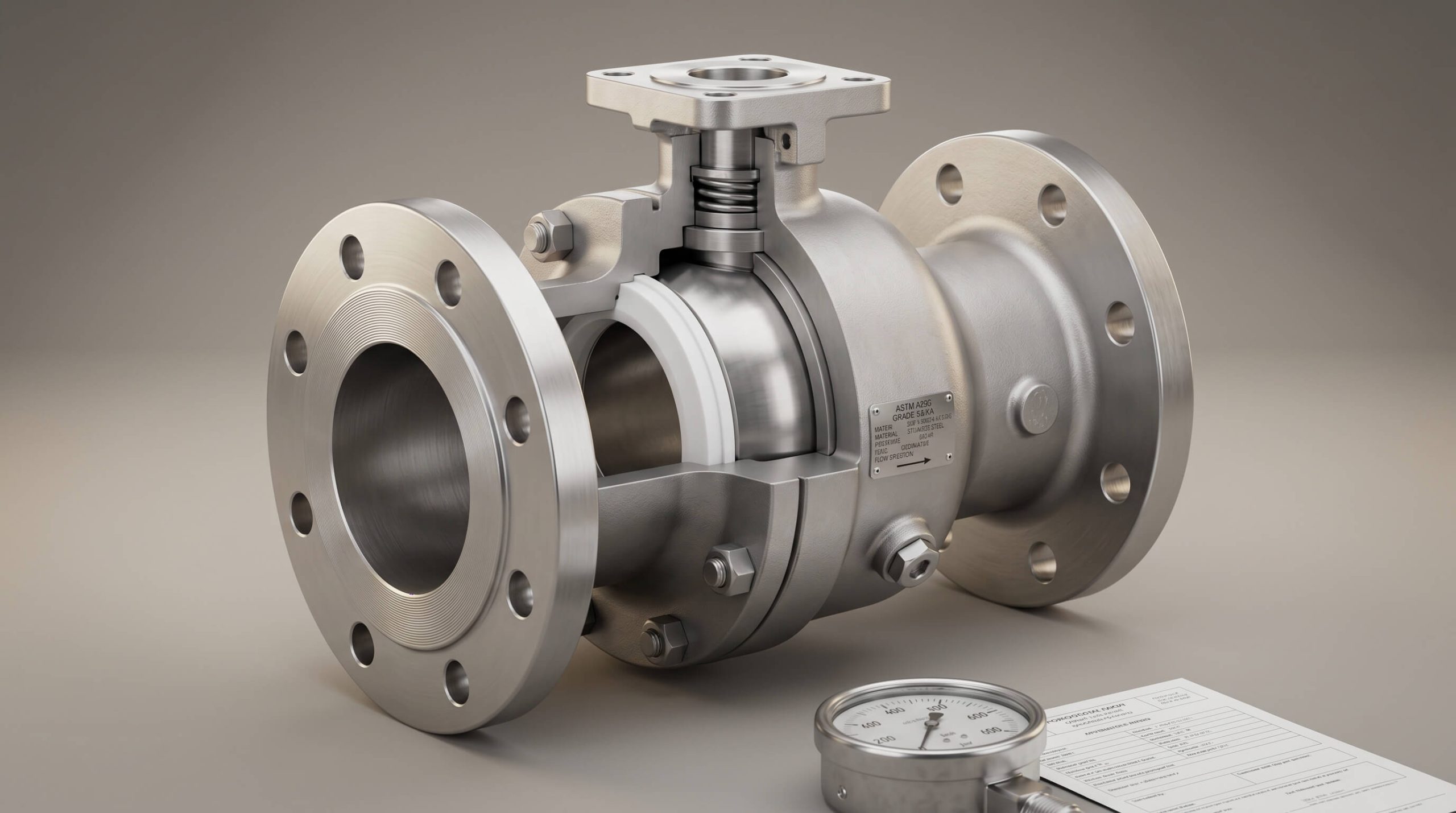
Super Duplex Integration Matrix
Deploying ASTM A890 Grade 5A/6A super duplex stainless steel with standardized PTFE seats to eliminate corrosion risk and extend maintenance intervals.
- High PREN (>40) resisting chloride pitting.
- Superior yield strength allows for reduced weight.
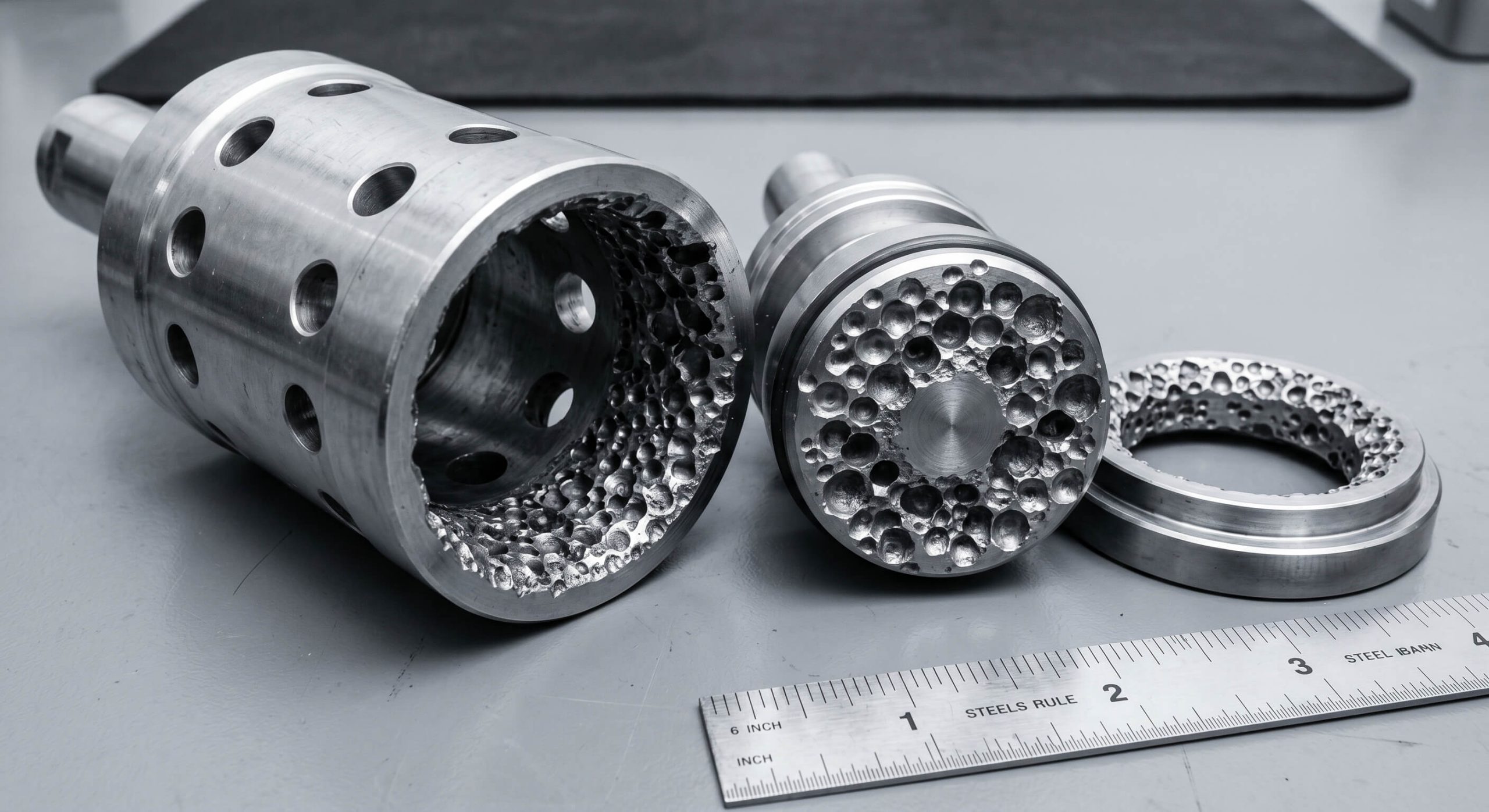
Severe Cavitation Damage
Improper internal geometries during high pressure drops cause vapor bubble collapse, literally tearing metal from the valve trim and body.
- Standard trim designs used in high-differential zones.
- Failure to calculate localized pressure recovery factors.
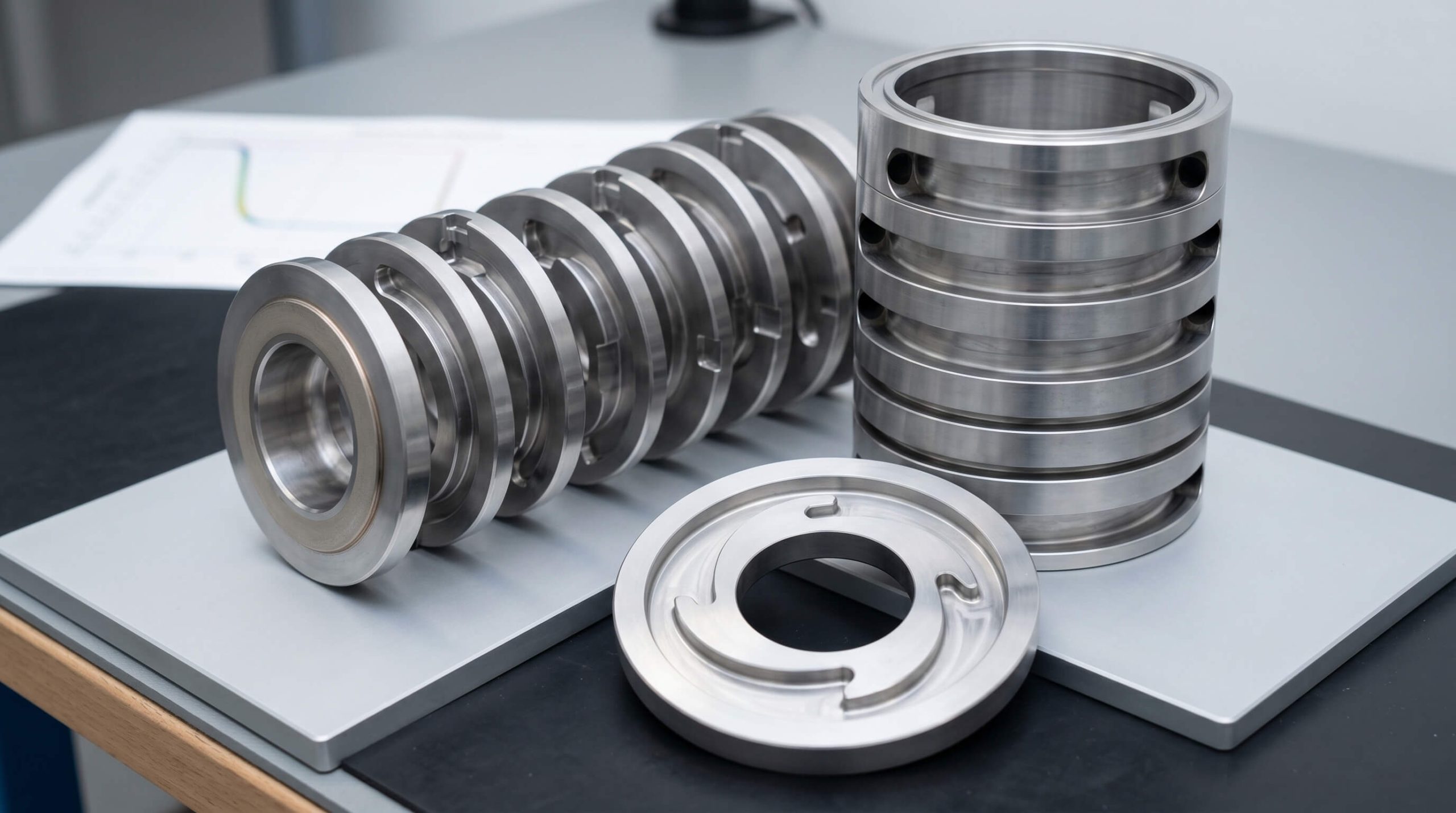
Multi-Stage Anti-Cavitation Trim
Implementing engineered tortuous-path trims that break pressure drops into minor, controlled stages, preventing the fluid from ever reaching vapor pressure.
- Customized internal cage designs based on flow data.
- Stellite hardfacing on critical impact zones.
Identify potential risks in your current specifications.
Condition Verification
Comprehensive analysis of pressure, temperature, fluid composition, and installation spatial constraints.
Input StageValve Selection Logic
Algorithmic mapping of operational data to ideal structural typologies (e.g., Gate vs. Triple Offset Butterfly).
Decision StageMaterial Matching
Assigning precise metallurgical grades (Al-Bronze, Duplex, Monel) based on chemical resistance profiles.
Critical ControlStandard Confirm
Cross-referencing design parameters against strict API, ISO, and Classification Society mandates.
ComplianceTest & Delivery
Executing hydrostatic and fugitive emission testing protocols before secure maritime crating.
Final GuaranteeValidated Performance Across Critical Offshore Scenarios
Engineered solutions delivering reliable fluid control in the most demanding maritime and industrial environments, ensuring operational continuity and mitigating risk.
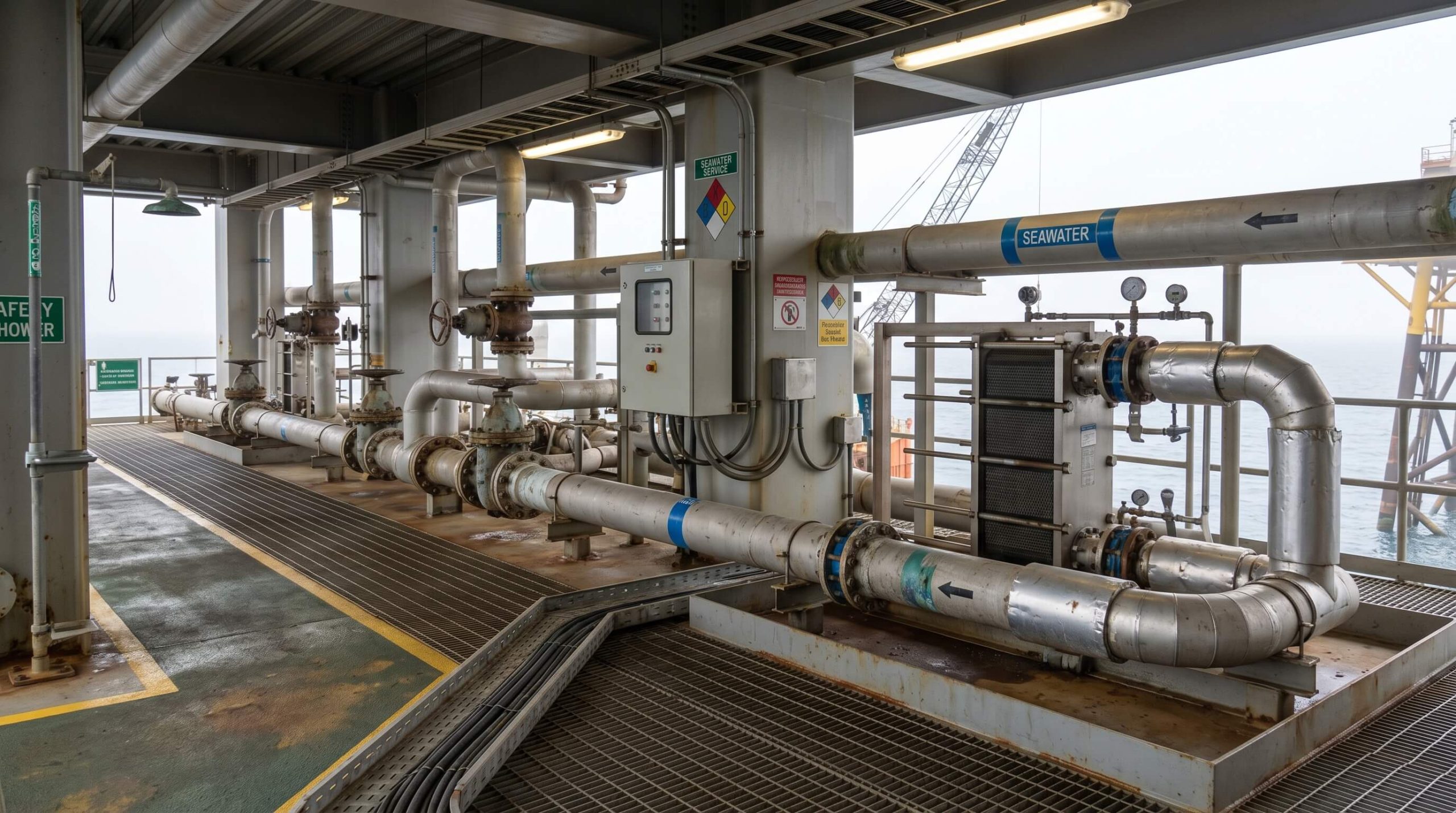
Seawater Cooling Networks
Corrosion-resistant isolation and control for critical cooling loops, preventing bio-fouling and galvanic decay in continuous saltwater exposure.
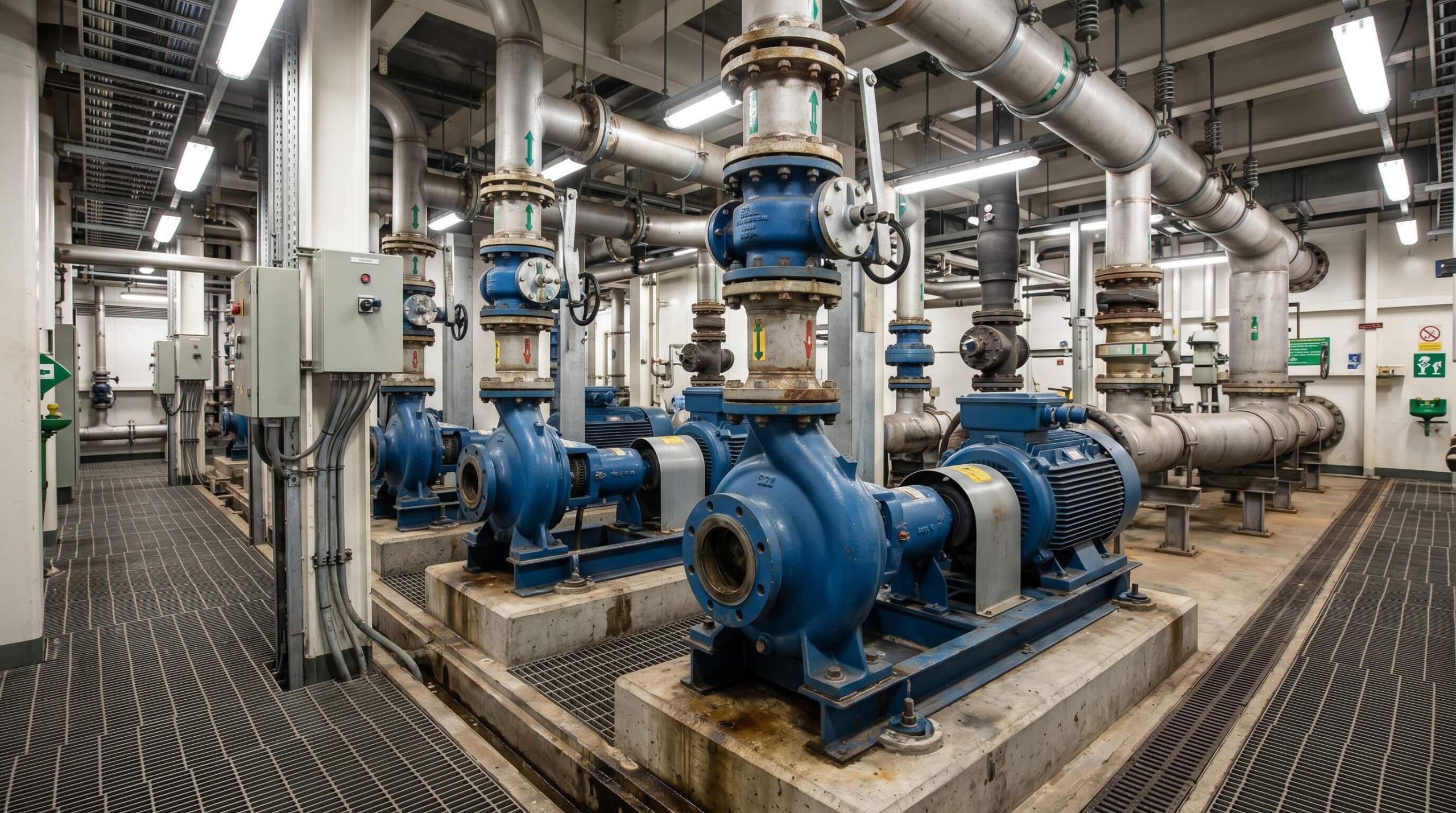
Pump Discharge Isolation
High-performance non-slam check mechanisms mitigating water hammer effects during rapid pump start-up and shutdown sequences.
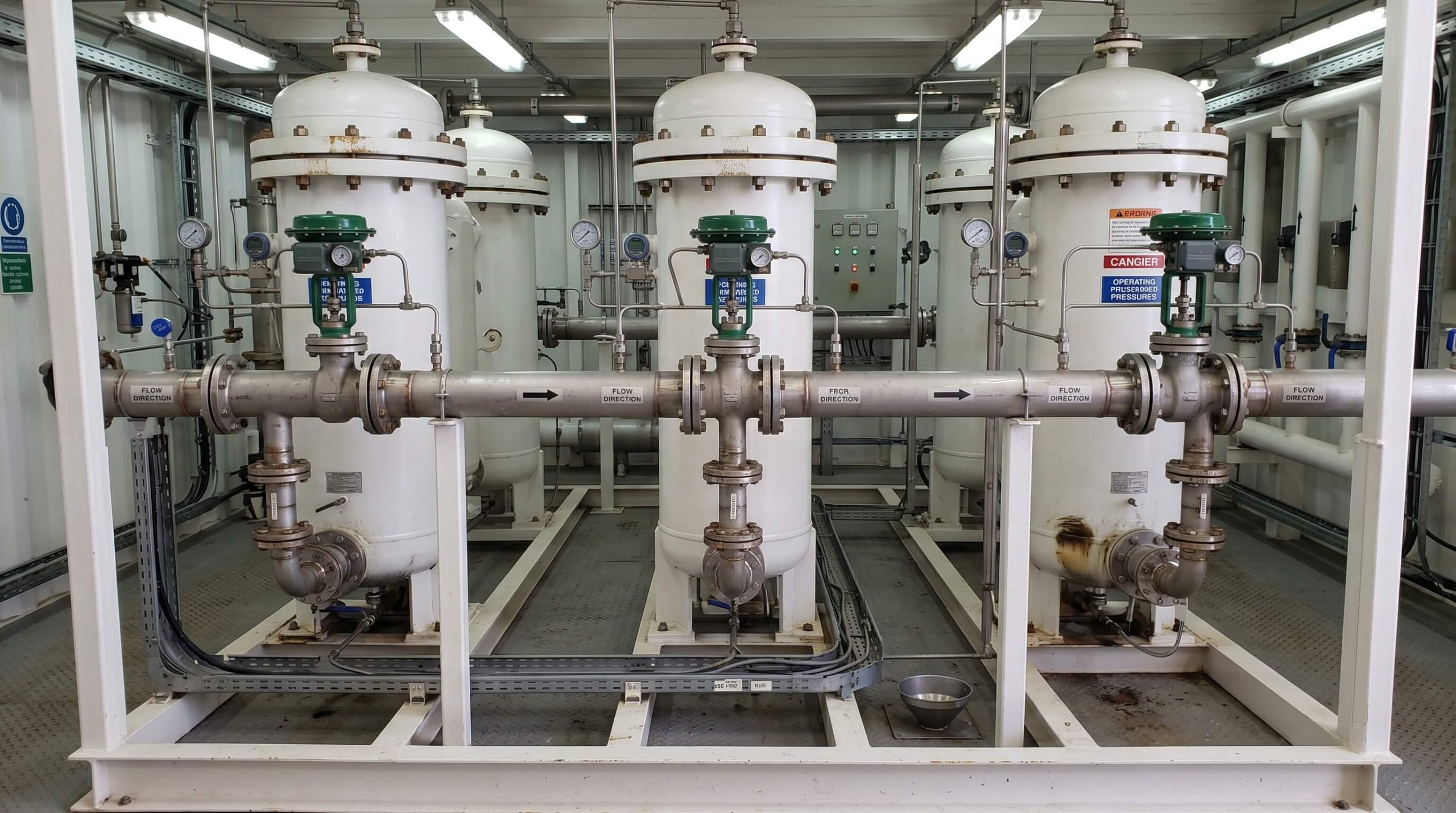
Filtration Protection
Precise flow throttling upstream of sensitive membrane systems, ensuring consistent pressure delivery and preventing premature filter degradation.
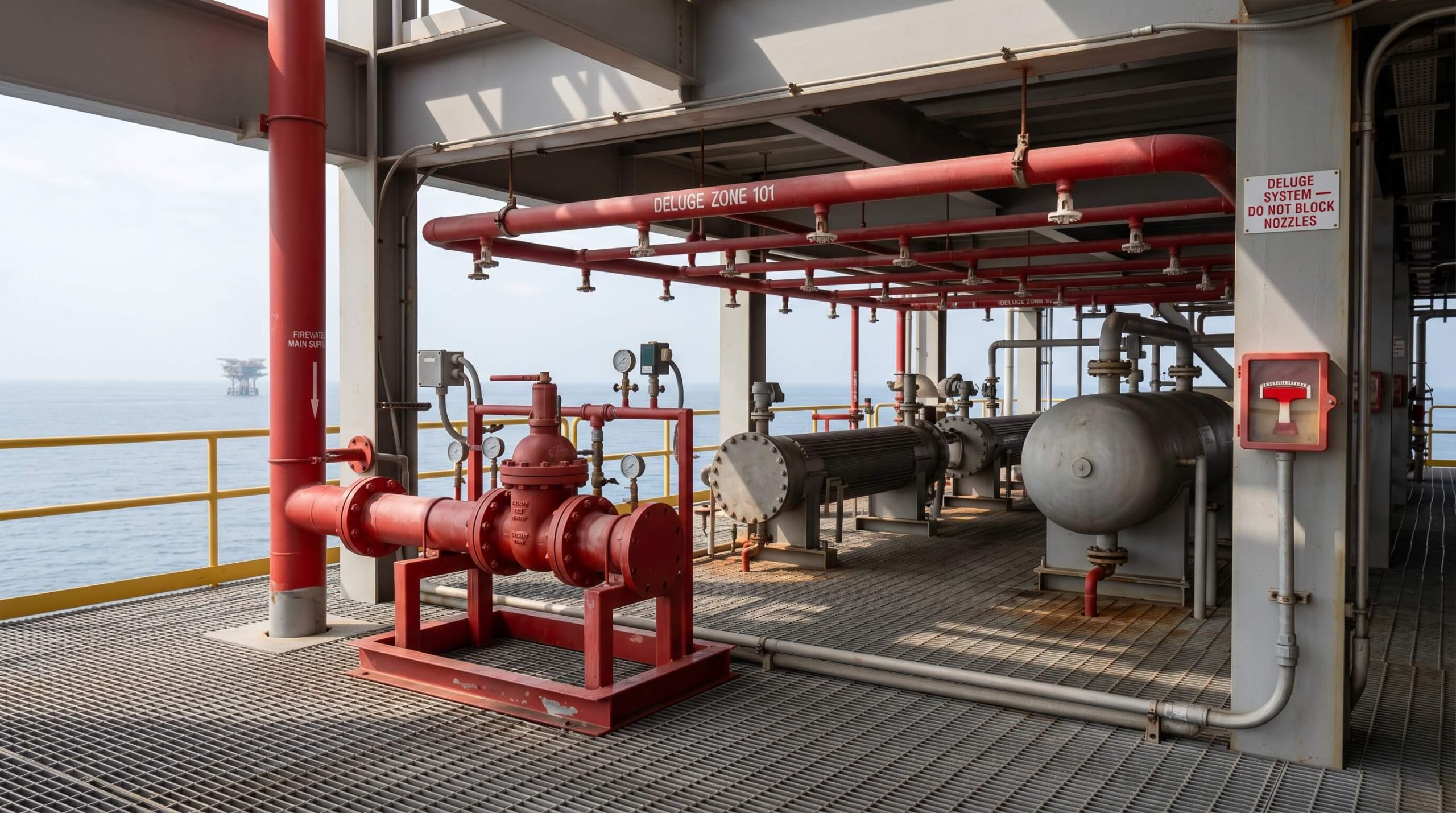
Firefighting Deluge
Rapid-response actuation for emergency deluge systems, featuring fail-safe mechanisms and fire-safe certified seating for absolute dependability.
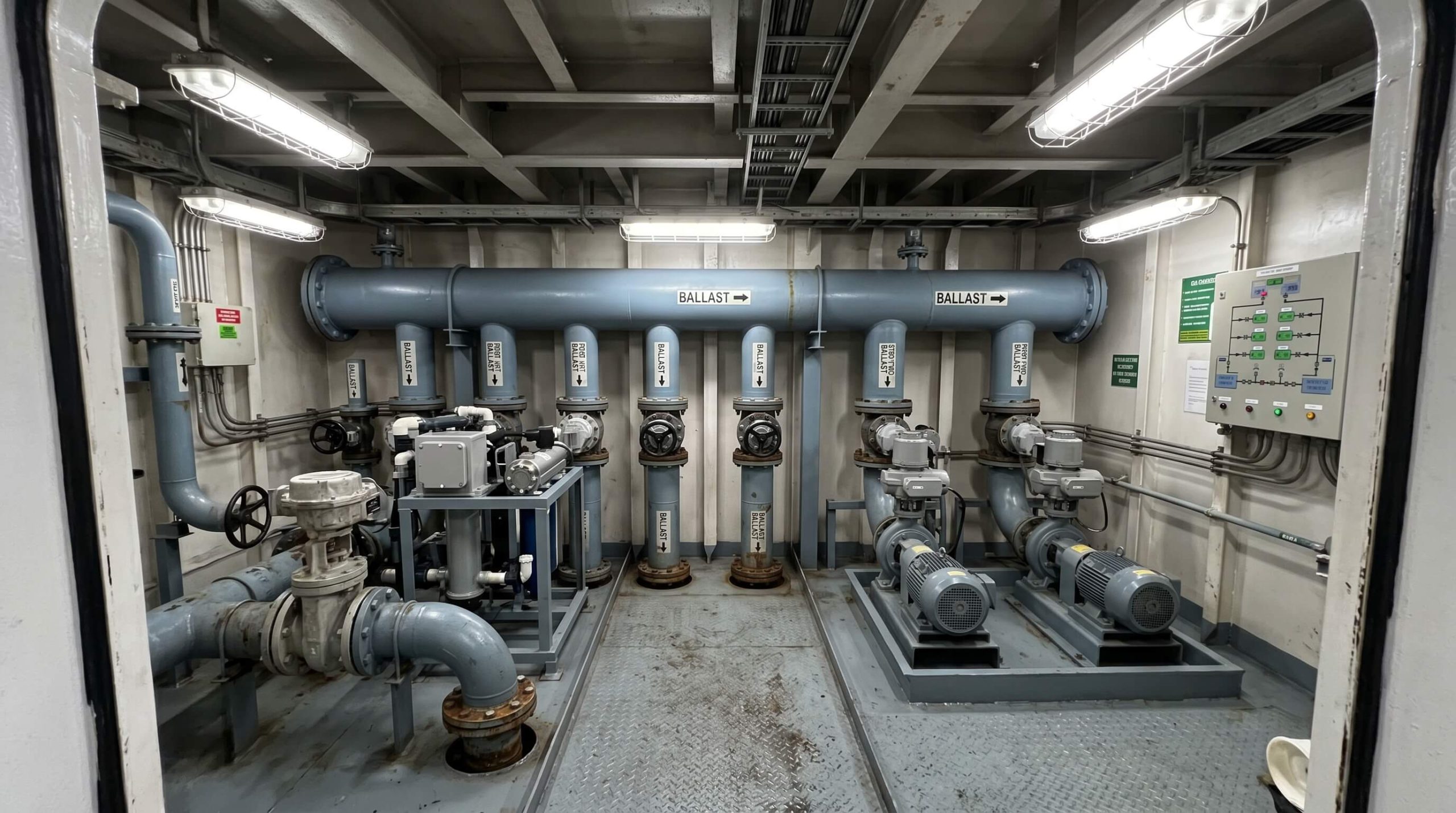
Ballast Water Control
High-capacity transfer control in marine environments, utilizing specialized coatings to resist abrasive particulates and severe corrosive attack.
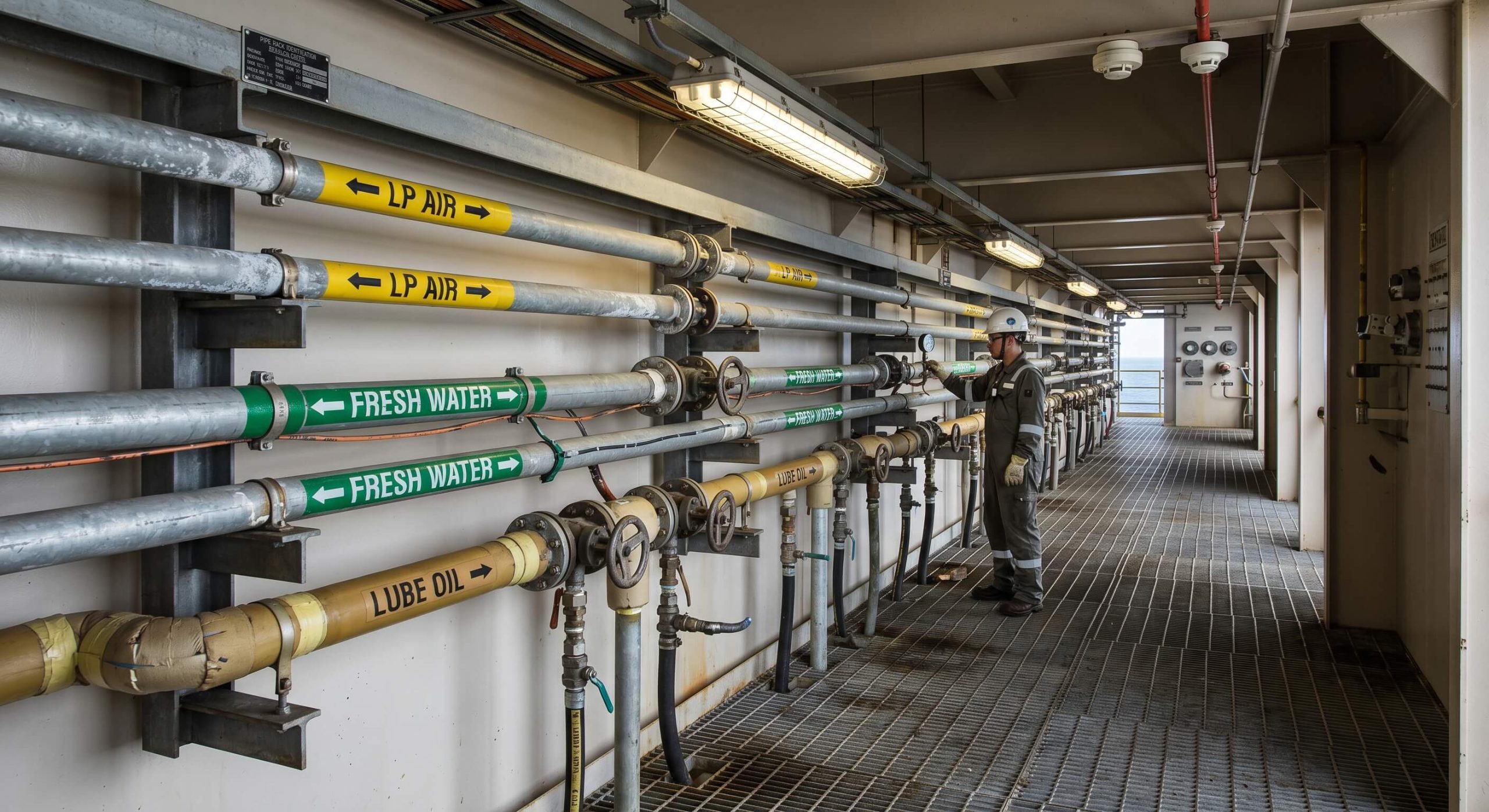
Utility Service Lines
Standardized isolation for low-pressure air, fresh water, and lube oil systems, providing cost-effective reliability across general platform operations.
Require specific project integration data?
Precision Engineering Capabilities for Extreme Environments
Advanced manufacturing parameters and strict metallurgical controls ensure uncompromised structural integrity under extreme pressure and corrosive conditions.
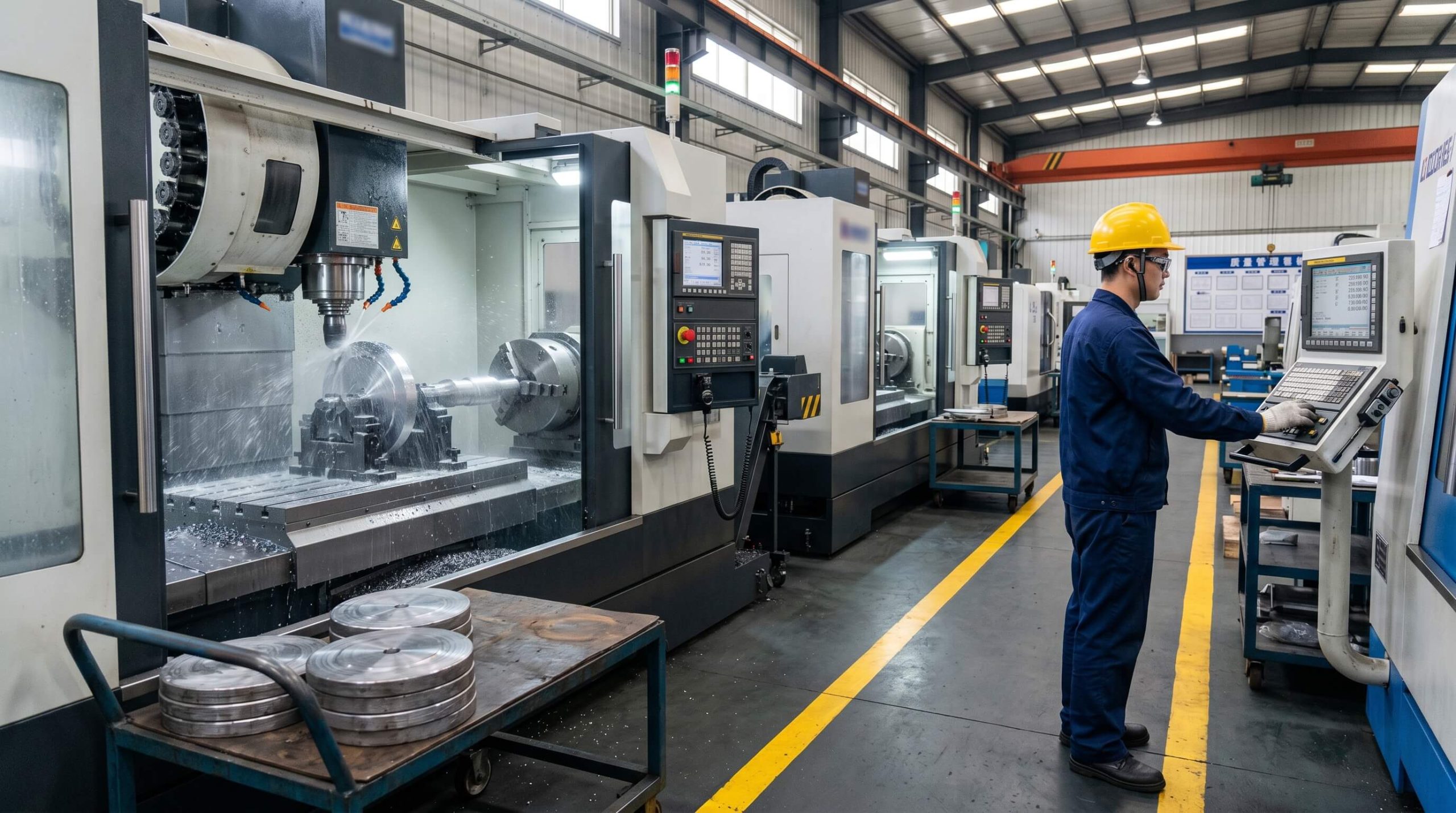
CNC Machining Accuracy
Sub-millimeter tolerances on disc edges and stem shafts guarantee tight shut-off and minimize torque requirements during actuation.
Tolerance: ±0.01mm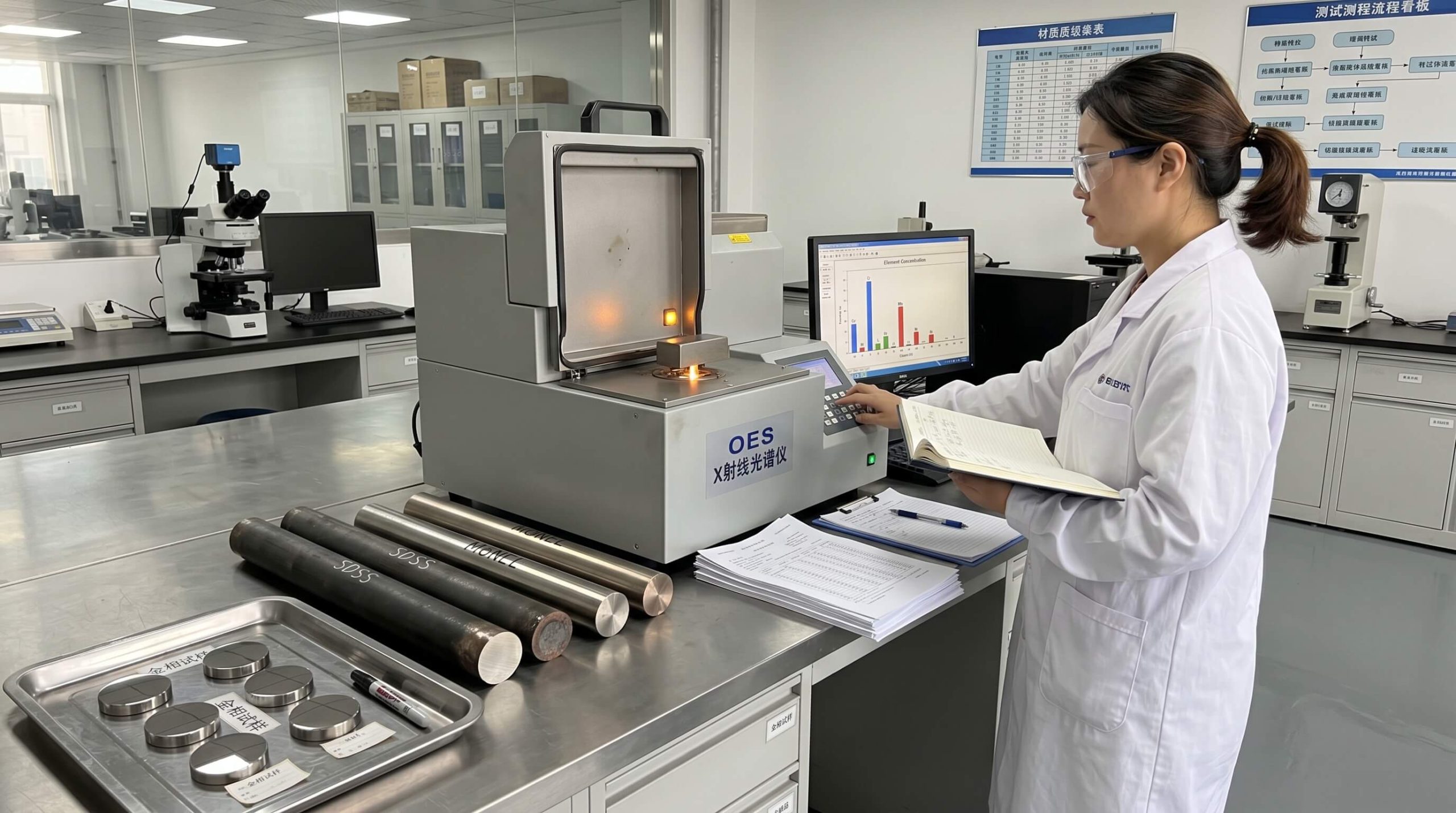
Advanced Metallurgy
Utilization of high-alloy steels and specialized bronzes to combat crevice corrosion and pitting in elevated chloride environments.
Super Duplex / Monel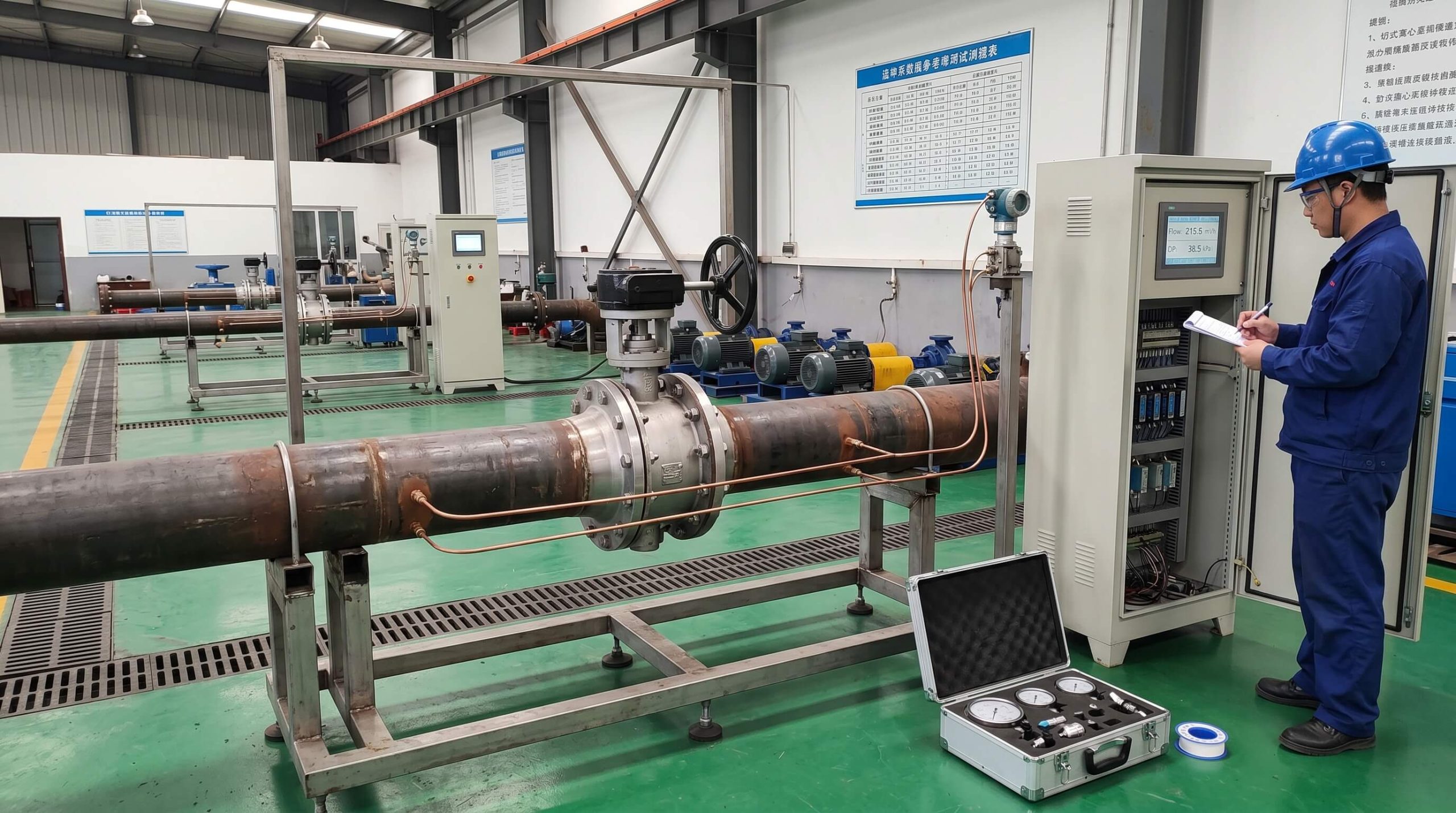
Aerodynamic Profiling
Optimized disc geometry reduces pressure drop across the valve, enhancing system efficiency and minimizing turbulent flow cavitation.
Low Kv/Cv Loss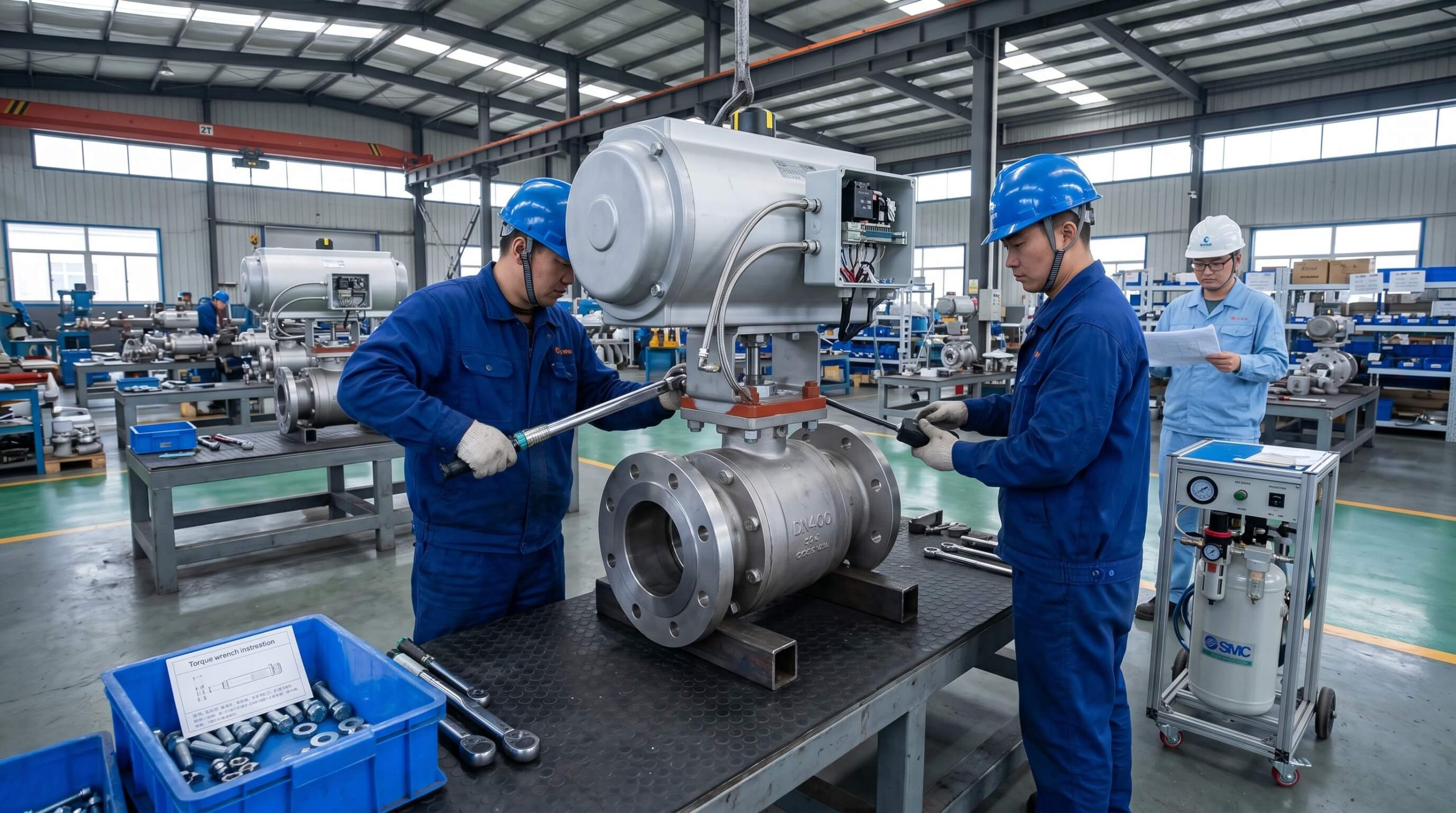
Heavy-Duty Actuation
Direct mounting pads designed to accept oversized pneumatic or hydraulic actuators for operation against maximum differential pressure.
ISO 5211 Pad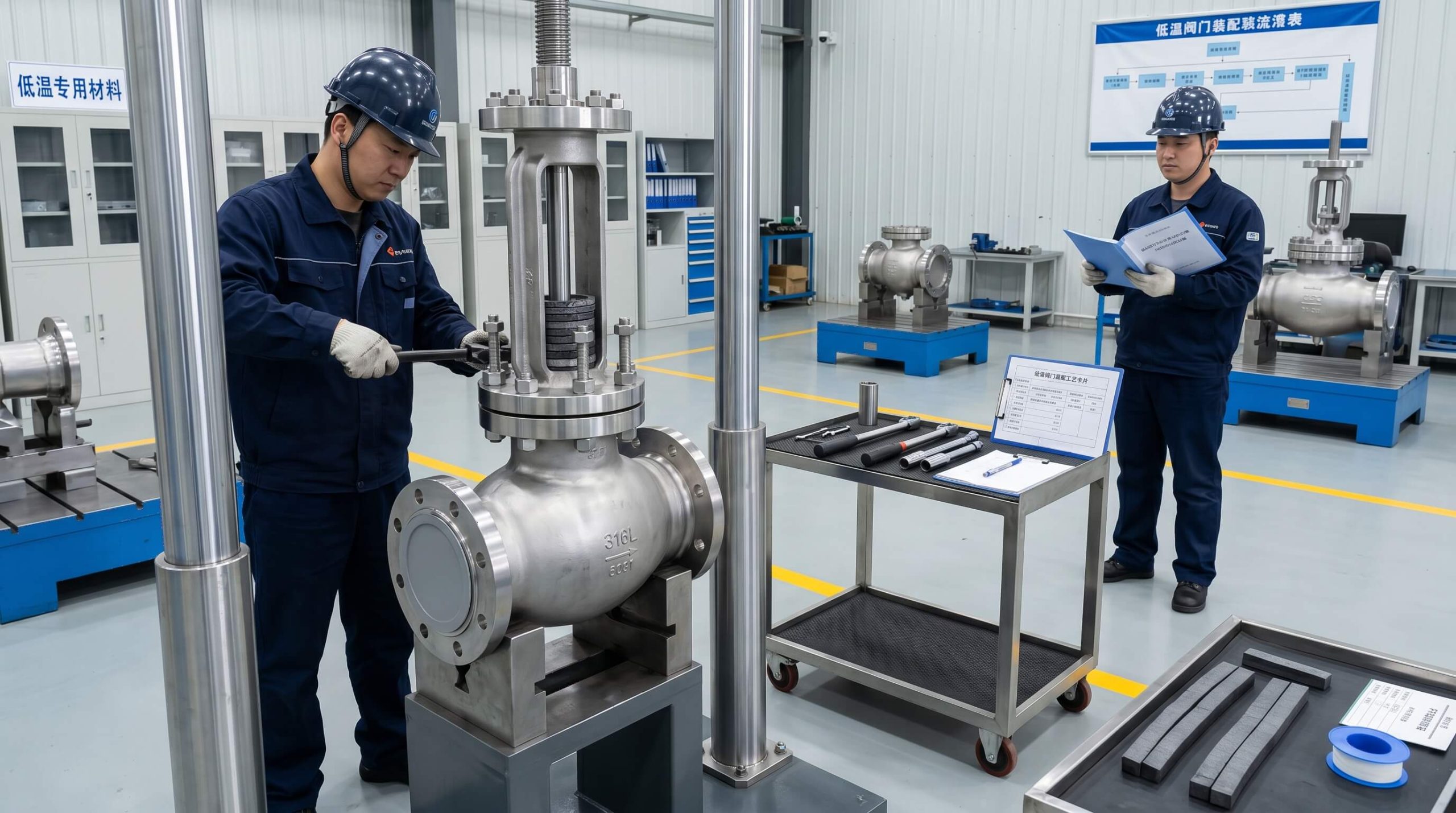
Cryogenic Readiness
Extended stem designs and specialized packing arrangements to isolate operating mechanisms from extreme low-temperature fluids like LNG.
Down to -196°C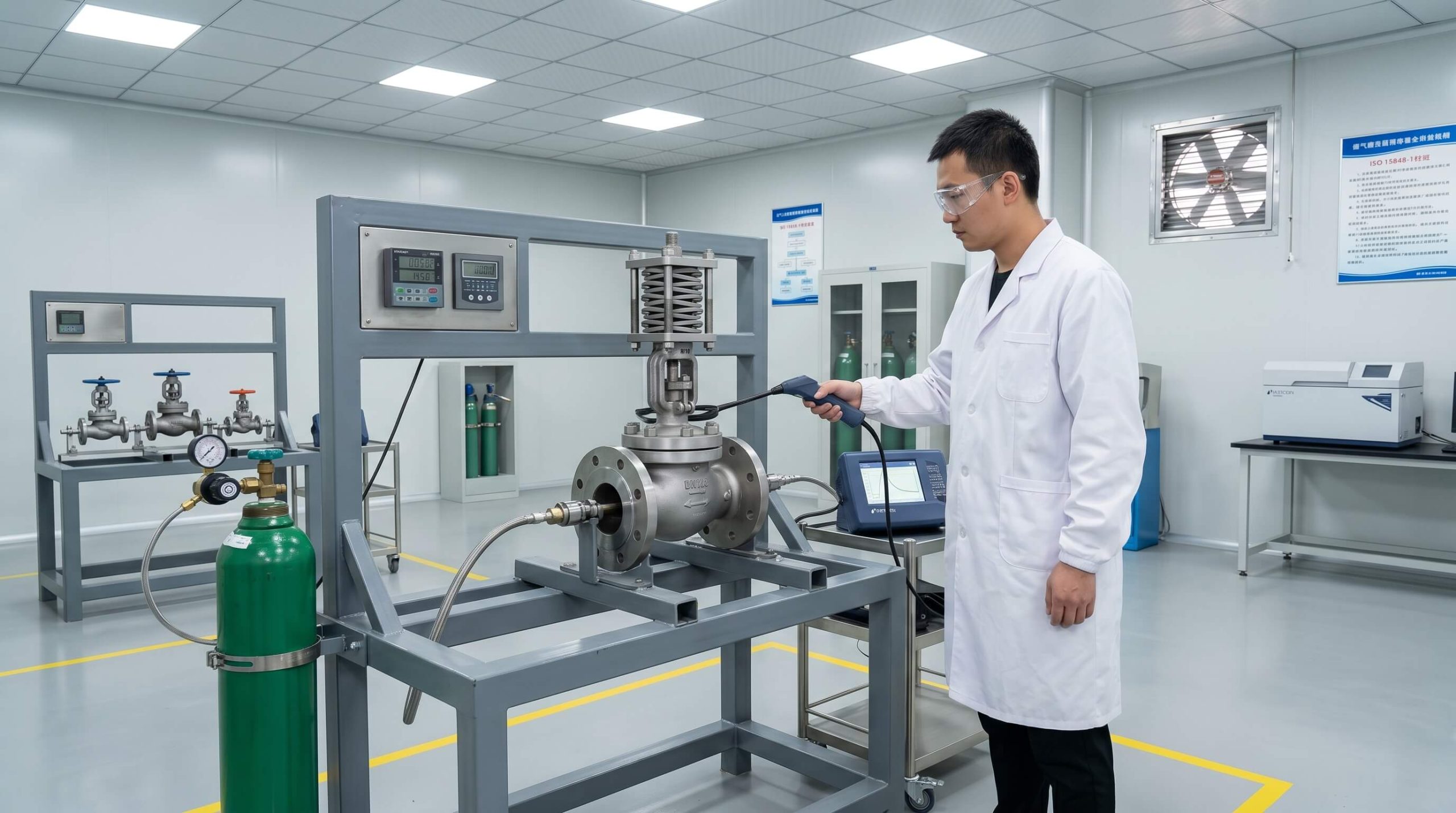
Fugitive Emission Control
Live-loaded packing systems ensuring sustained environmental compliance by preventing volatile organic compound (VOC) leakage.
ISO 15848-1Standard Configuration Matrix
| Valve Type | Pressure Rating | Temp. Range | Standard Material | Primary Application |
|---|---|---|---|---|
| Concentric Butterfly | PN10 / PN16 | -20°C to +120°C | Ductile Iron (EN-GJS-400-15) | General Utility, Fresh Water |
| Double Offset | Class 150 / 300 | -50°C to +260°C | Carbon Steel (WCB) / SS 316 | Process Isolation, Steam |
| Triple Offset | Class 150 - 600 | -196°C to +400°C | Stainless Steel (CF8M) | High Temp, Zero Leakage |
| Marine Bronze Wafer | PN16 | -10°C to +100°C | Aluminium Bronze C95800 | Seawater Cooling, Ballast |
| Super Duplex Lugged | Class 300 | -40°C to +200°C | Super Duplex (CD3MWCuN) | Desalination, Sour Gas |
| Fire-Safe Double Offset | Class 150 | -20°C to +200°C | Carbon Steel (WCB) | Deluge Systems, Hydrocarbons |
Download complete technical datasheets and sizing guides.
Rigorous Compliance and Verifiable Quality Assurance
Uncompromising Traceability
From raw material casting to final hydrostatic pressure testing, every stage of our production is meticulously documented. We provide comprehensive Manufacturer's Data Records (MDR) to ensure seamless integration into stringent offshore EPC workflows.
-
100% Hydrostatic Testing Shell and seat testing per API 598 standards prior to dispatch.
-
Full Material Traceability EN 10204 Type 3.1 or 3.2 certification for all pressure-containing parts.
-
Non-Destructive Examination (NDE) Radiographic, magnetic particle, and dye penetrant testing available.
EN 10204 3.1 Certificate
Chemical and mechanical properties validated by manufacturer.
Standard InclusionAPI 598 Test Report
Detailed log of shell and seat hydrostatic testing results.
Standard InclusionEN 10204 3.2 Certificate
Third-party validated material properties (DNV, ABS, Lloyd's).
Upon RequestAPI 607 / ISO 10497
Fire-safe type test certification for specific valve configurations.
Design SpecificNACE MR0175 / ISO 15156
Certificate of compliance for sour gas environment applications.
Material SpecificGeneral Arrangement Dwg
Dimensional data, weight, and bare-stem torque specifications.
Standard InclusionReview our complete quality manual and certification credentials.
Ready to Precision-Match Your Offshore System Reliability?
Transition from generic procurement to data-driven engineering. Submit your core specifications to initiate our rigorous selection process.
By providing foundational project data, you eliminate selection errors, reduce technical deviation risks, and accelerate your project's compliance timeline.
-
Technical Verification We cross-reference your medium and pressure data against global standards.
-
Optimized Sizing Algorithmic selection of valve types to ensure structural integrity.
-
Compliance Readiness Immediate identification of required MTRs and certificates.