
Mega-City Desalination Plant Infrastructure
Supplied over 500 large-diameter butterfly and gate valves (up to DN2000) for critical seawater intake and treated water distribution, ensuring uninterrupted supply to 2 million residents.
High-reliability valve solutions engineered for municipal supply, sewage treatment, and industrial wastewater systems.
RUITO provides a comprehensive range of valves designed to handle diverse media, from potable water to abrasive sludge, ensuring continuous system operation and zero-leakage performance.
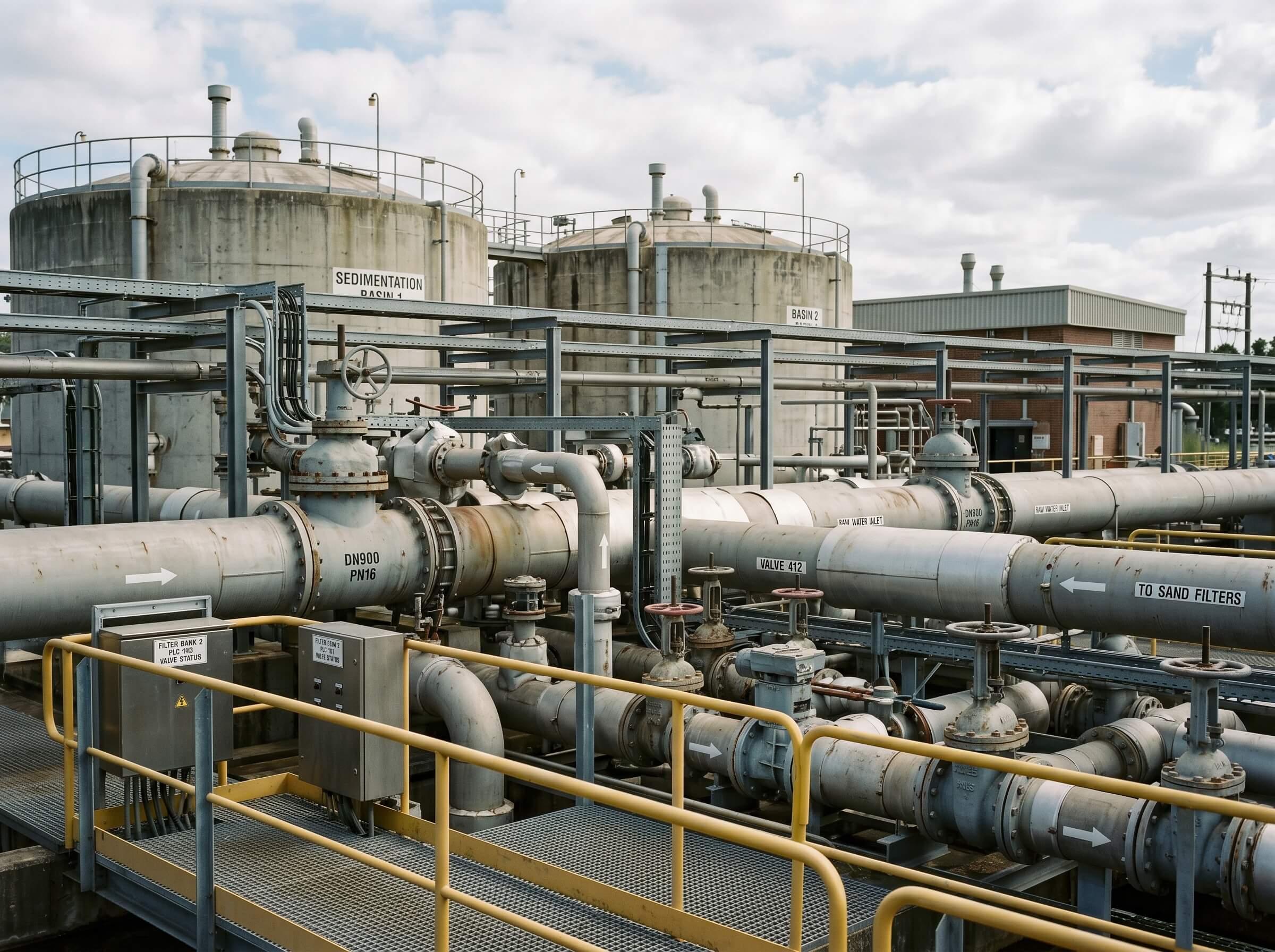
The Water & Wastewater industry demands 24/7 reliability. Inconsistent valve quality leads to systemic risks that compromise operational safety and cost efficiency.
Compromised sealing surfaces lead to backflow and contamination.
Result: Increased energy loss and pump damage.
Rapid valve closure creates pressure surges exceeding design limits.
Result: Pipeline ruptures and catastrophic failure.
Aggressive wastewater degrades inferior body and trim materials.
Result: Premature replacement and contamination.
Scale buildup and poor bearing design increase actuation effort.
Result: Actuator overload and manual operation difficulty.
Complex designs require specialized tools and extended offline time.
Result: Prolonged service interruptions and labor costs.
Uncertified valves risk introducing toxins into potable networks.
Result: Regulatory fines and public health hazards.
Identify hidden risks in your water systems before they escalate.
Valves are not just accessories; they are the guardians of system efficiency, protecting downstream equipment and ensuring process stability.
Interested in specific valve performance across these nodes?
Unoptimized valve selection leads to systemic risks that degrade infrastructure integrity and drive up long-term operational costs.
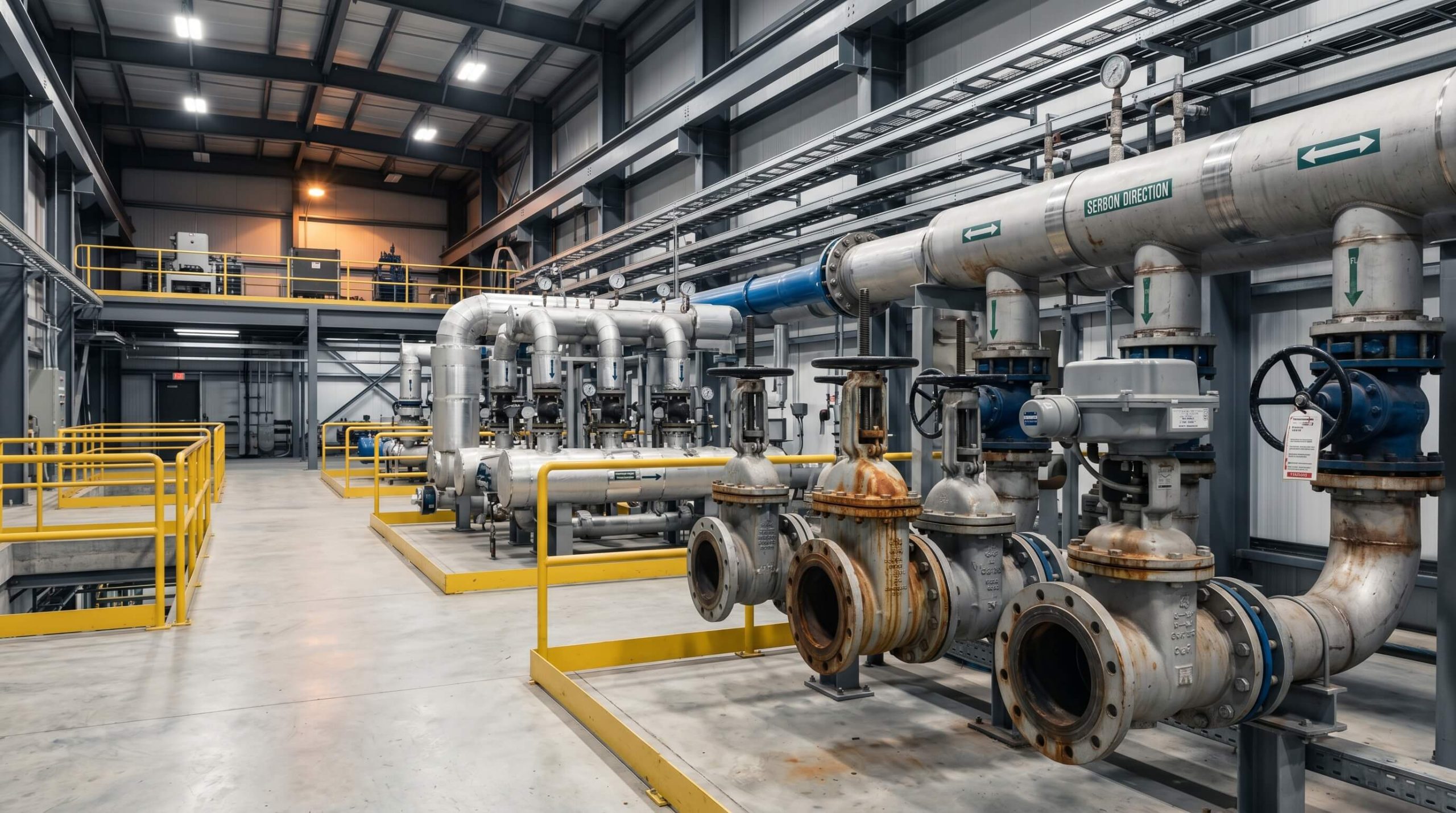
Incorrect alloy specification leading to rapid galvanic corrosion and pitting in aggressive media.
Failure to account for breakaway torque, resulting in stalled operations and motor burnout.
Using soft seats in abrasive slurries causing premature wear and complete loss of isolation.
Failing to specify anti-cavitation trim in high-pressure drop zones, destroying internal components.
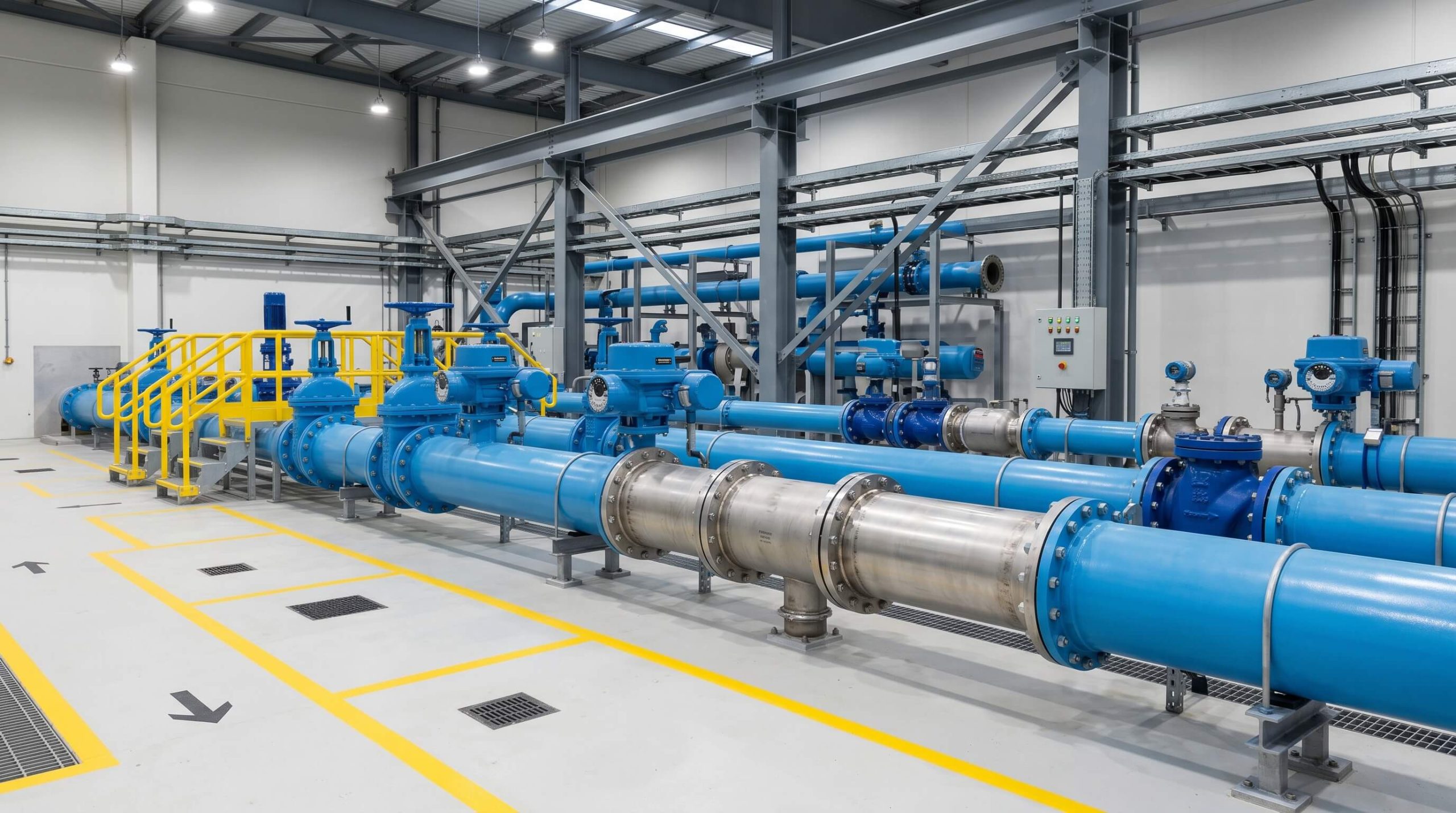
Selecting exact duplex or super-austenitic grades based on strict chemical composition analysis.
Sizing actuators based on dynamic flow conditions and maximum differential pressure scenarios.
Deploying stellite-faced or ceramic components specifically engineered for highly abrasive media.
Implementing custom trims and multi-stage pressure reduction to completely eliminate cavitation.
Incorrect selection drives up maintenance costs by 300% over a 5-year lifecycle.
Unplanned pressure releases and chemical leaks pose severe risks to plant personnel.
Poor flow control leads to increased pumping energy and degraded treatment quality.
| Engineering Dimension | The Common Mistake | The RUITO Standard |
|---|---|---|
| Material Grade | Generic 316SS for all corrosive media | Media-specific alloy mapping (e.g., Duplex 2205) |
| Actuator Sizing | Based solely on nominal line pressure | Calculated including breakaway and dynamic torque |
| Sealing Technology | Standard EPDM in high-abrasion zones | Metal-to-metal or specialized resilient seats |
| Flow Control | Using isolation valves for throttling duties | Dedicated control valves with characterized trims |
| Documentation | Basic generic spec sheets provided | Full EN 10204 3.1 material certificates and test reports |
Avoid Costly Downtime with Expert Selection
Navigate the complex nodes of water treatment infrastructure to identify the specific valve engineering required for your operational environment.
Handling high-volume, low-pressure flow with significant particulate matter and debris.
Requires large-diameter isolation with robust sealing mechanisms to prevent intake blockages.
Managing precise flow rates through media filters requiring frequent backwash cycling. For filtered-water isolation requiring threaded lugs, review our lug butterfly valves and verify the configured service and mating flanges.
Demands high-cycle reliability and tight shut-off to maintain filtration integrity.
Protecting pumps from backflow and water hammer during start/stop operations.
Requires rapid-response non-return functionality and dynamic pressure handling.
Injecting highly corrosive reagents (chlorine, alum) accurately into the main flow.
Necessitates specialized metallurgical alloys or PTFE linings for chemical resistance.
Transporting high-viscosity, abrasive slurries with significant solid content.
Requires full-bore designs to prevent clogging and abrasion-resistant seating.
Regulating final effluent release while maintaining system pressure balance.
Demands stable modulation capabilities and environmental compliance assurance.
Need a tailored application assessment?
Industrial water treatment involves diverse media chemistry. Understanding the technical friction between media and metallurgy is the first step to lifecycle stability.
Clean media requiring sanitary compliance and zero contamination risk. For approved clean-water mains requiring integral end flanges, review our flanged butterfly valves and confirm the bore, flange standard, and pressure-temperature rating.
Mixed effluents with unpredictable pH levels and suspended debris.
Aggressive reagents requiring specialized containment materials. When the specified aqueous dosing reagent requires a complete PTFE wetted barrier, review our PTFE-lined butterfly valves using its actual concentration, temperature, and pressure.
Thick, abrasive media with tendency to settle and solidify.
| Condition Type | Primary Risk | Recommended Material | Recommended Structure | Key Control Point |
|---|---|---|---|---|
| Potable Water | Contamination / Leaching | Ductile Iron (Epoxy Coated) + EPDM | Resilient Seated Gate | Sanitary Certifications |
| Industrial Sewage | Jamming / Galvanic Attack | Cast Iron / Stainless Trim | Eccentric Plug / Butterfly | Clearance Tolerances |
| Corrosive Acids | Rapid Pitting Corrosion | PTFE Lined / Hastelloy | Diaphragm / Lined Butterfly | Lining Integrity |
| Abrasive Sludge | Erosive Wear / Clogging | Hardened Steel / Polyurethane | Knife Gate / Pinch Valve | Full Bore Design |
| High Temp Steam | Thermal Expansion / Leakage | Carbon Steel / Stellite | Globe / Metal-Seated Ball | Packing Gland Specs |
Unsure about your specific media compatibility?
Our systematic approach to valve selection ensures optimal performance, compliance, and longevity for your specific operational environment.
Comprehensive analysis of installation environment, operational parameters (pressure, temperature), and existing infrastructure integration requirements. Where a short U-profile double-flanged body is specified for a water-network interface, review our U-type butterfly valves and validate the approved GA drawings.
Evaluation of fluid characteristics including corrosivity, viscosity, particulate content, and chemical composition to determine ideal materials.
Applying engineering algorithms to match operational demands with exact valve types, sizes (DN), and pressure ratings (PN).
Final review against international standards (ISO, DIN, API) and performance simulation to guarantee reliability before deployment.
Ready for a technical evaluation?
Integrated systems engineered for seamless compatibility and maximum operational efficiency.
Explore our system-ready packages
Our core strength lies in our comprehensive R&D capabilities. Utilizing advanced fluid dynamic simulations and rigorous material testing, we develop solutions that exceed standard industry benchmarks for reliability and performance.
Continuous development of proprietary valve designs.
Optimizing flow characteristics to minimize pressure drop.
Spectrographic analysis for exact metallurgical compliance.
100% hydrostatic and pneumatic testing per API standards.
CAD/CAM integration & 3D modeling.
High-precision CNC machining.
Non-destructive & pressure testing.
Global logistics & compliance certification.
Consult with our engineering team
Feature: End-to-end multi-stage inspection. Advantage: Detects micro-defects before final assembly. Benefit: Guarantees reliable operation in critical water treatment applications, reducing maintenance downtime.
Chemical composition & physical property verification.
CNC dimensional accuracy checks to tight tolerances.
Torque verification and visual alignment inspection.
Hydrostatic testing beyond nominal PN ratings.
Documentation generation and compliance tagging.
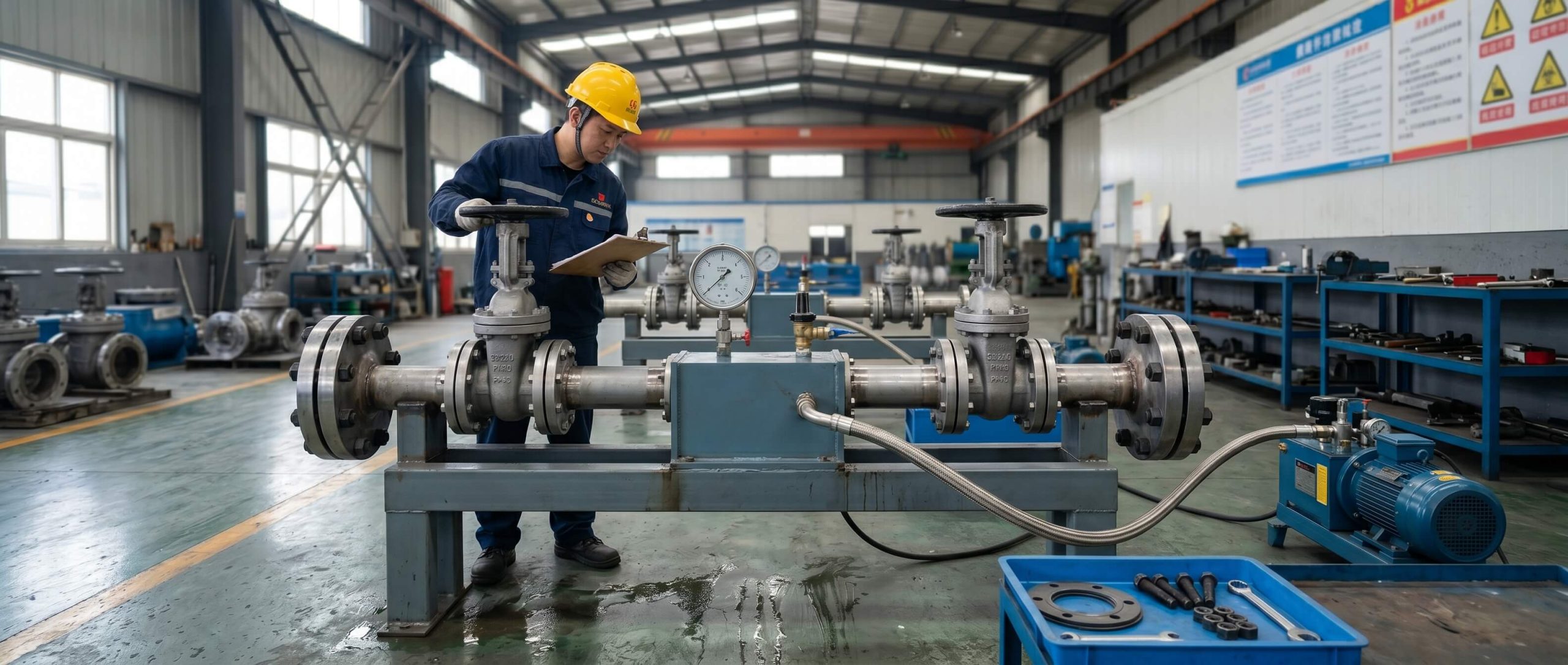
Validating shell and seat integrity under extreme conditions.
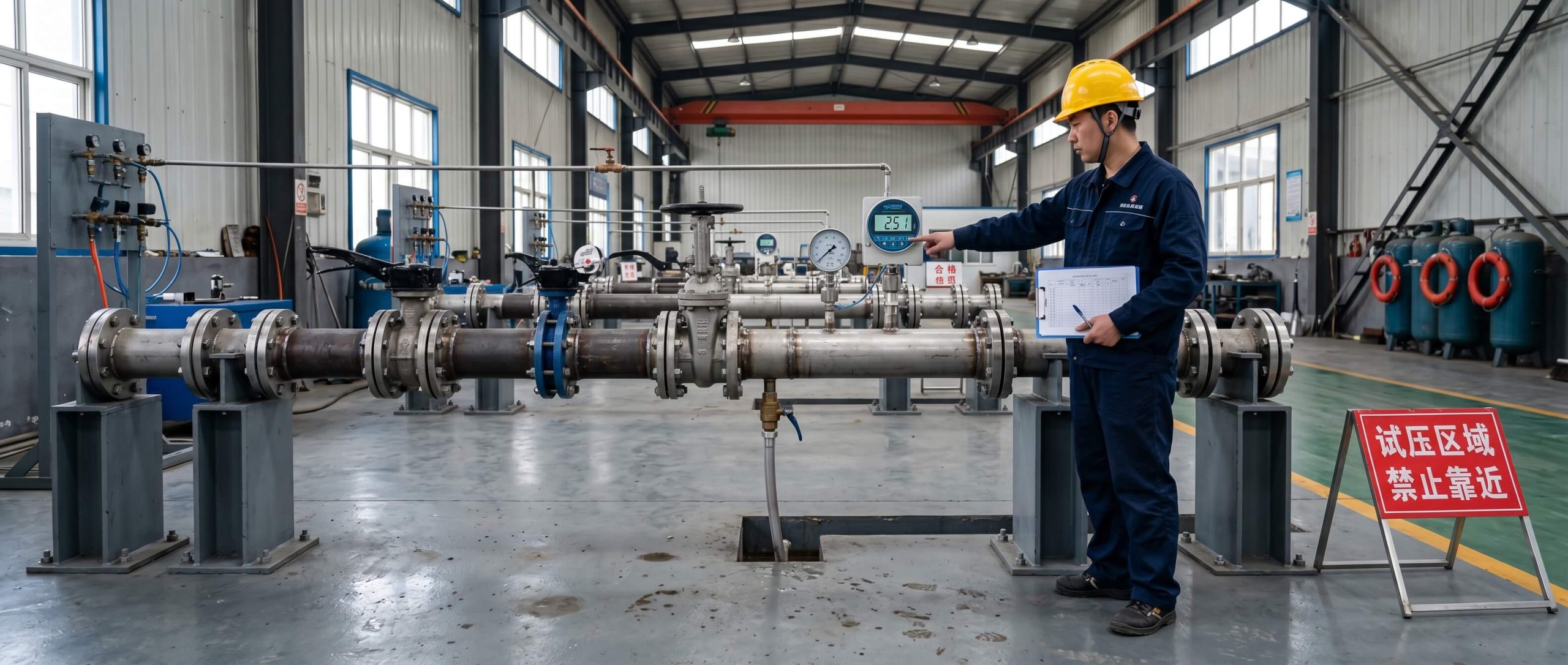
Air and water testing to ensure absolute tightness class.
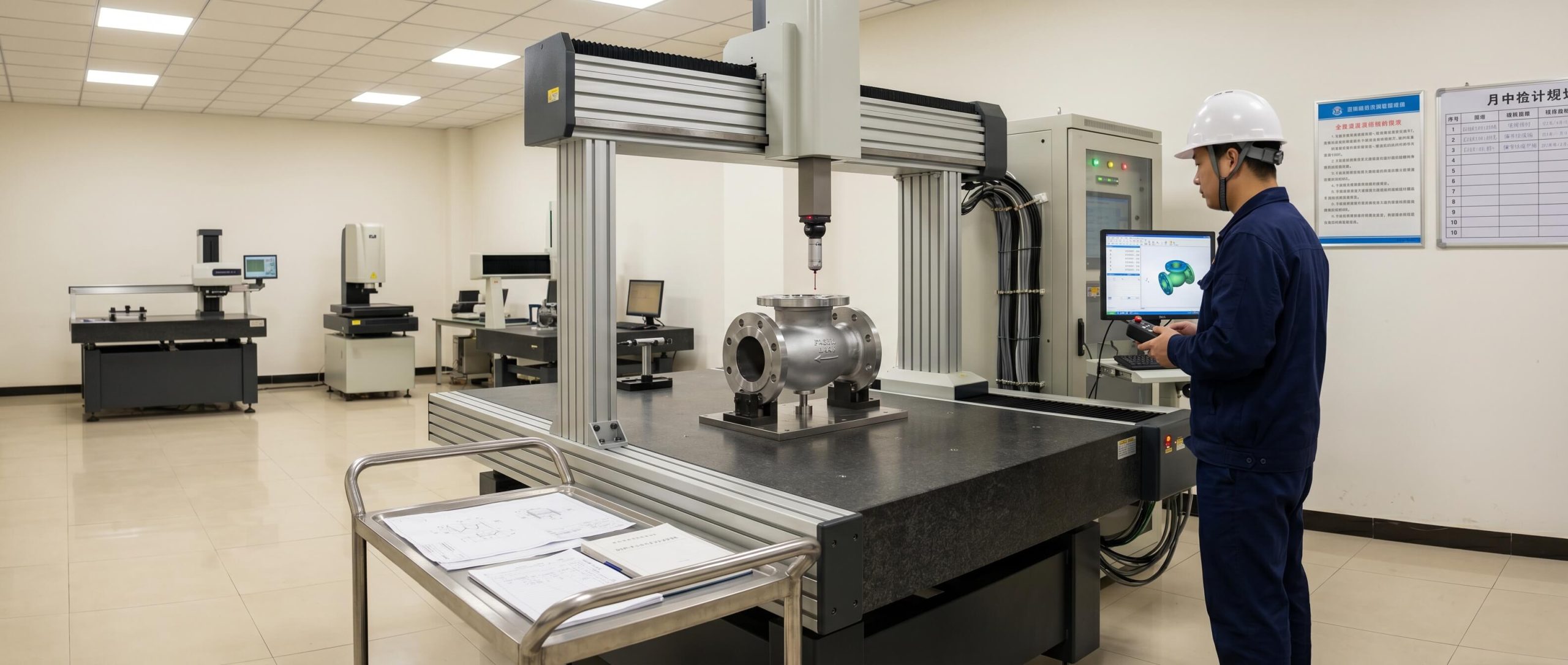
CMM inspection for exact compliance with technical drawings.
| Indicator | Control Standard | Testing Method | Required Result |
|---|---|---|---|
| Casting Porosity | EN 10213 | Radiographic (RT) | Class 2 max |
| Shell Strength | API 598 / EN 12266-1 | Hydrostatic at 1.5x PN | No visible leakage |
| Seat Tightness | API 598 / EN 12266-1 | Air/Water at 1.1x PN | Rate A (Zero Leakage) |
| Coating Thickness | ISO 2178 | Magnetic Induction Gauge | ≥ 250 μm (Epoxy) |
| Dimensional Tolerances | EN 558 | CMM / Caliper Measurement | Within ±1.5mm |
Feature: Decades of deployment across diverse environments. Advantage: Field-tested designs that withstand harsh operational conditions. Benefit: Minimizes project risk by partnering with a manufacturer possessing an extensive track record.
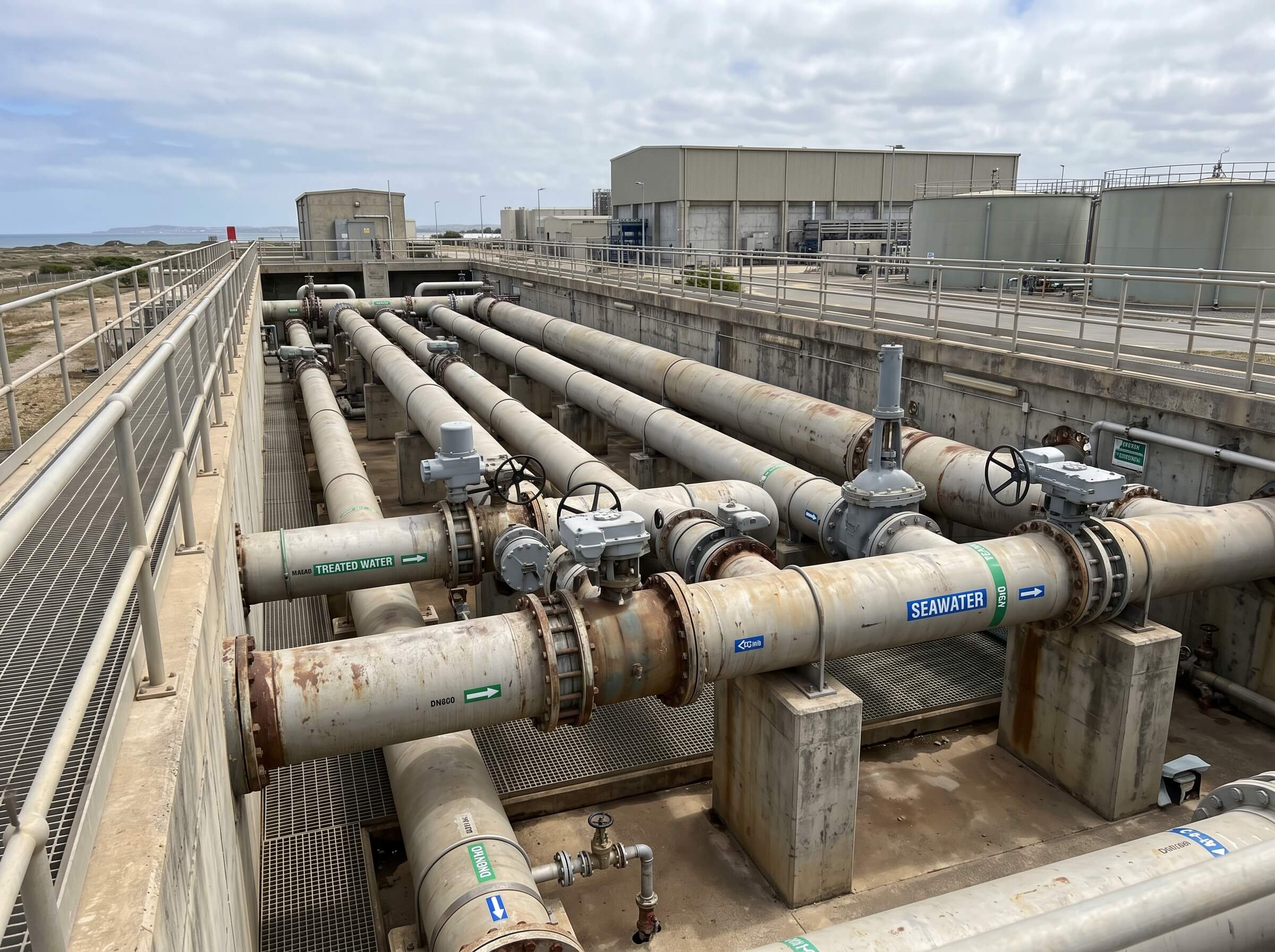
Supplied over 500 large-diameter butterfly and gate valves (up to DN2000) for critical seawater intake and treated water distribution, ensuring uninterrupted supply to 2 million residents.
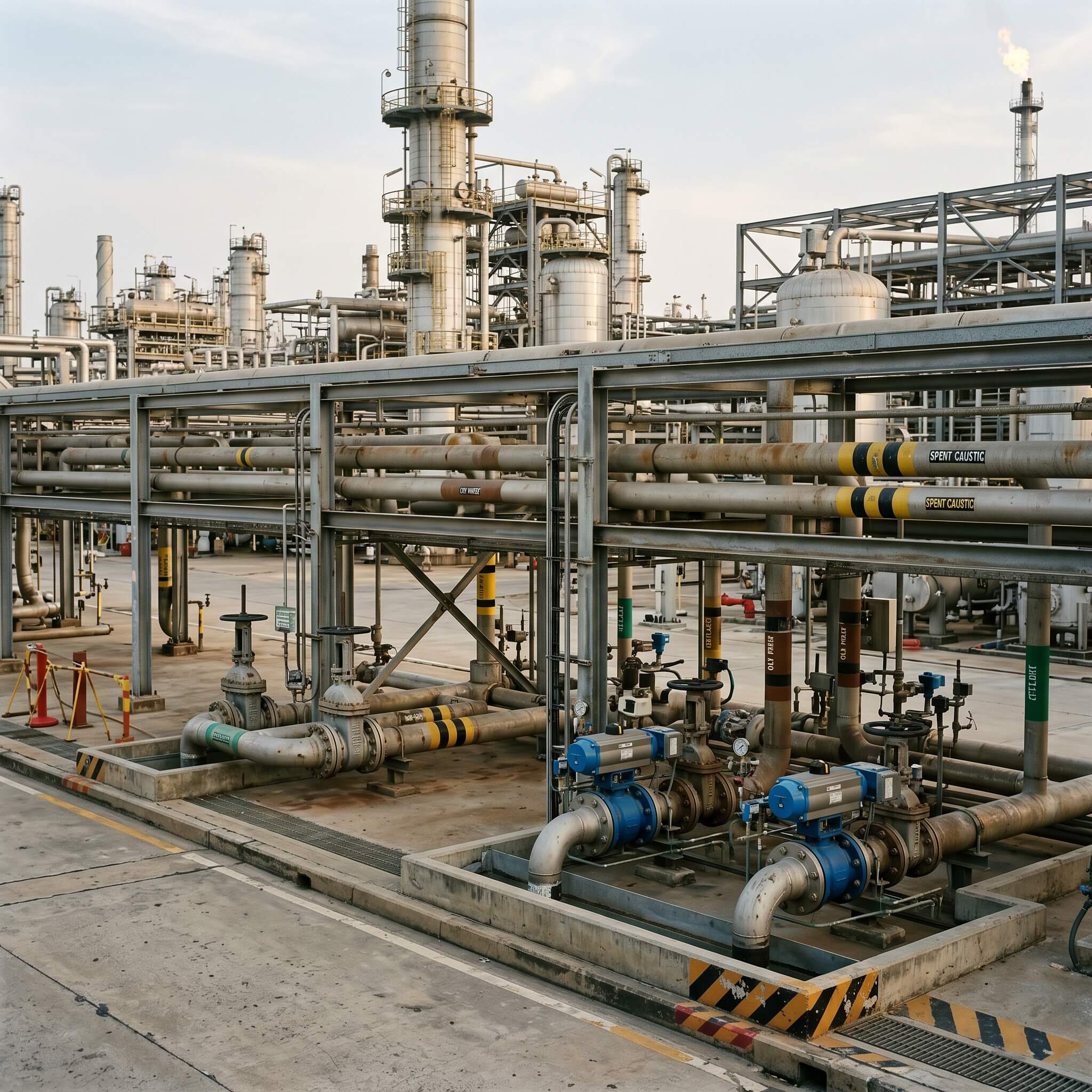
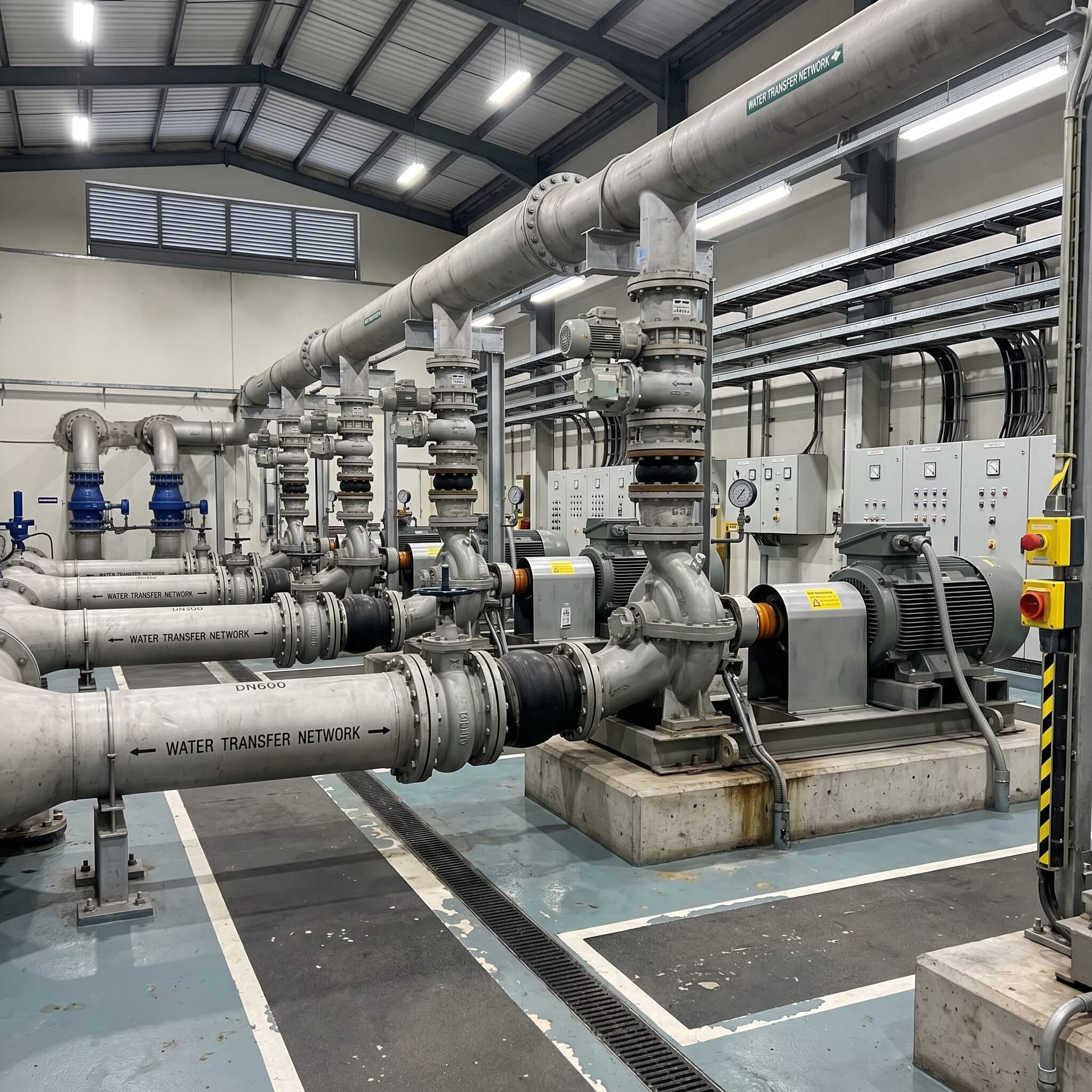
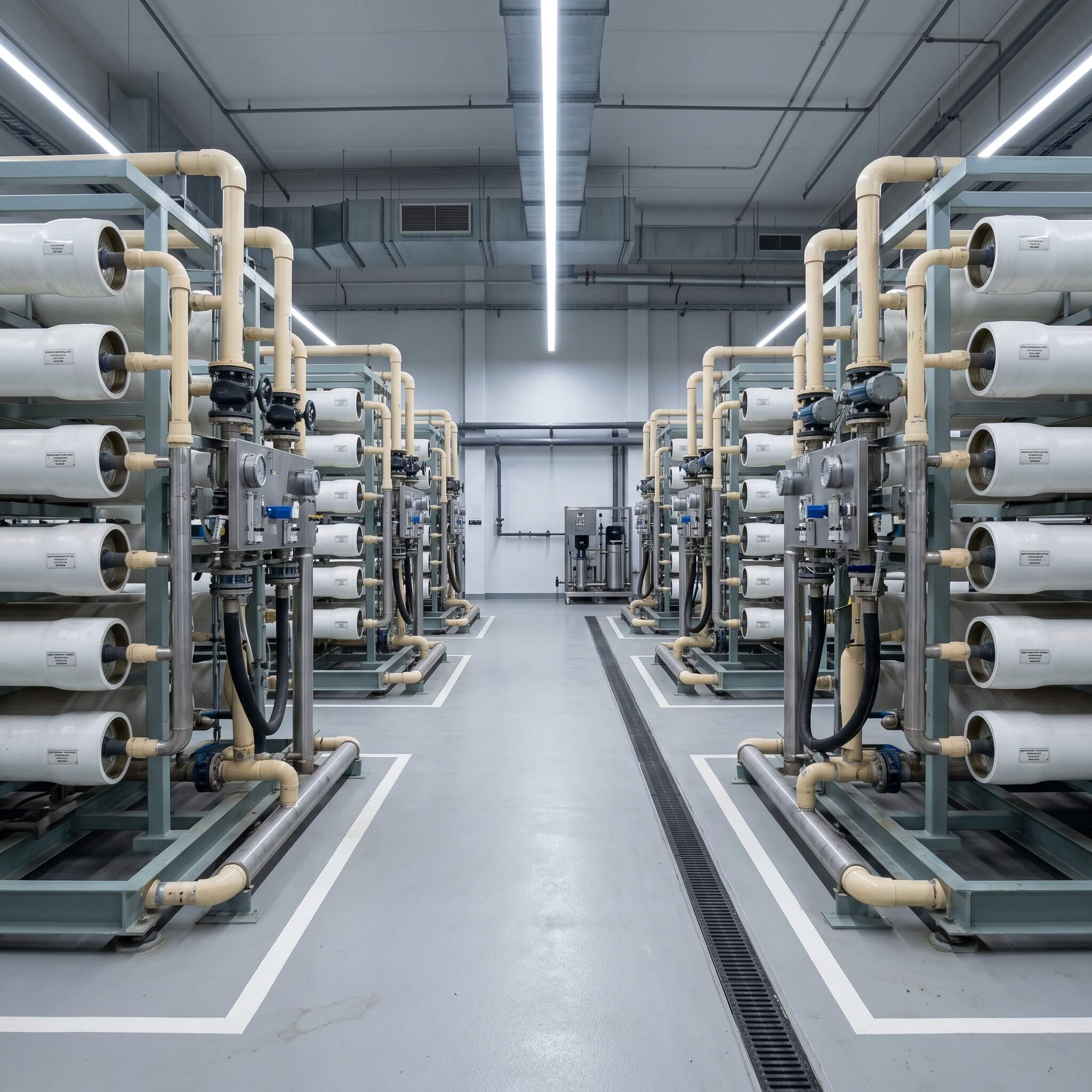
Turnkey project supply.
City infrastructure partners.
Process control reliability.
Feature: Direct access to technical application engineers. Advantage: Rapid configuration based on exact operating parameters. Benefit: Eliminates specification errors and accelerates project procurement timelines.
Our engineers review your operational parameters to ensure material compatibility.
We select the optimal valve type, actuation, and sealing mechanism.
You receive a detailed quotation including GA drawings and performance curves.
For standard technical inquiries.