
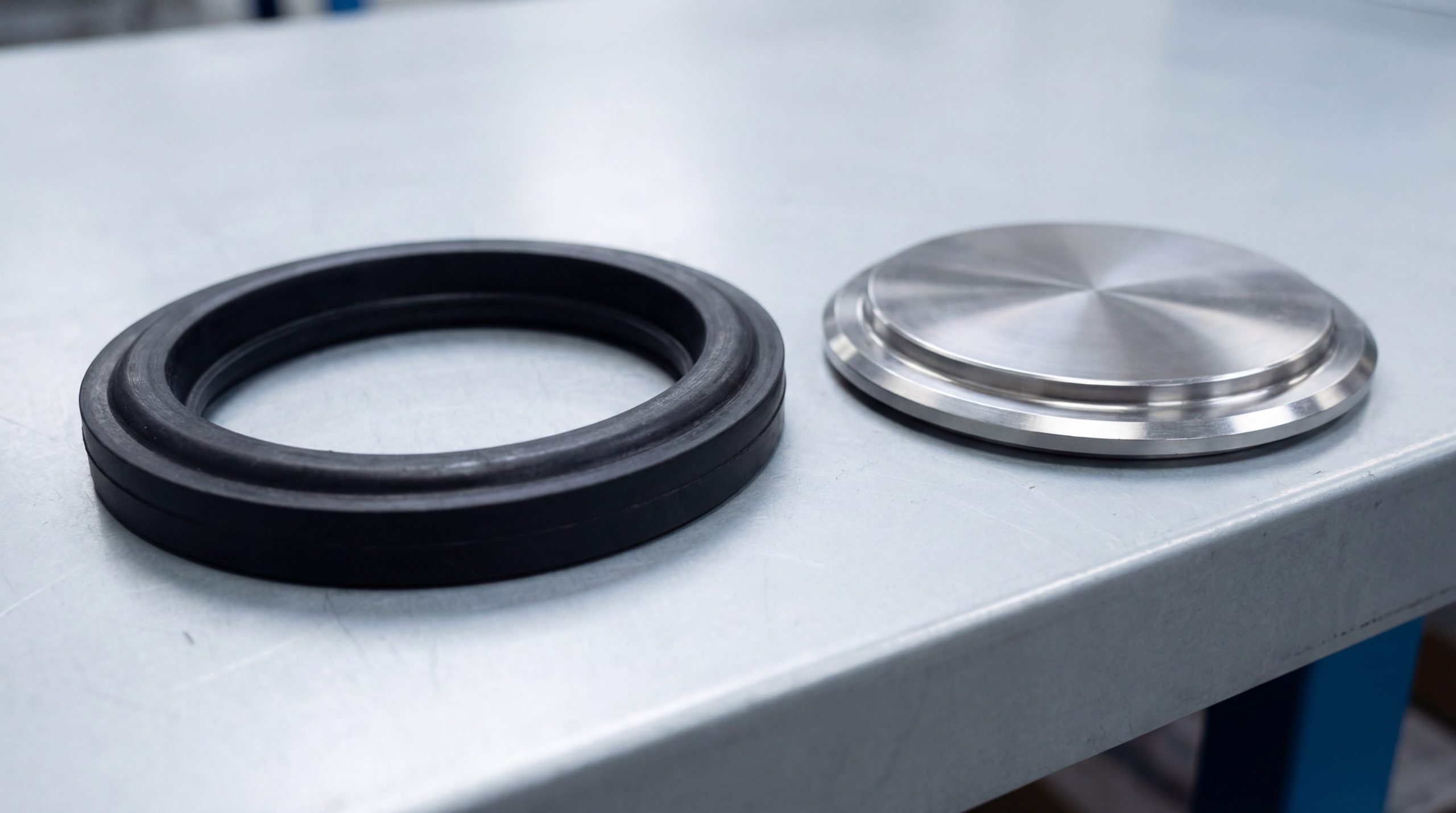
The essential butterfly valve components include the body, disc, stem, and seat, which work together to regulate or isolate flow in industrial pipelines. Imagine you are overseeing a high-capacity production line where fluid precision is paramount. A sudden drop in pressure or a visible leak can bring your entire operation to a standstill, leading to costly downtime and safety risks. Understanding the specific names and functions of your butterfly valve spare parts is the definitive solution for rapid troubleshooting and efficient procurement.
1. What are the primary butterfly valve spare parts?
The primary components categorized as butterfly valve spare parts include the valve body, the rotating disc, the sealing seat, and the mechanical stem. Each of these elements must function in harmony to maintain the integrity of the flow control system. If even one component fails, the valve’s ability to shut off or throttle fluid is compromised.
What is the basic valve anatomy?
You need to recognize that the internal assembly is subject to the most wear during high-cycle operations. The disc rotates within the seat, creating a seal that is either resilient or metal-to-metal depending on your application.
Think about it: identifying these parts correctly during an inspection saves you hours of back-and-forth with suppliers. Familiarizing yourself with the list below is the first step toward master maintenance:
- Valve Body: The outer shell connecting to the pipe.
- Disc: The plate that pivots to block or allow flow.
- Seat: The ring that provides the shut-off seal.
- Stem: The shaft connecting the actuator to the disc.
Key Takeaway: Mastery of basic valve anatomy allows you to pinpoint mechanical failures before they escalate into systemic shutdowns.
The following table provides a quick reference for the primary functions of these core components in your pipeline.
| Component | Main Function | Replacement Frequency |
|---|---|---|
| Body | Structural Housing | Low |
| Disc | Flow Regulation | Medium |
| Seat | Internal Sealing | High |
| Stem | Motion Transmission | Medium |
2. Why is the body central to butterfly valve spare parts?
The valve body is the central pressure-containing component among all butterfly valve spare parts, serving as the housing for all internal mechanisms. It connects directly to your piping system and must withstand both internal media pressure and external environmental stressors. Choosing the right body style ensures that your valve fits perfectly within your existing infrastructure without requiring extensive modifications.
What are common body styles?
The two most prevalent body designs are the wafer and lug styles, each offering distinct advantages for specific installation scenarios. While they may look similar at a glance, their mounting methods and pressure-handling capabilities differ significantly.
Here’s the deal: you cannot simply swap a wafer body for a lug body if your system requires downstream maintenance. Consider these specific characteristics when evaluating your housing:
- Wafer Style: Sandwiched between flanges for a compact, lightweight fit.
- Lug Style: Threaded inserts allow for independent bolting and dead-end service.
- Flanged Style: Uses dedicated flanges for high-pressure or large-bore applications.
Key Takeaway: Selecting the appropriate body style is vital for ensuring mechanical compatibility and the ability to perform safe downstream repairs.
This comparison highlights the structural differences between body types to assist in your procurement decisions.
| Body Type | Attachment Method | Best Used For |
|---|---|---|
| Wafer | Through-bolting | General industrial flow |
| Lug | Threaded bolting | Dead-end or isolation service |
| Flanged | Integral flanges | Large-scale utility lines |
3. How do discs act as critical butterfly valve spare parts?
The disc serves as the primary flow closure member among butterfly valve spare parts, making it one of the most frequently replaced items. It is the equivalent of a plug or gate in other valve types, rotating ninety degrees to open or close the passage. Because the disc is constantly exposed to the media, its material and design determine the valve’s durability.
Are there different disc designs?
Discs can be concentric, double offset, or triple offset, depending on the level of sealing precision your system demands. Higher offset designs move the disc away from the centerline, reducing friction and extending the life of the sealing surfaces.
But that’s not all… the material of the disc must also be perfectly compatible with your fluid to avoid premature erosion. Standard options include:
- Ductile Iron: Cost-effective for water and non-corrosive fluids.
- Stainless Steel: Excellent for high temperatures and chemicals.
- PTFE Coated: Provides a non-stick surface for sticky or aggressive media.
Key Takeaway: The disc’s design and material coating are the primary factors in determining the valve’s flow coefficient and chemical resistance.
Review the disc specifications below to understand which design suits your operational pressure requirements.
| Disc Design | Offset Level | Primary Benefit |
|---|---|---|
| Concentric | Zero | Low-cost utility service |
| Double Offset | Two | Reduced seat wear |
| Triple Offset | Three | Bubble-tight metal seal |
4. Which seats are the best butterfly valve spare parts?
Choosing the right seat material for your butterfly valve spare parts is essential because the seat creates the interference fit needed for a tight shut-off. If the seat degrades, the valve will leak internally even when fully closed. Seats are typically made from elastomers or polymers in resilient valves, while high-performance valves utilize metal seats.
How do I select seat materials?
You must match the seat material to the temperature and chemical composition of the fluid passing through your pipes. Common materials like EPDM are great for water, but they will fail rapidly if exposed to oils or hydrocarbons.
You might be wondering: “How do I balance longevity with cost?” A careful analysis of your process conditions will lead you to the right selection from this list:
- EPDM: Ideal for hot water and dilute acids.
- Buna-N (NBR): Best for petroleum products and oils.
- Viton (FKM): High temperature and chemical resistance.
- PTFE: Broadest chemical compatibility for aggressive media.
Key Takeaway: Seat failure is the most common cause of internal leakage, making material compatibility your top priority during maintenance.
The table below summarizes the thermal and chemical limits of the most common seat materials used in industrial valves.
| Seat Material | Temp Range | Chemical Compatibility |
|---|---|---|
| EPDM | -20°F to 250°F | Water, Alkalis |
| NBR | 10°F to 180°F | Oils, Fats |
| Viton | -10°F to 400°F | Acids, Hydrocarbons |
| PTFE | -20°F to 400°F | Almost all chemicals |
5. How do stems support butterfly valve spare parts?
The stem is the mechanical link among butterfly valve spare parts that transmits motion from the actuator directly to the disc. It must be strong enough to handle high torque requirements, especially when the valve is unseating under full pressure. A bent or sheared stem will render the entire valve inoperable, regardless of the condition of the other parts.
What are the stem construction types?
Stems are generally found in one-piece or two-piece split-stem designs. One-piece stems offer superior rigidity, while split-stems allow for a thinner disc profile, which can significantly improve flow capacity.
Simply put: the stem is the backbone of your valve’s operation. When inspecting your stem, look for these specific safety features:
- Anti-Blowout Design: Prevents the stem from ejecting if internal seals fail.
- Standardized Drive: Often uses a square or double-D head for actuator mounting.
- Material Hardness: Typically made from high-tensile stainless steel.
Key Takeaway: High-tensile stem materials and anti-blowout designs are non-negotiable requirements for high-pressure industrial safety.
Use the following data to compare stem designs based on your specific mechanical torque needs.
| Stem Design | Rigidity | Flow Efficiency |
|---|---|---|
| One-Piece | Very High | Standard |
| Split-Stem | Moderate | Optimized |
| Blow-out Proof | Safety Enhanced | Standard |
6. What actuator types are butterfly valve spare parts?
Actuators are the external components that drive the internal butterfly valve spare parts, converting manual or automated energy into rotational torque. Without a functioning actuator, the valve remains stuck in its current position. In B2B environments, ensuring your actuator is correctly sized for the valve is critical for reliable remote operation.
Should I use manual or automatic?
Manual actuators like hand levers or gearboxes are perfect for small valves and infrequent use. For large-scale automation, pneumatic or electric actuators are required to provide precise control over the flow.
It gets better: modern actuators can be integrated into your central control system for real-time monitoring. You should evaluate your needs based on these common options:
- Hand Lever: Simple and fast for valves under 6 inches.
- Gear Operator: Provides mechanical advantage for larger diameters.
- Pneumatic: Fast-acting and ideal for hazardous environments.
- Electric: Offers high precision and easy remote connectivity.
Key Takeaway: Actuator selection should be based on the required speed of operation, valve size, and the availability of power sources.
The table below outlines the best applications for different actuation methods in your facility.
| Actuator | Source | Operation Type |
|---|---|---|
| Lever | Manual | Fast / On-Off |
| Gear | Manual | Slow / Throttling |
| Pneumatic | Air | Rapid / Automated |
| Electric | AC/DC | Precise / Automated |
7. Which seals serve as vital butterfly valve spare parts?
Secondary sealing components like packing and O-rings are vital butterfly valve spare parts that prevent external leakage to the environment. These parts sit within the valve bonnet and create a barrier around the rotating stem. If these small seals fail, hazardous media can escape, leading to environmental fines and safety risks for your staff.
Why focus on stem packing?
Stem packing is the primary defense against “fugitive emissions,” which are unauthorized leaks from the valve stem area. Replacing packing is a standard maintenance task that can often be done while the valve is still in the line.
Look at it this way: a five-dollar O-ring can be the difference between a safe plant and an environmental disaster. Ensure your maintenance kit includes these essential seals:
- Stem Packing: V-rings or graphite sets for high-pressure sealing.
- O-Rings: Secondary seals that protect against dust and moisture.
- Gaskets: Used for sealing the flange connections between the valve and pipe.
Key Takeaway: Regular replacement of stem packing and O-rings is the most cost-effective way to prevent hazardous external leaks.
This summary provides the primary functions of secondary sealing components to help guide your preventive maintenance.
| Seal Type | Material | Function |
|---|---|---|
| V-Ring | PTFE | Stem sealing |
| O-Ring | Viton | Environmental protection |
| Gasket | Graphite | Flange connection seal |
8. Are bearings important butterfly valve spare parts?
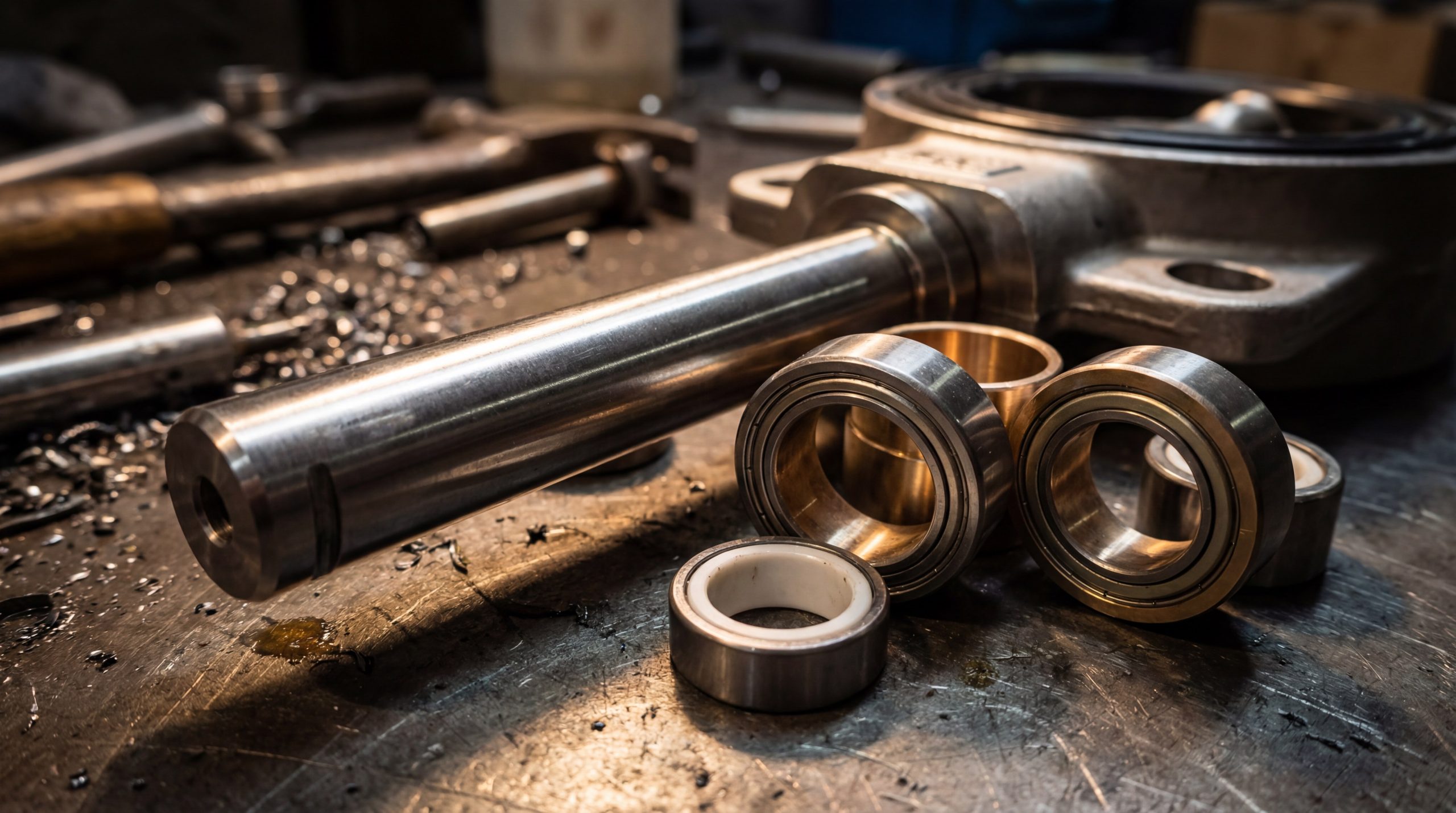
Bearings or bushings are essential butterfly valve spare parts that support the stem and ensure it rotates smoothly within the body. They prevent metal-on-metal contact, which significantly reduces the torque required to operate the valve. Worn bearings can lead to stem misalignment, causing the disc to hit the seat unevenly and fail prematurely.
How do bearings reduce friction?
High-quality bearings are made from low-friction materials like bronze or PTFE-lined stainless steel. They are designed to absorb the lateral loads exerted by the fluid pressure against the disc.
The bottom line? If your valve is becoming harder to turn, your bearings are likely the culprit. You should prioritize these bearing characteristics during your next overhaul:
- Self-Lubricating: Reduces the need for manual greasing in the field.
- Corrosion Resistance: Essential for valves installed in harsh environments.
- Load Capacity: Must handle the mechanical stress of high-pressure flow.
Key Takeaway: Healthy bearings ensure low operational torque and prevent stem misalignment that destroys internal seals.
The table below compares common bearing materials based on their friction and durability profiles.
| Bearing Material | Friction | Durability |
|---|---|---|
| Bronze | Medium | High |
| PTFE Lined | Low | Medium |
| Stainless Steel | High | Very High |
9. When should you replace butterfly valve spare parts?
Knowing when to correctly install and replace your butterfly valve spare parts is a skill that saves your company thousands in unplanned repairs. Every component has a lifecycle dictated by the frequency of operation and the severity of the service environment. A proactive replacement strategy is always cheaper than a reactive emergency fix.
What are the troubleshooting signs?
You should look for physical indicators like visible stem leaks, internal bypass (where fluid flows when the valve is closed), or increased operating torque. If the valve fails to reach a bubble-tight seal, it is a clear sign that the seat or disc needs immediate attention.
Believe it or not: many valves are discarded when they could have been fully restored with a simple seal kit. Follow this checklist to determine your replacement schedule:
- Visual Leaks: Replace packing or O-rings immediately.
- Internal Bypass: Inspect and likely replace the seat or disc.
- Binding: Check the bearings and stem for physical damage.
- Corrosion: Replace fasteners and hardware to maintain structural integrity.
Key Takeaway: Implementing a scheduled maintenance cycle based on visual and performance cues prevents catastrophic valve failure.
Reference the following table to estimate the typical service life of different valve components.
| Part Type | Service Life | Typical Failure Mode |
|---|---|---|
| Seat | 2-5 Years | Wear / Cracking |
| Packing | 1-3 Years | Hardening / Leaking |
| Disc | 5-10 Years | Erosion / Pitting |
| Body | 15+ Years | External Corrosion |
10. How to source high-quality butterfly valve spare parts?
Sourcing high-quality butterfly valve spare parts requires a deep understanding of industry standards and material certifications. You must ensure that your replacement parts meet the same specifications as the original equipment to maintain system safety. Procurement teams should always verify the pressure ratings and material grades before confirming any order.
Why standardize your components?
Standardizing your spare parts inventory reduces the complexity of maintenance and allows for better volume pricing from manufacturers. When you use the same materials across your facility, your technicians become experts at identifying and fixing issues faster.
Best of all: high-quality parts reduce the total cost of ownership by extending the time between maintenance intervals. Consider these factors when choosing a supplier:
- Certifications: Ensure parts meet API, ISO, or ANSI standards.
- Traceability: Suppliers should provide material test reports (MTRs).
- Availability: Quick access to stock prevents extended plant shutdowns.
Key Takeaway: Quality sourcing is the final link in the chain, ensuring that your maintenance efforts are supported by reliable, certified hardware.
The following table summarizes the key standards you should look for when sourcing replacement components.
| Standard | Focus Area | Relevance |
|---|---|---|
| API 609 | Valve Design | Global industry benchmark |
| ISO 5211 | Actuator Mounting | Interchangeability of drives |
| ANSI B16.5 | Flange Specs | Mounting compatibility |
Conclusion
Understanding the names and functions of every component—from the heavy-duty body to the smallest O-ring—is the key to professional flow control management. By identifying failure points early and sourcing the correct butterfly valve spare parts, you protect your infrastructure and your bottom line. At Ruito Flow, our vision is to empower industrial leaders with the most durable and precise valve solutions on the market. If you need expert guidance or specific components, please contact us today to speak with a specialist.
FAQ
Can I replace the seat without removing the valve from the line?
No, because butterfly valves are generally designed such that the pipe flanges must be separated to access the internal seat ring. You must depressurize the line and remove the valve body to perform a successful seat replacement.
What’s the best material for a high-temperature steam application?
Metal-seated stainless steel is the best choice because elastomeric materials like EPDM or NBR will melt or degrade rapidly at temperatures exceeding 400°F. Triple offset designs are typically used for these extreme conditions.
How do I know if my stem is blow-out proof?
Check the manufacturer’s technical drawing or look for a retaining ring or shoulder on the stem inside the bonnet. This safety feature is critical because it prevents the stem from being forced out by internal pressure during a seal failure.
Can I upgrade my manual valve to an automated one later?
Yes, provided your valve has an ISO 5211 mounting pad on the top flange. You will simply need to match the actuator’s output torque to the valve’s torque requirements and install a mounting bracket and coupler.
How do I identify the material of my existing valve parts?
Look for the metal nameplate attached to the valve body. It will typically list codes like “DI” for ductile iron, “SS” for stainless steel, and “EPDM” for the seat, allowing you to order exact matches.