
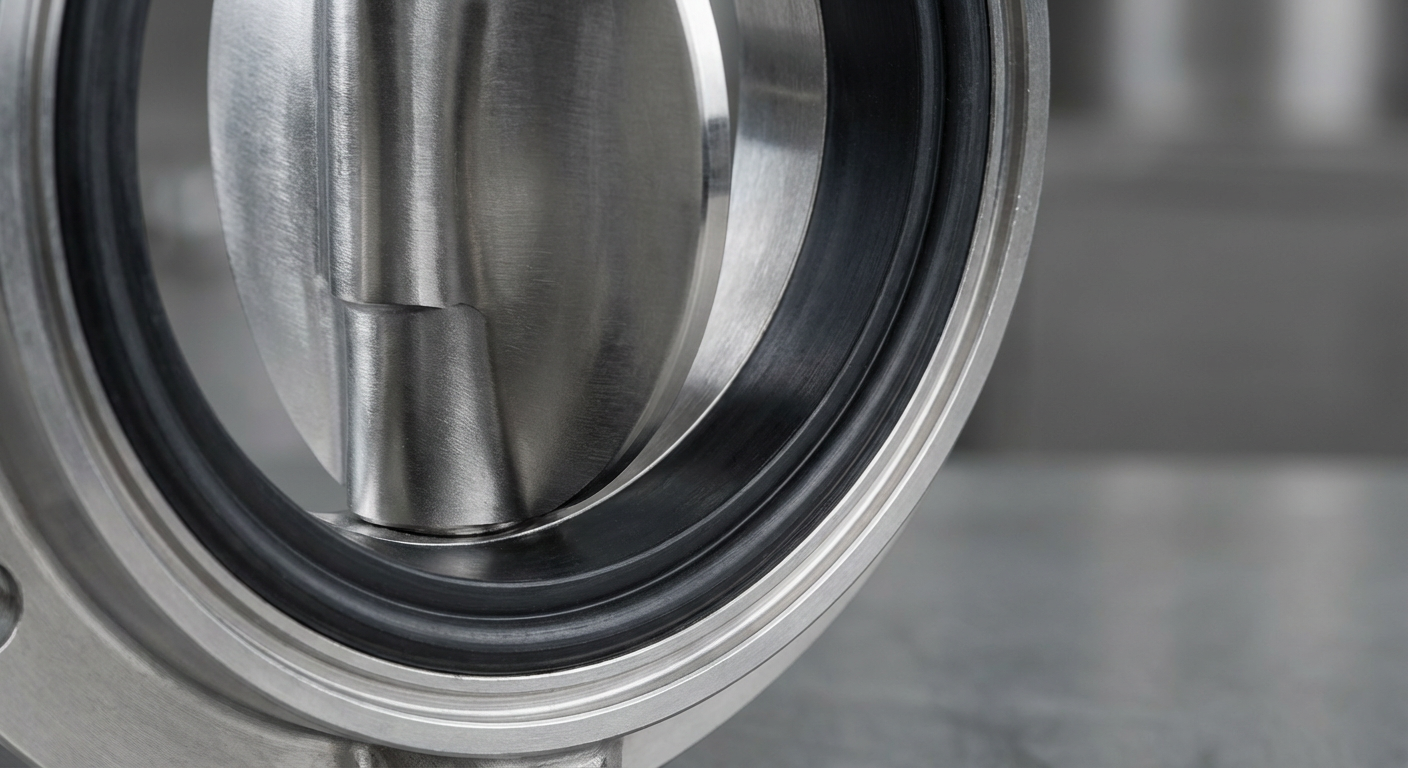
A butterfly valve is a quarter-turn rotational motion valve used to shut off or regulate flow in a pipeline by rotating a disk against a seat. You likely struggle with the excessive weight and spatial demands of traditional gate valves in your large-scale industrial projects. These heavy components lead to increased labor costs and necessitate expensive structural supports that can strain your budget. The use of butterfly valve technology offers a lightweight, high-performance solution that provides rapid shut-off with a fraction of the material footprint.
What is the primary use of butterfly valve in piping?
The primary use of butterfly valve in pipelines is to provide efficient flow isolation and quick shut-off for various fluid media. You will find these components essential in high-flow scenarios where space is limited and rapid action is required. They are designed to manage large volumes of water, gas, or chemicals across extensive distribution networks.
What industries utilize these valves?
Look at it this way: these valves are the backbone of modern municipal and industrial infrastructure. You will see them deployed in sectors that require the movement of massive fluid volumes.
- Municipal water supply networks.
- Wastewater treatment and collection plants.
- Pumping stations for fire protection.
- Chemical and marine processing facilities.
Is isolation the best application?
The fact is, while these valves can perform some regulation, they excel as isolation devices. You should use them in the fully open or fully closed position to ensure the longest possible service life.
- Primary shut-off in main transmission lines.
- Sectional isolation for pipe maintenance.
- Emergency shut-down in gas distribution.
Key Takeaway: The professional use of butterfly valve systems ensures that your high-flow networks can be isolated quickly, protecting your infrastructure from downstream failures.
| Application Aspect | Industrial Benefit |
|---|---|
| Operational Speed | Rapid 90-degree shut-off |
| Space Requirement | Minimal face-to-face dimension |
| Media Handling | Clean water, wastewater, and gases |
The compact nature of these valves makes them the preferred choice for engineers looking to optimize space without sacrificing sealing integrity.
Which parts define the use of butterfly valve mechanics?
The structural integrity and use of butterfly valve components depend on the synergy between the valve body, the disk, and the sealing seat. You need to understand these internal parts to ensure your system operates at peak efficiency. Every component is designed to withstand specific pressures while maintaining a leak-proof seal.
How does the disc function?
Here is the deal: the disc is the “gate” of the valve that rotates on a central stem to block or permit flow. You must select a disc design that minimizes flow resistance while providing the necessary torque for operation.
- Bored discs to receive the drive stem.
- Aerodynamic shapes to reduce pressure drop.
- Corrosion-resistant coatings like epoxy.
- Precision-machined edges for tight sealing.
What about the sealing seats?
Look at it this way: the seat is the elastomer or metal liner that ensures a “drop-tight” closure against the disc. You must match the seat material to your process temperature and chemical profile to avoid degradation.
- Resilient EPDM seats for potable water.
- PTFE liners for aggressive chemical resistance.
- Metal seats for high-temperature steam.
- T-profile rings to prevent seat roll-out.
Key Takeaway: Understanding the internal components is vital for the correct use of butterfly valve technology, as the interaction between the disc and seat determines the valve’s longevity.
| Major Component | Primary Function |
|---|---|
| Valve Body | Houses the internals and connects to flanges |
| Disc/Gate | Rotates 90 degrees to block the flow path |
| Stem/Shaft | Transmits torque from the actuator to the disc |
Analyzing the disc and seat design allows you to predict the maintenance cycles and pressure limits of your entire piping system.
Does the quarter-turn principle aid the use of butterfly valve?
The 90-degree rotational principle greatly simplifies the use of butterfly valve components by allowing for rapid opening and closing cycles. You can achieve full isolation much faster than with traditional multi-turn gate valves. This operational speed is critical in emergency scenarios where every second counts.
Why is speed an advantage?
You might be wondering: does faster actuation actually matter in daily operations? For large-diameter systems, the ability to close a valve in seconds rather than minutes prevents extensive water hammer and system damage.
- Rapid response in emergency shut-offs.
- Reduced labor time for manual operations.
- Easier integration with automated controllers.
- Lower wear on the drive mechanism.
Can they handle flow regulation?
Listen to this: while they are quarter-turn valves, using them for constant throttling can be risky for standard models. You should be aware that partial openings can lead to turbulence and disc vibration.
- Potential for “scuffing” the elastomer seat.
- Increased risk of cavitation at low angles.
- High velocity wear on the disc edges.
- Unpredictable flow coefficients at intermediate positions.
Key Takeaway: The quarter-turn working principle enables the efficient use of butterfly valve hardware for quick-action isolation, though specific eccentric designs are needed for regulation.
| Rotation Angle | Flow Condition |
|---|---|
| 0 Degrees | Fully Closed (Zero leakage) |
| 45 Degrees | Partially Open (Throttling) |
| 90 Degrees | Fully Open (Maximum flow) |
The direct relationship between the 90-degree motion and the flow path ensures that operators can visually verify the valve status instantly.
How do actuation methods improve the use of butterfly valve?
Selecting the right driving mechanism is essential to optimize the use of butterfly valve assets in complex industrial environments. You can choose between manual, electric, pneumatic, or hydraulic systems depending on your torque requirements. Proper actuation ensures that the valve responds accurately to system demands.
When should you use manual gears?
The best part? Manual gearboxes allow you to operate large-diameter valves with very little physical effort. You will typically find these on valves above DN 200 where the fluid pressure creates significant resistance.
- Handwheels with worm-gear mechanical advantage.
- Self-locking designs to prevent accidental movement.
- Visual position indicators for the operator.
- Maintenance-free lubrication for long-term use.
What are the benefits of automation?
Think about it: automated actuators allow you to control your entire pipeline from a remote command center. You can program precise opening sequences to manage pressure surges effectively.
- Electric actuators with 4-20mA signals.
- Pneumatic systems for rapid, fail-safe action.
- Hydraulic units for high-viscosity media.
- Integration with SCADA for real-time monitoring.
Key Takeaway: Selecting the right actuation method ensures the safe and reliable use of butterfly valve hardware, especially when managing high-torque requirements.
| Actuator Type | Ideal Use Case |
|---|---|
| Manual Lever | Small diameter, low frequency |
| Worm Gearbox | Large diameter, high pressure |
| Electric Actuator | Remote control, precision regulation |
Matching the actuator torque to the valve’s break-away torque is the most critical step in preventing operational failure.
Why is the use of butterfly valve ideal for large diameters?
The use of butterfly valve technology is most beneficial for large diameters because its compact design significantly reduces the overall weight of the installation. You can save on infrastructure costs by choosing these valves for systems exceeding DN 300. Their slim “face-to-face” dimension allows for installation in tight footprints where other valves simply won’t fit.
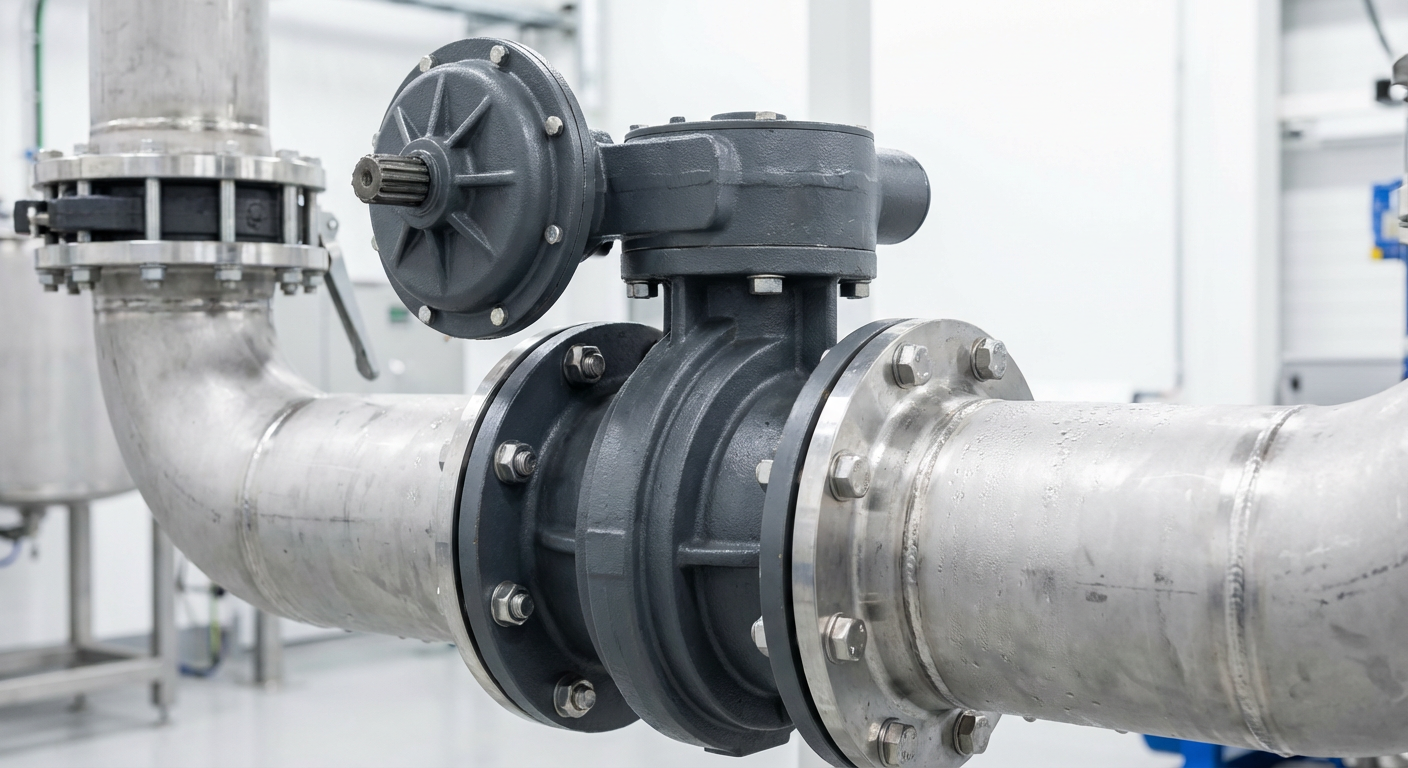
How do they save on project costs?
Now, consider this: the reduced material requirements of these valves mean they are far more economical than gate or ball valves of the same size. You will see a drastic reduction in shipping and installation expenses.
- Lower material costs for the valve body.
- Reduced need for heavy piping supports.
- Faster installation times requiring fewer staff.
- Lower torque requirements for smaller actuators.
Can they be used underground?
It gets better: modern butterfly designs are perfectly suited for buried service in municipal water networks. You can actuate them from the surface using extension spindles, making them highly versatile for city infrastructure.
- Compatibility with telescopic extension spindles.
- Durable epoxy coatings for soil protection.
- Minimal excavation footprint required.
- Easy access for maintenance via small manholes.
Key Takeaway: The primary economic advantage in the use of butterfly valve systems is found at scale, where material savings and reduced labor become significant factors.
| Feature | Large Butterfly Valve | Large Gate Valve |
|---|---|---|
| Weight | Lightweight / Compact | Extremely Heavy |
| Installation | Fast and Simple | Complex and Costly |
| Cost | 30-50% Lower | Significant Investment |
Choosing a compact valve design allows you to allocate more budget toward other critical infrastructure components while maintaining high performance.
How does eccentricity impact the use of butterfly valve?
The use of butterfly valve models with double or triple eccentricity is the professional standard for high-cycle and high-pressure systems. You benefit from designs where the stem is offset from the center of the disc and the body. This specific geometry ensures that the seal only makes contact at the final moment of closure.
Why choose double-eccentric designs?
The fact is, double-offset valves drastically reduce friction between the disc and the seat. You will notice that the seal lasts much longer because it isn’t “scuffed” during the majority of the 90-degree rotation.
- Lower operating torque requirements.
- Extended service life for elastomer seals.
- Better sealing performance at high pressures.
- Reduced wear on the drive stem and bushings.
Does it improve sealing integrity?
But wait, there’s more: the eccentric rotation creates a cam-like effect that presses the disc uniformly into the seat. You can achieve a “drop-tight” seal that meets the highest international leakage standards.
- Zero leakage according to EN 12266-A.
- Bi-directional sealing capability.
- Consistent performance in vacuum conditions.
- Resistance to pressure surges and vibrations.
Key Takeaway: The use of butterfly valve units with double eccentricity protects your internal seals, ensuring long-term reliability in high-pressure water transmission.
| Design Type | Performance Benefit |
|---|---|
| Concentric | Low cost for basic water service |
| Double Offset | Reduced seal wear, high pressure |
| Triple Offset | Metal-to-metal sealing, extreme heat |
High-performance eccentric designs eliminate the traditional weaknesses of standard butterfly valves, making them suitable for critical high-pressure applications.
What materials support the safe use of butterfly valve?
Selecting high-quality metals and resilient elastomers is critical for the safe use of butterfly valve units in corrosive or high-pressure environments. You must ensure that the body and seat materials are compatible with your specific process media. Improper material selection can lead to rapid corrosion and catastrophic system failure.
Which metals are most durable?
You might be wondering: what is the best body material for long-term municipal service? Ductile iron with a heavy epoxy coating is the industry standard for durability and cost-effectiveness.
- Ductile iron (GGG40/50) for high strength.
- Stainless steel (304/316L) for chemical plants.
- Carbon steel for high-temperature applications.
- Bronze for marine and seawater environments.
Why is coating quality important?
The fact is, the internal and external coating protects the valve from the corrosive nature of the fluid and the surrounding environment. You should look for GSK-certified epoxy coatings that guarantee a minimum thickness.
- Prevents internal tuberculation and scaling.
- Protects the body from soil corrosion.
- Ensures potable water safety standards.
- Smooths the flow path to reduce turbulence.
Key Takeaway: Material compatibility is the foundation of a successful use of butterfly valve installation, preventing corrosion and ensuring chemical resistance over decades.
| Material | Typical Application |
|---|---|
| Ductile Iron | Potable water and wastewater |
| Stainless Steel | Chemical processing / Marine |
| EPDM Seal | General water service up to 120°C |
A robust material specification ensures that the valve remains functional throughout the intended design life of your piping project.
Where do you see the industrial use of butterfly valve?
You can observe the industrial use of butterfly valve technology across almost every sector that handles fluids at high volume. Their versatility makes them a staple in modern engineering, from city-wide water networks to offshore platforms. You will find them wherever efficiency and compactness are non-negotiable requirements.
How are they used in water networks?
Listen to this: butterfly valves are the backbone of municipal water distribution and treatment plants. You will see them in pumping stations where they handle massive flow rates with minimal pressure loss.
- Main transmission lines for drinking water.
- Raw water intake from reservoirs.
- Filtration system isolation.
- Reservoir inlet and outlet control.
What about marine and power?
Think about it: on a ship or in a power plant, space is at an absolute premium. The slim profile of a butterfly valve allows it to be installed in tight engine rooms and cooling towers where a gate valve would be impossible to fit.
- Ballast water systems on large vessels.
- Condenser cooling water in power plants.
- Fire protection systems in high-rise buildings.
- HVAC systems for large commercial complexes.
Key Takeaway: The widespread use of butterfly valve hardware in critical infrastructure highlights its reliability in both municipal and harsh industrial environments.
| Sector | Primary Application |
|---|---|
| Municipal | Water treatment and distribution |
| Marine | Ballast and cooling water systems |
| Power | Main cooling water circulation |
The sheer variety of industrial applications proves that these valves are the most versatile choice for large-scale fluid management.
What standards verify the reliable use of butterfly valve?
International standards such as API 609 and EN 593 govern the reliable use of butterfly valve designs to ensure safety and interchangeability. You must verify that your valves meet these strict manufacturing norms to guarantee they will withstand rated pressures. Compliance with global standards is the only way to ensure long-term operational safety.
What are the design norms?
Here is the deal: global standards dictate the exact dimensions and pressure ratings that a valve must meet. You can be confident that a valve following these standards will fit perfectly into your existing piping system.
- API 609 for design and dimensions.
- EN 593 for water supply infrastructure.
- ISO 5752 for face-to-face lengths.
- MSS SP-67 for general industrial use.
How is testing conducted?
Look at it this way: safety standards require every single valve to undergo rigorous pressure testing before it leaves the factory. You should always demand test reports that prove the valve is leak-free at 1.1 or 1.5 times the working pressure.
- Hydrostatic testing of the valve body.
- Pneumatic testing of the seat seal.
- 100% inspection for coating defects.
- Cycle testing for actuation reliability.
Key Takeaway: Adherence to international standards is essential for the safe use of butterfly valve equipment, guaranteeing that the valve can withstand rated pressures.
| Standard | Focus Area |
|---|---|
| API 609 | Global design and dimensions |
| EN 12266-A | Testing and leakage rates |
| ISO 9001 | Manufacturing quality control |
Verifying certification ensures that your project meets local regulations and provides a safe working environment for your operators.
How do you maintain the effective use of butterfly valve?
Maintaining the effective use of butterfly valve units requires a proactive approach to inspecting seals and lubrication mechanisms. You can prevent most failures by simply checking for wear during scheduled plant shutdowns. A well-maintained valve can easily provide decades of trouble-free service in your most demanding applications.
What are the common wear points?
But wait, there’s more: the most frequent issues occur at the elastomer seat and the stem seals. You should periodically check for signs of “scuffing” or tearing on the seat periphery, especially if the valve is used for throttling.
- Elastomer seat degradation over time.
- Stem packing or O-ring leaks.
- Gearbox backlash or lubrication loss.
- Disc edge erosion from debris.
How can you extend service life?
Look at it this way: modern high-performance designs often feature maintenance-free shaft sealing systems. You can reduce your workload by choosing valves with multiple O-rings that isolate the stem from the process media.
- Monthly visual inspections for leaks.
- Quarterly full-cycle tests to prevent sticking.
- Scheduled lubrication of manual gearboxes.
- Replacement of worn seals during shutdowns.
Key Takeaway: Proactive maintenance and the selection of high-quality designs with optimized sealing are key to the long-term, trouble-free use of butterfly valve technology.
| Task | Recommended Frequency |
|---|---|
| Leak Inspection | Monthly |
| Cycle Testing | Quarterly |
| Seal Check | During plant shutdown |
Consistent monitoring allows you to identify minor issues before they turn into costly repairs or system-wide shutdowns.
Conclusion
Understanding the mechanics and applications of butterfly valves allows you to make smarter decisions for your fluid management systems. This article has detailed how these compact, quarter-turn valves solve the challenges of weight, space, and cost in large-diameter piping. By choosing high-quality materials and eccentric designs, you ensure a reliable, leak-free system that stands the test of time.
Our vision is to provide engineering excellence and robust flow control solutions that empower global infrastructure projects. We are dedicated to delivering precision-manufactured valves that exceed industry standards and your specific performance requirements. To optimize your pipeline efficiency with professional-grade equipment, contact us today.
Frequently Asked Questions
Can I use a butterfly valve for pigging operations?
No, you cannot use them for pigging because the disc remains in the center of the flow path even when fully open. This obstruction would block the pig and likely damage the valve internals.
What’s the best seal material for drinking water?
EPDM is generally considered the best choice because it offers excellent resistance to water and aging while meeting potable water safety standards. You must ensure the elastomer is certified by organizations like WRAS or DVGW.
How do I know if a double-eccentric valve is needed?
You should choose a double-eccentric design if your system operates at high pressures or requires frequent cycling. These models prevent seal wear by lifting the disc off the seat immediately upon rotation.
Can I install these valves in a vertical pipeline?
Yes, you can install them vertically, but it is often recommended to have the stem horizontal to prevent sediment from settling in the bottom shaft bearing.
How do I know if my actuator is correctly sized?
You must calculate the valve’s required torque at the maximum differential pressure and add a safety factor of at least 20%. The best practice is to consult the manufacturer’s torque charts before final selection.