
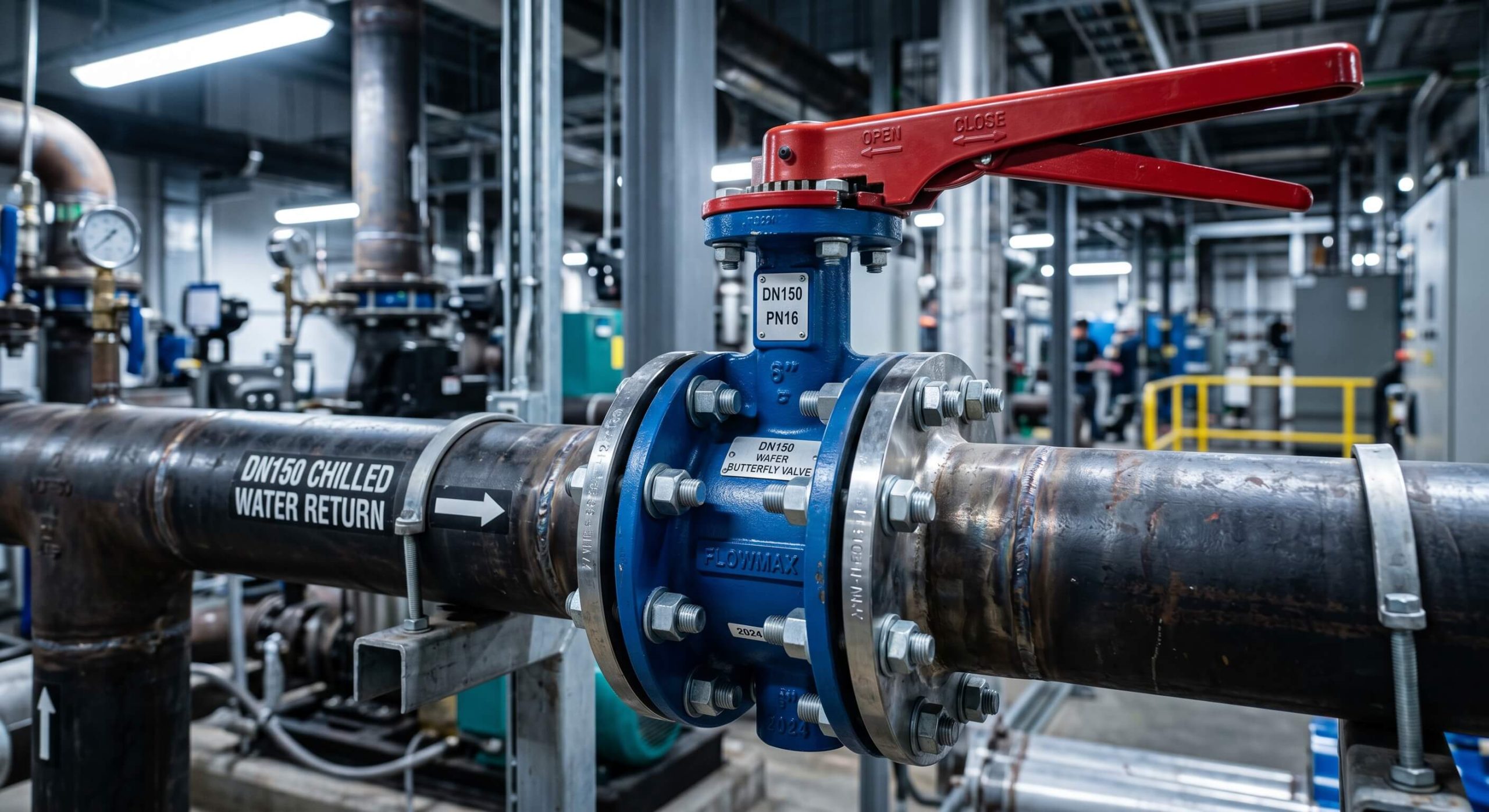
A manual wafer butterfly valve dn150 operates as a 6-inch quarter-turn disk mechanism managing fluid flow inside pipeline systems. Plant operators face frequent pipe leaks causing expensive downtime. Fluid escaping means lost profit and safety hazards compounding daily. Installing a reliable 6-inch disc mechanism solves these leakage issues permanently. Here’s the deal: proper equipment stops unexpected failures immediately.
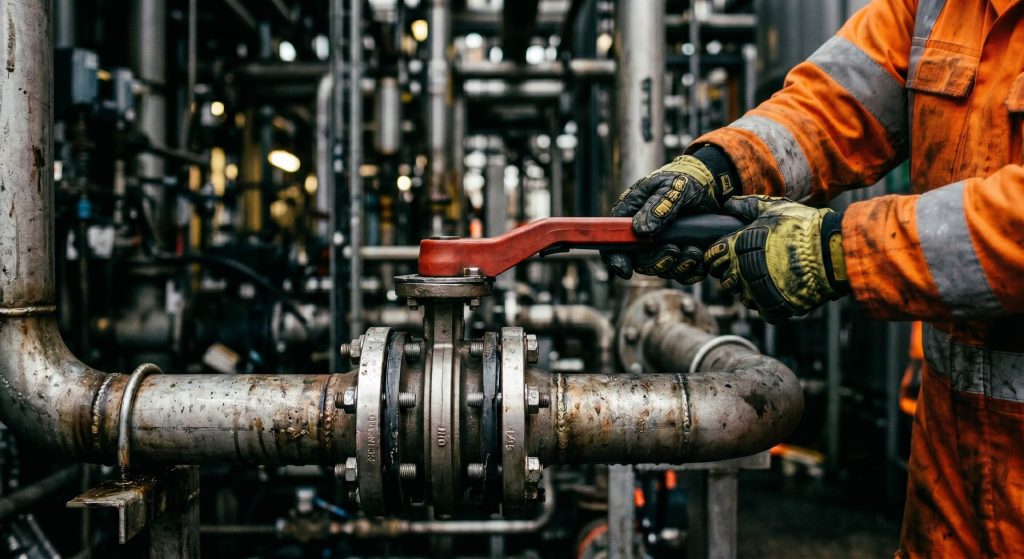
What is a manual wafer butterfly valve dn150?
A manual wafer butterfly valve dn150 operates as a 150mm quarter-turn disk device managing flow between pipe flanges. You turn a hand lever spinning a central disc 90 degrees. This action fully blocks or allows fluid passage. Here’s the deal: simple quarter-turn operation guarantees rapid flow control.
Core Design Components
Several parts work together perfectly. A metal body houses a rubber seat holding back pressure. An internal metal disc connects directly onto a top stem. Operators manipulate this stem using a connected handle.
- Central disc rotates 90 degrees.
- Elastomer seat prevents internal leakage.
- Wafer body fits directly between pipe flanges.
How Does Wafer Style Work?
Wafer styles lack protruding flange holes for bolting. Installers clamp units tight between two existing pipe flanges. Long bolts stretch across both external pipe flanges securing everything. What’s the real story? This clamping method drastically reduces valve weight.
Key Applications
Factories use these 6-inch valves inside cooling water loops frequently. Chemical plants rely on them isolating specific processing tanks. Fire protection networks also depend on quick-acting 150mm isolation points.
Key Takeaway: A 150mm wafer configuration delivers lightweight rapid flow control across multiple industrial sectors.
| Component | Material Options | Primary Function |
|---|---|---|
| Body | Cast Iron | Houses internal parts |
| Disc | Stainless Steel | Controls fluid flow |
| Seat | EPDM Rubber | Seals against leaks |
Reviewing component materials helps engineers select appropriate setups accurately.
What are specs for manual wafer butterfly valve dn150?
Technical parameters for a manual wafer butterfly valve dn150 include pressure limits ranging from PN10 up through PN16. Engineers must verify operating temperatures before finalizing any system design. You need exact measurements preventing pipeline failures. This is where it gets interesting: proper pressure ratings stop catastrophic blowouts entirely.
Temperature Ratings
Valves handle different heat levels based on internal seat rubbers. EPDM rubber works well handling cold water up through 120 degrees Celsius. NBR suits oily fluids below 80 degrees Celsius perfectly. High-temperature steam requires metal-seated configurations instead.
Flow Characteristics
Fluid moves smoothly past an open 150mm central disc. A fully open unit presents very low resistance against moving water.
- Low pressure drop saves pumping energy.
- High flow capacity suits large volume transfers.
- Bi-directional sealing works both ways.
Dimensional Standards
Face-to-face dimensions match strict international engineering norms. This standardization guarantees easy replacement during routine plant maintenance.
Key Takeaway: Matching exact technical specifications prevents costly pipeline failures while securing long-term reliability.
| Specification | Value Range | Note |
|---|---|---|
| Pressure | PN10 or PN16 | Fits standard pipes |
| Size | DN150 Size | Common industrial size |
| Operation | Hand Lever | Manual control |
Analyzing these technical numbers allows buyers perfect integration planning.
Which materials build manual wafer butterfly valve dn150?
Manufacturers construct a manual wafer butterfly valve dn150 using cast iron ductile iron or stainless steel bodies. You pick specific metals based on your fluid corrosiveness. Heavy-duty construction guarantees decades of reliable service. You might be wondering: why does material choice matter so much?
Body Material Options
Cast iron provides an economical choice handling basic clean water networks. Ductile iron offers stronger resistance against unexpected mechanical shocks. Stainless steel resists harsh chemical attacks perfectly.
Disc and Stem Materials
Internal discs touch moving fluids constantly. CF8M stainless steel discs resist rusting inside aggressive chemical pipelines. Strong stems transmit twisting force from external handles directly downward.
- Cast iron discs suit non-corrosive water.
- Bronze discs resist saltwater corrosion well.
- Stainless steel stems handle high torque loads.
Seat Elastomers
Rubber liners provide tight seals blocking all fluid movement. EPDM remains popular handling standard HVAC water systems. PTFE linings handle highly aggressive acids securely.
Key Takeaway: Selecting correct component metals stops chemical corrosion destroying your pipeline network early.
| Part | Common Material | Best Fluid |
|---|---|---|
| Body | Ductile Iron | Water |
| Disc | Stainless 316 | Chemicals |
| Seat | EPDM | Clean Water |
Reviewing these metal options helps facility managers stop rapid corrosion failures.
Where do workers use manual wafer butterfly valve dn150?
Operators deploy a manual wafer butterfly valve dn150 inside water treatment plants and massive HVAC cooling loops. You will find them controlling large fluid volumes effectively everywhere. Ready for the good part? Their versatile design fits almost any standard industrial pipeline.
Water Treatment Facilities
Municipal water plants install hundreds of these 150mm units. They isolate massive filter tanks during routine cleaning cycles. Clean drinking water flows safely past FDA-approved internal rubber seats.
HVAC Cooling Towers
Commercial skyscrapers need huge cooling networks moving chilled water. A 6-inch unit handles these high flow rates easily. Technicians adjust flow balancing perfectly using notched hand levers.
- Regulates chiller line flow.
- Isolates cooling tower basins.
- Manages condenser water loops.
Chemical Processing Plants
Aggressive chemicals require specialized flow management tools. PTFE-lined units handle harsh acids safely without degrading.
Key Takeaway: Diverse industrial sectors rely on these 150mm valves keeping their fluid processes running smoothly.
| Industry | Application | Recommended Seat |
|---|---|---|
| HVAC | Chilled Water | EPDM |
| Chemical | Acid Lines | PTFE |
| Oil Gas | Lubricants | NBR |
Studying these typical deployments guides engineers toward proven industrial solutions.
How do you install a manual wafer butterfly valve dn150?
Installing a manual wafer butterfly valve dn150 requires sliding units centrally between two matching pipe flanges. You tighten long threaded bolts across both flanges squeezing bodies tight. Here’s the kicker: incorrect tightening sequences ruin internal rubber seals instantly.
Pre-Installation Checks
Inspect pipe flanges for dirt before beginning work. Any debris left behind ruins tight sealing surfaces quickly. Workers verify nothing blocks internal disc movement.
Flange Alignment
Pipes must align perfectly straight without bending stress. Forcing misaligned pipes together breaks cast iron valve bodies eventually. Installers use levels verifying exact vertical alignments.
- Clean all flange faces thoroughly.
- Align pipe ends perfectly straight.
- Leave enough gap sliding units inside.
Bolting Sequence
Never tighten one bolt fully before adjusting others. Workers must use a crisscross star pattern gradually increasing torque. This method compresses rubber liners evenly across all sides.
Key Takeaway: Following strict installation procedures prevents annoying flange leaks appearing weeks later.
| Step | Action | Failure Consequence |
|---|---|---|
| 1 | Clean flanges | Dirt causes drips |
| 2 | Align pipes | Stress cracks bodies |
| 3 | Star tightening | Uneven seals leak |
Observing proper bolting sequences stops unexpected joint leaks immediately.
What sizes accompany manual wafer butterfly valve dn150?
While focusing on 150mm dimensions a manual wafer butterfly valve dn150 belongs inside larger product families. You specify exactly what pipeline diameter needs controlling. What’s the catch? Very large units require gearboxes rather than simple levers.
Smaller Alternatives
Pipelines under 150mm utilize DN50 through DN100 sizes frequently. These smaller units operate easily using standard hand levers. Plumbers install them inside tight commercial building spaces.
Larger Heavy-Duty Options
Massive municipal water mains require DN200 or larger units. These heavy devices need mechanical gear operators reducing turning effort. A single person turns large wheels slowly moving huge metal discs.
- DN50 fits small branch lines.
- DN150 handles main distribution headers.
- DN300 controls massive municipal mains.
Selecting Proper Dimensions
Never guess pipeline sizes during initial design phases. Measure inside diameters matching them directly against valve specifications.
Key Takeaway: Matching exact pipe diameters against manufacturer specifications guarantees trouble-free liquid flow.
| Valve Size | Pipe Diameter | Typical Operator |
|---|---|---|
| DN50 | 2 Inch | Hand Lever |
| DN150 | 6 Inch | Lever or Gear |
| DN300 | 12 Inch | Gearbox |
Comparing available sizes helps planners source appropriate gear mechanisms accurately.
How does a manual wafer butterfly valve dn150 prevent leaks?
A manual wafer butterfly valve dn150 stops leaks by squeezing thick rubber seats against polished metal discs. You close off flow forcing precise mechanical interference creating watertight barriers. This is where it gets interesting: line pressure actually helps push seals tighter.
Seat Design Elements
Manufacturers mold elastomer seats directly inside cast iron bodies. This internal rubber lining acts like a giant permanent gasket. Flexible rubber absorbs small scratches maintaining tight seals.
Disc Edge Machining
Engineers machine outer disc edges perfectly smooth. Rough metal surfaces tear soft rubber seats causing immediate failures. Polished spherical edges slide cleanly past rubber sealing zones.
- Polished edges reduce friction.
- Thick rubber absorbs minor debris.
- Interference fit blocks pressurized water.
Stem Sealing Mechanisms
Water must not escape upward through operating stems. Multiple O-rings trap any moisture trying climbing out.
Key Takeaway: Precision machining combined with high-quality rubbers creates an impenetrable barrier against fluid leaks.
| Component | Sealing Function | Failure Cause |
|---|---|---|
| Main Seat | Blocks pipe flow | Debris tearing |
| Disc Edge | Mates with seat | Metal corrosion |
| Stem O-rings | Stops top leaks | Turning wear |
Understanding these sealing mechanics proves valuable diagnosing unexpected fluid drips.
Why select manual wafer butterfly valve dn150 over others?
Choosing a manual wafer butterfly valve dn150 provides significant cost savings compared against bulky gate alternatives. You save installation space while reducing total project budgets dramatically. Here’s the deal: less metal construction means lower purchasing prices.
Cost Efficiency
Gate designs require massive cast iron bodies driving up costs. Quarter-turn wafer designs use minimal metal saving money. Buyers purchase more units stretching limited maintenance budgets further.
Space Saving Profile
Narrow face-to-face dimensions fit tight plumbing spaces perfectly. Mechanical rooms lack extra space accommodating long valve bodies. A 6-inch wafer unit slips between flanges occupying barely two inches.
- Lower purchase price helps budgets.
- Narrow profile saves mechanical space.
- Lighter weight speeds up installation.
Quick Operation Speed
Closing gate styles requires turning handwheels dozens of times. Quarter-turn levers shut off 150mm pipelines almost instantly. Operators react faster stopping sudden emergency leaks.
Key Takeaway: Wafer styles offer unmatched economic value combining compact sizes with rapid operational speeds.
| Valve Type | Relative Cost | Operation Speed |
|---|---|---|
| Wafer Valve | Low Cost | Fast Turns |
| Gate Valve | High Cost | Slow Turns |
| Globe Valve | Highest Cost | Slow Turns |
Evaluating these financial benefits makes specifying wafer styles an easy engineering decision.
How do you maintain a manual wafer butterfly valve dn150?
Maintaining a manual wafer butterfly valve dn150 involves regular visual inspections checking for exterior leaks. You must cycle unused valves monthly preventing internal parts sticking together. What’s the real story? Neglected equipment always fails during worst possible moments.
Routine Visual Inspections
Walk past pipe networks looking for small water drops. Catching tiny drips early prevents massive flooding disasters later. Check painted surfaces for expanding rust spots indicating hidden corrosion.
Lubrication Requirements
Standard rubber seated units rarely need internal lubrication. Moving parts rely on internal fluid providing natural slip. However exposed top gearboxes need fresh grease applied annually.
- Cycle handles every month.
- Grease exposed external gears.
- Inspect flange joints visually.
Replacing Worn Seats
Rubber liners degrade after years handling harsh chemicals. Technicians unbolt entire units removing them from pipelines entirely. New rubber seats slide into place restoring original factory performance.
Key Takeaway: Proactive monthly maintenance schedules extend equipment lifespans keeping factories running profitably.
| Maintenance Task | Frequency | Purpose |
|---|---|---|
| Visual Check | Weekly | Spot early leaks |
| Handle Cycling | Monthly | Prevent sticking |
| Gear Greasing | Annually | Keep turns smooth |
Implementing scheduled upkeep routines stops sudden mechanical breakdowns destroying production numbers.
What standards dictate manual wafer butterfly valve dn150 quality?
International engineering norms dictate exact dimensions for a manual wafer butterfly valve dn150. You should only buy products carrying verifiable certification marks. Ready for the good part? Standardized designs mean parts interchange seamlessly globally.
Design Standards
API 609 rules govern exact face-to-face dimensions strictly. This means any certified 150mm unit fits exactly where older ones lived. Engineering predictability saves huge headaches during emergency repairs.
Pressure Testing Norms
Factories must test every single unit before shipping them out. Water pressure gets cranked high checking for tiny seat leaks. API 598 dictates how long these pressure tests must last.
- API 609 controls physical dimensions.
- API 598 governs pressure testing.
- ISO 9001 proves factory quality.
Material Certifications
Metal foundries supply chemical analysis sheets proving exact iron composition. Buyers demand these papers verifying they received proper stainless steel grades.
Key Takeaway: Demanding certified products protects your pipeline investment against cheap counterfeit failures.
| Standard | Governing Body | Focus Area |
|---|---|---|
| API 609 | Petroleum Inst. | Dimensions |
| EN 593 | European Norm | Valve Design |
| API 598 | Petroleum Inst. | Leak Testing |
Verifying these engineering certifications protects buyers against installing dangerous substandard equipment.
Final Thoughts
We solved major pipeline leakage issues by detailing exact specifications and installation methods for these critical 150mm devices. Ruitoflow manufactures premium industrial flow solutions keeping your factories running flawlessly. Our precision-engineered products stop hazardous fluid escapes permanently. Please contact us today requesting a detailed quote. Building safer industrial pipelines remains our relentless pursuit.
FAQ
Q1: Can I use this 150mm valve controlling high-pressure steam?
No standard rubber-seated units melt under high-pressure steam. Steam applications require specialized metal-seated designs built for extreme heat.
Q2: What’s the best seat material handling drinking water?
EPDM rubber provides the safest choice. It resists bacterial growth and carries necessary food-grade certifications globally.
Q3: How do I know if my pipeline needs a gear operator?
High flow pressures make hand levers dangerous. If pipeline pressure exceeds 10 bar technicians struggle turning standard handles safely.
Q4: Can I install wafer styles at pipe ends?
No wafer designs require two opposing flanges squeezing them together. End-of-line services require lug-style bodies featuring threaded bolt holes.
Q5: What’s the best way fixing a leaking valve stem?
Replacing internal O-rings stops top-side leaks entirely. Mechanics must depressurize systems before dismantling top handle assemblies.