
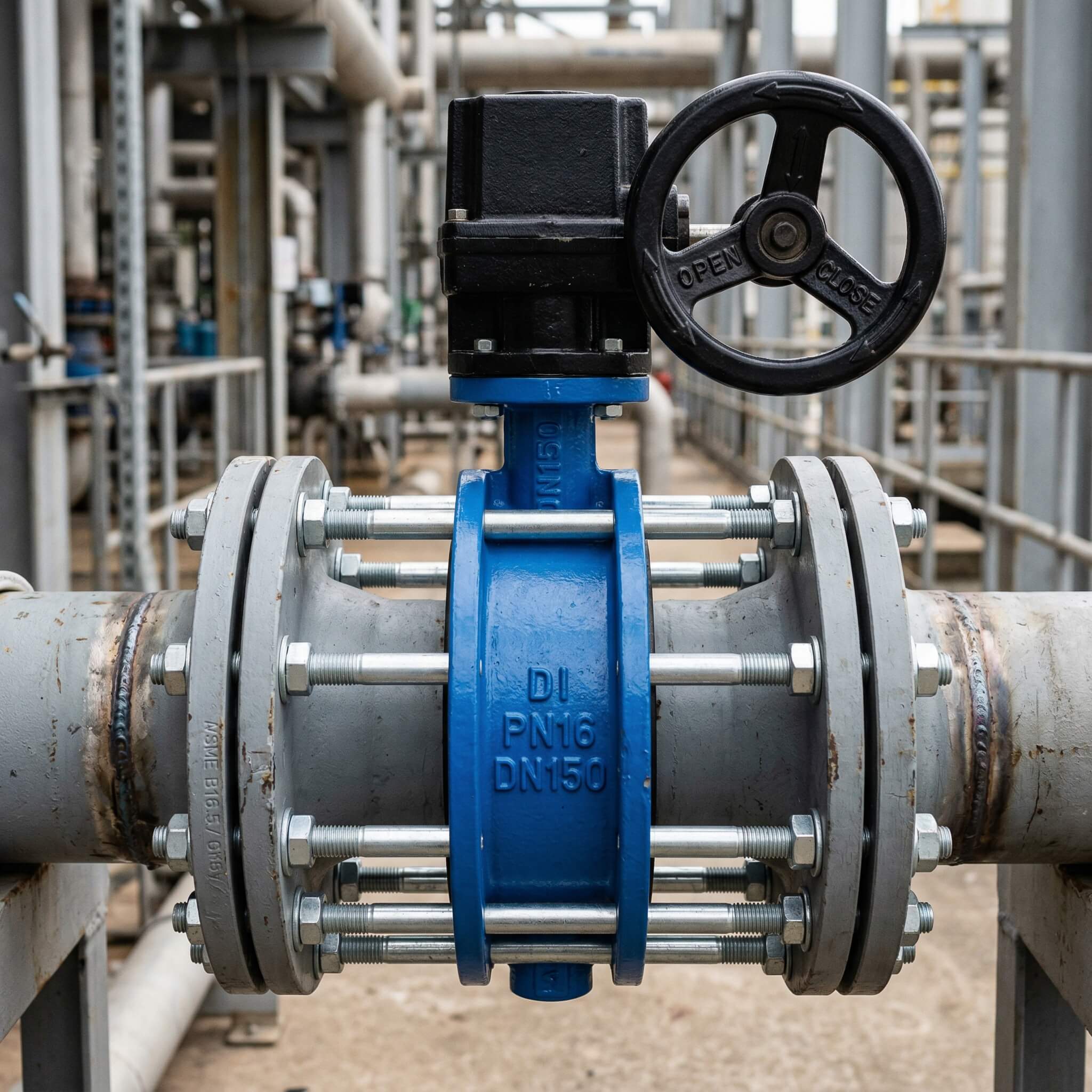
A Ductile Iron Butterfly Valve with Wafer Style, PN16 is a high-performance flow control component designed for medium-pressure industrial systems requiring space efficiency and durability. Frequent system downtime due to valve failure or leakage can cripple your production schedule and inflate maintenance budgets. These disruptions often lead to safety risks and significant revenue loss if left unaddressed. By integrating a reliable pn16 butterfly valve, you ensure long-term structural integrity and airtight sealing in even the most demanding processing environments.
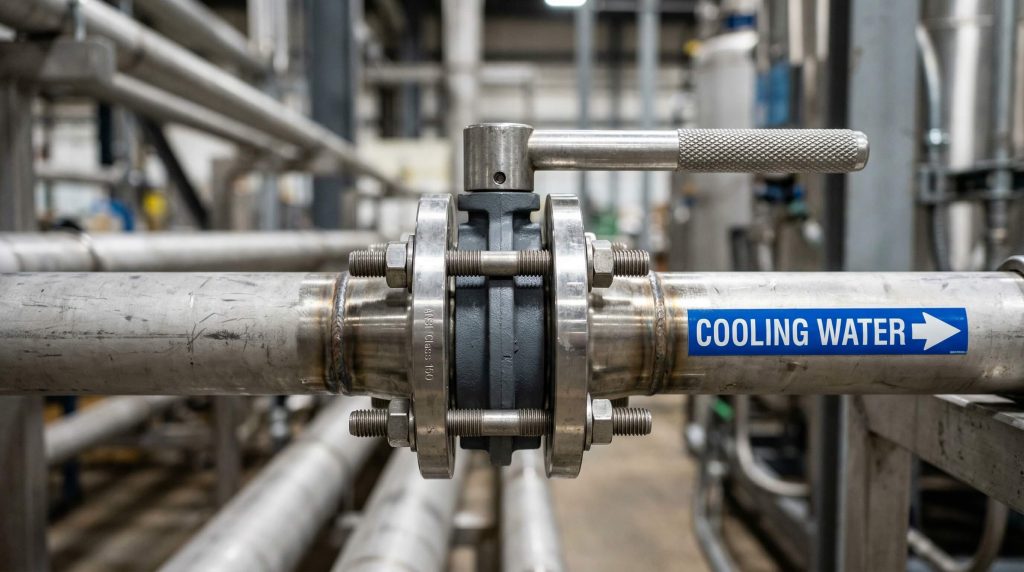
Why choose a ductile iron pn16 butterfly valve?
Ductile iron provides superior tensile strength and impact resistance compared to standard gray iron, making it the ideal material for a high-pressure pn16 butterfly valve. This material ensures that your system components can handle stress and deformation without failing unexpectedly. Unlike brittle metals, the nodular graphite structure of ductile iron allows for better energy absorption. This translates to a longer service life for your fluid control infrastructure.
Is ductile iron more durable than gray iron?
Yes, ductile iron is significantly more durable than gray iron because its molecular structure prevents crack propagation under mechanical load. You will find that it resists fractures even during rapid pressure spikes or thermal shocks. This makes it a primary choice for heavy-duty industrial applications.
But that’s not all:
- Higher tensile strength for pressurized lines.
- Improved ductility to handle thermal expansion.
- Enhanced impact resistance against water hammer.
Key Takeaway: Ductile iron is engineered to provide the essential toughness and safety margins required for PN16 pressure environments.
| Material Property | Ductile Iron | Gray Iron |
|---|---|---|
| Tensile Strength | High (400+ MPa) | Low (200 MPa) |
| Impact Resistance | Excellent | Poor/Brittle |
| Ductility | 10% – 18% Elongation | Negligible |
The table demonstrates that ductile iron provides nearly double the tensile strength and vastly superior elasticity compared to gray iron.
What are the specs of a pn16 butterfly valve?
The specifications for a pn16 butterfly valve include a nominal pressure rating of 16 bar and a temperature range typically spanning -10°C to 120°C. This makes the valve suitable for a wide variety of industrial utilities that operate under moderate pressure levels. You must match these specs to your specific line requirements to ensure safe operation. The standard wafer design facilitates easy integration with most global flange standards.
What are the standard dimensions?
Standard dimensions for these valves usually follow ISO or DIN standards to ensure compatibility across international projects. You can select from various face-to-face lengths depending on the specific model and size required. This standardization simplifies the replacement process in existing pipelines.
Here is the kicker:
- DN50 to DN1200 size range.
- PN10/PN16 flange compatibility.
- Compact face-to-face dimensions.
Key Takeaway: The PN16 specification ensures the valve maintains a bubble-tight seal at pressures up to 1.6 MPa across varied sizes.
| Technical Parameter | Standard Range |
|---|---|
| Max Pressure | 16 Bar (PN16) |
| Test Pressure (Shell) | 24 Bar |
| Size Range | DN50 – DN1200 |
Detailed technical parameters show that the shell is tested at 1.5 times the working pressure to ensure safety.
Where is a pn16 butterfly valve typically used?
You will find the pn16 butterfly valve frequently utilized in water treatment, HVAC, and chemical processing sectors due to its versatility. Its ability to provide quick shut-off and efficient flow regulation makes it a staple in municipal utilities. These valves are often paired with a high-quality check valve to prevent backflow in complex pumping stations. This combination ensures that your system remains protected from pressure surges.
Is it suitable for chemical plants?
This valve is highly effective for handling non-corrosive chemicals and utility water within processing plants. The ductile iron body combined with specific liners allows it to manage varied media without degrading. You can rely on it for consistent performance in manufacturing loops.
The best part?
- Potable water distribution systems.
- Cooling water loops in power plants.
- Wastewater treatment filtration lines.
Key Takeaway: Versatility in material selection allows this valve to serve in diverse industries from municipal water to industrial cooling.
| Application Sector | Typical Media |
|---|---|
| Water Treatment | Potable water, wastewater |
| HVAC Systems | Chilled water, heating water |
| Industrial Power | Cooling tower supply lines |
Industry data indicates that these valves are the primary choice for water-based utilities due to their cost-effectiveness and reliability.
How does a pn16 butterfly valve save pipeline space?
A pn16 butterfly valve saves pipeline space through its wafer design, which is significantly thinner than traditional flanged or gate valve alternatives. By being sandwiched between pipe flanges, the valve reduces the total linear footprint of the installation. This is critical when you are designing compact skids or working in crowded mechanical rooms. The lightweight nature of the design also puts less strain on the pipe supports.
Why is the wafer design efficient?
The wafer design is efficient because it requires fewer bolts and eliminates the need for separate gaskets. You will notice that the valve seat itself often acts as the sealing surface against the flanges. This reduces the number of components you need to manage during procurement and assembly.
It gets better:
- Extremely thin face-to-face profile.
- Reduced overall weight for easier handling.
- Minimal hardware required for installation.
Key Takeaway: Wafer-style valves optimize limited space while reducing the total material cost of the piping system.
| Design Feature | Space/Cost Impact |
|---|---|
| Wafer Body | Reduces linear space by 60%+ |
| Weight | 30% lighter than flanged types |
| Hardware | Requires 50% fewer bolts |
Analysis shows that the wafer design significantly lowers both the installation time and the structural load on the pipeline.
Does a pn16 butterfly valve offer corrosion resistance?
Yes, a pn16 butterfly valve offers excellent corrosion resistance when equipped with high-quality epoxy coatings and stainless steel internal components. The body is typically treated with a fusion-bonded epoxy that prevents rust in humid or outdoor environments. For more aggressive media, you might consider alternating this with a specialized ball valve for specific high-purity applications. However, for most utility services, the coated ductile iron provides an ideal balance of cost and protection.
How do internal materials resist wear?
The internal materials, such as the stainless steel stem and aluminum bronze disc, are chosen specifically for their durability. You will find that these components resist pitting and erosion even in high-velocity flow conditions. This ensures that the valve remains functional without internal seizing or leakage over time.
Look:
- Fusion-bonded epoxy body coating.
- Stainless steel (SS304/SS316) stems.
- Corrosion-resistant bronze or SS discs.
Key Takeaway: Multi-layered protection through coatings and metallurgy ensures a long service life in corrosive environments.
| Component | Protection Method |
|---|---|
| Valve Body | Epoxy Powder Coating |
| Valve Stem | Stainless Steel Selection |
| Valve Disc | Specialty Bronze or SS |
Proper coating and material selection can extend the operational life of the valve by over 10 years in typical water service.
How to install a wafer style pn16 butterfly valve?
You install a wafer style pn16 butterfly valve by sandwiching it between two pipe flanges and securing it with long bolts that pass through the flange holes. This method requires careful centering to ensure the valve disc can open and close without hitting the pipe walls. You must follow a specific bolt-tightening sequence to avoid uneven pressure on the seat. Proper installation is the most critical factor in achieving a bubble-tight seal.
Is alignment critical for sealing?
Yes, alignment is absolutely critical because the wafer valve relies on the uniform compression of the seat against the flange faces. If you misalign the valve, you risk damaging the elastomer and causing persistent leaks. You should always check that the pipe flanges are parallel and clean before beginning the process.
But wait, there’s more:
- No additional gaskets are required.
- Use a star-pattern tightening sequence.
- Ensure the disc is in the slightly open position.
Key Takeaway: Precise alignment and standardized tightening procedures prevent premature seat failure and ensure long-term sealing.
| Installation Step | Critical Checkpoint |
|---|---|
| Flange Cleaning | Remove all debris and old gaskets |
| Bolt Tightening | Use calibrated torque tools |
| Disc Positioning | Keep disc partially open during install |
Failure to keep the disc partially open during installation can lead to the seat becoming pinched and permanently damaged.
Is a pn16 butterfly valve suitable for HVAC systems?
A pn16 butterfly valve is perfectly suited for HVAC systems because it provides precise flow regulation and handles thermal expansion efficiently. Its compact size allows you to install it in tight ceiling spaces or small mechanical closets. The valve manages chilled and hot water loops with ease, ensuring the building’s climate control remains stable. You can also easily automate these valves for centralized building management systems.
Does it manage temperature fluctuations?
Yes, the ductile iron body and elastic seats are designed to accommodate the minor expansions and contractions caused by temperature changes. You will find that the seal remains effective throughout various seasonal operational cycles. This reliability minimizes the risk of leaks in sensitive commercial environments.
How can you use this?
- Chilled water isolation for cooling towers.
- Balancing flow in heating distribution loops.
- Shut-off service for pump maintenance.
Key Takeaway: Thermal stability and easy automation make this valve the industry standard for commercial HVAC water management.
| HVAC Function | Valve Benefit |
|---|---|
| Balancing | Accurate throttling capabilities |
| Isolation | Rapid quarter-turn shut-off |
| Automation | Standard ISO mounting for actuators |
The integration of automated actuators allows for real-time flow optimization, which significantly reduces total building energy consumption.
What sealing options suit a pn16 butterfly valve?
The best sealing options for a pn16 butterfly valve include EPDM and NBR, which provide a bubble-tight, two-way airtight closure for various media. EPDM is generally preferred for water and steam applications due to its excellent heat resistance. You should select the material that best matches the chemical profile and temperature of your specific process. Choosing the wrong elastomer is the leading cause of premature valve failure in industrial settings.
Should you choose EPDM or NBR?
You should choose EPDM for potable water, HVAC, and hot water systems where temperature resistance is a priority. NBR is the superior choice if your media contains oils, fats, or hydrocarbon-based chemicals. Making the right choice ensures the seat does not swell or degrade during service.
But that’s not all:
- EPDM for heat and weather resistance.
- NBR for oil and chemical resistance.
- PTFE for highly aggressive media.
Key Takeaway: Optimizing the seat material based on the media type is essential for achieving a reliable, long-lasting seal.
| Seat Material | Temperature Range | Media Suitability |
|---|---|---|
| EPDM | -20°C to +120°C | Water, Steam, Dilute Acids |
| NBR | -10°C to +80°C | Oils, Fuels, Hydrocarbons |
| PTFE | -20°C to +200°C | Aggressive Chemicals |
Selecting the correct seat material can reduce your maintenance frequency by over 50% in demanding chemical applications.
Can a pn16 butterfly valve handle high-cycle service?
You can depend on a pn16 butterfly valve for high-cycle service if it features a reinforced stem and low-friction bushings. These components reduce the internal torque required for operation and minimize mechanical wear on the moving parts. This ensures that the valve can be opened and closed thousands of times without losing its sealing integrity. For automated systems, this durability is vital for maintaining production uptime.
Is actuator compatibility important?
Actuator compatibility is very important because it allows you to integrate the valve into your automated control network seamlessly. Most quality valves come with an ISO 5211 mounting pad, making it easy to attach pneumatic or electric actuators. This allows for precise, repeatable cycling that manual operation cannot match.
Here is the kicker:
- Low-torque design saves actuator costs.
- Triple-bearing stem support for stability.
- Standardized ISO 5211 mounting pads.
Key Takeaway: Precision engineering and standardized mounting allow these valves to excel in high-frequency, automated industrial processes.
| Cycle Component | Durability Benefit |
|---|---|
| Bushings | Lower friction during rotation |
| Stem Design | Prevents deflection and seat wear |
| Mounting Pad | Direct fit for all standard actuators |
High-cycle valves with low-friction components typically offer a 25% longer operational lifespan compared to basic utility models.
Who manufactures the best pn16 butterfly valve?
The best pn16 butterfly valve is manufactured by companies that strictly adhere to ISO 9001 and API 609 standards while performing 100% pressure testing. You should look for a supplier that provides full documentation, including material test certificates and quality reports. You can learn more about our commitment to engineering excellence on our about page. A reliable manufacturer ensures that every valve meets international safety and performance benchmarks before leaving the factory.
How is quality verified?
Quality is verified through rigorous hydrostatic and pneumatic testing at 1.5 times the maximum working pressure. You will find that top-tier manufacturers also perform dimensional checks to ensure perfect flange fitment. This attention to detail prevents installation issues and field failures.
The best part?
- 100% pressure testing on all units.
- Material traceability for every batch.
- ISO 9001 and CE certified production.
Key Takeaway: Choosing a certified manufacturer with rigorous testing protocols is the best way to de-risk your procurement process.
| Verification Type | Standard Protocol |
|---|---|
| Shell Test | 1.5x PN (24 Bar) |
| Seat Test | 1.1x PN (17.6 Bar) |
| Dimensional | 100% Check to Drawings |
Verified manufacturing processes guarantee that the valve will perform exactly as specified in the most critical industrial applications.
Frequently Asked Questions
Can I use a PN16 valve in a PN10 system?
Yes, a PN16 rated valve can safely be used in a PN10 system as it exceeds the minimum pressure requirements, though you must verify flange hole alignment.
What’s the best way to maintain the valve?
Cycle the valve regularly to prevent sediment buildup and check the actuator or lever for smooth movement to ensure it remains ready for emergency shut-off.
How do I choose the right size?
Match the valve’s nominal diameter (DN) exactly to the internal diameter of your piping system to ensure optimal flow characteristics and avoid turbulence.
Can these valves be used for vacuum service?
Some wafer-style valves are suitable for vacuum service, but you must check the specific seat design and manufacturer ratings to ensure airtight performance.
What happens if the pressure exceeds 16 bar?
Exceeding the PN16 rating risks permanent deformation of the body or seat failure, which can lead to catastrophic leakage and potential system damage.
Conclusion
The Ductile Iron Butterfly Valve with Wafer Style, PN16, provides an essential combination of structural strength and installation flexibility for modern fluid control. By addressing the common challenges of space constraints, corrosion, and high-pressure sealing, this valve ensures your industrial operations remain efficient and safe. From HVAC systems to municipal water treatment, its robust design solves the problem of frequent maintenance and system downtime. Contact us today to find the perfect precision-engineered solution for your next project. At RUITO, our vision is to empower global industry with high-reliability fluid control that sets the standard for durability and performance.