
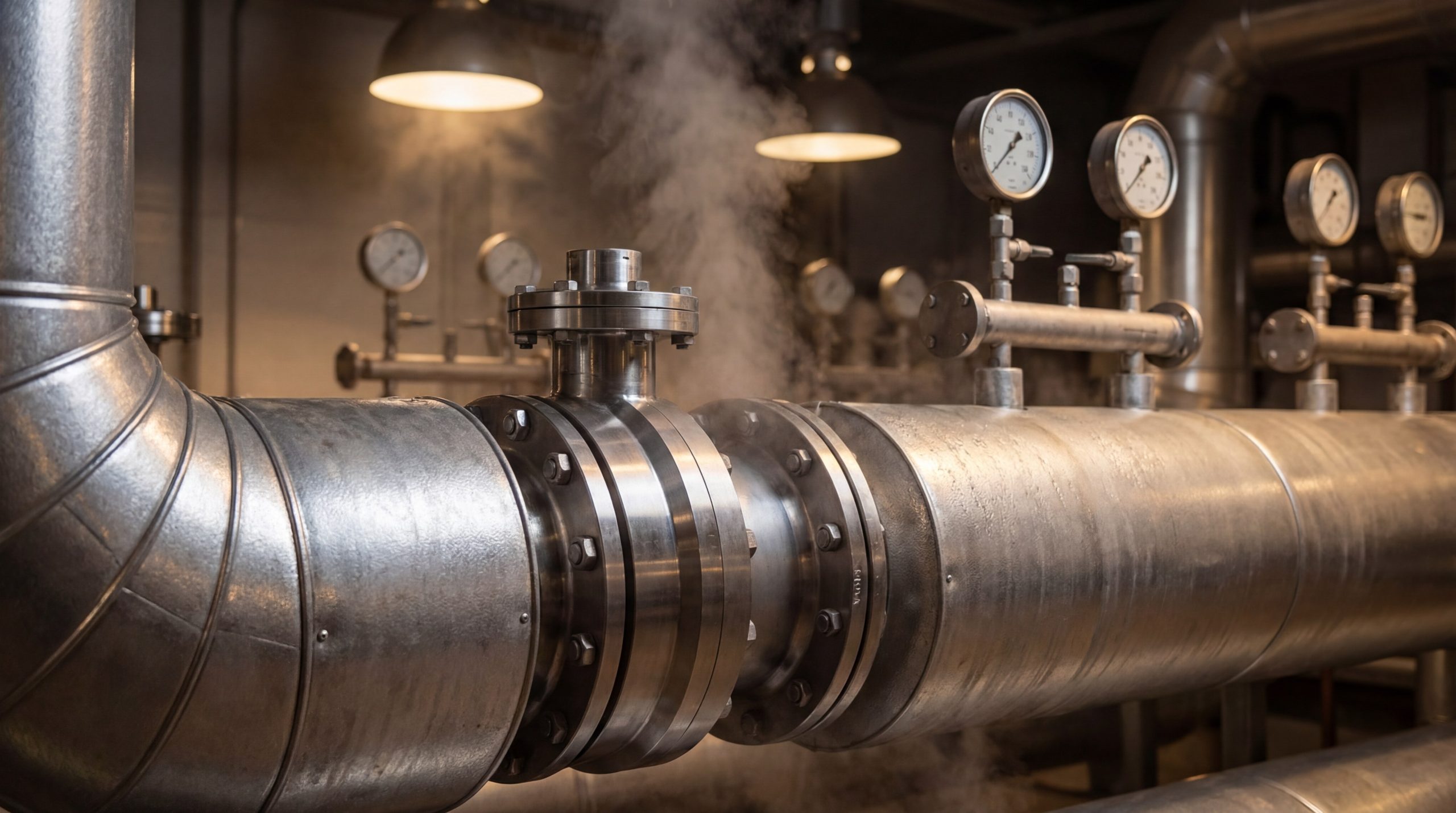
Managing high-temperature steam requires valves that can withstand intense thermal expansion, prevent lethal leaks, and operate under extreme pressure. Traditional gate and globe valves are often prohibitively heavy, bulky, and expensive to maintain in large-diameter steam distribution lines. Using an inadequate valve leads to seat melting, steam wire-drawing, and catastrophic system failure that puts your facility at risk. A high-performance butterfly valve steam configuration provides a compact, cost-effective, and reliable solution for these demands. By utilizing advanced metallurgy and eccentric designs, these valves offer bubble-tight shutoff and precise regulation even in the harshest saturated or superheated steam environments.
Why use a butterfly valve steam design for regulation?
A butterfly valve steam design is used for regulation because it allows for efficient throttling of steam flow to turbines, heat exchangers, and industrial dryers. In these systems, the disc position can be adjusted to maintain constant pressure or temperature downstream.
Precise Throttling Control
Butterfly valves are increasingly favored for regulating steam delivery because their disc positioning can be finely tuned to match system demand. You can achieve stable flow characteristics by selecting a valve size that matches the operational flow rate rather than the pipe size.
- Linear or equal-percentage flow characteristics.
- Reduced energy loss compared to globe valves.
- Lower torque requirements for automated actuators.
Can they handle mid-range control?
Indeed, they can; specifically, a well-sized butterfly valve steam unit excels in large-diameter lines where other valves become too heavy. While globe valves are more precise for micro-adjustments, butterfly designs handle bulk volume regulation with far less mechanical stress.
| Regulatory Feature | Butterfly Valve | Globe Valve |
|---|---|---|
| Flow Path | Straight-through | S-pattern (Tortuous) |
| Pressure Drop | Low | High |
| Best Use Case | Large Volume Steam | Low Flow Precision |
The comparative data shows that butterfly valves are superior for high-volume steam networks where maintaining system pressure is critical.
Key Takeaway: Using a butterfly valve for steam regulation ensures high flow efficiency and lower operational costs in large-diameter distribution networks.
Which butterfly valve steam types suit high temperatures?
High-performance double-offset and triple-offset butterfly valve steam types are the primary choices for high-temperature service. Standard concentric valves with rubber seats cannot survive the thermal breakdown of steam.
Double Offset Engineering
Double-offset valves use an eccentric shaft to reduce seat friction, making them suitable for moderate steam temperatures. This design ensures the disc moves away from the seat quickly, extending the lifecycle of the sealing surface.
Triple Offset Superiority
But wait, there’s more: for superheated steam exceeding 600°F, only the triple-offset design provides the necessary metal-to-metal sealing. This geometry creates a camming action that wedges the disc into the seat for a friction-free, bubble-tight closure.
- Zero-leakage in high-heat environments.
- Resistance to thermal cycles.
- Hard-faced seat materials (Stellite).
| Temperature Class | Valve Design | Typical Seat Material |
|---|---|---|
| Moderate (<400°F) | Double Offset | Reinforced PTFE / Metal |
| Extreme (>600°F) | Triple Offset | Stainless Steel / Stellite |
This categorization highlights why mechanical offsets are the industry standard for maintaining integrity at extreme thermal levels.
Key Takeaway: High-temperature steam requires at least a double-offset design, with triple-offset being mandatory for superheated applications.
How does a butterfly valve steam setup manage isolation?
A butterfly valve steam setup manages isolation by providing a tight shutoff that allows maintenance on boilers and condensers without depressurizing the entire network. Their rapid quarter-turn action is essential for safety.
Rapid Emergency Response
In emergency or routine maintenance scenarios, the rapid quarter-turn operation ensures that steam flow is halted instantly. This protects downstream components from pressure surges or thermal damage during a system breach.
Safety and Ease of Maintenance
Think about it: a valve that can close in seconds under full pressure is a vital safety asset for any steam galley. Because these valves are lightweight, they can be removed and serviced much faster than traditional gate valves.
- Quick manual or pneumatic actuation.
- Reduced downtime during plant turnarounds.
- Compact face-to-face dimensions for tight spaces.
| Isolation Metric | Butterfly Valve | Gate Valve |
|---|---|---|
| Operation Time | < 10 Seconds | 5 – 10 Minutes |
| Weight (12″) | ~150 lbs | ~800 lbs |
The drastic difference in weight and operation time makes the butterfly valve a clear winner for modern steam isolation.
Key Takeaway: Butterfly valve steam isolation provides faster response times and easier handling than heavy gate valves.
What are the benefits of a butterfly valve steam choice?
The primary benefits of a butterfly valve steam choice include a compact footprint, lower weight, and significant cost savings. For large-scale industrial projects, these factors drastically reduce the total cost of ownership.
Space and Weight Savings
In tight boiler rooms or crowded steam distribution galleries, the slim wafer or lug profile of a butterfly valve is easier to install. You save on both the valve cost and the structural supports required for the piping.
Cost-Effective Scalability
But wait, there’s more: as pipe diameter increases, the cost savings of a butterfly valve steam installation grow exponentially. You get high-performance isolation without the financial burden of massive cast-body globe valves.
- Reduced shipping costs due to lower weight.
- Lower actuator torque requirements.
- Simplified installation with fewer personnel.
| Component | Butterfly Savings | traditional Alt. Cost |
|---|---|---|
| Initial Purchase | Moderate to High | High |
| Installation | Low | High |
| Maintenance | Predictable | Expensive |
Analyzing these costs reveals that butterfly valves offer the best return on investment for general steam utility services.
Key Takeaway: Choosing butterfly valves for steam reduces infrastructure costs while maintaining high-efficiency flow control.
Is a butterfly valve steam seal reliable for high pressure?
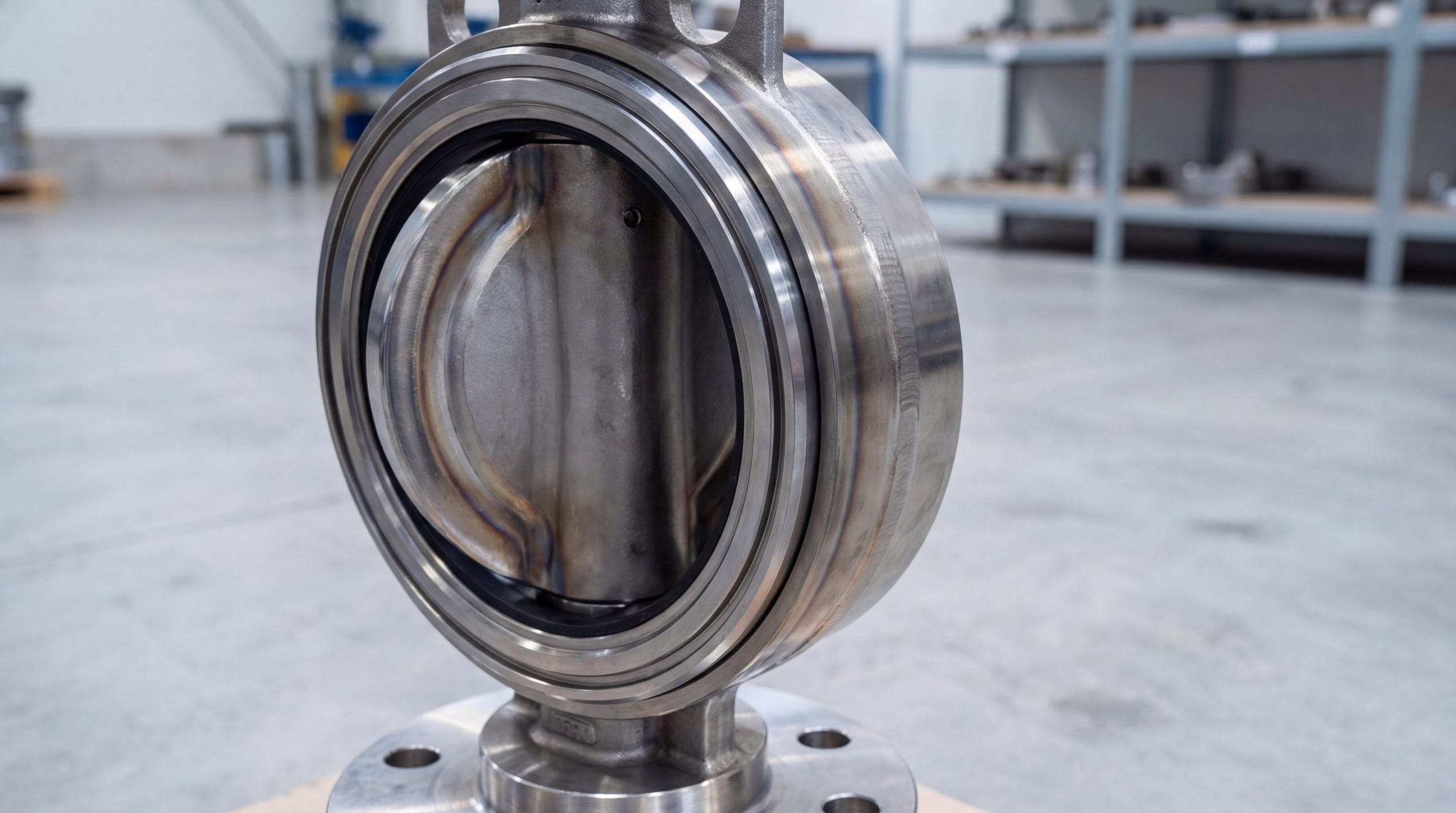
Yes, a butterfly valve steam seal is highly reliable for high pressure when equipped with metal seats and designed to ANSI Class 300 or higher. Modern engineering prevents the seat bypass issues seen in older designs.
Engineering for Pressure Class
Modern industrial designs are built to meet rigorous ASME B16.34 standards, ensuring the valve body can withstand mechanical stresses. You must ensure the shaft diameter and bearing choice are rated for the full differential pressure of your steam line.
Resilience Against Erosion
Here’s the deal: steam is erosive, especially when it carries particulate or condensate droplets at high velocity. Metal seats, often hard-faced with chrome or Stellite, resist this “wire-drawing” effect that would destroy soft-seated butterfly valve steam units.
- Metal-to-metal contact for extreme shutoff.
- Reinforced graphite packing for stem sealing.
- Forged or cast steel bodies for pressure containment.
| Pressure Class | Max Operating Pressure (Steam) | Typical Valve Type |
|---|---|---|
| ANSI 150 | ~285 PSI | Double Offset |
| ANSI 300 | ~740 PSI | Triple Offset |
The higher the pressure, the more critical the offset geometry becomes for maintaining a long-term reliable seal.
Key Takeaway: High-pressure steam systems rely on triple-offset butterfly valves for failure-proof sealing and durability.
Where is a butterfly valve steam unit used in power plants?
A butterfly valve steam unit is typically used in turbine feed lines, boiler exhausts, and condensate recovery systems. They are the backbone of modern power generation flow control.
Managing Turbine Input
Precise control of steam input to turbines is essential for maintaining electrical frequency and preventing equipment damage. Butterfly valves allow for rapid modulation to respond to grid load changes.
Auxiliary Steam Systems
Think about it: every power plant has miles of auxiliary steam lines for heating, cleaning, and soot-blowing. A butterfly valve steam application in these zones reduces the weight on overhead pipe racks significantly.
- Secondary heat exchangers.
- Deaerator feed lines.
- Cooling tower bypass systems.
| Facility Area | Application | Valve Role |
|---|---|---|
| Boiler Island | Exhaust Control | High-Temp Isolation |
| Turbine Hall | Feedwater/Condensate | Throttling/On-Off |
This distribution of roles demonstrates the versatility of the butterfly design across the entire plant lifecycle.
Key Takeaway: Power plants utilize butterfly valves to manage everything from volatile turbine feed to low-pressure condensate recovery.
How to choose materials for a butterfly valve steam body?
To choose materials for a butterfly valve steam body, you must prioritize carbon steel, stainless steel, or high-temperature alloys to resist thermal stress. The metallurgy determines the valve’s life span in corrosive condensate environments.
Carbon vs. Stainless Steel
Carbon steel (WCB) is the standard for most dry steam applications due to its strength and cost-effectiveness. However, for systems where condensate might sit or where steam is corrosive, stainless steel (CF8M) is the superior choice.
Seat and Disc Durability
But wait, there’s more: the internal trim must be harder than the body to withstand the high-velocity “cutting” action of steam. Hard-facing the disc edge ensures that the butterfly valve steam seal remains intact for years.
- Stellite #6 for extreme wear resistance.
- 17-4PH stainless steel for high-strength shafts.
- Graphite-laminated seats for high-temperature sealing.
| Component | Preferred Material | Reason |
|---|---|---|
| Body | WCB Carbon Steel | Pressure Strength |
| Disc Edge | Stellite Hardfacing | Erosion Resistance |
Selecting the right materials prevents the common “pinhole” leaks that plague lower-quality steam installations.
Key Takeaway: Material selection must account for both the temperature of the steam and the chemistry of the condensate.
What limits a standard butterfly valve steam application?
A standard butterfly valve steam application is primarily limited by the temperature ratings of resilient (soft) seats and the potential for cavitation in condensate. Understanding these boundaries prevents premature valve failure.
Resilient Seat Limitations
Here’s the deal: standard EPDM or PTFE seats generally fail above 300°F to 350°F, making them unsuitable for most high-pressure steam services. If you use a soft-seated valve in this environment, the seal will melt and seize the disc.
Velocity and Noise Constraints
When steam passes through a partially open butterfly valve steam unit at near-sonic speeds, noise and vibration can become issues. Engineering the piping layout with adequate straight runs can mitigate these turbulence-induced risks.
- Limit velocity to 100-150 ft/s for steam.
- Avoid installations near elbows or pumps.
- Monitor for “water hammer” in cold startups.
| Factor | Limitation | Solution |
|---|---|---|
| Temperature | Soft seats fail < 350°F | Metal seats only |
| Flow Speed | Erosion risk | Properly size Cv |
These limitations are easily managed through proper engineering and selecting high-performance trims.
Key Takeaway: Standard butterfly valves are limited by their temperature caps, requiring a move to high-performance metal-seated models.
Why is a triple offset butterfly valve steam design better?
A triple offset butterfly valve steam design is better because it provides a “bubble-tight” seal that eliminates the friction and wear associated with standard concentric designs. This makes them the ultimate choice for critical steam infrastructure.
Eliminating Seal Friction
The triple-offset geometry ensures the seal only contacts the seat at the final point of closure. This prevents the “rubbing” that causes seat wear in double-offset or concentric models, ensuring your butterfly valve steam setup stays leak-free.
Handling Extreme Thermal Cycles
But wait, there’s more: triple-offset valves are inherently fire-safe and handle the radical expansion of steam pipes without jamming. The torque-seated design means the tighter you close it, the better it seals against high pressure.
- Zero friction during travel.
- Bi-directional sealing capabilities.
- Extended maintenance intervals.
| Improvement | Double Offset | Triple Offset |
|---|---|---|
| Wear Profile | Low Friction | Zero Friction |
| Sealing type | Interference | Torque-seated |
The mechanical advantage of the triple offset is why it has replaced gate valves in most high-spec steam projects.
Key Takeaway: Triple-offset designs offer the longest service life and the tightest shutoff for superheated steam services.
How to install a butterfly valve steam component properly?
To install a butterfly valve steam component properly, you must ensure correct disc orientation, proper pipe alignment, and adequate thermal insulation for the actuator. Improper installation is the leading cause of early valve failure.
Orientation and Expansion
Steam pipes expand significantly when heated, so you must leave room for the disc to rotate without hitting gaskets or misaligned pipe walls. For steam, installing with the stem in the horizontal position prevents condensate and debris from pooling in the bottom bearing.
Actuator Protection
The bottom line? High-temperature steam can bake the electronics or seals in your actuators. Using a butterfly valve steam setup with an extended bonnet or thermal shield protects the drive mechanism from heat-related failure.
- Check for flange parallelism before bolting.
- Use gaskets rated for steam (Spiral wound).
- Test manual override before commissioning.
| Installation Step | Critical Check | Purpose |
|---|---|---|
| Bolting | Cross-pattern torque | Even seal pressure |
| Stem Position | Horizontal | Bearing longevity |
Following these steps ensures that your high-performance valve performs as engineered from the first day of service.
Key Takeaway: Proper installation, including stem orientation and heat shielding, is vital for the long-term reliability of steam valves.
Conclusion
This article has explored how the transition from traditional gate valves to high-performance butterfly valves has revolutionized steam service management. We have addressed the critical need for thermal resistance, bubble-tight isolation, and cost-effective flow control in modern power plants and industrial networks. By selecting the correct offset geometry and professional-grade metallurgy, you can eliminate the energy losses and safety risks associated with aging steam infrastructure. At our core, we believe that industrial efficiency starts with the right hardware; if you need expert guidance on your next project, feel free to contact us for a technical consultation.
FAQ
Can I use a rubber-seated butterfly valve for steam?
No. Standard rubber seats like EPDM or BUNA-N will melt or degrade rapidly at steam temperatures; you must use metal-to-metal or high-performance reinforced seats.
Can I use butterfly valves for precise steam throttling?
It depends. While they are excellent for mid-range and coarse throttling in large pipes, globe valves remain the industry standard for extremely fine or low-flow regulation.
Can I install a butterfly valve in any orientation in a steam line?
It depends. While technically possible, it is highly recommended to install with the stem horizontal to prevent condensate and sediment from damaging the lower bearings.
How do I know if I need a triple offset valve?
Yes, if your system involves high-pressure steam (Class 300+) or temperatures exceeding 450°F, the triple-offset design is required for a reliable, torque-seated seal.
How do I know if my valve is “fire-safe”?
Yes, you check for certification to standards like API 607. Most metal-seated triple-offset valves are inherently fire-safe due to their all-metal construction.