
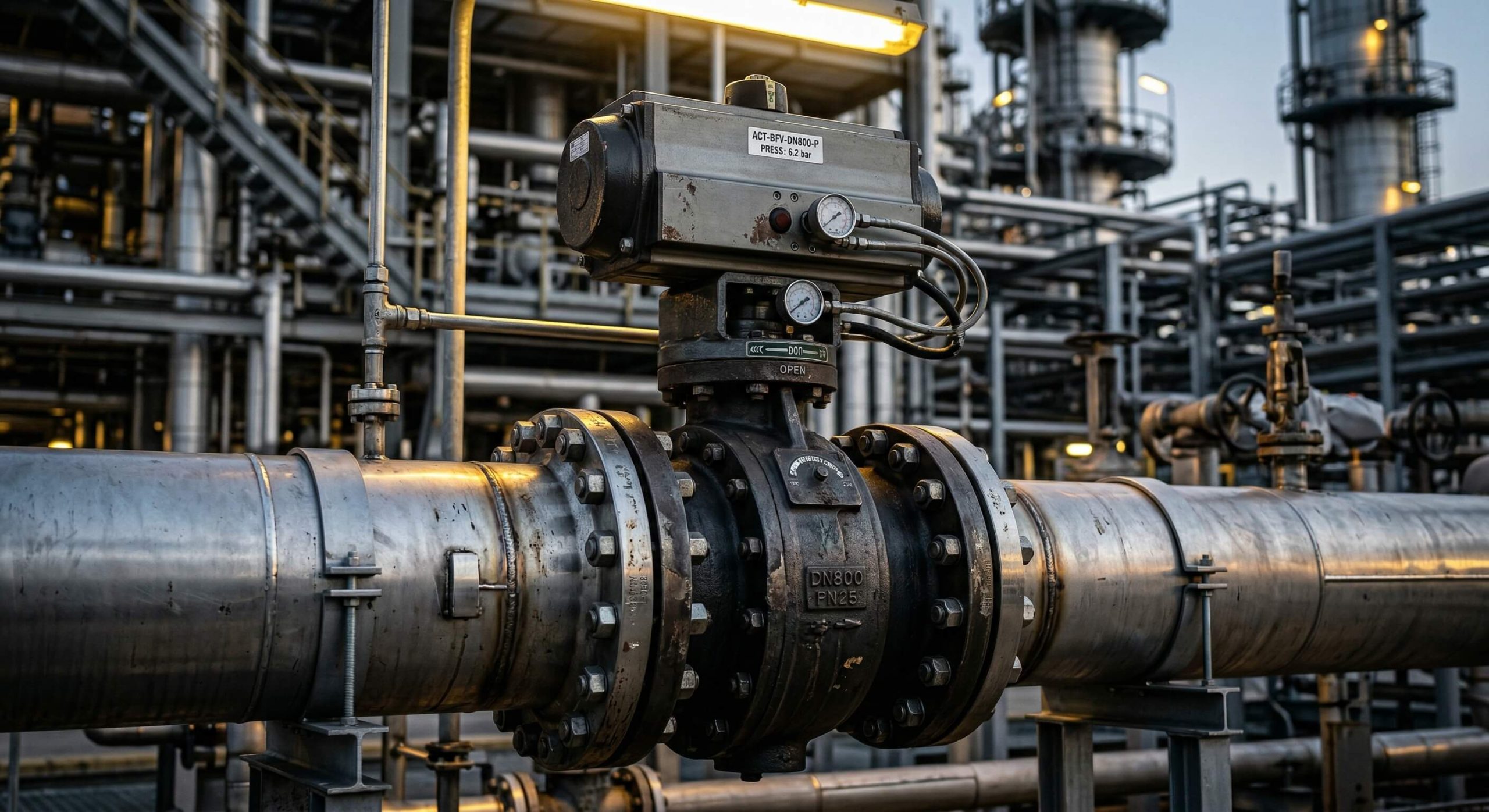
A rotating disc regulates fluid flow by turning ninety degrees inside pipes. Industrial pipe leaks cause massive product loss alongside severe environmental hazards. One single failure ruins an entire production schedule incredibly fast. An effective quarter-turn seal stops media leakage permanently while maintaining system integrity. You can easily master how butterfly valve works by reviewing core mechanical principles below. Trusting proven engineering standards guarantees long-term pipeline safety everywhere.
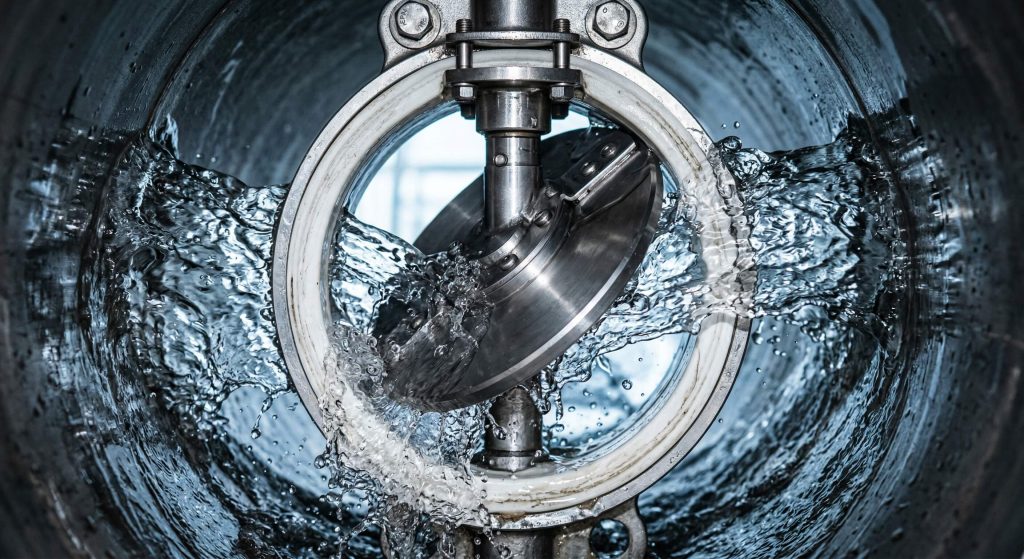
1. What Explains How Butterfly Valve Works Fast?
A central circular plate rotates exactly ninety degrees inside its tubular housing. Understanding how butterfly valve works involves studying this immediate shutoff capability thoroughly. Operators turn an exterior handle causing immediate internal disc movement without hesitation. Such direct mechanical linkage guarantees rapid fluid control across different manufacturing systems.
Core Mechanical Principles
These devices rely upon simplicity for maintaining consistent performance levels. A sturdy metal stem connects an actuator directly with internal blocking plates. Here is the deal… fewer moving parts mean fewer potential failure points. Plant managers appreciate such reliable engineering during critical high-pressure operations.
Achieving Flow Efficiency
- Quick response times happen effortlessly.
- Pressure drops remain surprisingly low.
- Compact designs save valuable installation space.
You easily save significant energy when deploying these efficient units daily. Industrial plants experience fewer costly downtime events through smart equipment selection.
Key Component Breakdown
Knowing specific parts helps maintenance teams diagnose potential issues quickly.
Key Takeaway: Simple quarter-turn mechanics guarantee rapid response times across demanding industrial environments everywhere.
| Component Name | Primary Function | Typical Material |
|---|---|---|
| Central Disc | Blocks or allows fluid passage | Stainless Steel |
| Resilient Seat | Forms bubble-tight seals | EPDM Rubber |
| Actuator Stem | Transfers rotational torque | Hardened Carbon |
Such strong materials guarantee long-lasting performance under extreme pipeline pressures consistently.
2. Does Food Processing Show How Butterfly Valve Works?
Food processing environments perfectly demonstrate quarter-turn mechanisms preventing biological contamination successfully today. Watching production lines shows clearly how butterfly valve works during continuous heavy operation. Food grade white seats provide incredibly safe environments inside beverage facilities globally. These specialized regulators handle thick viscous materials without causing unwanted pipe blockages.
Sanitary System Requirements
Hygiene standards demand equipment capable of surviving harsh chemical cleanings constantly. Smooth internal surfaces prevent dangerous bacteria buildup around sensitive pipe joints. What is the real story? Poorly designed equipment ruins entire product batches costing companies millions overnight. You must install certified sanitary components protecting end consumers flawlessly.
Material Selection Benefits
- White elastomeric seats resist aggressive washing chemicals effectively.
- Stainless steel bodies reject rust formation completely.
- Polished discs eliminate microscopic biological hiding spots.
Workers clean these setups quickly lowering total facility maintenance costs. Efficient sanitation cycles keep food production running smoothly day after day.
Evaluating Hygiene Features
Engineers select specific designs matching strict government safety regulations perfectly.
Key Takeaway: Certified food-grade components protect public health while keeping manufacturing operations highly efficient.
| Feature Type | Health Benefit | Maintenance Impact |
|---|---|---|
| Smooth Polish | Stops bacteria growth | Easy cleaning |
| White Seat | Shows dirt instantly | Fast visual checks |
| Metal Body | Resists harsh acids | Long lifespan |
Strict adherence regarding sanitary standards prevents disastrous food safety recalls entirely.
3. Can Refineries Prove How Butterfly Valve Works?
Petroleum plants perfectly prove this by pushing hot liquids through massive pipes under extreme thermal stress. Examining these harsh locations reveals exactly how butterfly valve works fighting massive pressures. High-performance triple offset designs handle dangerous flammable liquids safely every single day. These fire-safe units maintain bubble-tight seals despite incredibly hostile chemical conditions.
High-Performance Designs
Standard rubber seats melt rapidly inside boiling hot petroleum processing pipes. Engineers specify solid metal seats handling extreme temperature fluctuations without warping. Ready for the good part? Triple offset geometry eliminates friction preventing premature metal seat degradation. You gain immense peace knowing critical infrastructure remains secure against leaks.
Managing Flammable Liquids
- Fire-safe certifications guarantee temporary sealing during disasters.
- Heavy steel bodies withstand enormous external physical shocks.
- Specialized packing stops dangerous fumes from escaping upward.
Safety teams depend upon these rugged mechanisms protecting vulnerable plant personnel. Strong engineering prevents catastrophic environmental disasters near sensitive ecological zones constantly.
Extreme Condition Solutions
Harsh chemical environments require highly specialized mechanical flow control solutions.
Key Takeaway: Triple offset designs provide ultimate protection against catastrophic failures inside volatile refineries.
| Valve Design | Thermal Rating | Primary Use Case |
|---|---|---|
| Triple Offset | Extreme Heat | Hot Oil Transfer |
| Double Offset | High Pressure | Steam Lines |
| Resilient Seat | Normal Temp | Cooling Water |
Matching equipment capabilities with specific environmental challenges guarantees maximum facility safety.
4. Do Shut Off Systems Reveal How Butterfly Valve Works?
Yes, a reliable fluid barrier stops huge water volumes instantly without dripping. This basic isolation function explains exactly how butterfly valve works inside municipal plants. Large diameter pipelines require lightweight solutions avoiding heavy structural support costs. These compact units replace bulky gate alternatives saving valuable installation space.
General Isolation Duties
Operators close pipelines completely whenever performing mandatory scheduled maintenance work. Bubble-tight seals guarantee dry working conditions protecting vulnerable maintenance crews below. This is where it gets interesting… quarter-turn operation means faster emergency shutdowns during crisis events. You stop massive floods quickly twisting one single external control lever.
Space Saving Advantages
- Narrow profiles fit between tight pipe flanges easily.
- Lighter weights require less structural steel support framing.
- Simple designs reduce total project installation budgets heavily.
Contractors prefer installing these compact devices lowering heavy lifting equipment expenses. Smaller footprints allow engineers greater flexibility designing complicated underground piping layouts.
Comparing Closure Methods
Different isolation mechanisms offer unique benefits depending upon specific application requirements.
Key Takeaway: Compact quarter-turn isolation devices save significant space while providing perfectly tight shutoffs.
| Equipment Type | Profile Size | Closure Speed |
|---|---|---|
| Quarter-Turn | Very Narrow | Extremely Fast |
| Gate Style | Very Bulky | Slow Turning |
| Globe Style | Medium Bulky | Moderate Speed |
Choosing lightweight isolation equipment reduces structural engineering complexities across massive projects.
5. How Butterfly Valve Works Aboard Giant Ships?
Marine vessels pump millions of corrosive saltwater gallons through ballast systems daily. Exploring ship engine rooms shows how butterfly valve works surviving rough sea conditions. Naval architects specify aluminum bronze materials resisting aggressive marine corrosion perfectly. Tight spaces below deck make compact fluid regulators absolutely mandatory aboard ships.
Saltwater Challenges
Ocean environments destroy standard iron pipes within just a few months. Specially formulated alloys withstand constant exposure protecting critical internal vessel cooling systems. You might be wondering… why marine engineers trust these specific components. Approved ABS materials guarantee structural survival during violent ocean storm surges.
Marine Application Areas
- Ballast tanks regulate vessel stability constantly.
- Engine cooling systems require uninterrupted ocean water flow.
- Bilge pumps expel unwanted internal water safely overboard.
Sailors rely heavily upon dependable fluid control managing daily vessel operations. Faulty equipment far out at sea causes potentially fatal maritime emergencies.
Naval Engineering Standards
Maritime regulatory bodies enforce extremely strict equipment manufacturing rules globally.
Key Takeaway: Corrosion-resistant marine components guarantee safe voyage completion across unpredictable ocean environments.
| Material Alloy | Corrosion Resistance | Best Marine Use |
|---|---|---|
| Aluminum Bronze | Extremely High | Saltwater Lines |
| Duplex Stainless | Very High | Chemical Cargo |
| Cast Iron | Very Low | Freshwater Only |
Selecting proper maritime alloys prevents rapid equipment degradation during long voyages.
6. What Fluid Dynamics Guide How Butterfly Valve Works?
Moving liquids change pressure rapidly while passing narrow internal pipe restrictions. Analyzing this turbulence explains clearly how butterfly valve works managing volume effectively. A central disc creates split flow streams inducing specific hydrodynamic drag forces. Engineers calculate these precise flow coefficients predicting system behavior under stress.
Managing Liquid Turbulence
Fast moving water creates destructive vibrations against internal pipe walls continuously. Throttling applications require careful disc positioning preventing harmful cavitation bubbles forming. Here is the deal… ignored cavitation destroys solid metal bodies surprisingly fast. You must analyze specific flow rates avoiding severe mechanical damage totally.
Flow Coefficient Metrics
- Higher Cv values indicate greater liquid volume capacity.
- Full open positions minimize internal fluid friction dramatically.
- Partial openings create intentional pressure drops downstream quickly.
System designers utilize these mathematical values sizing equipment properly for projects. Incorrectly sized regulators cause severe operational inefficiencies wasting expensive pump energy.
Understanding Pressure Drops
Careful calculations prevent unexpected system failures resulting from severe liquid turbulence.
Key Takeaway: Precise fluid dynamic calculations guarantee stable pipeline operations avoiding destructive cavitation damage.
| Disc Position | Flow Stream | Pressure Drop |
|---|---|---|
| Fully Open | Smooth Laminar | Very Minimal |
| Half Open | Highly Turbulent | Moderate Drop |
| Near Closed | Extreme Velocity | Maximum Drop |
Proper disc positioning balances volume demands against acceptable mechanical wear limits.
7. Does Seat Material Affect How Butterfly Valve Works?
Absolutely, flexible rubber rings compress tightly against metal discs stopping fluid completely. Investigating these seals reveals how butterfly valve works creating reliable bubble-tight closures. Different chemicals demand specific elastomer compounds preventing rapid material swelling issues. Teflon seats handle highly corrosive acids destroying standard rubber components instantly.
Elastomer Properties
Soft materials provide excellent sealing capabilities across low pressure water systems. Industrial plants use EPDM rubber managing basic cooling lines very cost effectively. What is the real story? Improper material selection causes catastrophic toxic chemical leaks quickly. You should match elastomer characteristics against conveyed media properties absolutely perfectly.
Chemical Compatibility Rules
- Nitrile rubber handles oily petroleum based liquids safely.
- Viton elastomers survive extremely high temperature acidic environments.
- Pure Teflon rejects sticky materials preventing internal mechanism jamming.
Maintenance personnel replace worn seals periodically maintaining maximum factory safety standards. Consistent inspection routines identify degrading elastomers before sudden catastrophic ruptures occur.
Seal Selection Criteria
Matching flexible compounds against specific industrial fluids guarantees long lasting seals.
Key Takeaway: Proper elastomer selection prevents dangerous chemical leaks protecting plant personnel effectively.
| Seat Compound | Media Type | Temperature Limit |
|---|---|---|
| EPDM Rubber | Clean Water | Medium Heat |
| Buna-N (Nitrile) | Light Oils | Medium Heat |
| PTFE (Teflon) | Harsh Acids | High Heat |
Careful chemical compatibility reviews prevent premature equipment failures saving enormous replacement costs.
8. Can Actuators Control How Butterfly Valve Works?
Yes, motorized boxes mount above pipes providing massive turning force automatically today. Studying these power units shows how butterfly valve works without human intervention. Pneumatic cylinders use compressed air driving central stems forcefully during emergencies. Electric motors offer precise throttling control managing exact liquid flow rates.
Automation Advantages
Modern factories operate thousands of pipelines simultaneously from central control rooms. Manual operation becomes physically impossible across massive sprawling industrial manufacturing complexes. Ready for the good part? Automated setups react instantly toward dangerous pressure spikes automatically. You improve worker safety keeping personnel away from hazardous chemical zones.
Power Source Options
- Compressed air cylinders provide extremely fast emergency closure speeds.
- Electric motors offer smooth continuous positional adjustments accurately.
- Hydraulic rams deliver massive torque handling giant diameter pipes.
Engineers select actuation methods based upon specific facility power availabilities primarily. Reliable automation prevents costly human errors during complex manufacturing batch processes.
Controlling Flow Rates
Smart positioning devices communicate directly with factory computer networks sharing data.
Key Takeaway: Automated actuators provide precise flow control improving total industrial manufacturing efficiency.
| Actuator Type | Power Source | Primary Advantage |
|---|---|---|
| Pneumatic | Compressed Air | Fastest Speed |
| Electric | Wired Current | High Precision |
| Hydraulic | Fluid Pressure | Maximum Torque |
Implementing modern automation technology transforms aging factories into highly efficient operations.
9. Do Maintenance Routines Alter How Butterfly Valve Works?
Yes, regular cleaning prevents sticky residues jamming internal moving mechanical parts permanently. Reviewing service schedules shows how butterfly valve works remaining reliable over decades. Technicians lubricate exposed stems preventing corrosive rust buildup under humid conditions. Replacing worn rubber seats restores original factory sealing capabilities very affordably.
Scheduled Service Benefits
Ignoring basic upkeep guarantees sudden equipment breakdowns stopping factory production completely. Preventative care involves measuring disc wear using precise electronic calibration tools. This is where it gets interesting… proactive repairs cost far less than emergency replacements. You protect capital investments extending heavy equipment lifespans through diligent care.
Common Repair Tasks
- Inspecting external bodies reveals dangerous microscopic stress cracks early.
- Tightening flange bolts prevents tiny invisible liquid drips forming.
- Testing automated actuators guarantees reliable emergency shutdown sequence activation.
Dedicated service crews keep critical infrastructure operating smoothly year after year. Proper documentation tracks component lifespans predicting future replacement needs very accurately.
Prolonging Equipment Life
Consistent attention toward mechanical health prevents disastrous industrial pipeline ruptures entirely.
Key Takeaway: Rigorous maintenance schedules guarantee long lasting reliable performance across demanding applications.
| Maintenance Task | Frequency | Target Problem |
|---|---|---|
| Visual Check | Weekly | External Leaks |
| Lubrication | Monthly | Stem Sticking |
| Seat Replacement | Biannually | Internal Drips |
Proactive servicing strategies save industrial facilities substantial money avoiding sudden production stoppages.
10. What Safety Standards Govern How Butterfly Valve Works?
Global engineering organizations publish strict rules dictating proper metal casting methods safely. Reading these legal documents clarifies how butterfly valve works protecting human lives. Pressure testing proves physical strength before components leave manufacturing facilities globally. Certifications guarantee reliable performance under specified industrial pipeline operating conditions strictly.
Regulatory Compliance Importance
Insurance companies refuse coverage covering uncertified cheap industrial piping components generally. Manufacturers subject their products toward brutal destructive testing proving ultimate durability. You might be wondering… why so many complex rules exist today. Historic industrial accidents forced governments into demanding higher mechanical safety margins.
Key Certification Bodies
- API sets rules governing volatile petroleum industry equipment safely.
- FDA controls sanitary requirements protecting commercial food processing chains.
- ABS dictates structural survival rules fighting harsh marine environments.
Purchasing certified equipment transfers significant legal liability away from plant owners. Inspectors demand verifiable proof demonstrating full compliance during routine safety audits.
Guaranteeing Plant Security
Adhering firmly toward established engineering codes prevents catastrophic industrial accidents completely.
Key Takeaway: Strict international safety standards guarantee rugged equipment reliability protecting vulnerable factory personnel.
| Standard Body | Industry Focus | Primary Goal |
|---|---|---|
| API | Oil & Gas | Fire Safety |
| FDA | Food & Beverage | Hygiene Control |
| ASME | General Piping | Pressure Handling |
Demanding full regulatory compliance remains absolutely mandatory designing safe modern industrial facilities.
Conclusion
You now understand fundamental mechanical principles governing industrial flow control completely. Stopping dangerous pipeline leaks requires installing highly reliable quarter-turn isolation devices. We provide custom engineered fluid management solutions matching your specific demands. We believe precise fluid control empowers global industrial progress safely everywhere. Please contact us today discussing your next major infrastructure upgrade project. Let our experienced engineering team optimize your critical manufacturing pipeline systems.
FAQ
Q1: What’s the best seat material for food processing?
Certified white EPDM rubber is absolutely perfect. This material resists harsh cleaning chemicals while showing dirt instantly for easy visual hygiene inspections.
Q2: How do I know if my pipeline needs a triple offset design?
Extreme temperatures demand triple offset geometry. Standard rubber melts under refinery heat, whereas solid metal seats handle severe thermal stress without warping.
Q3: Can I use standard cast iron regulators aboard marine vessels?
No, standard iron corrodes rapidly. Saltwater environments require aluminum bronze or duplex stainless alloys resisting aggressive oceanic chemical degradation perfectly.
Q4: What’s the best way to prevent dangerous cavitation damage?
Precise disc positioning prevents destructive turbulence. Calculating exact flow coefficients guarantees your equipment handles required liquid volumes without creating harmful pressure drops.
Q5: How do I know if my actuator is failing?
Sluggish emergency response times indicate severe trouble. Regular testing reveals internal seal wear or power supply inconsistencies before complete automated system failure occurs.