
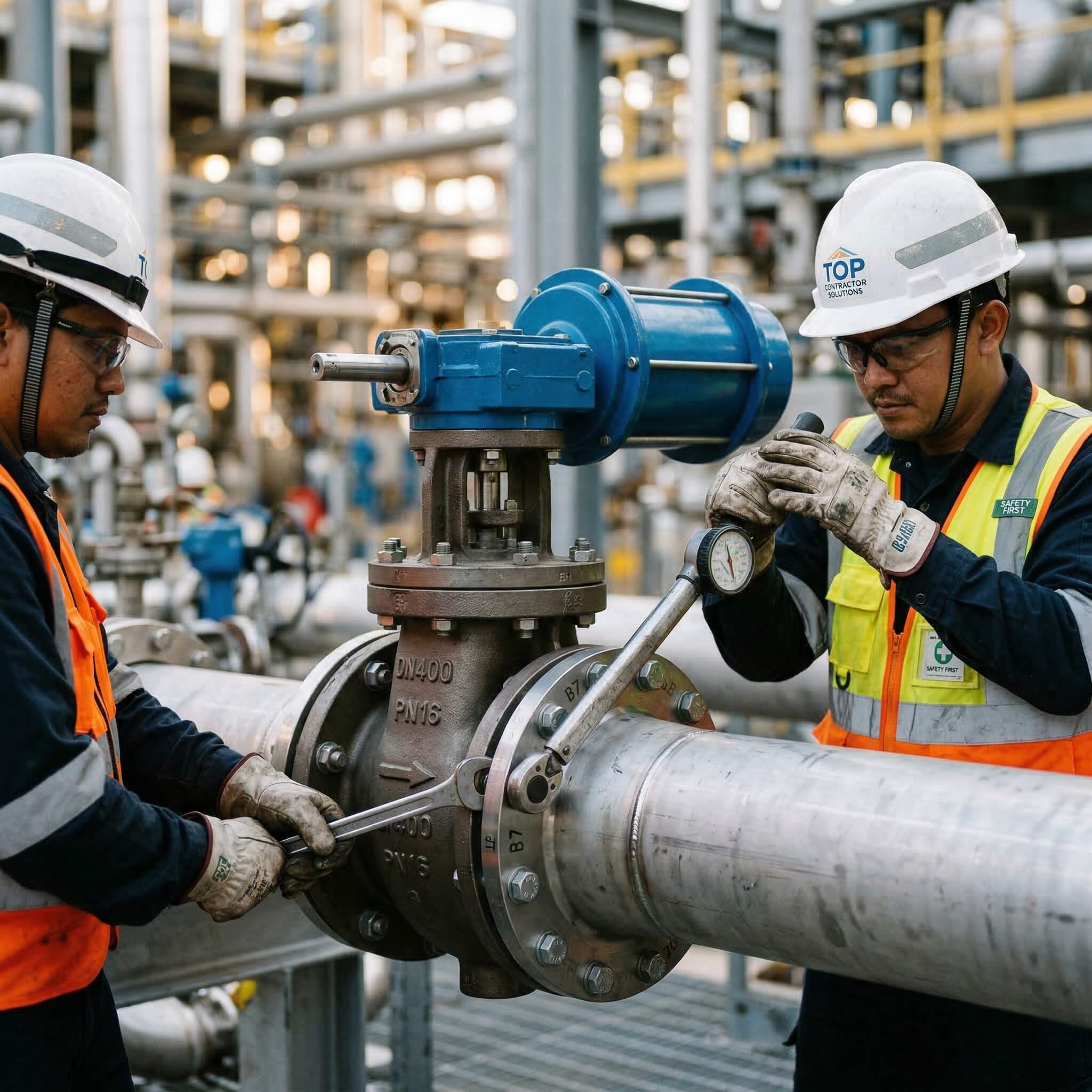
Yes, butterfly valves have a specific flow direction that depends primarily on their internal design and sealing mechanism. You likely face the challenge of installing critical flow control components where a single error in alignment leads to expensive leaks or system downtime. The pressure of maintaining a high-performance pipeline is heavy, especially when incorrect placement compromises safety. By mastering the nuances of butterfly valve orientation, you ensure a reliable seal and maximize the lifespan of your industrial assets.
Does butterfly valve orientation affect performance?
Butterfly valve orientation directly dictates how efficiently the disc creates a seal against the seat under operational pressure. When you align the valve according to manufacturer specifications, the media pressure works with the mechanical force of the actuator to prevent bypass. This is a common principle shared with other precision units like the industrial ball valve, where directional integrity ensures zero leakage.
Sealing Efficiency and Backpressure
Think about it.
- Media pressure helps energize the seat in the preferred direction.
- Reverse flow can pull the disc away from the sealing surface.
- Correct alignment reduces the load on the stem and bearings.
If you install the valve backward, you risk a “sudden failure” scenario during pressure surges. The fluid dynamics within the body are optimized for a specific entry path.
Long-term Component Durability
The result?
- Reduced friction during the opening and closing cycles.
- Lower vibration levels in high-velocity gas or liquid systems.
- Minimal wear on the soft seat liners or metal seals.
Proper placement prevents localized erosion on the leading edge of the disc. This attention to detail protects your total cost of ownership over the valve’s life.
Key Takeaway: Correct directional installation is the most effective way to prevent premature seat wear and ensure the valve meets its pressure rating.
| Factor | Preferred Orientation | Reverse Orientation |
|---|---|---|
| Sealing Level | Bubble-tight (Class VI) | Potential Seepage |
| Disc Vibration | Minimal | High at Throttling |
| Seat Lifespan | Maximum | Significantly Reduced |
Adhering to the flow arrow ensures that the valve’s internal geometry handles the fluid’s kinetic energy without mechanical fatigue.
Is butterfly valve orientation fixed for concentric types?
Butterfly valve orientation is often considered bidirectional for concentric designs, but a “preferred” direction may still exist. These valves feature a stem that passes through the exact center of the disc and seat, providing a symmetrical sealing surface. While they are more flexible than offset models, the side with the actuator mounting often dictates the primary inlet.
Symmetrical Design Advantages
It gets better.
- Both sides of the disc provide an equal sealing force.
- Installation is simplified in pipelines with reversing flows.
- Maintenance teams have fewer variables to manage during replacements.
You can often rely on these for general water or HVAC service without strict directional constraints. However, always verify if the seat liner is reinforced for one-way pressure.
Limits of Bidirectional Flexibility
Believe it or not:
- One direction might offer lower operating torque than the other.
- Extreme velocities can still cause uneven seat deformation.
- Actuators may perform better when the media assists the closing motion.
Even with a concentric design, check the technical manual for any specific mounting requirements. Small adjustments in placement can lead to smoother automation performance.
Key Takeaway: Concentric valves offer the greatest flexibility, but choosing a preferred side can still optimize torque and seat longevity.
| Valve Type | Primary Flow | Reverse Flow Support |
|---|---|---|
| Concentric | Bi-directional | High |
| Rubber-Lined | Bi-directional | Medium |
| Double Offset | Uni-directional | Low (Usually) |
Using the preferred side minimizes the “breakaway” torque required to move the disc from the fully closed position.
Why does butterfly valve orientation matter for eccentric seats?
Butterfly valve orientation is absolutely critical for eccentric or high-performance valves because of their offset geometry. These valves use a “camming” action where the disc only touches the seat at the very last moment of closure. This design is highly effective for severe service, much like the reliable backflow prevention found in a check valve system.
The Mechanics of Offset Sealing
Look at this:
- The disc moves in an elliptical path to clear the seat immediately.
- Pressure from the preferred side pushes the disc into the seal.
- Reverse pressure can force the disc to lift or “unseat” slightly.
Installing these valves backward often results in immediate internal leakage. The mechanical advantage of the offset is lost if the media pushes from the wrong side.
Managing High-Pressure Loads
The truth is:
- High-performance valves rely on media assistance for a tight seal.
- The seat material is often shaped to respond to directional pressure.
- Friction is reduced only when the flow matches the design path.
When you deal with steam or chemical processing, this distinction is a matter of safety. A misaligned offset valve cannot hold back the rated pressure indefinitely.
Key Takeaway: Eccentric valves are designed as pressure-assisted devices; ignoring the flow arrow compromises their ability to seal under load.
| Feature | Preferred Flow Impact | Reverse Flow Impact |
|---|---|---|
| Sealing Force | Media + Actuator | Actuator Only |
| Friction | Low during travel | Potential Interference |
| Leakage Risk | Zero (Class VI) | High at peak pressure |
Correct placement allows the offset geometry to function as intended, providing a frictionless transition between open and closed states.
Can butterfly valve orientation be reversed in HP systems?
Butterfly valve orientation should never be reversed in high-pressure (HP) systems unless the specific model is certified for bidirectional service. High-pressure environments place extreme stress on the disc-to-stem connection and the seat integrity. If the valve is oriented incorrectly, the pressure acts against the actuator’s holding force rather than supporting the seal.
Safety Risks in HP Pipelines
Don’t miss this:
- Sudden pressure spikes can “blow through” a reverse-installed valve.
- The stem may experience excessive shear stress from reverse loading.
- Mechanical failure could lead to hazardous media release.
You must treat the flow arrow as a mandatory instruction in any system operating above Class 150. Your safety protocols depend on the valve performing as a reliable isolation point.
Engineering Exceptions for Reverse Flow
Here is the catch:
- Some specialized triple-offset valves are built for HP bidirectional use.
- These units require reinforced seats and high-torque automation.
- They are significantly more expensive than standard unidirectional models.
Unless your project specifications explicitly demand bidirectional HP performance, stick to the standard alignment. It is the most cost-effective way to ensure system safety.
Key Takeaway: Reversing the flow in high-pressure systems leads to mechanical overstress and likely seat failure.
| System Pressure | Required Orientation | Sealing Reliability |
|---|---|---|
| Low (< 150 PSI) | Flexible (Design dependent) | High |
| Medium (150-300 PSI) | Preferred side recommended | Moderate |
| High (> 300 PSI) | Mandatory as marked | High (When correct) |
Adhering to these pressure-based rules prevents catastrophic seal blowouts during peak industrial operations.
How to determine butterfly valve orientation on-site?
Butterfly valve orientation is typically identified through visual markers provided by the manufacturer during the casting process. When you are on the job site, the first thing to look for is a large cast-in arrow on the valve body. This arrow points in the direction that the media should flow when the valve is in operation.
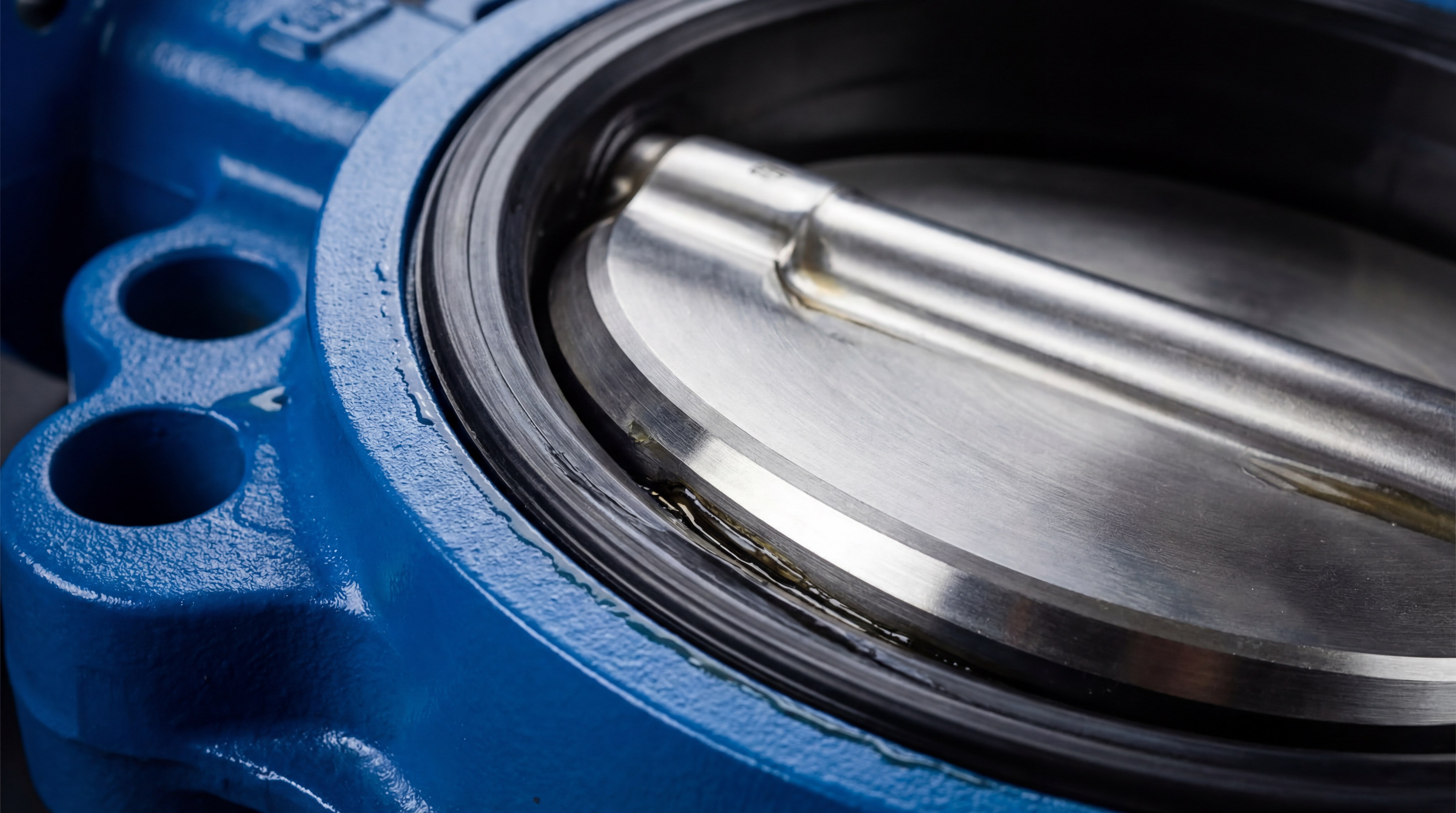
Visual Identification Markers
Think about it.
- Look for “HP” or “INLET” stamps on the flange faces.
- Check the stainless steel nameplate for specific flow diagrams.
- Observe the disc’s offset relative to the stem pivot point.
In a double-offset valve, the “seat side” is almost always the upstream side. If the valve is already painted or insulated, you may need to refer to the original technical submittals.
Physical Inspection Techniques
The result?
- Open the valve slightly to see which way the disc swings.
- Verify the seat’s position relative to the pipeline pressure source.
- Ensure the actuator’s “Closed” limit matches the seat’s position.
It is always better to double-check these markers before the bolts are tightened. A small mistake here leads to a massive labor cost for re-installation later.
Key Takeaway: Always prioritize the cast-in flow arrow and nameplate data to identify the correct inlet side before installation.
| Indicator | Location | Meaning |
|---|---|---|
| Cast Arrow | Side of Body | Primary Flow Direction |
| Seat Offset | Internal Body | Upstream side (Preferred) |
| Nameplate | Near Actuator | Design Specification |
Visual verification prevents the most common cause of installation errors in industrial piping projects.
Does butterfly valve orientation impact actuator torque?
Butterfly valve orientation has a significant impact on the torque required to seat and unseat the disc. When media flows in the preferred direction, the pressure can actually assist in the final closing motion, reducing the load on the actuator. This is similar to the predictable torque requirements found in a precision globe valve.
Torque Spikes in Reverse Flow
Here is the catch:
- Reverse flow forces the actuator to fight against media pressure to seal.
- Breaking torque (opening) can increase by 20% to 30% in reverse.
- Undersized actuators will stall if the orientation is wrong.
You must ensure that your automation package is sized correctly for the intended flow direction. Ignoring orientation often leads to motor burnouts or sheared drive pins.
Dynamic Torque and Disc Stability
Don’t miss this:
- “Dynamic torque” can slam a valve shut if oriented incorrectly.
- Vibration from reverse flow causes wear on the actuator gears.
- Smooth operation is only guaranteed in the preferred direction.
Proper alignment protects your investment in expensive electric or pneumatic actuators. It ensures that the valve responds consistently to control signals.
Key Takeaway: Correct orientation reduces operating torque, allowing for smaller, more efficient actuators and longer hardware life.
| Operation Phase | Preferred Torque | Reverse Torque |
|---|---|---|
| Opening (Breakout) | Baseline | High (+25%) |
| Throttling | Steady | Fluctuating |
| Closing (Seating) | Pressure Assisted | Pressure Resisted |
Maintaining the correct direction ensures that the actuator never exceeds its rated safety factor during normal operation.
Is butterfly valve orientation different in vertical pipes?
Butterfly valve orientation in vertical pipes requires additional consideration for gravity and sediment management. While the flow arrow remains the primary guide, the position of the stem becomes a secondary priority. If the pipe is vertical, you should aim to keep the valve stem in a horizontal position to prevent debris from settling in the bottom bearing.
Stem Positioning for Gravity
Believe it or not:
- Horizontal stems prevent particles from clogging the lower gland.
- This orientation ensures even wear on both pivot bearings.
- It facilitates easier maintenance access from the side.
If you install the stem vertically in a vertical pipe, the bottom bearing acts as a “trash pocket.” This leads to a seized valve or a stem seal leak over time.
Managing Downward Flow Risks
The truth is:
- Downward flow can cause “water hammer” during fast closure.
- Upward flow is generally more stable for the disc assembly.
- Disc “flutter” is more common in vertical downward installations.
You should consult with an engineer if your vertical run involves high-velocity fluids. The table below summarizes the best practices for vertical mounting.
Key Takeaway: In vertical pipes, always follow the flow arrow but keep the stem horizontal to protect the bearings.
| Pipe Orientation | Preferred Flow | Preferred Stem Position |
|---|---|---|
| Vertical | Upward | Horizontal |
| Vertical | Downward | Horizontal |
| Horizontal | Any | Horizontal |
These mounting rules eliminate the mechanical stress caused by gravity and sediment accumulation in the valve’s sensitive areas.
Can incorrect butterfly valve orientation cause seat leaks?
Butterfly valve orientation errors are a leading cause of persistent seat leakage in industrial applications. Without the assistance of media pressure, the seal relies solely on the mechanical interference of the disc. This is often insufficient for high-load scenarios, much like the tight tolerances required for a plug valve.
Erosion of the Sealing Face
Think about it.
- Reverse flow creates turbulence right at the seat interface.
- Small particles are “jetted” between the disc and the seat.
- This creates a permanent leak path that cannot be repaired.
Even a minor drip will eventually erode a metal seat or tear a soft liner. Once the seat is compromised, the valve must be removed and rebuilt.
Sudden Blowout Scenarios
The result?
- Soft seats can be “pulled” out of their grooves by reverse pressure.
- Metal-seated valves may experience localized deformation.
- Total seal failure occurs when you need the isolation most.
In many cases, the valve will pass a low-pressure test but fail as soon as the system reaches full capacity. This makes orientation the most critical factor during the initial commissioning phase.
Key Takeaway: Following the flow arrow is the single most important step in achieving a bubble-tight, Class VI seal.
| Failure Mode | Preferred Orientation | Reverse Orientation |
|---|---|---|
| Internal Leakage | Minimal/Zero | High Risk |
| Seat Deformation | Low | Significant |
| Emergency Repair | Rare | Frequent |
Proper alignment ensures the sealing pair works as a cohesive unit to stop the flow completely.
How does slurry media impact butterfly valve orientation?
Butterfly valve orientation is even more important when dealing with slurries or abrasive media. In these environments, you want the flow to “sweep” the seat clean rather than allowing solids to accumulate. Incorrect placement can create a “shadow” behind the disc where sediment builds up, leading to a jammed valve.
Self-Cleaning Flow Dynamics
Look at this:
- The disc should open “with” the flow to flush the seat area.
- Avoid orientations that create stagnant pockets for solids.
- Horizontal stems are mandatory for slurry to avoid bearing clogs.
Strategic placement can double the life of a valve in mining or wastewater applications. It prevents abrasive particles from being trapped between the disc and the seat.
Protecting the Stem Seal
The truth is:
- Abrasive media will destroy a stem seal if it can settle.
- Orientation affects how much media contacts the packing.
- Flow-to-open designs are generally better for heavy slurries.
Using the right alignment reduces the need for frequent flushing or cleaning cycles. It keeps the valve operational in the harshest conditions.
Key Takeaway: In slurry service, orient the valve so the flow clears the seat and the stem bearings remain free of sediment.
| Media Type | Recommended Orientation | Benefit |
|---|---|---|
| Light Slurry | Flow-to-Open | Seat Flushing |
| Heavy Slurry | Horizontal Stem | Bearing Protection |
| Abrasive Gas | Follow Flow Arrow | Erosion Control |
Adhering to these guidelines ensures your abrasive media doesn’t turn into a maintenance nightmare.
What are the best practices for butterfly valve orientation?
The best practices for butterfly valve orientation involve a systematic approach to pre-installation checks and post-installation verification. At our core, we function as a dedicated partner for your fluid control needs, as detailed on our about page. We emphasize that proper alignment is the foundation of any high-performance pipeline.
Pre-Installation Checklist
You should always:
- Verify the flow arrow on the body matches the system P&ID.
- Ensure the valve is oriented so the actuator is easily accessible.
- Check that the disc has enough clearance to open fully without hitting pipe walls.
A five-minute check on the ground saves hours of dangerous rework in the field. Make sure every member of your installation crew understands these markers.
Final Verification and Testing
The result?
- Perform a functional cycle test before the system is pressurized.
- Document the orientation in the final project “As-Built” drawings.
- Check for smooth operation without any unusual noise or vibration.
These final steps guarantee that the valve is ready for years of trouble-free service. It ensures that future maintenance teams will understand the system’s logic.
Key Takeaway: A disciplined approach to identifying and verifying orientation is the key to long-term valve reliability and safety.
| Action Item | Responsibility | Success Metric |
|---|---|---|
| Match Arrow | Installation Lead | Correct Flow Path |
| Stem Position | Pipefitter | Protected Bearings |
| Cycle Test | commissioning Tech | Smooth Travel |
Adhering to these professional standards guarantees that your butterfly valves will perform at their peak for years to come.
Conclusion
Understanding whether butterfly valves have a flow direction is essential for maintaining the safety and efficiency of your industrial systems. While concentric designs offer some bidirectional flexibility, high-performance offset models require strict adherence to butterfly valve orientation to prevent seat failure and mechanical damage. By following the flow arrow and ensuring proper stem positioning, you protect your infrastructure and maximize the lifespan of your assets.
We are committed to providing the highest quality industrial valves to solve your most complex fluid control challenges. Our expertise as a premier manufacturer ensures that every valve we produce meets the rigorous standards of the oil, gas, chemical, and water industries. We focus on delivering reliable, zero-leak technology that minimizes your operational risks and enhances productivity. To find the perfect valve solutions for your next project, contact us today.
Frequently Asked Questions
Can I install a butterfly valve with the stem pointing down?
It is generally discouraged because it allows sediment and debris to settle directly into the stem seal and bearings. This orientation often leads to premature leakage or a seized valve that is difficult to operate.
What’s the best way to tell if my valve is bidirectional?
The best method is to check the manufacturer’s technical datasheet or the valve nameplate. Generally, rubber-lined concentric valves are bidirectional, while high-performance offset valves will always have a mandatory flow arrow.
How do I know if my valve is concentric or eccentric?
Look at the stem’s position relative to the disc; if the stem passes through the center of the disc and seat, it is concentric. If the stem is offset behind the disc, it is an eccentric design meant for higher pressures.
Can a bidirectional valve be installed backward?
Technically, a bidirectional valve does not have a “backward” side, but there is often a “preferred” direction indicated to minimize torque. Following this preferred direction will extend the life of your actuator and seat.
What happens if I ignore the butterfly valve orientation?
You risk significant internal leakage, accelerated seat wear, and potential mechanical failure of the actuator or stem. In high-pressure systems, ignoring orientation can result in a catastrophic blowout of the pressure-bearing seal.