
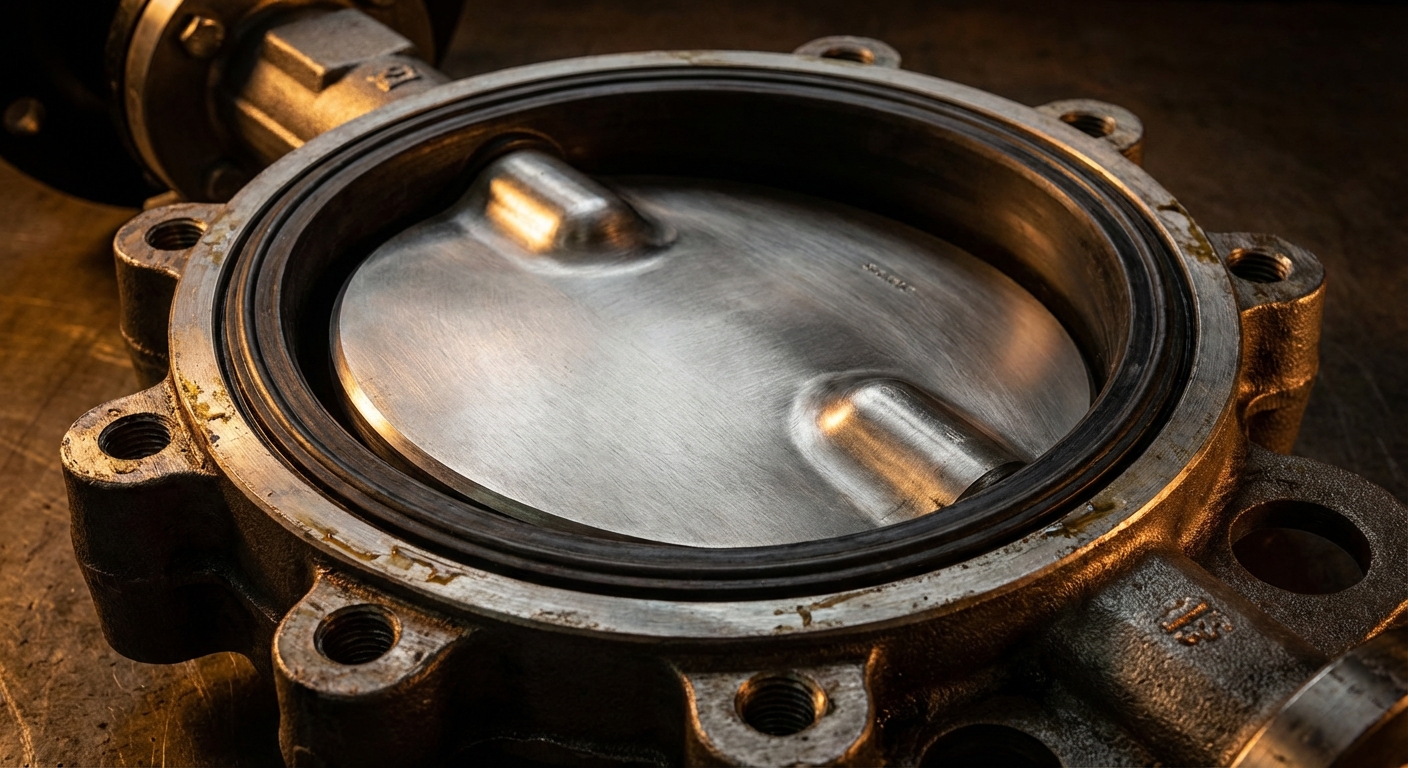
The difference between wafer and lug butterfly valves is primarily how they are attached to the piping system, with wafer types being sandwiched between flanges and lug types featuring threaded mounting points. Imagine your fluid control system failing during a peak production cycle because of an incorrect component choice. This downtime drains your resources and causes significant financial losses that are easily avoidable. You can prevent these headaches by choosing a high-quality wafer connection butterfly valve or lug alternative tailored to your specific mechanical needs.
What Defines a Wafer Connection Butterfly Valve?
A wafer connection butterfly valve is designed to maintain a seal against bi-directional pressure differential to prevent backflow in systems built for unidirectional flow. It achieves this with a tight-fitting seal, such as a gasket or O-ring, and a precision-machined disc. These valves are highly favored in the water treatment and HVAC sectors where space is at a premium.
How does the body design work?
The body of this valve is typically sleek and lacks any external mounting hardware or threaded holes. It is engineered to be as thin as possible while still maintaining the structural integrity needed for industrial flow control. By using less material, it remains a lightweight option that simplifies the initial construction of your pipeline.
Think about this:
- Compact face-to-face dimensions for tight spaces.
- Minimal weight reduces the need for heavy pipe supports.
- Universal design fits most standard flange ratings.
Key Takeaway: The wafer design focuses on compactness and material efficiency, relying on external flange tension for its structural stability.
| Feature | Wafer Style Specification |
|---|---|
| Mounting | Sandwiched between pipe flanges |
| Bolting | Long through-bolts spanning the valve |
| Best Use | Low-pressure, non-dead-end systems |
This data confirms that the wafer design is optimized for space savings rather than independent mounting capability.
Why Is the Lug-Style Design Often Preferred?
Choosing a wafer connection butterfly valve is often a matter of budget, but the lug-style design is preferred when structural independence is a requirement. Lug valves feature metal protrusions called lugs that provide holes matching those in the pipe flange. This allows you to bolt the valve directly to the flange without needing the opposing flange for support.
Does structural independence matter?
Structural independence is vital when you need to perform maintenance on one side of the pipe without disturbing the other. The threaded lugs allow the valve to remain securely attached to the pressurized side of the system. This provides a level of safety that simplified designs simply cannot match in complex industrial environments.
Here is the deal:
- Threaded lugs allow for individual bolting from either side.
- High-strength materials like ductile iron or steel are common.
- Superior performance in high-vibration or high-stress lines.
Key Takeaway: Lug-style valves provide the necessary mechanical support for systems requiring independent pipe removal or higher safety margins.
| Feature | Lug Style Specification |
|---|---|
| Mounting | Bolted directly to pipe flanges |
| Bolting | Short individual bolts for each side |
| Best Use | Isolation and dead-end service |
The analysis shows that the lug design’s inherent strength makes it the safer choice for critical isolation points.
How Does Installation Differ Between These Styles?
Installing a wafer connection butterfly valve requires precise alignment because the valve body lacks fixed mounting points. You must ensure that the through-bolts are tightened evenly to create a uniform seal across the check valve or butterfly seat. Incorrect alignment can lead to the disc striking the pipe wall, which causes immediate mechanical failure.
What about bolting requirements?
Bolting for a wafer setup utilizes long studs that pass through both pipe flanges and the valve body itself. This creates a “sandwich” effect where the seal depends entirely on the tension of these external bolts. In contrast, lug valves use shorter bolts that thread directly into the valve body, making the installation process more modular.
Believe it or not:
- Wafer bolts must be long enough to span the entire assembly.
- Lug bolts are shorter and easier to torque individually.
- Flange alignment is more critical for wafer styles.
Key Takeaway: Installation complexity is higher for wafer valves due to alignment needs, while lug valves offer a more straightforward bolting process.
| Installation Factor | Wafer Method | Lug Method |
|---|---|---|
| Bolt Length | Long through-bolts | Short individual bolts |
| Alignment | Manual centering required | Self-centering via lugs |
| Labor Time | Moderate | Fast |
This comparison highlights that while wafer valves are cheaper to buy, they may require more care during the labor-intensive installation phase.
Is Dead-End Service Possible with All Valves?
You cannot use a wafer connection butterfly valve for dead-end service because it relies on two flanges for its physical support. If you remove the downstream piping, the valve will lose its compression and be forced out of the line by the upstream pressure. This can lead to catastrophic leaks and dangerous conditions for your maintenance crew.
Why is downstream removal critical?
Downstream removal is often necessary during system expansions or when cleaning industrial tanks. Lug-style valves are specifically designed for this purpose, acting as a secure termination point for the pipeline. They allow you to safely disconnect one side of the system while the other side remains under full operational pressure.
The best part?
- Lug valves can hold full rated pressure in one direction.
- Allows for system cleaning without full plant shutdowns.
- Provides a safe “end-of-line” termination point.
Key Takeaway: Dead-end service is a exclusive capability of lug-style valves, making them mandatory for system termination points.
| Service Type | Wafer Compatibility | Lug Compatibility |
|---|---|---|
| Mid-Line Flow | Fully Compatible | Fully Compatible |
| Dead-End Service | Not Compatible | Fully Compatible |
| Isolation Point | Temporary Only | Permanent |
As the evidence suggests, the lug valve is the only viable option for engineers designing for future system flexibility.
Which Valve Offers the Best Cost Efficiency?
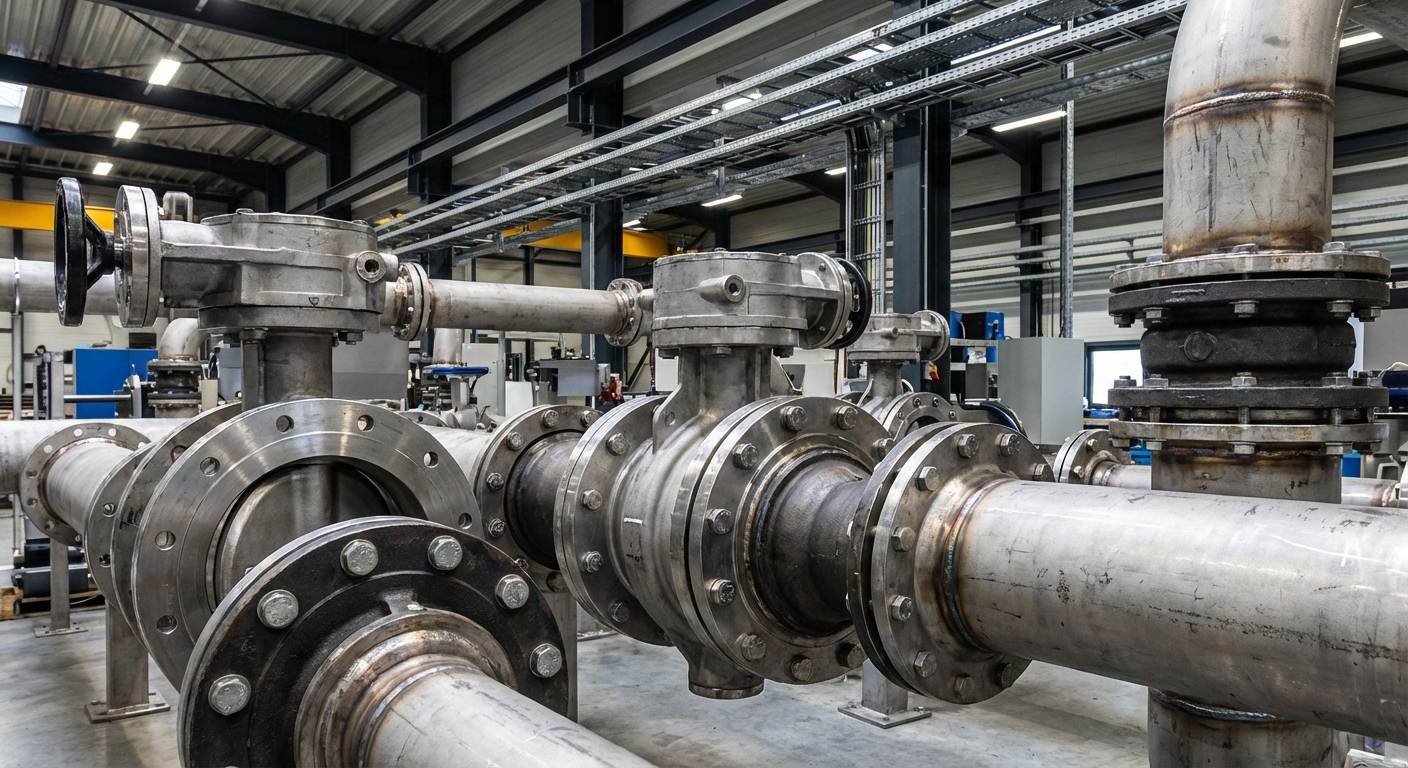
For most standard applications, the wafer connection butterfly valve is the most cost-effective solution on the market. It utilizes less metal in the body and requires simpler manufacturing processes than ball valves or lug-style alternatives. If your project has a strict budget and doesn’t require frequent maintenance, the wafer style is the logical choice.
Are long-term savings guaranteed?
Long-term savings depend on how often you expect to modify your piping system. While the initial purchase price of a wafer valve is lower, the costs of a full system shutdown for maintenance can quickly exceed those savings. You must balance the upfront discount against the potential for operational downtime over the valve’s lifespan.
Keep this in mind:
- Lower shipping costs due to reduced weight.
- Minimal material waste during manufacturing.
- Excellent ROI for permanent, non-critical lines.
Key Takeaway: Wafer valves offer superior upfront value, but lug valves can be more economical if your system requires regular service.
| Cost Factor | Wafer Style | Lug Style |
|---|---|---|
| Initial Price | Lowest | Moderate |
| Material Weight | Minimal | Heavier |
| Shutdown Cost | High (Full Line) | Low (Partial Line) |
The analysis demonstrates that wafer valves are ideal for capital-constrained projects with stable, long-term configurations.
How Do You Achieve Optimal Sealing Performance?
Sealing performance for a wafer connection butterfly valve depends on the quality of the internal seat and the precision of the bolt torque. Because the valve body is compressed between flanges, the seat must be able to handle varying pressures without deforming. This makes the selection of high-quality elastomers or metal seats essential for a leak-free operation.
Do seat materials affect integrity?
Seat materials like EPDM, PTFE, or Viton determine the valve’s resistance to chemicals and extreme temperatures. A well-chosen seat ensures a bubble-tight shutoff even in high-velocity systems. For critical applications, ensure your manufacturer performs 100% pressure testing to verify the integrity of the seal before installation.
The truth is:
- Soft seats provide the best seal for water systems.
- Metal seats are required for high-temperature steam.
- Reinforced liners prevent seat movement under high torque.
Key Takeaway: Optimal sealing is achieved by matching seat materials to your media and ensuring uniform compression during installation.
| Seat Material | Common Application | Pressure Rating |
|---|---|---|
| EPDM | Water & HVAC | PN10/PN16 |
| PTFE | Corrosive Chemicals | PN16 |
| Metal | High Temp/Steam | PN25+ |
This data confirms that the choice of seat material is just as important as the valve’s connection style for overall performance.
Does System Maintenance Influence Your Choice?
Maintenance requirements are a major deciding factor between a wafer connection butterfly valve and a lug style. In many facilities, the inability to isolate a section of the pipe means that a single gate valve or butterfly failure can stop production entirely. You must evaluate how much downtime your operation can realistically afford before finalizing your valve selection.
Can you avoid full system shutdowns?
You can avoid full shutdowns by using lug valves at strategic points throughout your facility. These valves allow you to “block and bleed” sections of the pipe for safe inspection or component replacement. While wafer valves are reliable, their need for a dual-flange connection makes them less flexible for maintenance teams who need to move quickly.
Here is the secret:
- Lug valves remain in place when downstream pipes are removed.
- Simplifies the replacement of pumps and filters.
- Reduces the volume of fluid that must be drained from the system.
Key Takeaway: Lug valves are the superior choice for maintenance-intensive systems where operational uptime is the primary metric of success.
| Maintenance Task | Wafer Valve Process | Lug Valve Process |
|---|---|---|
| Valve Cleaning | Full line shutdown required | Partial isolation possible |
| Seal Replacement | Must remove from line | Accessible via one side |
| Pipe Modification | Requires system drain | Sectional drainage only |
The logic holds that investing in lug valves upfront pays dividends through reduced labor and downtime costs during repairs.
What Are the Pressure Limits for These Designs?
The pressure limits for a wafer connection butterfly valve are typically sufficient for standard industrial use, often reaching PN16 or 230 PSI. However, as pipe diameters increase, the mechanical stress on the long through-bolts becomes a significant concern. For very high-pressure or large-scale water mains, many engineers prefer the more robust housing of the lug-style valve.
Does pipe diameter impact pressure?
Pipe diameter significantly impacts the choice because larger valves face higher total forces against the disc. In sizes above DN600, the added mass and threaded connections of a lug valve help prevent body deformation. If your system operates near the upper limits of standard ratings, upgrading to specialized plug valves or heavy-duty lugs is often the safest path.
Believe it or not:
- Bolt stretch is a risk for large-diameter wafer valves.
- Lug bodies are thicker to resist high internal pressures.
- Sealing integrity is more stable in lugs during pressure spikes.
Key Takeaway: While both styles handle mid-range pressures, lug valves provide a higher safety margin for high-pressure or large-diameter lines.
| Size Range | Wafer Recommendation | Lug Recommendation |
|---|---|---|
| DN50 – DN300 | Highly Recommended | Recommended |
| DN350 – DN600 | Suitable | Highly Recommended |
| Over DN600 | Use with Caution | Required for Safety |
This breakdown illustrates that the physical scale of your project should dictate the robustness of the valve connection you select.
Which Industrial Applications Fit Each Style?
The wafer connection butterfly valve is the undisputed king of the commercial HVAC and fire protection industries. Its small footprint allows it to be installed in tight mechanical rooms and suspended ceilings where every inch of space matters. Conversely, the heavy industrial world of oil, gas, and chemical processing relies almost exclusively on the versatility of the lug style.
Is HVAC the main market for wafer types?
HVAC systems benefit from wafer valves because they provide reliable flow control for chilled water and glycol lines at a low cost. Their lightweight nature means you can use lighter hangers and supports, reducing the overall cost of the building’s infrastructure. In these controlled environments, the limitations regarding dead-end service are rarely an issue for the facility manager.
The best part?
- Low torque requirements allow for smaller actuators.
- Rapid quarter-turn operation for quick isolation.
- Corrosion-resistant coatings extend life in humid rooms.
Key Takeaway: Wafer valves excel in commercial building services, while lug valves are the standard for heavy industrial processing and safety-critical lines.
| Industry Sector | Preferred Valve Style | Key Reason |
|---|---|---|
| Commercial HVAC | Wafer Style | Space and weight savings |
| Chemical Plants | Lug Style | Safety and maintenance access |
| Municipal Water | Both (Based on Size) | Cost vs. structural integrity |
The analysis shows that understanding your specific industry standards is the final step in selecting the correct butterfly valve.
Frequently Asked Questions About Butterfly Valves
Can I use a wafer valve for dead-end service?
Directly stated, no, because wafer valves require two flanges for support and will fail if the downstream piping is removed. Removing the support on one side causes the valve to lose its seal and potentially be ejected from the line.
What is the best way to center a wafer valve?
Precise centering is achieved by using the centering holes on the valve body to align with the flange bolts. This ensures the disc does not strike the pipe wall during operation, which would cause immediate damage.
Can I replace a lug valve with a wafer valve?
Yes, you can replace a lug valve with a wafer type if the face-to-face dimensions and flange standards are identical. However, you must replace the individual lug bolts with long through-bolts and ensure you no longer need dead-end service capabilities.
What’s the best material for a butterfly valve seat?
The best material depends on your media, with EPDM being ideal for water and HVAC, while PTFE is required for corrosive chemicals. For high-temperature steam or oil, specialized metal seats or Viton are often the standard choices.
Can I automate both wafer and lug butterfly valves?
Certainly, both styles are compatible with pneumatic and electric actuators via an ISO 5211 mounting pad. This allows for seamless integration into automated building management or industrial control systems.
Conclusion
Our vision at Ruito is to provide the most reliable flow control solutions through precision engineering and strict quality standards. We are committed to helping you optimize your piping infrastructure with valves that offer 99.5% reliability and 100% pressure testing. To find the perfect component for your next project, please contact us today.