
Fix dn80 pn16 butterfly valve pressure mistakes by approving one operating envelope that covers the fluid, temperature, body pressure, closing differential, connections, and drive. The PN16 designation leaves several of those limits unresolved. RUITO reviews water and glycol duties against the selected construction, material list, pressure-temperature information, and operating requirements.
A cooling-system specification may list PN16 beside every valve while leaving shutdown conditions and glycol concentration blank. The offered valve can then meet the named pressure class without meeting the actual duty. Fill those gaps before ordering, particularly when the same equipment platform serves several temperatures or fluid mixtures.
1. What limits a dn80 pn16 butterfly valve in service?
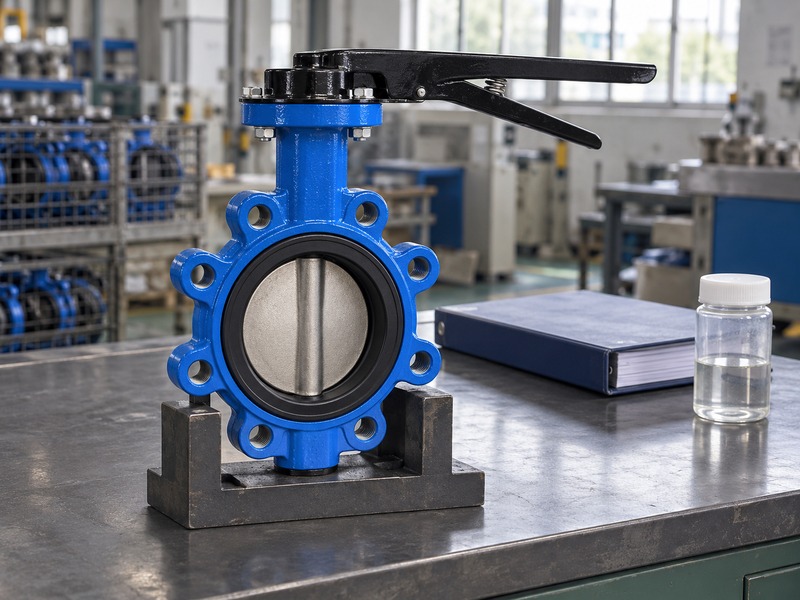
The approved pressure-temperature envelope, closure rating, connection limits, and operating loads govern a dn80 pn16 butterfly valve in service. PN16 identifies a nominal pressure designation rather than permission for every duty at 16 bar. The permitted operating conditions must belong to the same size, materials, seat, body, and connection configuration.
Which limits should appear beside the PN designation?
Ask for the complete duty acceptance. A catalogue pressure class helps identify a product family but leaves the material-specific operating conditions unresolved. The supplier should state allowable pressure at the proposed temperature and the permitted closure differential. Connection ratings and permitted external loads also remain part of the installation review.
RUITO offers DN80 PN16 wafer and lug constructions within their respective configuration limits. Record the approved drawing and material revision beside the accepted duty so later substitutions receive a separate review. Key takeaway: Keep the accepted service limits alongside the PN16 designation.
- Request model-specific pressure-temperature and closure limits.
- Keep medium, materials, connection, and drive in one approval.
| Item | Review |
|---|---|
| Designation | DN80 nominal size and PN16 pressure class |
| Service acceptance | Configuration-specific operating conditions |
2. How do body pressure and seat differential differ?
Body pressure describes the pressure acting on the pressure boundary, while seat differential describes the pressure difference across the closed disc. A dn80 pn16 butterfly valve needs acceptable limits for both. Similar pressures on each side can produce a small differential even while the body contains substantial system pressure.
Which pressures belong in the operating data sheet?
Write down both sides of the closed valve. Identify upstream and downstream conditions during normal operation, shutdown, draining, and any reverse-pressure event. An apparently mild operating duty can become a larger closure differential when one side is depressurized. Ask which direction or directions the selected seat construction accepts at that differential.
Use consistent gauge-pressure units for the stated service ratings. Keep any absolute-pressure requirements for vapor formation or vacuum assessment clearly identified so the reviewer does not confuse those values with gauge pressure. Key takeaway: Approve both body pressure and seat differential for the required duty.
- State pressure on each side for each closure condition.
- Confirm direction, maximum differential, and reopening requirements.
| Item | Review |
|---|---|
| Pressure boundary | Permitted pressure at the service temperature |
| Closed disc | Permitted differential and pressure direction |
3. Which water or glycol conditions must you define?
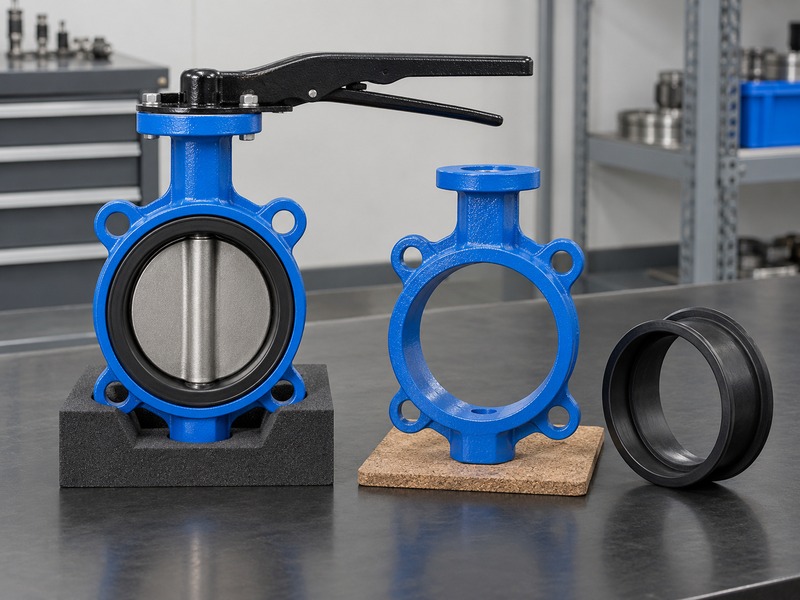
Define the water quality or glycol formulation, concentration, additives, temperature range, and operating pressure before selecting a dn80 pn16 butterfly valve. The medium determines which configuration the supplier can approve. A water-based mixture can require different material, flow, and low-temperature checks from the equipment’s original clean-water duty.
How does RUITO separate ordinary and low-temperature duties?
Specify the mixture by composition and volume concentration. RUITO’s stated circulation-liquid scope covers clean water and inhibited aqueous ethylene glycol at 0–40% by volume, within 5–60°C and no more than 10 barg. The applicable construction still needs review of pH, inhibitors, density, and viscosity. A separately validated wafer low-temperature package covers its own defined fluid and operating window.
Do not combine the ordinary package’s composition range with another package’s minimum temperature. Send the fluid supplier’s properties at the proposed temperatures when glycol changes the original design. Key takeaway: Each fluid configuration retains its own operating window.
- Provide glycol type, concentration, inhibitor details, and properties.
- Identify sub-zero operation and cleaning conditions explicitly.
| Item | Review |
|---|---|
| Ordinary circulation duty | Defined mixture and approved service window |
| Low-temperature duty | Separate package and fluid validation |
4. How should you check temperature derating?
Check temperature derating using the pressure-temperature information for the exact dn80 pn16 butterfly valve configuration. A maximum temperature and maximum pressure printed separately cannot establish that both apply together. Review continuous service, startup, shutdown, and cleaning temperatures against the same material and seat combination.
What should a pressure-temperature document identify?
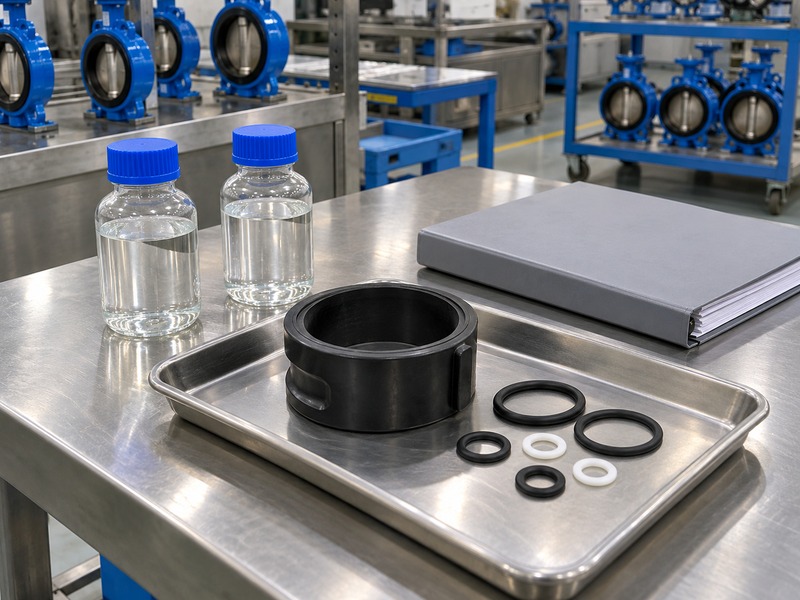
Read the conditions attached to the curve or table. Confirm its model, nominal size coverage, body material, seat construction, and revision before using any plotted limit. Ask whether stated temperatures describe design capability, recommended operating service, or an approval restricted to a particular medium. RUITO’s circulation-liquid acceptance has a defined operating window independent of the PN16 designation.
Where the supplier has not provided a validated intermediate value, request written acceptance rather than inventing a linear derating calculation. Preserve the accepted document with the purchase specification. Key takeaway: Use the accepted configuration’s data for each combined operating point.
- Match the curve or table with the offered construction.
- Check combined pressure and temperature at every operating state.
| Item | Review |
|---|---|
| Document identity | Exact configuration and controlled revision |
| Operating point | Accepted pressure and temperature together |
5. How do you establish the maximum closing differential?
Establish maximum closing differential from the highest credible pressure difference during the required closing and closed conditions. A dn80 pn16 butterfly valve may face a larger differential during isolation than during normal circulation. Use the system’s operating cases rather than assuming the pump’s normal indicated pressure represents every closure condition.
Which operating cases should the engineer review?
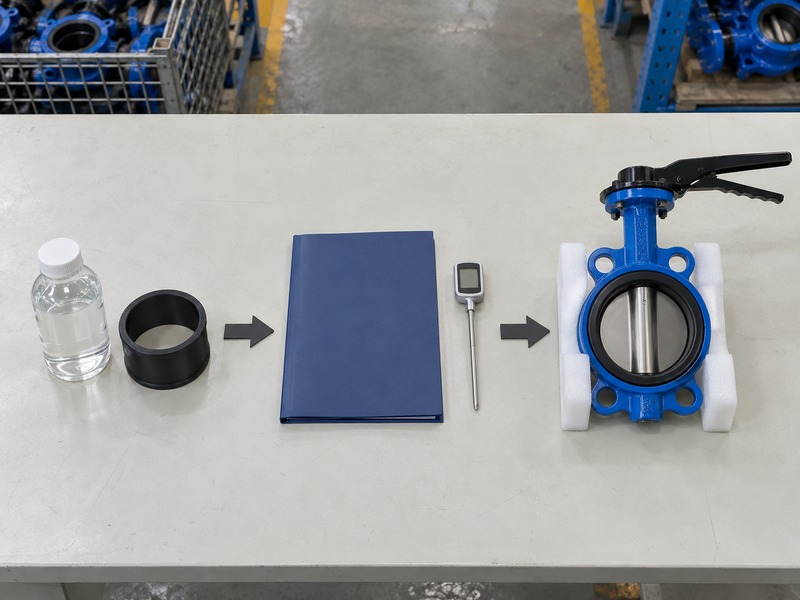
Trace where pressure remains after isolation. Review pump operation, downstream draining, interconnected pressure zones, bypass arrangements, and any reverse loading. Identify whether the valve must close against flow or operate only after the relevant pumps stop. If end-of-line isolation is required, obtain approval for the exact lug configuration and maintenance condition.
RUITO’s validated water-service lug end-of-line scope is limited to 5–40°C and a differential no higher than 10 bar. Its independent validation cannot be inferred from the PN16 marking or ordinary pipeline installation. Key takeaway: Recorded closure cases provide the basis for seat and drive selection.
- Review isolation, draining, reverse loading, and pump states.
- State any end-of-line requirement as a separate duty.
| Item | Review |
|---|---|
| Closure case | Maximum differential and direction |
| Maintenance case | Specific isolation and support approval |
6. What changes when pressure can rise during a surge?
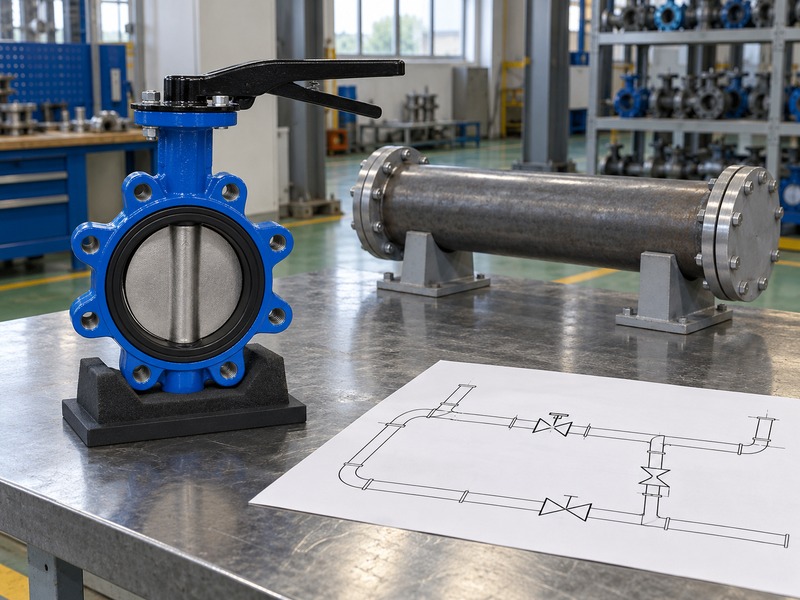
A possible surge adds a transient-pressure case that needs review alongside steady operation. Selecting a dn80 pn16 butterfly valve from normal system pressure alone leaves that case unresolved. Pump stops, starts, control actions, and valve closure schedules can change the pressure history seen by the valve and adjacent piping.
What should the project reviewer obtain from the supplier?
Evaluate the valve within the actual piping system. The project review should address relevant pump events, piping arrangement, boundary conditions, and the proposed closing sequence. The valve supplier can provide the selected assembly’s operating limits and available drive timing information. A slower nominal actuator setting alone cannot prove an acceptable transient response throughout the system.
Review low-pressure events as well as pressure increases where the system assessment identifies them. Refer complex transient behavior for project calculation rather than treating a factory static-pressure result as a surge assessment. Key takeaway: Use the system assessment to approve the valve limits and operating sequence.
- Include credible pump and valve events in the system review.
- Agree operating timing after checking the resulting pressure conditions.
| Item | Review |
|---|---|
| Steady operation | Defined service pressure and flow conditions |
| Transient operation | Reviewed system events and pressure response |
7. How does differential pressure affect the drive?
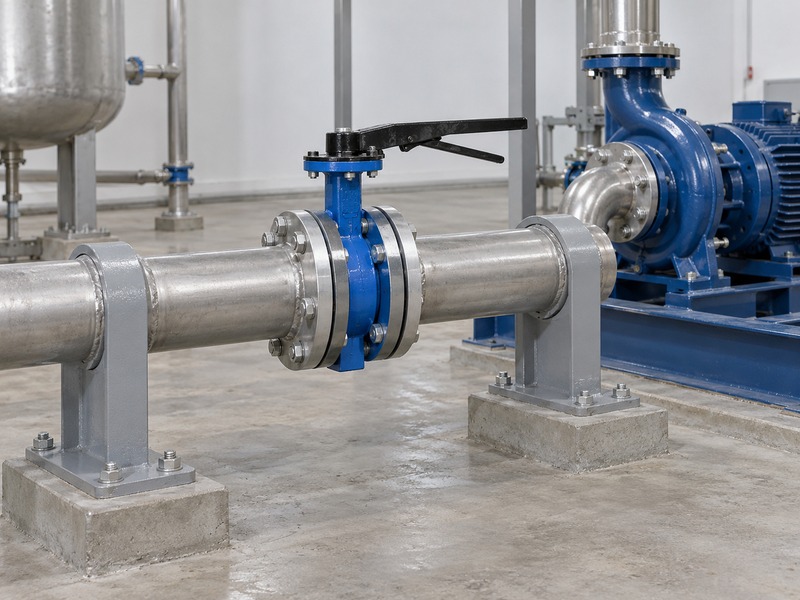
Differential pressure forms part of the torque basis used to select the drive for a dn80 pn16 butterfly valve. A PN16 label does not provide an actuator size, manual operating force, or permitted shaft load.
Which torque conditions should the drive selection cover?
Request torque data for the accepted operating cases. Review breakaway, running, and seating requirements instead of selecting from one unexplained torque number. Compare pneumatic output at the minimum available air pressure and through any spring-return stroke. Electric selection needs the specified supply, operating time, control duty, and suitable protection.
Check that the coupling and shaft can accept the proposed loads. Failure action should remain achievable under the accepted differential and supply-loss conditions. If changing fluid or temperature alters the approved duty, ask the supplier whether the existing drive selection also requires revision. Key takeaway: Check drive output and shaft loads for the same closure duty.
- Match available output with torque throughout the required stroke.
- Confirm minimum supply, failure action, and permitted shaft loads.
| Item | Review |
|---|---|
| Valve requirement | Duty-specific torque and load limits |
| Drive capability | Available output under minimum supply conditions |
8. Which connection and piping limits apply?
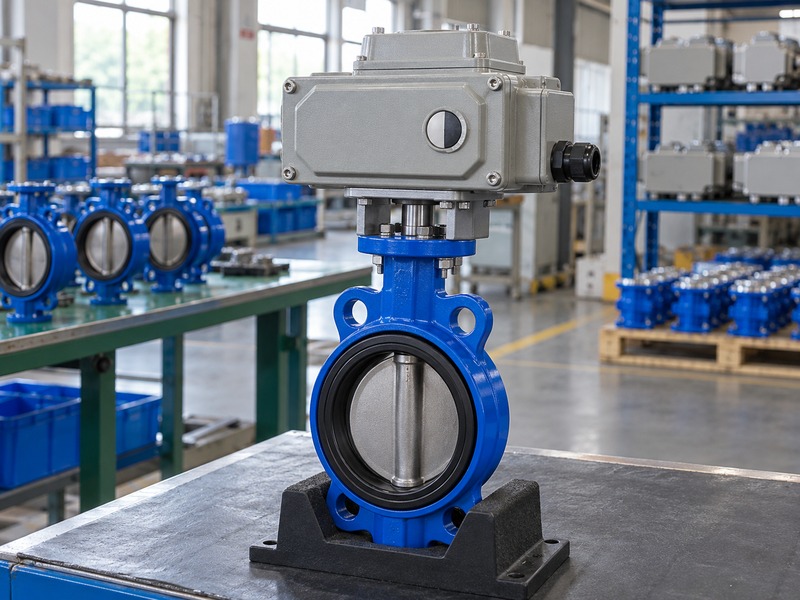
The complete connection and piping arrangement must accept the same pressure, temperature, and loading conditions as the dn80 pn16 butterfly valve. Confirm the mating flange, fasteners, sealing arrangement, and pipe support against the approved assembly. A matching nominal size or bolt pattern cannot establish every pressure or installation requirement.
Where can an apparently compatible assembly lose its rating?
Review the complete joint at the proposed duty. PN and ASME designations require their own standards and pressure-temperature checks rather than direct substitution. Confirm the flange material, fasteners, and installation instructions. Pipe loads and poor alignment can add forces beyond the intended operating pressure.
Check the permitted body and connection loads with the supplier where the arrangement creates uncertainty. Provide supports that prevent the operator or adjoining pipework from imposing unapproved loads. Use the approved tightening procedure so installation does not distort the resilient-seat assembly. Key takeaway: The installed joint and supports must suit the approved valve duty.
- Confirm connection acceptance at the same operating conditions.
- Review alignment, support, and any external loads.
| Item | Review |
|---|---|
| Joint acceptance | Applicable materials, rating, and assembly instructions |
| Piping acceptance | Reviewed alignment, supports, and loads |
9. What must a supplier approve for the exact duty?
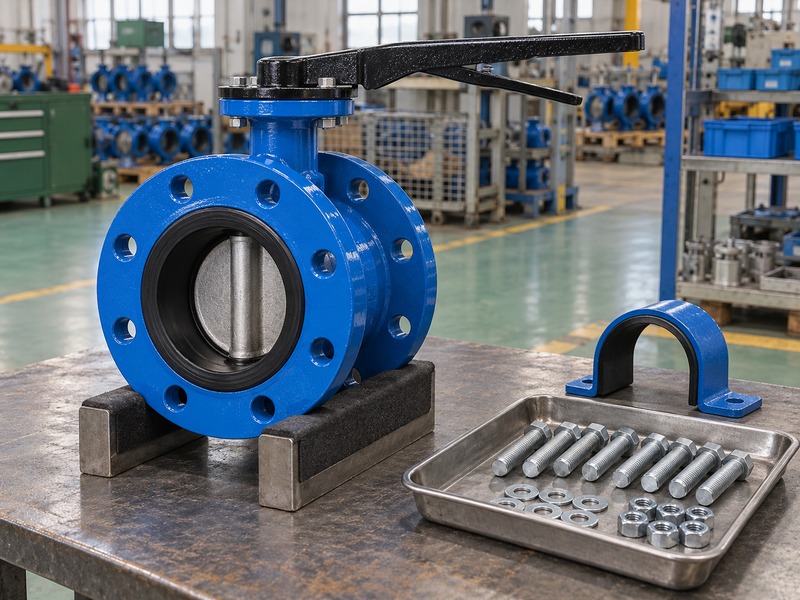
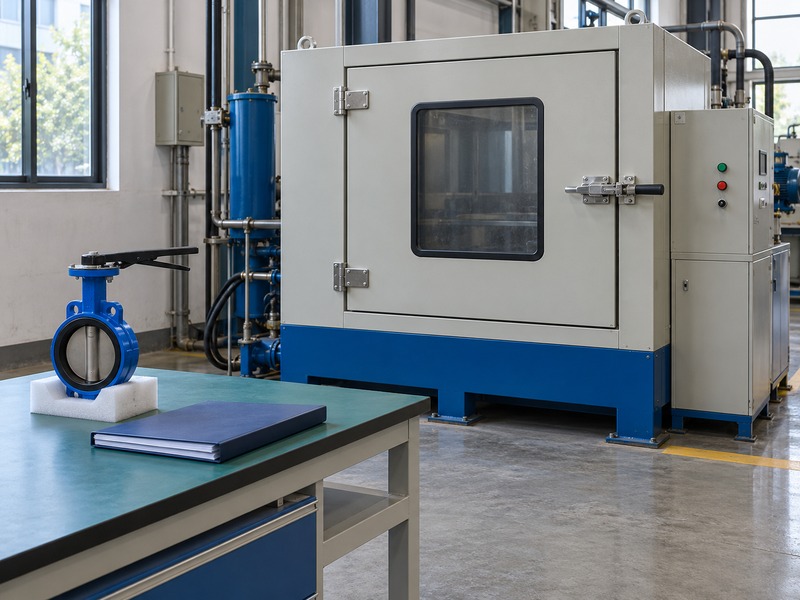
The supplier should approve the specified fluid, operating cases, construction, connections, closure requirements, and drive as a defined dn80 pn16 butterfly valve assembly. RUITO can supply configuration-specific drawings, pressure-temperature information, torque data, and agreed inspection records for that review.
Which evidence should accompany the technical acceptance?
Connect the accepted duty with controlled product documents. Record the material list, drawing revision, applicable service limits, closure direction, and selected drive details. Factory inspection records should correspond to the supplied configuration and product identity. A higher shell or closure test pressure does not authorize operation above the accepted service limit.
Drinking-water projects require separate evidence covering the exact contact materials and applicable approval scope. System or company certificates cannot substitute for that product-specific coverage. Ask the supplier to state remaining conditions explicitly before the engineering team releases the purchase for production. Key takeaway: Keep written duty acceptance with the approved order documents.
- Resolve technical deviations and identify the accepted revisions.
- Separate service acceptance, inspection evidence, and product approvals.
| Item | Review |
|---|---|
| Technical acceptance | Defined duty and controlled construction |
| Supporting evidence | Matching drawings, data, records, and approval scope |
10. When should you reopen an approved selection?
Reopen an approved selection whenever fluid, concentration, temperature, pressure, closure conditions, drive supply, or installation loads change. A dn80 pn16 butterfly valve can retain the same label while its application moves outside the accepted duty. Repeat orders should retain the approved configuration and identify any changes before release.
How do you control changes after commissioning?
Compare proposed changes with the original approval. Adding glycol, changing inhibitors, raising temperature, or altering a pump can require review even when the pipe size stays unchanged. A new actuator or shorter closing time also changes inputs used during the original selection. Send the revised operating cases and affected drawings to the responsible reviewer.
Check whether replacement seats, shafts, or drive parts match the accepted construction and revision. Update operating instructions and spare-parts identification after accepting a change so maintenance teams can follow the revised conditions. Key takeaway: Preserve the revised operating limits for maintenance and repeat purchases.
- Trigger review when operating or installation inputs change.
- Record accepted revisions in maintenance and repeat-order files.
| Item | Review |
|---|---|
| Change trigger | Revised fluid, pressure, temperature, drive, or installation |
| Change record | Accepted review and updated equipment documents |
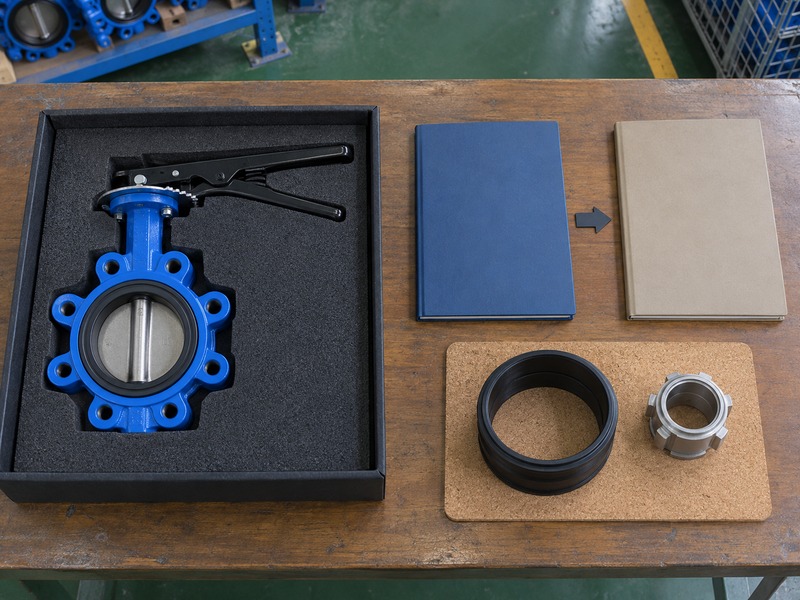
Send RUITO your water or glycol composition, operating temperatures, pressures on both sides, closure cases, connection details, and available drive supply. We can review the proposed construction and identify the documents needed for approval. Share the current data sheet when you contact us about a new selection or changed duty.
FAQ
Q1: Can I run every PN16 butterfly valve at 16 bar?
No. Use the exact model’s accepted pressure-temperature and fluid limits. Closure differential, connections, drive capacity, and transient conditions also need their own checks.
Q2: Can I keep the same valve after adding glycol?
Review the changed duty before reuse. Glycol type, concentration, inhibitors, temperature, density, and viscosity can change the material and operating assessment.
Q3: How do I know which pressure to give the supplier?
Provide the pressure on each side for every required operating and isolation case. Identify maximum body pressure, closing differential, direction, and any assessed transient pressures.
Q4: Can a larger actuator increase the valve’s pressure limit?
No. Drive output cannot raise the accepted body or seat rating. An oversized drive can also exceed permitted coupling or shaft loads.
Q5: What’s the best document to request for approval?
Request a configuration-specific technical acceptance linked to the data sheet, material list, and drawing revision. It should state accepted duty limits and unresolved conditions.