
Qualify double offset butterfly valve manufacturers by tracing the proposed configuration from its controlled drawing through materials, manufacturing checks, accepted tests and release records. Confirm the actual body, seat and duty before evaluating broader capability claims. A factory photograph or general certificate cannot establish that the offered assembly meets your project requirements.
A quotation can include workshop photographs and a certificate while leaving the actual seat variant, inspection criteria or actuator scope undefined. The buyer receives a convincing factory presentation but cannot connect it with the valve being purchased. Ask for an identified configuration and its evidence chain before accepting the supplier’s general description as an order-specific qualification.
1. What must double offset butterfly valve manufacturers confirm?
Qualified double offset butterfly valve manufacturers must confirm the actual construction and supply scope proposed for your service. Identify body connection, offset geometry, seat, materials, size and operating conditions in the offer. Separate the responsible manufacturing site, supplied components and release responsibilities from a general product-family description.
What should the supplier confirm before technical comparison?
Freeze the proposed configuration. Request an identified model or reviewed project construction with its applicable drawings and document scope. A supplier’s concentric-wafer range and separate double-flanged double-offset record cannot establish a combined wafer double-offset offer. Confirm the requested arrangement and any required approval coverage before treating availability, production experience or stock status as established facts.
- Identify the actual proposed body, seat and service configuration.
- Confirm manufacturing and supply responsibilities for that scope.
- Request evidence specific to the requested construction.
Key takeaway: Qualify an identified offer before comparing suppliers through their general product descriptions.
| Check | What you should confirm |
|---|---|
| Product | Offer identifies the actual proposed configuration |
| Responsibility | Manufacturing, supplied parts and release roles are stated |
| Coverage | Required documents and approvals match the offered scope |
2. What do double offset butterfly valve manufacturers document?
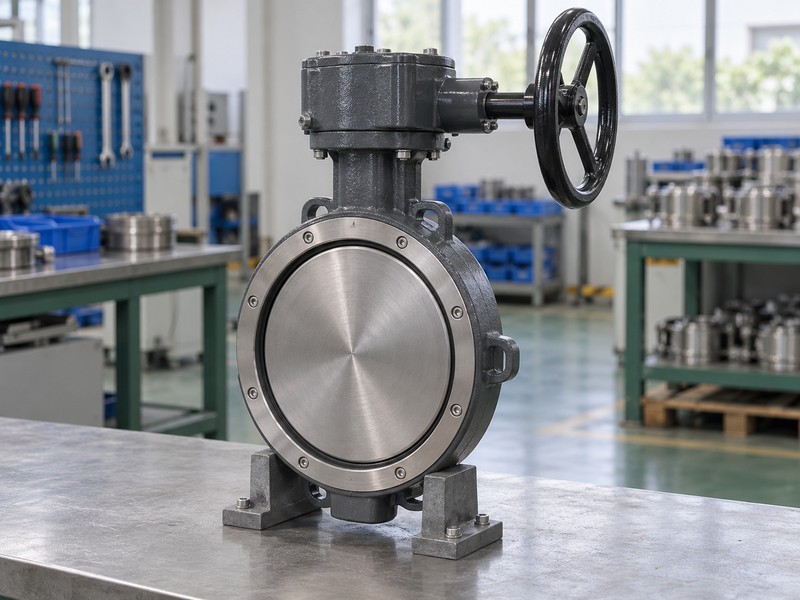
The documents from double offset butterfly valve manufacturers should define the supplied geometry, interfaces and component configuration. Request the controlled general arrangement, relevant sections and bill of materials, with matching revisions. An attractive catalogue outline cannot establish which seat, shaft, retainer or operator belongs to the quoted assembly.
Which drawing and component records should agree?
Match the accepted revisions. Link the assembly drawing, geometry section, material schedule and component list with the order and product identity. Review flange details, face-to-face length, disc envelope and drive interfaces through their selected definitions. Any configuration change should identify affected documents and verification needs before the supplier releases a revised package for manufacture.
- Connect assembly and section drawings with the supplied configuration.
- Match component and material records with accepted revisions.
- Retain identified changes and their required review decisions.
Key takeaway: Use a coordinated drawing and component package as the technical baseline for supplier qualification.
| Check | What you should confirm |
|---|---|
| Assembly | Controlled drawings define geometry and installation interfaces |
| Components | Parts and materials match the accepted configuration |
| Revision | Order, drawings and changes remain traceable |
3. How do double offset butterfly valve manufacturers check parts?
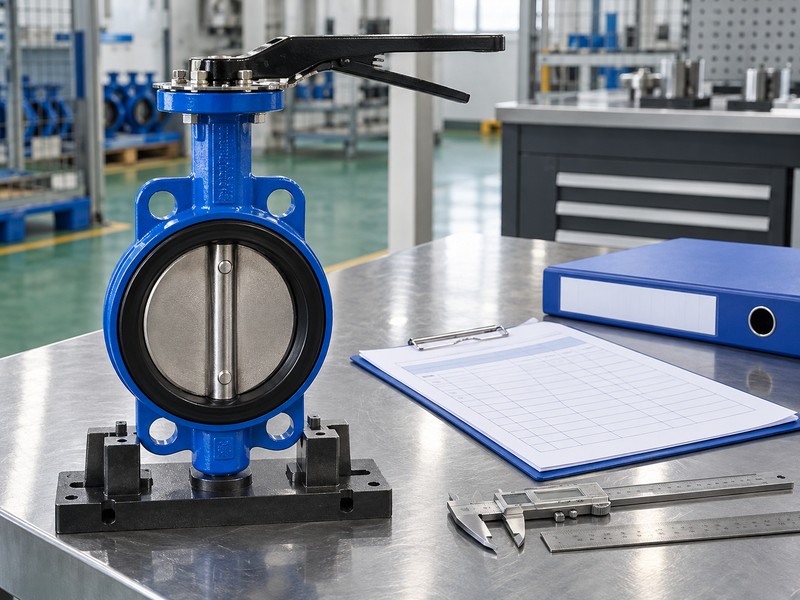
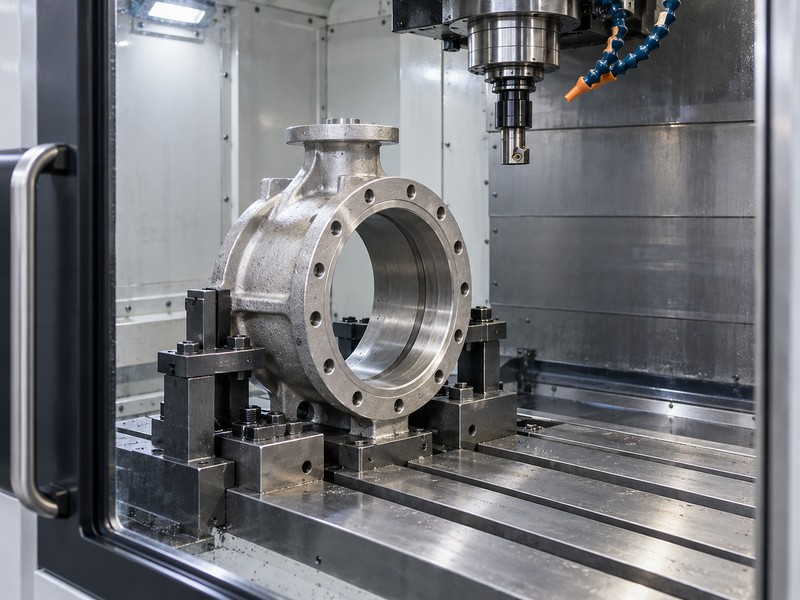
Capable double offset butterfly valve manufacturers should identify manufacturing checks for the features controlling the selected assembly’s fit and function. Ask how seat location, shaft and bearing alignment, disc sealing surfaces and retainer interfaces are verified against the drawing. The required characteristics and tolerances come from that design rather than a generic factory checklist.
Which factory evidence supports those checks?
Follow an identified work record. Review the applicable process route, fixture or datum references, inspection characteristics and accepted results for a traceable part or assembly. Confirm which operations the responsible factory performs and how qualified outside operations are controlled where used. A machine photograph cannot establish dimensional capability without the selected drawing, measurement method and relevant inspection record.
- Identify the design features that require manufacturing verification.
- Review actual process and inspection records for those features.
- Confirm responsibility for performed and externally supplied operations.
Key takeaway: Evaluate manufacturing control through traceable feature checks instead of equipment photographs alone.
| Check | What you should confirm |
|---|---|
| Features | Checks address the selected seat, shaft, disc and retainer |
| Method | Inspection uses defined references and appropriate measurements |
| Result | Recorded acceptance links to an identified part or assembly |
4. How do double offset butterfly valve manufacturers trace parts?
Material traceability from double offset butterfly valve manufacturers should connect the accepted component specification with its supplied material and relevant production batch. Review body, disc, shaft, seat, packing and other specified materials within the actual configuration. A certificate for an unrelated heat or generic material grade cannot establish that connection.
What should a sample traceability review follow?
Trace one supplied identity. Follow a product or component identifier through the accepted material record, applicable heat or batch reference and assembly documentation. Include seat formulation or supplied seal identity and relevant special-process records where the project requires them. Required certificate types and verification methods follow the contract and inspection plan; avoid substituting a general quality-system certificate for component evidence.
- Match component specifications with actual material identities.
- Follow applicable heat and batch references into assembly records.
- Check required seat and special-process evidence within scope.
Key takeaway: Qualify traceability by following actual component identities through their required records.
| Check | What you should confirm |
|---|---|
| Specification | Selected component has an accepted material definition |
| Trace | Relevant heat or batch remains linked to supplied identity |
| Evidence | Required material and process records cover the actual scope |
5. What do double offset butterfly valve manufacturers rate?
The ratings in double offset butterfly valve manufacturers offers must belong to the exact selected size, seat and material construction. Request applicable pressure-temperature limits, closing differential and required pressure direction beside the duty schedule. A family maximum cannot establish the allowable combination for every seat or body variant.
Which technical example shows why configuration identity matters?
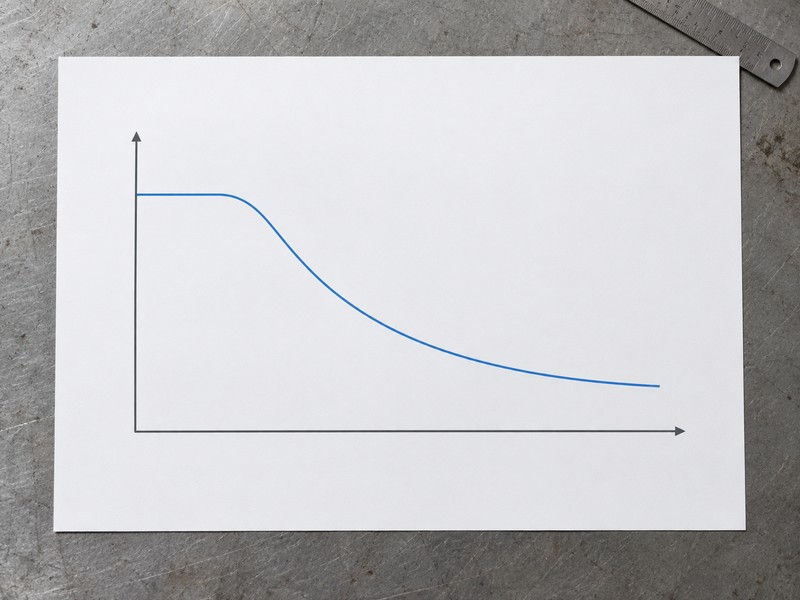
Check the selected rated data. The Keystone K-LOK technical sheet distinguishes seat options and component pressure-temperature data within its identified family. Ask the supplier for the actual offered construction’s operating envelope and restrictions. The conceptual chart supplies no numerical rating, while a shell-test pressure cannot establish allowable service pressure or seat differential.
- Match rating data with the offered seat and materials.
- Review actual operating states and directional differential limits.
- Keep test conditions separate from permissible service limits.
Key takeaway: Qualify the offered operating envelope through actual configuration-specific data.
| Check | What you should confirm |
|---|---|
| Configuration | Rated data describes the selected supplied assembly |
| Service | Required pressure-temperature combinations remain within limits |
| Differential | Selected seat and direction cover the specified shutoff duty |
6. How do double offset butterfly valve manufacturers record tests?
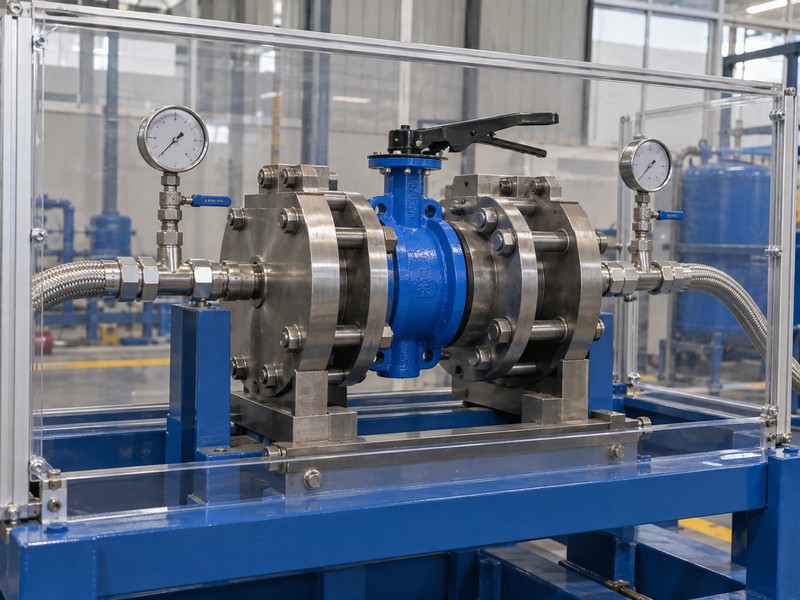
The test evidence from double offset butterfly valve manufacturers should identify the supplied product, applicable method, conditions and acceptance result. Define required shell, closure, external-leakage and functional verification through the approved inspection and test plan. The presence of a test bench cannot establish which tests occurred or what the records accepted.
What should inspection and witness records identify?
Read the actual test record. Match product identity with the specified method and edition, medium, pressure, duration where required, direction and applicable leakage criteria. Retain relevant instrument identification and calibration status under the plan. Witness or hold points need their agreed notice and acceptance records, with the observer’s scope clear rather than inferred from a photograph or a generic signed form.
- Define required tests and criteria in the accepted plan.
- Link actual test conditions and results with product identity.
- Retain agreed witness, instrument and acceptance records.
Key takeaway: Evaluate test capability and acceptance through identified records that match the project’s required scope.
| Check | What you should confirm |
|---|---|
| Scope | Inspection plan states required methods and criteria |
| Execution | Actual test record identifies conditions and results |
| Witness | Agreed attendance and acceptance scope are traceable |
7. Can double offset butterfly valve manufacturers size drives?
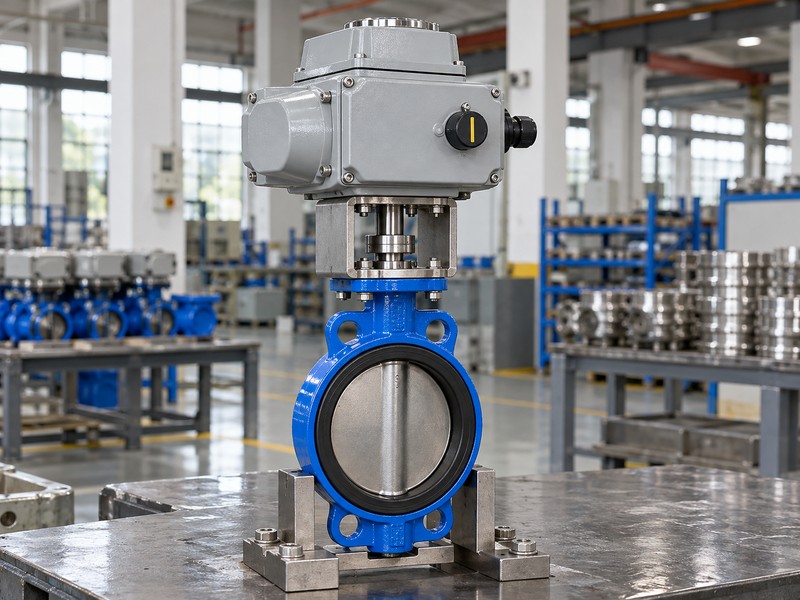
The drive-sizing evidence from double offset butterfly valve manufacturers must connect actual valve demand with the selected operator and permitted component loads. Review seating, unseating, running and relevant fluid torque at the stated service. A common mounting interface cannot establish adequate output or acceptable maximum torque through the assembled drive.
What should the integration package make reviewable?
Compare the complete drive basis. Request the torque schedule, operator output at available supply or specified manual input, shaft and coupling details, and mounting definitions. Retain the basis for any selection allowance and required operating or failure behavior. Identify which assembly checks the supplier includes and which installed functional verification remains with the project, using the selected manuals for physical work.
- Request actual valve demand and operator-output records.
- Review permitted stem, coupling and mounting loads.
- Define supplier assembly checks and remaining project verification.
Key takeaway: Qualify actuator integration through a documented assembly basis and assigned verification scope.
| Check | What you should confirm |
|---|---|
| Sizing | Demand and output use the stated service and supply basis |
| Interfaces | Drive geometry and allowable loads match the assembly |
| Verification | Included checks and remaining responsibilities are explicit |
8. What spares do double offset butterfly valve manufacturers define?
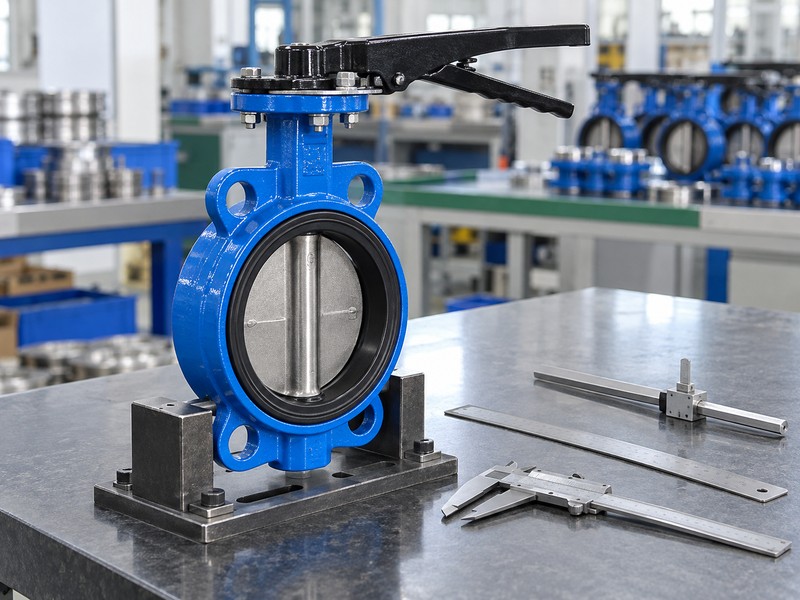
The spare parts from double offset butterfly valve manufacturers need identities and revision coverage that match the supplied construction. Request the selected parts list and replacement instructions for seats, retainers, shaft components, packing and operators where applicable. Similar nominal size or external appearance cannot establish interchangeability.
How should replacement and revision control work?
Retain the supplied baseline. The Bray McCannalok manual identifies a matched disc-and-stem replacement arrangement for its selected construction. Ask each supplier which parts or sets require controlled pairing and what changes trigger renewed verification. Retain approved substitutions and updated documents rather than assuming a later part with the same description preserves every fit, rating or approval.
- Identify actual spare parts and applicable assembly revisions.
- Request required paired-part and replacement instructions.
- Review substitutions through affected interface and duty checks.
Key takeaway: Qualify spare support through actual configuration records and controlled replacement arrangements.
| Check | What you should confirm |
|---|---|
| Identity | Replacement references match the supplied configuration |
| Pairing | Required sets or matched components remain controlled |
| Change | Affected records and verification update with approved substitutions |
9. What do double offset butterfly valve manufacturers pack?
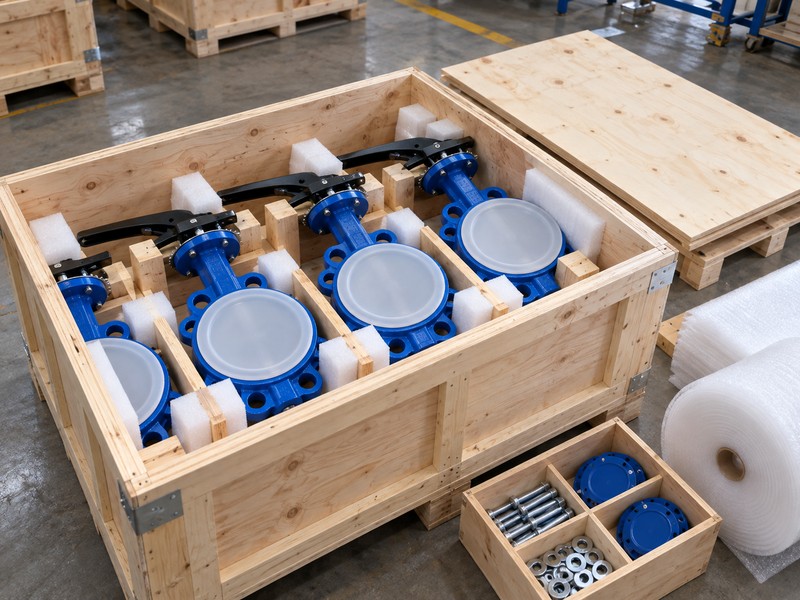
The shipment from double offset butterfly valve manufacturers should preserve the accepted assembly and its identity through handling and delivery. Review protection for sealing and machined surfaces, supported components, loose parts and required storage conditions. Packing photographs support visible observations but cannot establish every hidden restraint or transport requirement.
Which release records should follow the physical shipment?
Link the valve with its package. Match product identity, packing list, supplied accessories and document index with the final accepted configuration. Retain the agreed release inspection and visible packing records, including any handling information required for the selected package. A protected crate cannot close missing acceptance documents, and blank forms cannot demonstrate that the identified shipment passed inspection.
- Review required face protection, support and handling provisions.
- Match products and accessories with packing and identity records.
- Retain accepted release and document-package references.
Key takeaway: Qualify shipment release through both physical packing requirements and traceable acceptance records.
| Check | What you should confirm |
|---|---|
| Protection | Agreed packing requirements cover the selected assembly |
| Identity | Product and accessories match shipment records |
| Release | Accepted inspection and document references accompany delivery |
10. What terms bind double offset butterfly valve manufacturers?
The terms agreed with double offset butterfly valve manufacturers should define the accepted technical scope and the conditions behind delivery commitments. Distinguish drawing approval, manufacturing completion, inspection release and transport handover. A general lead-time statement cannot establish when an unresolved configuration will be ready for shipment.
What should remain explicit before purchase release?
Close technical and delivery dependencies. Record document approvals, required tests, witness arrangements, packing scope and accepted milestones with assigned responsibilities. Identify deviations and exclusions before comparing commercial offers, retaining the exact proposed construction and required approval evidence. RUITO can review an identified request and available documents; its actual proposed scope and supporting records require confirmation before any supply commitment.
- Define approved configuration and included document scope.
- Connect delivery milestones with their required acceptance conditions.
- Record deviations, responsibilities and unresolved purchase requirements.
Key takeaway: Release the purchase against an identified technical package and achievable, conditional delivery milestones.
| Check | What you should confirm |
|---|---|
| Scope | Technical and commercial records describe the same offer |
| Milestones | Completion and release conditions have explicit definitions |
| Commitment | Proposed construction and supporting evidence are confirmed |
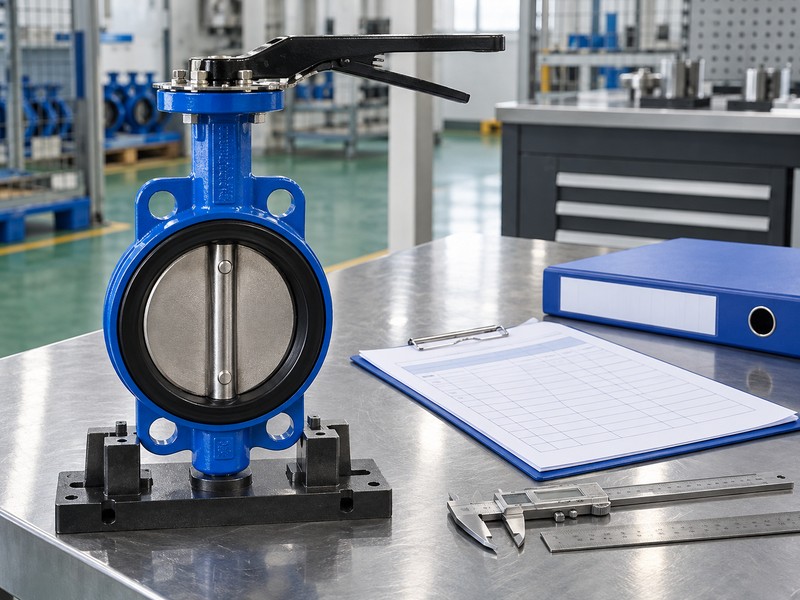
Send RUITO your identified valve request, service conditions, body and seat requirements, inspection scope and existing technical schedule. We can review the proposed scope and clarify which actual configuration and supporting documents would be needed for evaluation. Contact us before accepting general factory claims as qualification for the specific assembly you intend to purchase.
FAQ
Q1: Can I qualify a supplier from workshop photographs alone?
No. Link the offered configuration with controlled drawings, relevant manufacturing checks, material traceability and required acceptance records.
Q2: What’s the best record to request for a factory review?
Request an identified evidence package. Trace one relevant product through its drawing revision, materials, inspection results and release documentation.
Q3: How do I know whether a material certificate covers the valve?
Follow the identity chain. The relevant component, heat or batch and assembly records must connect the certificate with the supplied configuration.
Q4: Can a pressure-test report establish all operating limits?
No. Service pressure-temperature and seat differential limits need actual model data; a test report addresses its specified inspection conditions.
Q5: How do I know whether a delivery date is supported?
Check its dependencies. Confirm configuration approval, required documents, manufacturing and inspection milestones, packing readiness and the agreed handover scope.