
Fix selection mistakes by reviewing every major component against the actual service and accepting the complete assembly through matching documents. A double offset butterfly valve enquiry should identify its body, disc, shaft, seat, packing, bearings and operator. Each part must suit the same stated media, temperature, pressure and operating duty.
A quotation names a stainless disc and a high-temperature seat yet leaves the packing material or reverse-pressure limit undefined. Those omissions can delay release even when the body pressure class matches your schedule. Use a component review that gives purchasing a specific document request for every unresolved duty question.
1. What identifies a double offset butterfly valve?
Identify a double offset butterfly valve as one assembly with a stated body style and controlled component definition. Double offset describes internal geometry, while wafer, lug and double-flanged describe different connection constructions. Neither the geometry label nor a general product-family name defines every supplied part.
Which construction must the offer actually describe?
Freeze the assembly identity. The Bray McCannalok technical manual separates body styles and seat options within its identified family. RUITO’s concentric soft-seated wafer and double-flanged double-offset configurations need their own documents; their features and ranges cannot be merged into a verified wafer double-offset offer. Request confirmation of any proposed combined configuration before treating it as available.
- Identify actual body style and offset construction separately.
- Link the model with one controlled component definition.
- Confirm proposed configurations before assuming supply or interchangeability.
Key takeaway: Review one identified assembly rather than combining favorable features from different catalogue entries.
| Check | What you should confirm |
|---|---|
| Construction | Actual body and geometry describe one selected assembly |
| Components | Parts list and drawings share an accepted identity |
| Supply | Supplier confirms the proposed configuration and documents |
2. What body suits a double offset butterfly valve?
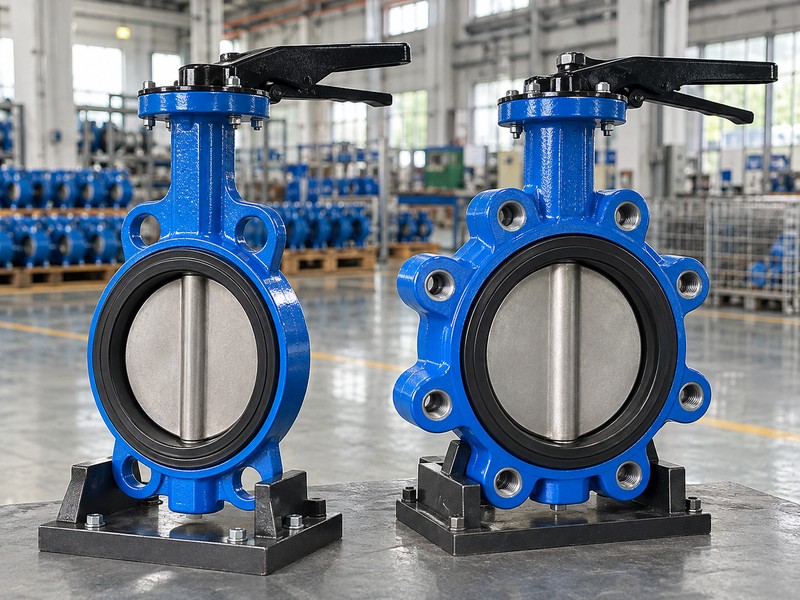
The body of a double offset butterfly valve provides the pressure boundary and the mounting structure for its internal parts. Select its material and pressure-temperature basis for the actual medium and service. A pressure class alone does not establish chemical compatibility, seat differential capacity or permitted end conditions.
What should the body-material review retain?
Define the pressure boundary. Request the actual material specification, connection construction and applicable design basis, with traceability documents required by the order. Evaluate external corrosion and wetted-fluid compatibility as separate exposure questions. Keep any end-of-line or dead-end requirement explicit because the selected body, retention and bolting arrangement need their own supporting evidence; a wafer label cannot establish that duty.
- Identify body material through its actual specification.
- Review internal fluid and external exposure separately.
- Request explicit evidence for unusual end conditions.
Key takeaway: Accept the body against its material, pressure boundary and actual end-condition requirements.
| Check | What you should confirm |
|---|---|
| Material | Specified body grade suits the identified service |
| Pressure boundary | Selected construction has a documented design basis |
| End condition | Actual restraint and pressure duty are explicitly covered |
3. What disc suits a double offset butterfly valve?
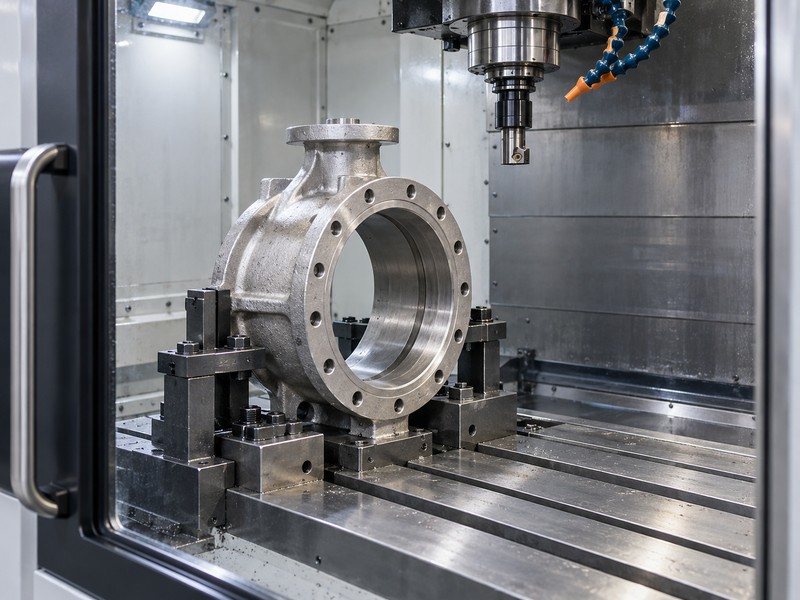
A double offset butterfly valve disc needs materials, sealing-edge construction and loading capability suited to the stated duty. Its wetted surfaces encounter the process medium while its seating edge works with a specific seat assembly. A stainless-looking exterior cannot identify alloy grade, coating or accepted corrosion performance.
Which disc details influence the service review?
Read the disc specification. Identify the actual alloy, any coating or surface treatment and the disc-to-shaft connection in the selected parts list and drawing. Review solids, erosion or chemical exposure with the manufacturer when these affect the application. Where throttling is required, request the selected flow and service limitations rather than assuming an isolation disc has suitable control behavior throughout its travel.
- Identify disc alloy and specified surface treatment.
- Link its sealing edge with the actual seat design.
- Review loading and any required throttling service explicitly.
Key takeaway: Review the disc as a loaded wetted component and one half of a defined sealing pair.
| Check | What you should confirm |
|---|---|
| Wetted surface | Material and treatment suit the actual medium |
| Sealing edge | Disc and seat form the documented sealing pair |
| Service | Isolation or throttling duty has selected-product support |
4. What shaft suits a double offset butterfly valve?
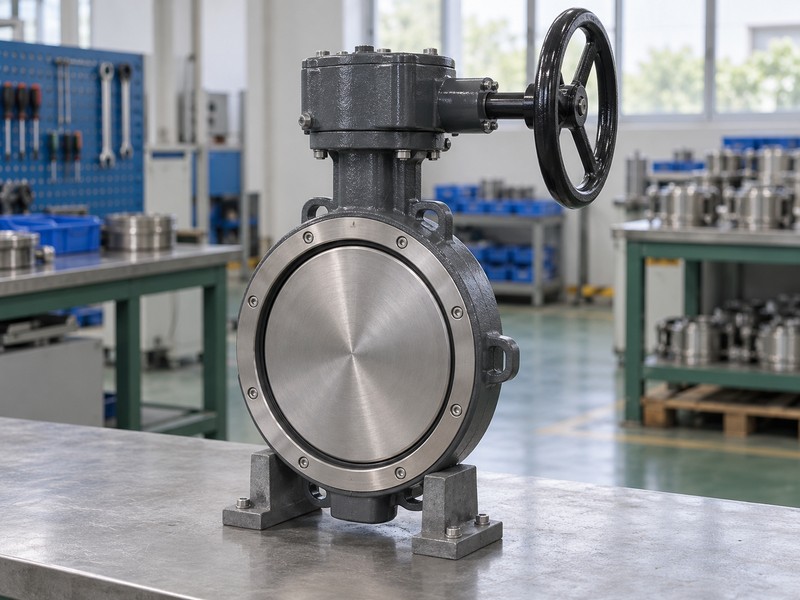
The shaft of a double offset butterfly valve carries operating torque and connects the operator with the disc. Review its material, permitted torque and retention arrangement within the selected construction. A common operator attachment cannot establish shaft strength or prove that a replacement drive respects its limits.
How should the shaft and drive path be checked?
Check the torque path. Request the shaft definition, disc connection, drive interface and applicable allowable torque from the manufacturer. One-piece and divided-shaft constructions are product-specific choices, so the category name cannot define the connection. Request retention evidence separately from actuator capacity, and review any proposed material or coupling substitution for its effect on the complete load path and service compatibility.
- Identify shaft material and its permitted torque basis.
- Review disc connection, retention and operator interface.
- Assess substitutions across the complete drive load path.
Key takeaway: Check shaft capacity and connection evidence before approving the operator’s output range.
| Check | What you should confirm |
|---|---|
| Material | Shaft specification suits loads and actual exposure |
| Connection | Disc attachment and drive interface are identified |
| Limit | Selected allowable torque bounds operator application |
5. What seat suits a double offset butterfly valve?
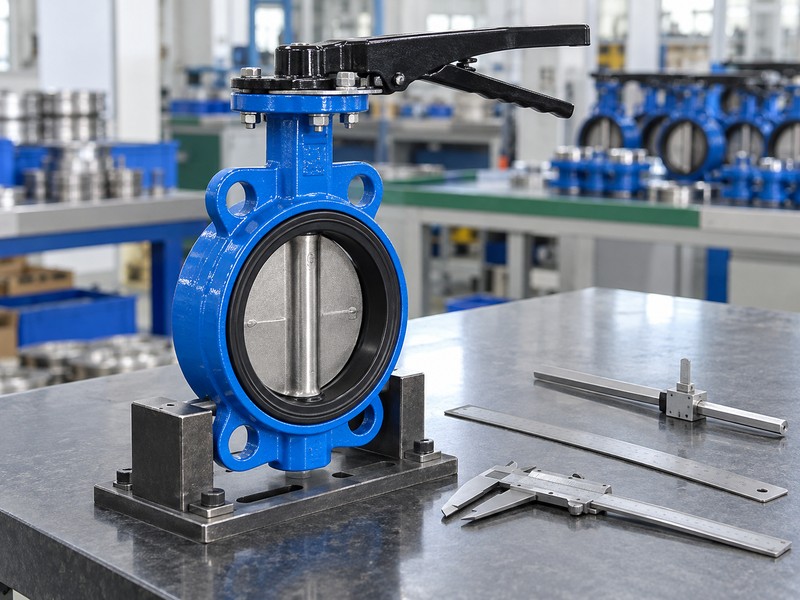
A double offset butterfly valve does not have one universal seat material or leakage performance. Polymer, elastomer, metal and combined constructions have different service and acceptance limits. Select the complete seat assembly, including its retention and supporting components, for the actual medium, temperature and differential pressure.
Which seat evidence belongs with the order?
Specify the seating duty. The Keystone K-LOK technical sheet distinguishes seat constructions and their corresponding operating and leakage data for its identified family. Request the selected seat materials, permitted differential and test acceptance basis for your assembly. Metal seating alone cannot establish zero leakage, and a fire-tested option cannot establish fire performance for every seat variant or supplier.
- Identify the complete seat and retention construction.
- State required differential and accepted leakage criterion.
- Keep special-option evidence tied to the selected configuration.
Key takeaway: Purchase an identified seat assembly with a stated service envelope and measurable acceptance basis.
| Check | What you should confirm |
|---|---|
| Materials | Seat and associated components suit actual service |
| Differential | Selected design covers the stated pressure direction and duty |
| Acceptance | Test method and permitted leakage are explicitly defined |
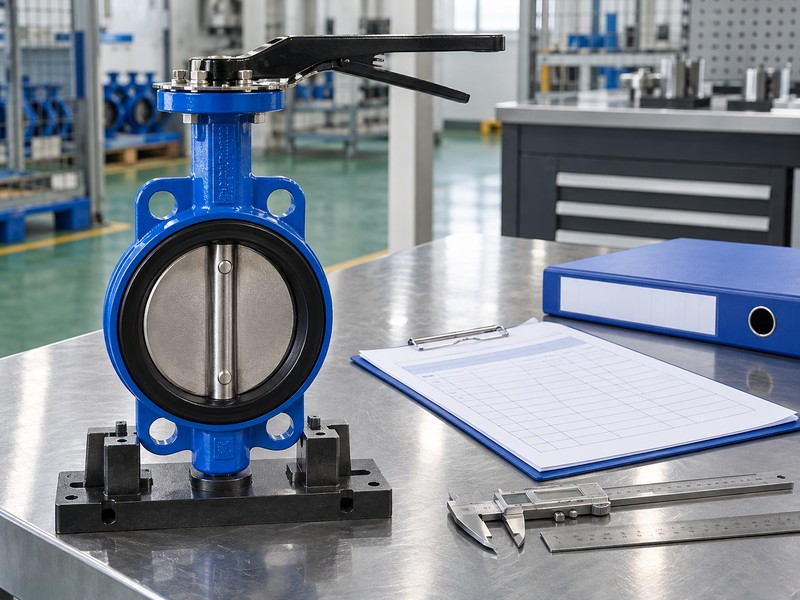
6. What packing suits a double offset butterfly valve?
Packing in a double offset butterfly valve seals the shaft penetration against external leakage. Its function differs from the seat’s shutoff duty across the disc. Identify packing material, supporting rings and gland arrangement for the actual medium, temperature and any required external-emissions acceptance.
Why should stem sealing have its own specification?
Separate stem sealing from shutoff. A seat leakage result does not demonstrate acceptable external leakage at the shaft, and a packing material name cannot define every application limit. Request the selected packing arrangement, required inspection evidence and applicable option coverage. Keep adjustment and replacement work under the manufacturer’s procedure rather than adding an unverified gland setting or assuming that tighter packing will correct every leak.
- Identify packing and supporting components in the parts list.
- Specify any required external-leakage acceptance separately.
- Retain the selected maintenance and replacement instructions.
Key takeaway: Give shaft sealing its own service and acceptance review alongside the seat shutoff requirement.
| Check | What you should confirm |
|---|---|
| Function | Packing seals the external shaft penetration |
| Materials | Selected sealing components suit media and temperature |
| Evidence | Required external-leakage or option records match the assembly |
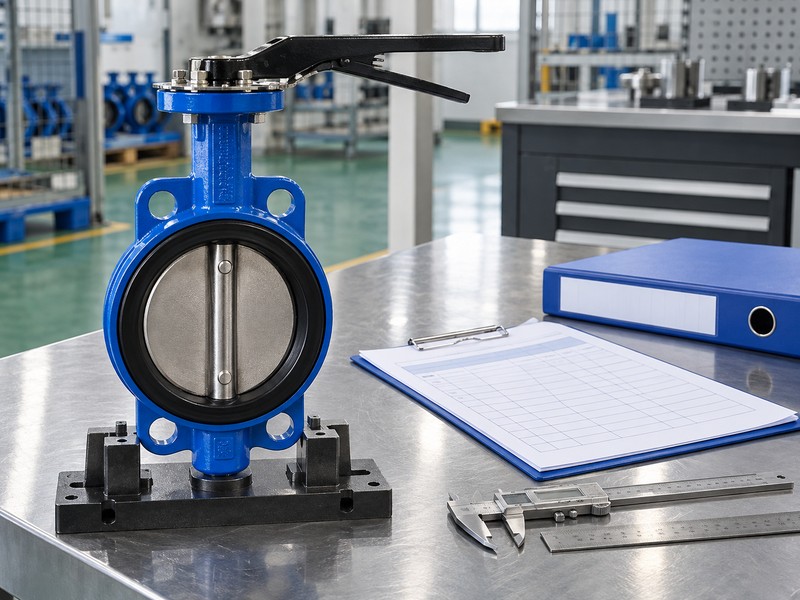
7. What bearings suit a double offset butterfly valve?
Bearings in a double offset butterfly valve support the shaft and help maintain the designed relationship between disc and seat. Their materials and arrangement must suit actual temperature, loads and any exposure defined by the construction. Reduced seat rubbing does not make every bearing, packing surface or drive connection friction-free.
What should the support-component review establish?
Identify the support components. Request bearing or bushing materials and any associated thrust or locating pieces from the selected component definition. Review the manufacturer’s restrictions for media, temperature and operating duty, including lubrication requirements where applicable. A cam-action description cannot establish maintenance-free service, a universal wear rate or a guaranteed cycle life for the complete assembly.
- Identify bearing, bushing and locating components explicitly.
- Review actual load, temperature and exposure requirements.
- Retain applicable lubrication and maintenance restrictions.
Key takeaway: Review shaft support through the actual parts and service conditions rather than a low-friction headline.
| Check | What you should confirm |
|---|---|
| Support | Selected components locate and support the shaft |
| Materials | Bearing construction suits actual loads and exposure |
| Service | Maintenance limits follow selected-product information |
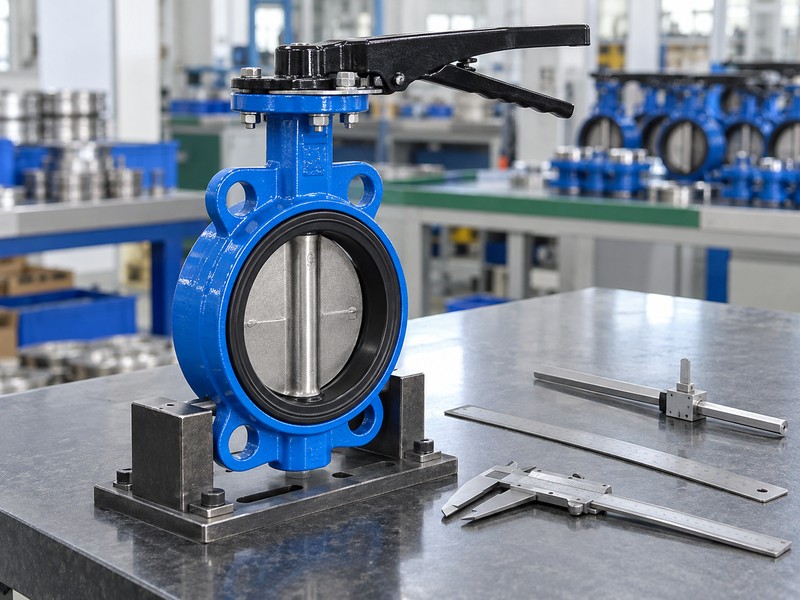
8. What operator suits a double offset butterfly valve?
Size the operator for a double offset butterfly valve using its documented seating, unseating, running and relevant fluid-torque demands. Those demands depend on the selected seat, medium, temperature and differential pressure. Check available operator output and connected-component limits at the same application points.
Which operating cases should the sizing record include?
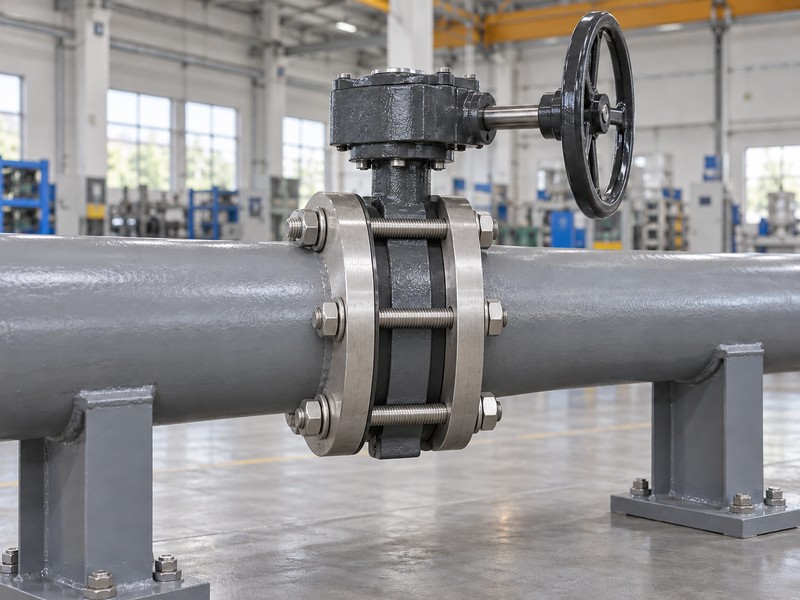
Match demand and output. Record the demanding opening and closing cases, required operating method and actual available supply for powered equipment, or permitted effort for manual operation. Retain the manufacturer’s sizing basis without inventing a universal allowance or smaller-actuator guarantee. Mounting fit, output capacity and maximum transmitted torque need separate checks, while the static installation concept provides no measured effort or actuator-performance result.
- Obtain valve torque demands for the stated operating cases.
- Check actual operator output and connected-component limits.
- Retain manual-effort or powered-supply assumptions with sizing.
Key takeaway: Approve the operating package from documented demand, available output and the complete drive limits.
| Check | What you should confirm |
|---|---|
| Demand | Selected valve data covers actual service and movement |
| Output | Operator capability matches its available input conditions |
| Protection | Permitted shaft and connection torque remain respected |
9. What duty limits a double offset butterfly valve?
A double offset butterfly valve needs one duty schedule covering media, temperature, service pressure and forward or reverse differential. Pressure-temperature limits must belong to the same size and material configuration. The body’s pressure class cannot replace the seat differential limit or justify combining unrelated catalogue maxima.
How should reviewers read the operating envelope?
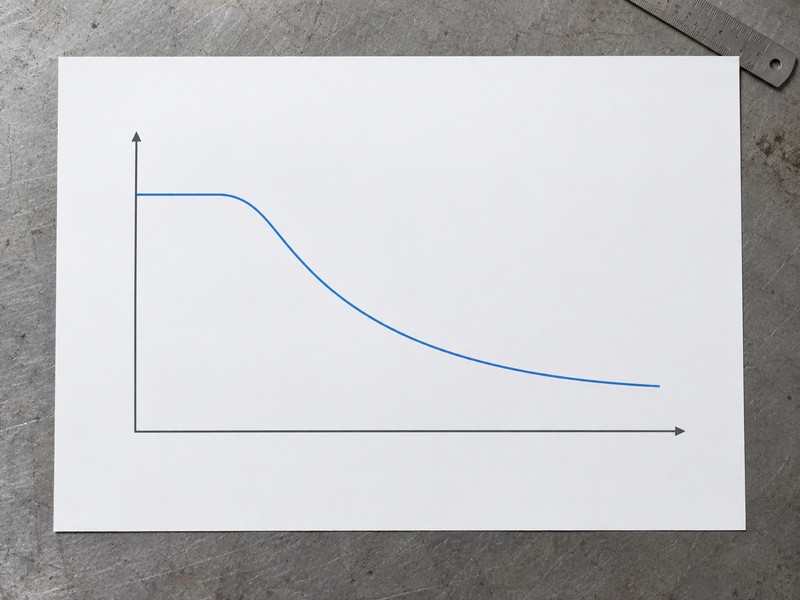
Map the full operating cases. Include normal operation, closure, reversal and any stated transient or cleaning condition, then compare them with the selected assembly’s accepted limits. The qualitative chart reads increasing temperature to the right and allowable pressure upward, without numerical ratings or an actual operating point. Its descending line supplies no universal derating rule; selected body, seat, shaft and packing data govern the real envelope.
- State media composition and all required temperature conditions.
- Distinguish service pressure from actual closing differential.
- Check directional limits and special operating cases explicitly.
Key takeaway: Accept operating cases only where the selected assembly’s component limits support the same conditions.
| Check | What you should confirm |
|---|---|
| Fluid | Composition and temperature match component compatibility review |
| Pressure | Body and seat limits cover their actual stated duties |
| Direction | Preferred orientation and reverse differential remain separately defined |
10. What accepts a double offset butterfly valve?
Accept a double offset butterfly valve through records that connect its identity, component definition and complete duty with the agreed inspection scope. Review body pressure evidence, seat leakage, external sealing and functional operation as distinct checks. A collection of component certificates cannot by itself demonstrate an accepted assembled valve.
Which records should purchasing retain at release?
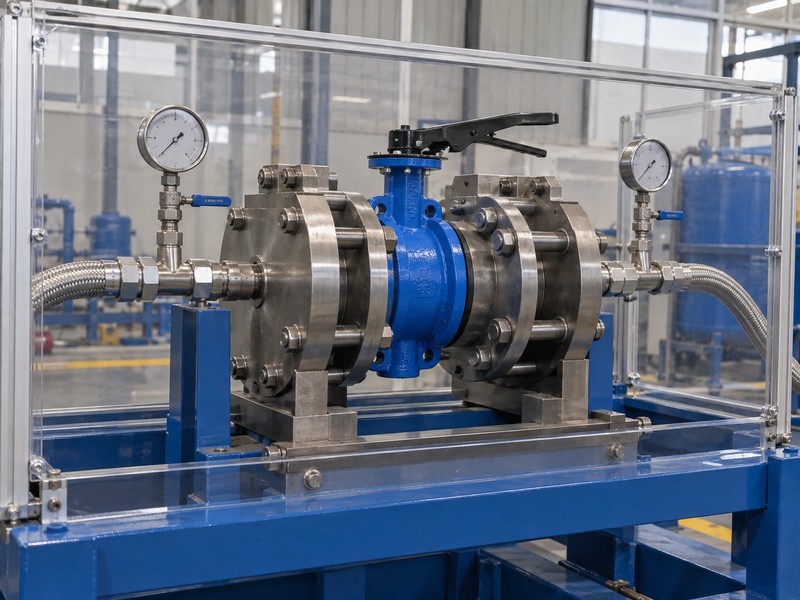
Accept the identified assembly. Retain the controlled drawing, parts definition, material records, duty limits, operator sizing and agreed inspection results against the supplied valve identity. The Bray McCannalok installation manual illustrates why selected assembly instructions accompany product data rather than a generic category description. Actual work follows the selected manufacturer’s instructions and project authorization, while a hydraulic fixture illustration proves no pressure, leakage or completed test result.
- Match supplied identity with accepted drawings and component records.
- Retain separate inspection results for their stated functions.
- Control substitutions through review of affected duty and acceptance.
Key takeaway: Release the complete valve against matching duty and acceptance records, with substitutions explicitly reviewed.
| Check | What you should confirm |
|---|---|
| Identity | Supplied assembly matches controlled documents and accepted parts |
| Duty | Operating and sizing records cover the agreed application |
| Acceptance | Required inspection results identify methods, scope and outcomes |
Send RUITO the required body style, media, operating cases, differential pressures and available assembly documents. We can review the proposed application and identify which component or duty records still need confirmation. Contact us before approving a configuration change or replacement package.
FAQ
Q1: Does double offset mean the valve is metal-seated?
No. Seat constructions vary by model. Identify the actual seat assembly and its media, temperature, differential and leakage-acceptance limits.
Q2: Can the body pressure class define the complete operating range?
No. Review limits for the same body, disc, shaft, seat and packing configuration, including the actual seat differential duty.
Q3: Does a mounting match establish operator suitability?
No. Check actual valve demand, available operator output, manual effort or powered supply, and the permitted shaft and connection torque.
Q4: Can separate material certificates prove assembled-valve acceptance?
No. Retain component identity and material evidence alongside the required pressure, leakage, external-sealing and functional inspection records.
Q5: Does a wafer range establish wafer double-offset availability?
No. Confirm the proposed body and geometry combination through supplier information and controlled documents for that exact configuration.