
Fix rating mistakes by checking the complete operating envelope for one identified configuration before accepting its duty. A double offset high performance butterfly valve needs matching pressure-temperature, shutoff-differential, media, flow and torque information. Its family label cannot replace the actual body, seat, packing and material limits.
A catalogue advertises high pressure and high temperature on the same page, while its detailed tables assign those maxima to different materials or seats. Combining them can create an operating point the offered assembly never supported. Review each required service case against one complete configuration and keep every limiting condition visible in the purchasing records.
1. How is a double offset high performance butterfly valve rated?
A double offset high performance butterfly valve rating applies to an identified size, body construction, material set and sealing arrangement. High performance does not create a universal pressure or temperature class. A double-offset family can include resilient seats, so compare actual constructions rather than treating those descriptions as mutually exclusive.
What must remain fixed during a rating review?
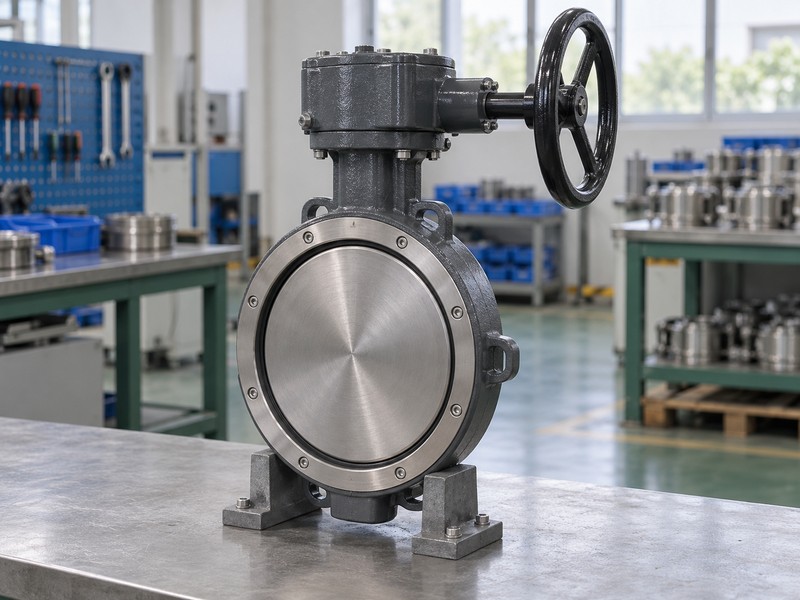
Identify one configuration. Retain model, body style, size, disc and shaft materials, seat, packing and selected options under the same document revision. Mark any incomplete material or seat definition as an unresolved limit. A generic exterior concept cannot verify those details, internal offset geometry or the availability of an equivalent supplier configuration.
- Identify the actual construction and complete material set.
- Keep seat, packing and options within the selected configuration.
- Retain the document revision used for the rating review.
Key takeaway: A rating review starts with one complete configuration whose published limits can be traced.
| Check | What you should confirm |
|---|---|
| Identity | Model, size and body style are fixed |
| Materials | Actual pressure and sealing components are defined |
| Revision | Reviewed limits describe that same configuration |
2. What P-T suits a double offset high performance butterfly valve?
Pressure-temperature data for a double offset high performance butterfly valve must cover the actual body, seat, packing and material combination. Check allowable pressure at the required temperature instead of joining separate maxima. Packing and other component restrictions remain part of the review even when a body chart appears acceptable.
How should the rating curves be interpreted?
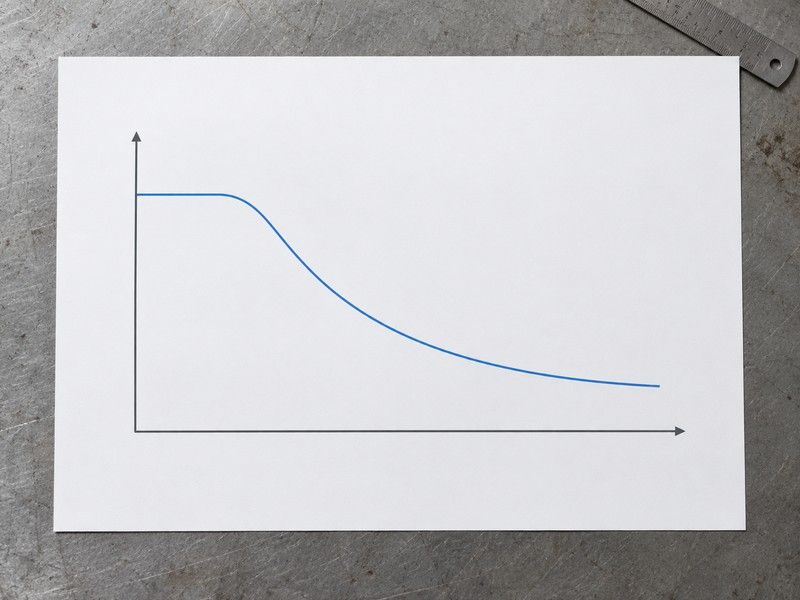
Read all limiting data. The Bray McCannalok technical manual distinguishes body-material and seat-material pressure-temperature information for its identified family. The conceptual chart reads temperature increasing rightward and allowable pressure upward, but its descending line supplies no actual rating or universal derating rule. Use the selected configuration’s data and stated restrictions to assess each required operating point.
- Read allowable pressure at the actual required temperature.
- Check seat, packing and other applicable restrictions separately.
- Keep chart assumptions and material definitions with the selection.
Key takeaway: Accept a pressure-temperature point only where every applicable configuration limit supports it.
| Check | What you should confirm |
|---|---|
| Body | Selected material permits the stated pressure and temperature |
| Sealing | Seat and packing restrictions also cover the point |
| Envelope | All applicable limits support the same operating condition |
3. What seat fits a double offset high performance butterfly valve?
The selected seat in a double offset high performance butterfly valve must suit the actual fluid and its full temperature exposure. Include additives, contaminants and cleaning media where applicable. Polymer, elastomer, metal and combined seat arrangements have different limits, and geometry alone cannot establish their chemical or sealing performance.
Which media conditions belong in the selection record?
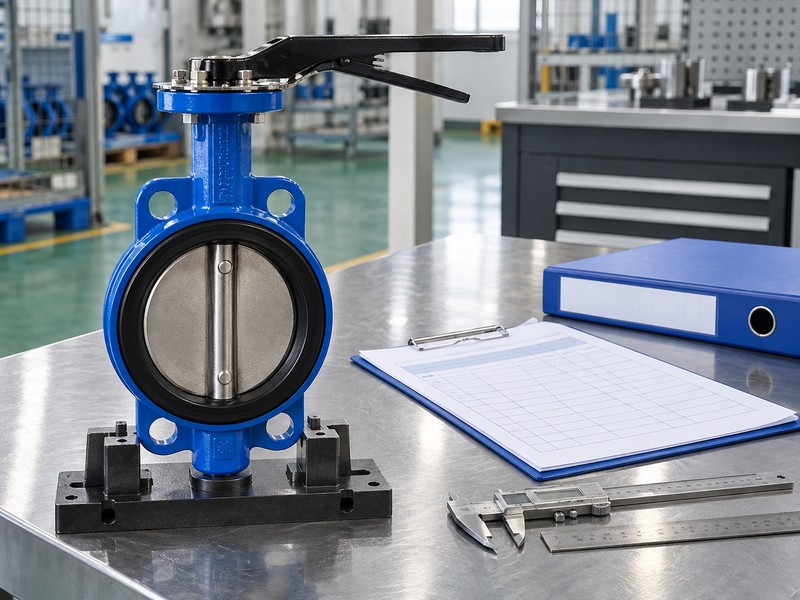
Describe the complete medium. The Keystone K-LOK technical sheet separates seat constructions and corresponding service information for its identified family. Give the supplier fluid composition, concentration, temperature and relevant solids or cleaning conditions for the actual application review. Retain the selected seat, energizer, packing and wetted-material definition instead of relying on a broad chemical-resistance phrase.
- State fluid composition and any relevant concentration.
- Include contaminants, solids and required cleaning conditions.
- Review all wetted and sealing materials within one assembly.
Key takeaway: Media compatibility belongs to the complete selected material arrangement under its actual exposure conditions.
| Check | What you should confirm |
|---|---|
| Composition | Actual medium is defined beyond a generic fluid name |
| Exposure | Operating and cleaning temperatures are stated |
| Compatibility | Selected wetted and sealing materials have application support |
4. What DP suits a double offset high performance butterfly valve?
For a double offset high performance butterfly valve, shutoff differential pressure means the pressure difference acting across the closed disc. It differs from line pressure considered by itself. Identify the required forward and reverse cases, then review their permitted limits with the selected seat and actual temperature.
How do direction and preferred orientation differ?
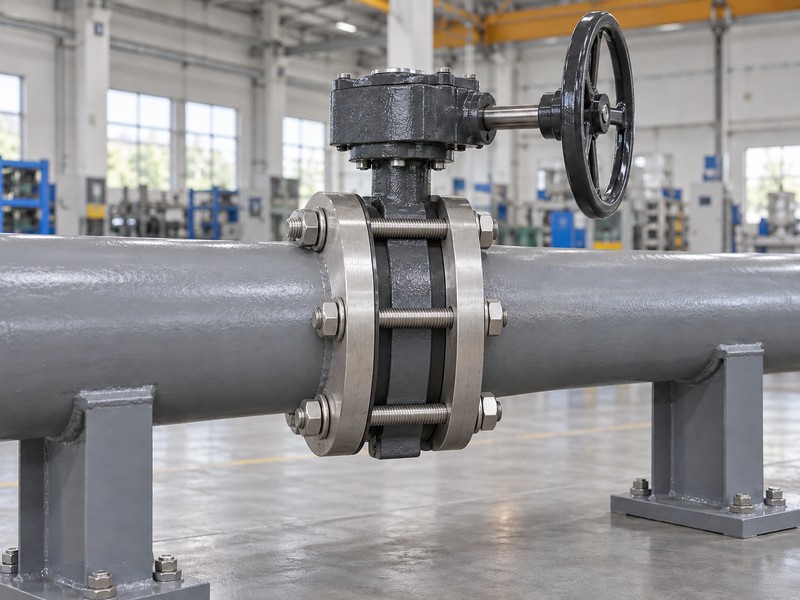
State both pressure directions. Bidirectional sealing and a preferred installation orientation can coexist, as the Bray McCannalok installation manual demonstrates for its identified family. That example supplies no universal direction rule for another valve or seat. Retain actual forward and reverse differential limits, preferred orientation and any throttling restrictions as separate requirements in the duty schedule.
- Distinguish line pressure from pressure across the disc.
- Identify required forward and reverse shutoff cases.
- Keep preferred orientation and throttling restrictions separately stated.
Key takeaway: Review differential and direction explicitly rather than treating bidirectional wording as an unrestricted duty rating.
| Check | What you should confirm |
|---|---|
| Line pressure | Describes pressure at an identified system location |
| Differential | Describes pressure difference across the valve |
| Direction | Selected seat limits cover the required pressure cases |
5. What flow fits a double offset high performance butterfly valve?
Flow data for a double offset high performance butterfly valve needs its selected size, construction, opening and coefficient definition. A full-open coefficient cannot establish performance at every partial position. Retain the actual fluid basis and application calculation rather than treating one catalogue value as a complete service guarantee.
What should a coefficient comparison include?
Read the coefficient basis. Identify whether the supplier provides Cv or Kv and which opening, valve variant and stated reference conditions apply. Use the actual fluid properties and selected sizing method for the application, with separate review where gas, flashing or other conditions require it. Nominal diameter and double-offset geometry cannot establish one universal flow coefficient or permitted throttling range.
- Identify coefficient definition, valve variant and opening.
- Use actual fluid properties in the application calculation.
- Retain separate operating restrictions for required throttling service.
Key takeaway: A flow coefficient supports sizing only within its stated configuration, opening and application basis.
| Check | What you should confirm |
|---|---|
| Coefficient | Cv or Kv has an identified reference basis |
| Opening | Published value belongs to the stated disc position |
| Application | Selected sizing method addresses actual fluid and duty |
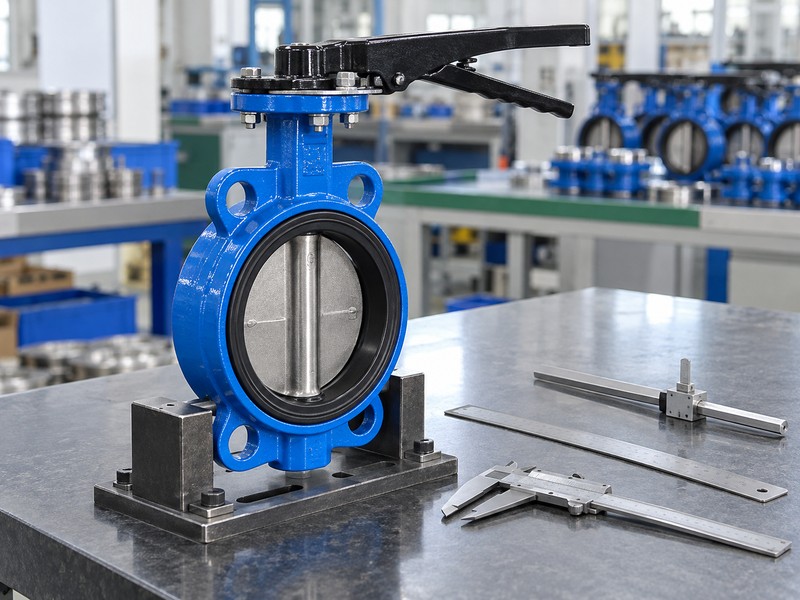
6. What torque fits a double offset high performance butterfly valve?
A double offset high performance butterfly valve needs an operator that covers documented seating, unseating, running and relevant fluid-torque demand. Check those demands for the actual differential, medium, temperature and direction. Available output must also respect the permitted shaft, coupling and mounting limits throughout the required movement.
Which input conditions govern available output?
Compare demand and available output. For powered equipment, retain actual supply conditions and the selected actuator’s output behavior; manual operation needs its accepted effort basis. Keep valve demand separate from maximum allowable shaft torque and operator capacity, with any sizing allowance explicitly justified. A generic actuator illustration proves neither adequate output nor a universal torque reduction from double-offset geometry.
- Identify torque demands for the actual operating cases.
- Check available operator output at its stated input conditions.
- Retain shaft and drive limits with the sizing basis.
Key takeaway: Size the complete operating package from demand, available output and the limits of connected parts.
| Check | What you should confirm |
|---|---|
| Demand | Valve data covers selected service and movement |
| Capacity | Operator output matches actual available supply or effort |
| Limit | Shaft and connected parts retain their permitted torque bounds |
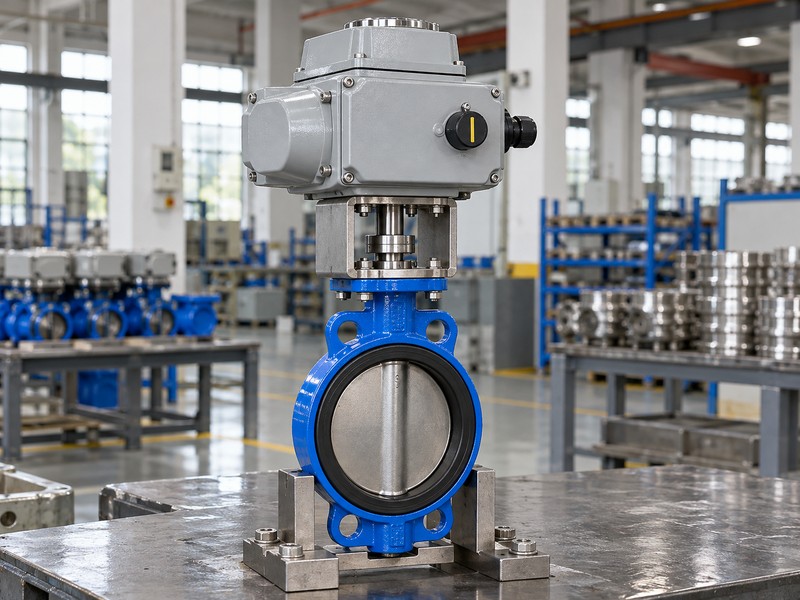
7. How tight is a double offset high performance butterfly valve?
Leakage acceptance for a double offset high performance butterfly valve belongs to the selected seat, test method and stated conditions. A metal seat does not establish zero leakage, and a resilient seat description cannot supply every acceptance detail. Define the required criterion before comparing offered sealing performance.
Which conditions must accompany a leakage claim?
Specify measurable acceptance. Retain the applicable test method, edition where required, test medium, pressure direction and acceptance criterion for the actual seat arrangement. Keep leakage through the closed valve separate from external leakage at the shaft or body joints. A generic pressure-test illustration cannot identify the medium, result or accepted sealing class for your order.
- State the selected seat leakage criterion explicitly.
- Retain test method, medium and relevant pressure direction.
- Keep internal shutoff and external sealing acceptance separate.
Key takeaway: Compare leakage claims through matching methods and conditions for the actual supplied seat configuration.
| Check | What you should confirm |
|---|---|
| Shutoff | Seat leakage meets the agreed test criterion |
| External sealing | Shaft and joint leakage have their own acceptance scope |
| Evidence | Recorded conditions and results identify the tested configuration |
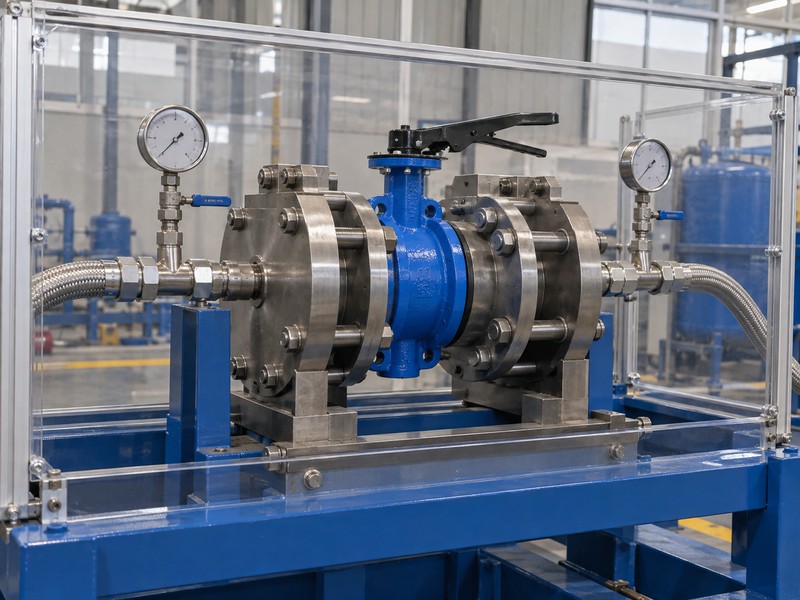
8. What tests rate a double offset high performance butterfly valve?
Inspection pressure applied to a double offset high performance butterfly valve is a test condition, not a replacement for its permitted service envelope. Body and seat tests can address different functions under different specified conditions. A successful inspection does not raise the documented working pressure or remove material and temperature restrictions.
How should service limits and test evidence be separated?
Keep the rating and inspection bases distinct. Retain the selected operating limits alongside the agreed inspection plan, with each test’s pressure, medium, scope and acceptance recorded. A room-temperature pressure record cannot by itself establish hot-service performance or compatibility with another fluid. Treat special validation as an identified requirement where the actual application needs evidence beyond the routine acceptance scope.
- Retain allowable service limits separately from inspection conditions.
- Identify which function each pressure test evaluates.
- State any application-specific validation requirement before release.
Key takeaway: Use inspection results as evidence within their scope while preserving the selected service-rating limits.
| Check | What you should confirm |
|---|---|
| Service | Accepted envelope governs actual operating conditions |
| Inspection | Specified test conditions evaluate their stated functions |
| Validation | Additional required evidence addresses identified application questions |
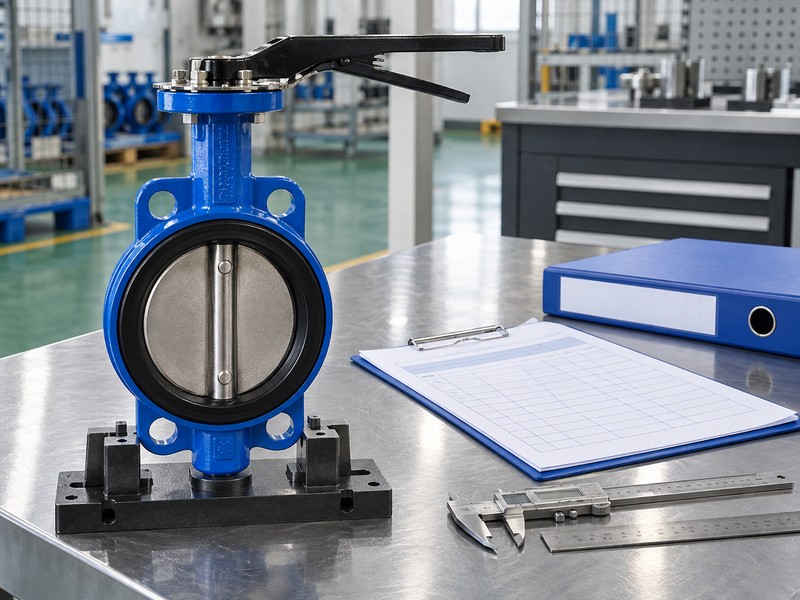
9. What options rate a double offset high performance butterfly valve?
Special options for a double offset high performance butterfly valve need configuration-specific evidence for the duty being claimed. Fire testing, external-emissions performance, hazardous-location accessories and cycling claims describe different requirements. An option name cannot establish that every seat, actuator or supplier assembly has the same coverage.
What must an option claim identify?
Match evidence to the supplied option. Request the actual component arrangement, applicable qualification scope and project acceptance requirements rather than copying a family-level certificate into an unrelated offer. For RUITO enquiries, confirm the requested body style and double-offset construction through an identified proposal; separate product ranges cannot establish a combined configuration. Generic actuator imagery supplies no approval or special-service performance evidence.
- Identify the exact special-service or approval requirement.
- Link evidence with the offered seat, materials and accessories.
- Review substitutions for their effect on claimed option coverage.
Key takeaway: Treat each option as a documented configuration claim rather than a category-wide performance guarantee.
| Check | What you should confirm |
|---|---|
| Requirement | Project defines the actual special-service duty |
| Configuration | Evidence covers the supplied option and associated components |
| Change | Substitution receives review of affected qualification scope |
10. What proves a double offset high performance butterfly valve?
Accept a double offset high performance butterfly valve operating envelope through records that connect the actual assembly with every required service case. Keep pressure-temperature limits, directional differential, material compatibility, leakage acceptance, flow basis and operator sizing under one identified configuration. Resolve exceptions before treating the proposal as technically complete.
Which records should remain with the accepted duty?
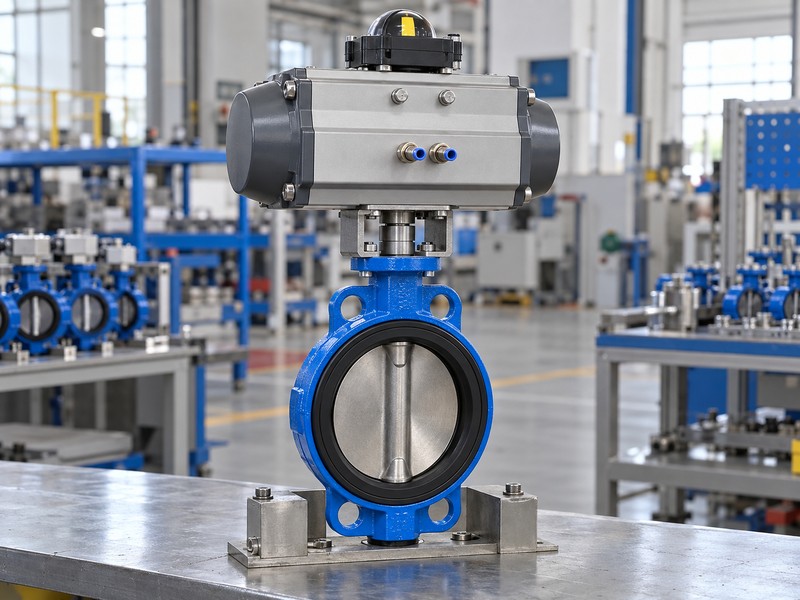
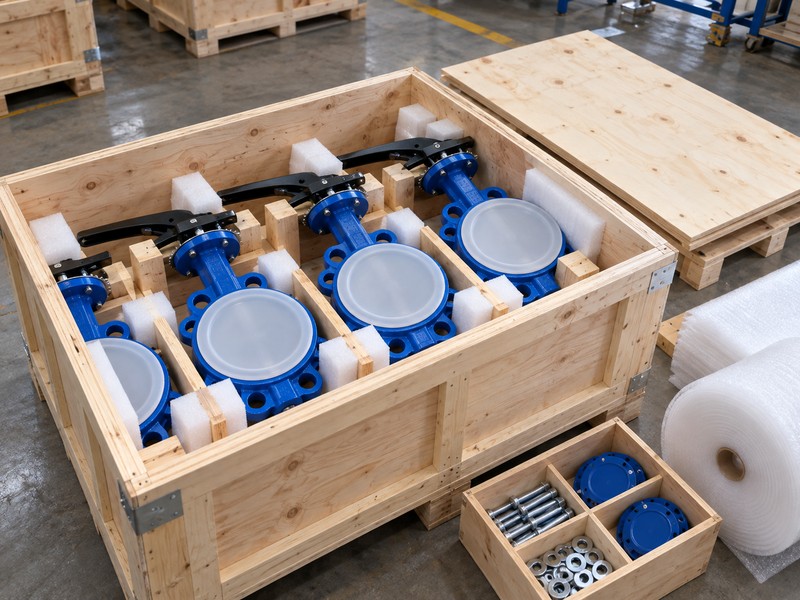
Release one documented envelope. Retain the selected drawing and parts definition, application schedule, supporting limits, sizing records and agreed inspection results against the supplied identity. Record approved deviations and review later substitutions for affected performance or acceptance requirements. Physical installation, adjustment and testing follow the selected manufacturer’s instructions and project authorization; a packing illustration supplies no actual shipment or accepted product evidence.
- Link each required operating case with supporting selected data.
- Retain accepted exceptions and complete inspection evidence.
- Control substitutions through review of affected envelope limits.
Key takeaway: A complete accepted record connects the purchased assembly with its actual duty and stated performance limits.
| Check | What you should confirm |
|---|---|
| Application | All required operating cases are identified |
| Support | Selected configuration data covers each claimed duty |
| Acceptance | Records and approved exceptions match the supplied assembly |
Send RUITO the requested body style, media, pressure-temperature cases, forward and reverse differential, leakage requirement and available sizing documents. We can review the application information and identify which configuration limits still need confirmation. Contact us before approving the proposed operating envelope or a substitute arrangement.
FAQ
Q1: Can family maximum pressure and temperature be combined?
Only when the selected configuration’s data supports that same operating point. Separate maxima can belong to different materials or seats.
Q2: Does bidirectional sealing eliminate preferred orientation?
No. A selected design can permit sealing in both directions while retaining a preferred orientation and defined directional differential limits.
Q3: Does high performance mean metal-seated?
No. Identified families offer different seat constructions. Check actual materials, compatibility, operating limits and leakage acceptance.
Q4: Can a pressure-test result raise the service rating?
No. A test record addresses its specified inspection scope; the selected pressure-temperature and component limits still govern service.
Q5: What data supports operator selection?
Use actual valve torque demands, operating cases, available actuator output or manual effort, and permitted shaft and drive limits.